
Penerangan Produk
China made hydraulic snowplow cylinders
- Product information
- Specification
Bahan
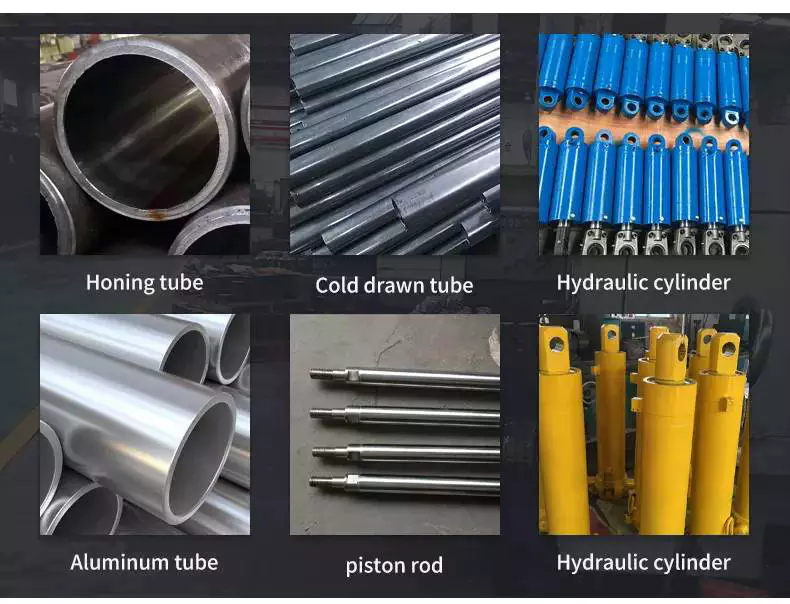
| Tube – Cold Drawn / Honed Tubing Piston Rod – Chromed, ground & polished 45#steel Rod Seals – Polyurethane U-Cap End Caps – Steel, threaded fixed Wear Ring – Nylon Backup Washer Mounts – Trunnion with angular Swivels |
Application
| Agriculture, Concrete & Asphalt, Cranes, Fire & Rescue,Forestry & Logging,Mining & Rock Crushing,Oil & Gas,Snow & Ice Control,Waste Management and Material Recycling Industry , Engineering Equipment, Special Vehicle, Fitness equipment
|
Feature | 1.High quality with a reasonable price 2.ISO9001-2008 3.Customized specification are accepted |
Payment | T/T;L/C,WESTERN UNION |
Port | HangZhou/ZheJiang , China |
Quotation | According to the specific request |
MOQ | According to the product |
Pembungkusan
| metal case;plywood case;carton or as requirement |
Delivery time | 30days upon receipt of 30% deposit; or upon receipt of relevant L/C; |
- About us
We specialize in this line for more than 20 years and trader with main products as follows: hydraulic cylinders, hydraulic power units, hydraulic manifolds-blocks, hydraulic flanges,pneumatic cylinders and custom-made components and parts, like industrial valves.
Our sales markets have covered North America, Europe, Australia, Japan and ect.
- Working Process
- Packaging & shipping
- FAQ
Q1: Do you accept OEM manufacturing?
A1: Yes! We do accept OEM manufacturing. We will quote you the exact price and make the exact cylinder according to your specification and drawing.
Q2: Can we design our own package or print our own logo?
A2: Yes! Package and logo will be made acording to your requirements.
Q3: Could we get small quantity samples?
A3: Yes! We understand the quality test is important and we are glad to make the sample for you. The MOQ is 1pcs.
Q4: How long is the production time?
A4: Generally the production time is 30 days.
Q5: What is the warranty?
A5: 12 months against B/L date.
Contact me, any comments will be appreciated.
Ellen Wang
| Certification: | CE, ISO9001 |
|---|---|
| Pressure: | Medium Pressure |
| Work Temperature: | Normal Temperature |
| Samples: | US$ 119/Piece 1 Piece(Min.Order) | Order Sample |
|---|
| Customization: | Available |
|
|---|
.shipping-cost-tm .tm-status-off{background: none;padding:0;color: #1470cc}
| Shipping Cost: Estimated freight per unit. | about shipping cost and estimated delivery time. |
|---|
| Payment Method: |
|
|---|---|
| Initial Payment Full Payment |
| Currency: | US$ |
|---|
| Return&refunds: | You can apply for a refund up to 30 days after receipt of the products. |
|---|
Bagaimanakah silinder hidraulik menyumbang kepada keberkesanan kos keseluruhan proses perindustrian?
Silinder hidraulik memainkan peranan penting dalam meningkatkan keberkesanan kos keseluruhan proses perindustrian. Ia menawarkan beberapa kelebihan dan menyumbang kepada peningkatan produktiviti, peningkatan kecekapan, pengurangan kos penyelenggaraan dan peningkatan prestasi operasi. Berikut ialah penjelasan terperinci tentang bagaimana silinder hidraulik menyumbang kepada keberkesanan kos proses perindustrian:
1. Ketumpatan Kuasa Tinggi:
– Silinder hidraulik menyediakan nisbah kuasa-ke-berat yang tinggi, membolehkannya menjana daya yang besar dalam reka bentuk yang padat. Ketumpatan kuasa ini membolehkan penggunaan peralatan yang lebih kecil dan lebih ringan, mengurangkan kos bahan dan pembuatan, serta meningkatkan kecekapan proses perindustrian.
2. Kawalan Daya dan Kedudukan yang Tepat:
– Silinder hidraulik menawarkan kawalan daya dan kedudukan yang tepat, membolehkan pergerakan dan kedudukan jentera atau bahan kerja yang tepat. Tahap kawalan ini meningkatkan kecekapan proses, mengurangkan pembaziran bahan dan meningkatkan kualiti produk secara keseluruhan. Kawalan daya yang tepat juga meminimumkan risiko kerosakan peralatan, seterusnya mengurangkan kos penyelenggaraan dan pembaikan.
3. Kapasiti Pengendalian Beban Tinggi:
– Silinder hidraulik dikenali kerana keupayaannya untuk mengendalikan beban tinggi. Ia boleh mengenakan daya yang ketara, menjadikannya sesuai untuk aplikasi perindustrian tugas berat. Dengan mengendalikan beban berat dengan cekap, silinder hidraulik menyumbang kepada peningkatan produktiviti dan daya pemprosesan, mengurangkan keperluan peralatan tambahan dan memperkemas proses perindustrian.
4. Fleksibiliti dan Kebolehgunaan:
– Silinder hidraulik menawarkan tahap fleksibiliti dan versatiliti yang tinggi dalam proses perindustrian. Ia boleh diintegrasikan dengan mudah ke dalam pelbagai jenis jentera dan peralatan, membolehkan aplikasi yang pelbagai. Kebolehsuaian ini mengurangkan keperluan untuk peralatan khusus, menghasilkan penjimatan kos dan peningkatan kecekapan operasi.
5. Kecekapan Tenaga:
– Sistem hidraulik, termasuk silinder hidraulik, boleh direka bentuk untuk beroperasi dengan kecekapan tenaga yang tinggi. Dengan menggunakan reka bentuk litar hidraulik yang cekap, sistem kawalan termaju dan mekanisme pemulihan tenaga, silinder hidraulik meminimumkan pembaziran tenaga dan mengurangkan kos operasi. Sistem hidraulik yang cekap tenaga juga menyumbang kepada operasi perindustrian yang lebih lestari dan mesra alam.
6. Ketahanan dan Panjang Umur:
– Silinder hidraulik dibina untuk menahan persekitaran perindustrian yang mencabar dan penggunaan yang berat. Ia dibina dengan bahan yang teguh dan menjalani langkah kawalan kualiti yang ketat untuk memastikan ketahanan dan jangka hayat yang panjang. Keupayaannya untuk menahan keadaan yang teruk dan gerakan berulang mengurangkan keperluan penggantian yang kerap, meminimumkan masa henti dan kos penyelenggaraan.
7. Keperluan Penyelenggaraan yang Dikurangkan:
– Silinder hidraulik memerlukan penyelenggaraan yang agak rendah berbanding jenis penggerak lain. Sistem hidraulik yang direka bentuk dengan betul dengan mekanisme penapisan dan kawalan pencemaran yang cekap dapat mencegah kerosakan pada silinder dan memanjangkan jangka hayatnya. Keperluan penyelenggaraan yang berkurangan menghasilkan masa henti yang lebih rendah, kos buruh yang berkurangan dan keberkesanan kos proses perindustrian yang lebih baik.
8. Integrasi dan Automasi Sistem:
– Silinder hidraulik boleh disepadukan dengan lancar ke dalam proses perindustrian automatik. Dengan menggabungkan silinder hidraulik ke dalam sistem automatik, tugas boleh dilakukan dengan tepat dan boleh diulang, sekali gus mengurangkan ralat manusia dan mengoptimumkan kecekapan. Automasi juga membolehkan operasi berterusan, meningkatkan produktiviti dan keberkesanan kos keseluruhan.
9. Penggantian Kos Efektif:
– Dalam situasi di mana silinder hidraulik memerlukan penggantian atau pembaikan, keberkesanan kos proses masih dikekalkan. Silinder hidraulik biasanya direka bentuk secara modular, membolehkan penggantian komponen individu atau unit lengkap dengan mudah. Modulariti ini mengurangkan masa henti dan kos yang berkaitan, kerana hanya komponen yang terjejas perlu diganti, dan bukannya keseluruhan sistem.
Secara ringkasnya, silinder hidraulik menyumbang kepada keberkesanan kos keseluruhan proses perindustrian melalui ketumpatan kuasa yang tinggi, keupayaan kawalan yang tepat, kapasiti pengendalian beban yang tinggi, fleksibiliti, kecekapan tenaga, ketahanan, keperluan penyelenggaraan yang dikurangkan, penyepaduan sistem dan pilihan penggantian yang kos efektif. Keupayaannya untuk meningkatkan produktiviti, kecekapan dan prestasi operasi sambil meminimumkan kos penyelenggaraan dan masa henti menjadikan silinder hidraulik komponen yang berharga dalam pelbagai aplikasi perindustrian.
Advancements in Hydraulic Cylinder Technology Improving Corrosion Resistance
Advancements in hydraulic cylinder technology have led to significant improvements in corrosion resistance. Corrosion is a major concern in hydraulic systems, especially in environments where cylinders are exposed to moisture, chemicals, or corrosive agents. These advancements aim to enhance the durability and longevity of hydraulic cylinders. Let’s explore some of the key advancements in hydraulic cylinder technology that have improved corrosion resistance:
- Corrosion-Resistant Materials: The use of corrosion-resistant materials is a fundamental advancement in hydraulic cylinder technology. Stainless steel, for example, offers excellent resistance to corrosion, making it a popular choice in marine, offshore, and other corrosive environments. Additionally, advancements in metallurgy have led to the development of specialized alloys and coatings that provide enhanced corrosion resistance, extending the lifespan of hydraulic cylinders.
- Surface Treatments and Coatings: Various surface treatments and coatings have been developed to protect hydraulic cylinders from corrosion. These treatments can include electroplating, galvanizing, powder coating, and specialized corrosion-resistant coatings. These coatings create a barrier between the cylinder surface and corrosive elements, preventing direct contact and inhibiting the onset of corrosion. The selection of appropriate coatings depends on the specific application and environmental conditions.
- Sealing Technology: Effective sealing systems are crucial in preventing water, moisture, and contaminants from entering the cylinder and causing corrosion. Advancements in sealing technology have led to the development of high-quality seals and advanced sealing designs that offer superior resistance to corrosion. These seals are typically made from materials specifically engineered to withstand corrosive environments, ensuring long-term sealing performance and minimizing the risk of corrosion-related issues.
- Improved Surface Finishes: The surface finish of hydraulic cylinders plays a role in their resistance to corrosion. Advancements in machining and polishing techniques have allowed for smoother and more uniform surface finishes. Smoother surfaces reduce the likelihood of corrosion initiation and make it easier to clean and maintain hydraulic cylinders. Additionally, specialized finishes, such as passivation or chemical treatments, can be applied to further enhance corrosion resistance.
- Environmental Protection Features: Hydraulic cylinders can be equipped with additional features to protect against corrosion. These features may include protective boots, bellows, or shields that guard vulnerable areas from exposure to corrosive agents. By incorporating these protective elements into the design, hydraulic cylinders can withstand harsh environments and minimize the risk of corrosion-related damage.
In summary, advancements in hydraulic cylinder technology have significantly improved corrosion resistance. The use of corrosion-resistant materials, advanced surface treatments and coatings, innovative sealing technology, improved surface finishes, and the incorporation of environmental protection features have all contributed to enhanced durability and longevity of hydraulic cylinders in corrosive environments. These advancements ensure reliable performance and reduce the maintenance and replacement costs associated with corrosion-related issues.
Which industries and machinery commonly use hydraulic cylinders for power transmission?
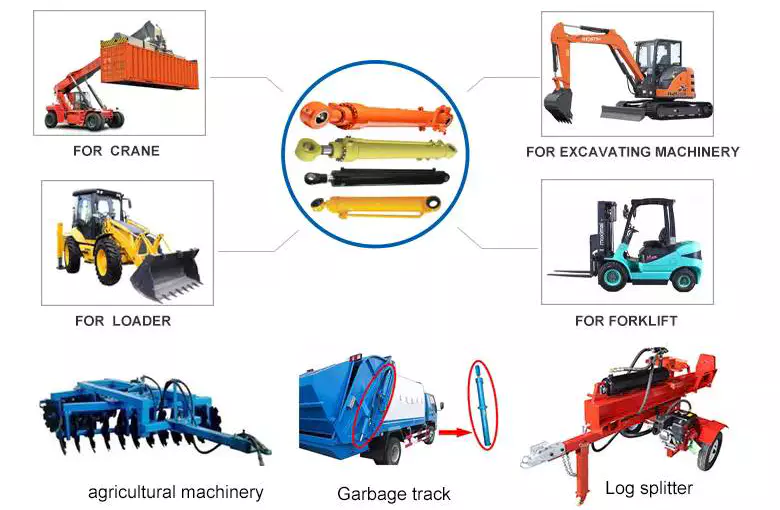
Hydraulic cylinders are widely used in various industries and machinery for power transmission due to their ability to generate high force, precise control, and reliable operation. They play a crucial role in converting hydraulic energy into mechanical force and motion. Here are the detailed industries and machinery that commonly utilize hydraulic cylinders for power transmission:
1. Construction and Heavy Equipment:
– Hydraulic cylinders are extensively used in the construction industry for tasks involving heavy lifting, pushing, and positioning. They are employed in cranes, excavators, loaders, bulldozers, and other heavy equipment to lift and move heavy loads, operate attachments, and manipulate construction materials. Hydraulic cylinders provide the necessary force and control for tasks such as lifting and lowering buckets, extending and retracting booms, and tilting blades.
2. Material Handling and Logistics:
– In material handling and logistics applications, hydraulic cylinders are vital components for the movement and manipulation of goods. They are used in forklifts, stackers, palletizers, and conveyor systems to lift, lower, and position loads with precision. Hydraulic cylinders enable the efficient transfer of heavy objects, facilitate stacking and sorting operations, and contribute to the smooth operation of material handling equipment.
3. Agriculture and Farming:
– The agricultural industry relies on hydraulic cylinders for various tasks in farming equipment. Tractors, harvesters, sprayers, and loaders utilize hydraulic cylinders to perform functions such as lifting and lowering implements, adjusting the position of attachments, and steering operations. Hydraulic cylinders enable efficient and precise control in tasks like plowing, tilling, harvesting, and baling, enhancing productivity and convenience in agricultural operations.
4. Mining and Extraction:
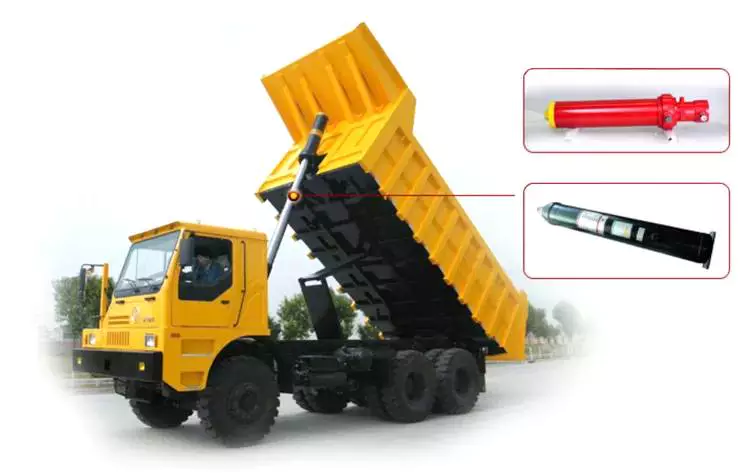
– Hydraulic cylinders are extensively utilized in the mining and extraction industry for their ability to handle heavy loads and operate in challenging environments. They are employed in mining equipment such as dump trucks, loaders, and excavators for tasks like ore extraction, rock breaking, and material transport. Hydraulic cylinders provide the force required for excavating, loading, and dumping operations, contributing to the efficiency and productivity of mining operations.
5. Manufacturing and Industrial Machinery:
– Hydraulic cylinders are an integral part of various manufacturing and industrial machinery. They are utilized in presses, stamping machines, injection molding machines, and metal forming equipment to apply force for shaping, bending, and pressing operations. Hydraulic cylinders enable precise control over the force and speed required for manufacturing processes, ensuring accurate and consistent results.
6. Automotive and Transportation:
– Hydraulic cylinders are employed in the automotive and transportation industry for a range of applications. They are used in vehicle lifting systems, such as car lifts and hydraulic jacks, for maintenance and repairs. Hydraulic cylinders are also utilized in bus doors, truck tailgates, and cargo handling systems to provide controlled movement and positioning. Additionally, hydraulic suspension systems in trucks, buses, and trailers use hydraulic cylinders for load leveling and stability.
7. Aerospace and Aviation:
– The aerospace and aviation industry relies on hydraulic cylinders for various applications, including aircraft landing gear, wing flaps, and flight control systems. Hydraulic cylinders provide the necessary force and precise control for extending and retracting landing gear, adjusting wing surfaces, and actuating control surfaces. They contribute to the safe and efficient operation of aircraft, ensuring reliable performance during takeoff, landing, and flight maneuvers.
8. Marine and Offshore:
– Hydraulic cylinders are utilized in marine and offshore equipment for a wide range of tasks. They are found in ship and boat steering systems, hatch covers, cranes, winches, and anchor handling equipment. Hydraulic cylinders enable precise control and powerful force transmission in maritime applications, supporting navigation, cargo handling, and offshore operations.
In summary, hydraulic cylinders are commonly used in industries such as construction, material handling, agriculture, mining, manufacturing, automotive, aerospace, marine, and more. They are integral components in machinery and equipment that require reliable power transmission, precise control, and the ability to handle heavy loads. The versatile nature of hydraulic cylinders allows them to be adapted to various applications, contributing to increased efficiency, productivity, and safety in numerous industries.


editor by CX 2023-11-27
 Malay
Malay  English
  Italian
  Portuguese
  Dutch
Dutch  Swedish
  Danish
  Finnish
  Polish
  Hindi
Hindi  Kazakh
  Turkish
  Ukrainian
  Romanian
  Spanish
  German
  Russian
  Korean
  Japanese
  Vietnamese
  Thai
Thai  Indonesian
  French
  Greek
Greek