
Penerangan Produk
Penerangan Produk
Offshore & marine hydraulic cylinder:
Due to use at sea of the Offshore & marine hydraulic cylinder, The environment temperature change and strong corrosive of seawater.
Thus for hydraulic cylinder requirement in addition to the running reliability and service life time. Also must has the very high corrosion resistance.
So we carried out on the hydraulic cylinder piston rod strict control of nickel plating,chrome plating or plating ceramics. The hydraulic cylinder outer surface of the strict coating, silica Gel, Etc, such surface treatment. To ensure the hydraulic cylinder without rust after long time running.
Our products have applications in:
- Port equipment;
- Offshore structures;
- Dredges;
- Hatch covers;
- Cranes and deck machinery;
- Steering gear;
- Etc.
Product Parameters
| Bahan | Carbon steel, Alloy steel, Stainless steel |
| Honed tube | 20-2500mm, Heat treatment, honing, rolling |
| Piston rod | 10-2000mm ,tempering, plated nickel, Chromium or ceramic |
| Tekanan Kerja | 5-300Mpa |
| Seals | Parker,Merkel,Hallite |
| Technology | Bosch CHINAMFG and Parker |
| Coating | Sandblasting, primer, middle paint, finish paint |
| Temperature range | -40ºC to +300ºC |
| Work medium | Hydraulic Oil |
| Piston speed | maximum 2m/s |
| Mounting style | Earrings, flange, foot mounting, screw thread. |
Product Application
Company Show
HETLOCK is a professional manufacturer of hydraulic cylinders in China, Founded in 1998, located in the international city of ZheJiang . Our plant is nearly 20000 square meter& We have 135 Employees including 11 experienced engineers and technical staff,More than 1800 type of hydraulic cylinder designed in every year. We can produce various kinds of hydraulic cylinders according to customer requirements.
The inside diameter of hydraulic cylinders can achieve the maximum 2500mm;
The hydraulic cylinders operating pressure can achieve the maximum 300MPa.
FAQ
Q1:Are you a manufacturer or trading company?
A: We are a manufacturer.
Q2: How many years of production experience do you have?
A: We have over 20 years of production experience.
Q3: Can it be customized?
A: Both standard and non-standard products can be customized.
Q4: How to ensure product quality?
A: We strictly follow the quality process for production and 100% inspection of each batch of products.
Q5: What services can you provide?
A: According to customer requirements, we can provide a one-stop solution from design, production, and delivery to meet their needs.
/* January 22, 2571 19:08:37 */!function(){function s(e,r){var a,o={};try{e&&e.split(“,”).forEach(function(e,t){e&&(a=e.match(/(.*?):(.*)$/))&&1
| Certification: | CE, ISO9001 |
|---|---|
| Pressure: | High Pressure |
| Work Temperature: | Normal Temperature |
| Acting Way: | Double Acting |
| Working Method: | Straight Trip |
| Adjusted Form: | Regulated Type |
| Customization: | Available |
|
|---|
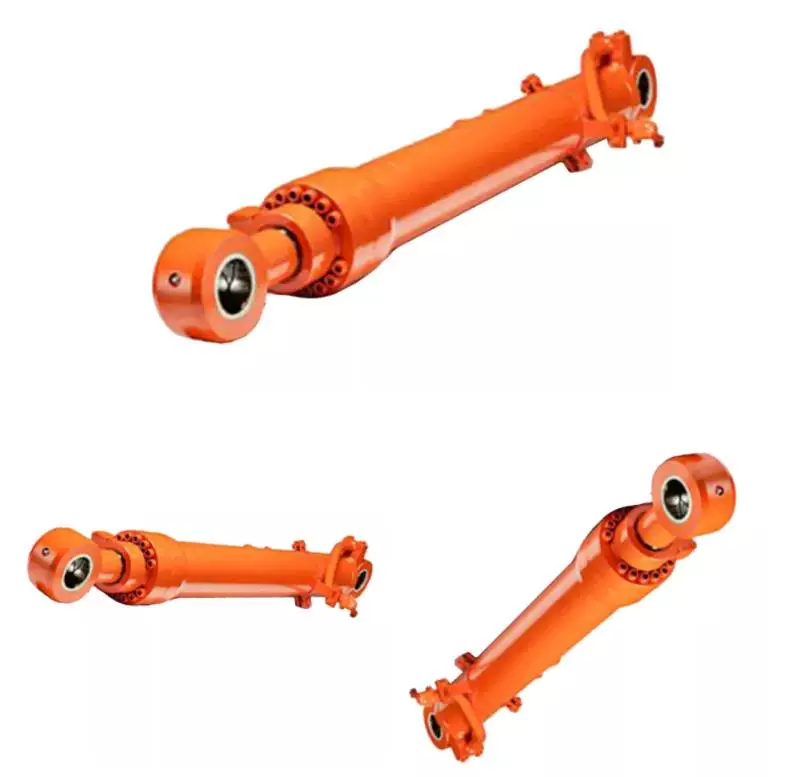
How do hydraulic cylinders enhance the performance of construction and mining equipment?
Hydraulic cylinders play a vital role in enhancing the performance of construction and mining equipment by providing powerful and precise linear motion. These industries require heavy-duty machinery that can withstand demanding conditions and efficiently perform tasks such as lifting, pushing, and digging. Here’s a detailed explanation of how hydraulic cylinders enhance the performance of construction and mining equipment:
1. Power and Force:
– Hydraulic cylinders are capable of generating substantial force, allowing construction and mining equipment to handle heavy loads and perform challenging tasks. The hydraulic system applies pressure to the fluid, which is transmitted to the hydraulic cylinder, resulting in the movement of the piston rod. The larger the diameter of the cylinder, the greater the force that can be generated. Hydraulic cylinders enable the equipment to exert significant force, making it possible to lift and move heavy materials, excavate soil and rock, and perform other demanding operations.
2. Precise Control:
– Hydraulic cylinders offer precise control over the movement of construction and mining equipment. By regulating the flow of hydraulic fluid into and out of the cylinder through control valves, operators can precisely control the speed, position, and force exerted by the hydraulic cylinder. This level of control allows for accurate and controlled movements, enabling operators to perform tasks with precision and efficiency. Whether it’s lifting a specific load, positioning an attachment, or maneuvering in tight spaces, hydraulic cylinders provide the necessary control for optimal equipment performance.
3. Adaptability:
– Hydraulic cylinders are highly adaptable to various construction and mining equipment. They can be designed and manufactured in different sizes, stroke lengths, and configurations to suit specific requirements. Hydraulic cylinders can be integrated into different types of equipment, such as excavators, loaders, bulldozers, and drilling rigs. Their adaptability allows for the customization of equipment to meet the needs of different applications and operating conditions, enhancing overall performance.
4. Durability and Reliability:
– Construction and mining environments are known for their harsh conditions, including extreme temperatures, vibrations, and exposure to dust, dirt, and debris. Hydraulic cylinders are designed to withstand these challenging conditions and provide long-lasting performance. They are constructed using robust materials, such as high-strength steel, and equipped with seals and components that can endure heavy loads, impacts, and contaminants. The durability and reliability of hydraulic cylinders ensure that construction and mining equipment can operate continuously and withstand the demanding nature of these industries.
5. Safety:
– Hydraulic cylinders contribute to the safety of construction and mining equipment operations. Their precise control allows operators to perform tasks with accuracy, minimizing the risk of accidents and damage to the equipment or surrounding structures. Hydraulic cylinders also enable the implementation of safety features, such as overload protection systems and emergency stop mechanisms, ensuring the safe operation of the equipment. The reliable and controlled movements provided by hydraulic cylinders enhance overall safety in construction and mining operations.
6. Increased Productivity:
– By providing the necessary power, precise control, and adaptability, hydraulic cylinders contribute to increased productivity in construction and mining applications. Construction and mining equipment equipped with hydraulic cylinders can perform tasks more efficiently and effectively, reducing the time and effort required to complete projects. The ability to handle heavy loads, control movements precisely, and adapt to various tasks improves the overall productivity of the equipment, leading to cost savings and improved project timelines.
In summary, hydraulic cylinders enhance the performance of construction and mining equipment by providing power, precise control, adaptability, durability, and safety. They enable these machines to handle heavy loads, perform tasks with accuracy, withstand harsh conditions, and increase productivity. Hydraulic cylinders are integral components that contribute to the efficiency and effectiveness of construction and mining operations.
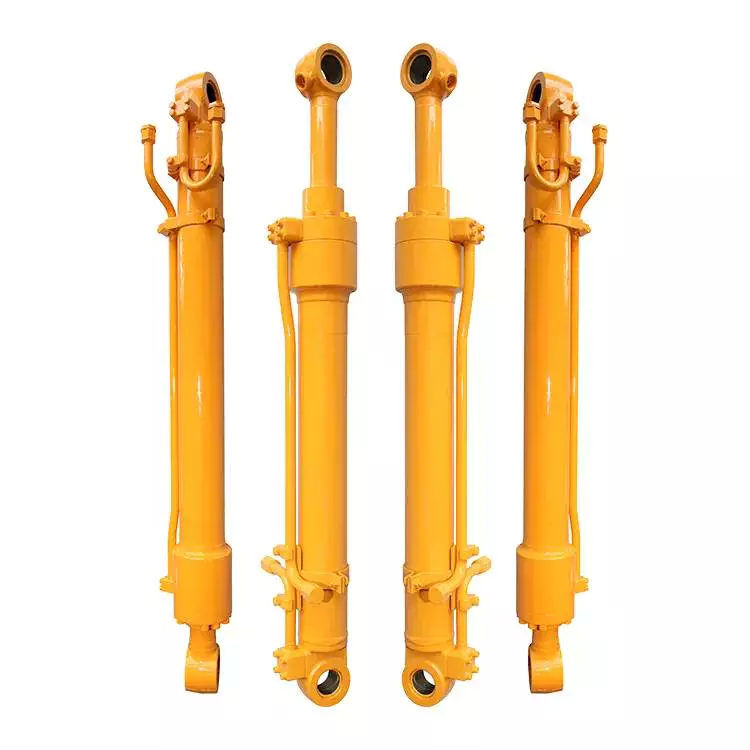
Menggunakan Silinder Hidraulik Bersamaan dengan Sumber Tenaga Alternatif
Silinder hidraulik sememangnya boleh digunakan bersama-sama dengan sumber tenaga alternatif. Sifat sistem hidraulik yang serba boleh membolehkannya disepadukan dengan pelbagai teknologi tenaga alternatif untuk meningkatkan kecekapan, kawalan dan penjanaan kuasa. Mari kita terokai beberapa contoh bagaimana silinder hidraulik boleh digunakan bersama sumber tenaga alternatif:
- Penyimpanan Tenaga Hidraulik: Silinder hidraulik boleh digunakan dalam sistem penyimpanan tenaga yang menggunakan sumber tenaga alternatif seperti sumber boleh diperbaharui (contohnya, solar atau angin) atau pemulihan tenaga sisa. Sistem ini menukar tenaga berlebihan kepada tenaga keupayaan hidraulik dengan mengepam bendalir ke dalam akumulator tekanan tinggi. Apabila tenaga diperlukan, bendalir bertekanan dilepaskan, memacu silinder hidraulik dan menjana kuasa mekanikal.
- Penukaran Tenaga Ombak dan Pasang Surut: Silinder hidraulik boleh digunakan dalam sistem penukaran tenaga ombak dan pasang surut. Sistem ini memanfaatkan kuasa ombak lautan atau arus pasang surut dan menukarkannya kepada tenaga yang boleh digunakan. Silinder hidraulik, bersama-sama dengan pam dan injap yang berkaitan, boleh digunakan untuk menangkap dan mengawal tenaga daripada ombak atau pasang surut, memacu silinder dan menjana kuasa mekanikal atau menghasilkan elektrik.
- Penjanaan Kuasa Hidroelektrik: Silinder hidraulik memainkan peranan penting dalam penjanaan kuasa hidroelektrik tradisional. Walau bagaimanapun, pendekatan alternatif seperti sistem berskala kecil atau mikro-hidro juga boleh mendapat manfaat daripada silinder hidraulik. Sistem ini menggunakan aliran air semula jadi atau buatan manusia untuk memacu turbin yang disambungkan ke silinder hidraulik, yang kemudiannya menukar tenaga hidraulik kepada kuasa mekanikal atau elektrik.
- Pengaktifan Hidraulik dalam Turbin Angin: Silinder hidraulik boleh digunakan dalam turbin angin untuk meningkatkan prestasi dan kawalan. Contohnya, sistem kawalan pitch hidraulik menggunakan silinder hidraulik untuk melaraskan sudut pitch bilah turbin angin, mengoptimumkan prestasi aerodinamiknya berdasarkan keadaan angin. Ini membolehkan penjanaan kuasa yang cekap dan perlindungan terhadap beban angin yang berlebihan.
- Pengekstrakan Tenaga Geoterma: Pengekstrakan tenaga geoterma melibatkan penggunaan haba semula jadi dari bahagian dalam Bumi untuk menjana kuasa. Silinder hidraulik boleh digunakan dalam sistem geoterma untuk mengawal dan mengawal aliran bendalir, membolehkan pengekstrakan dan penggunaan tenaga geoterma yang cekap. Ia juga boleh digunakan dalam pam haba geoterma untuk aplikasi pemanasan dan penyejukan.
Secara ringkasnya, silinder hidraulik boleh digunakan secara berkesan bersama-sama dengan sumber tenaga alternatif untuk meningkatkan penyimpanan tenaga, penjanaan kuasa dan kawalan. Sama ada melalui sistem penyimpanan tenaga hidraulik, penukaran tenaga ombak dan pasang surut, penjanaan kuasa hidroelektrik, pengaktifan hidraulik dalam turbin angin atau pengekstrakan tenaga geoterma, silinder hidraulik menawarkan penyelesaian yang serba boleh dan cekap untuk memanfaatkan dan memanfaatkan sumber tenaga alternatif.
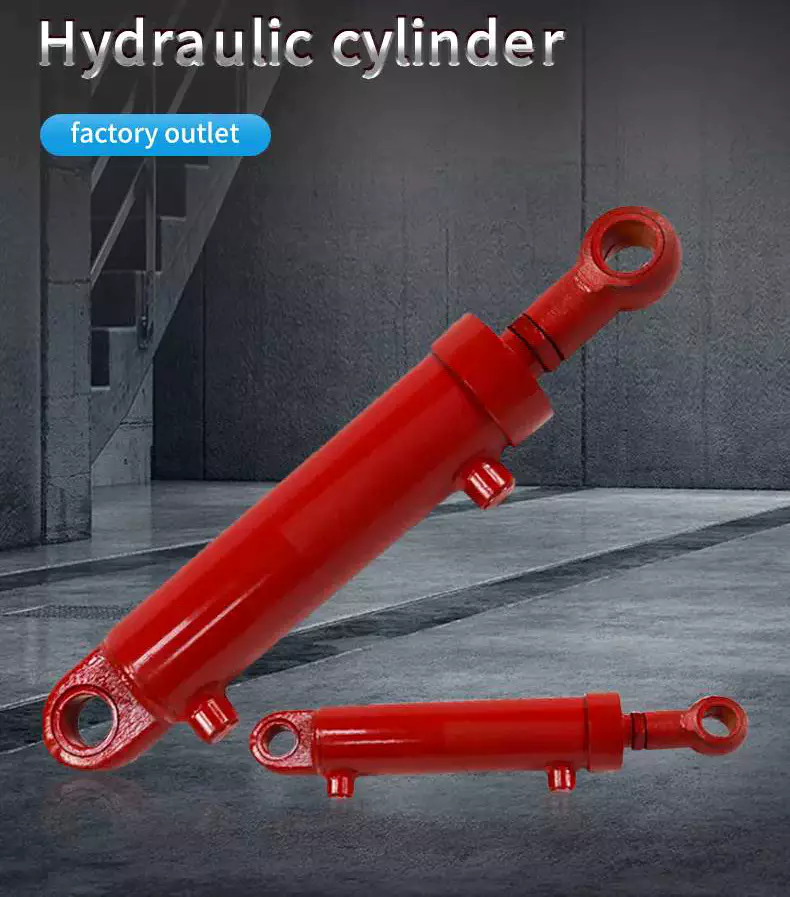
What safety precautions should be followed when working with hydraulic cylinders?
Working with hydraulic cylinders requires strict adherence to safety precautions to prevent accidents, injuries, and damage to equipment or property. Hydraulic systems operate under high pressures and involve moving parts, which can pose serious hazards if not handled properly. Here’s a detailed explanation of the safety precautions that should be followed when working with hydraulic cylinders:
1. Training and Knowledge:
– Ensure that personnel working with hydraulic cylinders have received adequate training and possess a thorough understanding of hydraulic system operation, maintenance, and safety protocols. Proper training should cover topics such as hydraulic principles, pressure ratings, safe work practices, and emergency procedures. Only trained and authorized personnel should be allowed to handle hydraulic cylinders.
2. Wear Personal Protective Equipment (PPE):
– Always wear appropriate personal protective equipment when working with hydraulic cylinders. This may include safety glasses, gloves, protective clothing, and steel-toed boots. PPE helps protect against potential hazards, such as hydraulic fluid leaks, flying debris, or accidental contact with moving parts.
3. Hydraulic System Inspection:
– Before working with hydraulic cylinders, inspect the entire hydraulic system for any signs of damage, leaks, or loose connections. Check hydraulic hoses, fittings, valves, and cylinders for integrity and secure fastening. If any issues are detected, the system should be repaired or serviced before operation.
4. Relieve Pressure:
– Before performing any maintenance or disassembly on a hydraulic cylinder, it is crucial to relieve the pressure in the system. Follow the manufacturer’s instructions to properly release pressure and ensure that the hydraulic cylinder is depressurized before starting any work. Failure to do so can result in sudden and uncontrolled movement of the cylinder or hydraulic lines, leading to serious injuries.
5. Lockout/Tagout Procedures:
– Implement lockout/tagout procedures to prevent accidental energization of the hydraulic system while maintenance or repair work is being conducted. Lockout/tagout involves isolating the energy source, such as shutting off the hydraulic pump and locking or tagging the controls to prevent unauthorized operation. This procedure ensures that the hydraulic cylinder remains in a safe, non-operational state during maintenance activities.
6. Use Proper Lifting Techniques:
– When working with heavy hydraulic cylinders or components, use proper lifting techniques and equipment to avoid strain or injury. Hydraulic cylinders can be heavy and awkward to handle, so ensure that lifting equipment, such as cranes or hoists, is properly rated and used correctly. Follow safe lifting practices, including securing the load and maintaining a stable lifting posture.
7. Hydraulic Fluid Handling:
– Handle hydraulic fluid with care and follow proper procedures for fluid filling, transfer, and disposal. Avoid contact with the skin or eyes, as hydraulic fluid may be hazardous. Use appropriate containers and equipment to prevent spills or leaks. If any hydraulic fluid comes into contact with the skin or eyes, rinse thoroughly with water and seek medical attention if necessary.
8. Regular Maintenance:
– Perform regular maintenance and inspections on hydraulic cylinders to ensure their safe and reliable operation. This includes checking for leaks, inspecting seals, monitoring fluid levels, and conducting periodic servicing as recommended by the manufacturer. Proper maintenance helps prevent unexpected failures and ensures the continued safe use of hydraulic cylinders.
9. Follow Manufacturer Guidelines:
– Always follow the manufacturer’s guidelines, instructions, and recommendations for the specific hydraulic cylinders and equipment being used. Manufacturers provide important safety information, maintenance schedules, and operational guidelines that should be strictly adhered to for safe and optimal performance.
10. Emergency Preparedness:
– Be prepared for potential emergencies by having appropriate safety equipment, such as fire extinguishers, first aid kits, and emergency eyewash stations, readily available. Establish clear communication channels and emergency response procedures to promptly address any accidents, leaks, or injuries that may occur during hydraulic cylinder operations.
By following these safety precautions, individuals working with hydraulic cylinders can minimize the risk of accidents, injuries, and property damage. It is essential to prioritize safety, maintain awareness of potential hazards, and ensure compliance with relevant safety regulations and industry standards.


editor by CX 2024-03-05
 Malay
Malay  English
  Italian
  Portuguese
  Dutch
Dutch  Swedish
  Danish
  Finnish
  Polish
  Hindi
Hindi  Kazakh
  Turkish
  Ukrainian
  Romanian
  Spanish
  German
  Russian
  Korean
  Japanese
  Vietnamese
  Thai
Thai  Indonesian
  French
  Greek
Greek