
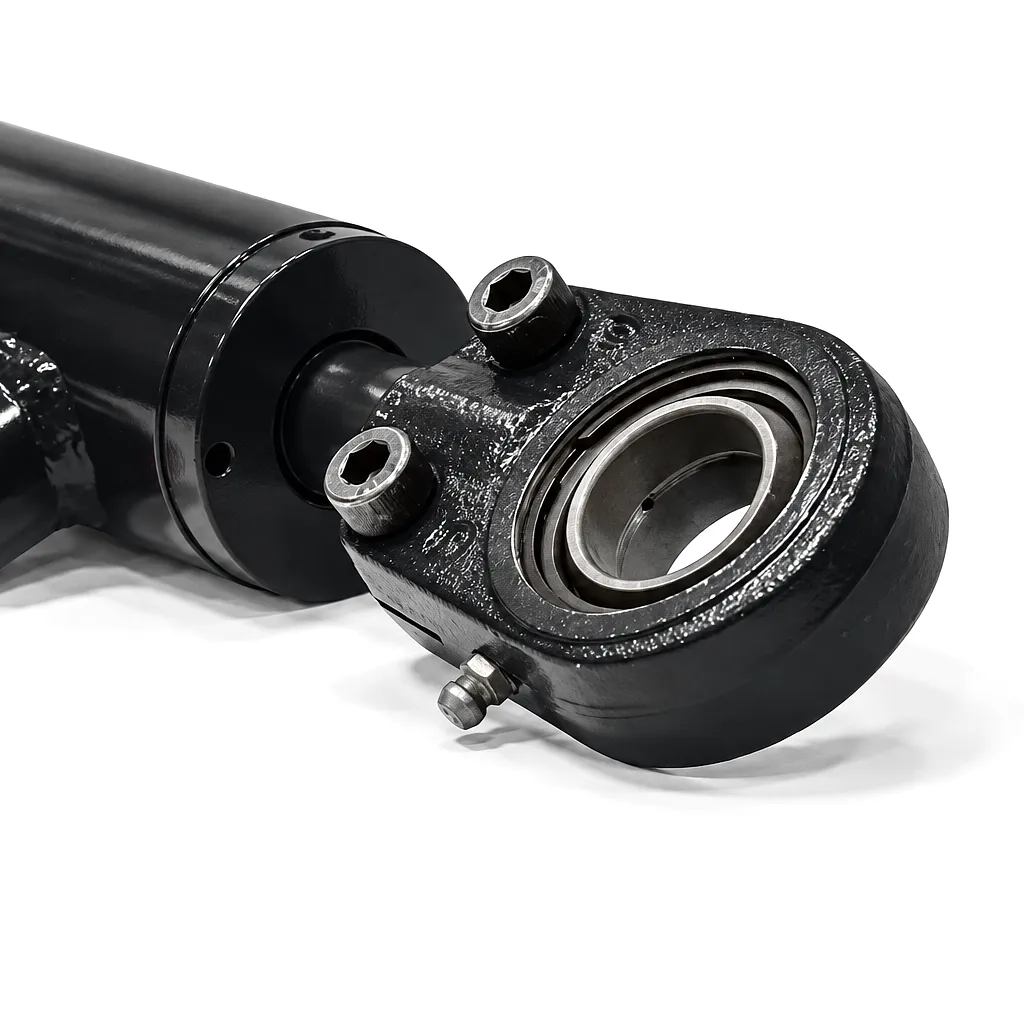
 Supplying hydraulic cylinders into Australia is not simply a matter of engineering capability — it is an exercise in regulatory precision. The Australian and New Zealand standards framework, broadly referred to as AS/NZS, governs everything from material selection and pressure rating to installation practices and ongoing inspection cycles. For international manufacturers and B2B procurement teams, understanding where these requirements sit, what they demand, and how they intersect with ISO frameworks makes the difference between a smooth market entry and a costly delay at the border — or worse, a field failure with significant liability consequences.
Australia’s hydraulic cylinder market spans mining in the Pilbara, agricultural machinery across the Victorian plains, civil construction in Queensland, and marine equipment along New South Wales’ port infrastructure. Each of these verticals brings its own interpretation of compliance, its own maintenance schedules, and its own expectation of documentation quality. Getting this right from the procurement stage avoids downstream costs that dwarf any short-term savings from bypassing proper certification.
The AS/NZS Standards Framework: What It Actually Covers
AS 4041 — Pressure Piping
AS 4041 is the primary pressure piping code applicable to hydraulic circuits in industrial settings. While it deals with pipework rather than the cylinder body itself, the connections, fittings, and lines that feed a hydraulic cylinder must conform to its pressure class ratings. For mining-grade cylinders operating above 250 bar, this standard mandates specific joint types, pressure testing documentation, and material traceability records. Procurement teams sourcing cylinders for Australian mining operations routinely require manufacturers to demonstrate that their associated pipework and connection hardware aligns with AS 4041, even when the cylinder barrel itself is rated under a separate international standard.
AS 1210 — Pressure Vessels
AS 1210 sets the design, fabrication, and testing requirements for unfired pressure vessels and is widely cited in the certification documentation for heavy-duty hydraulic cylinders. In high-load applications — crane booms on Queensland construction sites, for example — the cylinder effectively functions as a pressure vessel under sustained axial loading. AS 1210 requirements include design verification calculations, material certification to recognised grades such as AS/NZS 1594 structural steel, non-destructive testing records, and a registered design number where the vessel category demands it. Third-party inspection bodies, including those registered under the Work Health and Safety Regulation framework, may require AS 1210-compliant documentation before plant commissioning can proceed.
ISO 6020 / ISO 6022 Cross-Reference
Australia’s hydraulic cylinder specifications frequently adopt ISO 6020-1 and ISO 6022 as the dimensional and performance reference, supplemented by AS/NZS requirements for material traceability and local safety obligations. ISO 6020-1 covers medium-pressure tie-rod cylinders with bore diameters from 25 mm to 200 mm and working pressures up to 160 bar. ISO 6022 extends this to heavier-duty mill-type cylinders. When Australian buyers request cylinders conforming to “ISO standards with local compliance,” they typically mean these ISO dimensions combined with AS 1210 or AS 4041 documentation requirements depending on the installation context. Manufacturers who can provide a compliance matrix mapping their design against both international and Australian standards reduce client-side administrative burden considerably.
How Hydraulic Cylinders Actually Work — and Why It Matters for Certification
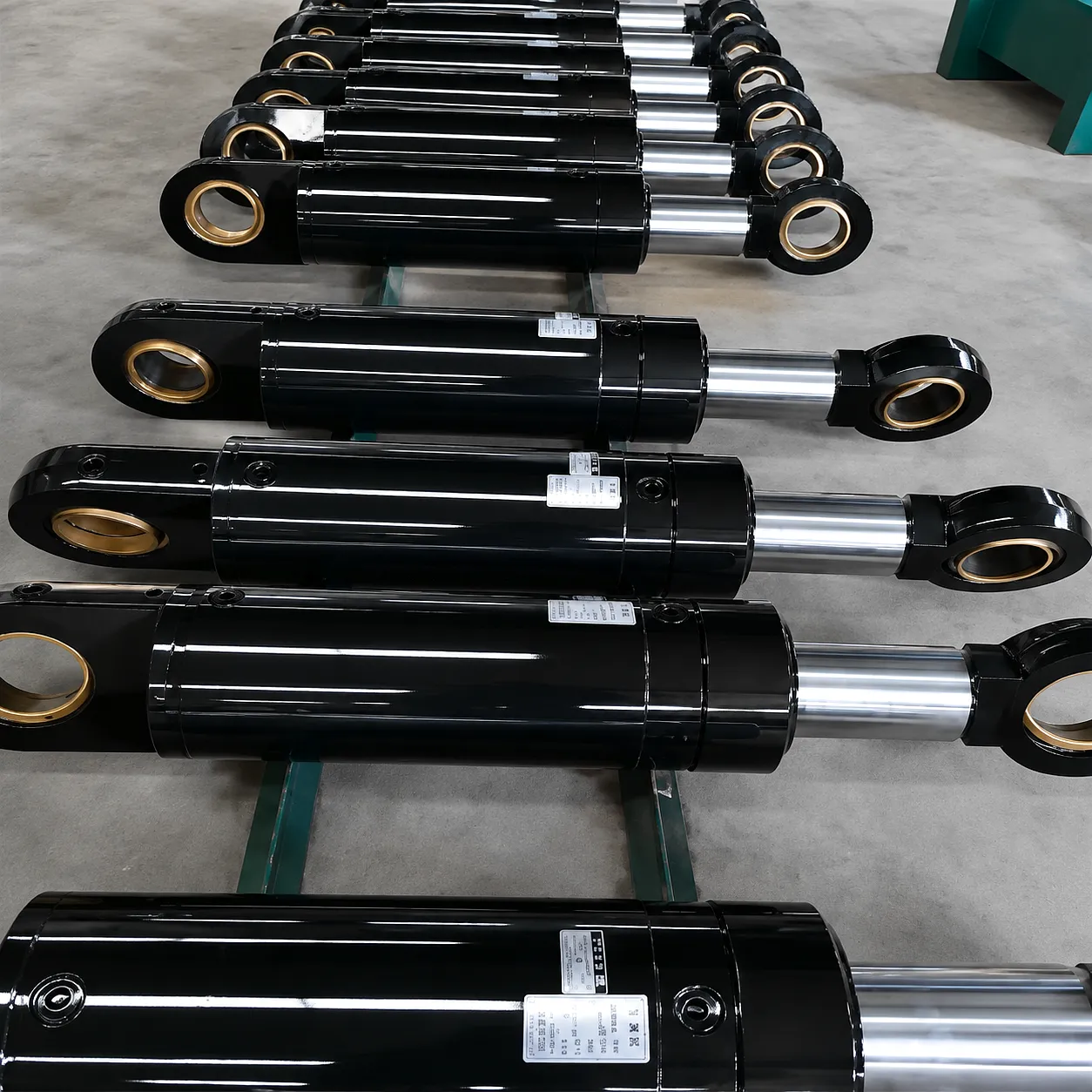
A hydraulic cylinder converts pressurised fluid energy into controlled linear mechanical motion. In its simplest form, hydraulic oil — supplied by a pump — enters a sealed chamber behind a piston. The pressure differential across the piston face creates a force proportional to the product of pressure and effective piston area. For a cylinder with a 100 mm bore operating at 200 bar, the push force is approximately 157 kN. Australian certification requirements concern themselves directly with whether the cylinder’s barrel wall thickness, end cap welds, and seal specification can safely contain and exploit that pressure without failure across the equipment’s rated service life.
Double-acting cylinders — the dominant configuration in Australian heavy industry — use pressurised fluid on both sides of the piston to produce both extending and retracting forces. Single-acting cylinders, commonly found in agricultural equipment across Queensland and New South Wales cropping regions, rely on a spring or gravitational return and have simplified sealing arrangements. The certification implications differ: double-acting cylinders involve more seal interfaces, more potential leak paths, and correspondingly more detailed inspection protocols under the relevant state Work Health and Safety regulations.
Piston Seals
Contain pressure differential across piston face — critical to rated load capacity
Rod Seals
Prevent external leakage — environmental compliance priority under Australian EPA guidelines
Barrel Wall
Honed steel tube — AS 1210 wall thickness calculations dictate minimum material grade
End Caps
Welded or threaded — weld procedure qualifications required for pressure vessel classification
Core Materials and Their Certification Implications
Cylinder Barrel — Cold-Drawn Honed Tube
The barrel is typically manufactured from cold-drawn, seamless steel tube to grades equivalent to EN 10305-1 or SAE 1026, with internal honing to Ra 0.2–0.4 µm. For the Australian market, material traceability is non-negotiable: mill certificates must accompany the stock, and grades must cross-reference to AS/NZS 1594 or equivalent recognised standards. Mining applications in Western Australia’s iron ore sector commonly specify chromium-molybdenum alloy steel for barrels facing elevated operating temperatures or corrosive slurry environments.
Piston Rod — Hard Chrome or Ceramic Coating
Piston rods are machined from medium-carbon or low-alloy steel — typically equivalent to S355 or 4140 — and hard chrome plated to 20–30 µm for corrosion and wear resistance. AS/NZS requirements for equipment operating in environmentally sensitive areas, including coastal Queensland or near-water construction zones, are pushing the market toward ceramic composite coatings and electroless nickel alternatives, which offer comparable surface hardness with lower hexavalent chromium risk. Suppliers must provide hardness test records and coating thickness certification as part of their conformance package.
Seals — NBR, Polyurethane, PTFE
Seal selection is a technical decision with certification consequences. Nitrile butadiene rubber (NBR) suits standard mineral oil circuits up to 100°C and is the most common choice in Australian agricultural and general industrial markets. Polyurethane seals offer superior wear resistance for cylinders in high-cycle applications such as compaction equipment used on Sydney infrastructure projects. PTFE-based seals handle aggressive fluid chemistries encountered in chemical processing plants. For all seal types, temperature rating, fluid compatibility data, and service life projections form part of the technical documentation required for AS 1210-classified installations.
Why Specification-Compliant Hydraulic Cylinders Deliver Better Outcomes
✓
Extended Service Life
Cylinders manufactured to proven dimensional and material standards — and operating within certified pressure ratings — consistently outperform non-compliant alternatives on service interval. Australian mine operators routinely report 40–60% longer seal replacement intervals on certified units compared to generic imports.
📄
Simplified Regulatory Sign-Off
When cylinders arrive with AS 1210-aligned design documentation, material traceability certificates, and hydrostatic test records, the plant registration process through Safe Work Australia or state equivalents moves faster. Project managers on Western Australian mine sites have documented weeks saved on equipment commissioning when suppliers provide complete conformance packages upfront.
🔒
Reduced Liability Exposure
Australian WHS legislation places a duty of care on designers, importers, suppliers, and end users of plant. A hydraulic cylinder that can demonstrate its design has been assessed against relevant AS/NZS standards provides evidence of due diligence. In the event of an incident, this documentation trail forms the central exhibit in any investigation — absence of it creates a presumption of negligence that is extremely difficult to rebut.
🔨
Precision Customisation at Scale
A well-certified manufacturing process is simultaneously a well-controlled one. Manufacturers who have invested in the quality management infrastructure to produce AS/NZS-compatible documentation are, by definition, operating with tighter dimensional tolerances, verified welding procedures, and consistent material incoming inspection — capabilities that translate directly into better custom cylinder performance for non-standard bore and stroke configurations.
Technical and Performance Parameters: Reference Table
The table below provides reference performance parameters aligned with commonly specified hydraulic cylinder configurations for the Australian industrial market. Actual values for any given project depend on operating conditions, duty cycle, fluid specification, and installation environment. Ever Power provides project-specific engineering data sheets for all custom and standard cylinder orders.
| Parameter | Standard Range | Heavy-Duty / Mining Grade | AS/NZS Requirement Note |
|---|---|---|---|
| Bore Diameter | 25 mm – 200 mm | Up to 500 mm custom | ISO 6020 / AS 1210 category determines registration threshold |
| Rated Working Pressure | 100 – 250 bar | Up to 700 bar (special) | AS 4041 governs connected pipework at all pressure classes |
| Test Pressure (Hydrostatic) | 1.5 × working pressure | 1.5 – 2.0 × (project specific) | AS 1210 Clause 10.3 — test record must be retained |
| Panjang Strok | 50 mm – 3,000 mm | Up to 8,000 mm (telescopic) | Buckling calculation required for slender rods per AS 1210 |
| Operating Temperature | -20°C to +80°C | -40°C to +120°C (special seals) | Seal material selection governed by fluid & temp certification |
| Barrel Material Grade | SAE 1026 / EN 10305 | 4140 / Cr-Mo alloy | Mill cert (3.1 or 3.2) required; cross-ref to AS/NZS 1594 |
| Rod Chrome Thickness | 20 – 30 µm | 40 – 60 µm or ceramic | Coating cert required; environment regs apply near waterways |
| Surface Finish (Bore) | Ra 0.4 µm | Ra 0.2 µm or better | Measured and recorded per QA plan |
| Weld Procedure | MIG / TIG per WPS | Qualified per AS/NZS 2980 | Welder qualification records mandatory for AS 1210 vessels |
| NDT Requirement | Visual + dimensional | UT / RT / PT per AS 3788 | AS 3788 governs in-service inspection of pressure equipment |
Industrial Application Scenarios Across the Australian Market
Mining — Western Australia Pilbara Region
Iron ore mining operations in the Pilbara represent Australia’s most demanding hydraulic cylinder environment. Dump truck body-hoist cylinders, dragline boom suspension cylinders, and hydraulic roof supports in underground coal operations all demand cylinders rated at 300–500 bar with chrome-plated rods capable of withstanding abrasive dust and intermittent water ingress. AS 1210-category registration is typically mandatory for cylinders on registered plant items, and the inspection frequency under AS 3788 may be as frequent as every two years for higher-risk categories. Mining companies such as those operating in the Newman and Karratha areas specify full documentation packages including registered design numbers before orders are placed.
Agricultural Machinery — Victorian and NSW Cropping Belts
Agricultural hydraulic cylinders operating on header fronts, grain cart augers, and seeder toolbar hydraulics in Victoria’s Mallee region and NSW’s wheat-cropping belt are subject to different certification pressures than mining equipment. Here, the focus is on seasonal reliability, minimal maintenance, and compatibility with common farm workshop repair capabilities. While AS 1210 registration thresholds may not always be triggered for lower-pressure agricultural cylinders, procurement teams purchasing in volume for implement manufacturers seek ISO 6020-compliant dimensions to ensure aftermarket seal kit availability through Australian agricultural suppliers like Elders and Nutrien.
Civil Construction — Queensland and NSW Infrastructure Projects
The pipeline of major infrastructure investment in Queensland — including highway upgrades, the Cross River Rail corridor, and port facility expansions at Gladstone and Townsville — creates sustained demand for construction-grade hydraulic cylinders. Excavator arm cylinders, crane slewing actuators, and concrete pump boom cylinders all fall within projects governed by Queensland’s WHS Regulation 2011, which mandates plant design registration for cylinders meeting the pressure vessel threshold. Project contractors routinely request statutory declaration evidence that supplied cylinders meet design registration requirements before site delivery is accepted.
Marine and Port Equipment — Sydney, Melbourne, and Brisbane Ports
Hydraulic cylinders on ship-loader equipment, container crane outreach drives, and mobile harbour crane stabiliser legs operating at the Port of Melbourne, the Port of Brisbane, and Port Botany face a combination of salt air corrosion, high cycle duty, and strict documentation requirements under the maritime regulatory framework. Stainless steel end caps, double rod wipers, and ceramic-coated rods are common specifications. Marine-grade hydraulic cylinders additionally require corrosion protection documentation aligned with ISO 12944 coating categories, which Australian port operators’ procurement teams have increasingly been citing alongside AS/NZS compliance as standard tender requirements.
Food and Beverage Processing — South Australian Facilities
Food processing plants in South Australia’s Barossa Valley wine region and Adelaide’s food manufacturing precinct use hydraulic cylinders on filling equipment, press systems, and packaging line actuators. Here, the certification emphasis shifts toward food-safe hydraulic fluids and stainless steel or anodised aluminium cylinder components to prevent contamination. AS 4696 (hygienic production) principles influence the seal specification and surface finish requirements. Cylinders in direct-contact-risk areas may need H1-rated hydraulic fluid compatibility, which must be verified against the manufacturer’s seal material data sheets.
Forestry and Timber — Tasmanian and Victorian Operations
Hydraulic cylinders fitted to log splitters, harvesting equipment, and skidder systems in Tasmania’s forestry sector and Victoria’s timber industry must handle shock loading, intermittent operation in remote environments, and exposure to organic debris. The cylinders in these applications are typically specified with reinforced end caps, heavy-duty rod wipers, and extended-length gland sealing arrangements to prevent ingress of sawdust and bark. The remote operational environment also places a premium on seal longevity — buyers prefer cylinders with documented service life data rather than generic catalogue claims, a point where manufacturers willing to provide application-specific performance curves gain a clear advantage.
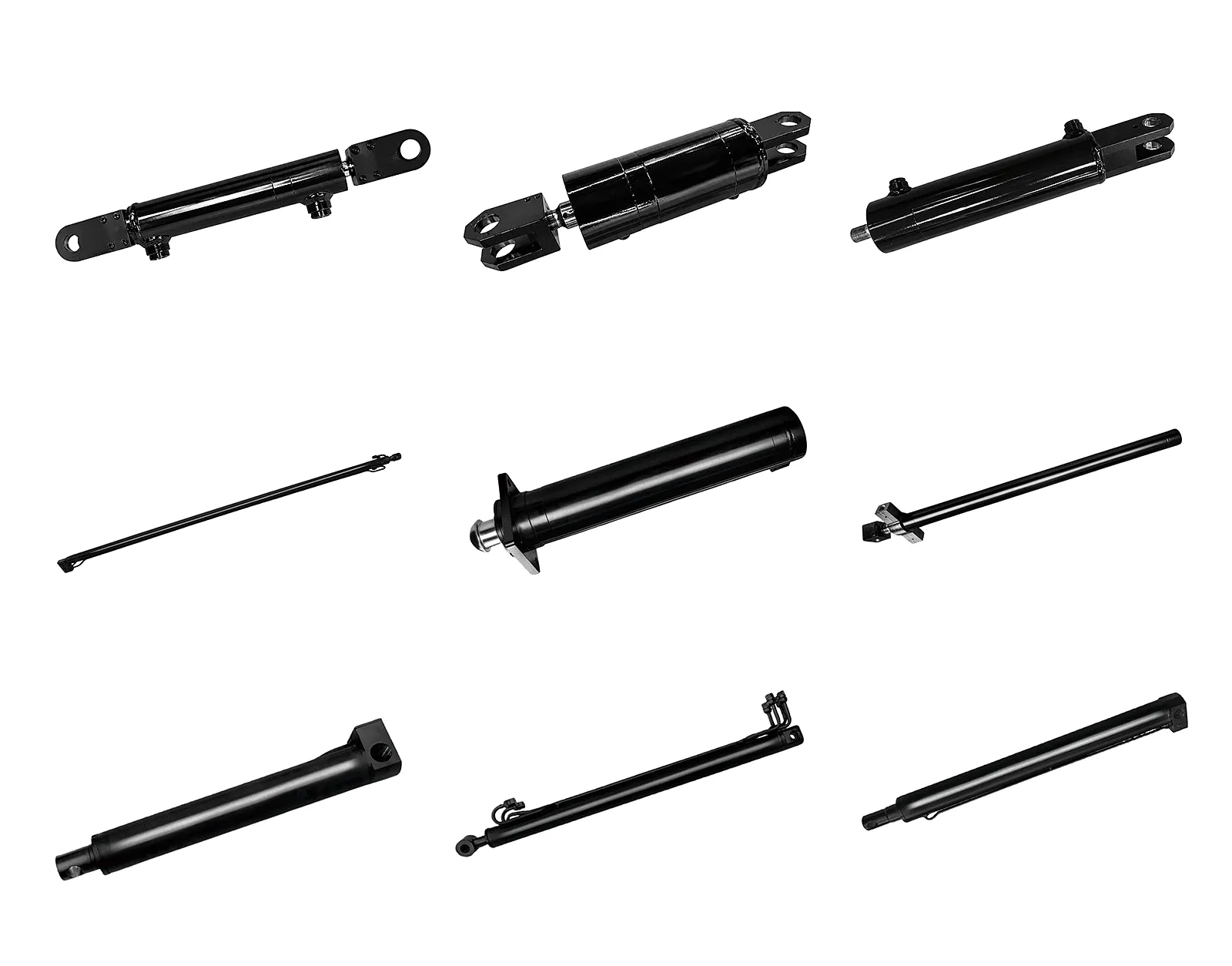
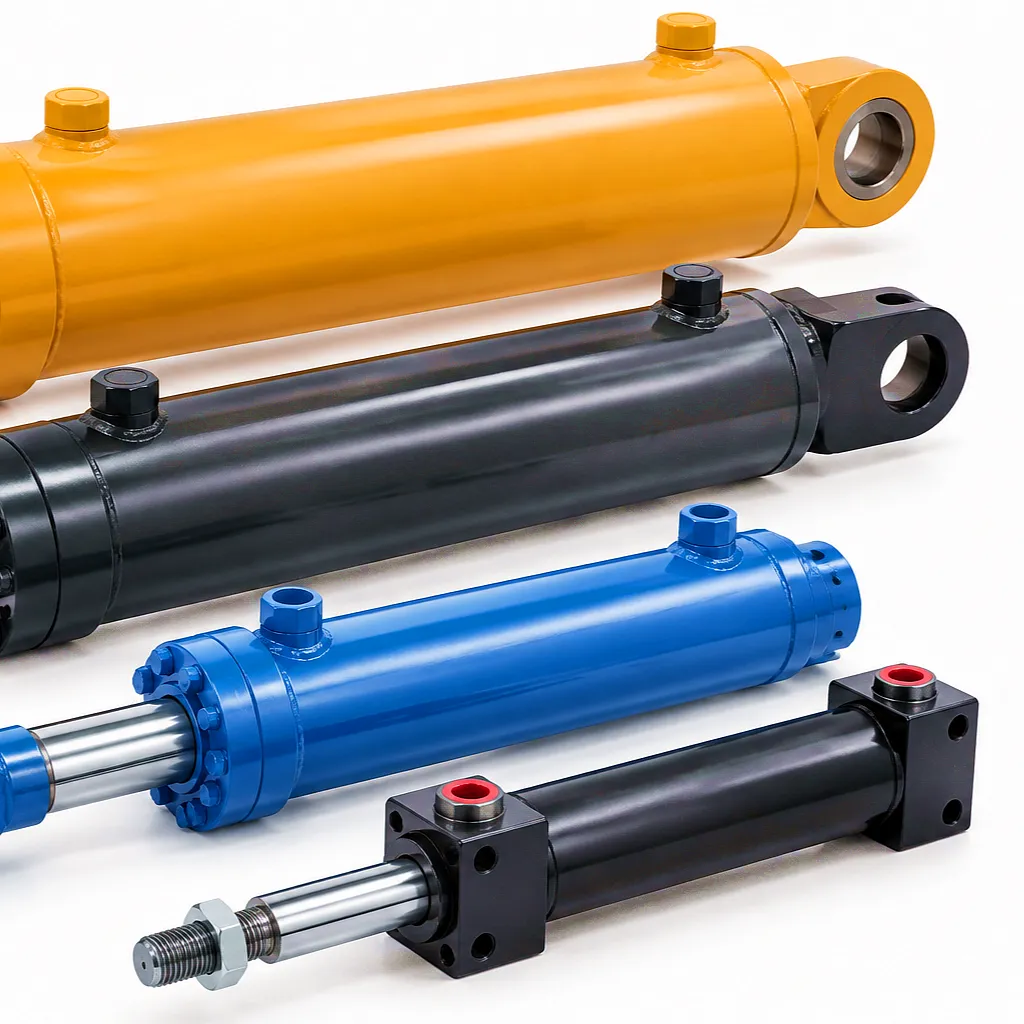
Ever Power Hydraulic Cylinder Product Range
Customer Success: BHP-Contracted Mining Equipment Manufacturer, Perth, WA
Case Overview
Custom Mining Dump Truck Hoist Cylinder Replacement Programme
A Perth-based engineering firm supplying hydraulic replacement components to BHP Billiton’s iron ore operations in the Pilbara approached Ever Power in 2024 following repeated field failures with their existing Chinese supplier. The failures centred on premature rod seal failure — 18 months average versus the expected 36-month service interval — attributed to inconsistent chrome plating thickness and sub-specification barrel bore finish. The firm’s procurement team had already faced two WHS non-conformance notices relating to hydraulic fluid leaks on site.
Ever Power’s engineering team conducted a design review session with the Perth firm’s technical team via video conference, examining the OEM cylinder drawings and failure analysis reports. The proposed solution involved a shift to 50 µm ceramic composite rod coating, bore finish upgraded to Ra 0.2 µm, and polyurethane piston seals in place of the standard NBR configuration. Ever Power also prepared a full AS 1210-aligned compliance package for the 380 bar rated hoist cylinders, including a registered design calculation set that the Perth firm could use to support plant registration with the Western Australian Department of Mines.
The first production batch of 24 cylinders was delivered via sea freight to Fremantle, with a total transit time of 22 working days from order confirmation. After 18 months of operation across three Pilbara mine sites, zero seal failures had been recorded. The Perth firm has since consolidated all silinder hidraulik procurement with Ever Power, representing a committed annual volume of approximately 200 units across five dump truck models. The engagement also extended to drag-chain conveyor actuators and underground rock bolt installation cylinders, both requiring different pressure class documentation.
James T., Procurement Manager
Perth-based mining equipment supplier
“The documentation package from Ever Power was exactly what we needed to get our registered design application through the WA Department of Mines. Their team understood the AS 1210 requirements without us having to explain the regulatory context — that saved us weeks. The ceramic-coated rods have performed beyond expectations across our Pilbara fleet.”
Sarah L., Engineering Director
Queensland civil construction contractor
“We specified a non-standard trunnion mount with extended stroke on a crane cylinder for our Cross River Rail subcontract, and Ever Power’s team turned around the custom drawing within three working days. The cylinders arrived in Brisbane with complete hydrostatic test records and material traceability — straight onto site, no hold-ups from the project safety team.”
Michael W., Plant Manager
Agricultural implement manufacturer, Horsham, Victoria
“We switched our seeder toolbar cylinder supply to Ever Power two seasons ago. The ISO 6020 dimensions mean our customers can source replacement seals locally through Elders without waiting for imported kits. The price was competitive with what we were paying before, and the consistency across our batch orders has been genuinely impressive — no dimensional outliers at goods inspection.”
Soalan Lazim
Ever Power Hydraulic Cylinders
Engineering Solutions for the Australian Market
AS/NZS-compatible documentation · ISO 6020 dimensions · Custom bore and stroke · Full export packages
📧 Get Your Quote — [email protected]
suntingan oleh gzl
 Malay
Malay  English
  Italian
  Portuguese
  Dutch
Dutch  Swedish
  Danish
  Finnish
  Polish
  Hindi
Hindi  Kazakh
  Turkish
  Ukrainian
  Romanian
  Spanish
  German
  Russian
  Korean
  Japanese
  Vietnamese
  Thai
Thai  Indonesian
  French
  Greek
Greek