
Productbeschrijving
Long Stroke Multistage Telescopic Single Acting Lift Hydraulic Cylinder for Mining Dump Truck Spare Parts Made in China
Product Specificaties :
| Item | Specificaties |
| Functie | Lifting/lowering the truck body for cargo dumping |
| Boringdiameter | 120mm-480mm,customizable |
| Bod diameter | 90mm-390mm,customizable |
| Hartinfarct | 3000mm-12000mm,customizable |
| Stage | 2-6stages,customizable |
| Oppervlaktebehandeling van de zuigerstang | Hard verchromen, galvanisch melkwit chroom + hard chroom, vernikkelen + hard verchromen, hogesnelheids-zuurstof-brandstof CrC NiC, keramische coating, nitreren, laserbekleding |
| Werkdruk | Maximum 38MPa,Customizable |
| Materiaal | Koudgetrokken buis met hoge treksterkte, nauwkeurig geslepen voor een langere levensduur van de afdichting. |
| Montage | Oorbel, flens, klem, voet, draaipunt, aanpasbaar |
| Afdichtingstype | Parker, NOK, Hallite of volgens de wensen van de klant. |
| Garantie | 18 maanden |
| MOQ | 1 stuk |
| Productietijd | Afhankelijk van de bestelhoeveelheid, normaal gesproken 30-40 dagen. |
| Certificering | ISO9001, CE, SGS |
| Verpakking | metalen kist, multiplex kist, karton of naar wens |
| Dienst | OEM & ODM |
| Prijsvoordeel | Concurrerende fabrieksprijs met gegarandeerde kwaliteit. |
| Bedrijfstype | Fabrikant |
Productweergave:
Montagemethode:
Appliactions:Mining Machinery,Mining Dump Truck
Other Related Products
Onze fabriek:
Quality Assurance:
| Inspectietype | Inspectienorm |
| Grondstoffeninspectie | Voordat de grondstoffen worden opgeslagen, meet de kwaliteitscontrole (QC) de afmetingen ervan. |
| Procesmateriaalinspectie | Tijdens de productie voeren kwaliteitscontroleurs steekproefsgewijs inspecties uit. Voordat de onderdelen van de hydraulische cilinder naar het volgende proces worden overgebracht, worden ze door de kwaliteitscontroleurs geïnspecteerd. |
| Eindfunctie testen | Alle hydraulische cilinders ondergaan een hydraulische functietest. |
Inspectie van de mechanische eigenschappen van grondstoffen
Procesinspectie
Final Testing
Verpakking en levering:
Over ons:
Ons certificaat
Our Main Customers
ZheJiang Tianjian hydraulische technologie Co., Ltd is Wij zijn gespecialiseerd in de productie van diverse soorten hydraulische cilinders, evenals cilinderbussen, zuigercilinders en andere cilinderaccessoires.
Als zeer gespecialiseerde fabrikant van hydraulische cilinders levert Tianjian oplossingen voor ontwerpoptimalisatie en betrouwbare producten aan vele klanten in binnen- en buitenland. Of het nu gaat om bouwmachines, spoorwegbrugmachines, havenschepen, metaal- en mijnbouwmachines, olie- en lichte industriemachines, speciale voertuigen of andere sectoren, Tianjian kan diverse standaard en niet-standaard ontwerpoptimalisaties voor hydraulische cilinders en producten leveren op basis van de eisen van de gebruiker, en geïntegreerde diensten bieden voor perfectie en kwaliteit.
Indien mogelijk, verzoeken wij u bij contact met ons de onderstaande gegevens te verstrekken.
Boring | Hengel | Hartinfarct | Werkdruk | Montage | Werkomgeving |
|
|
|
|
|
|
Of u kunt ons een schets of foto's sturen, zodat we uw bedoeling precies begrijpen en fouten kunnen voorkomen.
En als u monsters heeft, kunnen we produceren volgens uw monsters nadat u ze naar ons heeft opgestuurd.
U bent van harte welkom in onze fabriek als u tijd heeft.
Uw tevredenheid is onze grootste drijfveer.
U kunt nu contact met ons opnemen voor al uw vragen of opmerkingen.
Veelgestelde vragen:
1. Wat doet uw bedrijf?
A: Wij zijn een leverancier van hoogwaardige hydraulische producten, waaronder hydraulische cilinders, hydraulische motoren, hydraulische aggregaten, hydraulische stations en andere hydraulische componenten.
2. Bent u een fabrikant of een handelsonderneming?
A: Wij zijn een fabrikant.
3. Welk certificaat heb je?
A: Al onze fabrieken zijn ISO-gecertificeerd. En onze belangrijkste leveranciers van materialen en onderdelen beschikken over CE-, RoHS-, CSA- en UL-certificaten.
4. Hoe lang is jullie levertijd?
A: De levertijd is afhankelijk van de verschillende producten en de hoeveelheid. Een cilinder heeft doorgaans 45-60 dagen nodig en een motor 30-50 dagen.
5. Kunt u onderdelen maken volgens de specificaties of tekening van de klant?
A: Ja, we kunnen producten voor u produceren volgens uw tekeningen. Onze technici kunnen u ook professionele ondersteuning bieden met technisch advies.
6. Welke betalingsvoorwaarden accepteert u?
A: Wij geven de voorkeur aan T/T via de bank. 30% bij orderbevestiging en 70% vóór verzending. L/C is ook acceptabel voor bedragen boven de 20.000 USD.
7. Wat is uw garantiebeleid?
A: Al onze producten hebben een garantie van 1 jaar vanaf de leveringsdatum tegen materiaal- en fabricagefouten. Deze garantie dekt geen onderdelen die door normaal gebruik versleten zijn of door nalatigheid beschadigd zijn. We willen u er nadrukkelijk op wijzen dat vervuilde hydraulische olie uw hydraulische componenten zeker zal beschadigen. Deze schade valt niet onder de garantie. Daarom raden we u ten zeerste aan om nieuwe, schone olie te gebruiken of ervoor te zorgen dat de systeemolie schoon is wanneer u onze onderdelen gebruikt.
/* March 10, 2571 17:59:20 */!function(){function s(e,r){var a,o={};try{e&&e.split(“,”).forEach(function(e,t){e&&(a=e.match(/(.*?):(.*)$/))&&1
| Certification: | GS, RoHS, CE, ISO9001 |
|---|---|
| Pressure: | High Pressure |
| Work Temperature: | High Temperature |
| Acting Way: | Double Acting |
| Working Method: | Straight Trip |
| Adjusted Form: | Regulated Type |
| Samples: | US$ 2100/Set 1 Set(Min.Order) | |
|---|
| Customization: | Available |
|
|---|
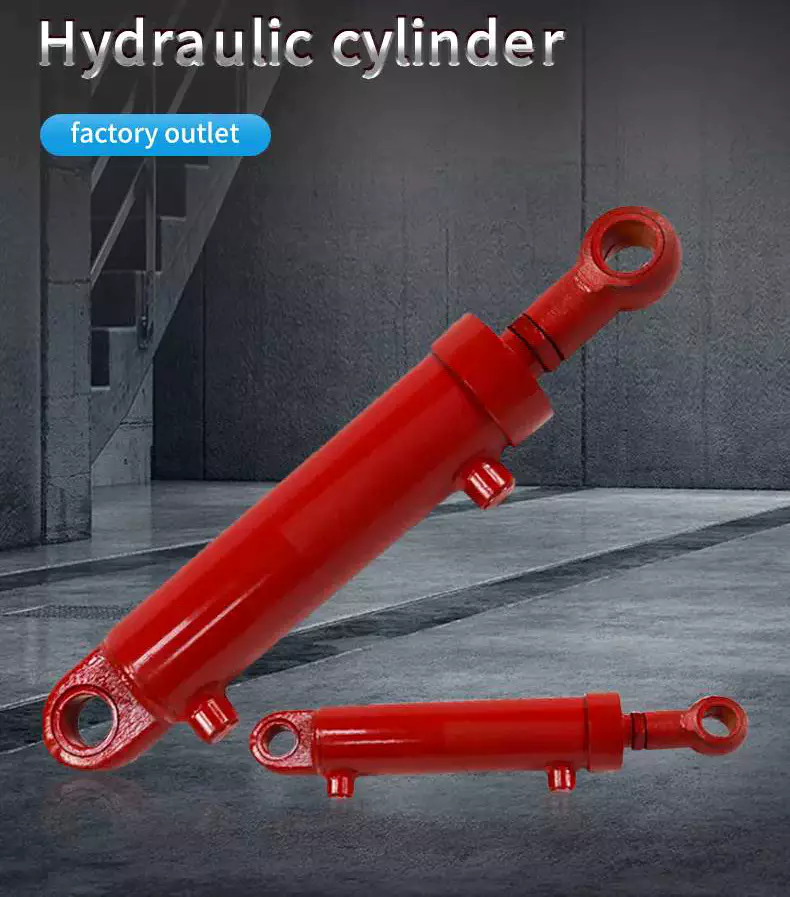
How do hydraulic cylinders ensure smooth and consistent movement in heavy machinery?
Hydraulic cylinders play a vital role in ensuring smooth and consistent movement in heavy machinery. Their design and operation allow for precise control over the motion of heavy loads, resulting in efficient and reliable performance. Here’s a detailed explanation of how hydraulic cylinders contribute to smooth and consistent movement in heavy machinery:
1. Hydraulic Fluid and Pressure:
– Hydraulic cylinders operate by utilizing hydraulic fluid, typically oil, to transmit force and motion. The fluid is pressurized by a hydraulic pump, creating a force that acts on the piston inside the cylinder. The pressure of the hydraulic fluid can be precisely controlled, allowing for smooth and gradual movement of heavy machinery. The fluid’s incompressibility ensures that the force is evenly distributed, resulting in consistent and predictable motion.
2. Piston and Cylinder Design:
– Hydraulic cylinders are designed with precision to ensure smooth movement. The piston and cylinder bore are machined to tight tolerances, reducing friction and minimizing internal leakage. This precise fit between the piston and cylinder walls helps maintain consistent motion without jerks or sudden changes in speed. Additionally, the use of high-quality seals and lubrication further enhances the smooth operation of the cylinder.
3. Control Valves and Flow Control:
– Hydraulic systems incorporate control valves that regulate the flow of hydraulic fluid into and out of the cylinder. These valves allow for precise control over the speed and direction of the cylinder’s movement. By adjusting the flow rate, operators can achieve smooth and controlled motion of heavy machinery, avoiding sudden starts or stops. Flow control valves also enable speed adjustment, ensuring consistent movement even under varying loads or operating conditions.
4. Cushioning and Damping:
– Hydraulic cylinders can be equipped with cushioning mechanisms to absorb shock and minimize impacts during the movement of heavy machinery. Cushioning is achieved by incorporating specialized valves or adjustable orifices in the cylinder, which restrict the flow of hydraulic fluid near the end of the stroke. This gradual deceleration helps prevent sudden jolts or vibrations, maintaining smooth and consistent movement while reducing stress on the machinery and its components.
5. Load Balancing:
– Hydraulic cylinders can be designed and arranged in a system to balance the load and distribute forces evenly. By utilizing multiple cylinders in parallel or series configurations, heavy machinery can achieve balanced movement, preventing uneven stress and ensuring smooth operation. Load balancing also helps minimize the risk of component failure and enhances the overall stability and longevity of the machinery.
6. Feedback and Control Systems:
– Advanced hydraulic systems incorporate feedback sensors and control systems to monitor and adjust the movement of heavy machinery. These sensors provide real-time information about the position, speed, and force exerted by the hydraulic cylinders. The control system processes this data and adjusts the flow of hydraulic fluid accordingly to maintain smooth and consistent movement. By continuously monitoring and regulating the cylinder’s operation, feedback and control systems contribute to precise and reliable motion control.
7. Maintenance and Servicing:
– Regular maintenance and servicing of hydraulic cylinders are essential to ensure their smooth and consistent movement in heavy machinery. Proper lubrication, inspection of seals, and replacement of worn-out components help maintain optimal performance. Preventive maintenance practices, such as filter replacements and fluid analysis, also contribute to the longevity and reliability of hydraulic systems, ensuring consistent movement over time.
In summary, hydraulic cylinders ensure smooth and consistent movement in heavy machinery through the use of hydraulic fluid and pressure, precise piston and cylinder design, control valves and flow control, cushioning and damping mechanisms, load balancing, feedback and control systems, and regular maintenance and servicing. By leveraging these features, hydraulic cylinders provide the necessary force and control to handle heavy loads while maintaining precise and reliable motion, enhancing the overall performance and productivity of heavy machinery in various industrial applications.
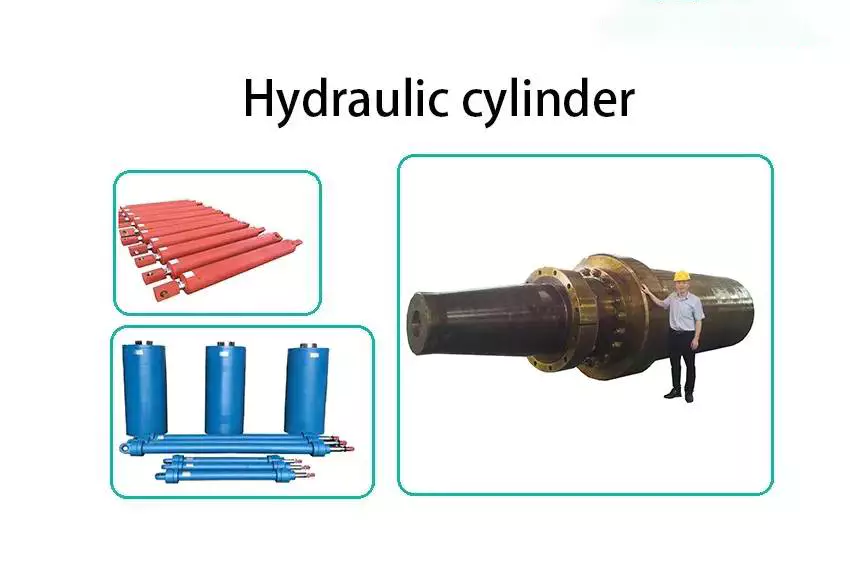
Adaptation of Hydraulic Cylinders for Medical Equipment and Aerospace Applications
Hydraulic cylinders have the potential to be adapted for use in medical equipment and aerospace applications, offering unique advantages in these industries. Let’s explore how hydraulic cylinders can be adapted for these specialized fields:
- Medical Equipment: Hydraulic cylinders can be adapted for various medical equipment applications, including hospital beds, patient lifts, surgical tables, and rehabilitation devices. Here’s how hydraulic cylinders are beneficial in medical equipment:
- Positioning and Adjustability: Hydraulic cylinders provide precise and smooth movement, allowing for accurate positioning and adjustments of medical equipment. This is crucial for ensuring patient comfort, proper alignment, and ease of use.
- Load Handling: Hydraulic cylinders offer high force capabilities, enabling the safe handling of heavy loads in medical equipment. They can support the weight of patients, facilitate smooth transitions, and provide stability during procedures.
- Controlled Motion: Hydraulic cylinders provide controlled and stable motion, which is essential for delicate medical procedures. The ability to adjust speed, position, and force allows for precise and controlled movements, minimizing patient discomfort and ensuring accurate treatment.
- Durability and Reliability: Hydraulic cylinders are designed to withstand rigorous use and demanding environments, making them suitable for medical equipment applications. Their durability and reliability contribute to the long-term performance and safety of medical devices.
- Aerospace Applications: Hydraulic cylinders can also be adapted for aerospace applications, where lightweight yet robust systems are essential. Here’s how hydraulic cylinders are advantageous in aerospace:
- Flight Control Systems: Hydraulic cylinders play a critical role in aircraft flight control systems, including ailerons, elevators, rudders, and landing gear. They provide precise and reliable actuation, allowing pilots to control the aircraft’s movements with accuracy and responsiveness.
- Weight Optimization: Hydraulic cylinders can be designed using lightweight materials, such as aluminum alloys or composite materials, to reduce overall weight. This weight optimization is crucial in aerospace applications to enhance fuel efficiency, payload capacity, and aircraft performance.
- Shock and Vibration Resistance: Aerospace environments involve significant shock and vibration forces. Hydraulic cylinders can be engineered to withstand these dynamic loads while maintaining performance and reliability, ensuring consistent operation even under extreme conditions.
- Space Constraints: Hydraulic cylinders can be designed to fit within the space constraints of aircraft or spacecraft. Their compact size and flexible mounting options allow for efficient integration into the limited available space.
In summary, hydraulic cylinders can be adapted for use in medical equipment and aerospace applications, leveraging their precise positioning, load handling capabilities, controlled motion, durability, and reliability. In medical equipment, hydraulic cylinders enable comfortable patient positioning, smooth transitions, and controlled movements during procedures. In aerospace, hydraulic cylinders provide precise actuation, weight optimization, shock and vibration resistance, and space-efficient solutions. By adapting hydraulic cylinders to these specialized fields, manufacturers can meet the unique requirements and enhance the performance of medical equipment and aerospace systems.
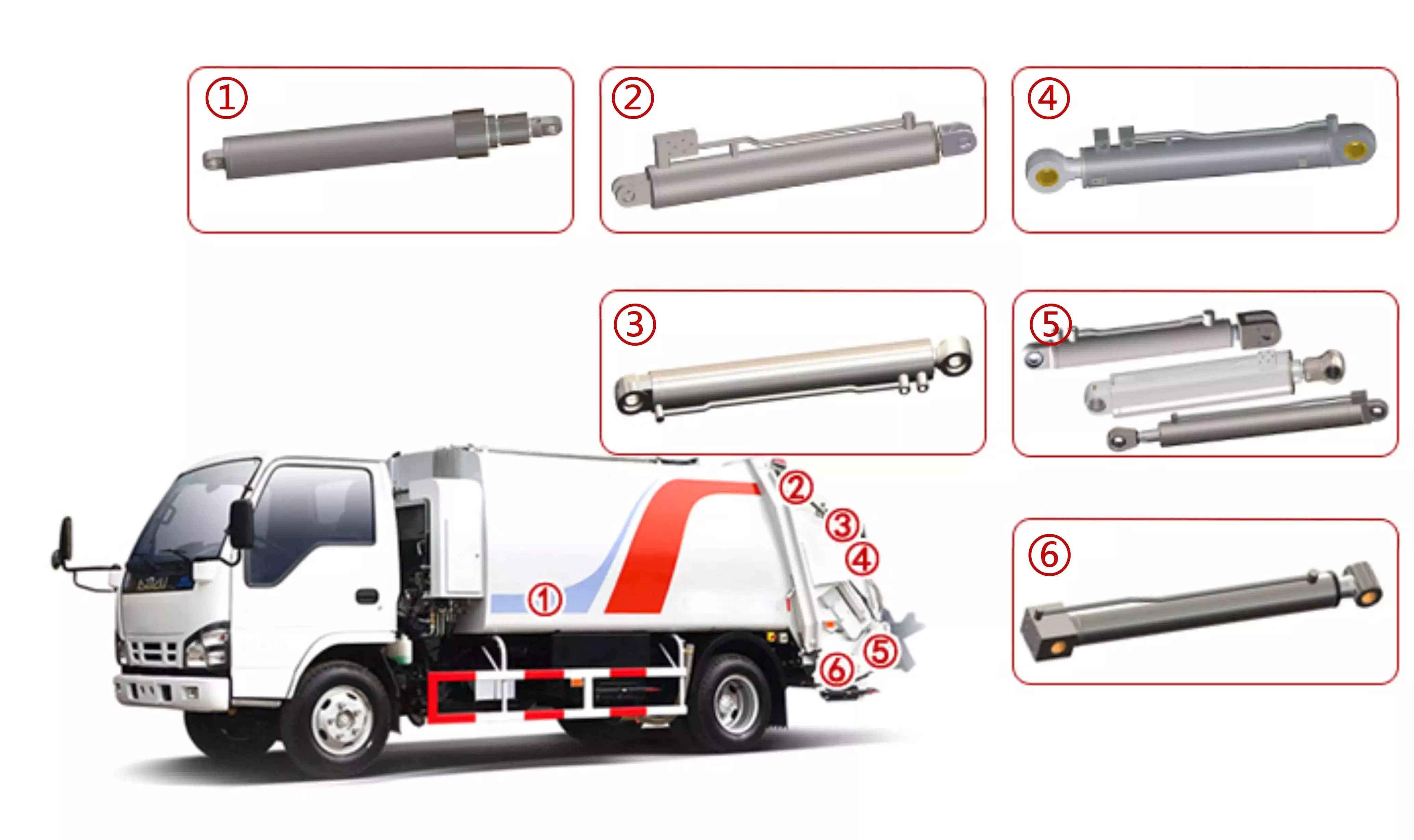
How do hydraulic cylinders accommodate variations in stroke length and force requirements?
Hydraulic cylinders are designed to accommodate variations in stroke length and force requirements, providing flexibility and adaptability for different applications. They can be tailored to meet specific needs by considering factors such as piston diameter, rod diameter, hydraulic pressure, and cylinder design. Here’s a detailed explanation of how hydraulic cylinders accommodate variations in stroke length and force requirements:
1. Cylinder Size and Design:
– Hydraulic cylinders come in various sizes and designs to accommodate different stroke lengths and force requirements. The cylinder’s diameter, piston area, and rod diameter are key factors that determine the force output. Larger cylinder diameters and piston areas can generate greater force, while smaller diameters are suitable for applications requiring lower force. By selecting the appropriate cylinder size and design, stroke lengths and force requirements can be effectively accommodated.
2. Piston and Rod Configurations:
– Hydraulic cylinders can be designed with different piston and rod configurations to accommodate variations in stroke length. Single-acting cylinders have a single piston and can provide a stroke in one direction. Double-acting cylinders have a piston on both sides, allowing for strokes in both directions. Telescopic cylinders consist of multiple stages that can extend and retract, providing a longer stroke length compared to standard cylinders. By selecting the appropriate piston and rod configuration, the desired stroke length can be achieved.
3. Hydraulic Pressure and Flow:
– The hydraulic pressure and flow rate supplied to the cylinder play a crucial role in accommodating variations in force requirements. Increasing the hydraulic pressure increases the force output of the cylinder, enabling it to handle higher force requirements. By adjusting the pressure and flow rate through hydraulic valves and pumps, the force output can be controlled and matched to the specific requirements of the application.
4. Customization and Tailoring:
– Hydraulic cylinders can be customized and tailored to meet specific stroke length and force requirements. Manufacturers offer a wide range of cylinder sizes, stroke lengths, and force capacities to choose from. Additionally, custom-designed cylinders can be manufactured to suit unique applications with specific stroke length and force demands. By working closely with hydraulic cylinder manufacturers, it is possible to obtain cylinders that precisely match the required stroke length and force requirements.
5. Multiple Cylinders and Synchronization:
– In applications that require high force or longer stroke lengths, multiple hydraulic cylinders can be used in combination. By synchronizing the movement of multiple cylinders through the hydraulic system, the stroke length and force output can be effectively increased. Synchronization can be achieved using mechanical linkages, electronic controls, or hydraulic circuitry, ensuring coordinated movement and force distribution across the cylinders.
6. Load-Sensing and Pressure Control:
– Hydraulic systems can incorporate load-sensing and pressure control mechanisms to accommodate variations in force requirements. Load-sensing systems monitor the load demand and adjust the hydraulic pressure accordingly, ensuring that the cylinder delivers the required force without exerting excessive force. Pressure control valves regulate the pressure within the hydraulic system, allowing for precise control and adjustment of the force output based on the application’s needs.
7. Safety Considerations:
– When accommodating variations in stroke length and force requirements, it is essential to consider safety factors. Hydraulic cylinders should be selected and designed with an appropriate safety margin to handle unexpected loads or variations in operating conditions. Safety mechanisms such as overload protection valves and pressure relief valves can be incorporated to prevent damage or failure in situations where the force limits are exceeded.
By considering factors such as cylinder size and design, piston and rod configurations, hydraulic pressure and flow, customization options, synchronization, load-sensing, pressure control, and safety considerations, hydraulic cylinders can effectively accommodate variations in stroke length and force requirements. This flexibility allows hydraulic cylinders to be tailored to meet the specific demands of a wide range of applications, ensuring optimal performance and efficiency.


editor by CX 2024-01-18
 Dutch
Dutch  English
  Italian
  Portuguese
  Swedish
  Danish
  Finnish
  Polish
  Hindi
Hindi  Kazakh
  Turkish
  Ukrainian
  Romanian
  Spanish
  German
  Russian
  Korean
  Japanese
  Vietnamese
  Thai
Thai  Indonesian
  Malay
Malay  French
  Greek
Greek