
Productbeschrijving
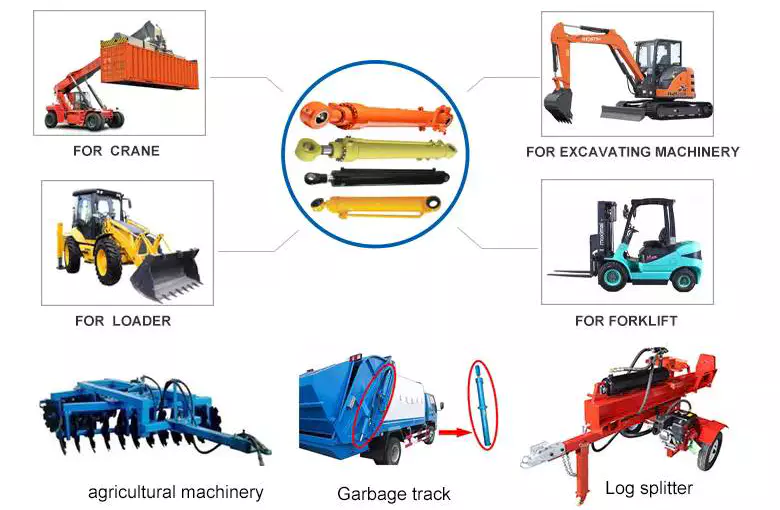
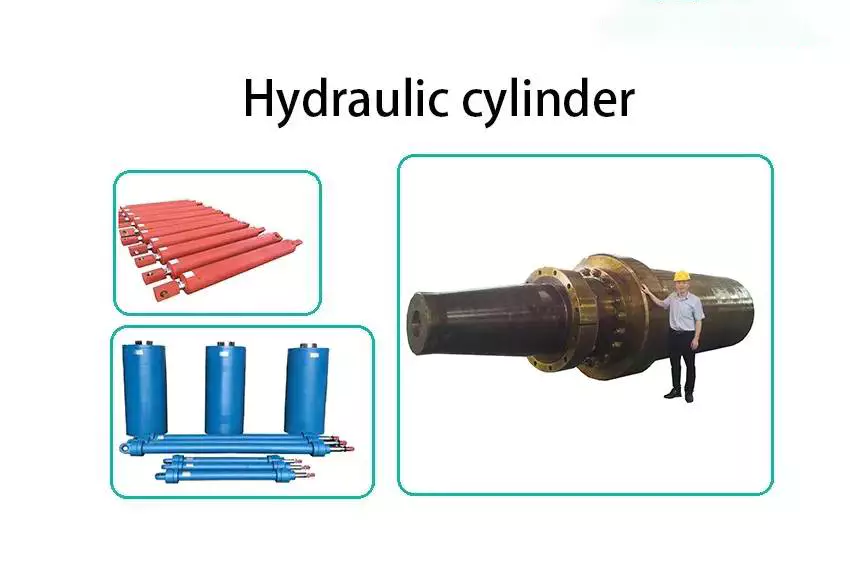
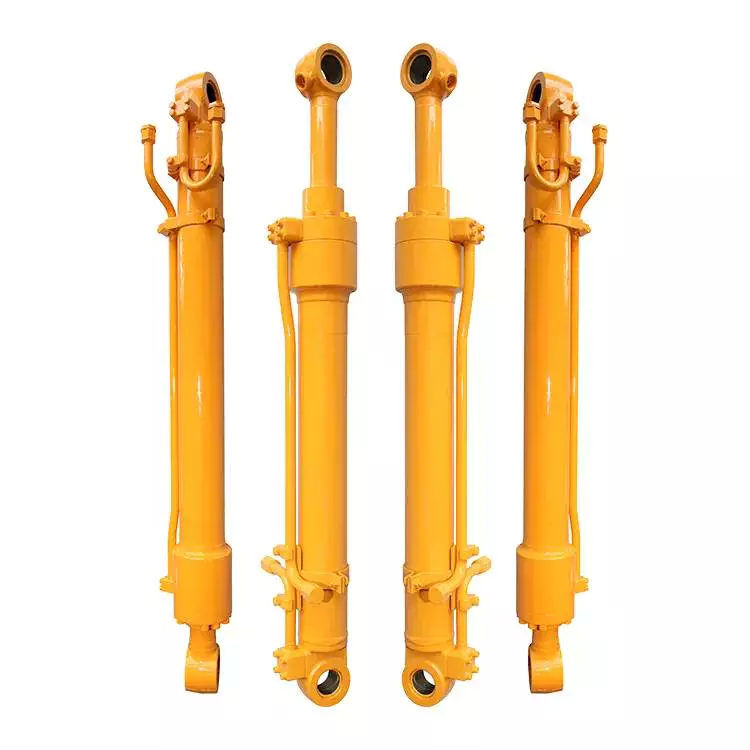
Excavator Hydraulic Cylinder Boom Cylinder Arm Cylinder Bucket Cylinder Stick Cylinder for Excavator Made in China
Productbeschrijving
*Provide various surface anti-corrosion treatment solutions: Ni/Cr electroplating, ceramic spraying, laser cladding, QPQ, etc
*Can be designed and equipped with integrated hydraulic locks, explosion-proof valves, oil pipes, etc. according to requirements
*Designed with a wide temperature resistance range (-25 ºC to+120 ºC), and able to provide customized services for higher or lower temperature oil cylinders
Customizable according to customer requirements
Detailed Photos
Other hydraulic cylinders:
Company Profile
Over ons:
Tianjian Hydraulic. is a leader in the engineering design and manufacture of high pressure hydraulic cylinders that are widely used in the fields of mining, metallurgy, construction machinery, marine, offshore, water engineering, wind power, hydraulic press, agricultural machinery, and so on.
The Tianjian team has almost 8 years experience delivering innovative and dependable solutions to meet OEM high pressure hydraulic cylinder needs.
Indien mogelijk, verzoeken wij u bij contact met ons de onderstaande gegevens te verstrekken.
Boring | Hengel | Hartinfarct | Werkdruk | Montage | Werkomgeving |
|
|
|
|
|
|
Of u kunt ons een schets of foto's sturen, zodat we uw bedoeling precies begrijpen en fouten kunnen voorkomen.
En als u monsters heeft, kunnen we produceren volgens uw monsters nadat u ze naar ons heeft opgestuurd.
U bent van harte welkom in onze fabriek als u tijd heeft.
Uw tevredenheid is onze grootste drijfveer.
U kunt nu contact met ons opnemen voor al uw vragen of opmerkingen.
Certifications
FAQ
1. Wat doet uw bedrijf?
A: we are a professional supplier of high quality hydraulic cylinders for more than 8 years.
2. Bent u een fabrikant of een handelsonderneming?
A: Wij zijn een fabrikant.
3. Welk certificaat heb je?
A: All our factories are ISO certificated. And our main suppliers of materials and parts are with CE, RoHS, and UL certificates.
4. Hoe lang is jullie levertijd?
A: The delivery time depends on different products and quantity. The cylinder usually need about 15-60 days.
5. Kunt u onderdelen maken volgens de specificaties of tekening van de klant?
A: Ja, we kunnen producten voor u produceren volgens uw tekeningen. Onze technici kunnen u ook professionele ondersteuning bieden met technisch advies.
6. Welke betalingsvoorwaarden accepteert u?
A: We prefer T/T through bank. 30% when order is confirmed and 70% before shipment. Can be megotiated.
7. Wat is uw garantiebeleid?
A: Al onze producten hebben een garantie van 1 jaar vanaf de leveringsdatum tegen materiaal- en fabricagefouten. Deze garantie dekt geen onderdelen die door normaal gebruik versleten zijn of door nalatigheid beschadigd zijn. We willen u er nadrukkelijk op wijzen dat vervuilde hydraulische olie uw hydraulische componenten zeker zal beschadigen. Deze schade valt niet onder de garantie. Daarom raden we u ten zeerste aan om nieuwe, schone olie te gebruiken of ervoor te zorgen dat de systeemolie schoon is wanneer u onze onderdelen gebruikt.
| After-sales Service: | 5 Years |
|---|---|
| Warranty: | 1 Year |
| Type: | Pistons |
| Application: | Excavator |
| Certification: | CE, ISO9001: 2000 |
| Condition: | New |
| Samples: | US$ 300/Piece 1 Piece(Min.Order) | |
|---|
| Customization: | Available |
|
|---|
Can hydraulic cylinders be integrated with modern telematics and remote monitoring?
Yes, hydraulic cylinders can indeed be integrated with modern telematics and remote monitoring systems. The integration of hydraulic cylinders with telematics and remote monitoring technology offers numerous benefits, including enhanced operational efficiency, improved maintenance practices, and increased overall productivity. Here’s a detailed explanation of how hydraulic cylinders can be integrated with modern telematics and remote monitoring:
1. Sensor Integration:
– Hydraulic cylinders can be equipped with various sensors to gather real-time data about their performance and operating conditions. Sensors such as pressure transducers, temperature sensors, position sensors, and load sensors can be integrated directly into the cylinder or its associated components. These sensors provide valuable information about parameters such as pressure, temperature, position, and load, enabling remote monitoring and analysis of the cylinder’s behavior.
2. Data Transmission:
– The data collected from the sensors in hydraulic cylinders can be transmitted wirelessly or through wired connections to a central monitoring system. Wireless communication technologies such as Bluetooth, Wi-Fi, or cellular networks can be employed to transmit data in real-time. Alternatively, wired connections such as Ethernet or CAN bus can be utilized for data transmission. The choice of communication method depends on the specific requirements of the application and the available infrastructure.
3. Remote Monitoring Systems:
– Remote monitoring systems receive and process the data transmitted from hydraulic cylinders. These systems can be cloud-based or hosted on local servers, depending on the implementation. Remote monitoring systems collect and analyze the data to provide insights into the cylinder’s performance, health, and usage patterns. Operators and maintenance personnel can access the monitoring system through web-based interfaces or dedicated software applications to view real-time data, receive alerts, and generate reports.
4. Condition Monitoring and Predictive Maintenance:
– Integration with telematics and remote monitoring enables condition monitoring and predictive maintenance of hydraulic cylinders. By analyzing the collected data, patterns and trends can be identified, allowing for the detection of potential issues or anomalies before they escalate into major problems. Predictive maintenance algorithms can be applied to the data to generate maintenance schedules, recommend component replacements, and optimize maintenance activities. This proactive approach helps prevent unexpected downtime, reduces maintenance costs, and maximizes the lifespan of hydraulic cylinders.
5. Performance Optimization:
– The data collected from hydraulic cylinders can also be utilized to optimize their performance. By analyzing parameters such as pressure, temperature, and load, operators can identify opportunities for improving operational efficiency. Insights gained from the remote monitoring system can guide adjustments in system settings, load management, or operational practices to optimize the performance of hydraulic cylinders and the overall hydraulic system. This optimization can result in energy savings, improved productivity, and reduced wear and tear.
6. Integration with Equipment Management Systems:
– Telematics and remote monitoring systems can be integrated with broader equipment management systems. This integration allows hydraulic cylinder data to be correlated with data from other components or related machinery, providing a comprehensive view of the overall system’s performance. This holistic approach enables operators to identify potential interdependencies, optimize system-wide performance, and make informed decisions regarding maintenance, repairs, or upgrades.
7. Enhanced Safety and Fault Diagnosis:
– Telematics and remote monitoring can contribute to enhanced safety and fault diagnosis in hydraulic systems. Real-time data from hydraulic cylinders can be used to detect abnormal conditions, such as excessive pressure or temperature, which may indicate potential safety risks. Fault diagnosis algorithms can analyze the data to identify specific issues or malfunctions, enabling prompt intervention and reducing the risk of catastrophic failures or accidents.
In summary, hydraulic cylinders can be effectively integrated with modern telematics and remote monitoring systems. This integration enables the collection of real-time data, remote monitoring of performance, condition monitoring, predictive maintenance, performance optimization, integration with equipment management systems, and enhanced safety. By harnessing the power of telematics and remote monitoring, hydraulic cylinder users can achieve improved efficiency, reduced downtime, optimized maintenance practices, and enhanced overall productivity in various applications and industries.
Adaptation of Hydraulic Cylinders for Medical Equipment and Aerospace Applications
Hydraulic cylinders have the potential to be adapted for use in medical equipment and aerospace applications, offering unique advantages in these industries. Let’s explore how hydraulic cylinders can be adapted for these specialized fields:
- Medical Equipment: Hydraulic cylinders can be adapted for various medical equipment applications, including hospital beds, patient lifts, surgical tables, and rehabilitation devices. Here’s how hydraulic cylinders are beneficial in medical equipment:
- Positioning and Adjustability: Hydraulic cylinders provide precise and smooth movement, allowing for accurate positioning and adjustments of medical equipment. This is crucial for ensuring patient comfort, proper alignment, and ease of use.
- Load Handling: Hydraulic cylinders offer high force capabilities, enabling the safe handling of heavy loads in medical equipment. They can support the weight of patients, facilitate smooth transitions, and provide stability during procedures.
- Controlled Motion: Hydraulic cylinders provide controlled and stable motion, which is essential for delicate medical procedures. The ability to adjust speed, position, and force allows for precise and controlled movements, minimizing patient discomfort and ensuring accurate treatment.
- Durability and Reliability: Hydraulic cylinders are designed to withstand rigorous use and demanding environments, making them suitable for medical equipment applications. Their durability and reliability contribute to the long-term performance and safety of medical devices.
- Aerospace Applications: Hydraulic cylinders can also be adapted for aerospace applications, where lightweight yet robust systems are essential. Here’s how hydraulic cylinders are advantageous in aerospace:
- Flight Control Systems: Hydraulic cylinders play a critical role in aircraft flight control systems, including ailerons, elevators, rudders, and landing gear. They provide precise and reliable actuation, allowing pilots to control the aircraft’s movements with accuracy and responsiveness.
- Weight Optimization: Hydraulic cylinders can be designed using lightweight materials, such as aluminum alloys or composite materials, to reduce overall weight. This weight optimization is crucial in aerospace applications to enhance fuel efficiency, payload capacity, and aircraft performance.
- Shock and Vibration Resistance: Aerospace environments involve significant shock and vibration forces. Hydraulic cylinders can be engineered to withstand these dynamic loads while maintaining performance and reliability, ensuring consistent operation even under extreme conditions.
- Space Constraints: Hydraulic cylinders can be designed to fit within the space constraints of aircraft or spacecraft. Their compact size and flexible mounting options allow for efficient integration into the limited available space.
In summary, hydraulic cylinders can be adapted for use in medical equipment and aerospace applications, leveraging their precise positioning, load handling capabilities, controlled motion, durability, and reliability. In medical equipment, hydraulic cylinders enable comfortable patient positioning, smooth transitions, and controlled movements during procedures. In aerospace, hydraulic cylinders provide precise actuation, weight optimization, shock and vibration resistance, and space-efficient solutions. By adapting hydraulic cylinders to these specialized fields, manufacturers can meet the unique requirements and enhance the performance of medical equipment and aerospace systems.
Welke onderhoudsprocedures zijn essentieel voor het verlengen van de levensduur van hydraulische cilinders?
Het onderhouden van hydraulische cilinders is cruciaal voor het verlengen van hun levensduur en het garanderen van optimale prestaties. Regelmatig onderhoud helpt vroegtijdige slijtage, schade en storingen te voorkomen, waardoor uiteindelijk de stilstandtijd wordt verminderd en kosten worden bespaard. Hieronder volgen enkele essentiële onderhoudsmaatregelen om de levensduur van hydraulische cilinders te verlengen:
1. Regelmatige inspecties:
– Voer routinematige visuele inspecties uit van hydraulische cilinders om eventuele schade, lekkages of slijtage op te sporen. Inspecteer de cilinderbehuizing, de zuigerstang, de afdichtingen en de bevestigingspunten. Let op vloeistoflekkages, roest, deuken of abnormale slijtagepatronen. Vroegtijdige detectie van problemen maakt tijdige reparaties of vervangingen mogelijk, waardoor verdere schade wordt voorkomen en de levensduur van de cilinder wordt verlengd.
2. Netheid:
– Zorg voor een schone omgeving rond hydraulische cilinders om te voorkomen dat er vuil in het systeem terechtkomt. Stof, vuil en ander afval kunnen afdichtingen en andere interne onderdelen beschadigen, wat leidt tot versnelde slijtage en verminderde prestaties. Reinig de cilinder en de omgeving regelmatig om het risico op vervuiling te minimaliseren.
3. Juiste smering:
Voldoende smering is cruciaal voor een soepele werking en een lange levensduur van hydraulische cilinders. Volg de aanbevelingen van de fabrikant voor de smeerintervallen en gebruik het juiste smeermiddel. Breng smeermiddel aan op de bewegende delen van de cilinder, zoals de zuigerstang, om wrijving te verminderen en slijtage te minimaliseren.
4. Onderhoud van de afdichting:
– Afdichtingen spelen een cruciale rol bij het voorkomen van lekkage van hydraulische vloeistof en het behoud van de prestaties van de cilinder. Controleer en vervang versleten of beschadigde afdichtingen onmiddellijk. Zorg ervoor dat de afdichtingen correct zijn gemonteerd en gesmeerd. Reinig de groeven van de afdichtingen regelmatig om vuil te verwijderen dat de effectiviteit van de afdichting kan verminderen.
5. Drukcontroles:
– Controleer periodiek de druk in het hydraulische systeem om er zeker van te zijn dat deze binnen het aanbevolen werkingsbereik ligt. Overmatige druk kan de cilinder en de onderdelen ervan belasten, wat leidt tot voortijdige slijtage. Houd de drukniveaus in de gaten en pas deze indien nodig aan om overbelasting van de cilinder te voorkomen.
6. Onderhoud van de regelklep:
– Onderhoud en inspecteer de regelkleppen die de stroom en richting van de hydraulische vloeistof regelen. Zorg ervoor dat de kleppen correct functioneren en geen overmatige spanning of drukpieken in de cilinder veroorzaken. Reinig of vervang de regelkleppen indien ze beschadigd of defect zijn.
7. Cilinderuitlijning:
– Een correcte uitlijning van hydraulische cilinders is essentieel voor hun levensduur. Een verkeerde uitlijning kan leiden tot overmatige zijdelingse belasting, waardoor ongelijkmatige slijtage en mogelijke schade ontstaan. Zorg ervoor dat de cilinder correct is uitgelijnd met andere componenten en dat de bevestigingspunten goed vastzitten.
8. Overbelasting voorkomen:
– Vermijd het belasten van hydraulische cilinders met een belasting die hun nominale capaciteit overschrijdt. Overbelasting kan interne schade, defecten aan de afdichtingen en een kortere levensduur veroorzaken. Zorg ervoor dat de belasting binnen de mogelijkheden van de cilinder ligt en overweeg indien nodig het gebruik van veiligheidsvoorzieningen zoals overbelastingsbeveiligingssystemen.
9. Training en bewustwording bij de operator:
– Zorg voor een gedegen training van de operators over het correcte gebruik en de juiste hantering van hydraulische cilinders. Operators moeten op de hoogte zijn van de beperkingen van de cilinder, de veilige bedieningsprocedures en het belang van regelmatig onderhoud. Stimuleer een cultuur van proactief onderhoud en moedig operators aan om eventuele problemen direct te melden.
10. Documentatie en archivering:
– Houd gedetailleerde documentatie bij van alle onderhoudsactiviteiten, inclusief inspecties, reparaties en vervangingen. Registreer smeerschema's, drukmetingen en al het uitgevoerde onderhoud aan de hydraulische cilinders. Deze documentatie helpt bij het bijhouden van de geschiedenis van de cilinder, het identificeren van terugkerende problemen en het effectief plannen van toekomstig onderhoud.
Door deze onderhoudsprocedures te volgen, kan de levensduur van hydraulische cilinders worden verlengd, waardoor betrouwbare prestaties worden gegarandeerd en het risico op onverwachte storingen wordt verminderd. Regelmatige inspecties, reiniging, juiste smering, onderhoud van afdichtingen, drukcontroles, onderhoud van regelkleppen, uitlijning van cilinders, voorkomen van overbelasting, training van de operator en documentatie dragen bij aan de algehele levensduur en optimale werking van hydraulische cilinders.


editor by CX 2023-10-30
 Dutch
Dutch  English
  Italian
  Portuguese
  Swedish
  Danish
  Finnish
  Polish
  Hindi
Hindi  Kazakh
  Turkish
  Ukrainian
  Romanian
  Spanish
  German
  Russian
  Korean
  Japanese
  Vietnamese
  Thai
Thai  Indonesian
  Malay
Malay  French
  Greek
Greek