
Opis produktu
Products Description
FRJX,manufacturer of professional brake and suspension parts from China.All of our products are manufactured and 100% tested to meet standards of SGS.
we offer comes in various OE numbers and capabilities to meet your needs with high performance and competitive price.
| Catagory | Brake Wheel Cylinder |
| Brand | OEM /Customized/FRJX |
| Application | Auto Brake Systems |
| OEM No. | “58330-24003(5833571003),5874524002Hyundai,PONY,SONATA” |
| Car Model | For Hyundai,Kia |
| Tworzywo | Iron/Aluminum |
| Sample | Dostępny |
| Minimalne zamówienie | 50-100PCS |
| Gwarancja | 30,000 kms/1 year |
| Quality | 100% Tested 1 by 1 before shipment |
| Uszczelka | Plastic Bag+Color Box+Carton+Customize |
| Lead Time | 7-15 days for stock orders, 25-40 days for large quantities. |
FRJX,from high quality material to advanced processing and test equipment,all our brake and clutch parts are manufactured and 100% tested to meet standards ISO9001 and ISO/TS 16949 and SGS.
Company Introduction
In 2008, the HangZhou Fanrong Machinery Co.,Ltd was created in the city of HangZhou ,ZheJiang ,China,our vision is to produce a high quality of Brake and Suspension parts competitive prices to satisfy the needs of the auto market and gain the trust of our customers.
The supervision of our production processes is carried out by highly qualified engineers and specialists who have state-of-the-art instruments, ensuring that the final result is excellent quality products with high levels of safety, durability and performance. The adequate selection of the best quality raw materials , strict controls in the production process, make us recognized with the ISO9001 and ISO/TS 16949 certifications. Additionally, we have outstanding results in tests carried out by our customers.
We respond to the reliability and safety needs of the auto parts sector by offering the best auto parts for vehicles.Due to our high performance and competitive price,our Brake and Suspension parts production is our best-selling.
We believe our qualified products with reasonable price could save you a lot! welcome your inquiry!
Precessing Equipment
Assembly & Testing
Package & Delivery
| After-sales Service: | 1 Year |
|---|---|
| Warranty: | 1 Year |
| Type: | Brake System |
| Material: | Iron or Aluminum, Iron |
| Position: | Front |
| Certification: | ISO/TS16949, ISO9001, ISO9002 |
| Samples: | US$ 5/Piece 1 Piece(Min.Order) | |
|---|
| Personalizacja: | Dostępny |
|
|---|
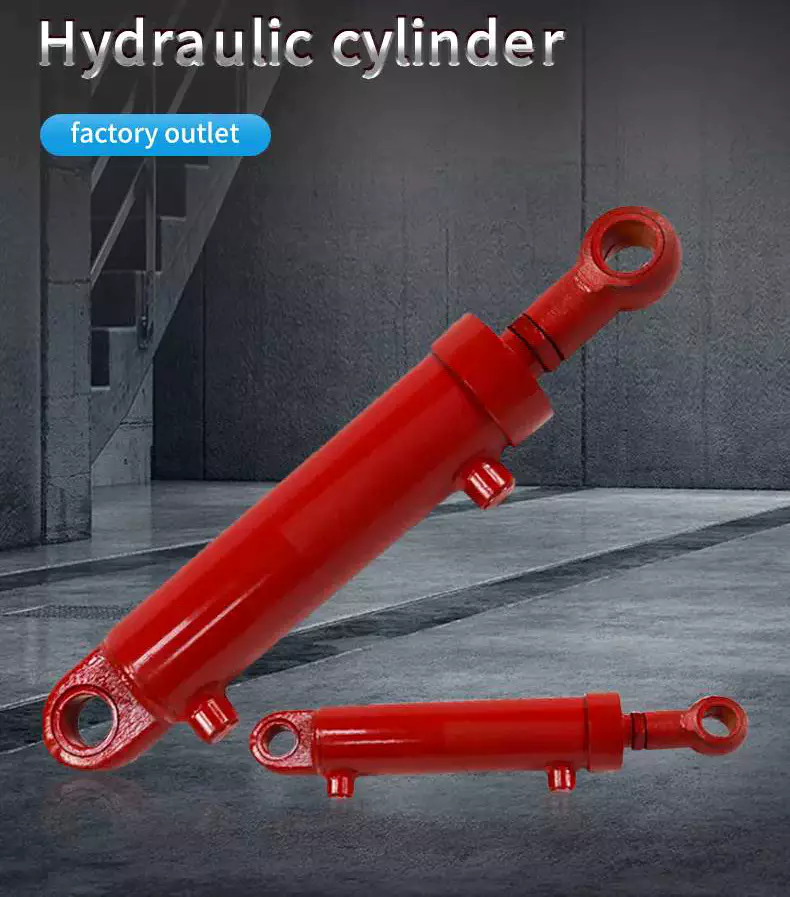
W jaki sposób siłowniki hydrauliczne zapewniają płynny i równomierny ruch ciężkich maszyn?
Siłowniki hydrauliczne odgrywają kluczową rolę w zapewnieniu płynnego i powtarzalnego ruchu w ciężkich maszynach. Ich konstrukcja i działanie umożliwiają precyzyjną kontrolę ruchu ciężkich ładunków, co przekłada się na wydajność i niezawodność. Oto szczegółowe wyjaśnienie, w jaki sposób siłowniki hydrauliczne przyczyniają się do płynnego i powtarzalnego ruchu w ciężkich maszynach:
1. Płyn hydrauliczny i ciśnienie:
– Siłowniki hydrauliczne działają poprzez wykorzystanie płynu hydraulicznego, zazwyczaj oleju, do przenoszenia siły i ruchu. Płyn jest sprężany przez pompę hydrauliczną, wytwarzając siłę, która działa na tłok wewnątrz cylindra. Ciśnienie płynu hydraulicznego można precyzyjnie kontrolować, co umożliwia płynny i stopniowy ruch ciężkich maszyn. Nieściśliwość płynu zapewnia równomierny rozkład siły, co przekłada się na powtarzalny i przewidywalny ruch.
2. Konstrukcja tłoka i cylindra:
– Cylindry hydrauliczne są precyzyjnie zaprojektowane, aby zapewnić płynny ruch. Tłok i otwór cylindra są obrabiane z zachowaniem ścisłych tolerancji, co zmniejsza tarcie i minimalizuje wycieki wewnętrzne. To precyzyjne dopasowanie między tłokiem a ściankami cylindra pomaga utrzymać płynny ruch bez szarpnięć i nagłych zmian prędkości. Dodatkowo, zastosowanie wysokiej jakości uszczelnień i smarowania dodatkowo poprawia płynność pracy cylindra.
3. Zawory regulacyjne i kontrola przepływu:
– Układy hydrauliczne zawierają zawory sterujące, które regulują przepływ płynu hydraulicznego do i z cylindra. Zawory te umożliwiają precyzyjną kontrolę prędkości i kierunku ruchu cylindra. Regulując natężenie przepływu, operatorzy mogą uzyskać płynny i kontrolowany ruch ciężkich maszyn, unikając nagłych uruchomień i zatrzymań. Zawory sterujące przepływem umożliwiają również regulację prędkości, zapewniając spójny ruch nawet przy zmiennych obciążeniach i warunkach pracy.
4. Amortyzacja i tłumienie:
– Siłowniki hydrauliczne mogą być wyposażone w mechanizmy amortyzacji, które pochłaniają wstrząsy i minimalizują uderzenia podczas ruchu ciężkich maszyn. Amortyzacja jest osiągana poprzez zastosowanie specjalistycznych zaworów lub regulowanych otworów w siłowniku, które ograniczają przepływ płynu hydraulicznego pod koniec skoku. To stopniowe hamowanie pomaga zapobiegać nagłym wstrząsom lub wibracjom, zapewniając płynny i równomierny ruch, jednocześnie redukując obciążenie maszyny i jej podzespołów.
5. Równoważenie obciążenia:
– Siłowniki hydrauliczne można zaprojektować i ułożyć w system, aby zrównoważyć obciążenie i równomiernie rozłożyć siły. Dzięki zastosowaniu wielu siłowników w konfiguracji równoległej lub szeregowej, ciężkie maszyny mogą osiągnąć zrównoważony ruch, zapobiegając nierównomiernemu obciążeniu i zapewniając płynną pracę. Równoważenie obciążenia pomaga również zminimalizować ryzyko awarii podzespołów oraz zwiększa ogólną stabilność i żywotność maszyn.
6. Systemy sprzężenia zwrotnego i sterowania:
– Zaawansowane układy hydrauliczne zawierają czujniki sprzężenia zwrotnego i systemy sterowania, które monitorują i regulują ruch ciężkich maszyn. Czujniki te dostarczają informacji w czasie rzeczywistym o położeniu, prędkości i sile wywieranej przez siłowniki hydrauliczne. System sterowania przetwarza te dane i odpowiednio dostosowuje przepływ płynu hydraulicznego, aby zapewnić płynny i spójny ruch. Poprzez ciągłe monitorowanie i regulację pracy siłownika, systemy sprzężenia zwrotnego i sterowania przyczyniają się do precyzyjnego i niezawodnego sterowania ruchem.
7. Konserwacja i serwis:
– Regularna konserwacja i serwisowanie siłowników hydraulicznych są niezbędne dla zapewnienia ich płynnego i równomiernego ruchu w ciężkich maszynach. Prawidłowe smarowanie, kontrola uszczelnień i wymiana zużytych podzespołów pomagają utrzymać optymalną wydajność. Praktyki konserwacji zapobiegawczej, takie jak wymiana filtrów i analiza płynów, również przyczyniają się do trwałości i niezawodności układów hydraulicznych, zapewniając równomierny ruch przez cały czas.
Podsumowując, cylindry hydrauliczne zapewniają płynny i równomierny ruch w ciężkich maszynach dzięki zastosowaniu płynu hydraulicznego i ciśnienia, precyzyjnej konstrukcji tłoka i cylindra, zaworów sterujących i kontroli przepływu, mechanizmów amortyzacji i tłumienia, równoważenia obciążenia, systemów sprzężenia zwrotnego i sterowania oraz regularnej konserwacji i serwisowania. Wykorzystując te cechy, cylindry hydrauliczne zapewniają niezbędną siłę i kontrolę do obsługi dużych obciążeń, jednocześnie zachowując precyzję i niezawodność ruchu, co przekłada się na poprawę ogólnej wydajności i produktywności ciężkich maszyn w różnych zastosowaniach przemysłowych.
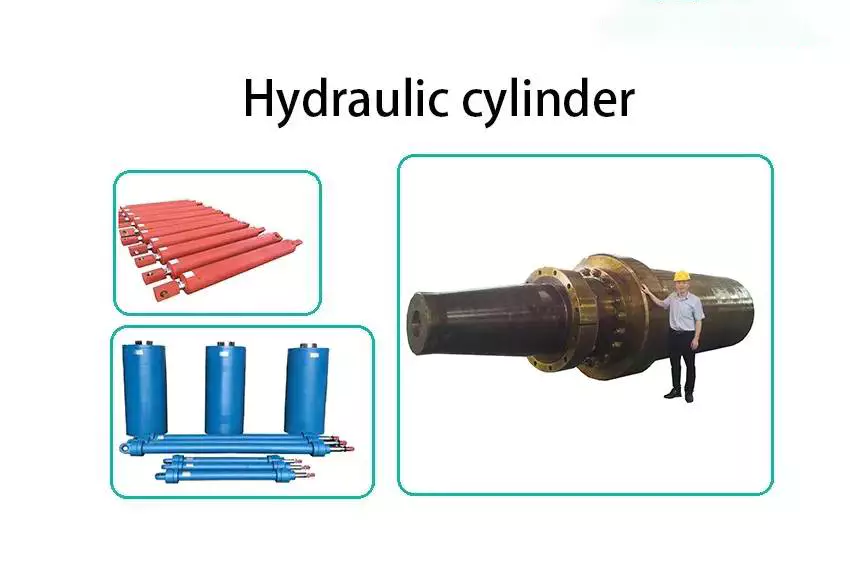
Adaptation of Hydraulic Cylinders for Medical Equipment and Aerospace Applications
Hydraulic cylinders have the potential to be adapted for use in medical equipment and aerospace applications, offering unique advantages in these industries. Let’s explore how hydraulic cylinders can be adapted for these specialized fields:
- Medical Equipment: Hydraulic cylinders can be adapted for various medical equipment applications, including hospital beds, patient lifts, surgical tables, and rehabilitation devices. Here’s how hydraulic cylinders are beneficial in medical equipment:
- Positioning and Adjustability: Hydraulic cylinders provide precise and smooth movement, allowing for accurate positioning and adjustments of medical equipment. This is crucial for ensuring patient comfort, proper alignment, and ease of use.
- Load Handling: Hydraulic cylinders offer high force capabilities, enabling the safe handling of heavy loads in medical equipment. They can support the weight of patients, facilitate smooth transitions, and provide stability during procedures.
- Controlled Motion: Hydraulic cylinders provide controlled and stable motion, which is essential for delicate medical procedures. The ability to adjust speed, position, and force allows for precise and controlled movements, minimizing patient discomfort and ensuring accurate treatment.
- Durability and Reliability: Hydraulic cylinders are designed to withstand rigorous use and demanding environments, making them suitable for medical equipment applications. Their durability and reliability contribute to the long-term performance and safety of medical devices.
- Aerospace Applications: Hydraulic cylinders can also be adapted for aerospace applications, where lightweight yet robust systems are essential. Here’s how hydraulic cylinders are advantageous in aerospace:
- Flight Control Systems: Hydraulic cylinders play a critical role in aircraft flight control systems, including ailerons, elevators, rudders, and landing gear. They provide precise and reliable actuation, allowing pilots to control the aircraft’s movements with accuracy and responsiveness.
- Weight Optimization: Hydraulic cylinders can be designed using lightweight materials, such as aluminum alloys or composite materials, to reduce overall weight. This weight optimization is crucial in aerospace applications to enhance fuel efficiency, payload capacity, and aircraft performance.
- Shock and Vibration Resistance: Aerospace environments involve significant shock and vibration forces. Hydraulic cylinders can be engineered to withstand these dynamic loads while maintaining performance and reliability, ensuring consistent operation even under extreme conditions.
- Space Constraints: Hydraulic cylinders can be designed to fit within the space constraints of aircraft or spacecraft. Their compact size and flexible mounting options allow for efficient integration into the limited available space.
In summary, hydraulic cylinders can be adapted for use in medical equipment and aerospace applications, leveraging their precise positioning, load handling capabilities, controlled motion, durability, and reliability. In medical equipment, hydraulic cylinders enable comfortable patient positioning, smooth transitions, and controlled movements during procedures. In aerospace, hydraulic cylinders provide precise actuation, weight optimization, shock and vibration resistance, and space-efficient solutions. By adapting hydraulic cylinders to these specialized fields, manufacturers can meet the unique requirements and enhance the performance of medical equipment and aerospace systems.
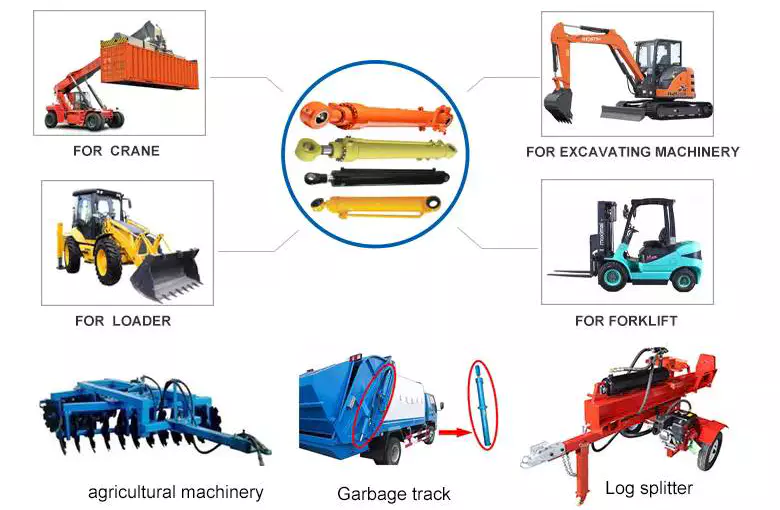
Which industries and machinery commonly use hydraulic cylinders for power transmission?
Hydraulic cylinders are widely used in various industries and machinery for power transmission due to their ability to generate high force, precise control, and reliable operation. They play a crucial role in converting hydraulic energy into mechanical force and motion. Here are the detailed industries and machinery that commonly utilize hydraulic cylinders for power transmission:
1. Construction and Heavy Equipment:
– Hydraulic cylinders are extensively used in the construction industry for tasks involving heavy lifting, pushing, and positioning. They are employed in cranes, excavators, loaders, bulldozers, and other heavy equipment to lift and move heavy loads, operate attachments, and manipulate construction materials. Hydraulic cylinders provide the necessary force and control for tasks such as lifting and lowering buckets, extending and retracting booms, and tilting blades.
2. Material Handling and Logistics:
– In material handling and logistics applications, hydraulic cylinders are vital components for the movement and manipulation of goods. They are used in forklifts, stackers, palletizers, and conveyor systems to lift, lower, and position loads with precision. Hydraulic cylinders enable the efficient transfer of heavy objects, facilitate stacking and sorting operations, and contribute to the smooth operation of material handling equipment.
3. Agriculture and Farming:
– The agricultural industry relies on hydraulic cylinders for various tasks in farming equipment. Tractors, harvesters, sprayers, and loaders utilize hydraulic cylinders to perform functions such as lifting and lowering implements, adjusting the position of attachments, and steering operations. Hydraulic cylinders enable efficient and precise control in tasks like plowing, tilling, harvesting, and baling, enhancing productivity and convenience in agricultural operations.
4. Mining and Extraction:
– Hydraulic cylinders are extensively utilized in the mining and extraction industry for their ability to handle heavy loads and operate in challenging environments. They are employed in mining equipment such as dump trucks, loaders, and excavators for tasks like ore extraction, rock breaking, and material transport. Hydraulic cylinders provide the force required for excavating, loading, and dumping operations, contributing to the efficiency and productivity of mining operations.
5. Manufacturing and Industrial Machinery:
– Hydraulic cylinders are an integral part of various manufacturing and industrial machinery. They are utilized in presses, stamping machines, injection molding machines, and metal forming equipment to apply force for shaping, bending, and pressing operations. Hydraulic cylinders enable precise control over the force and speed required for manufacturing processes, ensuring accurate and consistent results.
6. Automotive and Transportation:
– Hydraulic cylinders are employed in the automotive and transportation industry for a range of applications. They are used in vehicle lifting systems, such as car lifts and hydraulic jacks, for maintenance and repairs. Hydraulic cylinders are also utilized in bus doors, truck tailgates, and cargo handling systems to provide controlled movement and positioning. Additionally, hydraulic suspension systems in trucks, buses, and trailers use hydraulic cylinders for load leveling and stability.
7. Aerospace and Aviation:
– The aerospace and aviation industry relies on hydraulic cylinders for various applications, including aircraft landing gear, wing flaps, and flight control systems. Hydraulic cylinders provide the necessary force and precise control for extending and retracting landing gear, adjusting wing surfaces, and actuating control surfaces. They contribute to the safe and efficient operation of aircraft, ensuring reliable performance during takeoff, landing, and flight maneuvers.
8. Marine and Offshore:
– Hydraulic cylinders are utilized in marine and offshore equipment for a wide range of tasks. They are found in ship and boat steering systems, hatch covers, cranes, winches, and anchor handling equipment. Hydraulic cylinders enable precise control and powerful force transmission in maritime applications, supporting navigation, cargo handling, and offshore operations.
In summary, hydraulic cylinders are commonly used in industries such as construction, material handling, agriculture, mining, manufacturing, automotive, aerospace, marine, and more. They are integral components in machinery and equipment that require reliable power transmission, precise control, and the ability to handle heavy loads. The versatile nature of hydraulic cylinders allows them to be adapted to various applications, contributing to increased efficiency, productivity, and safety in numerous industries.


editor by CX 2023-10-15
 Polish
  English
  Italian
  Portuguese
  Dutch
Dutch  Swedish
  Danish
  Finnish
  Hindi
Hindi  Kazakh
  Turkish
  Ukrainian
  Romanian
  Spanish
  German
  Russian
  Korean
  Japanese
  Vietnamese
  Thai
Thai  Indonesian
  Malay
Malay  French
  Greek
Greek