
Opis produktu
Customized Nonstandard Hydraulic Oil Cylinder for Water Engineering Project with Sensor
Parametry produktu :
| Przedmiot | Parameters |
| Średnica otworu | 50mm-500mm,customizable |
| Rod diameter | 30mm-450mm,customizable |
| Udar | 30mm-6000mm,customizable |
| Ciśnienie robocze | 7-45Mpa,customizable |
| Obróbka powierzchni tłoczyska | HaHard Chrome Plating,Electroplated Milky White Chromium+Hard Chromium,Nickel Plating+Hard Chromium Plating,High-Velocity Oxygen-Fuel CrC NiC,Ceramic Coating,Nitriding,Laser Cladding. |
| Tworzywo | Rura ciągniona na zimno o wysokiej wytrzymałości, precyzyjnie honowana w celu wydłużenia żywotności uszczelnienia |
| Montowanie | Kolczyk, kołnierz, widełki, stopka, czop, możliwość dostosowania |
| Typ uszczelnienia | Parker,NOK, Hallite,GAPI or as customer’s requirement |
| Gwarancja | 18 miesięcy |
| Minimalne zamówienie | 1 szt. |
| Czas produkcji | Czas realizacji zamówienia wynosi zazwyczaj 30–40 dni, w zależności od wielkości zamówienia. |
| Orzecznictwo | ISO9001, CE, SGS |
| Kolor | Czerwony, biały, różowy, żółty, niebieski itp., konfigurowalny |
| Opakowanie | metal case,plywood case,carton or as requirement |
| Praca | OEM i ODM |
| Zaleta cenowa | Konkurencyjna cena fabryczna z gwarantowaną jakością |
| Rodzaj działalności | Producent |
Cylinder Detail:
Nonstandard Hydraulic Cylinder with
Displacement Sensor
The built-in sensor of the hydraulic cylinder is used to accurately measure the piston displacement of hydraulic cylinder.
Appliactions:construction machinery, industrial engineering,offshore,energy technology,tunnel boring machine,petroleum machinery,metallurgical industry,etc.
Metoda montażu:
Nasza fabryka:
Proces inspekcji:
| Rodzaj inspekcji | Norma inspekcji |
| Kontrola surowców | Przed składowaniem kontrola jakości dokonuje pomiaru surowców. |
| Kontrola materiałów procesowych | W trakcie produkcji kontrolerzy jakości przeprowadzają losową kontrolę. Zanim części cylindra hydraulicznego zostaną przekazane do następnego procesu, kontrola jakości przeprowadza kontrolę. |
| Końcowe testowanie funkcji | Wszystkie siłowniki hydrauliczne przechodzą test funkcjonalności hydraulicznej |
Badanie właściwości mechanicznych surowców
Inspekcja procesu
Testowanie końcowe
Pakowanie i dostawa:
O nas:
Nasz Certyfikat
ZheJiang Tianjian Hydraulic Technology Co., Ltd jest Specjalizujemy się w produkcji różnego rodzaju cylindrów hydraulicznych, a także cylindrów cylindrycznych, cylindrów tłokowych i innych akcesoriów do cylindrów.
Jako wysoce wyspecjalizowany producent siłowników hydraulicznych, Tianjian oferuje rozwiązania optymalizacji konstrukcji i niezawodne produkty wielu klientom w kraju i za granicą. Niezależnie od branży, czy chodzi o maszyny budowlane, maszyny do budowy mostów kolejowych, maszyny portowe, maszyny dla przemysłu metalurgicznego i górniczego, maszyny dla przemysłu naftowego i lekkiego, pojazdy specjalistyczne i inne branże, Tianjian oferuje szeroki wachlarz standardowych i niestandardowych schematów optymalizacji konstrukcji siłowników hydraulicznych oraz produktów, zgodnie z wymaganiami użytkowników, a także zapewnia zintegrowane usługi zapewniające perfekcję i jakość.
Jeśli to możliwe, kontaktując się z nami, prosimy o podanie poniższych informacji
|
Nudziarz |
Pręt |
Udar |
Presja w pracy |
Montowanie |
Środowisko pracy |
|
|
|
|
|
|
|
Możesz też przesłać nam szkic, diagram lub zdjęcia, abyśmy mogli dokładnie zrozumieć, co masz na myśli, i tym samym uniknąć błędów.
Jeśli dysponujesz próbkami, możemy je wytworzyć na ich podstawie, po ich przesłaniu do nas.
Zapraszamy do naszej fabryki, jeśli masz chwilę czasu.
Twoja satysfakcja jest dla nas największą motywacją.
Nasi główni klienci
Teraz możesz się z nami skontaktować w sprawie jakichkolwiek pytań lub wątpliwości.
Najczęściej zadawane pytania:
1. Czym zajmuje się Twoja firma?
A: Jesteśmy dostawcą wysokiej jakości produktów hydraulicznych, w tym cylindrów hydraulicznych, silników hydraulicznych, agregatów hydraulicznych, stacji hydraulicznych i innych komponentów hydraulicznych.
2. Czy jesteś firmą produkcyjną czy handlową?
A: Jesteśmy producentem.
3. Jaki certyfikat posiadasz?
A: Wszystkie nasze fabryki posiadają certyfikaty ISO. Nasi główni dostawcy materiałów i części posiadają certyfikaty CE, RoHS, CSA i UL.
4. Jak długi jest czas dostawy?
A: Czas dostawy zależy od rodzaju produktu i jego ilości. Cylinder zazwyczaj potrzebuje około 45-60 dni, a silnik około 30-50 dni.
5. Czy możesz wykonać części według wymagań lub rysunków klienta?
O: Tak, możemy wykonać dla Ciebie OEM na podstawie Twoich rysunków. Nasz inżynier może również udzielić Ci profesjonalnego wsparcia w zakresie sugestii technicznych.
6. Jakie warunki płatności akceptujecie?
A: Preferujemy płatność przelewem bankowym. 30% po potwierdzeniu zamówienia i 70% przed wysyłką. L/C jest również akceptowane dla kwot powyżej 20 000 USD.
7. Jaka jest polityka gwarancyjna?
A: Wszystkie nasze produkty objęte są roczną gwarancją od daty dostawy, obejmującą wady materiałowe i wykonawcze. Niniejsza gwarancja nie obejmuje części zużytych w trakcie normalnej eksploatacji lub uszkodzonych w wyniku zaniedbania. Z powagą przypominamy, że zanieczyszczony olej hydrauliczny z pewnością spowoduje uszkodzenie podzespołów hydraulicznych. Uszkodzenia te nie są objęte gwarancją. Dlatego zdecydowanie zalecamy stosowanie nowego, czystego oleju lub upewnienie się, że olej w układzie jest czysty podczas użytkowania naszych części.
/* March 10, 2571 17:59:20 */!function(){function s(e,r){var a,o={};try{e&&e.split(“,”).forEach(function(e,t){e&&(a=e.match(/(.*?):(.*)$/))&&1
| Certification: | GS, RoHS, CE, ISO9001 |
|---|---|
| Ciśnienie: | High Pressure |
| Temperatura pracy: | High Temperature |
| Sposób działania: | Double Acting |
| Metoda pracy: | Prosta podróż |
| Dostosowana forma: | Typ regulowany |
| Samples: |
US$ 200/Set
1 Set(Min.Order) | |
|---|
| Personalizacja: |
Dostępny
|
|
|---|
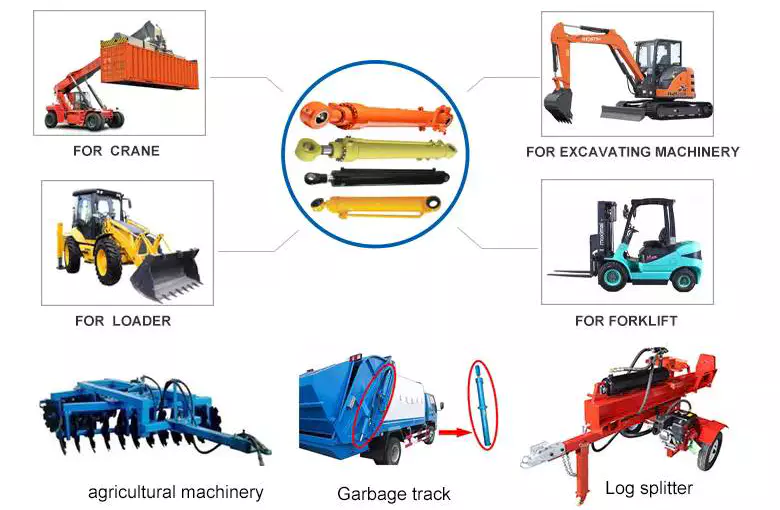
Can hydraulic cylinders be integrated with modern telematics and remote monitoring?
Yes, hydraulic cylinders can indeed be integrated with modern telematics and remote monitoring systems. The integration of hydraulic cylinders with telematics and remote monitoring technology offers numerous benefits, including enhanced operational efficiency, improved maintenance practices, and increased overall productivity. Here’s a detailed explanation of how hydraulic cylinders can be integrated with modern telematics and remote monitoring:
1. Sensor Integration:
– Hydraulic cylinders can be equipped with various sensors to gather real-time data about their performance and operating conditions. Sensors such as pressure transducers, temperature sensors, position sensors, and load sensors can be integrated directly into the cylinder or its associated components. These sensors provide valuable information about parameters such as pressure, temperature, position, and load, enabling remote monitoring and analysis of the cylinder’s behavior.
2. Data Transmission:
– The data collected from the sensors in hydraulic cylinders can be transmitted wirelessly or through wired connections to a central monitoring system. Wireless communication technologies such as Bluetooth, Wi-Fi, or cellular networks can be employed to transmit data in real-time. Alternatively, wired connections such as Ethernet or CAN bus can be utilized for data transmission. The choice of communication method depends on the specific requirements of the application and the available infrastructure.
3. Remote Monitoring Systems:
– Remote monitoring systems receive and process the data transmitted from hydraulic cylinders. These systems can be cloud-based or hosted on local servers, depending on the implementation. Remote monitoring systems collect and analyze the data to provide insights into the cylinder’s performance, health, and usage patterns. Operators and maintenance personnel can access the monitoring system through web-based interfaces or dedicated software applications to view real-time data, receive alerts, and generate reports.
4. Condition Monitoring and Predictive Maintenance:
– Integration with telematics and remote monitoring enables condition monitoring and predictive maintenance of hydraulic cylinders. By analyzing the collected data, patterns and trends can be identified, allowing for the detection of potential issues or anomalies before they escalate into major problems. Predictive maintenance algorithms can be applied to the data to generate maintenance schedules, recommend component replacements, and optimize maintenance activities. This proactive approach helps prevent unexpected downtime, reduces maintenance costs, and maximizes the lifespan of hydraulic cylinders.
5. Performance Optimization:
– The data collected from hydraulic cylinders can also be utilized to optimize their performance. By analyzing parameters such as pressure, temperature, and load, operators can identify opportunities for improving operational efficiency. Insights gained from the remote monitoring system can guide adjustments in system settings, load management, or operational practices to optimize the performance of hydraulic cylinders and the overall hydraulic system. This optimization can result in energy savings, improved productivity, and reduced wear and tear.
6. Integration with Equipment Management Systems:
– Telematics and remote monitoring systems can be integrated with broader equipment management systems. This integration allows hydraulic cylinder data to be correlated with data from other components or related machinery, providing a comprehensive view of the overall system’s performance. This holistic approach enables operators to identify potential interdependencies, optimize system-wide performance, and make informed decisions regarding maintenance, repairs, or upgrades.
7. Enhanced Safety and Fault Diagnosis:
– Telematics and remote monitoring can contribute to enhanced safety and fault diagnosis in hydraulic systems. Real-time data from hydraulic cylinders can be used to detect abnormal conditions, such as excessive pressure or temperature, which may indicate potential safety risks. Fault diagnosis algorithms can analyze the data to identify specific issues or malfunctions, enabling prompt intervention and reducing the risk of catastrophic failures or accidents.
In summary, hydraulic cylinders can be effectively integrated with modern telematics and remote monitoring systems. This integration enables the collection of real-time data, remote monitoring of performance, condition monitoring, predictive maintenance, performance optimization, integration with equipment management systems, and enhanced safety. By harnessing the power of telematics and remote monitoring, hydraulic cylinder users can achieve improved efficiency, reduced downtime, optimized maintenance practices, and enhanced overall productivity in various applications and industries.
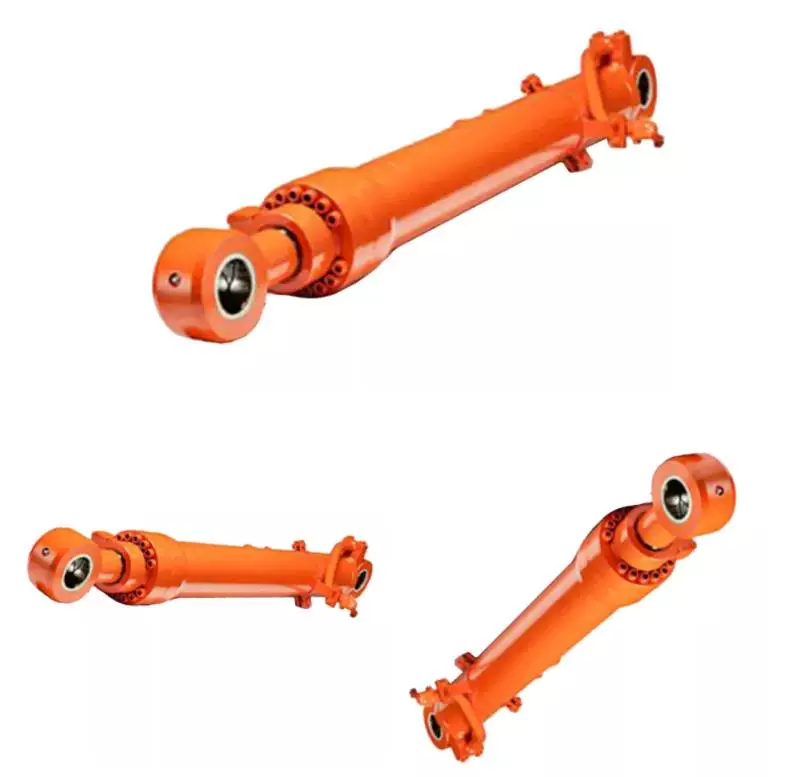
Handling the Challenges of Minimizing Fluid Leaks and Contamination in Hydraulic Cylinders
Hydraulic cylinders face challenges when it comes to minimizing fluid leaks and contamination, as these issues can impact the performance, reliability, and lifespan of the system. However, there are several measures and design considerations that help address these challenges effectively. Let’s explore how hydraulic cylinders handle the challenges of minimizing fluid leaks and contamination:
- Sealing Systems: Hydraulic cylinders employ advanced sealing systems to prevent fluid leaks. These systems typically include various types of seals, such as piston seals, rod seals, and wiper seals. The seals are designed to create a tight and reliable barrier between the moving components of the cylinder and the external environment, minimizing the risk of fluid leakage.
- Seal Material Selection: The choice of seal materials is crucial in minimizing fluid leaks and contamination. Hydraulic cylinder manufacturers carefully select seal materials that are compatible with the hydraulic fluid used and resistant to wear, abrasion, and chemical degradation. This ensures the longevity and effectiveness of the seals, reducing the likelihood of leaks or premature seal failure.
- Proper Installation and Maintenance: Ensuring proper installation and regular maintenance of hydraulic cylinders is essential for minimizing fluid leaks and contamination. During installation, attention should be given to proper alignment, torqueing of bolts, and adherence to recommended procedures. Regular maintenance includes inspecting seals, replacing worn-out components, and addressing any signs of leakage promptly. Proper maintenance practices help identify and rectify issues before they escalate and cause significant problems.
- Contamination Control: Hydraulic cylinders incorporate measures to control contamination and maintain fluid cleanliness. This includes the use of filtration systems, such as in-line filters, to remove particles and contaminants from the hydraulic fluid. Additionally, hydraulic reservoirs often have breathers and desiccant filters to prevent moisture and airborne contaminants from entering the system. By controlling contamination, hydraulic cylinders minimize the risk of damage to internal components and maintain optimal system performance.
- Environmental Protection: Hydraulic cylinders may be equipped with protective features to safeguard against external contaminants. For example, bellows or protective boots can be installed to shield the rod and seals from debris, dirt, or moisture present in the operating environment. These protective measures help extend the life of the seals and enhance the overall reliability of the hydraulic cylinder.
In summary, hydraulic cylinders employ sealing systems, appropriate seal materials, proper installation and maintenance practices, contamination control measures, and environmental protection features to handle the challenges of minimizing fluid leaks and contamination. By implementing these measures, manufacturers can ensure reliable and long-lasting hydraulic cylinder performance, minimize the risk of fluid leakage, and maintain the cleanliness of the hydraulic system.
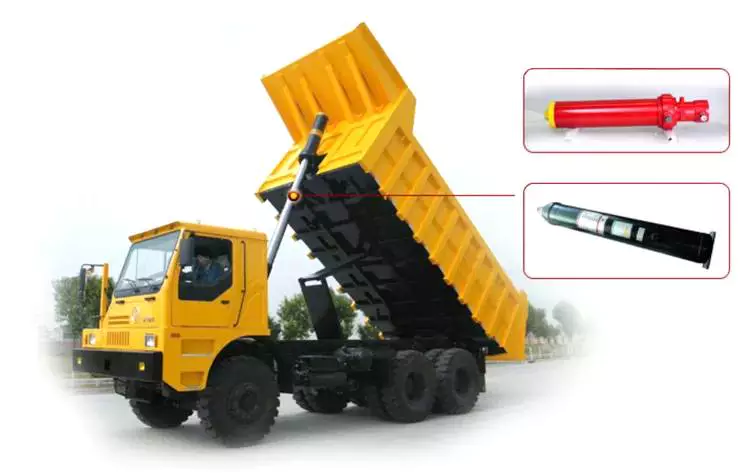
Can hydraulic cylinders be customized for specific equipment or attachment needs?
Yes, hydraulic cylinders can be customized to meet specific equipment or attachment needs. Hydraulic cylinder manufacturers often offer customization options to ensure that the cylinders meet the unique requirements of different applications. Here’s a detailed explanation of how hydraulic cylinders can be customized for specific equipment or attachment needs:
1. Size and Configuration:
– Hydraulic cylinders can be customized in terms of size and configuration to fit specific equipment or attachment requirements. The dimensions of the cylinder, such as bore size, rod diameter, and stroke length, can be tailored to match the available space and the desired force or movement requirements. Additionally, the mounting style and orientation of the cylinder can be customized to ensure proper integration with the equipment or attachment.
2. Operating Pressure and Force:
– The operating pressure and force capabilities of hydraulic cylinders can be customized to suit the specific equipment or attachment needs. Different applications may require different force outputs, and hydraulic cylinder manufacturers can design and manufacture cylinders with the appropriate piston area and pressure ratings to meet those requirements. Customization in this aspect ensures optimal performance and efficiency for the particular equipment or attachment.
3. Stroke Length:
– The stroke length of a hydraulic cylinder refers to the distance the piston can travel from fully retracted to fully extended. Customization of the stroke length allows the hydraulic cylinder to accommodate the specific range of motion required by the equipment or attachment. By adjusting the stroke length, the cylinder can be tailored to deliver the necessary extension and retraction capabilities for efficient operation.
4. Mounting Options:
– Hydraulic cylinders can be customized with various mounting options to facilitate easy installation and integration with specific equipment or attachments. Different applications may require different mounting styles, such as flange mounts, trunnion mounts, or clevis mounts. Manufacturers can provide customized mounting options to ensure proper alignment, stability, and functionality when the cylinder is connected to the equipment or attachment.
5. Sealing and Material Options:
– The sealing system of a hydraulic cylinder is crucial for preventing fluid leakage and maintaining the cylinder’s integrity. Hydraulic cylinder manufacturers offer customization options for sealing materials, such as different types of seals and seal configurations, to suit specific equipment or attachment needs. Additionally, customization of cylinder materials, such as selecting corrosion-resistant materials or specialized coatings, can enhance the cylinder’s durability and performance in specific operating environments.
6. Integration with Control Systems:
– In certain applications, hydraulic cylinders may need to be integrated with sophisticated control systems or automation technologies. Customization can involve incorporating sensors, position feedback devices, or other control elements into the hydraulic cylinder design to enable seamless integration with the overall equipment or attachment control system. This customization ensures precise control, monitoring, and synchronization of the hydraulic cylinder’s movements within the specific application.
7. Specialized Features or Accessories:
– Hydraulic cylinder customization can also involve incorporating specialized features or accessories to meet unique equipment or attachment needs. This may include the integration of safety features, such as pressure relief valves or load-holding valves, or the addition of specific ports or fittings for auxiliary functions or attachments. Customization allows hydraulic cylinders to be tailored to the specific requirements and functionalities of the equipment or attachment.
By offering customization options, hydraulic cylinder manufacturers can provide solutions that precisely match the needs of different equipment or attachment applications. Customized hydraulic cylinders ensure optimal performance, efficiency, and integration, enhancing the overall functionality and productivity of the equipment or attachment. It is important to work closely with experienced manufacturers or hydraulic system specialists to determine the specific customization requirements and ensure the successful implementation of customized hydraulic cylinders.


editor by CX 2024-02-08
 Polish
  English
  Italian
  Portuguese
  Dutch
Dutch  Swedish
  Danish
  Finnish
  Hindi
Hindi  Kazakh
  Turkish
  Ukrainian
  Romanian
  Spanish
  German
  Russian
  Korean
  Japanese
  Vietnamese
  Thai
Thai  Indonesian
  Malay
Malay  French
  Greek
Greek