
Opis produktu
Opis produktu
A: Opis produktu
| Nazwa towaru | siłownik teleskopowy, siłownik hydrauliczny teleskopowy |
| Odpowiedni model | wywrotka, ciągnik wywrotka |
| Oryginalny | ZheJiang, Chiny |
| Gwarancja | Jeden rok |
| Min. ilość | 1 sztuka |
| Uszczelka | standardowa skrzynia eksportowa drewniana lub taka, jakiej potrzebujesz |
| Czas wysyłki | Zwykle 30-60 dni. Czas realizacji różni się w zależności od wielkości zamówienia. |
| Port dostawy | HangZhou, Chiny |
Parametry produktu
Możliwość zaopatrzenia Możliwość dostawy 3000 sztuk miesięcznie
*Możemy dostosować i zaprojektować zgodnie z Twoimi potrzebami
*Możemy również produkować według Twoich rysunków
*Jeśli potrzebujesz jakiegokolwiek siłownika hydraulicznego, skontaktuj się z nami
Why choose us?
team considers all your concerns to suit your hydraulic cylinder requirements. We work out the best design solution for your application.
Hydraulic cylinders are the most effective and efficient method of pushing, pulling, lifting, and lowering.
Nowadays hydraulic cylinders play an essential role in daily application and industry:
√ Mining
√ Earthmoving & Construction
√ Agriculture &Forestry
√Waste Management & Material Handing
√Ship crane & offshore
Selecting the right cylinders for an application is critical in obtaining maximum performance and reliability.
team considers all your concerns to suit your hydraulic cylinder requirements.
Nasze usługi/certyfikaty
—Certyfikat CE jakości sprawdzonej
—Przyjęcie certyfikatu ISO Systemu Zarządzania Jakością
—Certyfikat BV weryfikacji linii produktów głównych
—Szybka dostawa
—Serwis posprzedażowy
—24 godziny na dobę, 7 dni w tygodniu – serwis online
Proces przetwarzania
Profil firmy
KENDE to wiodący globalny projektant, producent i dystrybutor siłowników hydraulicznych, kabin, zbiorników oleju, przeciwwag, wysięgników, ramion, łyżek, podwozi, podpór, rur, węży, złączek, bloków zaworowych, opon, kół i innych części. Produkty te są szeroko stosowane w budownictwie, górnictwie, dźwigach, transporcie materiałów, samochodach ciężarowych, transporcie, przemyśle naftowym i gazowym, sprzęcie rolniczym i ogrodniczym itd.
Dostarczamy szeroką gamę części do koparek, ładowarek, wiertnic, wywrotek, wózków widłowych, ciągników, przyczep, kombajnów, samochodów osobowych, autobusów, ciężarówek i innych. Nasze produkty koncentrują się na poprawie wydajności i wydłużeniu żywotności maszyn i urządzeń.
Założona w styczniu 2015 roku, do dziś staliśmy się dużą grupą posiadającą 3 fabryki w Azji, dostarczającą szeroką gamę produktów i usług dla klientów na całym świecie.
Posiadamy najnowocześniejszy sprzęt produkcyjny i specjalistyczne centrum badawczo-rozwojowe, aby zapewnić klientom produkty najwyższej jakości.
Naszą wizją jest: „Nauka i technologia na pierwszym miejscu, Zawsze z wdzięcznym sercem, Przemierzaj świat w cnocie, Walcz o lepszą przyszłość”.
Why Choose Us
Nasze atuty
Certyfikaty
Często zadawane pytania
Często zadawane pytania
1)>. Jaki jest czas dostawy?
:Zwykle realizacja zamówienia trwa od 30 do 60 dni od otrzymania zaliczki. Konkretny czas dostawy zależy od ilości zamówionych produktów i ich ilości.
2)>. Jakie są Twoje warunki cenowe?
: EXW, FOB, CFR, CIF, DDU.
3)> Jakie są warunki płatności?
: T/T 50% jako depozyt i 50% przed dostawą. Pokażemy Ci zdjęcia produktów i opakowań przed zapłatą reszty.
4)> Czy możesz dostarczyć próbkę za darmo?
: Niestety, możemy przygotować dla Ciebie tylko próbkę po cenie zakupu.
5)> Czy możesz produkować na podstawie próbek?
:Tak, możemy wykonać produkcję na podstawie Państwa próbek lub rysunków technicznych. Możemy zbudować formy i oprzyrządowanie.
6)>Jaka jest Twoja polityka dotycząca próbek?
:Możemy dostarczyć próbkę, jeśli mamy gotowe części w magazynie, ale klient musi zapłacić koszt próbki i koszt przesyłki kurierskiej.
7)>Czy testujecie wszystkie swoje towary przed dostawą?
:Tak, przed dostawą przeprowadzamy test 100%
8)>:Jak sprawić, aby nasza współpraca była długotrwała i dobra?
:1. Utrzymujemy dobrą jakość i konkurencyjne ceny, aby zapewnić naszym klientom korzyści;
2. Szanujemy każdego klienta jak przyjaciela, szczerze prowadzimy interesy i nawiązujemy z nim przyjaźnie, bez względu na to, skąd pochodzi.
| Ciśnienie: | Wysokie ciśnienie Niskie ciśnienie Średnie ciśnienie |
|---|---|
| Temperatura pracy: | Wysoka temperatura Niska temperatura Normalna temperatura |
| Sposób działania: | Podwójne działanie Pojedyncze działanie |
| Metoda pracy: | Prosta podróż |
| Dostosowana forma: | Typ regulowany |
| Struktura: | Typ tłokowy |
| Personalizacja: | Dostępny |
|
|---|
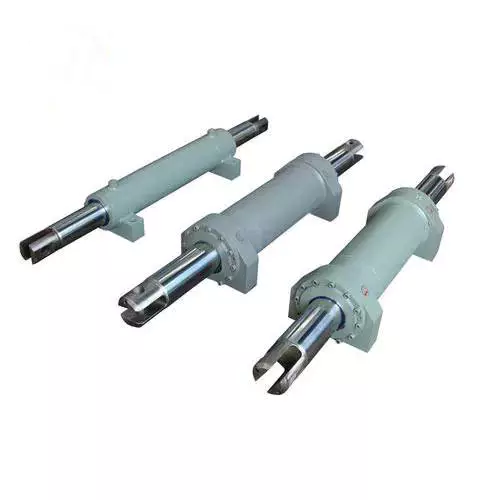
How do manufacturers ensure the durability and reliability of hydraulic cylinders?
Manufacturers employ various strategies and techniques to ensure the durability and reliability of hydraulic cylinders. These measures are crucial as hydraulic cylinders are often subjected to demanding operating conditions and heavy loads. To ensure their longevity and dependable performance, manufacturers focus on the following aspects:
1. High-Quality Materials:
– Manufacturers use high-quality materials in the construction of hydraulic cylinders. Components such as cylinder barrels, piston rods, seals, and bearings are made from materials that possess excellent strength, corrosion resistance, and wear resistance properties. Common materials used include high-grade steel alloys, chrome-plated rods, and specialized coatings. The selection of appropriate materials ensures that hydraulic cylinders can withstand the stresses, pressures, and environmental conditions they encounter during operation.
2. Robust Design:
– Hydraulic cylinders are designed to withstand high loads and harsh operating conditions. Manufacturers use computer-aided design (CAD) software and finite element analysis (FEA) techniques to optimize the cylinder’s structural integrity and performance. The design includes factors such as proper wall thickness, reinforcement in critical areas, and appropriate sizing of components. Robust design practices ensure that hydraulic cylinders can withstand the forces and stresses they encounter, preventing premature failure and ensuring durability.
3. Quality Manufacturing Processes:
– Manufacturers follow stringent quality control measures during the manufacturing processes of hydraulic cylinders. These processes include precision machining, welding, heat treatment, and surface finishing. Skilled technicians and advanced machinery are employed to ensure dimensional accuracy, proper fitment of components, and overall quality. By adhering to strict manufacturing processes and quality standards, manufacturers can produce hydraulic cylinders with consistent performance and reliability.
4. Sealing Technology:
– The sealing system of hydraulic cylinders is critical for their durability and reliability. Manufacturers utilize advanced sealing technologies such as lip seals, O-rings, and composite seals to prevent fluid leakage and ingress of contaminants. Properly designed and high-quality seals ensure that hydraulic cylinders can maintain their performance over extended periods. Seals are tested for their compatibility with the hydraulic fluid, pressure resistance, and resilience to environmental factors such as temperature and humidity.
5. Performance Testing:
– Manufacturers subject hydraulic cylinders to rigorous performance testing to validate their durability and reliability. These tests simulate real-world operating conditions and evaluate factors such as load capacity, pressure resistance, fatigue life, and leakage. Performance testing helps identify any design flaws or weaknesses in the hydraulic cylinder and allows manufacturers to make necessary improvements. By conducting thorough performance testing, manufacturers can ensure that hydraulic cylinders meet or exceed the required performance standards.
6. Compliance with Industry Standards:
– Manufacturers adhere to industry standards and regulations to ensure the durability and reliability of hydraulic cylinders. These standards, such as ISO 6020/6022 and NFPA T3.6.7, provide guidelines for design, manufacturing, and performance requirements. By following these standards, manufacturers ensure that hydraulic cylinders are designed and built to meet specific quality and safety criteria. Compliance with industry standards helps establish a baseline for durability and reliability and instills confidence in the performance of hydraulic cylinders.
7. Regular Maintenance and Service:
– Manufacturers provide recommendations for regular maintenance and service of hydraulic cylinders. This includes guidelines for lubrication, inspection of components, and replacement of wear parts such as seals and bearings. Following the manufacturer’s maintenance guidelines helps ensure the long-term durability and reliability of hydraulic cylinders. Regular maintenance also allows for the early detection of potential issues, preventing major failures and extending the service life of the hydraulic cylinders.
8. Customer Support and Warranty:
– Manufacturers provide customer support and warranty services to address any issues that arise with hydraulic cylinders. They offer technical assistance, troubleshooting guidance, and replacement of defective components. The warranty ensures that customers receive reliable and durable hydraulic cylinders and provides recourse in case of any manufacturing defects or premature failures. Strong customer support and warranty policies reflect the manufacturer’s commitment to the durability and reliability of their products.
In summary, manufacturers ensure the durability and reliability of hydraulic cylinders through the use of high-quality materials, robust design practices, stringent manufacturing processes, advanced sealing technology, thorough performance testing, compliance with industry standards, regular maintenance guidelines, and customer support with warranty services. By focusing on these aspects, manufacturers can produce hydraulic cylinders that can withstand demanding conditions, provide long service life, and deliver reliable performance in various applications.
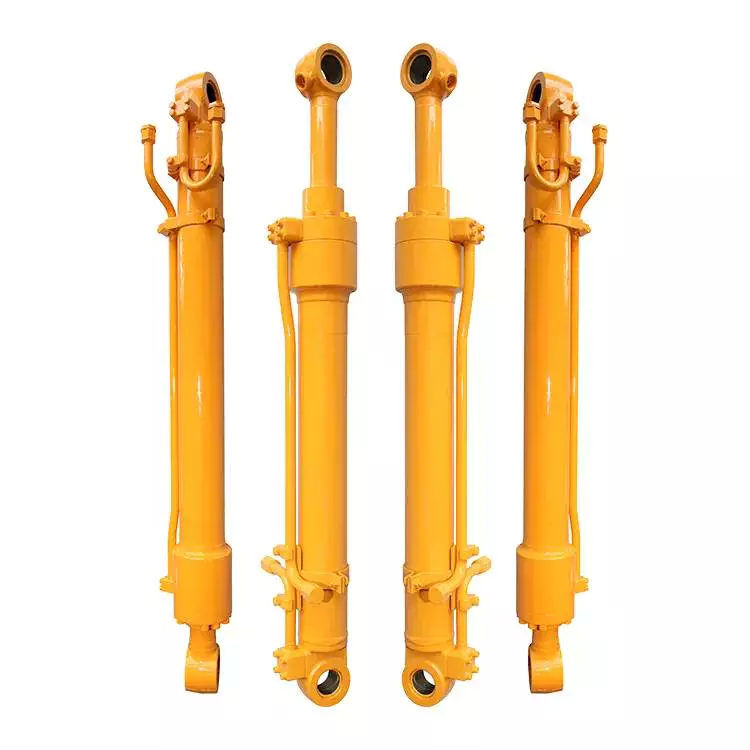
Wykorzystanie cylindrów hydraulicznych w połączeniu z alternatywnymi źródłami energii
Siłowniki hydrauliczne rzeczywiście mogą być wykorzystywane w połączeniu z alternatywnymi źródłami energii. Wszechstronność układów hydraulicznych pozwala na ich integrację z różnymi technologiami energii alternatywnej w celu zwiększenia wydajności, kontroli i wytwarzania energii. Przyjrzyjmy się kilku przykładom wykorzystania siłowników hydraulicznych w połączeniu z alternatywnymi źródłami energii:
- Magazynowanie energii hydraulicznej: Siłowniki hydrauliczne mogą być stosowane w systemach magazynowania energii wykorzystujących alternatywne źródła energii, takie jak źródła odnawialne (np. energia słoneczna lub wiatrowa) lub odzysk energii odpadowej. Systemy te przekształcają nadmiar energii w energię potencjalną hydrauliczną poprzez pompowanie płynu do akumulatora wysokociśnieniowego. Gdy energia jest potrzebna, sprężony płyn jest uwalniany, napędzając siłownik hydrauliczny i generując energię mechaniczną.
- Konwersja energii fal i pływów: Siłowniki hydrauliczne mogą być wykorzystywane w systemach przetwarzania energii fal i pływów. Systemy te wykorzystują energię fal oceanicznych lub prądów pływowych i przekształcają ją w energię użyteczną. Siłowniki hydrauliczne, wraz z pompami i zaworami, mogą być wykorzystywane do przechwytywania i kontrolowania energii fal lub pływów, napędzając cylindry i generując energię mechaniczną lub elektryczną.
- Generowanie energii wodnej: Siłowniki hydrauliczne odgrywają kluczową rolę w tradycyjnym wytwarzaniu energii wodnej. Jednak alternatywne rozwiązania, takie jak małe lub mikroelektrownie wodne, również mogą skorzystać z cylindrów hydraulicznych. Systemy te wykorzystują naturalne lub sztuczne przepływy wody do napędzania turbin podłączonych do cylindrów hydraulicznych, które następnie przekształcają energię hydrauliczną w energię mechaniczną lub elektryczną.
- Napęd hydrauliczny w turbinach wiatrowych: Siłowniki hydrauliczne mogą być stosowane w turbinach wiatrowych w celu zwiększenia wydajności i kontroli. Na przykład, hydrauliczne systemy regulacji kąta nachylenia łopat turbiny wiatrowej wykorzystują siłowniki hydrauliczne do regulacji kąta nachylenia łopat, optymalizując ich osiągi aerodynamiczne w zależności od warunków wietrznych. Pozwala to na efektywne wytwarzanie energii i ochronę przed nadmiernym obciążeniem wiatrem.
- Ekstrakcja energii geotermalnej: Wydobycie energii geotermalnej polega na wykorzystaniu naturalnego ciepła z wnętrza Ziemi do wytwarzania energii. Cylindry hydrauliczne mogą być stosowane w systemach geotermalnych do sterowania i regulacji przepływu cieczy, umożliwiając efektywne wydobycie i wykorzystanie energii geotermalnej. Mogą być również stosowane w geotermalnych pompach ciepła do ogrzewania i chłodzenia.
Podsumowując, cylindry hydrauliczne można skutecznie wykorzystywać w połączeniu z alternatywnymi źródłami energii, aby usprawnić magazynowanie energii, jej wytwarzanie i kontrolę. Niezależnie od tego, czy chodzi o systemy magazynowania energii hydraulicznej, przetwarzanie energii fal i pływów, wytwarzanie energii wodnej, hydrauliczne sterowanie turbinami wiatrowymi, czy pozyskiwanie energii geotermalnej, cylindry hydrauliczne oferują wszechstronne i wydajne rozwiązania w zakresie wykorzystywania alternatywnych źródeł energii.
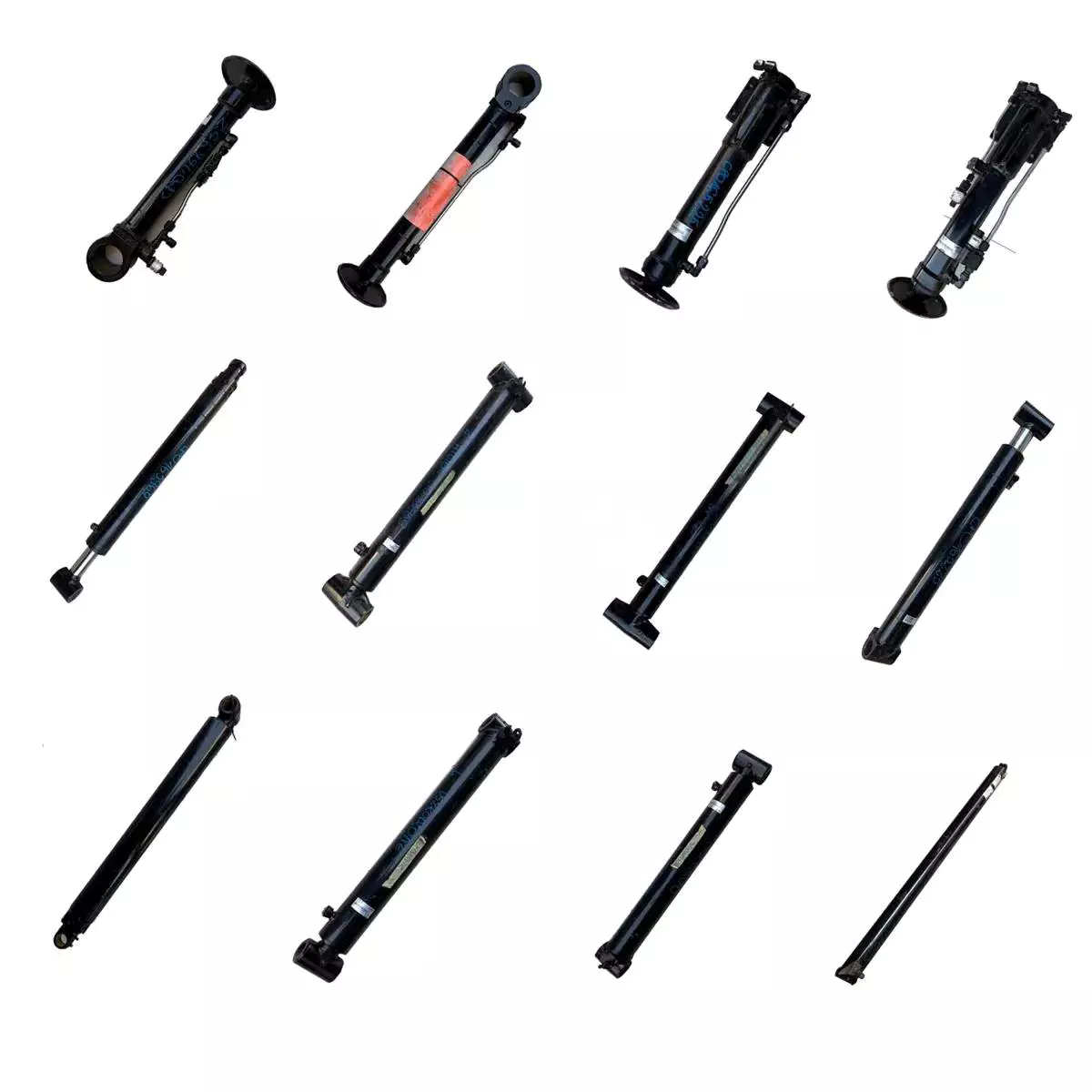
How do hydraulic cylinders handle variations in load, pressure, and speed?
Hydraulic cylinders are designed to handle variations in load, pressure, and speed effectively. They incorporate features and components that allow them to adapt to changing operating conditions and maintain optimal performance. Here’s a detailed explanation of how hydraulic cylinders handle variations in load, pressure, and speed:
Variations in Load:
– Hydraulic cylinders are capable of handling variations in load by adjusting the force they exert. The force output of a hydraulic cylinder is determined by the hydraulic pressure and the surface area of the piston. When the load increases, the pressure in the hydraulic system can be adjusted to generate a higher force. This adjustment can be achieved by regulating the flow of hydraulic fluid into the cylinder using control valves. By controlling the pressure and flow, hydraulic cylinders can adapt to different load requirements, ensuring that the force applied is sufficient to handle the load while preventing excessive force that could cause damage.
Variations in Pressure:
– Hydraulic cylinders are designed to handle variations in pressure within the hydraulic system. They are equipped with seals and other components that can withstand high-pressure conditions. When the pressure within the hydraulic system fluctuates, the hydraulic cylinder adjusts accordingly to maintain its performance. The seals prevent fluid leakage and ensure that the hydraulic pressure is effectively transmitted to the piston, allowing the cylinder to generate the required force. Additionally, hydraulic systems often incorporate pressure relief valves and other safety mechanisms to protect the cylinder and the entire system from overpressure conditions.
Variations in Speed:
– Hydraulic cylinders can handle variations in speed through the control of hydraulic fluid flow. The speed of a hydraulic cylinder’s extension or retraction is determined by the rate at which hydraulic fluid enters or exits the cylinder. By adjusting the flow rate using flow control valves, the speed of the cylinder’s movement can be regulated. This allows for precise control over the speed, enabling operators to adapt to varying speed requirements based on the specific task or load. Furthermore, hydraulic systems can incorporate flow control valves with adjustable orifice sizes to fine-tune the speed of the cylinder’s movement.
Load-Sensing Technology:
– Advanced hydraulic systems may incorporate load-sensing technology to further enhance the ability of hydraulic cylinders to handle variations in load, pressure, and speed. Load-sensing systems monitor the load demand and adjust the hydraulic pressure and flow accordingly to meet that demand. This technology ensures that the hydraulic cylinder provides the necessary force while optimizing energy efficiency. Load-sensing systems are particularly beneficial in applications where the load requirements can vary significantly, allowing hydraulic cylinders to adapt in real-time and maintain precise control over force and speed.
Accumulators:
– Hydraulic systems can also utilize accumulators to assist in handling variations in load, pressure, and speed. Accumulators store hydraulic fluid under pressure, which can be released when needed to supplement the flow and pressure in the system. When there are sudden increases in load or pressure demands, accumulators can provide additional fluid to the hydraulic cylinder, ensuring smooth operation and preventing pressure drops. Similarly, accumulators can assist in maintaining consistent speed by compensating for fluctuations in flow rate. They act as a supplemental energy source, helping hydraulic cylinders respond effectively to variations in operating conditions.
In summary, hydraulic cylinders handle variations in load, pressure, and speed through various mechanisms and components. They can adjust the force output to accommodate different load requirements by regulating hydraulic pressure. The seals and components within hydraulic cylinders allow them to withstand variations in pressure within the hydraulic system. By controlling the flow of hydraulic fluid, hydraulic cylinders can regulate the speed of their movement. Advanced technologies such as load-sensing systems and the use of accumulators further enhance the adaptability of hydraulic cylinders to changing operating conditions. These features and mechanisms enable hydraulic cylinders to maintain optimal performance and provide reliable force and motion control in a wide range of applications.


editor by CX 2023-10-20
 Polish
  English
  Italian
  Portuguese
  Dutch
Dutch  Swedish
  Danish
  Finnish
  Hindi
Hindi  Kazakh
  Turkish
  Ukrainian
  Romanian
  Spanish
  German
  Russian
  Korean
  Japanese
  Vietnamese
  Thai
Thai  Indonesian
  Malay
Malay  French
  Greek
Greek