
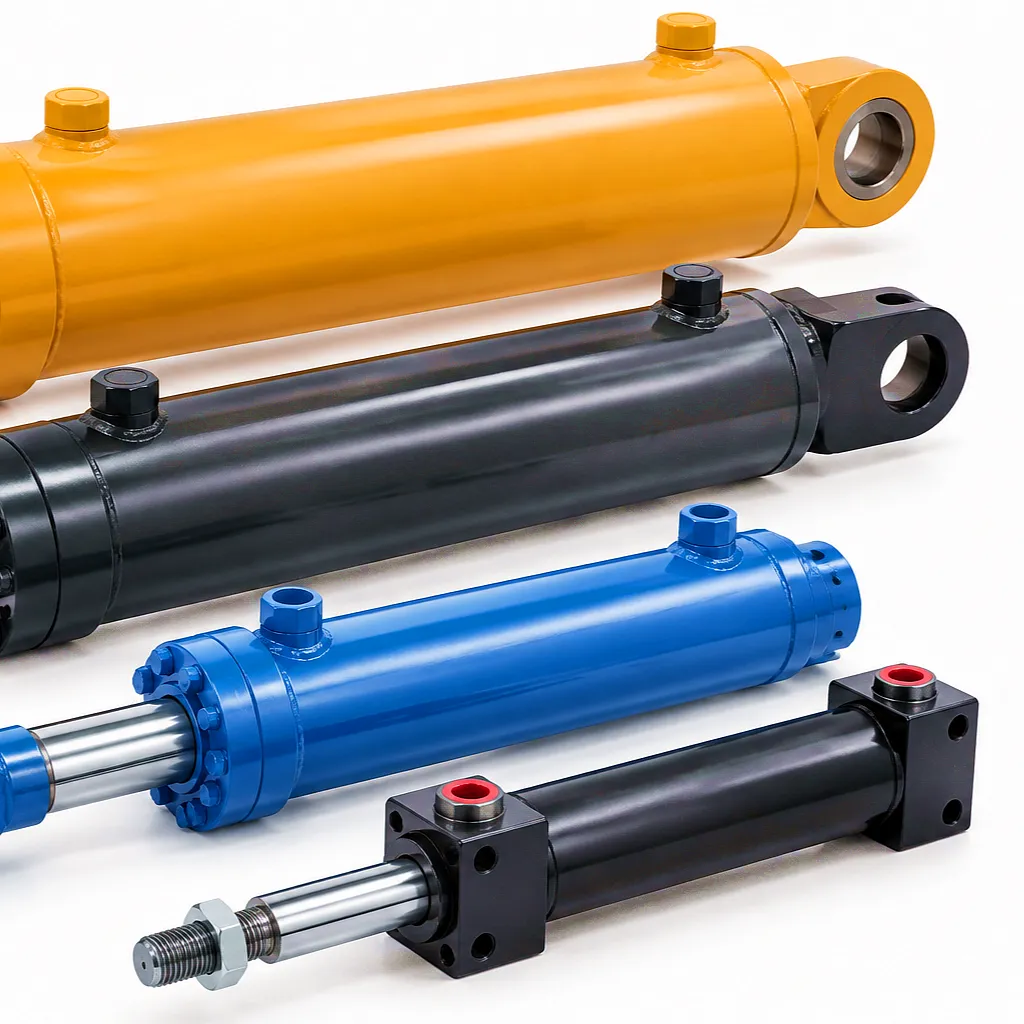
The telehandler — known across UK construction sites and agricultural estates as the “telescopic handler” — represents one of the most mechanically demanding working environments any hydraulic cylinder must endure. Whether extending a boom to reach the upper floors of a Birmingham distribution centre being fitted out or placing silage bales on a remote Scottish farm, the boom cylinder sits at the absolute heart of the machine’s capability. It translates hydraulic pressure into controlled linear force, and when it functions correctly, it is invisible. When it fails, the entire machine is grounded.
Understanding exactly how telehandler boom cylinders are specified, what load ratings actually mean in daily use, and when replacement intervals become non-negotiable is essential knowledge for every plant hire manager, fleet engineer and procurement officer in the UK. This guide covers the engineering fundamentals without glossing over the technical detail that separates a competently maintained cylinder from a costly field failure.
How a Telehandler Boom Cylinder Actually Works
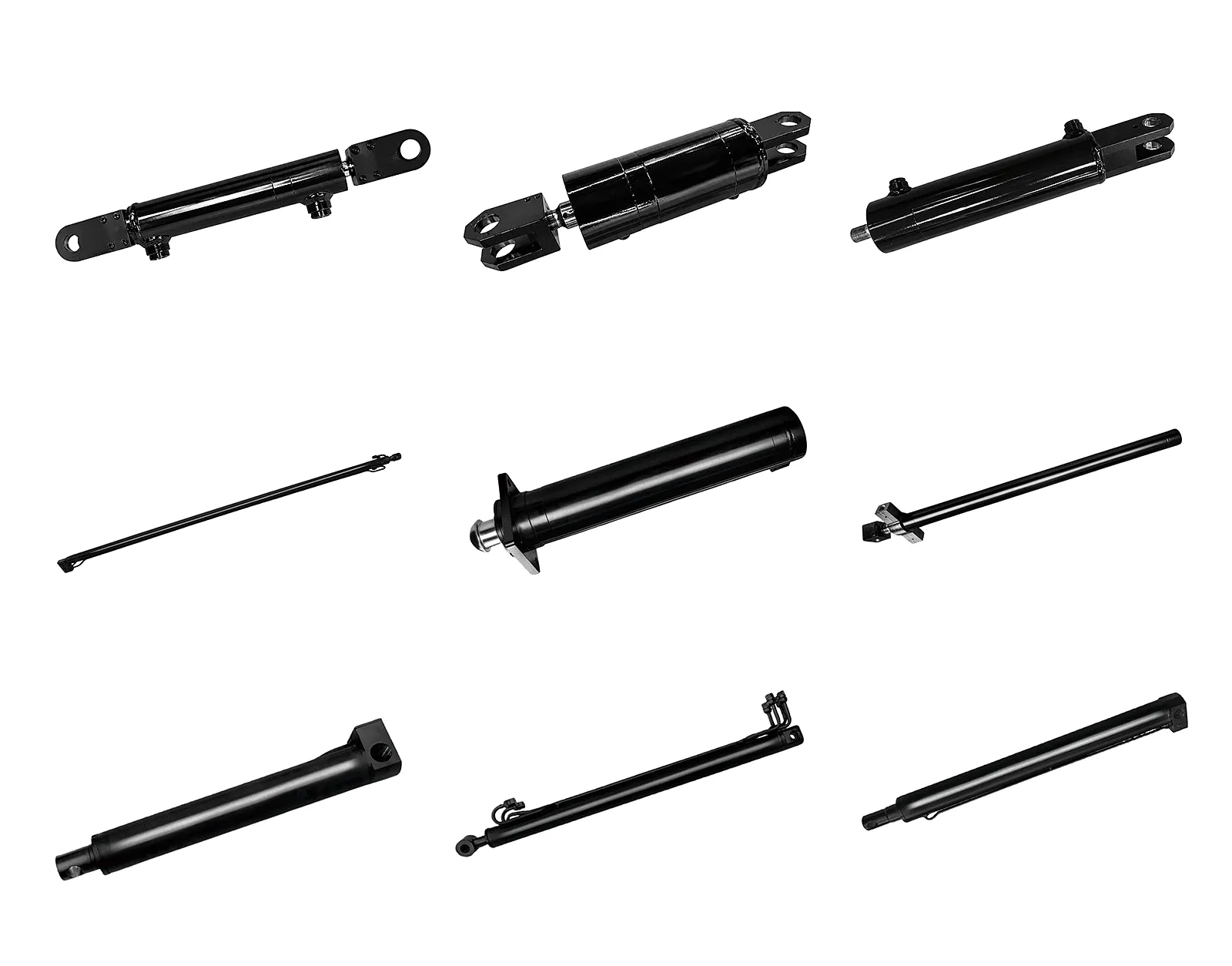
A telehandler boom cylinder is a double-acting hydraulic linear actuator. Pressurised hydraulic fluid — typically mineral-based oil maintained between 46 and 68 cSt viscosity at operating temperature — enters either the cap-end or rod-end port. When directed to the cap-end, the piston extends the rod outward, pushing the boom upward or forward. When fluid enters the rod-end, the piston retracts, pulling the boom back. The differential area between the two sides of the piston produces the classic force asymmetry: extension force is always greater than retraction force at equal pressure, because the rod cross-section reduces the rod-side area.
In a telescopic handler specifically, the boom cylinder must handle combined loading: it must simultaneously push against the weight of the boom structure itself and the payload at the forks, while managing side-loading moments generated when the machine traverses uneven ground. This is fundamentally different from a single-axis press cylinder. The cylinder’s mounting eyes — typically clevis or flange mounts welded to the machine chassis — introduce bending moments that must be factored into the rod diameter and wall-thickness specification. Machines operating at maximum rated capacity in Sheffield’s steel fabrication yards or on Norfolk arable farms are pushing these margins every single shift.
Sealing integrity is the performance-limiting factor in most field failures. The primary rod seal prevents external leakage, while the piston seal maintains the pressure differential between the two chambers. A wiper seal at the gland removes contamination from the rod surface before it can reach the primary seal. In UK field conditions — which routinely include grit, silage residue, clay and construction site debris — a compromised wiper seal begins a predictable degradation cascade: contamination enters, accelerates wear on the chrome layer, creates surface defects that then damage the primary seal, and the cylinder begins to drift under load. Understanding this sequence is the foundation of any rational maintenance strategy.
Core Materials Used in Boom Cylinder Manufacture
Cylinder Tube
Cold-drawn seamless steel tubing (ST52-3 / EN 10297 grade equivalent). The bore is honed to Ra 0.4–0.8 µm, providing the micro-texture that piston seals require to function correctly. Wall thickness on heavy-duty telehandler applications typically runs 8–14 mm depending on bore diameter and system pressure rating.
Piston Rod
Case-hardened or induction-hardened carbon steel (typically CK45 / C45E grade), with hard chrome plating applied to a depth of 20–35 µm and ground to h6 tolerance. The chrome layer must achieve a minimum surface hardness of 850 HV and a porosity rating that prevents penetration of corrosive media. For machines operating near coastal areas — think the East Yorkshire coast or Merseyside docks — increased chrome thickness or nickel-chrome alternatives are specified to resist salt-spray corrosion.
End Caps & Gland
Forged carbon steel or ductile iron, machined to tight tolerances on sealing surfaces. The front gland houses the wiper and primary rod seals in a stacked arrangement. Gland threads are cut to ISO or BSPT standards as required — a detail that matters enormously when specifying replacement parts for legacy Manitou, JCB or Merlo machines still active in UK plant hire fleets.
Seal Materials
Polyurethane (PU) for primary and wiper seals — offering an excellent balance of abrasion resistance, elasticity and temperature range (typically -30 °C to +110 °C). PTFE-loaded compounds are used for piston seals where low stick-slip and near-zero bypass are required. NBR O-rings remain standard for static sealing faces, with FKM (Viton) substituted in high-temperature or fire-resistant hydraulic fluid applications.
Material Quality Note
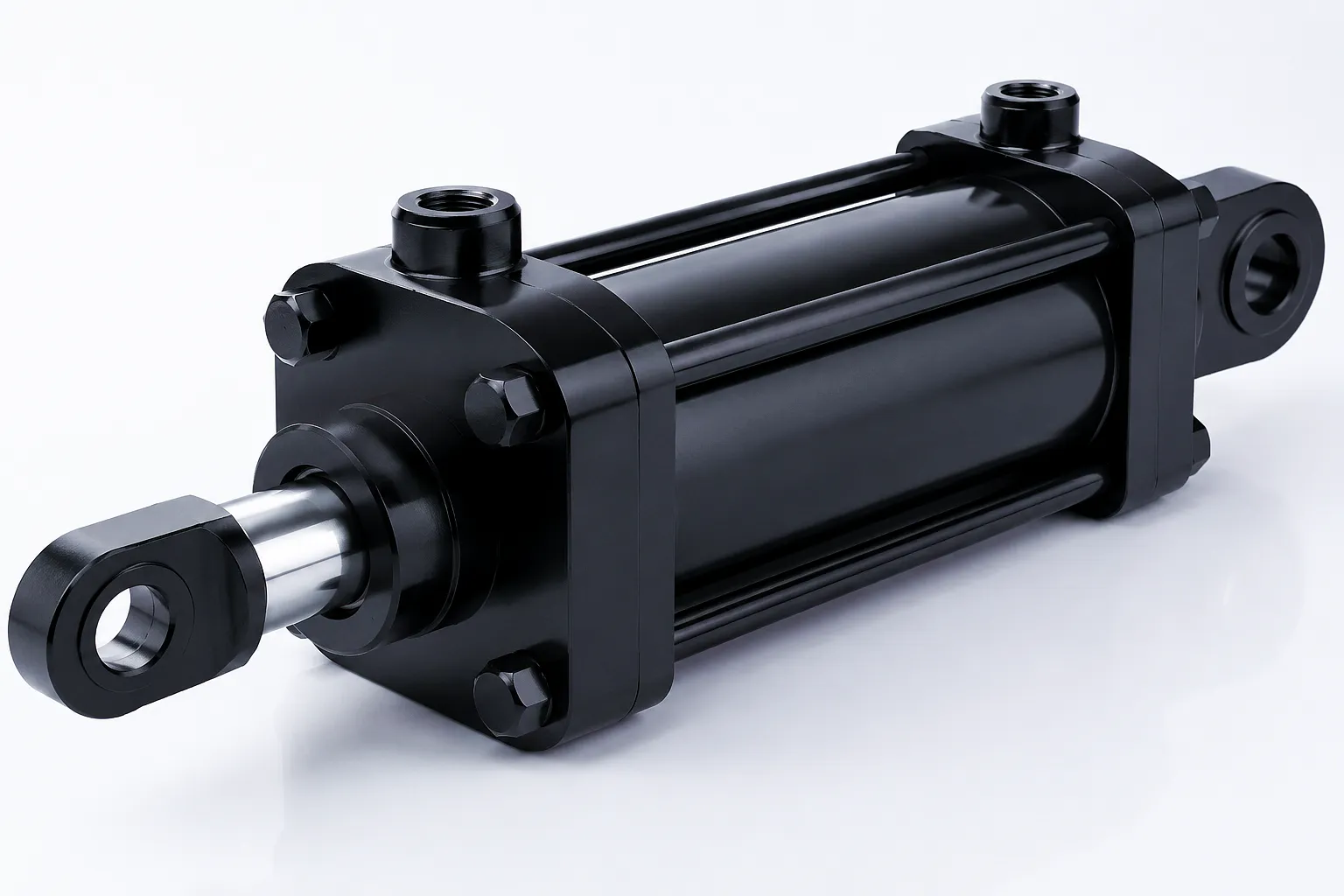
The quality gap between a well-specified boom cylinder and a budget import is almost entirely expressed in materials. The bore surface finish, chrome plating uniformity and seal compound choice determine whether a cylinder lasts 4,000 operating hours or 400. For UK plant hire operators running machines across multiple shifts — common from Manchester to Glasgow — this difference is measured in thousands of pounds in avoided downtime, not just component cost.
Telehandler Boom Cylinder: Technical Specifications & Performance Parameters
The table below consolidates the key engineering parameters for telehandler boom hydraulic cylinders across the standard capacity range. Values reflect typical specifications for machines from 3-tonne compact models to 6-tonne heavy-lift variants commonly found on UK infrastructure and agricultural contracts.
| Parametr | Compact (3T) | Mid-Range (4–4.5T) | Heavy-Lift (5–6T) |
|---|---|---|---|
| Bore Diameter | 80 – 100 mm | 100 – 120 mm | 120 – 160 mm |
| Rod Diameter | 50 – 65 mm | 65 – 80 mm | 80 – 110 mm |
| Working Stroke | 800 – 1,200 mm | 1,200 – 1,800 mm | 1,600 – 2,600 mm |
| Maksymalne ciśnienie robocze | 250 bar | 280 bar | 320 bar |
| Extension Force (at max P) | 125 – 196 kN | 220 – 320 kN | 361 – 643 kN |
| Retraction Force | 75 – 120 kN | 140 – 210 kN | 230 – 420 kN |
| Surface Finish (Bore) | Ra 0.4 – 0.8 µm | Ra 0.4 – 0.8 µm | Ra 0.2 – 0.6 µm |
| Chrome Plating Thickness | 20 – 25 µm | 25 – 30 µm | 30 – 35 µm |
| Operating Temperature Range | -20 °C to +80 °C | -25 °C to +90 °C | -30 °C to +100 °C |
| Seal Material | PU / NBR | PU / PTFE / NBR | PU / PTFE / FKM |
| Test Pressure (Factory) | 375 bar (1.5x WP) | 420 bar (1.5x WP) | 480 bar (1.5x WP) |
| Mounting Standard | Clevis / Trunnion | Clevis / Flange / Trunnion | Clevis / Flange / Custom |
* Values represent typical ranges. Ever Power provides application-specific drawings on request. Contact [email protected] for bespoke specifications.
Understanding Load Ratings: What the Numbers Mean in Practice
Rated Load vs. Tipping Load
The rated load of a telehandler is the safe working capacity stamped on the load chart, typically at a defined combination of boom extension and angle. The boom cylinder must generate sufficient force to both lift this load and hold it stationary against hydraulic drift at any position in its travel. The tipping load — typically 1.67 times the rated load — is the threshold at which the machine would overturn. Boom cylinder force ratings must substantially exceed the force required to achieve tipping load, providing the safety margin that certification standards demand.
The Role of Cylinder Drift
A cylinder is considered to be drifting when, under static load with all control valves closed, it moves more than 10 mm over a 10-minute period. This threshold, widely used by UK plant inspection bodies, signals that either the piston seal or the counterbalance valve is no longer maintaining load integrity. The critical risk is not slow drift itself — it is that a worn piston seal can fail progressively and then catastrophically, resulting in sudden boom drop. Any telehandler showing measurable drift at rated load must be taken out of service for cylinder inspection immediately, regardless of the machine’s overall service schedule.
Buckling Resistance and Slenderness Ratio
A longer boom cylinder is not simply a taller piston rod — it is a structural column under compressive load, and it must be checked against Euler’s buckling criterion. The slenderness ratio (effective buckling length / radius of gyration) determines whether the rod diameter is adequate for the combination of force and stroke. Telehandler boom cylinders with extended strokes above 1,800 mm typically require rod diameters that are proportionally larger than their bore would suggest if sizing were based on pressure area alone. This is why asking for the stroke alongside the bore and working pressure is always the correct starting point when specifying a replacement or upgraded cylinder.
Featured Cylinder Products for Telehandler Applications
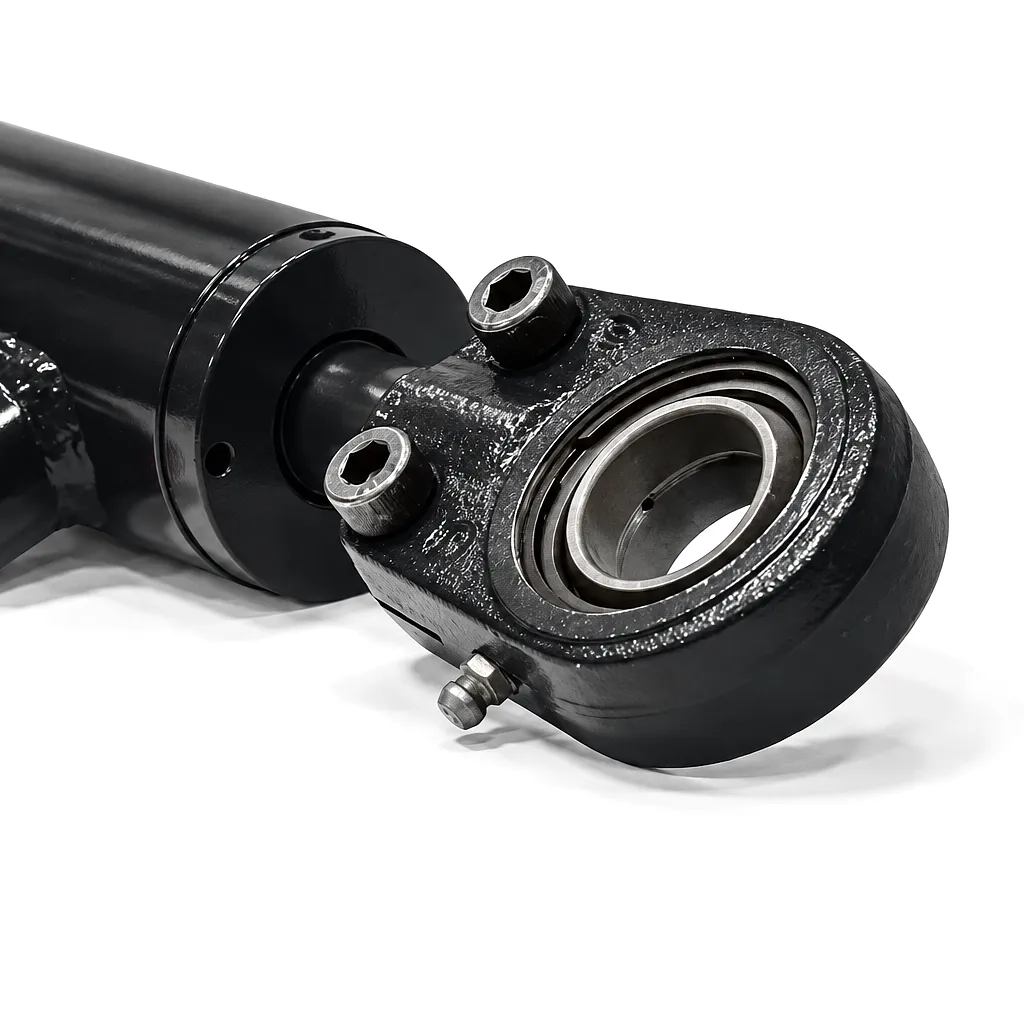
Frame Support Cylinder
Engineered for structural boom frame support duties where lateral rigidity and precise positional holding are demanded. This cylinder provides exceptional load-holding stability, making it a dependable choice for construction machinery operating in demanding UK site conditions.
Siłownik podtrzymujący zębatkę wysięgnika
Designed specifically for outrigger and stabiliser rack systems — a critical component for telehandlers and mobile cranes that require a stable base platform before boom extension. Engineered for high vertical force capacity with excellent side-load tolerance across variable terrain.
Common Replacement Intervals: What Service Data Actually Shows
The question most fleet engineers ask first — “when should I replace my boom cylinders?” — does not have a single calendar-based answer. Replacement intervals are driven by operating hours, contamination levels, duty cycle severity and the quality of the original cylinder. That said, real-world service data from UK plant hire fleets and agricultural contractors allows us to set useful guideline thresholds.
Condition-Based Triggers That Override Hour Intervals
Regardless of hours accumulated, a boom cylinder should be assessed for replacement or overhaul the moment any of these conditions are observed: visible hydraulic oil weeping from the gland area even after external cleaning; chrome surface pitting, corrosion or scoring visible to the naked eye; rod surface marks or grooves running axially along the rod — indicating contamination has passed the wiper seal; boom drift exceeding 10 mm per 10 minutes under rated load; abnormal noise during cylinder movement (knocking or grinding indicating piston or bearing wear); and any incident involving contact with a hard obstacle that may have bent or scratched the rod.
Hydraulic Fluid Condition as a Cylinder Life Multiplier
Operators who implement a structured hydraulic oil analysis programme — testing fluid samples every 500 hours for particle count, water content and viscosity — consistently report cylinder service lives 40–60% longer than operators running on fixed-interval drain schedules without analysis. ISO cleanliness codes of 16/14/11 or better are achievable in practice and dramatically reduce the abrasive wear on bore surfaces and seal interfaces. For UK plant hire companies managing mixed fleets across sites from the Midlands to the Scottish Highlands, this represents the single most cost-effective intervention available without capital expenditure on new equipment.
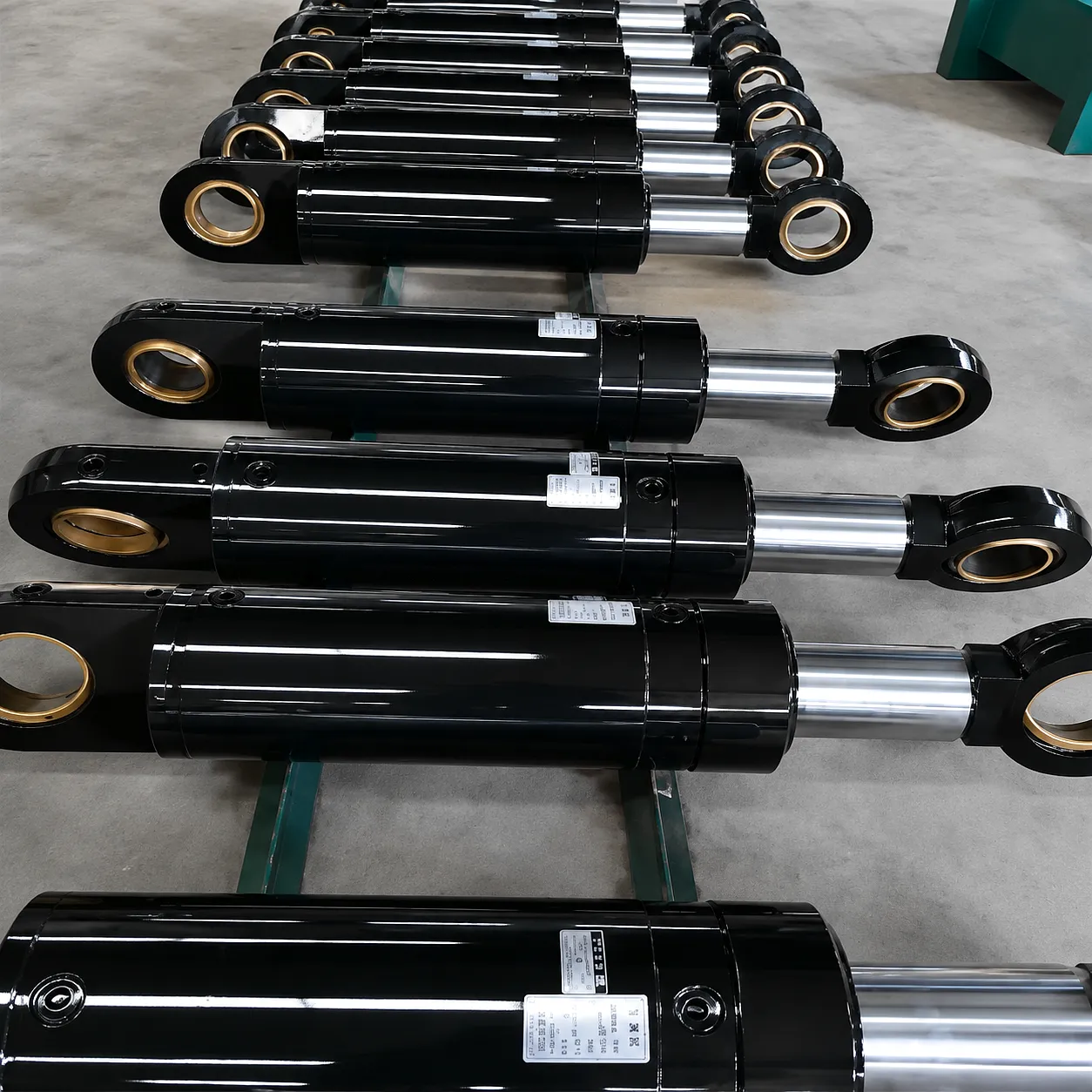
Industrial Application Scenarios Across the UK
Telehandler boom cylinders serve a remarkably diverse range of industries. The performance demands vary significantly between sectors, and understanding those differences shapes which specification is appropriate for each application.
Construction — Birmingham & West Midlands
High-rise residential development and commercial fit-out work in the West Midlands represents one of the most punishing duty cycles for telehandler boom systems. Machines operate for double-shift periods placing concrete block, steel sections and MEP materials at elevation. The cylinder must sustain maximum extension force across continuous working cycles, with minimal cool-down time. Seals and chrome specifications for this application prioritise heat resistance and wear life over raw burst-pressure rating.
Agriculture — Yorkshire & East Anglia
Arable and livestock farming operations across Yorkshire and the East Anglian fens run telehandlers through harvest campaigns that can mean 16-hour days for several consecutive weeks. Silage residue, grain dust and fertiliser compounds are extremely aggressive toward exposed chrome surfaces. Cylinder specifications for this sector demand enhanced wiper seal packages, extended-life chrome coatings and in many cases sacrificial rod collars to intercept debris before the gland. Replacement seals must be available from UK distributors on next-day delivery to avoid harvest disruption — a logistical reality that shapes Ever Power’s stocking strategy for agricultural markets.
Steel & Heavy Industry — Sheffield
Sheffield’s steel and advanced manufacturing sector — still one of the most productive in the UK — relies on telehandlers to move raw stock, tooling assemblies and finished components within factory environments where floor space is restricted and lift heights are substantial. The challenge here is thermal cycling: ambient temperatures near furnace areas can stress seals in ways that outdoor machinery never experiences. FKM seal specifications and high-temperature hydraulic fluids are the standard response, and they require matching cylinder specifications that not all suppliers offer as standard.
Ports & Logistics — Southampton & Liverpool
Port and logistics environments in Southampton and Merseyside combine salt-air exposure with continuous heavy-lifting duty. Telehandlers at port warehousing facilities operate in loaded reaches that approach their rated capacity almost every cycle, placing maximum stress on cylinder force generation and seal integrity simultaneously. Nickel-chrome rod plating rather than standard hard chrome is frequently specified for assets operating within half a mile of open water, and all port-facing cylinder builds from Ever Power carry enhanced corrosion protection as a standard — not an optional upgrade.
Core Technical Advantages of a Well-Specified Boom Cylinder
Precision Bore Geometry
Honed bore surfaces within ±0.01 mm cylindricity tolerance ensure uniform seal contact throughout the full stroke. This eliminates the pressure fluctuations that cause seal extrusion and dramatically extends seal service intervals compared to bores with taper or out-of-round conditions.
High Force-to-Weight Ratio
Optimised wall thickness — achieved through accurate finite-element analysis of the load case rather than over-engineering — delivers maximum force capacity within the lightest possible cylinder assembly. This matters on telehandlers because cylinder weight is boom dead-weight that reduces net payload capacity.
Integrated Load-Holding
Properly specified piston seals and counterbalance valves maintain load position under power-off conditions without drift, meeting the requirements of EN ISO 8643 for powered industrial trucks and the LOLER 1998 requirements applicable to UK lifting equipment.
Cushioning at End-of-Stroke
Adjustable hydraulic cushions at the cap-end and rod-end of the stroke eliminate metal-to-metal shock at full extension and full retraction. This protects the machine frame from cyclic impact fatigue — a failure mode that causes hairline cracks in boom pivot brackets over tens of thousands of cycles.
Ever Power: Manufacturing Capability & Customisation Services
Ever Power operates a purpose-built hydraulic cylinder manufacturing facility equipped to handle the full spectrum of telehandler boom cylinder specifications, from standard production items to fully bespoke engineering projects.
Precision CNC Machining
Our CNC machining centres maintain bore and rod tolerances to IT6 standard as a production baseline. Custom bore diameters from 40 mm to 500 mm, custom strokes to 8,000 mm and non-standard port configurations can all be accommodated within a standard engineering order workflow — no minimum quantity applies.
Full Traceability & Testing
Every cylinder produced by Ever Power receives a unique serial number and a full material certificate for tube and rod stock, weld inspection records, dimensional inspection data and a factory test report at 1.5x working pressure. Documentation is supplied as standard with every order — because UK plant hire operators increasingly require traceability documentation to satisfy their own LOLER and insurance obligations.
Supply Chain Reliability
Ever Power maintains strategic inventory of tube stock, rod bar and seal kits at our distribution hub, enabling standard units to be shipped airfreight to UK destinations within 7–10 working days and custom units within 3–5 weeks from drawing approval. We work directly with UK freight forwarders familiar with DDP Incoterms to ensure duty-paid delivery with no customs surprises for buyers.
Ready to Discuss Your Cylinder Requirements?
Send us your machine make, model and existing cylinder dimensions. Ever Power’s engineering team will respond with a specification recommendation and indicative pricing within 4 working hours.
Customer Success: Leeds Precast Concrete Manufacturer
Background
Thornfield Precast Ltd, based in the Aire Valley industrial corridor east of Leeds, operates a fleet of eight 4.5-tonne telehandlers across two production yards and an adjacent site used for storage of bridge deck components. The machines run two shifts per day, five days per week, handling precast concrete units that routinely reach maximum rated weights. Thornfield’s fleet manager contacted Ever Power after experiencing repeated seal failures on their existing boom cylinders — the third-party replacements they had been fitting were failing between 1,200 and 1,800 hours, well short of the 4,000-hour service life the machines should have achieved.
After reviewing Thornfield’s machine specifications and operating cycle data, Ever Power’s engineering team identified two root causes. The existing cylinders had been built to a bore surface finish of Ra 1.2 µm — significantly coarser than the Ra 0.6 µm specification correct for the seal compounds being used. The wiper seal package had also been downgraded from a double-lip PU design to a simpler single-lip type, leaving the rod inadequately protected from the fine concrete dust generated during precast handling.
Ever Power supplied a batch of eight replacement boom cylinders built to corrected specifications: Ra 0.4–0.6 µm bore finish, double-lip PU wiper seals, 30 µm chrome rod plating, and an upgraded piston seal kit using PTFE-loaded guide rings to reduce lateral wear under the combined loading of maximum payload at near-full boom extension. Each cylinder was supplied with full material certification and a factory test report. Thornfield fitted the new units during a planned shutdown period in February 2024 and have now accumulated over 3,200 hours across the fleet without a single seal-related failure.
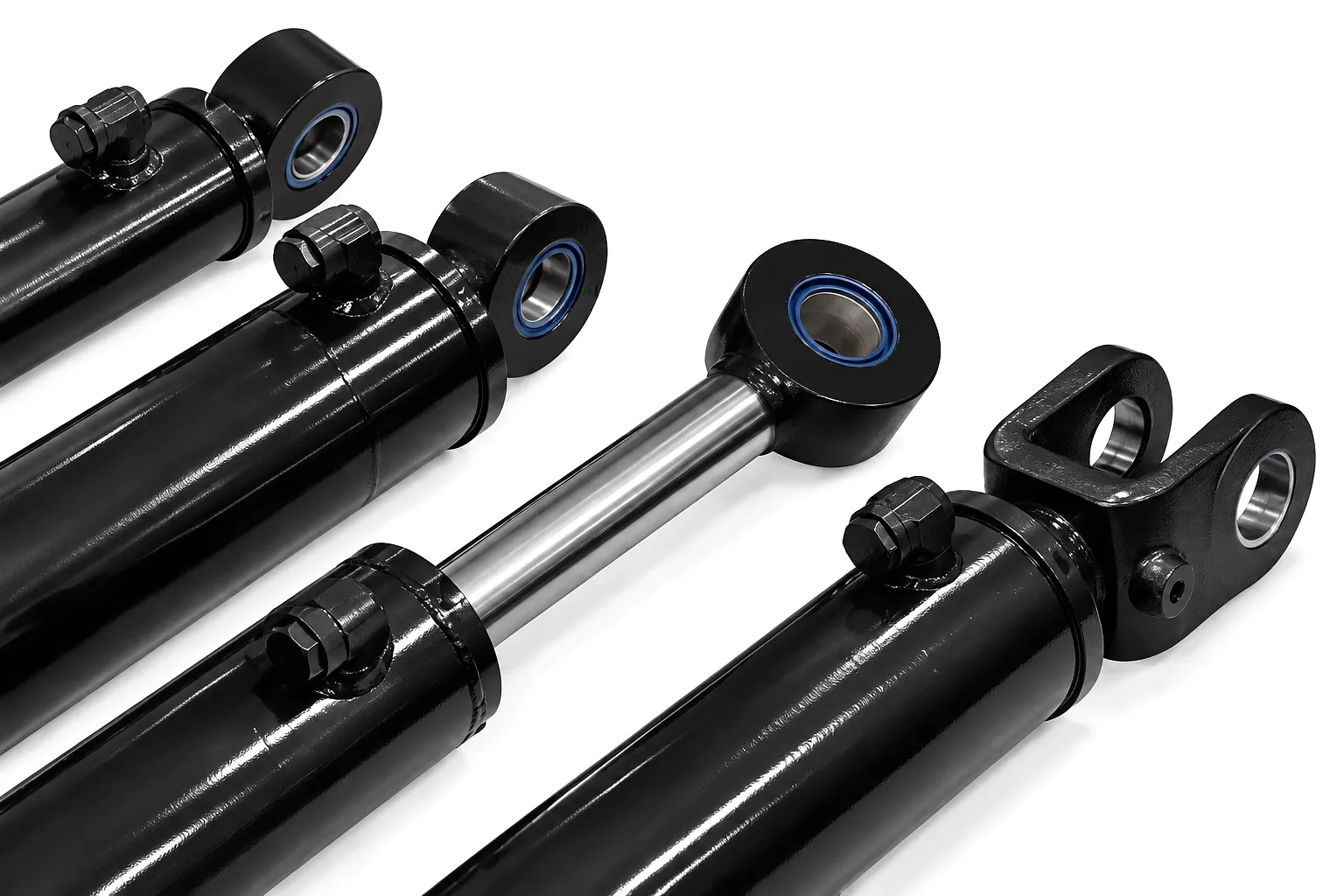
What Our UK Customers Say
“We’d been through three sets of cylinders in two years from different suppliers, always the same story — seals gone before 2,000 hours, boom drifting under load. Ever Power asked the right questions before quoting, got us a spec that actually matched the application, and the difference has been night and day. These units have paid for themselves twice over in avoided downtime.”
— David Ashworth, Fleet Manager, Thornfield Precast Ltd, Leeds
“The custom stroke length they machined for our modified Manitou MRT was exactly right — tolerances matched the OEM drawing we sent over. What impressed me most was the material certifications and pressure test reports that came with the units. Our insurers actually asked for that documentation at the last LOLER inspection, and we had it ready. That’s the kind of supplier you want.”
— Sandra Kirkpatrick, Equipment Manager, Pennine Plant Hire Ltd, Halifax
“We run six telehandlers in a potato store environment — moisture, cold, a lot of heavy bag work — and the original cylinders simply could not cope with the wiper seal deterioration in those conditions. Ever Power sourced an enhanced wiper package for us without making it a big engineering project. Three harvest seasons on, not one gland leak. I’ll be going back to them for the whole fleet refresh next spring.”
— Robert Claydon, Operations Manager, Fenside Agricultural Services, Peterborough
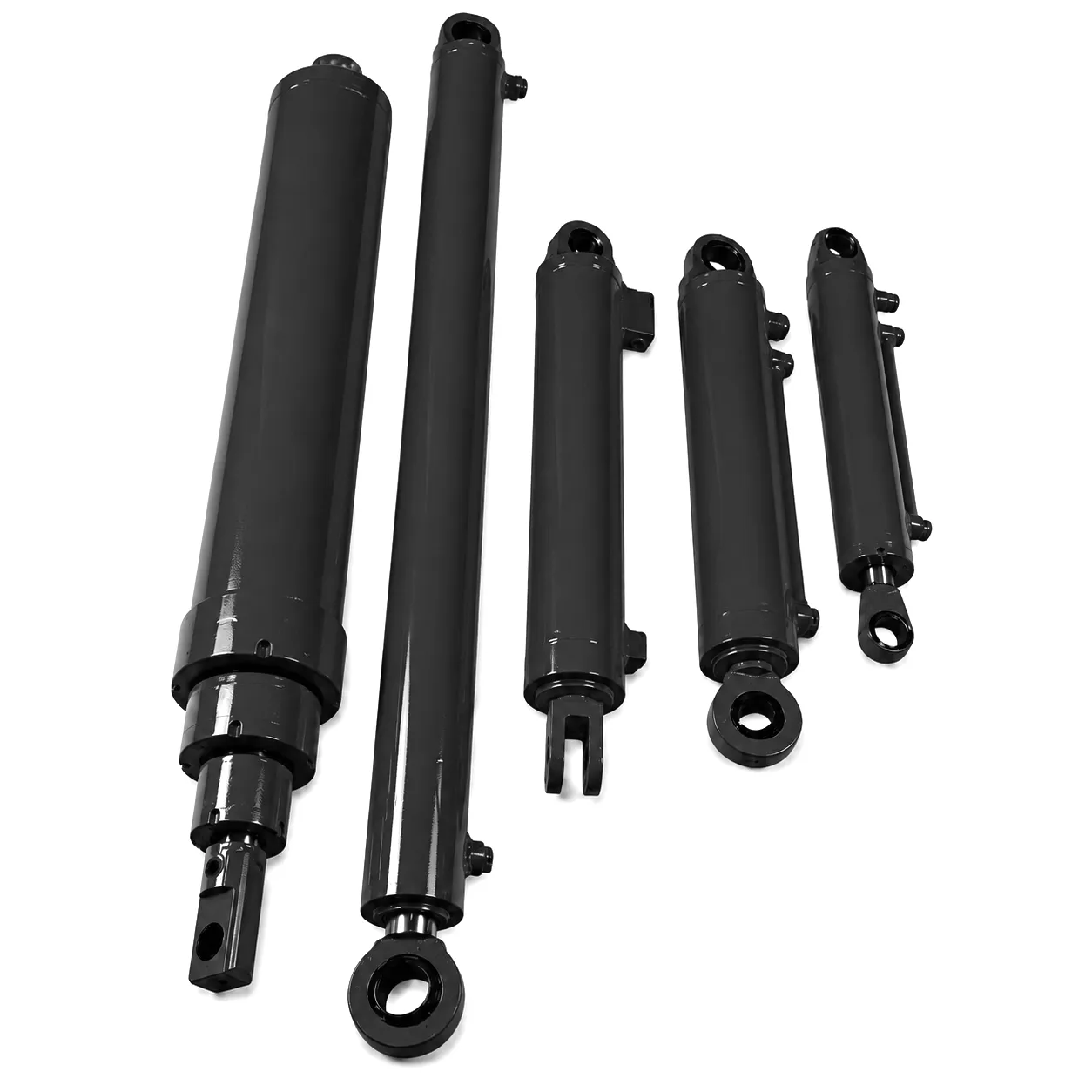
Często zadawane pytania
Answers to the questions UK plant managers and engineers ask most often about telehandler boom hydraulic cylinders.
Ever Power — Precision Hydraulic Cylinders for UK Industry
Manufacturing specialist · Custom specifications · Full traceability · LOLER-documentation supplied
edytuj przez gzl
 Polish
  English
  Italian
  Portuguese
  Dutch
Dutch  Swedish
  Danish
  Finnish
  Hindi
Hindi  Kazakh
  Turkish
  Ukrainian
  Romanian
  Spanish
  German
  Russian
  Korean
  Japanese
  Vietnamese
  Thai
Thai  Indonesian
  Malay
Malay  French
  Greek
Greek