
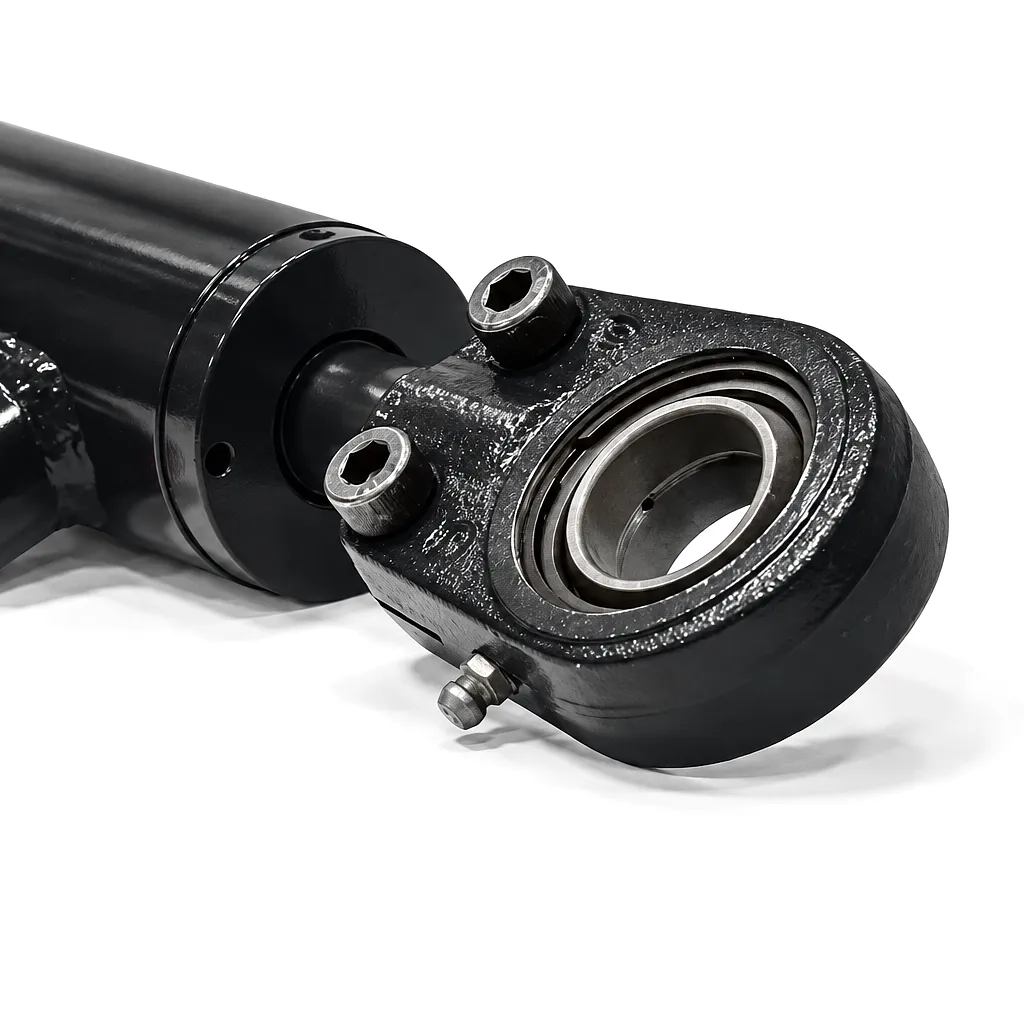
 Walk into any hydraulic equipment distributor in Birmingham or Manchester and you will find shelves of bore-and-stroke combinations that cover roughly 80% of common industrial needs. Tie-rod cylinders, mill-type cylinders, compact block cylinders — the catalogue selection is deeper than it has ever been, and lead times for standard units are shorter than at any point in the past decade. Yet the remaining 20% of applications — the demanding, the space-constrained, the safety-critical — cannot be served by anything sitting in a warehouse. Understanding where that boundary falls is what separates a competent specifier from a truly expert one. This guide unpacks the engineering logic, the commercial trade-offs, and the real-world scenarios where specifying a non-catalogue hydraulic cylinder is not merely preferable but essential.
Understanding the Fundamental Difference Between Catalogue and Custom Hydraulic Cylinders
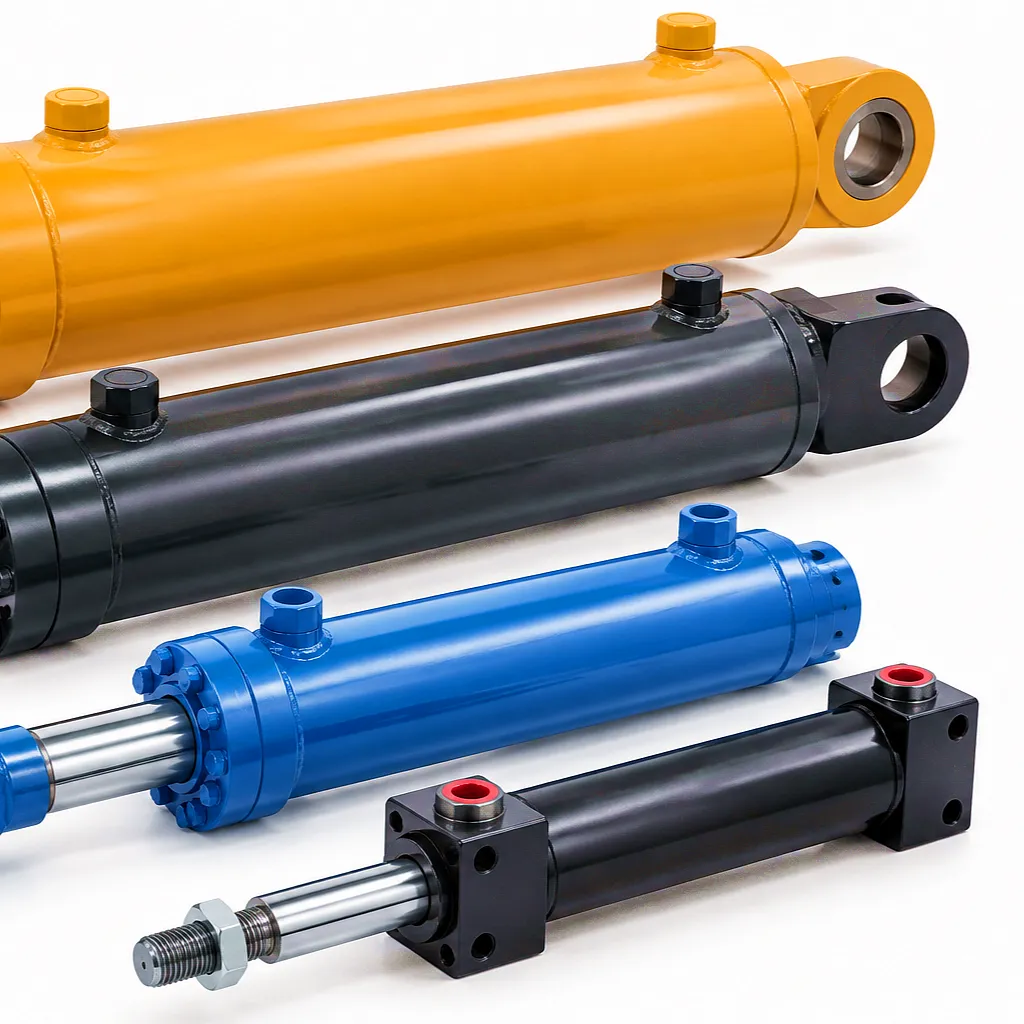
A standard hydraulic cylinder is designed to match common, broadly agreed-upon specifications — ISO 6020/6022, DIN 24334, or NFPA T3.6.7 series being the most widely referenced in UK industrial procurement. These catalogue units are manufactured in high volumes, held in stock by distributors, and priced for rapid turnover. They cover the most frequent bore sizes (typically 25mm to 320mm), standard stroke lengths, common pressure ratings up to 250 bar, and conventional mounting configurations such as flange, clevis, and foot-mounted styles. For the majority of machinery OEMs, maintenance replacement scenarios, and straightforward press or clamp applications, these standards are entirely adequate — and the speed, cost, and simplicity advantages are real and should not be dismissed.
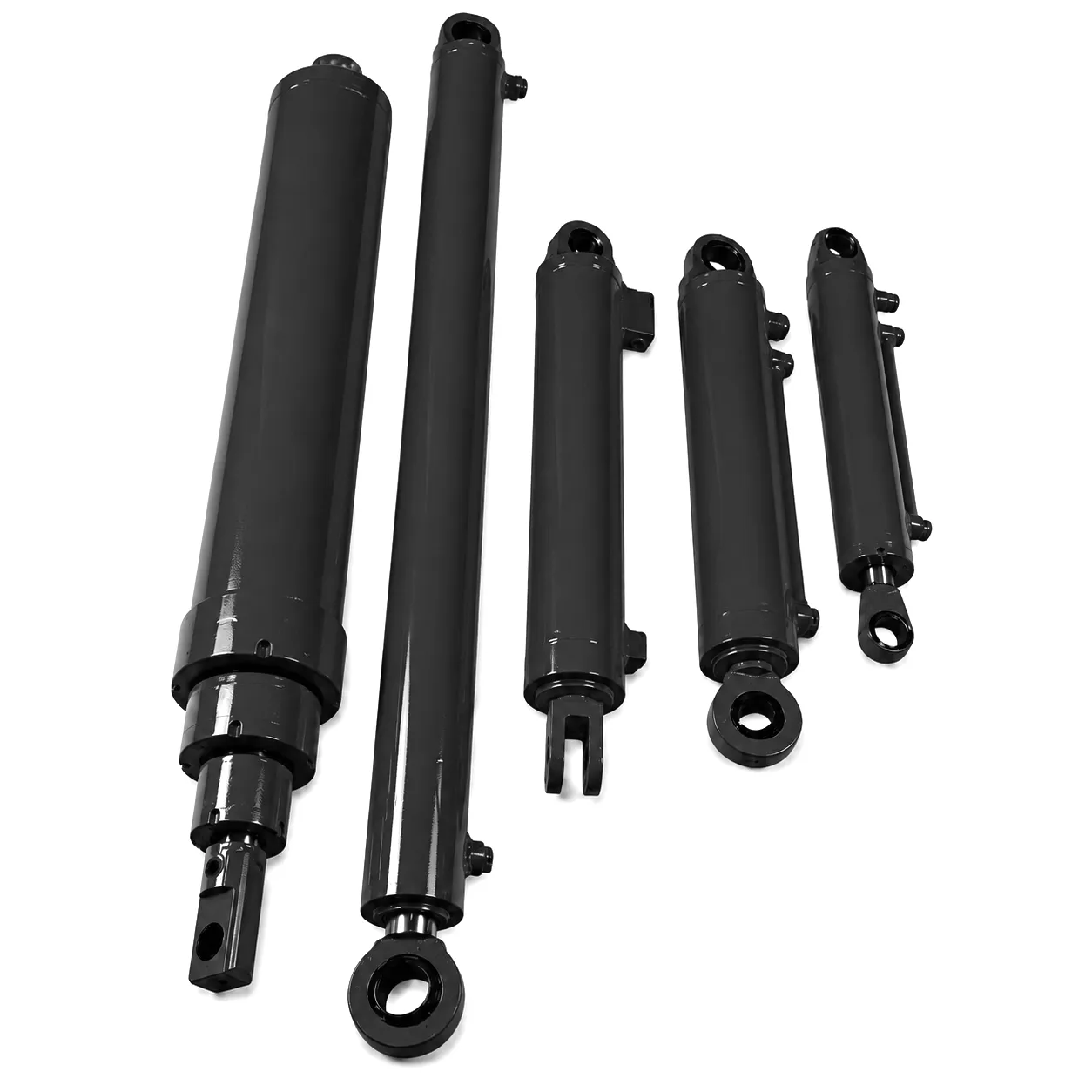
A custom hydraulic cylinder — sometimes called a non-catalogue or engineered-to-order cylinder — is built to a unique set of specifications derived from the demands of a specific application. This is not about premium branding or unnecessary engineering theatre. It is about ensuring that the cylinder geometry, material grade, seal compound, stroke, bore, mounting interface, and operating pressure are each matched precisely to a duty cycle and an environment that no standard part can reliably serve. The design process typically begins with an application briefing, proceeds through engineering calculation, moves into material selection and machining, and concludes with application-specific testing before dispatch. Lead times are longer. Unit costs are higher. But when the alternative is repeated field failure, production downtime, or a safety incident, the arithmetic decisively favours the engineered solution.
Seven Scenarios That Demand a Custom Hydraulic Cylinder Specification
Catalogue cylinders jump in discrete increments — bore diameters at 40mm, 50mm, 63mm, 80mm and so on, with stroke lengths similarly tiered. If your machine design calls for a 57mm bore with a 1,218mm stroke, no stock unit exists. Forcing a 63mm bore means recalculating rod-end loads, possibly redesigning mountings, and accepting a larger swept volume that could destabilise your hydraulic circuit. A custom cylinder eliminates all of that compromise at the source.
Most catalogue tie-rod cylinders are rated to 160 bar or 250 bar. Compact hydraulic press applications in Sheffield’s tool steel manufacturing sector, or high-cycle clamp systems feeding injection moulding lines in the East Midlands, may routinely operate at 350 bar to 450 bar with pressure spikes exceeding 500 bar. At those working pressures, a standard-series cylinder barrel becomes the weakest point in the system. Custom cylinders designed for high-pressure duty use thicker-walled barrels, premium rod chrome thickness, and sealing packages specifically rated for sustained high-pressure operation.
Offshore oil and gas platforms operating in the North Sea present some of the most punishing environments for hydraulic components in the world — combined seawater spray, constant humidity, temperature swings from -20°C to +60°C, and H2S-laden atmospheres in certain subsea processing contexts. Standard cylinders with mild steel heads, basic nickel plating, and NBR seals will fail in months. Custom cylinders for these environments specify duplex stainless steel bodies, PTFE or fluorocarbon seals, hard chrome alternatives such as HVOF-sprayed coatings, and protective end-cap designs that resist salt ingress without requiring constant maintenance.
Aerial work platforms, articulated boom lifts, and folding boom systems used on construction sites from London to Glasgow impose highly specific cylinder geometry requirements. The cylinder must deliver precise angular motion within a compact envelope, with rod-end and cap-end mounting geometries that are unique to each machine design. The exact stroke, bore, and interface dimensions are dictated by boom geometry, not by a standard catalogue. Ever Power’s Cilindro de ângulo de lança dobrável (curso de 1458 mm) is a worked example of a cylinder engineered to satisfy the precise articulation demands of a multi-section aerial boom system — where a standard unit simply does not exist in the market.
Automated manufacturing lines increasingly require hydraulic cylinders that do more than push and pull — they need to report position data to a PLC in real time, integrate with servo-hydraulic control systems, and participate in closed-loop motion control architectures. Incorporating a magnetostrictive linear transducer into the cylinder body, running signal cabling through the rod assembly with appropriate sealing, and machining a precision bore for the sensor rod — none of this is achievable with a standard catalogue unit. The entire cylinder must be designed around the sensing element from the outset.
Agricultural machinery — round balers, slurry tankers, and cultivator lifts operating on UK farms in Lincolnshire, Yorkshire, and across Scotland — often has strict payload constraints. Adding excess weight through an oversized standard cylinder affects machine balance, tyre loading, and fuel efficiency over the course of a full working season. Similarly, compact mobile plant and forestry equipment frequently requires cylinders to fit within defined structural channels or beneath decking plates where a standard mill-type cylinder is simply too tall. Custom cylinders with integrated rod-end clevises, compact block-head designs, and hollow-rod configurations can reduce installed length by 25% to 40% compared to equivalent-force standard units.
A cylinder driving a conveyor gate on a 24-hour aggregate processing site in South Wales cycles several thousand times per day. Standard-grade tie-rod cylinders are not tested or warranted for such duty. The rod seal degrades, the chrome surface wears, and the tie-rods fatigue at thread roots within months. A cylinder purpose-built for continuous duty features heavy-wall construction, wiper-ring geometry matched to rod speed, and a bore surface finish quality that supports long-term seal life. The additional engineering investment is recouped many times over in reduced maintenance frequency and extended service intervals.
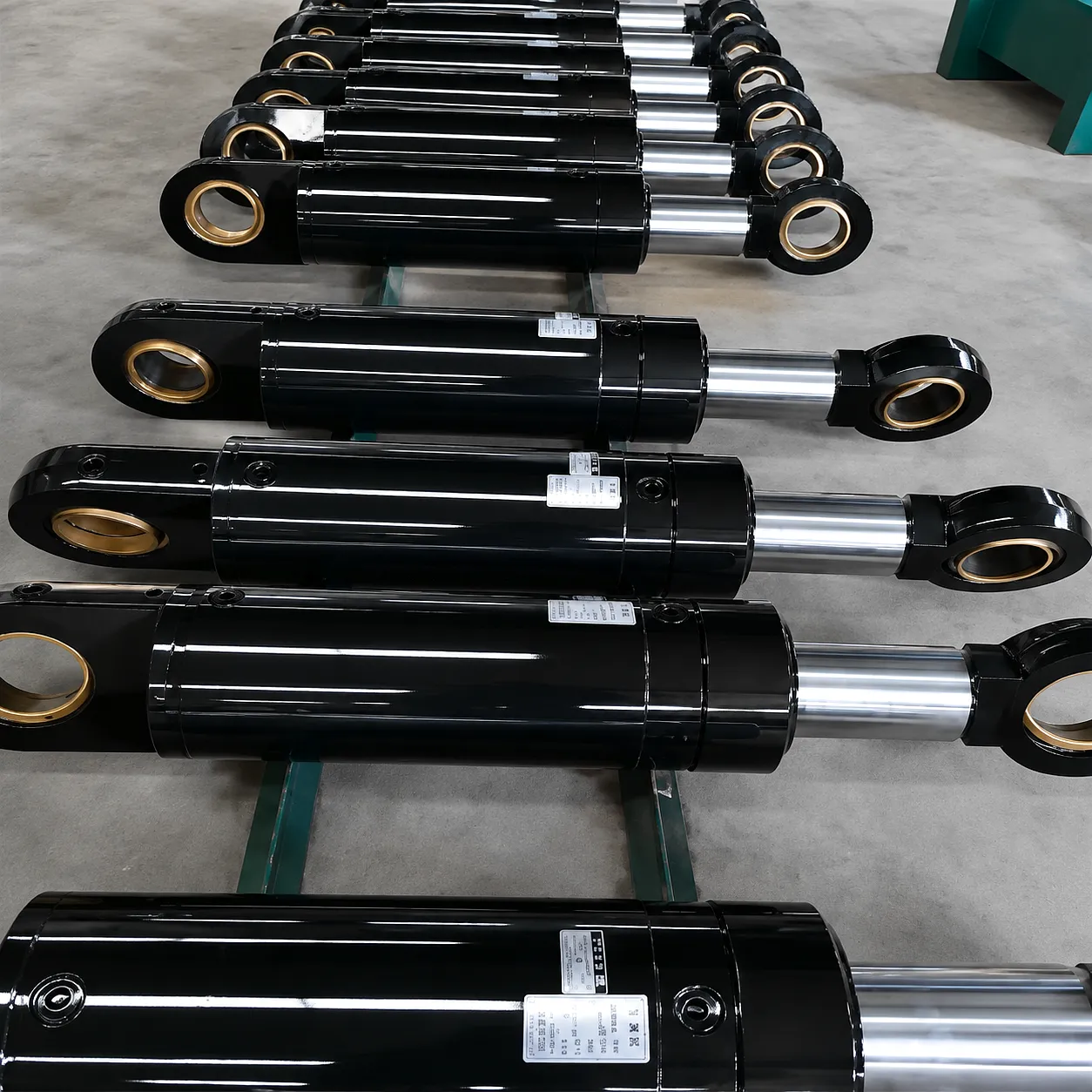
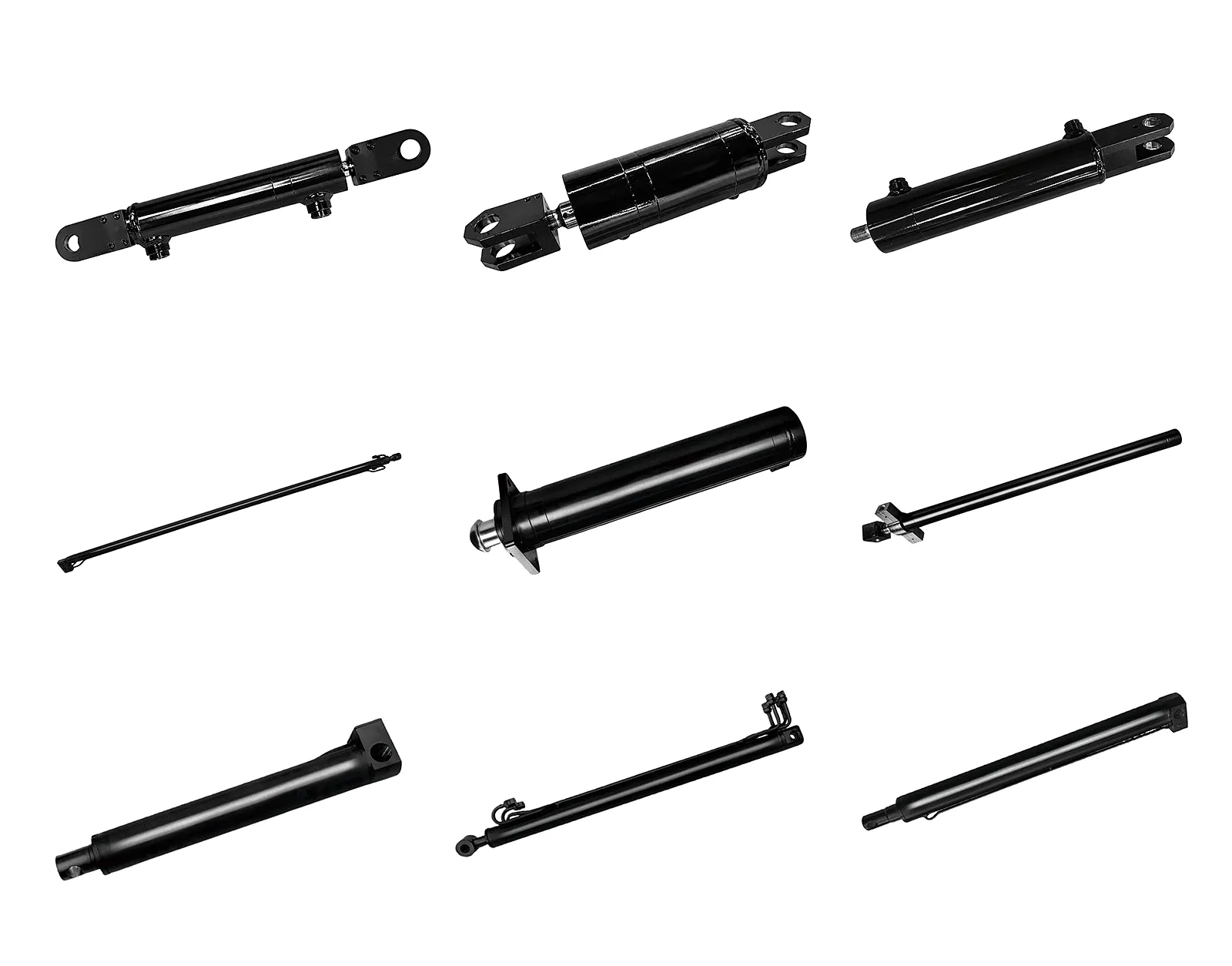
Custom Hydraulic Cylinder Range
Technical Performance Parameters: Custom vs Standard Hydraulic Cylinders
Comparative specification data for industrial procurement reference. Custom parameters shown as indicative engineering ranges.
| Parâmetro | Standard Catalogue | Custom Engineered | Design Driver |
|---|---|---|---|
| Diâmetro do furo | 25mm – 320mm (stepped) | Any diameter, ±0.01mm tolerance | Force output / space envelope |
| Operating Pressure | Up to 250 bar (tie-rod); 350 bar (mill) | Up to 700 bar (special) | Hydraulic circuit design |
| Material da haste | C45E steel, hard chrome | 316L SS / HVOF / Induction-hardened | Environment / duty cycle |
| Seal Compound | NBR / Poliuretano | FKM / PTFE / HNBR / Silicone | Fluid type / temperature range |
| Faixa de temperatura | -20°C to +80°C | -55°C to +200°C (application-specific) | Installation environment |
| Stroke Tolerance | ±2mm (nominal) | ±0.1mm (precision-machined) | Motion control accuracy |
| Mounting Configuration | ISO / NFPA standard patterns | Any pattern, any interface geometry | Host machine design |
| Position Sensing | Not available as standard | Integrated transducer, encoder, or LVDT | Automation / control requirement |
| Material do barril | St52 / E355 honed tube | St52 / 304SS / Duplex SS / Aluminium | Pressure / weight / corrosion |
| Typical Lead Time | 24 hrs – 5 days (from stock) | 3 – 12 weeks (engineered-to-order) | Complexity / material sourcing |
Engineering Principle and Material Science Behind Custom Hydraulic Cylinders
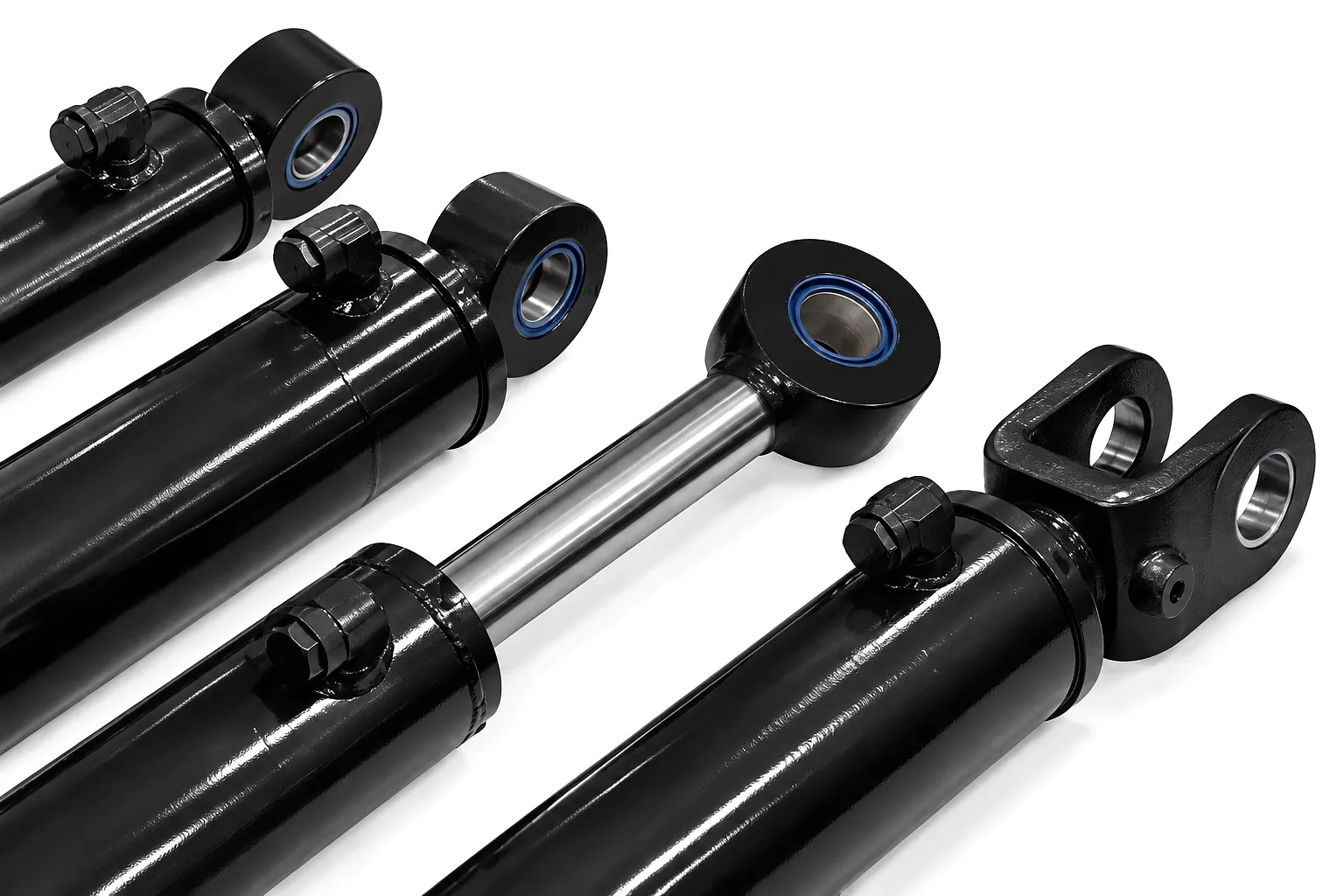 At the core of every hydraulic cylinder — standard or custom — is Pascal’s Law: pressure applied to a confined fluid acts equally in all directions and with equal force on equal areas. The cylinder converts hydraulic pressure into linear mechanical force and motion. Pressurised fluid enters through the port, acts on the piston face, and drives the piston and rod assembly in the direction of lower resistance. In a double-acting cylinder, fluid is alternately applied to each side of the piston to achieve both extension and retraction under full load. In a single-acting design, the retraction is accomplished by an external spring or gravity load. The force output is calculated as: Force (N) = Pressure (Pa) × Bore Area (m²). For a 100mm bore cylinder at 250 bar, this yields approximately 196,350 N of extension force — nearly 20 tonnes.
In a custom hydraulic cylinder designed for aerial boom articulation, such as those used in the Aerial Platform Main Boom Angle Cylinder — see the 555mm stroke variant here — the hydraulic working principle operates within tightly defined angular movement constraints. The bore and stroke are calculated not just for raw force output but for the precise torque and angular velocity required at each position in the boom’s articulation arc. This level of kinematic analysis is simply not applied to any catalogue cylinder.
The material selection for a custom hydraulic cylinder is driven by four competing demands: mechanical strength under pressure cycling, surface hardness to resist wear and seal damage, corrosion resistance to match the operating environment, and machinability to achieve the required tolerances at reasonable production cost. Standard cylinders simplify this by defaulting to proven middle-ground choices. Custom design opens the full material library.
Industrial Application Scenarios Across UK Sectors
Where custom hydraulic cylinder engineering delivers its clearest value across British industry.
Birmingham’s dense construction and plant hire industry drives continuous demand for hydraulic cylinders in elevated work platforms, concrete boom pumps, and mobile cranes. Each of these machine types requires cylinders with specific stroke lengths and mounting geometries tied to the machine’s structural design. The angle cylinders governing boom articulation in modern access platforms are perhaps the clearest case for custom design: the geometry is machine-specific, the duty cycle is intense, and the safety classification under LOLER regulations in the UK requires component traceability that standard catalogue products often cannot supply with sufficient documentation.
Sheffield retains a globally respected position in specialty steel and advanced metal forming. Rolling mills, forging presses, and billet manipulation equipment in this region subject hydraulic cylinders to conditions that categorically exclude standard units — temperatures exceeding 150°C adjacent to rolling stock, hydraulic working pressures of 400 bar to 500 bar in press applications, and scale-laden atmospheres that accelerate rod wear and seal contamination. Custom cylinders for steel industry service in South Yorkshire feature induction-hardened and plasma-coated rod surfaces, high-temperature fluorocarbon sealing, and heavy-wall barrel construction with forged end caps rated to well beyond normal working pressure.
Aberdeen is the operational hub of the UK’s offshore oil and gas industry, and the associated supply chain for hydraulic components is substantial. Subsea actuator cylinders, topside riser tensioner systems, crane-compensator cylinders, and wellhead control actuators all demand designs engineered around the particular hazards of saltwater immersion, cathodic protection compatibility, and approval under industry safety frameworks. No off-the-shelf cylinder satisfies these requirements. Material traceability to mill certificate level, third-party inspection, and pressure testing witnessed by a notified body are standard project deliverables for offshore cylinder supply — requirements that only a manufacturer with genuine custom engineering capability can fulfil.
The agricultural heartlands of Lincolnshire, East Anglia, and the Yorkshire Wolds represent a significant and underserved market for custom hydraulic cylinder supply. Modern large-scale farming equipment — telescopic handlers, high-capacity seed drills, self-propelled sprayer booms, and round baler knotting systems — incorporates hydraulic circuits that have diverged substantially from the simple lift-and-lower functions of earlier generations. Boom suspension cylinders in variable-rate sprayers must operate at very low breakout friction to preserve sprayer levelling accuracy over rough terrain. Custom cylinders with low-friction PTFE-lined piston designs and matched wiper seals can achieve breakout forces of under 5 bar, something no standard cylinder delivers as a stocked specification.
Ever Power: Custom Hydraulic Cylinder Manufacturing and Specification Support
Ever Power operates a vertically integrated precision manufacturing facility with CNC deep-hole boring, internal honing lines, external cylindrical grinding, and in-house hard chrome plating capacity. This concentration of processes under a single roof eliminates inter-supplier quality variation — a critical advantage when tight tolerances matter across every stage of the cylinder’s manufacturing sequence. Engineering engagement begins at the enquiry stage: Ever Power’s technical team analyses application datasheets, duty cycle data, and installation geometry to generate a complete cylinder specification before any machining is committed.
Ever Power’s customisation capability extends beyond geometry. The company offers application-matched surface treatment selection — including HVOF thermal spray coating for rods that must withstand abrasive environments without the adhesion limitations of conventional hard chrome, and electroless nickel plating for cylinder heads in hydrogen sulphide-bearing atmospheres. For UK clients requiring export documentation for offshore projects governed by UKCA certification requirements, Ever Power provides full traceability packages including material certificates, pressure test records, and dimensional inspection reports — all issued as standard for custom programme orders.
Customer Success: Solving a Critical Cylinder Failure on Sheffield Forging Line
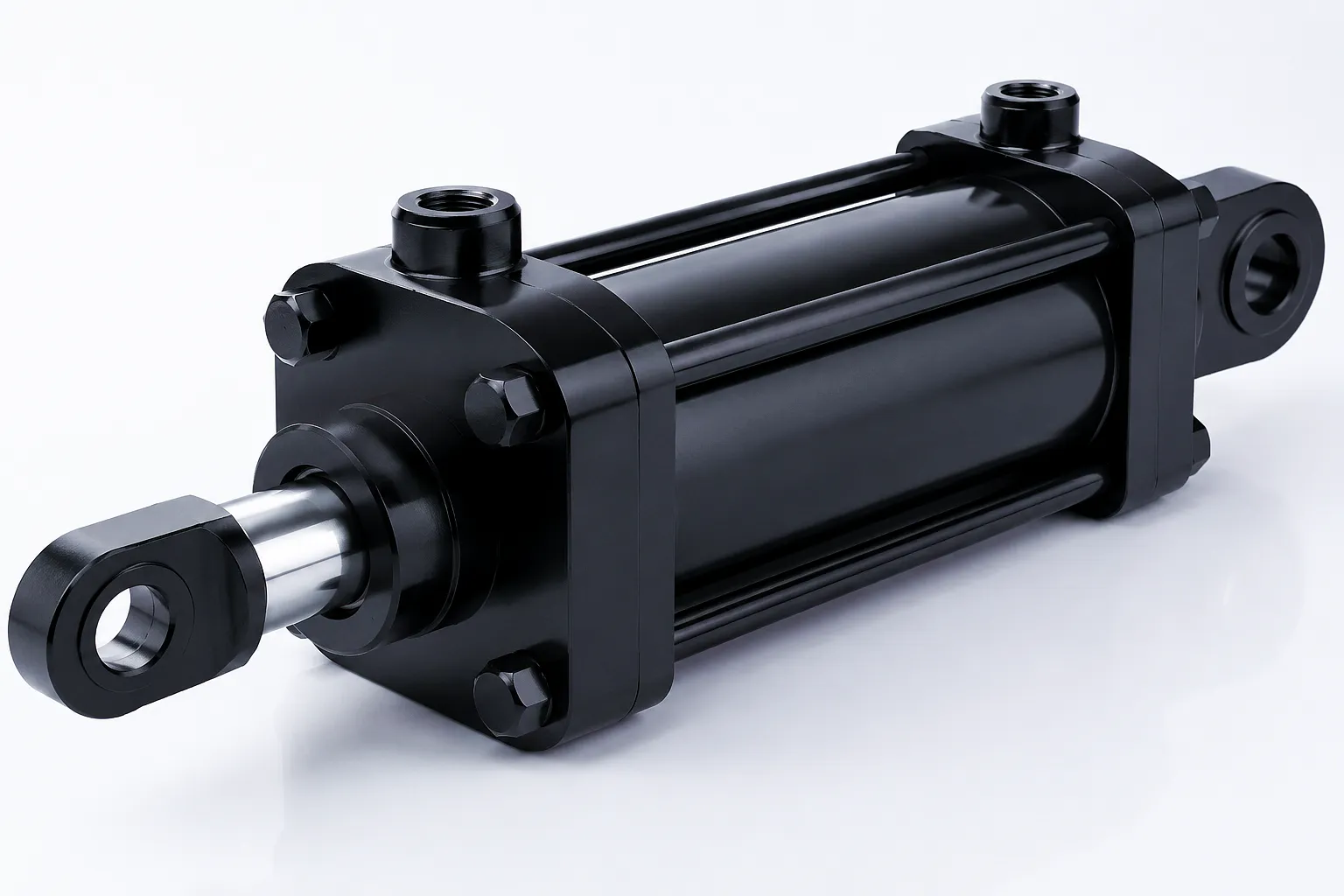 A Sheffield-based open-die forging operation producing high-integrity billets for the aerospace and power generation sectors was experiencing chronic hydraulic cylinder failure on their primary billet manipulation press. The application involved a 400-tonne upset forging press where the side-push cylinders, responsible for rotating and repositioning hot billets between die strokes, were failing rod seals within 6 to 8 weeks of installation using standard catalogue cylinders. Mill-scale contamination, ambient temperatures consistently above 140°C adjacent to the furnace, and hydraulic pressure spikes to 420 bar during die contact were destroying seal geometry and chrome rod surfaces faster than any maintenance programme could compensate.
The plant’s engineering manager contacted Ever Power after exhausting options from three UK-based distributors. Ever Power’s technical team visited the Sheffield facility, conducted a full application survey, and specified a replacement cylinder design with a 110mm bore, 780mm stroke, and a bespoke rod assembly using 42CrMo4 steel with a 0.10mm HVOF tungsten carbide thermal spray coating in place of conventional hard chrome. The seal package was upgraded to a three-element FKM system with a machined dust-exclusion wiper rated to 180°C continuous service. Internally, the barrel bore was honed to Ra 0.2 µm to extend seal-contact life, and the rod gland was redesigned as a separate cartridge for rapid in-situ replacement without cylinder removal.
The custom cylinder assemblies were delivered from Ever Power’s facility within seven weeks of order confirmation — ahead of the committed lead time. On installation, the press resumed full production without a planned maintenance interval for the first six months. When the first seal inspection was carried out at that point, wear indicators on both rod seal elements registered well within the acceptable band, projecting a service interval of at least fourteen months under the same operating conditions. Compared to the previous six-to-eight-week failure cycle, the operational improvement represented a reduction in unplanned downtime maintenance costs of over 85%.
“The HVOF-coated rod cylinder Ever Power designed for our forging line has been running for 14 months without a seal change. That is not something any standard cylinder supplier could have offered us. Their engineers understood the application from the first conversation — no generic solutions, no catalogue pushing. Pure application engineering.”
“We needed cylinders for a boom angle system on a new elevated work platform design — very specific stroke and mounting geometry that no catalogue product matched. Ever Power turned around a full dimensional drawing for approval within three working days of our enquiry, and delivered confirmed samples within six weeks. The dimensional accuracy was exceptional — within 0.05mm on rod diameter, which is exactly what the system needed.”
“Procuring custom hydraulic cylinders with full mill certificates and witnessed pressure test records for offshore supply has historically been a time-consuming process. Ever Power delivered a complete documentation package alongside the physical hardware — EN10204 3.1 certs, pressure test chart, dimensional inspection report. Their understanding of offshore supply chain requirements is clearly not theoretical.”
Every enquiry receives a technical response from an engineer, not a catalogue. Contact Ever Power to discuss your application.
 Portuguese
  English
  Italian
  Dutch
Dutch  Swedish
  Danish
  Finnish
  Polish
  Hindi
Hindi  Kazakh
  Turkish
  Ukrainian
  Romanian
  Spanish
  German
  Russian
  Korean
  Japanese
  Vietnamese
  Thai
Thai  Indonesian
  Malay
Malay  French
  Greek
Greek