
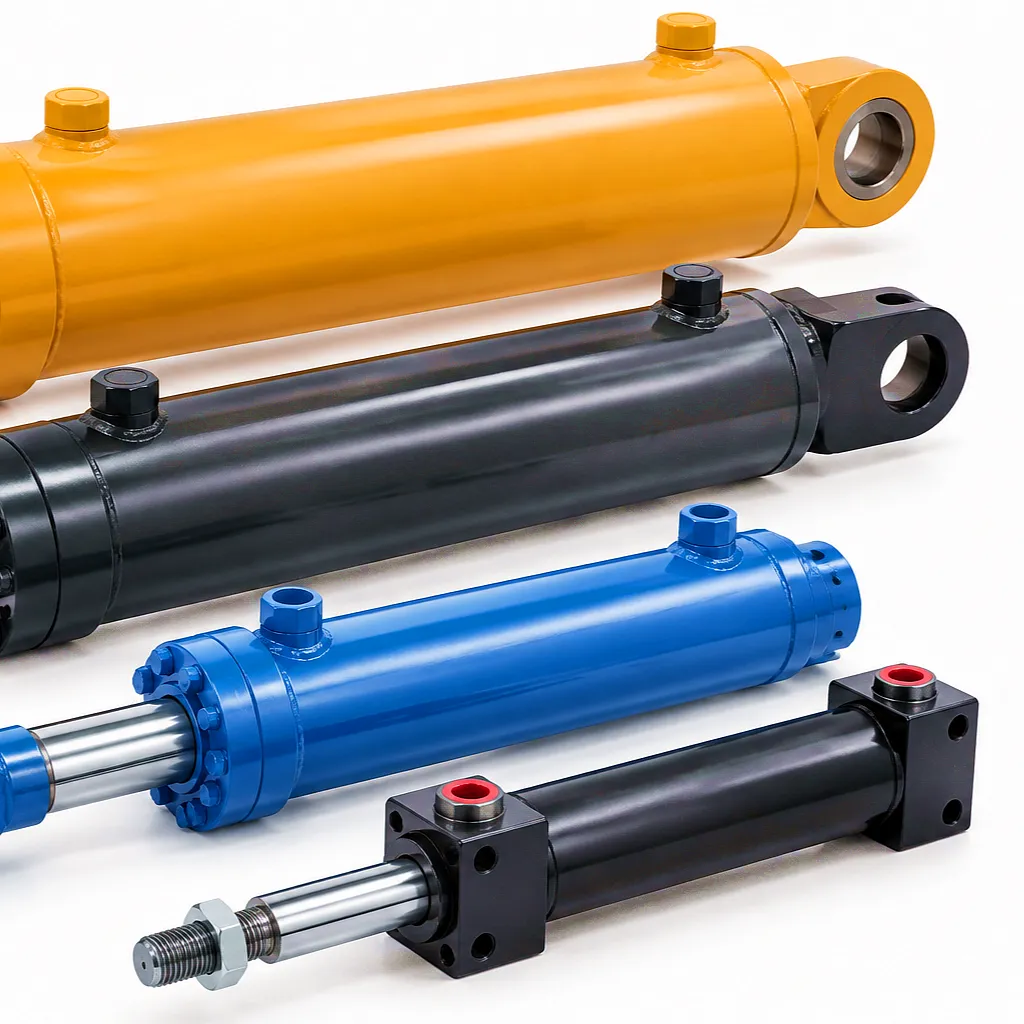
 There is a moment every plant engineer recognises: the loader arm that refuses to stay raised, the press that creeps downward under full load, the boom that sags between cycles. Hydraulic cylinder drift is not a minor nuisance — in Birmingham’s heavy fabrication shops, Sheffield’s forging facilities and the sprawling agricultural machinery yards across East Anglia, an uncontrolled drift event can halt production lines, trigger costly rework and, in the worst cases, put operators at genuine risk. The UK Health and Safety Executive lists uncontrolled actuator movement among the most commonly cited hydraulic system failures in periodic plant inspections, and maintenance teams across the Midlands and the North routinely report drift as a top-three breakdown category for mobile and static plant alike.
Understanding why a hydraulic cylinder drifts means tracing the problem to its real source — and that source is almost always internal leakage across the piston seal or past the rod seal, combined with bypass through control valves, pressure decay in the circuit, or structural wear in the barrel wall itself. Each failure mode has a distinct fingerprint, a specific repair path, and — critically — a set of design or sourcing decisions that prevent recurrence entirely. This article works through every major cause, explains the underlying physics in plain engineering terms, and gives you the diagnostic framework and corrective steps to bring a drifting cylinder back under control.
What Hydraulic Cylinder Drift Actually Means — and Why It Matters
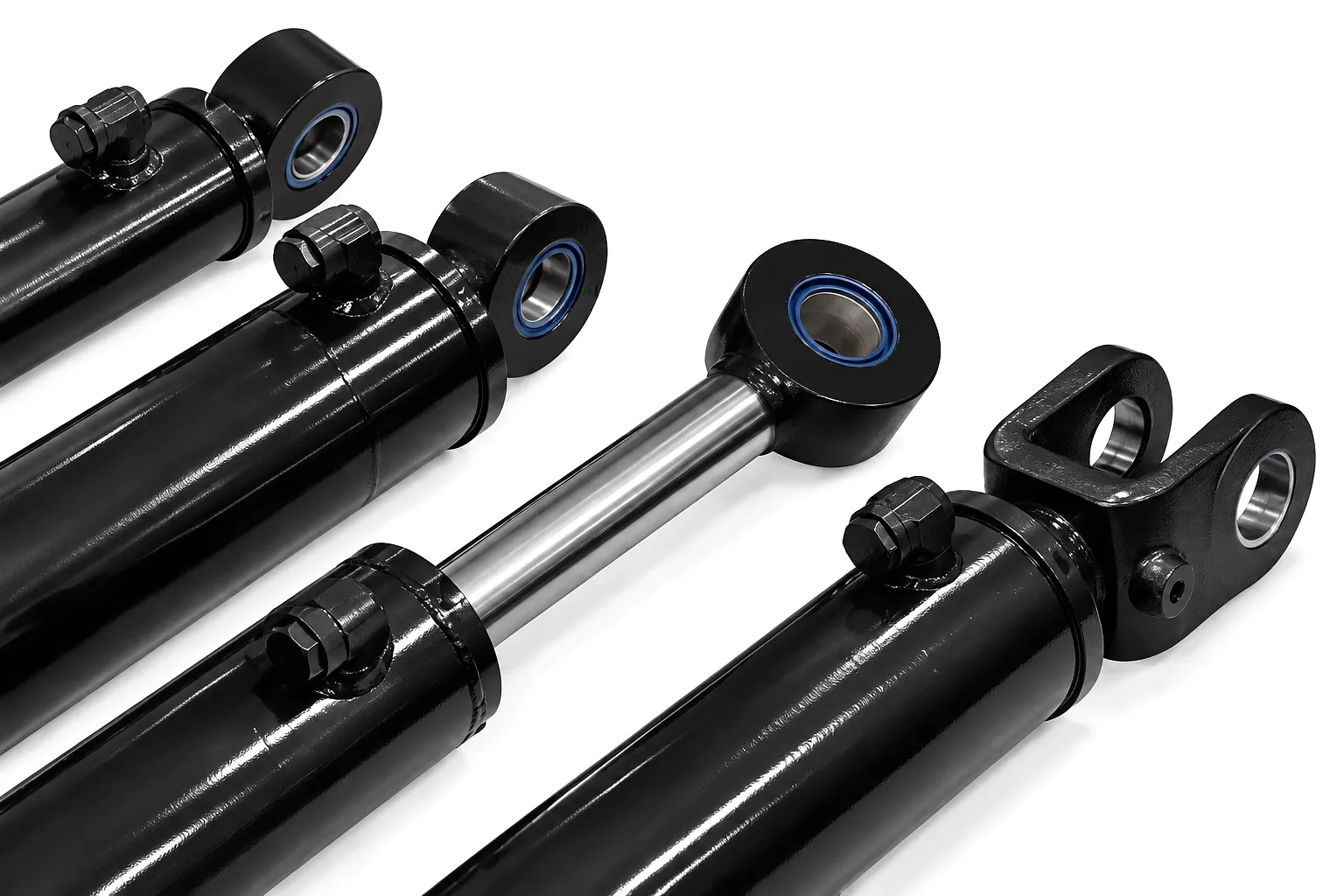 In classical hydraulic theory, a cylinder that has been commanded to hold a fixed position should remain perfectly stationary as long as the supply and return lines are isolated. Pressure in the captive oil column acts against the piston face, and the mechanical load on the rod is balanced by that fluid pressure. Drift begins the instant fluid migrates from the high-pressure side to the low-pressure side — whether that migration occurs inside the cylinder itself or in the broader circuit. Even a leak rate of 0.05 litres per minute across a piston seal in a 63 mm bore cylinder can translate to several centimetres of rod travel per hour, enough to render precision positioning equipment unusable and to make mobile crane booms or telehandler arms genuinely dangerous.
The distinction between external leakage and internal leakage is fundamental to diagnosis. External leakage leaves visible oil on the rod, the end cap, the port fittings or the mounting faces — it is detectable by eye and leaves a maintenance trail that maintenance teams cannot ignore. Internal leakage, by contrast, leaves no external evidence. Fluid simply bypasses the piston seal or travels past worn check valves and disappears back into the tank or into the opposing chamber. The only symptom is the drifting load, which is why internal leakage is consistently misdiagnosed as a valve problem, a circuit pressure issue, or even operator error. Experienced maintenance engineers in UK manufacturing environments — particularly in the hydraulic press shops of the West Midlands and the agricultural machinery workshops of Lincolnshire — have learned to isolate the cylinder mechanically before condemning any other component in the circuit.
The Five Root Causes of Hydraulic Cylinder Drift
Worn or Degraded Piston Seals
The piston seal is the primary pressure boundary inside a hydraulic cylinder. Over time — and accelerated by contaminated oil, thermal cycling beyond the seal’s rated range, or incorrect seal material selection for the fluid type — the seal lips develop micro-cracks, take a permanent set, or suffer extrusion damage where the material is forced into the gap between piston and bore wall. Once the seal can no longer maintain a differential pressure, fluid migrates from the extend side to the retract side (or vice versa) continuously, even when all external valves are fully closed. In UK industrial environments where mineral oil is frequently mixed without adequate filtration at service intervals, abrasive particle contamination is the single most common accelerant of piston seal failure. Particle counts above ISO 4406 cleanliness code 18/16/13 will typically halve seal service life in standard double-acting cylinders operating above 180 bar.
Scored or Out-of-Round Barrel Bore
Even when the piston seal itself is relatively new, a compromised barrel bore will prevent it from sealing properly. Scoring — fine axial grooves cut into the bore wall by hard particles circulating in the oil — creates bypass channels that route fluid around the seal entirely. Bore ovality, which develops in cylinders that have been subjected to side-loading beyond their rated tolerance or that have experienced a hydraulic shock event, produces a non-round profile that the seal cannot conform to under all piston positions. In mobile plant operating on construction sites across Yorkshire and the North-West, side-loading from misaligned boom geometry is a particularly common origin of barrel bore damage that manifests months later as progressive position drift. Internal bore measurement with a precision bore gauge — checking both roundness and taper along the stroke length — is the only reliable way to confirm or rule out this cause.
Control Valve Bypass and Spool Leakage
Directional control valves — whether pilot-operated check valves, load-holding valves, or proportional spool valves — are positioned in the circuit to lock the cylinder in place when no command signal is present. When the spool inside a directional control valve wears beyond its machining tolerance, clearance between the spool land and the valve body allows pressurised fluid to bypass from the work port to the tank port. The symptom is drift that occurs even when the cylinder’s own piston seal is perfectly healthy. A straightforward isolation test confirms this: disconnect the cylinder from the circuit, cap both ports, and apply rated pressure. If the rod holds position, the cylinder is sound and the fault lies in the valve or circuit upstream. This test is standard practice in service workshops from Bristol to Newcastle, yet it is routinely skipped in favour of immediately disassembling the cylinder — which wastes hours of labour and results in unnecessary seal kit expenditure.
Incorrect System Pressure or Thermal Expansion
Hydraulic oil is not perfectly incompressible. At high temperatures — common in plant operating through British summer production runs without adequate cooler capacity — oil viscosity drops significantly, and fluid that was adequately sealed at 50°C will bypass worn seals with far greater ease at 75°C or above. Additionally, thermal expansion of the oil itself in a closed-off circuit can create pressure transients that momentarily exceed the cracking pressure of load-holding check valves, allowing small incremental position changes that accumulate into visible drift over a work shift. Incorrect system relief valve settings, particularly after a recent service where relief pressure was adjusted upward to compensate for perceived power loss elsewhere in the circuit, can also drive chronically elevated circuit temperatures that accelerate seal deterioration and compound drift problems across multiple cylinders on the same power unit.
Contaminated or Wrong-Grade Hydraulic Oil
Oil contamination contributes to drift through two distinct mechanisms. Particulate contamination accelerates seal and bore wear, as described above. Water contamination — frequently introduced through condensation in vented reservoirs during the seasonal temperature swings common across the UK — degrades the oil film strength and can cause localised corrosion pitting in bore walls, creating permanent bypass channels that no seal replacement will cure. Using the wrong viscosity grade is equally damaging: a VG 32 oil in a circuit rated for VG 68 will result in inadequate hydrodynamic lubrication of the piston seal, higher internal bypass rates at rated temperature, and accelerated spool wear in control valves. Oil analysis — available through specialist laboratories in Manchester, Leeds and London — is the most cost-effective screening tool for identifying whether contamination is driving a pattern of recurring drift across a machine fleet.
Step-by-Step Diagnostic Process for a Drifting Cylinder
A structured diagnostic sequence eliminates guesswork and prevents unnecessary component replacement. The following procedure is applicable to single-acting and double-acting cylinders in fixed plant, mobile equipment and agricultural machinery — the dominant categories across Britain’s industrial base. Before beginning any physical work, record the drift rate (mm per minute under rated load) and the system pressure at the point of measurement. This baseline enables comparison after each corrective step and provides the data needed for warranty claims if the cylinder is still within its guarantee period.
Close all supply and return valves to the cylinder. Cap both ports and apply rated working pressure using a portable hand pump. Hold for 15 minutes. Zero rod movement confirms the cylinder body is sound. Any movement points to internal bypass across the piston seal or past the rod seal assembly.
With the cylinder isolated, check system relief valve settings against the original engineering specification. Pressure decay in the line between the valve and the port fitting — often caused by a cracked hose or a loose JIC fitting — can mimic internal cylinder leakage exactly. A pressure decay test on each line segment isolates hose leaks from cylinder or valve leaks definitively.
If the cylinder does drift during the isolation test, quantify it. A drift rate below 0.5 mm per minute in a cylinder with bore above 100 mm may be within acceptable tolerance for some applications. A drift rate above 2 mm per minute in any load-holding application is critical and demands immediate investigation. Measuring drift rate directs the repair priority and helps make the business case for replacement versus rebuild.
With the cylinder removed from circuit, direct a pressure source into the work port of the control valve and measure flow out of the tank port with no command signal applied. Any measurable flow indicates spool bypass. Compare against the manufacturer’s allowable internal leakage specification — typically stated in cm³/min at rated pressure and oil temperature. Exceeding that figure confirms the valve requires replacement or rework.
Send an oil sample for laboratory analysis before committing to any seal replacement. If particle counts exceed the circuit’s specified cleanliness level, fitting new seals into a contaminated system will result in premature repeat failure within weeks. Replace the filter element, flush the circuit with clean oil and verify cleanliness before reassembly. This step is consistently overlooked in field maintenance but is the most reliable way to prevent immediate recurrence of the drift problem.
After completing this diagnostic sequence, you will have a clear verdict: the fault lies in the cylinder seal, the bore condition, the control valve, the hydraulic line, or the oil quality. Each verdict maps directly to a specific corrective action. Attempting repairs without working through this sequence almost always results in multiple strip-downs, unnecessary parts expenditure and extended machine downtime — outcomes that are particularly costly for harvest season fleet management in agricultural regions like the East Midlands and Cambridgeshire, where hydraulic cylinder failures on baling and harvesting equipment have defined time pressures measured in days rather than weeks.
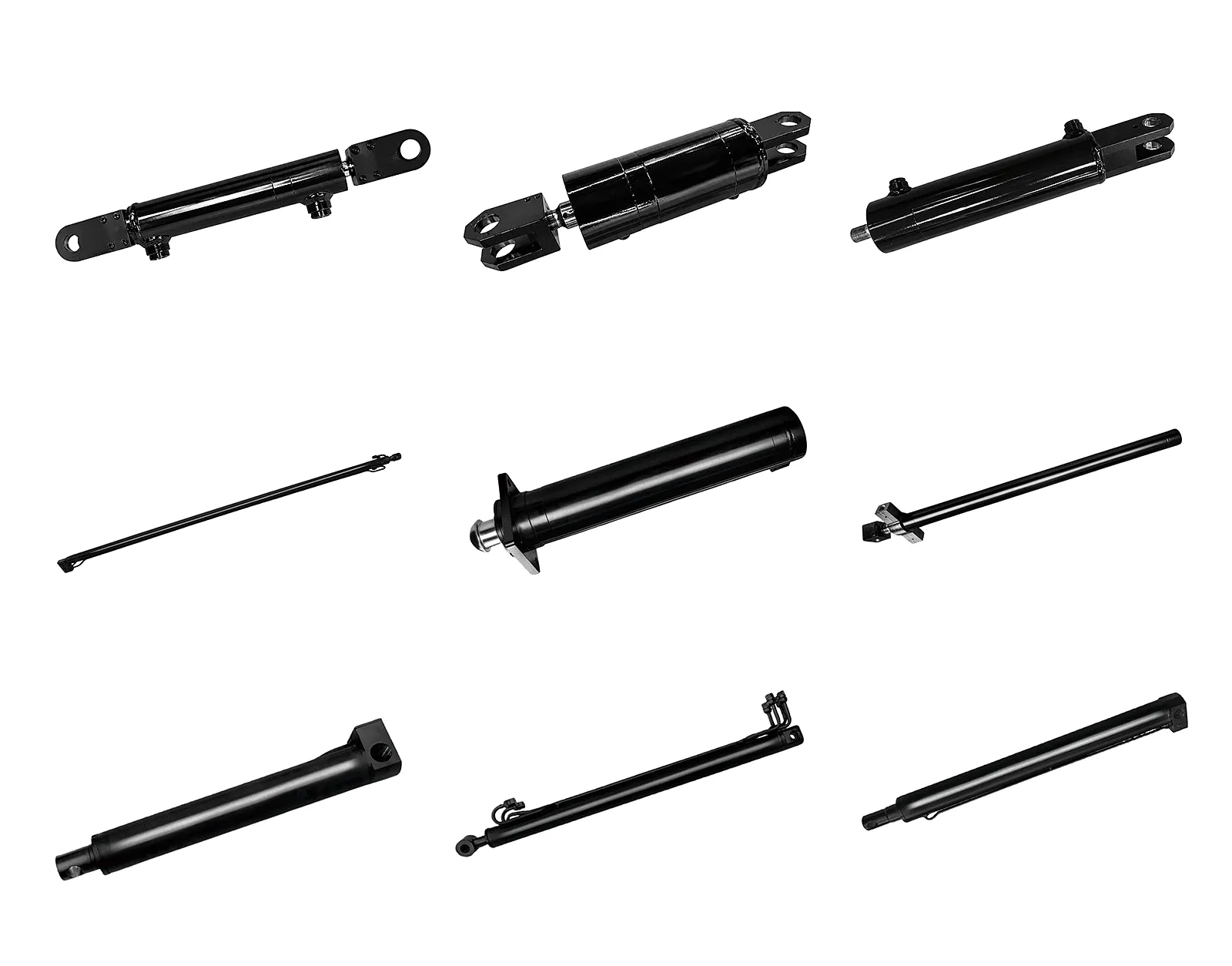
Hydraulic Cylinder Technical Performance Parameters
The following parameter table covers Ever Power’s standard and custom double-acting hydraulic cylinder range, applicable to construction plant, agricultural equipment, industrial presses and materials handling machinery across the UK market. All values are measured at 40°C oil temperature using VG 46 mineral hydraulic oil unless otherwise noted. Bore sizes, stroke lengths and pressure ratings are available in custom specifications beyond the ranges shown.
| Parâmetro | Standard Range | High-Performance Custom | Unit / Notes |
|---|---|---|---|
| Diâmetro do furo | 40 – 250 | 25 – 500 | mm |
| Diâmetro da haste | 22 – 180 | 16 – 360 | mm |
| Maximum Working Pressure | 250 | 350 – 400 | bar |
| Test Pressure (Proof) | 1.5 × WP | 1.5 × WP | bar (mandatory, every unit) |
| Comprimento do curso | 50 – 3,000 | 50 – 8,000 | mm |
| Material do barril | Cold-drawn seamless steel (ST52 / E355) | Honed alloy steel, stainless steel, 316L | — |
| Tratamento de superfície da haste | Hard chrome, Ra 0.2–0.4 µm | HVOF, nickel chrome, DLC coating | — |
| Piston Seal Material | PU, NBR, PTFE-backed | VITON, EPDM, PEEK, custom compound | Application-specific selection |
| Temperatura de operação | -20 to +80 | -40 to +120 | °C |
| Allowable Internal Leakage (new) | ≤ 3 cm³/min at 200 bar | ≤ 1 cm³/min at 250 bar | Measured, supplied with test cert. |
| Surface Finish (Bore) | Ra 0.4 µm honed | Ra 0.2 µm mirror honed | — |
| Mounting Options | Clevis, flange, trunnion, foot | Full custom to drawing | — |
| Cushioning | Fixed, adjustable, both ends | Custom cushion profiles, velocity control | — |
Cenários de Aplicação Industrial no Reino Unido
Corrective Fixes — From Seal Replacement to Full Rebuild
When bore inspection confirms the barrel wall is within tolerance (roundness error below 0.05 mm, no scoring visible), a seal kit replacement is the appropriate repair. Match the seal compound to the fluid type — VITON for fire-resistant HFD fluids, PU or NBR for standard mineral oil at temperatures below 80°C. Install using the correct mandrel tool to avoid seal lip distortion during assembly. Lubricate with clean system oil, never with petroleum jelly or silicone grease incompatible with the seal compound. After assembly, perform a full internal leakage test before returning the cylinder to service.
Minor bore scoring — scratches below 0.1 mm depth with no circumferential extent — can sometimes be blended by careful polishing. Deeper or more extensive scoring requires either bore rehoning to bring the diameter back to round (requiring appropriately sized oversized seals to match) or sleeving the barrel with a precision-ground liner. For cylinders with wall thickness sufficient to accommodate a sleeve without compromising structural integrity, sleeving is typically more cost-effective than barrel replacement. Sheffield-based engineering shops with deep honing capability can usually turn around cylinder barrel rework within three to five working days.
Where the diagnostic process confirms spool bypass as the drift source, replacement of the directional control valve or load-holding check valve is the correct action. For mobile plant, pilot-operated check valves (POCVs) are the standard load-holding device and are available as direct replacements across the major industrial hydraulic component distributors operating in the UK. When drift was previously diagnosed as a cylinder fault and the cylinder was unnecessarily replaced, the valve bypass source will cause the new cylinder to exhibit exactly the same drift behaviour — a failure mode that generates significant repeat costs and erodes confidence in the maintenance programme.
If oil analysis reveals water contamination above 0.1% or particle counts above ISO 4406 code 18/16/13, a full system flush is required before any mechanical repair will deliver lasting results. Drain the reservoir completely, clean the tank interior, replace all filter elements and breathers, then flush the circuit with clean, filtered oil at low pressure to dislodge settled contamination from hose lines and manifold passages. Verify cleanliness at the return line using a portable particle counter before charging the system with fresh, correctly graded oil and returning equipment to service. This process typically takes four to six hours on a standard mobile plant machine.
The economics of repair versus replacement deserve careful consideration. A cylinder with a severely scored bore, a rod that has been bent and straightened, or a barrel that has been repaired multiple times may cost more to restore to reliable service than a new unit — particularly when labour rates in the UK manufacturing sector are factored in against the cost of a purpose-built replacement cylinder shipped from Ever Power’s production facility within 10 to 15 working days for standard sizes. For custom specifications, lead time discussions should begin at the point of diagnosis, not after the repair decision has been made.
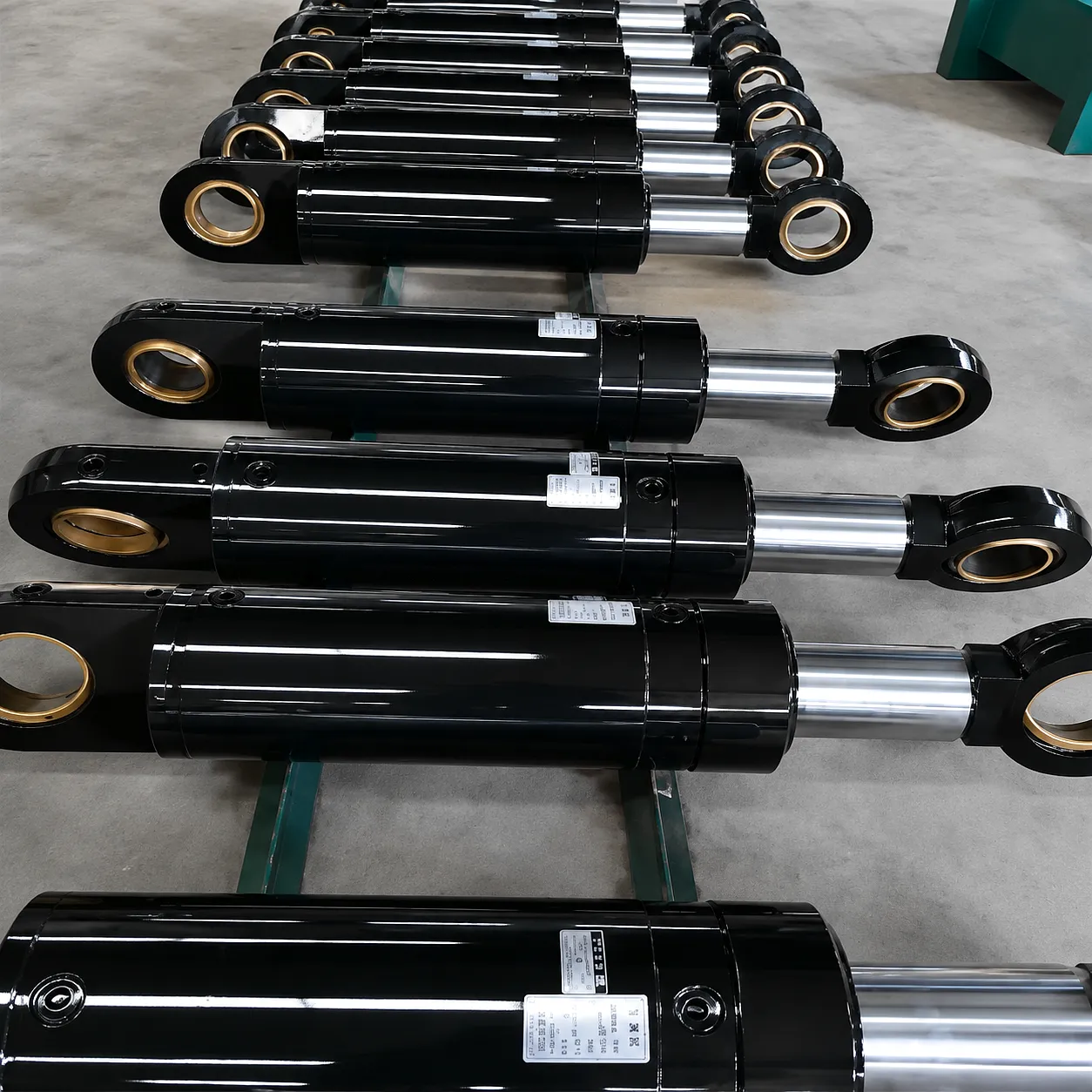 Ever Power’s hydraulic cylinder manufacturing facility operates to a production philosophy built on one principle: a cylinder delivered to a customer must not require corrective work in the field. Every unit that leaves our production line has been pressure-tested to 1.5 times working pressure, leak-tested for internal bypass at rated load, and documented with a full material certificate traceable to the steel mill. Our barrel bores are honed to Ra 0.2–0.4 µm surface finish as standard — the tolerance band that allows piston seal assemblies to achieve their design life rather than failing prematurely due to inadequate surface preparation.
Customer Success Story — Sheffield Forging Plant, South Yorkshire
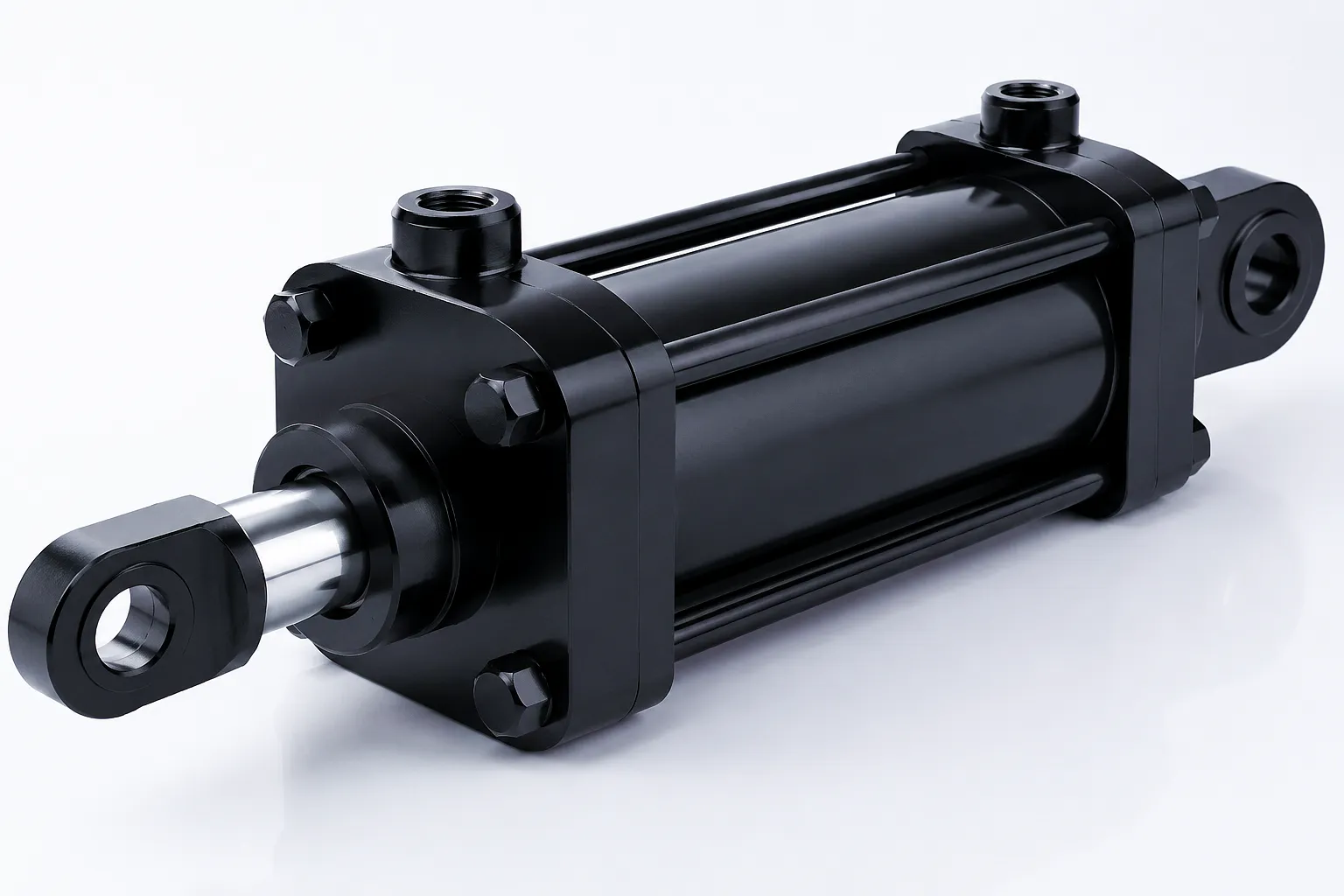 A precision closed-die forging operation on the eastern outskirts of Sheffield — supplying forged flanges and fittings to North Sea oil field service contractors — was experiencing chronic drift across three 200-tonne capacity hydraulic forging presses. The presses used 160 mm bore, double-acting cylinders operating at 280 bar working pressure, and all three units were exhibiting position drift of 3 to 5 mm per minute during the hold phase of the forging cycle. The consequence was dimensional scatter in forged components, with piece rejection rates running at 7% across a three-month period — unacceptable for a product range governed by BS EN ISO 9606 quality standards and subject to third-party inspection by DNV.
The plant’s maintenance manager initially replaced the piston seal kits on all three cylinders using standard catalogue seals. The drift recurred within six weeks. A formal hydraulic survey subsequently revealed two simultaneous fault modes: first, the barrel bores had developed scoring in the mid-stroke region from particulate contamination introduced during a hydraulic oil top-up conducted with an unfiltered transfer pump; second, the control valve pilot-operated check valves had exceeded their allowable spool bypass rate due to accumulated wear over a four-year service period. The cylinder seals, while correctly specified, simply could not compensate for the bypass flow occurring simultaneously at the control valve.
Working with Ever Power’s technical sales team, the plant sourced three replacement cylinders manufactured to an enhanced specification: 160 mm bore with Ra 0.2 µm mirror-honed finish, VITON piston seal assemblies rated to 320 bar working pressure, and factory-installed magnetic drain plugs in the end caps to provide early warning of any future ferrous contamination. The replacement control valves were also sourced through the same procurement cycle. After a full system flush and clean oil charge, the rebuilt presses returned to service with a measured drift rate below 0.2 mm per minute — within the acceptable tolerance for the DNV inspection regime. Component rejection rates fell from 7% to below 0.8% in the subsequent three-month production period, representing a saving in rework and scrap costs that exceeded the total investment in the cylinder upgrade by a factor of four.
What Our UK Customers Say
“After two rounds of failed seal replacements, we were about to write off our presses entirely. Ever Power’s technical team identified the bore condition issue within the first conversation and delivered replacement cylinders with the enhanced seal specification within twelve working days. The drift test results on arrival were better than anything we’d seen from the original OEM units. These cylinders have now run 14 months without a single position complaint from our quality team.”
“We operate a fleet of twelve articulated dump trucks out of our Leeds depot. The tipping cylinder drift issue on three machines was creating daily arguments between drivers and site managers about whether the body was fully seated before moving. Ever Power supplied a set of heavy-duty replacement single-acting cylinders with seal compounds specified for our winter operating temperatures, and the improvement was immediate. No drift, no arguments, and the LOLER inspection passed first time.”
“Running a combine harvester with a drifting header cylinder through barley harvest in Lincolnshire is a genuinely miserable experience. We lost three days of prime cutting weather waiting for a standard repair that didn’t hold. The Ever Power custom cylinder arrived with a test certificate, the header held position through the rest of harvest without adjustment, and we’ve pre-ordered two more for the coming season. The lead time communication throughout was excellent.”
Perguntas frequentes
Ever Power Hydraulic Cylinders
Stop the Drift. Source the Right Cylinder.
Whether you need an exact replacement for a drifting unit or a fully custom specification engineered for your application, Ever Power’s technical team is ready to help. Contact us for a same-day quote.
📧 Solicite um orçamento — [email protected]
editado por gzl
 Portuguese
  English
  Italian
  Dutch
Dutch  Swedish
  Danish
  Finnish
  Polish
  Hindi
Hindi  Kazakh
  Turkish
  Ukrainian
  Romanian
  Spanish
  German
  Russian
  Korean
  Japanese
  Vietnamese
  Thai
Thai  Indonesian
  Malay
Malay  French
  Greek
Greek