
Descriere produs
Feature
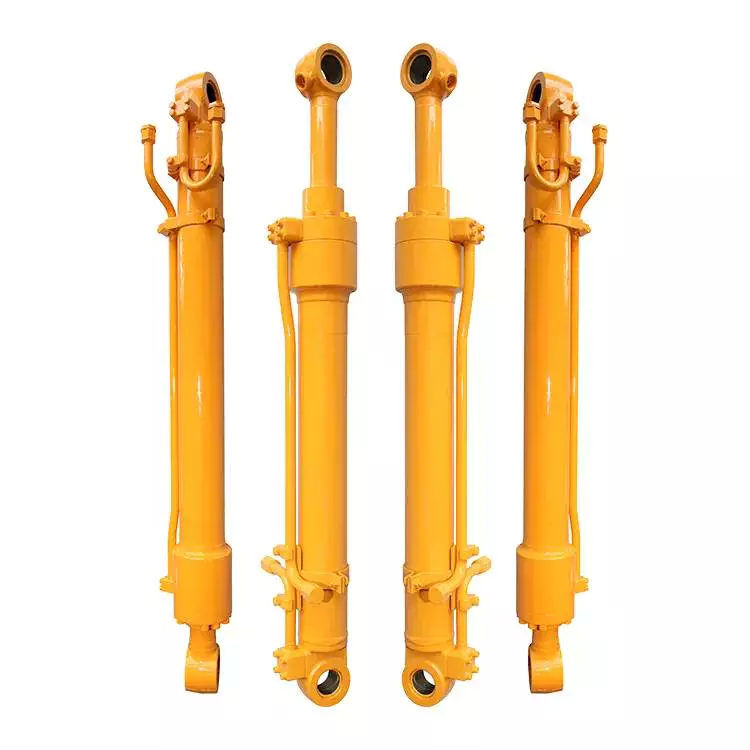
1). Compliance with ISO-6571 and DIN24333 Specifications.
2). The highest working pressure is 250 Kgf/cm².
3). Structure: Front cover to the steel screw connections Flange plate, front and rear flange plate and the cylinder with threader connections, combined with tight, easy to remove and repair.
4). Strictly control the machining accuracy, with the advantages of low friction and long life.
5). External dimensions are compatible with American CHINAMFG company MMB cylinders.
6). Can be used in engineering equipment, such as steel, metallurgy, ships and other machinery.
7). Compatibled with Germany CHINAMFG company’s oil cylinders CDH2.
Mounting type
Order form
About us
Packaging & Delivery
FAQ
Q1: Is CHINAMFG a manufacturer or a trading company?
We have our own factory, so we can provide the best price as well the first service.
Q2: Do you accept customization or Non-standard products?
Yes, we can customize products as the customers required.
Q3: What is your MOQ?
MOQ depends on our clients needs. Besides, we welcome trial order before mass production.
Q4: How long is your delivery time?
Normally, the delivery time is 7 days if we have stock. If we don’t have stock, it needs 15-30 working days. And it also depends on the quantity and requirements of products.
Q5: What are your payment terms?
T/T. If you have any questions, please feel free to contact us.
| Certificare: | ISO9001 |
|---|---|
| Presiune: | Medium Pressure |
| Temperatura de lucru: | Normal Temperature |
| Mod de acțiune: | Double Acting |
| Metodă de lucru: | Straight Trip |
| Formă ajustată: | Regulated Type |
| Personalizare: | Disponibil |
|
|---|
Pot fi cilindrii hidraulici montați ulterior pe echipamentele existente pentru o funcționalitate îmbunătățită?
Da, cilindrii hidraulici pot fi montați ulterior pe echipamentele existente pentru a îmbunătăți funcționalitatea și performanța. Montarea cilindrilor hidraulici pe utilaje sau echipamente existente oferă mai multe beneficii, inclusiv putere sporită, control îmbunătățit, precizie sporită și versatilitate. Iată o explicație detaliată a modului în care cilindrii hidraulici pot fi montați ulterior pe echipamentele existente pentru o funcționalitate îmbunătățită:
1. Putere sporită:
– Modernizarea cilindrilor hidraulici permite adăugarea de putere hidraulică la echipamentele existente. Prin integrarea cilindrilor hidraulici, echipamentul poate genera forțe mai mari și poate gestiona sarcini mai grele. Această putere sporită permite echipamentului să îndeplinească sarcini care anterior erau dificile sau imposibile. De exemplu, un cilindru hidraulic modernizat pe o macara îi poate spori capacitatea de ridicare și îi poate permite să gestioneze sarcini mai grele mai eficient.
2. Control îmbunătățit:
– Cilindrii hidraulici oferă un control precis asupra mișcării și poziționării echipamentelor. Prin modernizarea cilindrilor hidraulici, operatorii obțin un control mai bun asupra vitezei, forței și direcției de mișcare. Adăugarea de supape de control hidraulic și a unei unități de alimentare hidraulică permite reglarea fină a funcționării echipamentului. Controlul îmbunătățit facilitează o funcționare mai sigură și mai eficientă, reducând riscul de deteriorare și îmbunătățind productivitatea generală.
3. Precizie îmbunătățită:
– Montarea cilindrilor hidraulici pe echipamentele existente poate îmbunătăți semnificativ precizia și acuratețea. Sistemele hidraulice oferă un control precis asupra mișcării, permițând o mișcare lină și controlată. Această precizie sporită este benefică în aplicațiile în care este necesară o poziționare precisă sau mișcări repetitive. De exemplu, montarea cilindrilor hidraulici pe un braț robotic poate îmbunătăți precizia și repetabilitatea acestuia, făcându-l mai potrivit pentru sarcini care necesită o precizie ridicată.
4. Versatilitate și adaptabilitate:
– Retrofitarea cilindrilor hidraulici poate crește versatilitatea și adaptabilitatea echipamentelor existente. Sistemele hidraulice pot fi ușor integrate cu diverse tipuri de utilaje, permițând utilizarea energiei hidraulice în diferite aplicații. Natura modulară a componentelor hidraulice facilitează procesul de retrofitare, permițând echipamentului să îndeplinească o gamă mai largă de sarcini. Această versatilitate este deosebit de avantajoasă în industriile în care echipamentele trebuie să se adapteze la cerințele operaționale în schimbare.
5. Kituri de modernizare și personalizare:
– Producătorii oferă adesea kituri de modernizare care includ toate componentele necesare pentru integrarea cilindrilor hidraulici pe echipamentele existente. Aceste kituri constau de obicei din cilindri hidraulici, console de montare, furtunuri, fitinguri, valve de control și alte accesorii necesare. Kiturile de modernizare simplifică procesul de modernizare și asigură compatibilitatea dintre componentele hidraulice și echipamentele existente. În plus, producătorii pot oferi opțiuni de personalizare pentru a adapta soluția de modernizare la nevoile specifice ale echipamentelor și aplicațiilor.
6. Soluție eficientă din punct de vedere al costurilor:
– Montarea cilindrilor hidraulici la echipamentele existente poate fi o soluție rentabilă în comparație cu achiziționarea de utilaje noi. Prin valorificarea cadrului structural și a componentelor mecanice ale echipamentelor existente, se poate reduce costul total al modernizării. Montarea la distanță minimizează, de asemenea, timpul de nefuncționare, deoarece echipamentul nu trebuie înlocuit complet. În plus, funcționalitatea și performanța îmbunătățite rezultate în urma modernizării pot duce la creșterea productivității și la economii de costuri pe termen lung.
7. Instalare profesională și expertiză:
– Montarea cilindrilor hidraulici la echipamentele existente necesită adesea instalare și expertiză profesională. Colaborarea cu integratori sau producători de sisteme hidraulice cu experiență asigură instalarea corectă, compatibilitatea și performanța optimă a soluției de montare. Acești profesioniști pot evalua echipamentele existente, pot recomanda componente hidraulice adecvate și pot efectua procesul de montare eficient. Cunoștințele și expertiza lor contribuie la integrarea cu succes a cilindrilor hidraulici și la îmbunătățirea generală a funcționalității echipamentelor.
În concluzie, cilindrii hidraulici pot fi într-adevăr adaptați la echipamentele existente pentru a îmbunătăți funcționalitatea. Acest proces de adaptare oferă avantaje precum putere sporită, control îmbunătățit, precizie sporită, versatilitate, rentabilitate și acces la kituri de adaptare și opțiuni de personalizare. Prin adaptarea cilindrilor hidraulici, echipamentele existente pot fi modernizate pentru a satisface nevoile operaționale în continuă evoluție, pentru a le prelungi durata de viață și pentru a îmbunătăți performanța generală.
Handling Challenges of Different Fluid Viscosities in Hydraulic Cylinders
Hydraulic cylinders are designed to handle the challenges associated with different fluid viscosities. The viscosity of hydraulic fluid can vary based on temperature, type of fluid used, and other factors. Hydraulic systems need to accommodate these variations to ensure optimal performance and efficiency. Let’s explore how hydraulic cylinders handle the challenges of different fluid viscosities:
- Fluid Selection: Hydraulic cylinders are designed to work with a range of hydraulic fluids, each with its specific viscosity characteristics. The selection of an appropriate fluid with the desired viscosity is crucial to ensure optimal performance. Manufacturers provide guidelines regarding the recommended viscosity range for specific hydraulic systems and cylinders. By choosing the right fluid, hydraulic cylinders can effectively handle the challenges posed by different fluid viscosities.
- Viscosity Compensation: Hydraulic systems often incorporate features to compensate for variations in fluid viscosity. For example, some hydraulic systems utilize pressure compensating valves that adjust the flow rate based on the viscosity of the fluid. This compensation ensures consistent performance across different operating conditions and fluid viscosities. Hydraulic cylinders work in conjunction with these compensation mechanisms to maintain precision and control, regardless of the fluid viscosity.
- Temperature Control: Fluid viscosity is highly dependent on temperature. Hydraulic cylinders employ various temperature control mechanisms to address the challenges posed by temperature-induced viscosity changes. Heat exchangers, coolers, and thermostatic valves are commonly used to regulate the temperature of the hydraulic fluid within the system. By controlling the fluid temperature, hydraulic cylinders can maintain the desired viscosity range, ensuring reliable and efficient operation.
- Efficient Filtration: Contaminants in hydraulic fluid can affect its viscosity and overall performance. Hydraulic systems incorporate efficient filtration systems to remove particles and impurities from the fluid. Clean fluid with the appropriate viscosity ensures optimal functioning of hydraulic cylinders. Regular maintenance and filter replacements are essential to uphold the desired fluid viscosity and prevent issues related to fluid contamination.
- Proper Lubrication: Different fluid viscosities can impact the lubrication properties within hydraulic cylinders. Lubrication is essential for minimizing friction and wear between moving parts. Hydraulic systems employ lubricants specifically formulated for the anticipated fluid viscosity range. Adequate lubrication ensures smooth operation and extends the lifespan of hydraulic cylinders, even in the presence of varying fluid viscosities.
In summary, hydraulic cylinders employ various strategies to handle the challenges associated with different fluid viscosities. By selecting appropriate fluids, incorporating viscosity compensation mechanisms, controlling temperature, implementing efficient filtration, and ensuring proper lubrication, hydraulic cylinders can accommodate variations in fluid viscosity. These measures enable hydraulic systems to deliver consistent performance, precise control, and efficient operation across different fluid viscosity ranges.
How do manufacturers ensure the quality and compatibility of hydraulic cylinders?
Manufacturers employ various measures to ensure the quality and compatibility of hydraulic cylinders, ensuring that they meet industry standards, performance requirements, and the specific needs of their customers. Here’s a detailed explanation of the methods and practices used by manufacturers to ensure the quality and compatibility of hydraulic cylinders:
1. Design and Engineering:
– Manufacturers employ skilled engineers and designers who have expertise in hydraulic systems and cylinder design. They use advanced design software and tools to create hydraulic cylinders that meet the desired specifications and performance requirements. Through careful analysis and simulation, manufacturers can ensure that the cylinders are designed to function optimally and provide the necessary force, stroke length, and reliability.
2. Material Selection:
– High-quality materials are crucial for the durability, performance, and compatibility of hydraulic cylinders. Manufacturers carefully select materials such as steel or other alloys based on their strength, corrosion resistance, and suitability for hydraulic applications. They source materials from reputable suppliers and perform quality checks to ensure that the materials meet the required standards and specifications.
3. Quality Control:
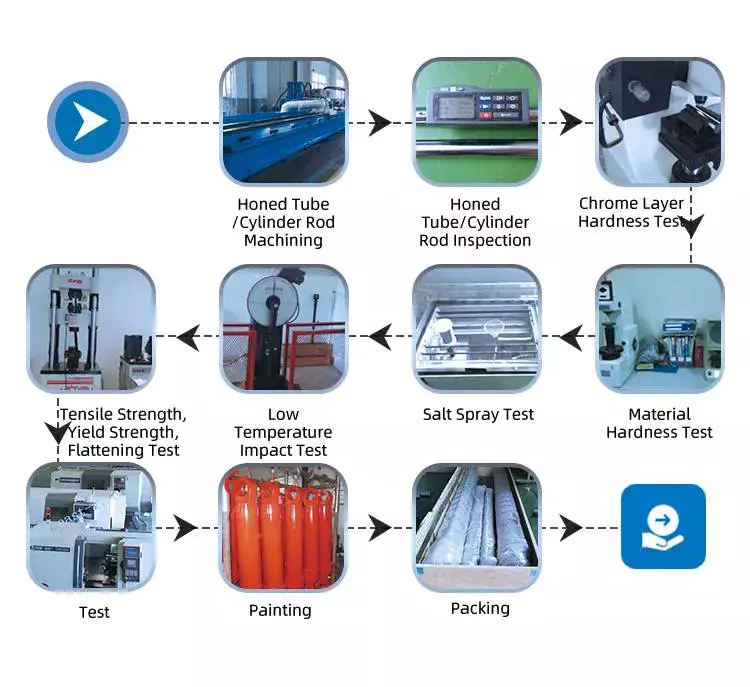
– Manufacturers implement robust quality control processes throughout the production of hydraulic cylinders. This includes rigorous inspections and tests at various stages of manufacturing, from raw material inspection to final assembly. Quality control personnel perform dimensional checks, surface finish inspections, and functional tests to verify that the cylinders meet the specified tolerances, performance criteria, and compatibility requirements.
4. Testing and Validation:
– Hydraulic cylinders undergo testing and validation procedures to ensure their performance, reliability, and compatibility. Manufacturers conduct various tests, such as pressure testing, leakage testing, load testing, and endurance testing. These tests simulate real-world operating conditions and verify that the cylinders can withstand the expected loads, pressures, and environmental factors. Additionally, manufacturers may perform compatibility testing to ensure that the cylinders can integrate seamlessly with other hydraulic system components.
5. Compliance with Standards:
– Manufacturers adhere to industry standards and regulations to ensure the quality and compatibility of hydraulic cylinders. They follow standards such as ISO 9001 for quality management systems and ISO 6020/2 or ISO 6022 for hydraulic cylinders. Compliance with these standards ensures that the manufacturing processes, quality control measures, and product performance meet internationally recognized benchmarks.
6. Certification and Accreditation:
– Manufacturers may obtain certifications and accreditations from recognized organizations to demonstrate their commitment to quality and compatibility. Certifications such as ISO certifications or third-party certifications provide assurance to customers that the hydraulic cylinders have undergone rigorous evaluations and meet specific quality and compatibility standards.
7. Customer Collaboration:
– Manufacturers actively engage with customers to understand their specific requirements and ensure compatibility. They work closely with customers to gather application-specific details, such as operating conditions, load requirements, and environmental factors. This collaborative approach allows manufacturers to customize hydraulic cylinders and provide solutions that are perfectly matched to the customer’s needs, ensuring compatibility and optimal performance.
8. Continuous Improvement:
– Manufacturers are committed to continuous improvement in their processes and products. They invest in research and development to incorporate the latest technologies, materials, and manufacturing techniques. By staying updated with industry advancements, manufacturers can enhance the quality, performance, and compatibility of their hydraulic cylinders over time.
By implementing effective design and engineering practices, selecting high-quality materials, conducting rigorous quality control, testing and validation procedures, complying with industry standards, obtaining certifications, collaborating with customers, and embracing continuous improvement, manufacturers ensure the quality and compatibility of hydraulic cylinders. These measures help to deliver reliable, high-performance cylinders that meet the diverse needs of industries and applications.

editor by CX 2023-11-06
 Romanian
  English
  Italian
  Portuguese
  Dutch
Dutch  Swedish
  Danish
  Finnish
  Polish
  Hindi
Hindi  Kazakh
  Turkish
  Ukrainian
  Spanish
  German
  Russian
  Korean
  Japanese
  Vietnamese
  Thai
Thai  Indonesian
  Malay
Malay  French
  Greek
Greek