
Descriere produs
Specifications:
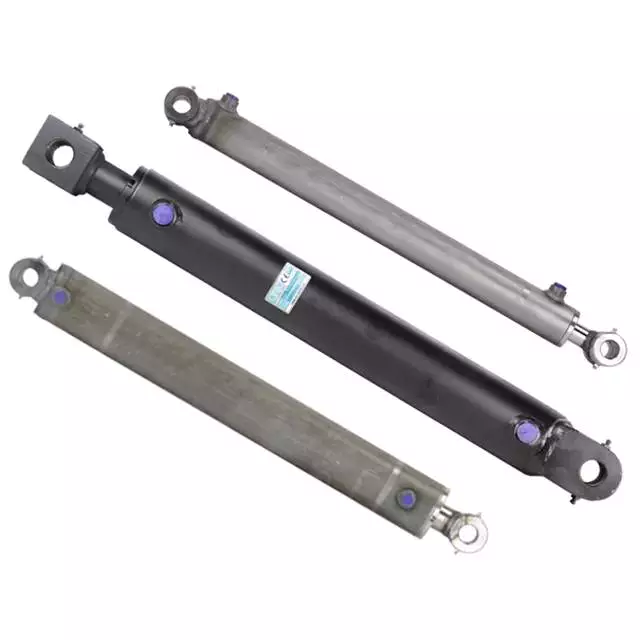
| Product Name | HSG Series Hydraulic Cylinder |
| Work Press | 7/14/16/21/31.5MPa 37.5/63MPa Can be Customized |
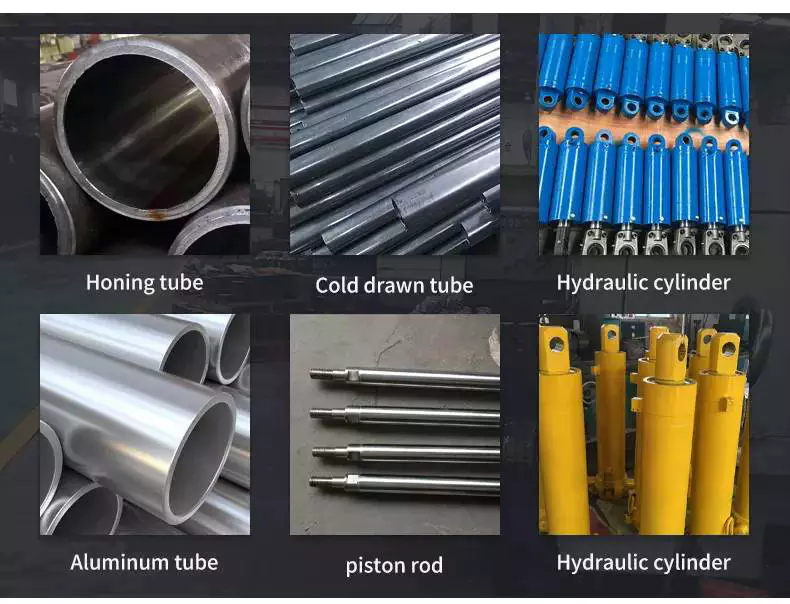
| Material | Aluminum, Cast Iron,45mnb Steel, Stainless Steel |
| Bore Size | 40mm–320mm, Customizable |
| Shaft Diameter | 20mm–220mm, Customizable |
| Stroke Length | 30mm–14100mm, Customizable |
| Rod Surface Hardness | HRC48-54 |
| Operating Temperature | -40°C to +120 °C |
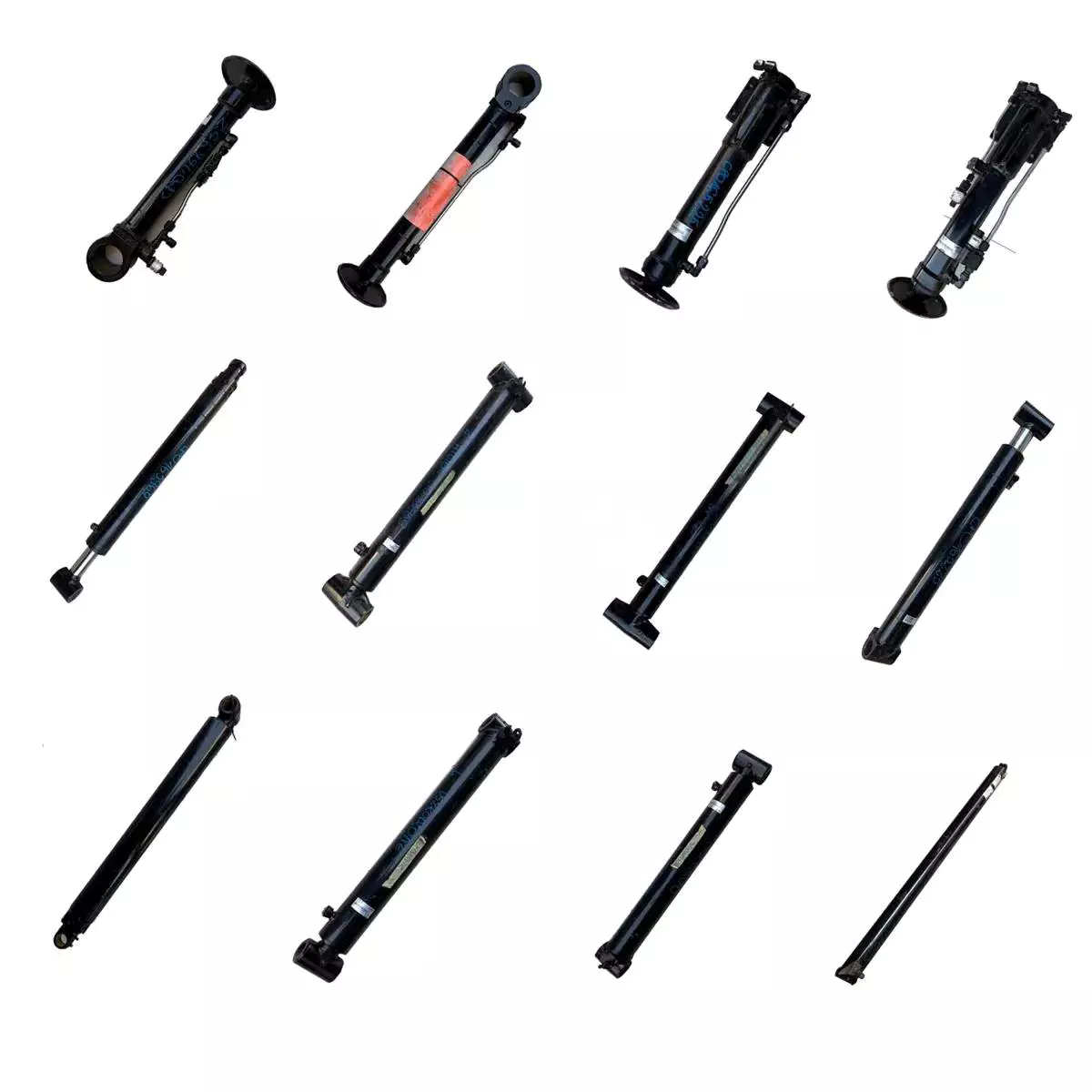
| Paint Color | Black, Yellow, Blue, Brown, Customizable |
| Serviciu | OEM&ODM |
| Warranty | 1 Year |
| MOQ | 1 Piece |
| Delivery Time | 7-15 Days, Also depending on specific demands |
| Certificare | ISO9001,CE |
| Capacity | 50,000Pcs per year |
Afișaj produs:
Mounting:
Working Flow: About Us
Tongte designs and manufactures durable, heavy-duty hydraulic products and accessories and offers lifecycle services to them. We constantly develop our machine base and operations to meet customer-specific needs and remain leaders in the industry. Beyond all else, we want to be the trusted, groundbreaking partner our customers truly need.
In addition to the customized cylinders, CHINAMFG offers hydraulic power units, Electric-Hydraulic linear actuators, piston accumulators, system configurations, and versatile services such as repair and manufacturing services. The modern production facilities are located in HangZhou, ZheJiang (China) where production started in 2001. The core values of Tongke guiding its business strongly are commitment, sustainability, interaction, and customer-first.
We possess over 20 years of experience in the industry and extensive global market experience, our customers are located all over the world, and we truly commit to the customers’ needs – these are the success factors of our family-owned company. Our vision is to grow and expand the business further into global markets.
FAQ:
Q1: What does your company do?
A: we are a supplier of high-quality hydraulic products including Hydraulic Cylinders, Hydraulic Power packs, Hydraulic Linear, and other Hydraulic components.
Q2:Are you a manufacturer or trading company?
A: We are a manufacturer.
Q3:Are you able to make Non-standard or customized products?
A: Yes, we can.
Q3: How long is your delivery time?
A: Normally, the delivery time is 7 days if we have stock, and 15-30 working days if we don’t. but it
also depends on the product
requirements and quantity.
Q4: Do you provide samples? are the samples free or not?
A: Yes, we can provide samples, but they are not free of charge.
Q5: What are your payment terms?
A: 30% deposit T/T or Irrevocable L/C at sight, If you have any questions, please feel free to
contact us.
Q6: What is your warranty policy?
A: All our products are warranted for 1 full year from the date of delivery against defects in materials and workmanship. Each individual product will be strictly inspected on our factory QC Process
System before shipment. We also have a Customer Service team to respond to customers’ questions within 12 hours.
| Certificare: | ISO9001 |
|---|---|
| Presiune: | High Pressure |
| Temperatura de lucru: | Normal Temperature |
| Personalizare: | Disponibil |
|
|---|
.shipping-cost-tm .tm-status-off{background: none;padding:0;color: #1470cc}
| Shipping Cost: Estimated freight per unit. | about shipping cost and estimated delivery time. |
|---|
| Payment Method: |
|
|---|---|
| Initial Payment Full Payment |
| Currency: | US$ |
|---|
| Return&refunds: | You can apply for a refund up to 30 days after receipt of the products. |
|---|
How do hydraulic cylinders contribute to the overall cost-effectiveness of industrial processes?
Hydraulic cylinders play a crucial role in enhancing the overall cost-effectiveness of industrial processes. They offer several advantages and contribute to increased productivity, improved efficiency, reduced maintenance costs, and enhanced operational performance. Here’s a detailed explanation of how hydraulic cylinders contribute to the cost-effectiveness of industrial processes:
1. High Power Density:
– Hydraulic cylinders provide a high power-to-weight ratio, allowing them to generate substantial force in a compact design. This power density enables the use of smaller and lighter equipment, reducing material and manufacturing costs, and increasing the efficiency of industrial processes.
2. Precise Force and Position Control:
– Hydraulic cylinders offer precise force and position control, allowing for accurate movement and positioning of machinery or workpieces. This level of control enhances process efficiency, reduces material waste, and improves overall product quality. Precise force control also minimizes the risk of equipment damage, further reducing maintenance and repair costs.
3. High Load Handling Capacity:
– Hydraulic cylinders are known for their ability to handle high loads. They can exert significant force, making them suitable for heavy-duty industrial applications. By efficiently handling heavy loads, hydraulic cylinders contribute to increased productivity and throughput, reducing the need for additional equipment and streamlining industrial processes.
4. Flexibility and Versatility:
– Hydraulic cylinders offer a high degree of flexibility and versatility in industrial processes. They can be easily integrated into various types of machinery and equipment, allowing for diverse applications. This adaptability reduces the need for specialized equipment, resulting in cost savings and increased operational efficiency.
5. Energy Efficiency:
– Hydraulic systems, including hydraulic cylinders, can be designed to operate with high energy efficiency. By utilizing efficient hydraulic circuit designs, advanced control systems, and energy recovery mechanisms, hydraulic cylinders minimize energy waste and reduce operational costs. Energy-efficient hydraulic systems also contribute to a more sustainable and environmentally friendly industrial operation.
6. Durability and Longevity:
– Hydraulic cylinders are built to withstand demanding industrial environments and heavy usage. They are constructed with robust materials and undergo stringent quality control measures to ensure durability and longevity. Their ability to withstand harsh conditions and repetitive motion reduces the need for frequent replacements, minimizing downtime and maintenance costs.
7. Reduced Maintenance Requirements:
– Hydraulic cylinders require relatively low maintenance compared to other types of actuators. Properly designed hydraulic systems with efficient filtration and contamination control mechanisms can prevent damage to the cylinders and extend their service life. Reduced maintenance requirements result in lower downtime, decreased labor costs, and improved cost-effectiveness of industrial processes.
8. System Integration and Automation:
– Hydraulic cylinders can be seamlessly integrated into automated industrial processes. By incorporating hydraulic cylinders into automated systems, tasks can be performed with precision and repeatability, reducing human error and optimizing efficiency. Automation also allows for continuous operation, increasing productivity and overall cost-effectiveness.
9. Cost-Effective Replacement:
– In situations where hydraulic cylinders require replacement or repair, the cost-effectiveness of the process is still maintained. Hydraulic cylinders are typically modular in design, allowing for easy replacement of individual components or complete units. This modularity reduces downtime and associated costs, as only the affected components need to be replaced, rather than the entire system.
In summary, hydraulic cylinders contribute to the overall cost-effectiveness of industrial processes through their high power density, precise control capabilities, high load handling capacity, flexibility, energy efficiency, durability, reduced maintenance requirements, system integration, and cost-effective replacement options. Their ability to enhance productivity, efficiency, and operational performance while minimizing maintenance and downtime costs makes hydraulic cylinders a valuable component in various industrial applications.
Ensuring Controlled and Safe Force Application in Heavy Machinery with Hydraulic Cylinders
Hydraulic cylinders play a critical role in heavy machinery by ensuring controlled and safe force application. The ability to exert and control high forces is essential for heavy machinery operations, such as lifting, pressing, pushing, or pulling heavy loads. Let’s explore how hydraulic cylinders ensure controlled and safe force application in heavy machinery:
- Force Control: Hydraulic cylinders provide precise force control capabilities. The hydraulic system’s pressure can be adjusted to regulate the force exerted by the cylinder. This control allows operators to apply the necessary force for a specific task while ensuring it remains within safe limits. By accurately controlling the force, hydraulic cylinders help prevent excessive force that could damage the machinery or compromise the safety of the operation.
- Load Balancing: In heavy machinery, multiple hydraulic cylinders are often used in conjunction to distribute and balance the applied force. By using multiple cylinders, the load can be evenly distributed across the machinery, minimizing stress concentrations and ensuring controlled force application. This load balancing approach enhances the stability and safety of the machinery, preventing uneven loading that could lead to structural issues or instability.
- Safety Valves: Hydraulic systems in heavy machinery are equipped with safety valves to protect against excessive force or overloading. Safety valves are designed to release hydraulic fluid from the cylinder when the force exceeds a predetermined threshold. This prevents the force from reaching dangerous levels, safeguarding the machinery and preventing potential accidents or damage. Safety valves provide an additional layer of safety and ensure controlled force application even in unexpected circumstances.
- Pressure Relief Systems: Hydraulic cylinders incorporate pressure relief systems to further enhance safety. These systems are designed to relieve excess pressure in the hydraulic system, which could occur due to factors such as thermal expansion or system malfunctions. By relieving excess pressure, the pressure relief systems prevent sudden and uncontrolled force surges, maintaining safe and controlled force application in heavy machinery.
- Structural Integrity: Hydraulic cylinders are designed to withstand the high forces and loads associated with heavy machinery applications. The cylinders are constructed using robust materials, such as high-strength steel, and undergo rigorous testing to ensure their structural integrity. This ensures that the cylinders can safely handle the forces applied during heavy machinery operations without experiencing failures or deformations that could compromise the safety and controlled force application.
In summary, hydraulic cylinders ensure controlled and safe force application in heavy machinery through force control, load balancing, safety valves, pressure relief systems, and robust structural design. These features and design considerations enable operators to exert the necessary force while maintaining safety and preventing excessive loads or force surges. By incorporating hydraulic cylinders into heavy machinery, manufacturers can achieve controlled force application, enhance operational safety, and protect the machinery from damage or failure.
Ce factori ar trebui luați în considerare la alegerea cilindrului hidraulic potrivit pentru o aplicație?
Atunci când se selectează cilindrul hidraulic potrivit pentru o aplicație, trebuie luați în considerare câțiva factori importanți. Acești factori ajută la asigurarea faptului că cilindrul hidraulic ales este potrivit pentru cerințele specifice ale aplicației și va funcționa fiabil. Iată factorii cheie de luat în considerare:
1. Cerințe privind sarcina:
– Unul dintre factorii cruciali de luat în considerare este sarcina necesară pentru aplicație. Determinați sarcina maximă pe care cilindrul hidraulic trebuie să o suporte. Luați în considerare atât sarcina statică (când cilindrul este staționar), cât și sarcina dinamică (când cilindrul este în mișcare). Sarcina necesară va avea impact asupra dimensiunii alezajului cilindrului, diametrului tijei și rezistenței generale. Alegeți un cilindru hidraulic cu o capacitate de încărcare care depășește sarcina maximă a aplicației pentru a asigura siguranța și longevitatea.
2. Lungimea cursei:
– Lungimea cursei se referă la distanța pe care cilindrul hidraulic trebuie să o extindă și să o retragă pentru a efectua mișcarea dorită. Măsurați lungimea cursei necesare în funcție de cerințele operaționale ale aplicației. Este esențial să alegeți un cilindru hidraulic cu o lungime a cursei care să corespundă sau să depășească distanța necesară. Luați în considerare orice variații sau ajustări potențiale ale lungimii cursei care ar putea fi necesare în viitor.
3. Presiune de funcționare:
– Luați în considerare presiunea de funcționare necesară pentru aplicație. Cilindrul hidraulic trebuie să fie capabil să reziste presiunii maxime din sistemul hidraulic. Asigurați-vă că cilindrul selectat are o presiune nominală care depășește presiunea maximă de funcționare a aplicației. Acest lucru asigură siguranța și previne defecțiunile premature.
4. Cerințe de viteză:
– Determinați viteza necesară de mișcare a cilindrului hidraulic pentru aplicație. Luați în considerare atât viteza de extensie, cât și cea de retragere. Selectați un cilindru care poate atinge viteza dorită, menținând în același timp un control precis și stabilitate. Este important să alegeți un cilindru care poate gestiona viteza necesară fără a compromite performanța sau siguranța.
5. Montare:
– Evaluați spațiul disponibil și cerințele de montare pentru cilindrul hidraulic. Luați în considerare tipul de montare (cum ar fi flanșă, picior, pivot sau articulație), punctele de montare disponibile și orice constrângeri specifice de montare. Asigurați-vă că cilindrul selectat poate fi montat ușor și sigur în locația dorită.
6. Factori de mediu:
– Evaluați condițiile de mediu în care va funcționa cilindrul hidraulic. Luați în considerare factori precum temperaturile extreme, umiditatea, expunerea la substanțe chimice, praf sau substanțe corozive. Alegeți un cilindru proiectat să reziste condițiilor de mediu specifice aplicației. Aceasta poate implica selectarea materialelor, acoperirilor sau etanșărilor adecvate pentru a asigura longevitatea și performanța cilindrului.
7. Configurația cilindrului:
– Determinați configurația adecvată a cilindrului în funcție de cerințele aplicației. Luați în considerare factori precum cilindrii cu acțiune simplă sau dublă, cilindrii telescopici pentru spațiu limitat sau configurații personalizate pentru aplicații unice. Evaluați nevoile specifice ale aplicației pentru a selecta cea mai potrivită configurație a cilindrului.
8. Întreținere și service:
– Luați în considerare cerințele de întreținere și service ale cilindrului hidraulic. Evaluați factori precum ușurința accesului pentru întreținere, disponibilitatea pieselor de schimb și reputația producătorului sau furnizorului în ceea ce privește asistența pentru clienți și serviciile post-vânzare. Alegerea unei mărci fiabile și cu reputație bună poate asigura asistență continuă și disponibilitatea pieselor de schimb atunci când este nevoie.
9. Conformitate și standarde:
– În funcție de industrie și aplicație, poate fi necesară respectarea anumitor standarde de conformitate. Luați în considerare orice reglementări specifice industriei, standarde de siguranță sau certificări pe care cilindrul hidraulic trebuie să le respecte. Asigurați-vă că cilindrul selectat îndeplinește standardele și certificările necesare pentru aplicație.
10. Cost și buget:
– În cele din urmă, luați în considerare costul și bugetul pentru cilindrul hidraulic. Deși este important să selectați un cilindru care să îndeplinească cerințele aplicației, este necesar să luați în considerare și raportul cost-eficiență general. Evaluați costul inițial de achiziție, costurile de întreținere pe termen lung și durata de viață așteptată a cilindrului. Echilibrarea costului și a calității va ajuta la selectarea unui cilindru hidraulic care oferă cea mai bună valoare pentru aplicație.
Prin luarea în considerare a acestor factori în procesul de selecție, devine posibilă alegerea cilindrului hidraulic potrivit care să îndeplinească cerințele specifice aplicației în ceea ce privește capacitatea de încărcare, lungimea cursei, presiunea de funcționare, viteza, montarea, condițiile de mediu, nevoile de întreținere, conformitatea și rentabilitatea. Selecția corectă asigură performanța optimă, fiabilitatea și longevitatea cilindrului hidraulic în aplicația dorită.


editor by CX 2023-11-06
 Romanian
  English
  Italian
  Portuguese
  Dutch
Dutch  Swedish
  Danish
  Finnish
  Polish
  Hindi
Hindi  Kazakh
  Turkish
  Ukrainian
  Spanish
  German
  Russian
  Korean
  Japanese
  Vietnamese
  Thai
Thai  Indonesian
  Malay
Malay  French
  Greek
Greek