
Descriere produs
| Model NO. | Tons(T) | Cylinder effective area(cm2) | Cylinder inside DIA(MM) | Cylinder Outside DIA(mm) | Travel(mm) | Weight(kg) | Collapsed height(mm) | pump |
| RC- 0571 | 5 | 9.62 | 35 | 54 | 50 | 2.5 | 95 | CP-180 |
| RC-1050 | 10 | 15.89 | 45 | 63 | 50 | 3 | 108 | CP-390 |
| RC-2050 | 20 | 33.16 | 65 | 88 | 50 | 5 | 108 | CP-390 |
| RC-3050 | 30 | 50.24 | 80 | 110 | 50 | 7 | 108 | CP-700 |
| RC-5050 | 50 | 78.5 | 100 | 128 | 50 | 10 | 113 | CP-700 |
| RC-10050 | 100 | 143.06 | 130 | 180 | 50 | 23 | 128 | CP-700A |
| RC-15050 | 150 | 201.06 | 160 | 230 | 50 | 30 | 155 | CP-700A |
| RC-20050 | 200 | 302.5 | 200 | 248 | 50 | 52 | 168 | CP-700A |
FAQ
1.Q: Where is your factory located? How can I visit there?
A:Our factory is located in YuHuan,HangZhou, ZHangZhoug Provice, China. All our clients, from home or abroad, are warmly welcome to visit us.
2.Q:What is your payment terms?
A:1)T/T 2)L/C
3.Q: What’s your price?
A:You can contact us to get latest price .Please feel free to call or e-mail us.
( Send your Inquiry Details in the Below, Click “Send” Now!)
4.Q:What is your shipping way ?
A:Express (DHL,Fedex,TNT),By air ,Or Sea. We will choose 1 shipping way to suit customers request .
5. Q: How does your factory do regarding quality control?
A:”Quality is priority. We always attach great improtance to quality controlling from the very
beginning to the very end. Our company has gained CE autherntication.
| Certificare: | CE |
|---|---|
| Presiune: | High Pressure |
| Temperatura de lucru: | Normal Temperature |
| Mod de acțiune: | Single Acting |
| Metodă de lucru: | Straight Trip |
| Formă ajustată: | Regulated Type |
| Personalizare: |
Disponibil
|
|
|---|
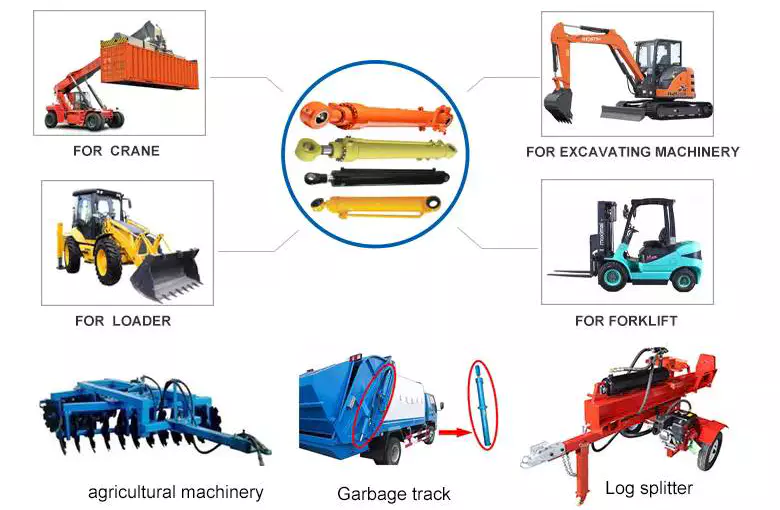
Există tendințe emergente în tehnologia cilindrilor hidraulici, cum ar fi funcțiile inteligente?
Da, există mai multe tendințe emergente în tehnologia cilindrilor hidraulici, inclusiv integrarea funcțiilor inteligente. Pe măsură ce industriile continuă să adopte tehnologii avansate și să caute o eficiență sporită, cilindrii hidraulici sunt echipați cu capacități inovatoare pentru a le îmbunătăți performanța și a oferi beneficii suplimentare. Iată câteva dintre tendințele emergente în tehnologia cilindrilor hidraulici:
1. Integrarea senzorilor:
– Una dintre tendințele semnificative în tehnologia cilindrilor hidraulici este integrarea senzorilor. Senzorii pot fi încorporați în cilindrul hidraulic pentru a monitoriza diverși parametri, cum ar fi presiunea, temperatura, poziția și sarcina. Acești senzori furnizează date în timp real, permițând monitorizarea stării, întreținerea predictivă și un control operațional îmbunătățit. Prin colectarea și analizarea datelor, operatorii pot optimiza performanța sistemelor hidraulice, pot detecta în avans potențialele probleme și pot preveni defecțiunile, rezultând o fiabilitate sporită și o reducere a timpilor de nefuncționare.
2. Conectivitate și IoT:
– Cilindrii hidraulici sunt integrați în ecosistemul Internet of Things (IoT), permițând conectivitatea și schimbul de date. Prin conectarea cilindrilor hidraulici la o rețea, operatorii pot monitoriza și controla de la distanță performanța acestora. Cilindrii hidraulici compatibili cu IoT facilitează funcții precum diagnosticarea la distanță, optimizarea performanței și întreținerea predictivă. Aspectul de conectivitate permite o mai bună integrare cu sistemele generale ale echipamentelor și facilitează luarea deciziilor bazate pe date pentru o eficiență și o productivitate îmbunătățite.
3. Proiecte eficiente din punct de vedere energetic:
– Odată cu concentrarea tot mai mare pe sustenabilitate și eficiență energetică, tehnologia cilindrilor hidraulici evoluează pentru a încorpora caracteristici de economisire a energiei. Producătorii dezvoltă cilindri hidraulici cu tehnologii de etanșare îmbunătățite, frecare redusă și dinamică optimizată a fluxului de fluide. Aceste progrese minimizează pierderile de energie și cresc eficiența generală a sistemului. Cilindrii hidraulici eficienți din punct de vedere energetic contribuie la reducerea consumului de energie, la costuri de operare mai mici și la o amprentă ecologică mai mică.
4. Materiale și acoperiri avansate:
– Utilizarea materialelor și acoperirilor avansate este o altă tendință emergentă în tehnologia cilindrilor hidraulici. Producătorii explorează materiale ușoare, cum ar fi compozitele și aliajele, pentru a reduce greutatea totală a cilindrilor hidraulici fără a compromite rezistența și durabilitatea. În plus, se aplică acoperiri și tratamente de suprafață specializate pentru a îmbunătăți rezistența la coroziune, rezistența la uzură și durata de viață. Aceste progrese sporesc longevitatea și fiabilitatea cilindrilor hidraulici, în special în medii solicitante.
5. Sisteme inteligente de control:
– Tehnologia cilindrilor hidraulici adoptă sisteme inteligente de control care optimizează performanța și permit funcționalități avansate. Aceste sisteme utilizează algoritmi, învățare automată și inteligență artificială pentru a automatiza procesele, a se adapta la condițiile în schimbare și a optimiza mișcările cilindrilor hidraulici. Sistemele inteligente de control pot ajusta parametrii în timp real, asigurând o funcționare precisă și eficientă. Această tendință permite o automatizare sporită, o productivitate îmbunătățită și o siguranță sporită în aplicațiile sistemelor hidraulice.
6. Întreținere predictivă:
– Întreținerea predictivă câștigă din ce în ce mai multă importanță în tehnologia cilindrilor hidraulici. Prin utilizarea datelor colectate de la senzori și sisteme de monitorizare, algoritmii de întreținere predictivă pot analiza starea și performanța cilindrilor hidraulici. Această analiză ajută la identificarea în avans a potențialelor defecțiuni sau degradări, permițând acțiuni de întreținere proactive. Întreținerea predictivă reduce timpii de nefuncționare neplanificați, prelungește durata de viață a cilindrilor hidraulici și optimizează programele de întreținere, rezultând economii de costuri și o disponibilitate îmbunătățită a echipamentelor.
7. Caracteristici de siguranță îmbunătățite:
– Tehnologia cilindrilor hidraulici încorporează caracteristici de siguranță îmbunătățite pentru a îmbunătăți siguranța operatorului și a echipamentelor. Aceste caracteristici includ supape de siguranță integrate, sisteme de monitorizare a sarcinii și funcționalități de oprire de urgență. Sistemele de siguranță din cilindrii hidraulici ajută la prevenirea accidentelor, la protejarea împotriva supraîncărcărilor și la asigurarea unei funcționări fiabile. Integrarea caracteristicilor avansate de siguranță contribuie la medii de lucru mai sigure și la respectarea reglementărilor stricte de siguranță.
Aceste tendințe emergente în tehnologia cilindrilor hidraulici demonstrează concentrarea industriei pe inovație, optimizarea performanței și sustenabilitate. Integrarea funcțiilor inteligente, a conectivității, a materialelor avansate și a capacităților de întreținere predictivă permite cilindrilor hidraulici să funcționeze mai eficient, să ofere informații în timp real și să îmbunătățească performanța generală a sistemului. Pe măsură ce tehnologia continuă să avanseze, se așteaptă ca tehnologia cilindrilor hidraulici să evolueze în continuare, oferind funcționalitate și eficiență sporite pentru diverse industrii și aplicații.
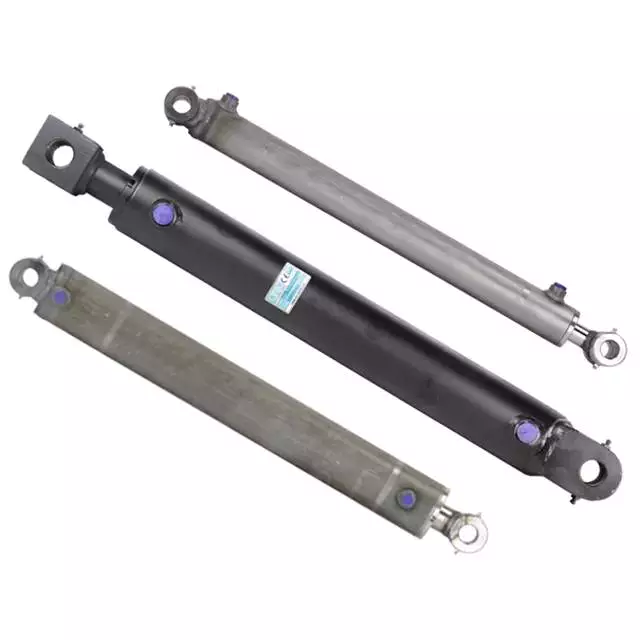
What considerations are important when selecting hydraulic cylinders for mobile equipment?
To select hydraulic cylinders for mobile equipment, several important considerations need to be taken into account. Here are the key factors to consider:
- Load Capacity: Determine the maximum load or force that the hydraulic cylinder will need to support. This includes both the static load and any dynamic or shock loads that may be encountered during operation.
- Stroke Length: Consider the required stroke length, which is the distance the hydraulic cylinder can extend and retract. Ensure that the stroke length is sufficient for the specific application and range of motion needed.
- Operating Pressure: Determine the maximum operating pressure required for the hydraulic system. This will depend on the load and the specific application. Select a hydraulic cylinder with a pressure rating that exceeds the maximum operating pressure to ensure safety and durability.
- Mounting Style: Consider the available space and the mounting requirements of the mobile equipment. Hydraulic cylinders come in various mounting styles, such as flange, trunnion, clevis, and pivot, among others. Choose a mounting style that is compatible with the equipment and provides the necessary support and stability.
- Size and Weight: Take into account the physical dimensions and weight of the hydraulic cylinder. Ensure that it can fit within the available space and that the equipment can support its weight without compromising performance or safety.
- Speed and Precision: Evaluate the required speed and precision of the hydraulic cylinder’s movement. Different cylinder designs and configurations can affect the speed and accuracy of motion. Consider factors such as cylinder bore size, rod diameter, and the presence of cushioning or dampening features.
- Environmental Factors: Assess the operating environment of the mobile equipment. Consider factors such as temperature extremes, exposure to moisture, dust, and chemicals. Select hydraulic cylinders with appropriate seals and coatings that can withstand the environmental conditions and prevent corrosion or damage.
- Reliability and Maintenance: Consider the reliability and maintenance requirements of the hydraulic cylinders. Look for reputable manufacturers that provide high-quality products with a proven track record. Evaluate factors such as expected service life, availability of spare parts, and ease of maintenance.
- Cost: Finally, consider the cost of the hydraulic cylinders, including the initial purchase price, installation costs, and long-term maintenance expenses. While it is essential to find a cost-effective solution, prioritize quality and performance to ensure safe and efficient operation.
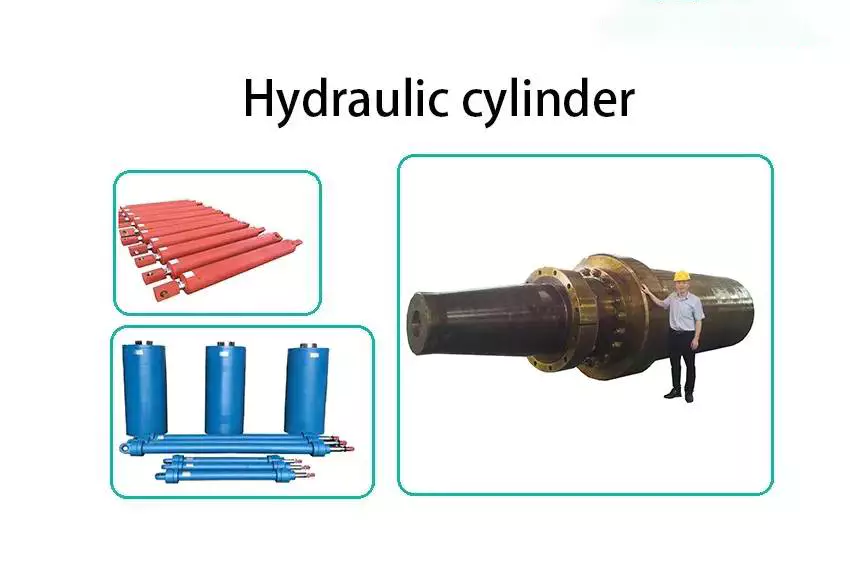
Can you explain the role and significance of hydraulic cylinders in machinery?
Hydraulic cylinders play a crucial role in machinery across various industries. They are essential components that provide controlled and powerful linear motion, enabling the operation of heavy equipment and facilitating numerous tasks. The role and significance of hydraulic cylinders in machinery can be explained in detail as follows:
Role of Hydraulic Cylinders:
– Conversion of Hydraulic Energy: Hydraulic cylinders convert hydraulic energy, typically in the form of pressurized hydraulic fluid, into linear force and motion. This conversion allows machinery to perform tasks such as lifting, pushing, pulling, clamping, tilting, and controlling various mechanisms.
– Generation of Linear Motion: Hydraulic cylinders generate linear motion by utilizing the principles of Pascal’s law. When hydraulic fluid is directed into one side of the cylinder, it applies pressure on the piston, resulting in linear movement of the piston and the attached piston rod. This linear motion can be used to actuate other components within the machinery or directly perform the required task.
– Force Generation: Hydraulic cylinders are capable of generating high forces due to the hydraulic pressure applied to the piston. The force output of a hydraulic cylinder depends on the surface area of the piston and the pressure of the hydraulic fluid. This force allows machinery to exert significant power for lifting heavy loads, applying pressure, or overcoming resistance.
– Precise Control: Hydraulic cylinders offer precise control over the linear motion and force exerted. By regulating the flow of hydraulic fluid, the speed and direction of the cylinder’s movement can be accurately adjusted. This level of control is crucial in machinery that requires precise positioning, delicate movements, or synchronization of multiple cylinders.
– Integration with Hydraulic Systems: Hydraulic cylinders are integral parts of hydraulic systems used in machinery. They work in conjunction with hydraulic pumps, valves, and actuators to create a complete hydraulic circuit. This integration allows for efficient power transmission, control, and coordination of various machine functions.
Significance of Hydraulic Cylinders:
– Heavy Equipment Operation: Hydraulic cylinders are vital in heavy machinery used in construction, mining, agriculture, material handling, and other industries. They enable the lifting and movement of heavy loads, the operation of attachments, and the performance of tasks that require high force and precision.
– Versatility and Adaptability: Hydraulic cylinders are versatile components that can be designed and tailored to meet specific machinery requirements. They can be integrated into various types of equipment and customized based on factors such as force capacity, stroke length, speed, and mounting options. This adaptability makes hydraulic cylinders suitable for diverse applications.
– Durability and Reliability: Hydraulic cylinders are built to withstand rigorous operating conditions, including high pressures, heavy loads, and continuous use. They are designed with robust materials, precise machining, and effective sealing systems to ensure durability and reliability over extended periods of operation.
– Safety and Load Control: Hydraulic cylinders provide safe and controlled operation in machinery. They offer overload protection mechanisms, such as relief valves, to prevent damage caused by excessive force or pressure. Additionally, hydraulic cylinders allow for precise load control, minimizing the risk of accidents during lifting, lowering, or positioning of heavy loads.
– Compact Design: Hydraulic cylinders offer a high power-to-size ratio, allowing for compact machinery design. Their relatively small size compared to the forces they can generate makes them suitable for applications where space is limited or weight restrictions apply.
– Energy Efficiency: Hydraulic cylinders contribute to energy efficiency in machinery. The use of hydraulic systems allows for the transfer of power over long distances without significant power losses. Additionally, hydraulic cylinders can incorporate energy-saving features such as load-sensing technology and regenerative circuits, reducing energy consumption.
Overall, hydraulic cylinders play a vital role in machinery by providing controlled and powerful linear motion. Their significance lies in their ability to convert hydraulic energy, generate high forces, offer precise control, integrate with hydraulic systems, and facilitate the operation of heavy equipment across various industries. Hydraulic cylinders contribute to increased productivity, safety, and efficiency in machinery applications, making them indispensable components in modern-day engineering.


editor by CX 2023-10-12
 Romanian
  English
  Italian
  Portuguese
  Dutch
Dutch  Swedish
  Danish
  Finnish
  Polish
  Hindi
Hindi  Kazakh
  Turkish
  Ukrainian
  Spanish
  German
  Russian
  Korean
  Japanese
  Vietnamese
  Thai
Thai  Indonesian
  Malay
Malay  French
  Greek
Greek