
Descriere produs
Underground steel structure hydraulic parking lift
1. PRODUCT DESCRIPTION
* Lift capacity: customizable
* Programmable microprocessor control system
* Lifting height: 2500~5000mm
* Cab size: Normal 5800*2600 (customizable)
* More safety features in below
4. ABOUT US
Racermax Machinery Co., Ltd. is an authorized manufacturer with more than 15 years of history, located in ZheJiang , China. Annual turnover $5,000,000.
Main products- hydraulic lift, home elevator and aerial working platform, such as Scissor Lift, Aluminum-alloy mast lift, Four-post Car. With CE and ISO certificate.
Lift, Wheelchair Lift, Vertical cargo Lift, Articulated boom lift, Hydraulic dock leveler and other customized products.
Our sales, engineers and technicians are prepared to offer reliable service, products, and solutions for your lifting system.
5. FAQ
Q1: Lead time?
R: 15 working days. 20 for the busy season
Q2: What kind of payments do you support?
R: T/T, L/C, Western Union, Paypal, other terms can be discussed.
Q3: What is the MOQ?
R: Generally 1 set.
Q4: Can you produce according to customer’s requirements?
R: Yes, of course, we are a professional manufacturer, With the lifting height, load capacity and platform size, or installation environment, we could make the design accordingly.
Q5: Any after-sale service?
R: Sure, Technical support by instructions, videos, and video call * One-year warranty, free spare parts
| Application: | Workshop Crane, Warehouse Crane, Building Crane |
|---|---|
| Lift Mechanism: | Scissor Lift |
| Carrying Capacity: | Special Weight Level |
| Moves: | Stationary |
| Driven Type: | Hydraulic |
| Running Mode: | Stationary |
| Personalizare: | Disponibil |
|
|---|
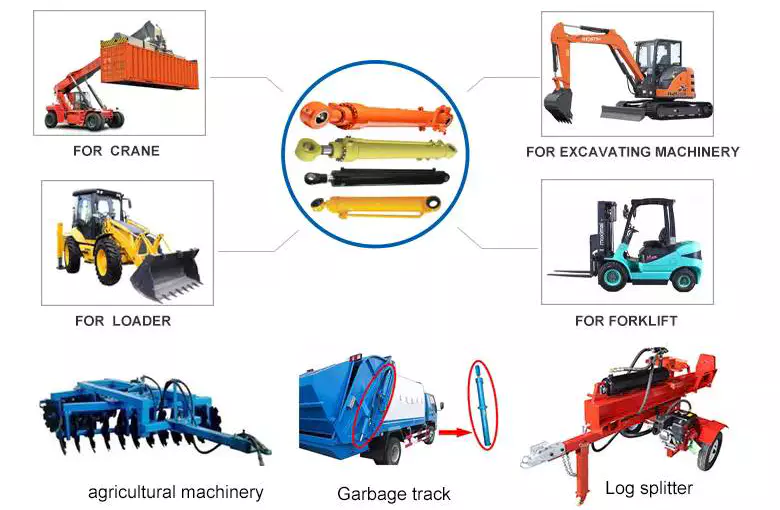
Există tendințe emergente în tehnologia cilindrilor hidraulici, cum ar fi funcțiile inteligente?
Da, există mai multe tendințe emergente în tehnologia cilindrilor hidraulici, inclusiv integrarea funcțiilor inteligente. Pe măsură ce industriile continuă să adopte tehnologii avansate și să caute o eficiență sporită, cilindrii hidraulici sunt echipați cu capacități inovatoare pentru a le îmbunătăți performanța și a oferi beneficii suplimentare. Iată câteva dintre tendințele emergente în tehnologia cilindrilor hidraulici:
1. Integrarea senzorilor:
– Una dintre tendințele semnificative în tehnologia cilindrilor hidraulici este integrarea senzorilor. Senzorii pot fi încorporați în cilindrul hidraulic pentru a monitoriza diverși parametri, cum ar fi presiunea, temperatura, poziția și sarcina. Acești senzori furnizează date în timp real, permițând monitorizarea stării, întreținerea predictivă și un control operațional îmbunătățit. Prin colectarea și analizarea datelor, operatorii pot optimiza performanța sistemelor hidraulice, pot detecta în avans potențialele probleme și pot preveni defecțiunile, rezultând o fiabilitate sporită și o reducere a timpilor de nefuncționare.
2. Conectivitate și IoT:
– Cilindrii hidraulici sunt integrați în ecosistemul Internet of Things (IoT), permițând conectivitatea și schimbul de date. Prin conectarea cilindrilor hidraulici la o rețea, operatorii pot monitoriza și controla de la distanță performanța acestora. Cilindrii hidraulici compatibili cu IoT facilitează funcții precum diagnosticarea la distanță, optimizarea performanței și întreținerea predictivă. Aspectul de conectivitate permite o mai bună integrare cu sistemele generale ale echipamentelor și facilitează luarea deciziilor bazate pe date pentru o eficiență și o productivitate îmbunătățite.
3. Proiecte eficiente din punct de vedere energetic:
– Odată cu concentrarea tot mai mare pe sustenabilitate și eficiență energetică, tehnologia cilindrilor hidraulici evoluează pentru a încorpora caracteristici de economisire a energiei. Producătorii dezvoltă cilindri hidraulici cu tehnologii de etanșare îmbunătățite, frecare redusă și dinamică optimizată a fluxului de fluide. Aceste progrese minimizează pierderile de energie și cresc eficiența generală a sistemului. Cilindrii hidraulici eficienți din punct de vedere energetic contribuie la reducerea consumului de energie, la costuri de operare mai mici și la o amprentă ecologică mai mică.
4. Materiale și acoperiri avansate:
– Utilizarea materialelor și acoperirilor avansate este o altă tendință emergentă în tehnologia cilindrilor hidraulici. Producătorii explorează materiale ușoare, cum ar fi compozitele și aliajele, pentru a reduce greutatea totală a cilindrilor hidraulici fără a compromite rezistența și durabilitatea. În plus, se aplică acoperiri și tratamente de suprafață specializate pentru a îmbunătăți rezistența la coroziune, rezistența la uzură și durata de viață. Aceste progrese sporesc longevitatea și fiabilitatea cilindrilor hidraulici, în special în medii solicitante.
5. Sisteme inteligente de control:
– Tehnologia cilindrilor hidraulici adoptă sisteme inteligente de control care optimizează performanța și permit funcționalități avansate. Aceste sisteme utilizează algoritmi, învățare automată și inteligență artificială pentru a automatiza procesele, a se adapta la condițiile în schimbare și a optimiza mișcările cilindrilor hidraulici. Sistemele inteligente de control pot ajusta parametrii în timp real, asigurând o funcționare precisă și eficientă. Această tendință permite o automatizare sporită, o productivitate îmbunătățită și o siguranță sporită în aplicațiile sistemelor hidraulice.
6. Întreținere predictivă:
– Întreținerea predictivă câștigă din ce în ce mai multă importanță în tehnologia cilindrilor hidraulici. Prin utilizarea datelor colectate de la senzori și sisteme de monitorizare, algoritmii de întreținere predictivă pot analiza starea și performanța cilindrilor hidraulici. Această analiză ajută la identificarea în avans a potențialelor defecțiuni sau degradări, permițând acțiuni de întreținere proactive. Întreținerea predictivă reduce timpii de nefuncționare neplanificați, prelungește durata de viață a cilindrilor hidraulici și optimizează programele de întreținere, rezultând economii de costuri și o disponibilitate îmbunătățită a echipamentelor.
7. Caracteristici de siguranță îmbunătățite:
– Tehnologia cilindrilor hidraulici încorporează caracteristici de siguranță îmbunătățite pentru a îmbunătăți siguranța operatorului și a echipamentelor. Aceste caracteristici includ supape de siguranță integrate, sisteme de monitorizare a sarcinii și funcționalități de oprire de urgență. Sistemele de siguranță din cilindrii hidraulici ajută la prevenirea accidentelor, la protejarea împotriva supraîncărcărilor și la asigurarea unei funcționări fiabile. Integrarea caracteristicilor avansate de siguranță contribuie la medii de lucru mai sigure și la respectarea reglementărilor stricte de siguranță.
Aceste tendințe emergente în tehnologia cilindrilor hidraulici demonstrează concentrarea industriei pe inovație, optimizarea performanței și sustenabilitate. Integrarea funcțiilor inteligente, a conectivității, a materialelor avansate și a capacităților de întreținere predictivă permite cilindrilor hidraulici să funcționeze mai eficient, să ofere informații în timp real și să îmbunătățească performanța generală a sistemului. Pe măsură ce tehnologia continuă să avanseze, se așteaptă ca tehnologia cilindrilor hidraulici să evolueze în continuare, oferind funcționalitate și eficiență sporite pentru diverse industrii și aplicații.
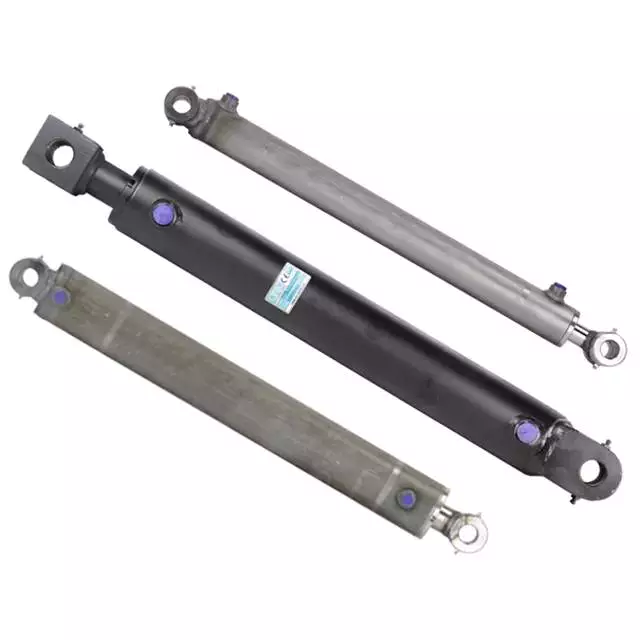
What considerations are important when selecting hydraulic cylinders for mobile equipment?
To select hydraulic cylinders for mobile equipment, several important considerations need to be taken into account. Here are the key factors to consider:
- Load Capacity: Determine the maximum load or force that the hydraulic cylinder will need to support. This includes both the static load and any dynamic or shock loads that may be encountered during operation.
- Stroke Length: Consider the required stroke length, which is the distance the hydraulic cylinder can extend and retract. Ensure that the stroke length is sufficient for the specific application and range of motion needed.
- Operating Pressure: Determine the maximum operating pressure required for the hydraulic system. This will depend on the load and the specific application. Select a hydraulic cylinder with a pressure rating that exceeds the maximum operating pressure to ensure safety and durability.
- Mounting Style: Consider the available space and the mounting requirements of the mobile equipment. Hydraulic cylinders come in various mounting styles, such as flange, trunnion, clevis, and pivot, among others. Choose a mounting style that is compatible with the equipment and provides the necessary support and stability.
- Size and Weight: Take into account the physical dimensions and weight of the hydraulic cylinder. Ensure that it can fit within the available space and that the equipment can support its weight without compromising performance or safety.
- Speed and Precision: Evaluate the required speed and precision of the hydraulic cylinder’s movement. Different cylinder designs and configurations can affect the speed and accuracy of motion. Consider factors such as cylinder bore size, rod diameter, and the presence of cushioning or dampening features.
- Environmental Factors: Assess the operating environment of the mobile equipment. Consider factors such as temperature extremes, exposure to moisture, dust, and chemicals. Select hydraulic cylinders with appropriate seals and coatings that can withstand the environmental conditions and prevent corrosion or damage.
- Reliability and Maintenance: Consider the reliability and maintenance requirements of the hydraulic cylinders. Look for reputable manufacturers that provide high-quality products with a proven track record. Evaluate factors such as expected service life, availability of spare parts, and ease of maintenance.
- Cost: Finally, consider the cost of the hydraulic cylinders, including the initial purchase price, installation costs, and long-term maintenance expenses. While it is essential to find a cost-effective solution, prioritize quality and performance to ensure safe and efficient operation.
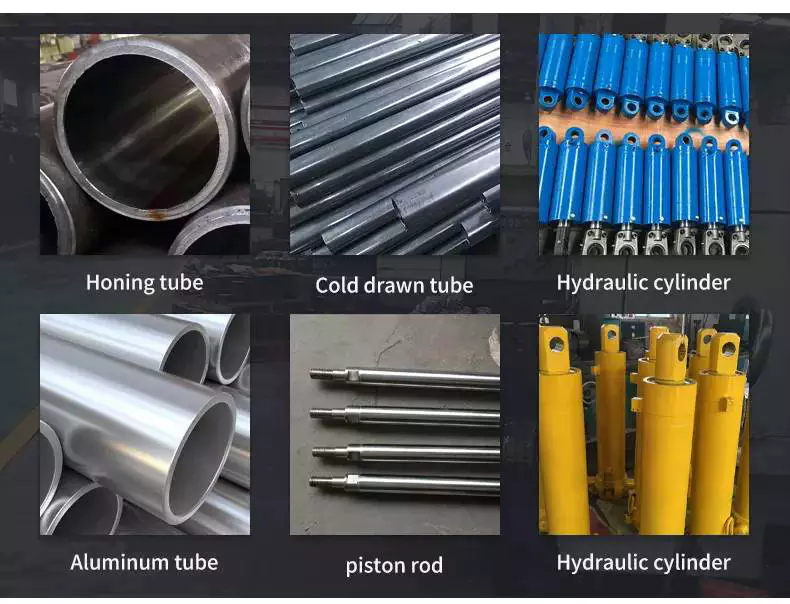
How do hydraulic cylinders contribute to the efficiency of heavy machinery like excavators?
Hydraulic cylinders play a crucial role in enhancing the efficiency and performance of heavy machinery, such as excavators. These powerful hydraulic actuators enable excavators to perform various tasks efficiently and effectively. Here’s a detailed explanation of how hydraulic cylinders contribute to the efficiency of heavy machinery like excavators:
1. Force and Power:
– Hydraulic cylinders provide the necessary force and power required for the excavation process. They convert hydraulic energy from the hydraulic fluid into linear mechanical force, allowing the excavator to exert significant pushing and pulling forces. The force generated by hydraulic cylinders enables the digging arm or boom of the excavator to penetrate and break through tough materials, such as soil, rocks, or concrete, with ease and efficiency.
2. Precise Control:
– Hydraulic cylinders offer precise control over the movement of excavator components. By regulating the flow of hydraulic fluid to the cylinders, operators can control the speed, direction, and positioning of the excavator’s arm, boom, bucket, and other attachments. This precise control allows operators to perform delicate operations, such as fine grading or precise material placement, with accuracy and efficiency.
3. Versatility and Adaptability:
– Hydraulic cylinders enable excavators to perform a wide range of tasks by facilitating the quick and easy interchangeability of attachments. Excavators can be equipped with various specialized attachments, including buckets, breakers, grapples, and augers, which can be efficiently connected and disconnected using hydraulic cylinders. This versatility and adaptability enhance the efficiency of excavators by enabling them to tackle different tasks without the need for extensive manual adjustments or downtime.
4. Increased Productivity:
– The power and control provided by hydraulic cylinders significantly increase the productivity of excavators. Excavators equipped with hydraulic cylinders can complete tasks more quickly and efficiently compared to manual or mechanically-driven machinery. The precise control over movements allows for faster cycle times, reduced idle time, and improved overall productivity on the worksite.
5. Enhanced Digging and Lifting Capabilities:
– Hydraulic cylinders enable excavators to perform digging and lifting operations with enhanced capabilities. The force generated by hydraulic cylinders allows excavators to dig deeper and lift heavier loads compared to other types of machinery. This increased digging and lifting capacity contributes to the efficiency of excavators by reducing the number of passes required to complete a task and improving overall productivity.
6. Durability and Reliability:
– Hydraulic cylinders are designed to withstand heavy loads, challenging operating conditions, and frequent use. They are built with robust materials, such as high-strength steel, and undergo stringent quality control measures during manufacturing. The durability and reliability of hydraulic cylinders ensure that excavators can operate efficiently even in demanding environments, minimizing downtime and maximizing productivity.
7. Energy Efficiency:
– Hydraulic systems, including hydraulic cylinders, are known for their energy efficiency. Hydraulic cylinders can deliver high force outputs while consuming relatively low amounts of hydraulic fluid. This energy efficiency translates to lower fuel consumption and reduced operating costs for excavators. The efficient use of hydraulic power contributes to the overall efficiency and sustainability of heavy machinery operations.
8. Safety:
– Hydraulic cylinders play a vital role in ensuring the safety of excavator operations. They provide controlled and predictable movements, reducing the risk of sudden or uncontrolled motions. The precise control offered by hydraulic cylinders allows operators to perform tasks safely and accurately, minimizing the chances of accidents or damage to the machinery or surrounding environment.
Overall, hydraulic cylinders are essential components that significantly contribute to the efficiency of heavy machinery like excavators. By providing force, precise control, versatility, increased productivity, enhanced capabilities, durability, energy efficiency, and safety, hydraulic cylinders enable excavators to perform a wide range of tasks efficiently and effectively in various industries, including construction, mining, and landscaping.


editor by CX 2023-11-02
 Romanian
  English
  Italian
  Portuguese
  Dutch
Dutch  Swedish
  Danish
  Finnish
  Polish
  Hindi
Hindi  Kazakh
  Turkish
  Ukrainian
  Spanish
  German
  Russian
  Korean
  Japanese
  Vietnamese
  Thai
Thai  Indonesian
  Malay
Malay  French
  Greek
Greek