
Descriere produs
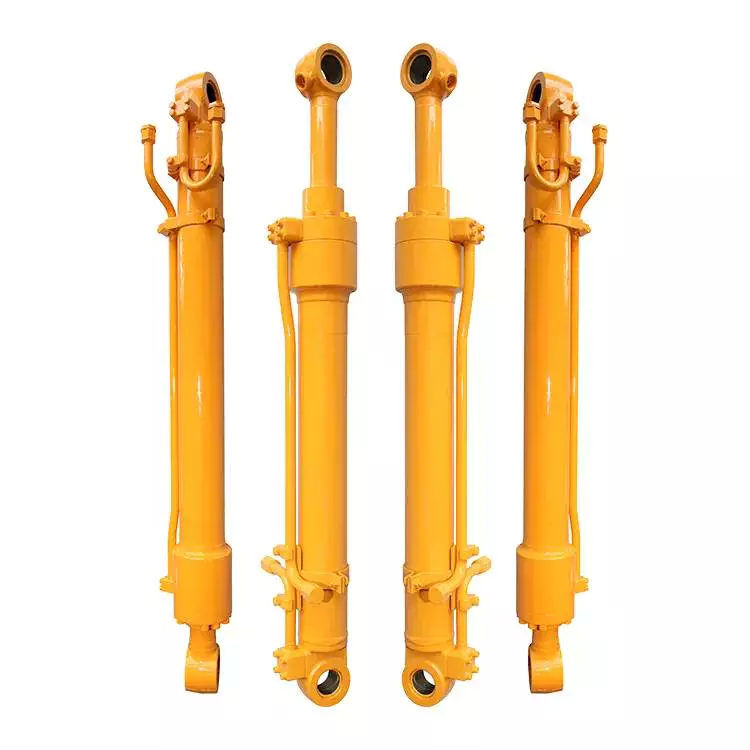
FE/FC/FEE/FSE Telescopic Hydraulic Cylinder For Dump Truck/Trailer
| Articol | Dump Truck Telescopic Hydraulic Cylinder |
| Type | FC/FE/FEE/FSE/Pin to Pin Mounting/Pin to Trunnion Mounting |
| HS Code | 8412210090 |
| Each Stage Diameter(mm) | 221/196/172/150/129/110/91/75/60; 214/191/169/149/129/110/91/75/60; 202/179/157/137/118/99/80/63; |
| Max.Stroke(mm) | 12000mm |
| Raw Materials | 27SiMn,16Mn,45#,20# seamless steel pipe with quenched&tempered |
| Seal Kits | Kaden,Hallite,Merkel,Guarnitec etc |
| Max.Pressure | 25MPa/250Bar |
| Chrome Plating | Hard chrome plated |
| Chrome Thickness | 0.015-0.571mm |
| Color | According to your needs,you can choose your favorite color (Black/Blue/Red/Yellow/Gray/White etc) |
| Quality Check | All the parts and the finished hydraulic cylinders will be tested before delivery |
| Warranty | 14 Months |
| Lead Time | 30-35 working days after deposit payment |
| Package | Plywood pallet or steel box suitable for export |
| Customers | USA,Canada,Mexico,Russia,Australia,New Zealand,Netherlands,Poland,Italy,South Korea, South America,South Africa etc |
| OEM/ODM | Da |
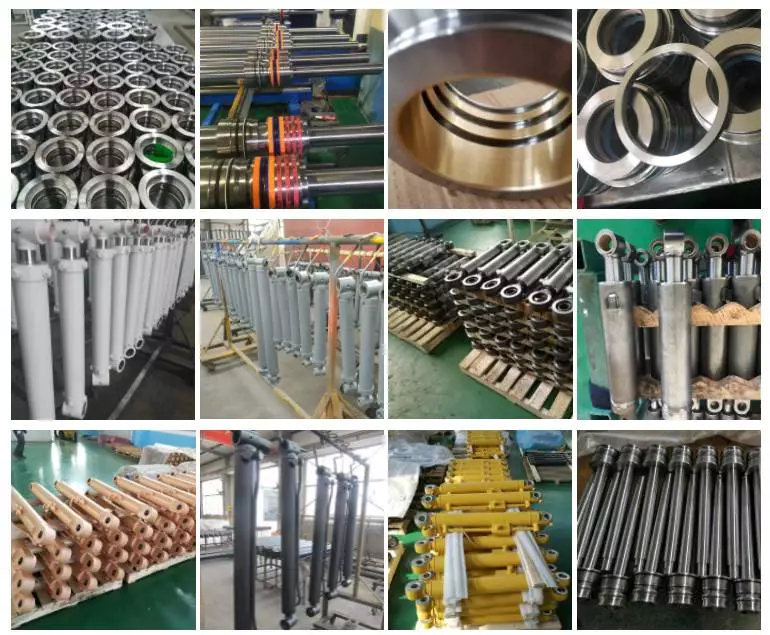
FE Telescopic Hydraulic Cylinder List
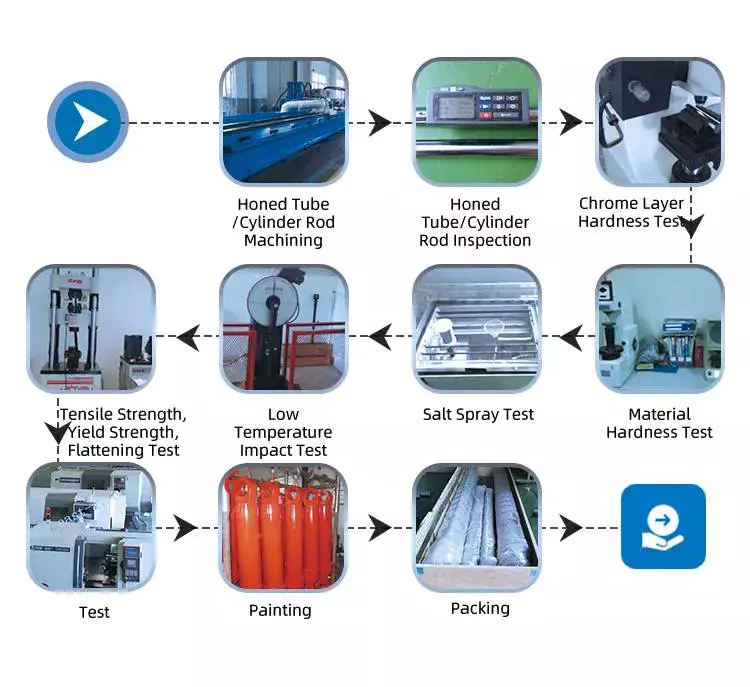
Hydraulic Cylinder Production Process
Hydraulic Cylinder Test
Each hydraulic cylinder is strictly tested before delivery.
Hydraulic Cylinder Application
Other Hot Selling Hydraulic Cylinders
Package&Shipping
Our Overseas Customers
FAQ
A. Compared with CHINAMFG cylinder, what are your cylinder advantages?
1. Rod are chrome plated.
2. Tubes are quenched and tempered.
3.Tube inner hole goes through deep hole boring machine processing. Surface roughness is 0.4Ra
and circular degree is 0.571.
4. Good quality yet lower price.
B: Are you a manufacture or a trade company?
Manufacture, we are the leader manufacturer of hydraulic industry in China with 14 years’ experience and technology accumulation.
With strong technical team we could solve any annoyance of you.
C: How can I get a booklet and buy a cylinder from you?
Just leave me a message or email or call me directly, let me know you are interesting in our products. I will talk with you for the details soon!
1. Please advice the drawing with technical requirement.
2. Please advice the model No. after you check our booklet.
3. Please advice the tipping capacity, number of stages, closed length, mounting type and size.
4. Please also help advice the quantities, this is very important.
D: Do your products come with a warranty?
Yes, we have 14 months warranty. In this year, if the quality problem we will free repair for you.
E: What about the quality feedback of your products?
We have never received even once quality complaint for many years of international business.
F: Can you help me to install or recommend what kind of hydraulic cylinder or power pack should I use for specific machine?
Yes, we have 6 experienced engineers who are always ready to help you. If you do not know what kind of hydraulic cylinders should be used in your machine, please just contact us, our engineers will design the exact products match your need.
G: What is the delivery time?
Within 15 days for samples.
25-30 days for bulk production, which is depend on quality, production process and so on.
H: What is your main payment term?
T/T, L/C, either is available.
| Certificare: | CE, ISO9001 |
|---|---|
| Presiune: | High Pressure |
| Temperatura de lucru: | Normal Temperature |
| Mod de acțiune: | Single Acting |
| Metodă de lucru: | Straight Trip |
| Formă ajustată: | Regulated Type |
| Samples: | US$ 280/Piece 1 Piece(Min.Order) | |
|---|
| Personalizare: | Disponibil |
|
|---|
What advancements in hydraulic cylinder technology have improved energy efficiency?
Advancements in hydraulic cylinder technology have led to significant improvements in energy efficiency, allowing hydraulic systems to operate more efficiently and reduce energy consumption. These advancements aim to minimize energy losses, optimize system performance, and enhance overall efficiency. Here’s a detailed explanation of some key advancements in hydraulic cylinder technology that have improved energy efficiency:
1. Efficient Hydraulic Circuit Design:
– The design of hydraulic circuits has evolved to improve energy efficiency. Advancements in circuit design techniques, such as load-sensing, pressure-compensated systems, or variable displacement pumps, help match the hydraulic power output to the actual load requirements. These designs reduce unnecessary energy consumption by adjusting the flow and pressure levels according to the system demands, rather than operating at a fixed high pressure.
2. High-Efficiency Hydraulic Fluids:
– The development of high-efficiency hydraulic fluids, such as low-viscosity or synthetic fluids, has contributed to improved energy efficiency. These fluids offer lower internal friction and reduced resistance to flow, resulting in decreased energy losses within the system. Additionally, advanced fluid additives and formulations enhance lubrication properties, reducing friction and optimizing the overall efficiency of hydraulic cylinders.
3. Advanced Sealing Technologies:
– Seal technology has advanced significantly, leading to improved energy efficiency in hydraulic cylinders. High-performance seals, such as low-friction or low-leakage seals, minimize internal leakage and friction losses. Reduced internal leakage helps maintain system pressure more effectively, resulting in less energy waste. Additionally, innovative sealing materials and designs enhance durability and extend seal life, reducing the need for frequent maintenance and replacement.
4. Electro-Hydraulic Control Systems:
– The integration of advanced electro-hydraulic control systems has greatly contributed to energy efficiency improvements. By combining electronic control with hydraulic power, these systems enable precise control over cylinder operation, optimizing energy usage. Proportional or servo valves, along with position or force feedback sensors, allow for accurate and responsive control, ensuring that hydraulic cylinders operate at the required level of performance while minimizing energy waste.
5. Energy Recovery Systems:
– Energy recovery systems, such as hydraulic accumulators, have been increasingly utilized to improve energy efficiency in hydraulic cylinder applications. Accumulators store excess energy during low-demand periods and release it when there is a peak demand, reducing the need for the hydraulic pump to provide the full power continuously. By utilizing stored energy, these systems can significantly reduce energy consumption and improve overall system efficiency.
6. Smart Monitoring and Control:
– Advancements in smart monitoring and control technologies have enabled real-time monitoring of hydraulic systems, allowing for optimized energy usage. Integrated sensors, data analytics, and control algorithms provide insights into system performance and energy consumption, enabling operators to make informed decisions and adjustments. By identifying inefficiencies or suboptimal operating conditions, energy consumption can be minimized, leading to improved energy efficiency.
7. System Integration and Optimization:
– The integration and optimization of hydraulic systems as a whole have played a significant role in improving energy efficiency. By considering the entire system layout, component sizing, and interaction between different elements, engineers can design hydraulic systems that operate in the most energy-efficient manner. Proper sizing of components, minimizing pressure drops, and reducing unnecessary piping or valve restrictions all contribute to improved energy efficiency of hydraulic cylinders.
8. Research and Development:
– Ongoing research and development efforts in the field of hydraulic cylinder technology continue to drive energy efficiency advancements. Innovations in materials, component design, system modeling, and simulation techniques help identify areas for improvement and optimize energy usage. Additionally, collaboration between industry stakeholders, research institutions, and regulatory bodies fosters the development of energy-efficient hydraulic cylinder technologies.
In summary, advancements in hydraulic cylinder technology have resulted in notable improvements in energy efficiency. Efficient hydraulic circuit designs, high-efficiency hydraulic fluids, advanced sealing technologies, electro-hydraulic control systems, energy recovery systems, smart monitoring and control, system integration and optimization, as well as ongoing research and development efforts, all contribute to reducing energy consumption and enhancing the overall energy efficiency of hydraulic cylinders. These advancements not only benefit the environment but also offer cost savings and improved performance in various hydraulic applications.
Handling Challenges of Different Fluid Viscosities in Hydraulic Cylinders
Hydraulic cylinders are designed to handle the challenges associated with different fluid viscosities. The viscosity of hydraulic fluid can vary based on temperature, type of fluid used, and other factors. Hydraulic systems need to accommodate these variations to ensure optimal performance and efficiency. Let’s explore how hydraulic cylinders handle the challenges of different fluid viscosities:
- Fluid Selection: Hydraulic cylinders are designed to work with a range of hydraulic fluids, each with its specific viscosity characteristics. The selection of an appropriate fluid with the desired viscosity is crucial to ensure optimal performance. Manufacturers provide guidelines regarding the recommended viscosity range for specific hydraulic systems and cylinders. By choosing the right fluid, hydraulic cylinders can effectively handle the challenges posed by different fluid viscosities.
- Viscosity Compensation: Hydraulic systems often incorporate features to compensate for variations in fluid viscosity. For example, some hydraulic systems utilize pressure compensating valves that adjust the flow rate based on the viscosity of the fluid. This compensation ensures consistent performance across different operating conditions and fluid viscosities. Hydraulic cylinders work in conjunction with these compensation mechanisms to maintain precision and control, regardless of the fluid viscosity.
- Temperature Control: Fluid viscosity is highly dependent on temperature. Hydraulic cylinders employ various temperature control mechanisms to address the challenges posed by temperature-induced viscosity changes. Heat exchangers, coolers, and thermostatic valves are commonly used to regulate the temperature of the hydraulic fluid within the system. By controlling the fluid temperature, hydraulic cylinders can maintain the desired viscosity range, ensuring reliable and efficient operation.
- Efficient Filtration: Contaminants in hydraulic fluid can affect its viscosity and overall performance. Hydraulic systems incorporate efficient filtration systems to remove particles and impurities from the fluid. Clean fluid with the appropriate viscosity ensures optimal functioning of hydraulic cylinders. Regular maintenance and filter replacements are essential to uphold the desired fluid viscosity and prevent issues related to fluid contamination.
- Proper Lubrication: Different fluid viscosities can impact the lubrication properties within hydraulic cylinders. Lubrication is essential for minimizing friction and wear between moving parts. Hydraulic systems employ lubricants specifically formulated for the anticipated fluid viscosity range. Adequate lubrication ensures smooth operation and extends the lifespan of hydraulic cylinders, even in the presence of varying fluid viscosities.
In summary, hydraulic cylinders employ various strategies to handle the challenges associated with different fluid viscosities. By selecting appropriate fluids, incorporating viscosity compensation mechanisms, controlling temperature, implementing efficient filtration, and ensuring proper lubrication, hydraulic cylinders can accommodate variations in fluid viscosity. These measures enable hydraulic systems to deliver consistent performance, precise control, and efficient operation across different fluid viscosity ranges.
Ce practici de întreținere sunt esențiale pentru prelungirea duratei de viață a cilindrilor hidraulici?
Întreținerea cilindrilor hidraulici este crucială pentru prelungirea duratei lor de viață și asigurarea performanțelor optime. Întreținerea regulată ajută la prevenirea uzurii premature, a deteriorării și a defecțiunilor, reducând în cele din urmă timpul de nefuncționare și economisind costuri. Iată câteva practici esențiale de întreținere de luat în considerare pentru prelungirea duratei de viață a cilindrilor hidraulici:
1. Inspecții regulate:
– Efectuați inspecții vizuale de rutină ale cilindrilor hidraulici pentru a identifica orice semne de deteriorare, scurgeri sau uzură. Inspectați corpul cilindrului, tija pistonului, garniturile și punctele de montare. Căutați scurgeri de lichid, rugină, adâncituri sau orice modele anormale de uzură. Depistarea timpurie a problemelor permite reparații sau înlocuiri la timp, prevenind deteriorarea ulterioară și prelungind durata de viață a cilindrului.
2. Curățenie:
– Mențineți un mediu curat în jurul cilindrilor hidraulici pentru a preveni pătrunderea contaminanților în sistem. Praful, murdăria și resturile pot deteriora garniturile și alte componente interne, ducând la uzură accelerată și performanță redusă. Curățați periodic cilindrul și împrejurimile sale pentru a minimiza riscul de contaminare.
3. Lubrifiere adecvată:
– Lubrifierea adecvată este esențială pentru funcționarea fără probleme și longevitatea cilindrilor hidraulici. Urmați recomandările producătorului privind intervalele de lubrifiere și utilizați lubrifiantul corespunzător. Aplicați lubrifiere pe piesele mobile ale cilindrului, cum ar fi tija pistonului, pentru a reduce frecarea și a minimiza uzura.
4. Întreținerea etanșării:
– Garniturile joacă un rol vital în prevenirea scurgerilor de fluid hidraulic și în menținerea performanței cilindrului. Inspectați și înlocuiți prompt garniturile uzate sau deteriorate. Asigurați-vă că garniturile sunt instalate și lubrifiate corespunzător. Curățați periodic canelurile garniturilor pentru a îndepărta orice reziduuri care ar putea compromite eficacitatea garniturii.
5. Verificări ale presiunii:
– Verificați periodic presiunea sistemului hidraulic pentru a vă asigura că se încadrează în intervalul de funcționare recomandat. Presiunea excesivă poate solicita cilindrul și componentele acestuia, ducând la uzură prematură. Monitorizați nivelurile de presiune și efectuați ajustările necesare pentru a preveni supraîncărcarea cilindrului.
6. Întreținerea supapei de control:
– Întrețineți și inspectați supapele de control care reglează debitul și direcția fluidului hidraulic. Asigurați-vă că supapele funcționează corect și nu provoacă solicitări excesive sau vârfuri de presiune în cilindru. Curățați sau înlocuiți supapele de control dacă sunt deteriorate sau funcționează defectuos.
7. Alinierea cilindrilor:
– Alinierea corectă a cilindrilor hidraulici este esențială pentru longevitatea lor. Nealinierea poate cauza sarcini laterale excesive, ceea ce duce la uzură neuniformă și potențiale deteriorări. Asigurați-vă că cilindrul este aliniat corect cu alte componente și că punctele de montare sunt fixate.
8. Prevenirea supraîncărcării:
– Evitați supunerea cilindrilor hidraulici la sarcini care depășesc capacitatea lor nominală. Supraîncărcarea poate provoca deteriorări interne, defectarea etanșării și o durată de viață redusă. Asigurați-vă că cerințele de sarcină se încadrează în capacitățile cilindrului și luați în considerare utilizarea dispozitivelor de siguranță, cum ar fi sistemele de protecție la supraîncărcare, atunci când este necesar.
9. Instruire și conștientizare a operatorilor:
– Asigurați o instruire adecvată operatorilor de echipamente cu privire la utilizarea și manipularea corectă a cilindrilor hidraulici. Operatorii trebuie să fie conștienți de limitele cilindrului, de procedurile de operare în siguranță și de importanța întreținerii regulate. Promovați o cultură a întreținerii proactive și încurajați operatorii să raporteze prompt orice probleme potențiale.
10. Documentație și păstrarea evidențelor:
– Mențineți o documentație detaliată a tuturor activităților de întreținere, inclusiv inspecții, reparații și înlocuiri. Păstrați evidența programelor de lubrifiere, a verificărilor de presiune și a oricărei lucrări de întreținere efectuate asupra cilindrilor hidraulici. Această documentație ajută la urmărirea istoricului cilindrului, la identificarea problemelor recurente și la planificarea eficientă a întreținerii viitoare.
Prin respectarea acestor practici de întreținere, durata de viață a cilindrilor hidraulici poate fi prelungită, asigurând performanțe fiabile și reducând riscul de defecțiuni neașteptate. Inspecțiile regulate, curățenia, lubrifierea corespunzătoare, întreținerea etanșărilor, verificările presiunii, întreținerea supapelor de control, alinierea cilindrilor, prevenirea supraîncărcării, instruirea operatorilor și documentația contribuie la longevitatea generală și funcționarea optimă a cilindrilor hidraulici.


editor by CX 2023-10-17
 Romanian
  English
  Italian
  Portuguese
  Dutch
Dutch  Swedish
  Danish
  Finnish
  Polish
  Hindi
Hindi  Kazakh
  Turkish
  Ukrainian
  Spanish
  German
  Russian
  Korean
  Japanese
  Vietnamese
  Thai
Thai  Indonesian
  Malay
Malay  French
  Greek
Greek