
Описание продукта
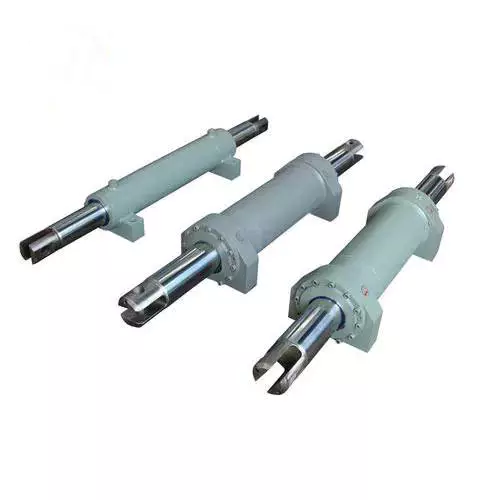
Single Acting Hydraulic Cylinder
Описание продукта
Factory Design Customized Hydraulic Oil Cylinder characteristics: Assemble with best quality seals kits, Hallite, and other brands to bring the better seal slick and the stronger persistence.
The process with the advanced technology by CNC machine tools, automatic plating, and painting equipment to ensure all the parts have the lower surface roughness and the higher performance level.
Own advanced special buffer device with independent intellectual property rights which can effectively absorb the shock to protect the cylinder work smoothly and reliable in performance.
Specifications
| Item | Specifications |
| Product Name: | Multi-stag Hydraulic Cylinder |
| Certificate: | CE, ISO9001 |
| Production Capacity: | 500,000 pcs per year |
| Sample Time: | 7-10 days |
| Бренд | RL or customer’s logo |
| Service | OEM & ODM |
| Piston Rod | Chrome polished piston rod |
| Seal Type | Customer’s requirement |
| Tube | High tensile cold drawn tube, precision honed for extended seal life |
| Delivery Time | Based on order quantity. normally 15-30 days. |
| Price Advantage | Competitive factory price with guaranteed quality |
| Business Type | Manufacturer & Exporter |
Application
Гидравлический цилиндр Продукт Application
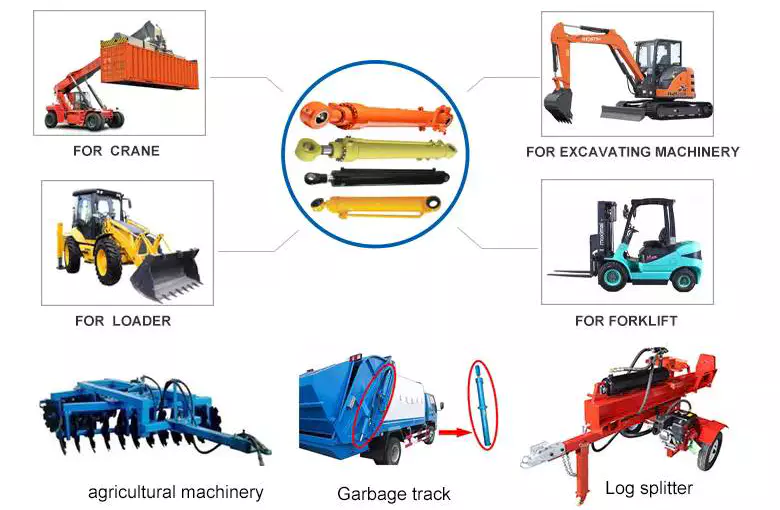
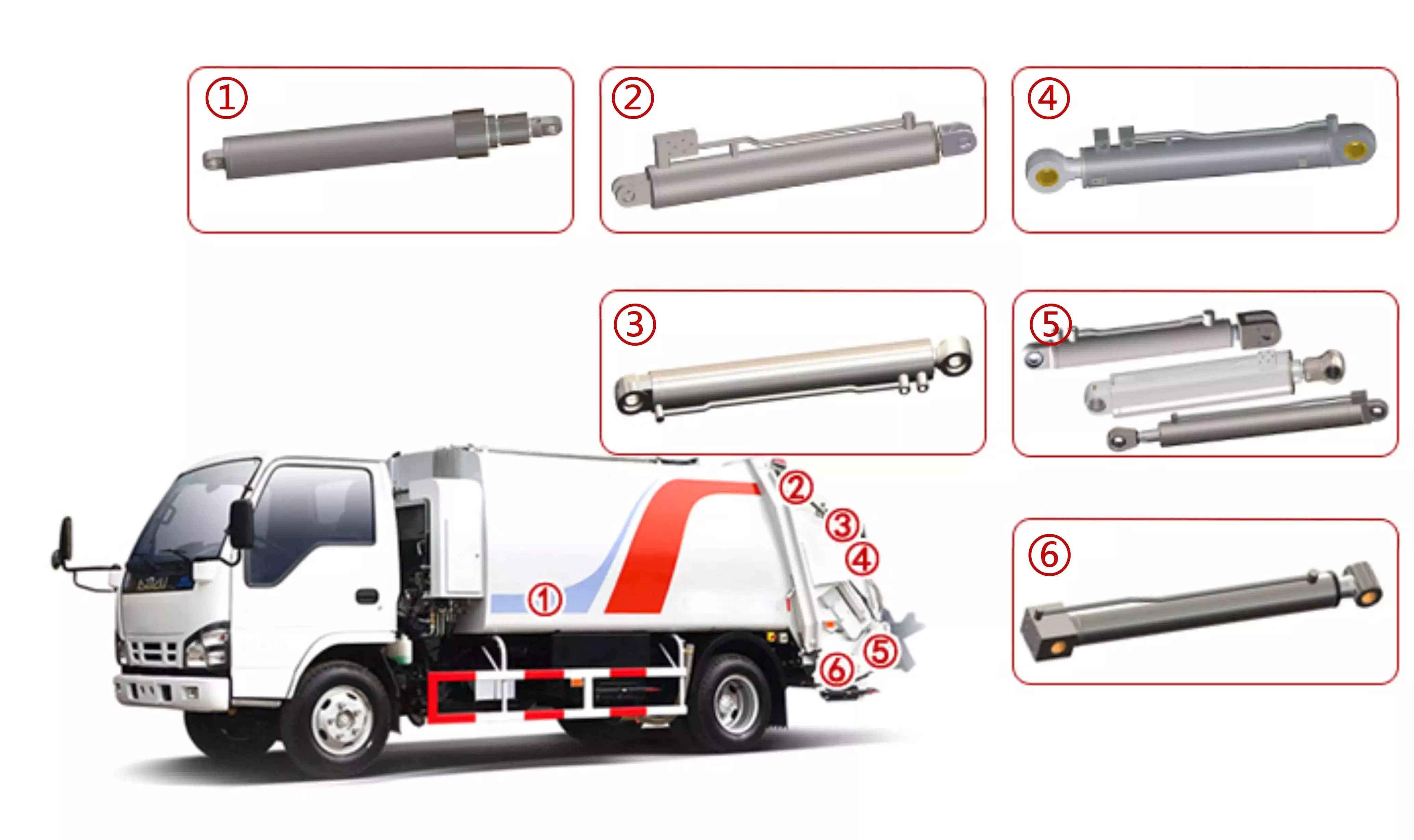
RL products are produced for OEM applications in a wide variety of CHINAMFG industries, including manufacturing engineering machinery, loaders hydraulic cylinders, vehicle cylinders, construction, forestry, waste management, mining, material handling, industrial applications, agriculture, manufacturing, transportation, marine applications, and oil field equipment. Our success has been built on the engineering expertise and manufacturing capabilities we offer to meet the very specific demands of our industry clients.
Hydraulic Cylinder Production
We have the advanced CNC machine tools, a horizontal machining center, a welding robot, parts cleaning agent, automatic assembly lines, automatic painting equipment, etc. to hydraulic cylinder ensure 360-degree quality control of the production process.
Why Choose Us
We specialize in working with every customer to share ideas and gather critical information regarding hydraulic cylinder fit and performance requirements for your specific application.RL has extensive experience in custom hydraulic cylinder designs. We strive to develop dynamic, innovative, and dependable hydraulic and machining solutions that exceed your expectations.
/* 22 января 2571 19:08:37 */!function(){function s(e,r){var a,o={};try{e&&e.split(“,).forEach(function(e,t){e&&(a=e.match(/(.*?):(.*)$/))&&1
| Сертификация: | CE, ISO9001 |
|---|---|
| Давление: | High Pressure |
| Рабочая температура: | Normal Temperature |
| Samples: | US$ 120/pieces 1 pieces(Min.Order) | Order Sample |
|---|
| Настройка: | Доступный |
|
|---|
.shipping-cost-tm .tm-status-off{background: none;padding:0;color: #1470cc}
| Shipping Cost: Estimated freight per unit. | about shipping cost and estimated delivery time. |
|---|
| Payment Method: |
|
|---|---|
| Initial Payment Full Payment |
| Currency: | US$ |
|---|
| Return&refunds: | You can apply for a refund up to 30 days after receipt of the products. |
|---|
Наблюдаются ли какие-либо новые тенденции в технологии гидравлических цилиндров, например, появление интеллектуальных функций?
Да, в технологии гидравлических цилиндров наблюдается ряд новых тенденций, включая интеграцию интеллектуальных функций. Поскольку промышленность продолжает внедрять передовые технологии и стремиться к повышению эффективности, гидравлические цилиндры оснащаются инновационными возможностями для повышения их производительности и предоставления дополнительных преимуществ. Вот некоторые из новых тенденций в технологии гидравлических цилиндров:
1. Интеграция датчиков:
– Одной из важных тенденций в технологии гидравлических цилиндров является интеграция датчиков. Датчики могут быть встроены в гидравлический цилиндр для мониторинга различных параметров, таких как давление, температура, положение и нагрузка. Эти датчики предоставляют данные в режиме реального времени, что позволяет осуществлять мониторинг состояния, прогнозирование технического обслуживания и улучшать оперативное управление. Собирая и анализируя данные, операторы могут оптимизировать работу гидравлических систем, выявлять потенциальные проблемы заранее и предотвращать отказы, что приводит к повышению надежности и сокращению времени простоя.
2. Связь и Интернет вещей:
– Гидравлические цилиндры интегрируются в экосистему Интернета вещей (IoT), обеспечивая возможность подключения и обмена данными. Подключая гидравлические цилиндры к сети, операторы могут удаленно отслеживать и контролировать их работу. Гидравлические цилиндры с поддержкой IoT обеспечивают такие функции, как удаленная диагностика, оптимизация производительности и прогнозируемое техническое обслуживание. Возможность подключения позволяет лучше интегрироваться с общими системами оборудования и принимать решения на основе данных для повышения эффективности и производительности.
3. Энергоэффективные конструкции:
– В условиях растущего внимания к вопросам устойчивого развития и энергоэффективности, технология гидравлических цилиндров развивается, внедряя энергосберегающие функции. Производители разрабатывают гидравлические цилиндры с улучшенными технологиями герметизации, сниженным трением и оптимизированной динамикой потока жидкости. Эти достижения минимизируют потери энергии и повышают общую эффективность системы. Энергоэффективные гидравлические цилиндры способствуют снижению энергопотребления, уменьшению эксплуатационных расходов и снижению воздействия на окружающую среду.
4. Передовые материалы и покрытия:
– Использование современных материалов и покрытий – еще одна новая тенденция в технологии гидравлических цилиндров. Производители изучают легкие материалы, такие как композиты и сплавы, чтобы снизить общий вес гидравлических цилиндров без ущерба для прочности и долговечности. Кроме того, применяются специальные покрытия и обработка поверхности для повышения коррозионной стойкости, износостойкости и срока службы. Эти достижения повышают долговечность и надежность гидравлических цилиндров, особенно в сложных условиях эксплуатации.
5. Интеллектуальные системы управления:
– В технологии гидравлических цилиндров все чаще используются интеллектуальные системы управления, которые оптимизируют производительность и обеспечивают расширенные функциональные возможности. Эти системы используют алгоритмы, машинное обучение и искусственный интеллект для автоматизации процессов, адаптации к изменяющимся условиям и оптимизации движений гидравлических цилиндров. Интеллектуальные системы управления могут корректировать параметры в режиме реального времени, обеспечивая точную и эффективную работу. Эта тенденция позволяет повысить уровень автоматизации, улучшить производительность и повысить безопасность в гидравлических системах.
6. Прогнозируемое техническое обслуживание:
– Прогнозирующее техническое обслуживание приобретает все большее значение в технологии гидравлических цилиндров. Используя данные, собранные с датчиков и систем мониторинга, алгоритмы прогнозирующего технического обслуживания могут анализировать состояние и производительность гидравлических цилиндров. Этот анализ помогает заблаговременно выявлять потенциальные отказы или износ, что позволяет предпринимать упреждающие действия по техническому обслуживанию. Прогнозирующее техническое обслуживание сокращает незапланированные простои, продлевает срок службы гидравлических цилиндров и оптимизирует графики технического обслуживания, что приводит к экономии средств и повышению доступности оборудования.
7. Расширенные функции безопасности:
– В технологии гидравлических цилиндров внедряются усовершенствованные функции безопасности для повышения безопасности оператора и оборудования. К таким функциям относятся встроенные предохранительные клапаны, системы контроля нагрузки и функции аварийной остановки. Системы безопасности в гидравлических цилиндрах помогают предотвращать несчастные случаи, защищают от перегрузок и обеспечивают надежную работу. Интеграция передовых функций безопасности способствует созданию более безопасных условий труда и соблюдению строгих правил техники безопасности.
Эти новые тенденции в технологии гидравлических цилиндров демонстрируют ориентацию отрасли на инновации, оптимизацию производительности и устойчивое развитие. Интеграция интеллектуальных функций, возможностей подключения, передовых материалов и прогнозируемого технического обслуживания позволяет гидравлическим цилиндрам работать более эффективно, предоставлять информацию в режиме реального времени и повышать общую производительность системы. По мере дальнейшего развития технологий ожидается дальнейшее совершенствование технологии гидравлических цилиндров, предлагая расширенную функциональность и эффективность для различных отраслей и областей применения.
How do hydraulic cylinders contribute to the efficiency of agricultural tasks like plowing?
Hydraulic cylinders play a crucial role in improving the efficiency of agricultural tasks, including plowing. These cylinders provide several benefits that enhance the performance and productivity of agricultural machinery. Let’s explore how hydraulic cylinders contribute to the efficiency of plowing and other agricultural tasks:
- Мощное генерирование силы: Hydraulic cylinders are capable of generating high forces, which is essential for tasks like plowing. The hydraulic system supplies pressurized fluid to the cylinders, converting hydraulic energy into mechanical force. This force is then utilized to drive plow blades through the soil, overcoming resistance and facilitating efficient soil penetration. The power generated by hydraulic cylinders ensures effective plowing, even in tough or compacted soil conditions.
- Adjustable Working Depth: Hydraulic cylinders allow for easy and precise adjustment of the plow’s working depth. By controlling the extension or retraction of the hydraulic cylinder, farmers can adjust the depth of the plow blades according to soil conditions, crop requirements, or their specific preferences. This adjustability enhances efficiency by ensuring optimal soil tillage and minimizing unnecessary energy expenditure. Farmers can adapt the plowing depth to different field areas, optimizing the use of resources and promoting uniform crop growth.
- Responsive Control: Hydraulic systems offer highly responsive control, enabling farmers to make quick adjustments during plowing operations. Hydraulic cylinders respond rapidly to changes in hydraulic pressure and valve settings, allowing for immediate modifications in the plow’s position, depth, or angle. This responsiveness enhances efficiency by facilitating on-the-go adjustments based on soil variations, obstacles, or changing field conditions. Farmers can maintain precise control over the plow’s performance, ensuring effective soil tillage and minimizing the risk of crop damage.
- Implement Versatility: Hydraulic cylinders enable the attachment of various implements to agricultural machinery, expanding their functionality and versatility. In the context of plowing, hydraulic cylinders allow for the attachment and detachment of plow blades or other tillage implements. This versatility enables farmers to adapt their equipment to different soil types, field sizes, or specific plowing requirements. By using hydraulic cylinders, farmers can easily switch between different implements, optimizing their equipment for specific tasks and maximizing efficiency.
- Efficient Time Management: Hydraulic cylinders contribute to time efficiency in agricultural tasks like plowing. With hydraulic systems, farmers can operate plows at higher speeds while maintaining control and precision. The responsive nature of hydraulic cylinders allows for efficient turning, maneuvering, and repositioning of plows, minimizing downtime and optimizing field coverage. This time efficiency translates into increased productivity and reduced overall operational costs. Farmers can accomplish plowing tasks more quickly, allowing them to cover larger field areas in less time.
In summary, hydraulic cylinders significantly contribute to the efficiency of agricultural tasks like plowing. Through powerful force generation, adjustable working depth, responsive control, implement versatility, and efficient time management, hydraulic systems equipped with cylinders enhance the performance and productivity of agricultural machinery. These contributions allow farmers to accomplish plowing tasks more effectively, optimize field operations, and achieve improved overall efficiency in their agricultural practices.
How do hydraulic cylinders ensure precise and controlled movement in equipment?
Hydraulic cylinders are widely used in various equipment and machinery to provide precise and controlled movement. They utilize hydraulic fluid and mechanical components to achieve accurate positioning, smooth operation, and reliable control. Here’s a detailed explanation of how hydraulic cylinders ensure precise and controlled movement in equipment:
1. Hydraulic Principle:
– Hydraulic cylinders operate based on Pascal’s law, which states that pressure exerted on a fluid is transmitted equally in all directions. The hydraulic fluid is contained within the cylinder, and when pressure is applied, it acts on the piston, generating force. By controlling the pressure and flow of hydraulic fluid, the movement of the cylinder can be precisely regulated, allowing for accurate and controlled motion.
2. Force and Load Management:
– Hydraulic cylinders are designed to handle specific loads and forces. The force generated by the hydraulic cylinder depends on the hydraulic pressure and the surface area of the piston. By adjusting the pressure, the force output can be controlled. This allows for precise management of the load and ensures that the cylinder can handle the required force without exerting excessive or insufficient force. Proper load management contributes to the precise and controlled movement of the equipment.
3. Control Valves:
– Control valves play a crucial role in regulating the flow and direction of hydraulic fluid within the cylinder. These valves allow operators to control the extension and retraction of the cylinder, adjust the speed of movement, and stop or hold the cylinder at any desired position. By manipulating the control valves, precise and controlled movement can be achieved, enabling operators to position equipment accurately and perform specific tasks with precision.
4. Flow Control:
– Hydraulic cylinders incorporate flow control valves to manage the rate of hydraulic fluid flow. These valves control the speed of the cylinder’s extension and retraction, allowing for smooth and controlled movement. By adjusting the flow rate, operators can precisely control the speed of the cylinder, ensuring that it moves at the desired rate without sudden or erratic movements. Flow control contributes to the overall precision and control of the equipment’s movement.
5. Position Sensing:
– To ensure precise movement, hydraulic cylinders can be equipped with position sensing devices such as linear transducers or proximity sensors. These sensors provide feedback on the position of the cylinder, allowing for accurate position control and closed-loop control systems. By continuously monitoring the position, the equipment’s movement can be controlled with high accuracy, enabling precise positioning and operation.
6. Proportional Control:
– Advanced hydraulic systems utilize proportional control technology, which allows for precise and fine-tuned control of the hydraulic cylinder’s movement. Proportional valves, often operated by electronic control systems, provide variable flow rates and pressure adjustments. This technology enables precise control of speed, force, and position, resulting in highly accurate and controlled movement of the equipment.
7. Cushioning and Damping:
– Hydraulic cylinders can incorporate cushioning and damping mechanisms to ensure smooth and controlled movement at the end of the stroke. Cushioning features, such as adjustable cushions or shock absorbers, reduce the impact and decelerate the cylinder before reaching the end of the stroke. This prevents abrupt stops and minimizes vibrations, contributing to precise and controlled movement.
8. Load Compensation:
– Some hydraulic systems utilize load compensation mechanisms to maintain precise movement even when the load varies. Load-sensing systems monitor the load demand and adjust the hydraulic pressure and flow accordingly to meet that demand. This compensation ensures that the equipment’s movement remains accurate and controlled, regardless of changes in the applied load.
In summary, hydraulic cylinders ensure precise and controlled movement in equipment through the application of hydraulic principles, force and load management, control valves, flow control, position sensing, proportional control, cushioning and damping mechanisms, and load compensation. These features and technologies allow operators to achieve accurate positioning, smooth operation, and reliable control, enabling equipment to perform tasks with precision and efficiency. The combination of hydraulic power and careful design considerations ensures that hydraulic cylinders deliver precise and controlled movement in a wide range of industrial applications.


editor by Dream 2024-05-07
 Russian
  English
  Italian
  Portuguese
  Dutch
Dutch  Swedish
  Danish
  Finnish
  Polish
  Hindi
Hindi  Kazakh
  Turkish
  Ukrainian
  Romanian
  Spanish
  German
  Korean
  Japanese
  Vietnamese
  Thai
Thai  Indonesian
  Malay
Malay  French
  Greek
Greek