
Produktbeskrivning
Yza series 45mm diameter constant tension type hydraulic cylinder for gym exercise equipment
- Product information
- Other Fitness Cylinder
- Specification
Material
| Tube – Cold Drawn / Honed Tubing Piston Rod – Chromed, ground & polished 45#steel Rod Seals – Polyurethane U-Cap End Caps – Steel, threaded fixed Wear Ring – Nylon Backup Washer Mounts – Trunnion with angular Swivels |
Application
| Agriculture, Concrete & Asphalt, Cranes, Fire & Rescue,Forestry & Logging,Mining & Rock Crushing,Oil & Gas,Snow & Ice Control,Waste Management and Material Recycling Industry , Engineering Equipment, Special Vehicle, Fitness equipment
|
Feature | 1.High quality with a reasonable price 2.ISO9001-2008 3.Customized specification are accepted |
Payment | T/T;L/C,WESTERN UNION |
Port | HangZhou/ZheJiang , China |
Quotation | According to the specific request |
MOQ | According to the product |
Förpackning
| metal case;plywood case;carton or as requirement |
Delivery time | 30days upon receipt of 30% deposit; or upon receipt of relevant L/C; |
- About us
We specialize in this line for more than 20 years and trader with main products as follows: hydraulic cylinders, hydraulic power units, hydraulic manifolds-blocks, hydraulic flanges,pneumatic cylinders and custom-made components and parts, like industrial valves.
Our sales markets have covered North America, Europe, Australia, Japan and ect.
- Working Process
- Packaging & shipping
- FAQ
Q1: Do you accept OEM manufacturing?
A1: Yes! We do accept OEM manufacturing. We will quote you the exact price and make the exact cylinder according to your specification and drawing.
Q2: Can we design our own package or print our own logo?
A2: Yes! Package and logo will be made acording to your requirements.
Q3: Could we get small quantity samples?
A3: Yes! We understand the quality test is important and we are glad to make the sample for you. The MOQ is 1pcs.
Q4: How long is the production time?
A4: Generally the production time is 30 days.
Q5: What is the warranty?
A5: 12 months against B/L date.
Contact me, any comments will be appreciated.
Ellen Wang
| Certification: | CE, ISO9001 |
|---|---|
| Pressure: | Medium Pressure |
| Work Temperature: | Normal Temperature |
| Samples: | US$ 59/Piece 1 Piece(Min.Order) | Order Sample |
|---|
| Customization: | Available |
|
|---|
.shipping-cost-tm .tm-status-off{background: none;padding:0;color: #1470cc}
| Shipping Cost: Estimated freight per unit. | about shipping cost and estimated delivery time. |
|---|
| Payment Method: |
|
|---|---|
| Initial Payment Full Payment |
| Currency: | US$ |
|---|
| Return&refunds: | You can apply for a refund up to 30 days after receipt of the products. |
|---|
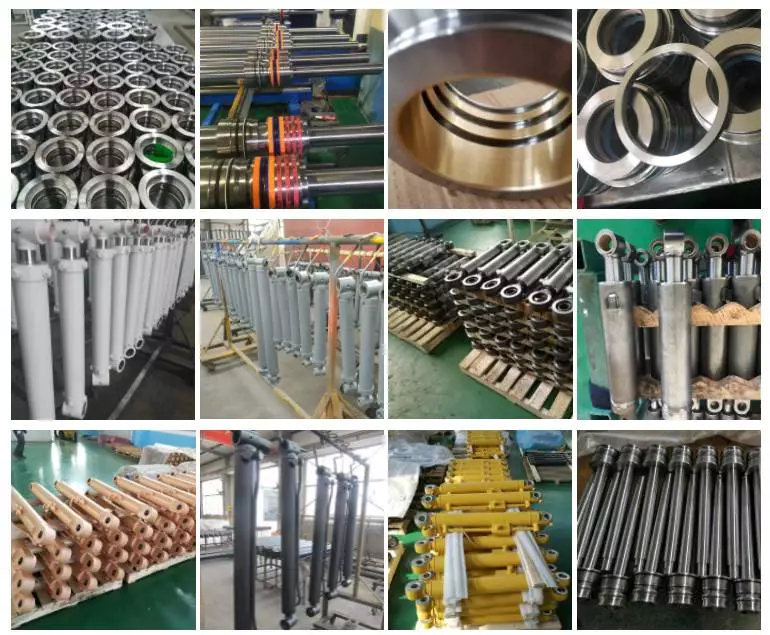
What advancements in hydraulic cylinder technology have improved energy efficiency?
Advancements in hydraulic cylinder technology have led to significant improvements in energy efficiency, allowing hydraulic systems to operate more efficiently and reduce energy consumption. These advancements aim to minimize energy losses, optimize system performance, and enhance overall efficiency. Here’s a detailed explanation of some key advancements in hydraulic cylinder technology that have improved energy efficiency:
1. Efficient Hydraulic Circuit Design:
– The design of hydraulic circuits has evolved to improve energy efficiency. Advancements in circuit design techniques, such as load-sensing, pressure-compensated systems, or variable displacement pumps, help match the hydraulic power output to the actual load requirements. These designs reduce unnecessary energy consumption by adjusting the flow and pressure levels according to the system demands, rather than operating at a fixed high pressure.
2. High-Efficiency Hydraulic Fluids:
– The development of high-efficiency hydraulic fluids, such as low-viscosity or synthetic fluids, has contributed to improved energy efficiency. These fluids offer lower internal friction and reduced resistance to flow, resulting in decreased energy losses within the system. Additionally, advanced fluid additives and formulations enhance lubrication properties, reducing friction and optimizing the overall efficiency of hydraulic cylinders.
3. Advanced Sealing Technologies:
– Seal technology has advanced significantly, leading to improved energy efficiency in hydraulic cylinders. High-performance seals, such as low-friction or low-leakage seals, minimize internal leakage and friction losses. Reduced internal leakage helps maintain system pressure more effectively, resulting in less energy waste. Additionally, innovative sealing materials and designs enhance durability and extend seal life, reducing the need for frequent maintenance and replacement.
4. Electro-Hydraulic Control Systems:
– The integration of advanced electro-hydraulic control systems has greatly contributed to energy efficiency improvements. By combining electronic control with hydraulic power, these systems enable precise control over cylinder operation, optimizing energy usage. Proportional or servo valves, along with position or force feedback sensors, allow for accurate and responsive control, ensuring that hydraulic cylinders operate at the required level of performance while minimizing energy waste.
5. Energy Recovery Systems:
– Energy recovery systems, such as hydraulic accumulators, have been increasingly utilized to improve energy efficiency in hydraulic cylinder applications. Accumulators store excess energy during low-demand periods and release it when there is a peak demand, reducing the need for the hydraulic pump to provide the full power continuously. By utilizing stored energy, these systems can significantly reduce energy consumption and improve overall system efficiency.
6. Smart Monitoring and Control:
– Advancements in smart monitoring and control technologies have enabled real-time monitoring of hydraulic systems, allowing for optimized energy usage. Integrated sensors, data analytics, and control algorithms provide insights into system performance and energy consumption, enabling operators to make informed decisions and adjustments. By identifying inefficiencies or suboptimal operating conditions, energy consumption can be minimized, leading to improved energy efficiency.
7. System Integration and Optimization:
– The integration and optimization of hydraulic systems as a whole have played a significant role in improving energy efficiency. By considering the entire system layout, component sizing, and interaction between different elements, engineers can design hydraulic systems that operate in the most energy-efficient manner. Proper sizing of components, minimizing pressure drops, and reducing unnecessary piping or valve restrictions all contribute to improved energy efficiency of hydraulic cylinders.
8. Research and Development:
– Ongoing research and development efforts in the field of hydraulic cylinder technology continue to drive energy efficiency advancements. Innovations in materials, component design, system modeling, and simulation techniques help identify areas for improvement and optimize energy usage. Additionally, collaboration between industry stakeholders, research institutions, and regulatory bodies fosters the development of energy-efficient hydraulic cylinder technologies.
In summary, advancements in hydraulic cylinder technology have resulted in notable improvements in energy efficiency. Efficient hydraulic circuit designs, high-efficiency hydraulic fluids, advanced sealing technologies, electro-hydraulic control systems, energy recovery systems, smart monitoring and control, system integration and optimization, as well as ongoing research and development efforts, all contribute to reducing energy consumption and enhancing the overall energy efficiency of hydraulic cylinders. These advancements not only benefit the environment but also offer cost savings and improved performance in various hydraulic applications.
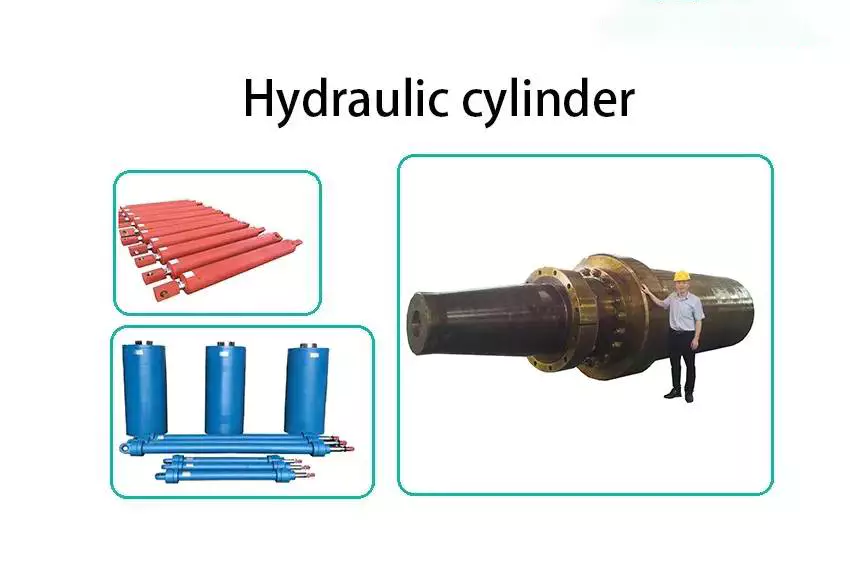
Anpassning av hydraulcylindrar för medicinsk utrustning och flyg- och rymdtillämpningar
Hydraulcylindrar har potential att anpassas för användning i medicinsk utrustning och flyg- och rymdtillämpningar, vilket erbjuder unika fördelar inom dessa industrier. Låt oss utforska hur hydraulcylindrar kan anpassas för dessa specialiserade områden:
- Medicinsk utrustning: Hydraulcylindrar kan anpassas för olika medicinska utrustningstillämpningar, inklusive sjukhussängar, patientlyftar, operationsbord och rehabiliteringsanordningar. Så här är hydraulcylindrar fördelaktiga inom medicinsk utrustning:
- Positionering och justerbarhet: Hydraulcylindrar ger exakt och smidig rörelse, vilket möjliggör korrekt positionering och justering av medicinsk utrustning. Detta är avgörande för att säkerställa patientkomfort, korrekt inriktning och användarvänlighet.
- Lasthantering: Hydraulcylindrar erbjuder hög kraftkapacitet, vilket möjliggör säker hantering av tunga laster i medicinsk utrustning. De kan bära upp patienters vikt, underlätta smidiga övergångar och ge stabilitet under procedurer.
- Kontrollerad rörelse: Hydraulcylindrar ger kontrollerad och stabil rörelse, vilket är avgörande för känsliga medicinska procedurer. Möjligheten att justera hastighet, position och kraft möjliggör exakta och kontrollerade rörelser, vilket minimerar patientens obehag och säkerställer korrekt behandling.
- Hållbarhet och tillförlitlighet: Hydraulcylindrar är konstruerade för att tåla tuff användning och krävande miljöer, vilket gör dem lämpliga för medicinsk utrustning. Deras hållbarhet och tillförlitlighet bidrar till medicintekniska produkters långsiktiga prestanda och säkerhet.
- Tillämpningar inom rymdfart: Hydraulcylindrar kan också anpassas för flyg- och rymdtillämpningar, där lätta men robusta system är avgörande. Så här är fördelarna med hydraulcylindrar inom flyg- och rymdteknik:
- Flygstyrsystem: Hydraulcylindrar spelar en avgörande roll i flygplans flygstyrsystem, inklusive skevroder, höjdroder, roder och landningsställ. De ger exakt och tillförlitlig manövrering, vilket gör det möjligt för piloter att kontrollera flygplanets rörelser med noggrannhet och respons.
- Viktoptimering: Hydraulcylindrar kan konstrueras med lättviktsmaterial, såsom aluminiumlegeringar eller kompositmaterial, för att minska den totala vikten. Denna viktoptimering är avgörande inom flyg- och rymdtillämpningar för att förbättra bränsleeffektivitet, nyttolastkapacitet och flygplansprestanda.
- Stöt- och vibrationstålighet: Flyg- och rymdmiljöer involverar betydande stöt- och vibrationskrafter. Hydraulcylindrar kan konstrueras för att motstå dessa dynamiska belastningar samtidigt som de bibehåller prestanda och tillförlitlighet, vilket säkerställer jämn drift även under extrema förhållanden.
- Utrymmesbegränsningar: Hydraulcylindrar kan utformas för att passa inom utrymmesbegränsningarna i flygplan eller rymdfarkoster. Deras kompakta storlek och flexibla monteringsalternativ möjliggör effektiv integration i det begränsade tillgängliga utrymmet.
Sammanfattningsvis kan hydraulcylindrar anpassas för användning i medicinsk utrustning och flyg- och rymdtillämpningar, vilket utnyttjar deras exakta positionering, lasthanteringsförmåga, kontrollerade rörelse, hållbarhet och tillförlitlighet. Inom medicinsk utrustning möjliggör hydraulcylindrar bekväm patientpositionering, smidiga övergångar och kontrollerade rörelser under procedurer. Inom flyg- och rymdindustrin ger hydraulcylindrar exakt manövrering, viktoptimering, stöt- och vibrationstålighet samt utrymmeseffektiva lösningar. Genom att anpassa hydraulcylindrar till dessa specialiserade områden kan tillverkare möta de unika kraven och förbättra prestandan hos medicinsk utrustning och flyg- och rymdsystem.
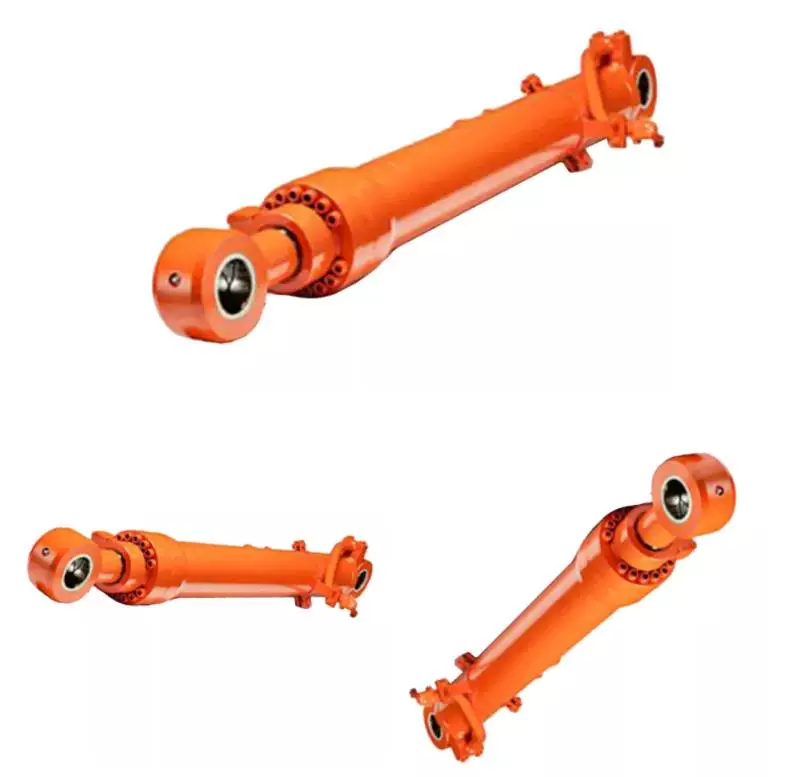
What benefits do hydraulic cylinders offer for tasks requiring heavy lifting or movement?
Hydraulic cylinders offer numerous benefits for tasks that involve heavy lifting or movement. Their unique design and characteristics make them well-suited for applications that require substantial force, precise control, and reliable operation. Here are the detailed benefits that hydraulic cylinders provide for such tasks:
1. High Force Generation:
– Hydraulic cylinders are capable of generating significant amounts of force. By utilizing hydraulic pressure, which can be easily amplified, hydraulic cylinders can exert substantial force to lift and move heavy loads. The force output of a hydraulic cylinder is directly proportional to the hydraulic pressure and the surface area of the piston. This high force capability makes hydraulic cylinders ideal for tasks that involve heavy lifting, pushing, or pulling.
2. Precise Control:
– Hydraulic cylinders offer precise control over the force and motion they generate. By regulating the flow of hydraulic fluid into the cylinder, the speed, direction, and position of the cylinder’s movement can be accurately controlled. This level of control is crucial for tasks that require precise positioning, delicate movements, or synchronization of multiple cylinders. It enables operators to perform operations with accuracy and minimize the risk of damage or accidents.
3. Safety:
– Hydraulic cylinders are designed with safety features to ensure the protection of both personnel and equipment. They incorporate overload protection mechanisms, such as relief valves, that prevent excessive force or pressure from damaging the system. Additionally, hydraulic cylinders allow for controlled and gradual movements, reducing the risk of sudden and uncontrolled motions that could pose safety hazards during heavy lifting or movement tasks.
4. Mångsidighet och anpassningsförmåga:
– Hydraulic cylinders are versatile components that can be adapted to meet specific requirements. They can be customized based on factors such as force capacity, stroke length, speed, and mounting options, allowing them to be integrated into various types of machinery. This versatility makes hydraulic cylinders suitable for a wide range of applications, including construction, material handling, mining, agriculture, and more.
5. Smooth and Controlled Operation:
– Hydraulic cylinders provide smooth and controlled operation, ensuring efficient and reliable performance during heavy lifting or movement tasks. The hydraulic fluid acts as a cushioning medium, which helps dampen shocks and vibrations, resulting in smoother and quieter operation. This controlled operation also reduces the risk of damage to the load being lifted or the surrounding equipment.
6. Compact Design:
– Hydraulic cylinders offer a high power-to-size ratio, allowing for compact machinery design. Their relatively small size, compared to the forces they can generate, makes them suitable for applications where space is limited or weight restrictions apply. This compact design enables the integration of hydraulic cylinders into different types of equipment without compromising performance or efficiency.
7. Durability and Reliability:
– Hydraulic cylinders are built to withstand rigorous operating conditions and provide long-term reliability. They are constructed with robust materials, precise machining, and effective sealing systems to ensure durability and prevent fluid leakage. Hydraulic cylinders can withstand high pressures, heavy loads, and continuous use, making them suitable for demanding tasks involving heavy lifting or movement.
8. Energy Efficiency:
– Hydraulic cylinders contribute to energy efficiency in tasks requiring heavy lifting or movement. Hydraulic systems allow for the transfer of power over long distances without significant power losses. Additionally, hydraulic cylinders can incorporate energy-saving features such as load-sensing technology and regenerative circuits, which reduce energy consumption by optimizing the use of hydraulic fluid.
In summary, hydraulic cylinders offer several benefits for tasks that involve heavy lifting or movement. They provide high force generation, precise control, safety features, versatility, smooth operation, compact design, durability, and energy efficiency. These advantages make hydraulic cylinders indispensable components in various industries where heavy loads need to be lifted, pushed, or moved with accuracy and reliability.


editor by CX 2023-10-20
 Swedish
  English
  Italian
  Portuguese
  Dutch
Dutch  Danish
  Finnish
  Polish
  Hindi
Hindi  Kazakh
  Turkish
  Ukrainian
  Romanian
  Spanish
  German
  Russian
  Korean
  Japanese
  Vietnamese
  Thai
Thai  Indonesian
  Malay
Malay  French
  Greek
Greek