
Produktbeskrivning
Produktbeskrivning
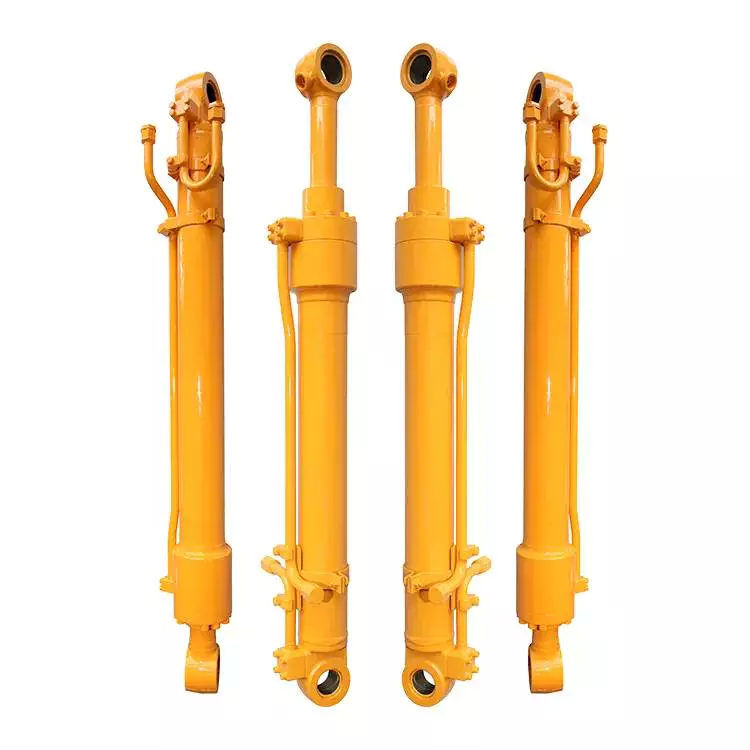
Mining & cement hydraulic cylinder:
Hetlock(ZheJiang )Machinery Co.,Ltd. have many years of experience in mining and cement industry, Allows us to accumulate the rich experience of hydraulic cylinder in this industry. Because of the bad environment of this industry, dusty, and use frequently. We grope out a set of complete process for the design methods and produce process.
We are established a professional quality control method for each key control points of technology and process, and get a very good quality result.
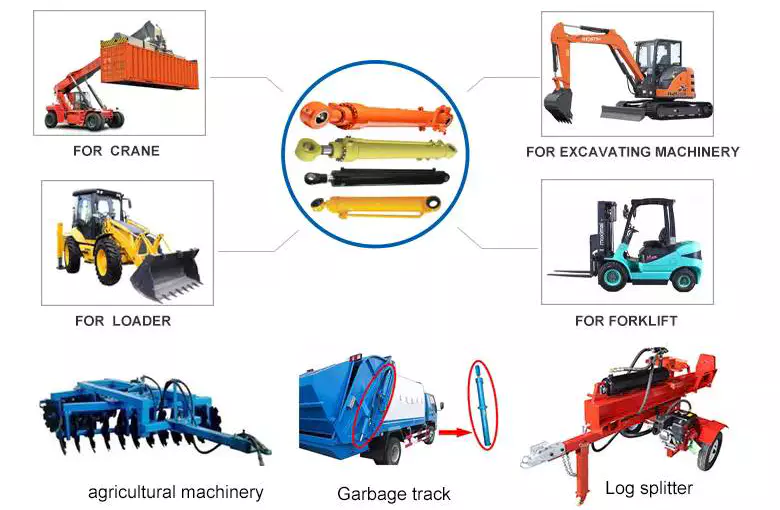
Our products have applications in:
- Tunnel construction equipment;
- Earth moving equipment;
- Hydraulic con crusher;
- Grate cooler;
- Roller press;
- Vertical mill;
- Drilling rig;
- Etc.
Produktparametrar
| Material | Carbon steel, Alloy steel, Stainless steel |
| Honed tube | 20-2500mm, Heat treatment, honing, rolling |
| Piston rod | 10-2000mm ,tempering, plated nickel, Chromium or ceramic |
| Arbetstryck | 5-300Mpa |
| Seals | Parker,Merkel,Hallite |
| Technology | Bosch CHINAMFG and Parker |
| Coating | Sandblasting, primer, middle paint, finish paint |
| Temperature range | -40ºC to +300ºC |
| Work medium | Hydraulic Oil |
| Piston speed | maximum 2m/s |
| Mounting style | Earrings, flange, foot mounting, screw thread. |
Product Application
Company Show
HETLOCK is a professional manufacturer of hydraulic cylinders in China, Founded in 1998, located in the international city of ZheJiang . Our plant is nearly 20000 square meter& We have 135 Employees including 11 experienced engineers and technical staff,More than 1800 type of hydraulic cylinder designed in every year. We can produce various kinds of hydraulic cylinders according to customer requirements.
The inside diameter of hydraulic cylinders can achieve the maximum 2500mm;
The hydraulic cylinders operating pressure can achieve the maximum 300MPa.
FAQ
Q1:Are you a manufacturer or trading company?
A: We are a manufacturer.
Q2: How many years of production experience do you have?
A: We have over 20 years of production experience.
Q3: Can it be customized?
A: Both standard and non-standard products can be customized.
Q4: How to ensure product quality?
A: We strictly follow the quality process for production and 100% inspection of each batch of products.
Q5: What services can you provide?
A: According to customer requirements, we can provide a one-stop solution from design, production, and delivery to meet their needs.
/* January 22, 2571 19:08:37 */!function(){function s(e,r){var a,o={};try{e&&e.split(“,”).forEach(function(e,t){e&&(a=e.match(/(.*?):(.*)$/))&&1
| Certification: | CE, ISO9001 |
|---|---|
| Pressure: | High Pressure |
| Work Temperature: | Normal Temperature |
| Acting Way: | Double Acting |
| Working Method: | Straight Trip |
| Adjusted Form: | Regulated Type |
| Customization: | Available |
|
|---|
Kan hydraulcylindrar eftermonteras på befintlig utrustning för förbättrad funktionalitet?
Ja, hydraulcylindrar kan eftermonteras på befintlig utrustning för att förbättra funktionalitet och prestanda. Eftermontering av hydraulcylindrar på befintliga maskiner eller utrustning erbjuder flera fördelar, inklusive ökad effekt, förbättrad kontroll, ökad precision och mångsidighet. Här är en detaljerad förklaring av hur hydraulcylindrar kan eftermonteras på befintlig utrustning för förbättrad funktionalitet:
1. Ökad kraft:
– Eftermontering av hydraulcylindrar möjliggör utökad hydraulkraft till befintlig utrustning. Genom att integrera hydraulcylindrar kan utrustningen generera högre krafter och hantera tyngre laster. Denna ökade effekt gör det möjligt för utrustningen att utföra uppgifter som tidigare var utmanande eller omöjliga. Till exempel kan en eftermonterad hydraulcylinder på en kran förbättra dess lyftkapacitet och göra det möjligt för den att hantera tyngre laster mer effektivt.
2. Förbättrad kontroll:
– Hydraulcylindrar ger exakt kontroll över utrustningens rörelse och positionering. Genom att eftermontera hydraulcylindrar får operatörerna bättre kontroll över hastighet, kraft och rörelseriktning. Tillägget av hydrauliska styrventiler och en hydraulisk kraftenhet möjliggör finjustering av utrustningens drift. Förbättrad kontroll underlättar säkrare och effektivare drift, vilket minskar risken för skador och förbättrar den totala produktiviteten.
3. Förbättrad precision:
– Eftermontering av hydraulcylindrar på befintlig utrustning kan avsevärt förbättra precision och noggrannhet. Hydrauliska system erbjuder exakt kontroll över rörelser, vilket möjliggör smidig och kontrollerad rörelse. Denna förbättrade precision är fördelaktig i applikationer där exakt positionering eller repetitiva rörelser krävs. Till exempel kan eftermontering av hydraulcylindrar på en robotarm förbättra dess noggrannhet och repeterbarhet, vilket gör den mer lämplig för uppgifter som kräver hög precision.
4. Mångsidighet och anpassningsförmåga:
– Eftermontering av hydraulcylindrar kan öka mångsidigheten och anpassningsförmågan hos befintlig utrustning. Hydraulsystem kan enkelt integreras med olika typer av maskiner, vilket möjliggör användning av hydraulkraft i olika applikationer. De hydrauliska komponenternas modulära natur underlättar eftermonteringsprocessen och gör det möjligt för utrustningen att utföra ett bredare spektrum av uppgifter. Denna mångsidighet är särskilt fördelaktig i industrier där utrustning behöver anpassas till förändrade driftskrav.
5. Ombyggnadssatser och anpassning:
– Tillverkare tillhandahåller ofta eftermonteringssatser som innehåller alla nödvändiga komponenter för att integrera hydraulcylindrar i befintlig utrustning. Dessa satser består vanligtvis av hydraulcylindrar, monteringsfästen, slangar, kopplingar, styrventiler och andra nödvändiga tillbehör. Eftermonteringssatser förenklar eftermonteringsprocessen och säkerställer kompatibilitet mellan de hydrauliska komponenterna och den befintliga utrustningen. Dessutom kan tillverkare erbjuda anpassningsalternativ för att skräddarsy eftermonteringslösningen till specifik utrustning och applikationsbehov.
6. Kostnadseffektiv lösning:
– Att eftermontera hydraulcylindrar på befintlig utrustning kan vara en kostnadseffektiv lösning jämfört med att köpa nya maskiner. Genom att utnyttja den befintliga utrustningens strukturella ramverk och mekaniska komponenter kan den totala kostnaden för uppgradering minskas. Eftermontering minimerar också stilleståndstider eftersom utrustningen inte behöver bytas ut helt. Dessutom kan den förbättrade funktionaliteten och prestandan som eftermonteringen resulterar i leda till ökad produktivitet och kostnadsbesparingar på lång sikt.
7. Professionell installation och expertis:
– Eftermontering av hydraulcylindrar på befintlig utrustning kräver ofta professionell installation och expertis. Att arbeta med erfarna integratörer eller tillverkare av hydrauliska system säkerställer korrekt installation, kompatibilitet och optimal prestanda för eftermonteringslösningen. Dessa yrkespersoner kan bedöma den befintliga utrustningen, rekommendera lämpliga hydrauliska komponenter och genomföra eftermonteringsprocessen effektivt. Deras kunskap och expertis bidrar till en framgångsrik integration av hydraulcylindrar och den övergripande förbättringen av utrustningens funktionalitet.
Sammanfattningsvis kan hydraulcylindrar faktiskt eftermonteras på befintlig utrustning för att förbättra funktionaliteten. Denna eftermonteringsprocess erbjuder fördelar som ökad effekt, förbättrad kontroll, förbättrad precision, mångsidighet, kostnadseffektivitet och tillgång till eftermonteringssatser och anpassningsalternativ. Genom att eftermontera hydraulcylindrar kan befintlig utrustning uppgraderas för att möta ständigt föränderliga driftsbehov, förlänga dess livslängd och förbättra den totala prestandan.
Integration of Hydraulic Cylinders with Equipment Requiring Rapid and Dynamic Movements
Hydraulic cylinders can indeed be integrated with equipment that requires rapid and dynamic movements. While hydraulic systems are generally known for their ability to provide high force and precise control, they can also be designed and optimized for applications that demand fast and dynamic motion. Let’s explore how hydraulic cylinders can be integrated with such equipment:
- High-Speed Hydraulic Systems: Hydraulic cylinders can be part of high-speed hydraulic systems designed specifically for rapid and dynamic movements. These systems incorporate features such as high-flow valves, optimized hydraulic circuitry, and responsive control systems. By carefully engineering the system components and hydraulic parameters, it is possible to achieve the desired speed and responsiveness, enabling the equipment to perform rapid movements.
- Valve Control: The control of hydraulic cylinders plays a crucial role in achieving rapid and dynamic movements. Proportional or servo valves can be used to precisely control the flow of hydraulic fluid into and out of the cylinder. These valves offer fast response times and precise flow control, allowing for rapid acceleration and deceleration of the cylinder’s piston. By adjusting the valve settings and optimizing the control algorithms, equipment can be designed to execute dynamic movements with high speed and accuracy.
- Optimized Cylinder Design: The design of hydraulic cylinders can be optimized to facilitate rapid and dynamic movements. Lightweight materials, such as aluminum alloys or composite materials, can be used to reduce the moving mass of the cylinder, enabling faster acceleration and deceleration. Additionally, the cylinder’s internal components, such as the piston and seals, can be designed for low friction to minimize energy losses and enhance responsiveness. These design optimizations contribute to the overall speed and dynamic performance of the equipment.
- Accumulator Integration: Hydraulic accumulators can be integrated into the system to enhance the dynamic capabilities of hydraulic cylinders. Accumulators store pressurized hydraulic fluid, which can be rapidly released to supplement the flow from the pump during high-demand situations. This stored energy can provide an extra boost of power, allowing for faster and more dynamic movements. By strategically sizing and configuring the accumulator, the system can be optimized for the specific rapid and dynamic requirements of the equipment.
- System Feedback and Control: To achieve precise and dynamic movements, hydraulic systems can incorporate feedback sensors and advanced control algorithms. Position sensors, such as linear potentiometers or magnetostrictive sensors, provide real-time position feedback of the hydraulic cylinder. This information can be used in closed-loop control systems to maintain precise positioning and execute rapid movements. Advanced control algorithms can optimize the control signals sent to the valves, ensuring smooth and dynamic motion while minimizing overshooting or oscillations.
In summary, hydraulic cylinders can be integrated with equipment that requires rapid and dynamic movements by utilizing high-speed hydraulic systems, employing responsive valve control, optimizing cylinder design, integrating accumulators, and incorporating feedback sensors and advanced control algorithms. These measures enable hydraulic systems to deliver the speed, responsiveness, and precision necessary for equipment operating in dynamic environments. By leveraging the capabilities of hydraulic cylinders, manufacturers can design and integrate systems that meet the requirements of applications demanding rapid and dynamic movements.
What factors should be considered when selecting the right hydraulic cylinder for an application?
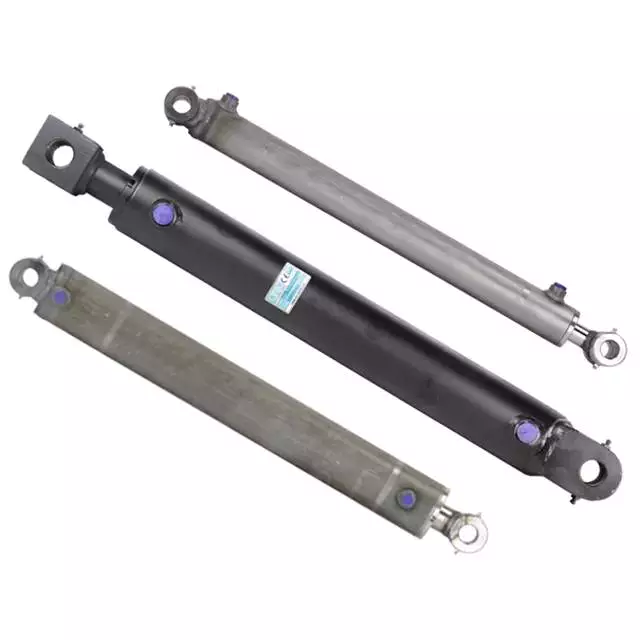
When selecting the right hydraulic cylinder for an application, several important factors need to be considered. These factors help ensure that the chosen hydraulic cylinder is suitable for the specific requirements of the application and will perform reliably. Here are the key factors to consider:
1. Load Requirements:
– One of the crucial factors to consider is the load requirement of the application. Determine the maximum load that the hydraulic cylinder needs to handle. Consider both the static load (when the cylinder is stationary) and the dynamic load (when the cylinder is in motion). The load requirement will impact the cylinder’s bore size, rod diameter, and overall strength. Choose a hydraulic cylinder with a load capacity that exceeds the application’s maximum load to ensure safety and longevity.
2. Stroke Length:
– The stroke length refers to the distance the hydraulic cylinder needs to extend and retract to perform the desired motion. Measure the required stroke length based on the application’s operational requirements. It is essential to choose a hydraulic cylinder with a stroke length that matches or exceeds the required distance. Consider any potential variations or adjustments in the stroke length that may be needed in the future.
3. Operating Pressure:
– Consider the operating pressure required for the application. The hydraulic cylinder must be capable of withstanding the maximum pressure within the hydraulic system. Ensure that the selected cylinder has a pressure rating that exceeds the application’s maximum operating pressure. This ensures safety and prevents premature failure.
4. Speed Requirements:
– Determine the required speed of the hydraulic cylinder’s movement for the application. Consider both the extension and retraction speeds. Select a cylinder that can achieve the desired speed while maintaining precise control and stability. It is important to choose a cylinder that can handle the required speed without compromising performance or safety.
5. Mounting:
– Evaluate the available space and mounting requirements for the hydraulic cylinder. Consider the mounting type (such as flange, foot, trunnion, or clevis), the available mounting points, and any specific mounting constraints. Ensure that the selected cylinder can be easily and securely mounted in the desired location.
6. Environmental Factors:
– Assess the environmental conditions in which the hydraulic cylinder will operate. Consider factors such as temperature extremes, humidity, exposure to chemicals, dust, or corrosive substances. Choose a cylinder that is designed to withstand the specific environmental conditions of the application. This may involve selecting appropriate materials, coatings, or seals to ensure the longevity and performance of the cylinder.
7. Cylinder Configuration:
– Determine the appropriate cylinder configuration based on the application’s requirements. Consider factors such as single-acting or double-acting cylinders, telescopic cylinders for limited space, or custom configurations for unique applications. Evaluate the specific needs of the application to select the most suitable cylinder configuration.
8. Maintenance and Serviceability:
– Consider the maintenance and service requirements of the hydraulic cylinder. Evaluate factors such as ease of access for maintenance, availability of spare parts, and the reputation of the manufacturer or supplier in terms of customer support and after-sales service. Choosing a reliable and reputable brand can ensure ongoing support and availability of spare parts when needed.
9. Compliance and Standards:
– Depending on the industry and application, certain compliance standards may need to be met. Consider any industry-specific regulations, safety standards, or certifications that the hydraulic cylinder should comply with. Ensure that the selected cylinder meets the required standards and certifications for the application.
10. Cost and Budget:
– Finally, consider the cost and budget for the hydraulic cylinder. While it is important to select a cylinder that meets the application’s requirements, it is also necessary to consider the overall cost-effectiveness. Evaluate the initial purchase cost, long-term maintenance costs, and the expected lifespan of the cylinder. Balancing the cost and quality will help in selecting a hydraulic cylinder that provides the best value for the application.
By considering these factors in the selection process, it becomes possible to choose the right hydraulic cylinder that meets the specific requirements of the application in terms of load capacity, stroke length, operating pressure, speed, mounting, environmental conditions, maintenance needs, compliance, and cost-effectiveness. Proper selection ensures optimal performance, reliability, and longevity of the hydraulic cylinder in the intended application.


editor by CX 2024-03-04
 Swedish
  English
  Italian
  Portuguese
  Dutch
Dutch  Danish
  Finnish
  Polish
  Hindi
Hindi  Kazakh
  Turkish
  Ukrainian
  Romanian
  Spanish
  German
  Russian
  Korean
  Japanese
  Vietnamese
  Thai
Thai  Indonesian
  Malay
Malay  French
  Greek
Greek