
Produktbeskrivning
Produktbeskrivning
Basic Information:
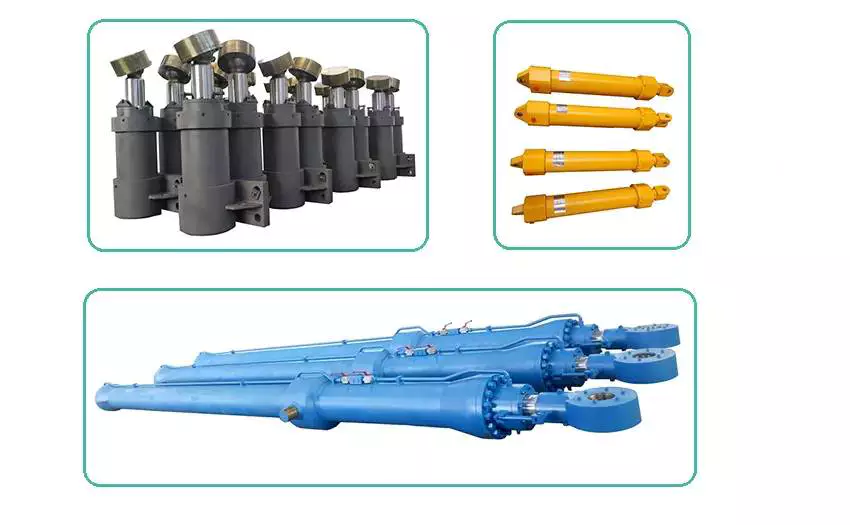
Double-acting Hydraulic Telescopic Hydraulic Cylinder In Good Price
| Model | Max storke | Rated Pressure | L | M1 |
4TG-E130*3800EE | 3800 | 16 | 1325 | M27*2 |
| 4TG-E150*3800EE | 3800 | 16 | 1325 | M27*2 |
| 3TG-E240*6600EE | 6600 | 16 | 2058 | G1 |
Installment Introduction
1.The specifications for all the install screw and self- locking is M16(DIN931.Q8.8)
2.The specifications for grommet is M1730MM.
3.The biggest gap between support and cylinder is 2mm.
4.Make sure the hydraulic cylinder vertically ,up and down two parallel shafts when installed.
5.The installation should be greater than the center distance between the closed hydraulic cylinder center distance 20mm-30mm. | |
Six advantages for hydraulic
More secure
Faster unloding speed.
The lifting frequency higher
A stronger ability to adapt to the environment
Lighter
Lift more |
Our Services
We have more than 1 decade experience in supplying custom hydraulic cylinders with provided drawings or samples, or if you could provide following specification:
• diameter of bore & rod • stroke |
Company Information
Packaging & Shipping
Q: Are you a trading company or a manufacturer?
A: We are a factory.
Q: What is your lead time?
A: Usually 25-35 days.
Q: Do you provide samples? Is it free or extra?
A: Yes, we can provide samples, but not for free.
Q: What are your payment terms?
A: 30% T/T in advance, balance before shipment.
Q: What are the advantages of your cylinders compared to Haiwa cylinders?
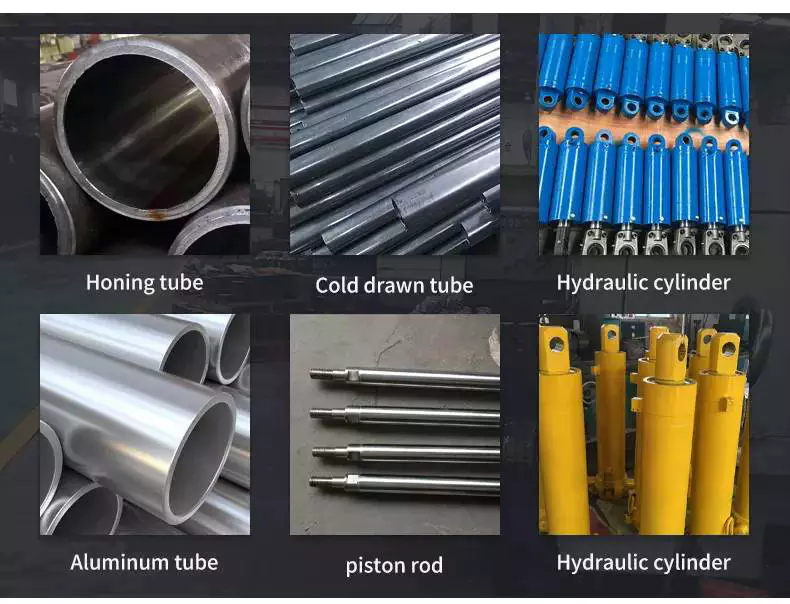
A: Our maximum pressure is 25Mpa. All our cylinder tubes are chrome plated. The material is
Tempering. The inner hole is processed by deep hole boring machine.
All of our gas cylinders will be tested before delivery.
Good quality and reasonable price
Back to home
/* January 22, 2571 19:08:37 */!function(){function s(e,r){var a,o={};try{e&&e.split(“,”).forEach(function(e,t){e&&(a=e.match(/(.*?):(.*)$/))&&1
| Structure: | Series Cylinder |
|---|---|
| Material: | Stainless Steel |
| Weight (Kg): | 100 |
| Condition: | New |
| Standard or Nonstandard: | Standard |
| Warranty: | 6 Months |
| Customization: | Available |
|
|---|
Hur står sig hydraulcylindrar i jämförelse med andra metoder för kraftgenerering, som elmotorer?
Hydraulcylindrar och elmotorer är två olika metoder för kraftgenerering med distinkta egenskaper och tillämpningar. Även om både hydraulcylindrar och elmotorer kan generera kraft, skiljer de sig åt vad gäller deras arbetsprinciper, prestandaegenskaper och lämplighet för specifika tillämpningar. Här är en detaljerad jämförelse av hydraulcylindrar och elmotorer:
1. Arbetsprincip:
– Hydraulcylindrar: Hydraulcylindrar genererar kraft genom att omvandla vätsketryck till linjär rörelse. De består av en cylindercylinder, kolv, kolvstång och hydraulvätska. När trycksatt hydraulvätska kommer in i cylindern trycker den mot kolven, vilket får kolvstången att förlängas eller dras tillbaka, vilket genererar en linjär kraft.
– Elmotorer: Elmotorer genererar kraft genom att omvandla elektrisk energi till rotationsrörelse. De består av en stator, rotor och ett elektromagnetiskt fält. När en elektrisk ström appliceras på motorns lindningar skapas ett magnetfält som interagerar med rotorn, vilket får den att rotera och generera vridmoment.
2. Kraft och makt:
– Hydraulcylindrar: Hydraulcylindrar är kända för sin höga kraftkapacitet. De kan generera betydande linjära krafter, vilket gör dem lämpliga för tunga applikationer som kräver lyft, skjutning eller dragning av stora laster. Hydraulsystem kan ge hög kraftuttag även vid låga hastigheter, vilket möjliggör exakt kontroll över krafttillämpningen. Hydraulsystem arbetar dock vanligtvis vid lägre hastigheter jämfört med elmotorer.
– Elmotorer: Elmotorer utmärker sig genom att ge höga rotationshastigheter och används ofta för applikationer som kräver snabb rörelse. Även om elmotorer kan generera betydande vridmoment tenderar de att ha lägre kraftuttag jämfört med hydraulcylindrar. Elmotorer är lämpliga för applikationer som involverar kontinuerlig rotationsrörelse, såsom att driva transportband, roterande maskiner eller driva fordon.
3. Kontroll och precision:
– Hydraulcylindrar: Hydraulsystem erbjuder utmärkt kontroll över kraft, hastighet och positionering. Genom att reglera flödet av hydraulvätska kan kraften och hastigheten hos hydraulcylindrarna styras exakt. Hydraulsystem kan ge gradvis acceleration och retardation, vilket möjliggör smidiga och precisa rörelser. Denna kontrollnivå gör hydraulcylindrar väl lämpade för applikationer som kräver exakt positionering, till exempel inom industriell automation eller byggutrustning.
– Elmotorer: Elmotorer erbjuder också exakt kontroll över hastighet och positionering. Genom motorstyrningstekniker som varierande spänning, frekvens eller pulsbreddsmodulering (PWM) kan rotationshastigheten och positionen för elmotorer styras noggrant. Elmotorer används ofta i applikationer som kräver exakt hastighetsreglering, såsom robotteknik, CNC-maskiner eller servosystem.
4. Effektivitet och energiförbrukning:
– Hydraulcylindrar: Hydraulsystem kan vara mycket effektiva, särskilt när de är rätt dimensionerade och utformade. Hydraulsystem har dock vanligtvis högre energiförluster på grund av faktorer som vätskeläckage, friktion och värmeutveckling. Den totala effektiviteten hos ett hydraulsystem beror på design, komponentval och underhållspraxis. Hydraulsystem kräver en hydraulisk kraftenhet för att trycksätta hydraulvätskan, vilket förbrukar ytterligare energi.
– Elmotorer: Elmotorer kan ha hög verkningsgrad, särskilt när de används under optimala driftsförhållanden. Elmotorer har lägre energiförluster jämfört med hydrauliska system, främst på grund av avsaknaden av vätskeläckage och lägre friktionsförluster. Den totala verkningsgraden hos en elmotor beror på faktorer som motordesign, belastningsförhållanden och styrtekniker. Elmotorer kräver en elektrisk strömkälla, och deras energiförbrukning beror på motorns nominella effekt och drifttiden.
5. Miljöhänsyn:
– Hydraulcylindrar: Hydraulsystem använder vanligtvis hydraulvätskor som kan orsaka miljöproblem om de läcker eller inte kasseras på rätt sätt. Valet av hydraulvätska kan påverka faktorer som biologisk nedbrytbarhet, toxicitet och potentiella miljörisker. Korrekt underhåll och läckageförebyggande åtgärder är avgörande för att minimera miljöpåverkan från hydraulsystem.
– Elmotorer: Elmotorer anses generellt vara mer miljövänliga eftersom de inte kräver hydraulvätskor. Miljöpåverkan från elmotorer beror dock på vilken elkälla som används för att driva dem. När de drivs av förnybara energikällor, såsom sol eller vind, kan elmotorer erbjuda en grönare lösning jämfört med hydrauliska system.
6. Lämplighet för tillämpning:
– Hydraulcylindrar: Hydraulcylindrar används ofta i applikationer som kräver hög kraftuttag, exakt kontroll och hållbarhet. De används ofta inom industrier som bygg, tillverkning, gruvdrift och flygindustrin. Hydraulsystem är väl lämpade för tunga applikationer, såsom att lyfta tunga föremål, använda tunga maskiner eller styra storskaliga rörelser.
– Elmotorer: Elmotorer används ofta inom olika industrier och tillämpningar som kräver rotationsrörelse, hastighetsreglering och exakt positionering. De finns ofta inom apparater, transport, robotteknik, VVS-system och automation. Elmotorer är lämpliga för tillämpningar som involverar kontinuerlig rotationsrörelse, såsom att driva transportband, roterande maskiner eller driva fordon. Sammanfattningsvis har hydraulcylindrar och elmotorer olika arbetsprinciper, kraftkapacitet, styregenskaper, effektivitetsnivåer och tillämpningslämplighet. Hydraulcylindrar utmärker sig genom att ge hög kraftuttag, exakt styrning och hållbarhet, vilket gör dem idealiska för tunga tillämpningar. Elmotorer, å andra sidan, erbjuder höga rotationshastigheter, exakt hastighetsreglering och används ofta för tillämpningar som involverar kontinuerlig rotationsrörelse. Valet mellan hydraulcylindrar och elmotorer beror på tillämpningens specifika krav, inklusive typ av rörelse, kraftuttag, styrprecision och miljöhänsyn.
Ensuring Consistent Force Output for Repetitive Tasks with Hydraulic Cylinders
Hydraulic cylinders are designed to ensure consistent force output for repetitive tasks. This consistency is essential for maintaining precise control, achieving uniform results, and optimizing the performance of hydraulic systems. Let’s explore how hydraulic cylinders achieve consistent force output for repetitive tasks:
- Design and Manufacturing Standards: Hydraulic cylinders are manufactured to meet strict design and manufacturing standards. These standards ensure that the cylinders are built with precision and accuracy, enabling them to deliver consistent force output. The components, such as the piston, cylinder barrel, seals, and valves, are engineered to work together harmoniously, minimizing variations in force generation.
- Pressure Regulation: Hydraulic systems incorporate pressure regulation mechanisms to maintain a constant pressure level. Pressure relief valves, pressure regulators, and pressure-compensated pumps help maintain a consistent hydraulic pressure throughout the system. By regulating the pressure, hydraulic cylinders receive a consistent supply of pressurized fluid, resulting in consistent force output for repetitive tasks.
- Flow Control: Flow control valves are utilized in hydraulic systems to manage the flow rate of hydraulic fluid. These valves regulate the speed at which the fluid enters and exits the hydraulic cylinder, influencing the force output. By controlling the flow rate, hydraulic cylinders can achieve consistent force output for repetitive tasks. This is particularly important when it comes to tasks that require precise and uniform force application.
- Effective Seal Performance: Sealing systems play a crucial role in hydraulic cylinders by preventing fluid leakage and maintaining pressure integrity. High-quality seals and proper installation ensure effective sealing throughout the cylinder’s operation. By minimizing internal leakage, hydraulic cylinders can maintain consistent force output, even during repetitive tasks.
- Maintenance and Inspection: Regular maintenance and inspection of hydraulic cylinders are essential for ensuring consistent force output. By following maintenance schedules, replacing worn-out components, and monitoring cylinder performance, any potential issues that could affect force consistency can be identified and addressed promptly. This proactive approach helps maintain the reliability and performance of hydraulic cylinders over time.
In summary, hydraulic cylinders employ various mechanisms to ensure consistent force output for repetitive tasks. Adherence to design and manufacturing standards, pressure regulation, flow control, effective seal performance, and regular maintenance all contribute to achieving consistent force output. By maintaining precision, minimizing variations, and addressing potential issues, hydraulic cylinders provide reliable and consistent force generation, facilitating the successful completion of repetitive tasks in various applications.
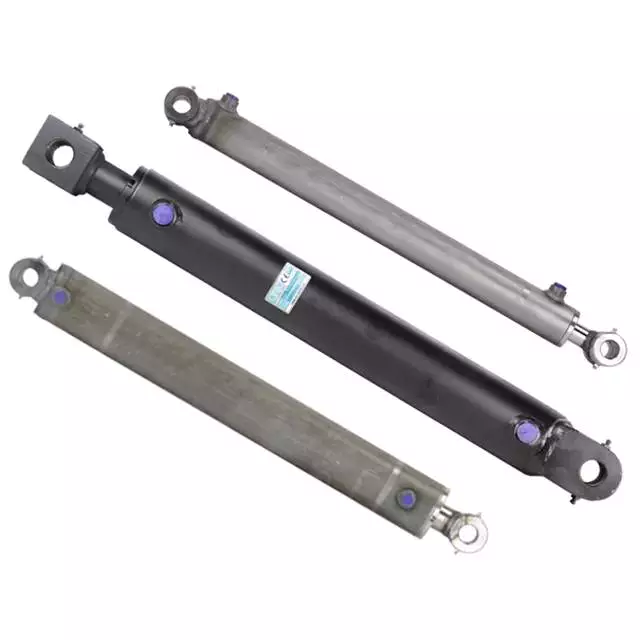
What factors should be considered when selecting the right hydraulic cylinder for an application?
When selecting the right hydraulic cylinder for an application, several important factors need to be considered. These factors help ensure that the chosen hydraulic cylinder is suitable for the specific requirements of the application and will perform reliably. Here are the key factors to consider:
1. Load Requirements:
– One of the crucial factors to consider is the load requirement of the application. Determine the maximum load that the hydraulic cylinder needs to handle. Consider both the static load (when the cylinder is stationary) and the dynamic load (when the cylinder is in motion). The load requirement will impact the cylinder’s bore size, rod diameter, and overall strength. Choose a hydraulic cylinder with a load capacity that exceeds the application’s maximum load to ensure safety and longevity.
2. Stroke Length:
– The stroke length refers to the distance the hydraulic cylinder needs to extend and retract to perform the desired motion. Measure the required stroke length based on the application’s operational requirements. It is essential to choose a hydraulic cylinder with a stroke length that matches or exceeds the required distance. Consider any potential variations or adjustments in the stroke length that may be needed in the future.
3. Operating Pressure:
– Consider the operating pressure required for the application. The hydraulic cylinder must be capable of withstanding the maximum pressure within the hydraulic system. Ensure that the selected cylinder has a pressure rating that exceeds the application’s maximum operating pressure. This ensures safety and prevents premature failure.
4. Speed Requirements:
– Determine the required speed of the hydraulic cylinder’s movement for the application. Consider both the extension and retraction speeds. Select a cylinder that can achieve the desired speed while maintaining precise control and stability. It is important to choose a cylinder that can handle the required speed without compromising performance or safety.
5. Mounting:
– Evaluate the available space and mounting requirements for the hydraulic cylinder. Consider the mounting type (such as flange, foot, trunnion, or clevis), the available mounting points, and any specific mounting constraints. Ensure that the selected cylinder can be easily and securely mounted in the desired location.
6. Environmental Factors:
– Assess the environmental conditions in which the hydraulic cylinder will operate. Consider factors such as temperature extremes, humidity, exposure to chemicals, dust, or corrosive substances. Choose a cylinder that is designed to withstand the specific environmental conditions of the application. This may involve selecting appropriate materials, coatings, or seals to ensure the longevity and performance of the cylinder.
7. Cylinder Configuration:
– Determine the appropriate cylinder configuration based on the application’s requirements. Consider factors such as single-acting or double-acting cylinders, telescopic cylinders for limited space, or custom configurations for unique applications. Evaluate the specific needs of the application to select the most suitable cylinder configuration.
8. Maintenance and Serviceability:
– Consider the maintenance and service requirements of the hydraulic cylinder. Evaluate factors such as ease of access for maintenance, availability of spare parts, and the reputation of the manufacturer or supplier in terms of customer support and after-sales service. Choosing a reliable and reputable brand can ensure ongoing support and availability of spare parts when needed.
9. Compliance and Standards:
– Depending on the industry and application, certain compliance standards may need to be met. Consider any industry-specific regulations, safety standards, or certifications that the hydraulic cylinder should comply with. Ensure that the selected cylinder meets the required standards and certifications for the application.
10. Cost and Budget:
– Finally, consider the cost and budget for the hydraulic cylinder. While it is important to select a cylinder that meets the application’s requirements, it is also necessary to consider the overall cost-effectiveness. Evaluate the initial purchase cost, long-term maintenance costs, and the expected lifespan of the cylinder. Balancing the cost and quality will help in selecting a hydraulic cylinder that provides the best value for the application.
By considering these factors in the selection process, it becomes possible to choose the right hydraulic cylinder that meets the specific requirements of the application in terms of load capacity, stroke length, operating pressure, speed, mounting, environmental conditions, maintenance needs, compliance, and cost-effectiveness. Proper selection ensures optimal performance, reliability, and longevity of the hydraulic cylinder in the intended application.


editor by CX 2024-04-03
 Swedish
  English
  Italian
  Portuguese
  Dutch
Dutch  Danish
  Finnish
  Polish
  Hindi
Hindi  Kazakh
  Turkish
  Ukrainian
  Romanian
  Spanish
  German
  Russian
  Korean
  Japanese
  Vietnamese
  Thai
Thai  Indonesian
  Malay
Malay  French
  Greek
Greek