
Produktbeskrivning
FEATURES:
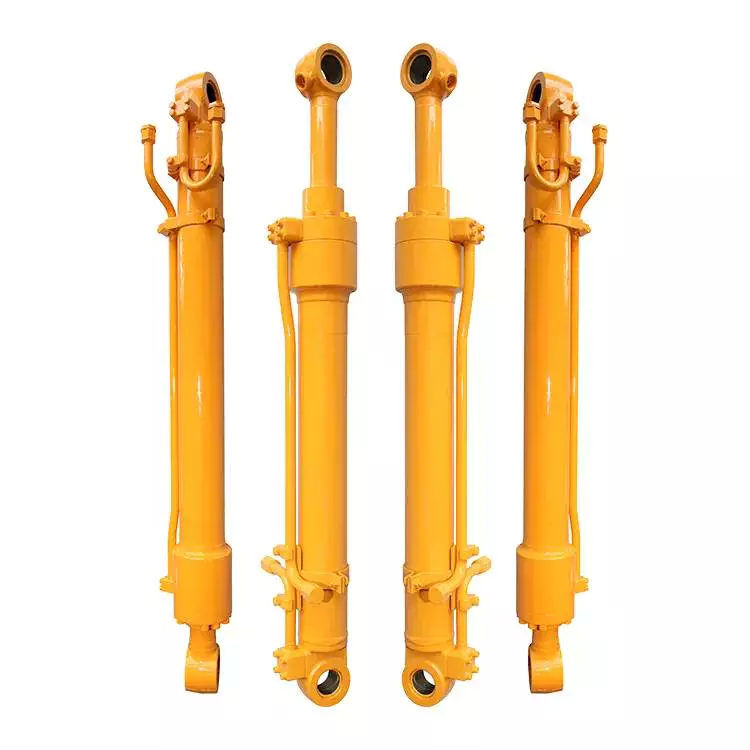
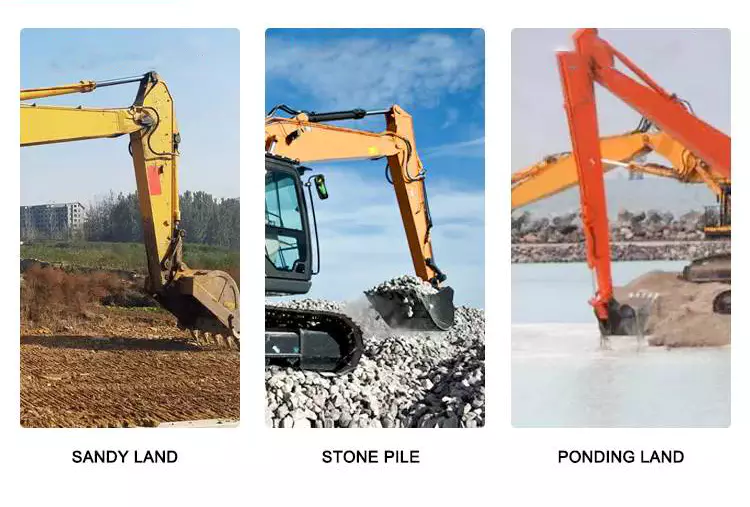
1.Our cylinders are ideally suited for construction and agricultural applications,as well as other industries like metal fabricating,waste/recycling. OEM is welcomed.
2.SAE, NPT, NPTF, BSP, Ports are available.
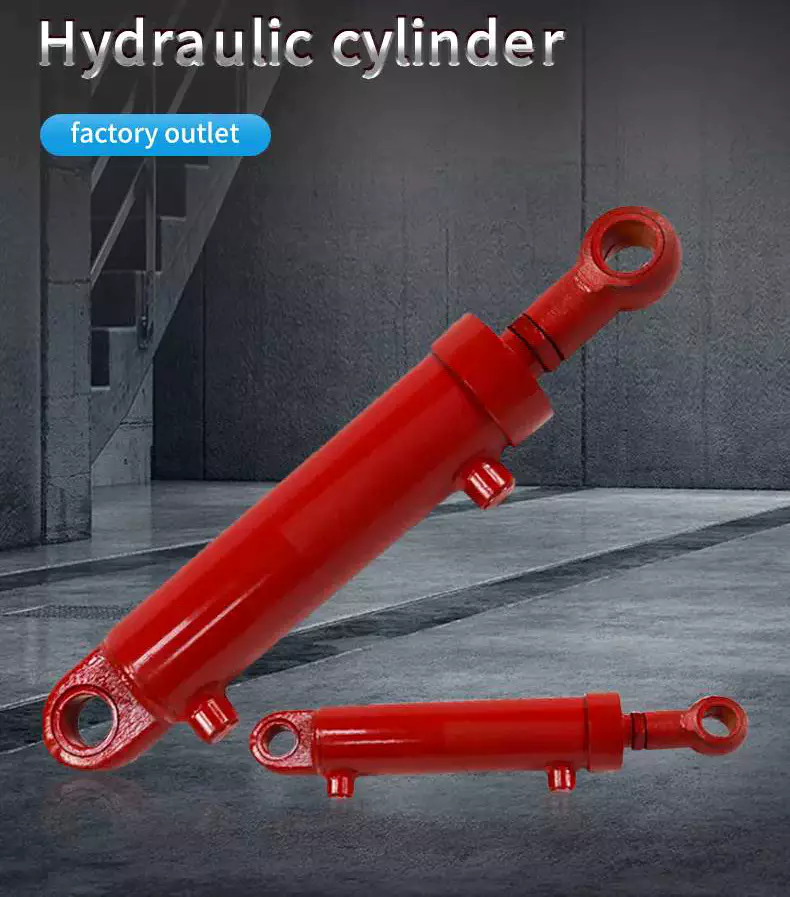
3.The base end clevis ensure greater swing ability and Maximum flexibility.
4.Every cylinder is functionally tested and pressurized to 1.5 times the normal working pressure to insure performance reliability.
5.Painted red, available in custom colors.
6.1 year limited warranty
7.Bore: 18mm – 800mm (0.75″ ~24″)
8.Stroke: 100mm – 8000mm. (4″ ~315″)
9.Main markets: America, Europe, Australia, Japan, China
10.As an ISO 9001:2008 certified factory, we own hundreds of different manufacturing and inspection facilities applied to machining, heat treatment, surface treatment, assembly of the finished products. We supply all types of hydraulic cylinder ranging from tie rod, welded cylinders to related components. With years’ manufacturing experiences, we are committed to a very competitive price and customer satisfied service.
We can supply customized hydraulic cylinders with drawings or samples, or if you could provide following specification:Custom Hydraulic Cylinder
•stroke
•mounting style
•mounting distance
•working pressure
•ports
•seals
•special modifications.
HangZhou GD Machinery CO.,LTD. | |
Produkt | |
tie rod hydraulic cylinder, welded hydraulic cylinder, telescopic cylinders cylinder, flange type hydraulic cylinder, hydraulic cylinder with valve function, hydraulic power unit, Hydraulic manifold block, pneumatic fitting, | |
Material | Tube – Cold Drawn Precision seamless Tubing Mounts – Trunnion with angular Swivels |
Application | Agriculture, Concrete & Asphalt, Cranes, Fire & Rescue, Forestry & Logging,Mining & Rock Crushing,Oil & Gas, Snow & Ice Control,Waste Management and Material Recycling Industry , Engineering Equipment, Special Vehicle |
Feature | 1.High quality with a reasonable price 2.ISO9001-2008 3.Customized specification are accepted |
Payment | T/T;L/C,WESTERN UNION. |
Port | ZheJiang , HangZhou |
Quotation | According to the specific request |
MOQ | According to the product |
Förpackning | metal case;plywood case;carton or as requirement |
Delivery time | 30days CHINAMFG receipt of 30% deposit; or CHINAMFG receipt of relevant L/C; |
CONTACT:
Emma Hong
Please feel free to contact me at any time.
| Certification: | ISO9001 |
|---|---|
| Pressure: | Medium Pressure |
| Work Temperature: | Normal Temperature |
| Samples: | US$ 50/Piece 1 Piece(Min.Order) | Order Sample |
|---|
| Customization: | Available |
|
|---|
.shipping-cost-tm .tm-status-off{background: none;padding:0;color: #1470cc}
| Shipping Cost: Estimated freight per unit. | about shipping cost and estimated delivery time. |
|---|
| Payment Method: |
|
|---|---|
| Initial Payment Full Payment |
| Currency: | US$ |
|---|
| Return&refunds: | You can apply for a refund up to 30 days after receipt of the products. |
|---|
Kan hydraulcylindrar eftermonteras på befintlig utrustning för förbättrad funktionalitet?
Ja, hydraulcylindrar kan eftermonteras på befintlig utrustning för att förbättra funktionalitet och prestanda. Eftermontering av hydraulcylindrar på befintliga maskiner eller utrustning erbjuder flera fördelar, inklusive ökad effekt, förbättrad kontroll, ökad precision och mångsidighet. Här är en detaljerad förklaring av hur hydraulcylindrar kan eftermonteras på befintlig utrustning för förbättrad funktionalitet:
1. Ökad kraft:
– Eftermontering av hydraulcylindrar möjliggör utökad hydraulkraft till befintlig utrustning. Genom att integrera hydraulcylindrar kan utrustningen generera högre krafter och hantera tyngre laster. Denna ökade effekt gör det möjligt för utrustningen att utföra uppgifter som tidigare var utmanande eller omöjliga. Till exempel kan en eftermonterad hydraulcylinder på en kran förbättra dess lyftkapacitet och göra det möjligt för den att hantera tyngre laster mer effektivt.
2. Förbättrad kontroll:
– Hydraulcylindrar ger exakt kontroll över utrustningens rörelse och positionering. Genom att eftermontera hydraulcylindrar får operatörerna bättre kontroll över hastighet, kraft och rörelseriktning. Tillägget av hydrauliska styrventiler och en hydraulisk kraftenhet möjliggör finjustering av utrustningens drift. Förbättrad kontroll underlättar säkrare och effektivare drift, vilket minskar risken för skador och förbättrar den totala produktiviteten.
3. Förbättrad precision:
– Eftermontering av hydraulcylindrar på befintlig utrustning kan avsevärt förbättra precision och noggrannhet. Hydrauliska system erbjuder exakt kontroll över rörelser, vilket möjliggör smidig och kontrollerad rörelse. Denna förbättrade precision är fördelaktig i applikationer där exakt positionering eller repetitiva rörelser krävs. Till exempel kan eftermontering av hydraulcylindrar på en robotarm förbättra dess noggrannhet och repeterbarhet, vilket gör den mer lämplig för uppgifter som kräver hög precision.
4. Mångsidighet och anpassningsförmåga:
– Eftermontering av hydraulcylindrar kan öka mångsidigheten och anpassningsförmågan hos befintlig utrustning. Hydraulsystem kan enkelt integreras med olika typer av maskiner, vilket möjliggör användning av hydraulkraft i olika applikationer. De hydrauliska komponenternas modulära natur underlättar eftermonteringsprocessen och gör det möjligt för utrustningen att utföra ett bredare spektrum av uppgifter. Denna mångsidighet är särskilt fördelaktig i industrier där utrustning behöver anpassas till förändrade driftskrav.
5. Ombyggnadssatser och anpassning:
– Tillverkare tillhandahåller ofta eftermonteringssatser som innehåller alla nödvändiga komponenter för att integrera hydraulcylindrar i befintlig utrustning. Dessa satser består vanligtvis av hydraulcylindrar, monteringsfästen, slangar, kopplingar, styrventiler och andra nödvändiga tillbehör. Eftermonteringssatser förenklar eftermonteringsprocessen och säkerställer kompatibilitet mellan de hydrauliska komponenterna och den befintliga utrustningen. Dessutom kan tillverkare erbjuda anpassningsalternativ för att skräddarsy eftermonteringslösningen till specifik utrustning och applikationsbehov.
6. Kostnadseffektiv lösning:
– Att eftermontera hydraulcylindrar på befintlig utrustning kan vara en kostnadseffektiv lösning jämfört med att köpa nya maskiner. Genom att utnyttja den befintliga utrustningens strukturella ramverk och mekaniska komponenter kan den totala kostnaden för uppgradering minskas. Eftermontering minimerar också stilleståndstider eftersom utrustningen inte behöver bytas ut helt. Dessutom kan den förbättrade funktionaliteten och prestandan som eftermonteringen resulterar i leda till ökad produktivitet och kostnadsbesparingar på lång sikt.
7. Professionell installation och expertis:
– Eftermontering av hydraulcylindrar på befintlig utrustning kräver ofta professionell installation och expertis. Att arbeta med erfarna integratörer eller tillverkare av hydrauliska system säkerställer korrekt installation, kompatibilitet och optimal prestanda för eftermonteringslösningen. Dessa yrkespersoner kan bedöma den befintliga utrustningen, rekommendera lämpliga hydrauliska komponenter och genomföra eftermonteringsprocessen effektivt. Deras kunskap och expertis bidrar till en framgångsrik integration av hydraulcylindrar och den övergripande förbättringen av utrustningens funktionalitet.
Sammanfattningsvis kan hydraulcylindrar faktiskt eftermonteras på befintlig utrustning för att förbättra funktionaliteten. Denna eftermonteringsprocess erbjuder fördelar som ökad effekt, förbättrad kontroll, förbättrad precision, mångsidighet, kostnadseffektivitet och tillgång till eftermonteringssatser och anpassningsalternativ. Genom att eftermontera hydraulcylindrar kan befintlig utrustning uppgraderas för att möta ständigt föränderliga driftsbehov, förlänga dess livslängd och förbättra den totala prestandan.
Contribution of Hydraulic Cylinders to the Precision of Robotic and Automation Systems
Hydraulic cylinders play a significant role in enhancing the precision of robotic and automation systems. These systems rely on precise and controlled movements to perform various tasks with accuracy and repeatability. Let’s explore how hydraulic cylinders contribute to the precision of robotic and automation systems:
- Precise Positioning: Hydraulic cylinders enable precise positioning of robotic arms or automation components. They provide accurate control over the linear motion required for tasks such as picking, placing, and assembly. By precisely controlling the extension and retraction of the hydraulic cylinder, the system can achieve the desired position with high accuracy, ensuring precise alignment and consistent results.
- Controlled Motion: Hydraulic cylinders offer controlled and smooth motion, which is crucial for precise operation in robotic and automation systems. The flow of hydraulic fluid can be precisely regulated to control the speed and acceleration of the cylinder’s movement. This precise control allows for gentle and controlled movements, minimizing vibrations, overshooting, or jerky motions that could affect the accuracy of the system.
- Force Control: Hydraulic cylinders provide force control capabilities that contribute to precision in robotic and automation systems. By adjusting the hydraulic pressure, the force exerted by the cylinder can be precisely controlled. This is particularly valuable in applications that require delicate force-sensitive tasks, such as gripping fragile objects or performing precise force feedback during assembly or testing processes.
- Load Handling: Hydraulic cylinders are capable of handling heavy loads, allowing robotic and automation systems to manipulate and transport objects with precision. The high force capabilities of hydraulic cylinders ensure secure and stable handling of loads, minimizing the risk of slippage or imprecise positioning. This is crucial in applications where precise control over heavy objects is required, such as material handling or industrial assembly processes.
- Durability and Reliability: Hydraulic cylinders are known for their durability and reliability in demanding industrial environments. The ability to withstand repeated use, high loads, and harsh conditions ensures consistent performance over time. This reliability contributes to the precision of robotic and automation systems, as any deviation or failure in the cylinder’s movement could lead to inaccuracies or disruptions in the system’s operation.
In summary, hydraulic cylinders make significant contributions to the precision of robotic and automation systems by enabling precise positioning, controlled motion, force control, load handling, and offering durability and reliability. These capabilities ensure accurate and repeatable movements, minimize errors, and enhance the overall precision of the system. By incorporating hydraulic cylinders into robotic and automation systems, manufacturers can achieve higher levels of precision, efficiency, and productivity in various industrial applications.
What safety precautions should be followed when working with hydraulic cylinders?
Working with hydraulic cylinders requires strict adherence to safety precautions to prevent accidents, injuries, and damage to equipment or property. Hydraulic systems operate under high pressures and involve moving parts, which can pose serious hazards if not handled properly. Here’s a detailed explanation of the safety precautions that should be followed when working with hydraulic cylinders:
1. Training and Knowledge:
– Ensure that personnel working with hydraulic cylinders have received adequate training and possess a thorough understanding of hydraulic system operation, maintenance, and safety protocols. Proper training should cover topics such as hydraulic principles, pressure ratings, safe work practices, and emergency procedures. Only trained and authorized personnel should be allowed to handle hydraulic cylinders.
2. Wear Personal Protective Equipment (PPE):
– Always wear appropriate personal protective equipment when working with hydraulic cylinders. This may include safety glasses, gloves, protective clothing, and steel-toed boots. PPE helps protect against potential hazards, such as hydraulic fluid leaks, flying debris, or accidental contact with moving parts.
3. Hydraulic System Inspection:
– Before working with hydraulic cylinders, inspect the entire hydraulic system for any signs of damage, leaks, or loose connections. Check hydraulic hoses, fittings, valves, and cylinders for integrity and secure fastening. If any issues are detected, the system should be repaired or serviced before operation.
4. Relieve Pressure:
– Before performing any maintenance or disassembly on a hydraulic cylinder, it is crucial to relieve the pressure in the system. Follow the manufacturer’s instructions to properly release pressure and ensure that the hydraulic cylinder is depressurized before starting any work. Failure to do so can result in sudden and uncontrolled movement of the cylinder or hydraulic lines, leading to serious injuries.
5. Lockout/Tagout Procedures:
– Implement lockout/tagout procedures to prevent accidental energization of the hydraulic system while maintenance or repair work is being conducted. Lockout/tagout involves isolating the energy source, such as shutting off the hydraulic pump and locking or tagging the controls to prevent unauthorized operation. This procedure ensures that the hydraulic cylinder remains in a safe, non-operational state during maintenance activities.
6. Use Proper Lifting Techniques:
– When working with heavy hydraulic cylinders or components, use proper lifting techniques and equipment to avoid strain or injury. Hydraulic cylinders can be heavy and awkward to handle, so ensure that lifting equipment, such as cranes or hoists, is properly rated and used correctly. Follow safe lifting practices, including securing the load and maintaining a stable lifting posture.
7. Hydraulic Fluid Handling:
– Handle hydraulic fluid with care and follow proper procedures for fluid filling, transfer, and disposal. Avoid contact with the skin or eyes, as hydraulic fluid may be hazardous. Use appropriate containers and equipment to prevent spills or leaks. If any hydraulic fluid comes into contact with the skin or eyes, rinse thoroughly with water and seek medical attention if necessary.
8. Regular Maintenance:
– Perform regular maintenance and inspections on hydraulic cylinders to ensure their safe and reliable operation. This includes checking for leaks, inspecting seals, monitoring fluid levels, and conducting periodic servicing as recommended by the manufacturer. Proper maintenance helps prevent unexpected failures and ensures the continued safe use of hydraulic cylinders.
9. Follow Manufacturer Guidelines:
– Always follow the manufacturer’s guidelines, instructions, and recommendations for the specific hydraulic cylinders and equipment being used. Manufacturers provide important safety information, maintenance schedules, and operational guidelines that should be strictly adhered to for safe and optimal performance.
10. Emergency Preparedness:
– Be prepared for potential emergencies by having appropriate safety equipment, such as fire extinguishers, first aid kits, and emergency eyewash stations, readily available. Establish clear communication channels and emergency response procedures to promptly address any accidents, leaks, or injuries that may occur during hydraulic cylinder operations.
By following these safety precautions, individuals working with hydraulic cylinders can minimize the risk of accidents, injuries, and property damage. It is essential to prioritize safety, maintain awareness of potential hazards, and ensure compliance with relevant safety regulations and industry standards.


editor by CX 2023-10-23
 Swedish
  English
  Italian
  Portuguese
  Dutch
Dutch  Danish
  Finnish
  Polish
  Hindi
Hindi  Kazakh
  Turkish
  Ukrainian
  Romanian
  Spanish
  German
  Russian
  Korean
  Japanese
  Vietnamese
  Thai
Thai  Indonesian
  Malay
Malay  French
  Greek
Greek