
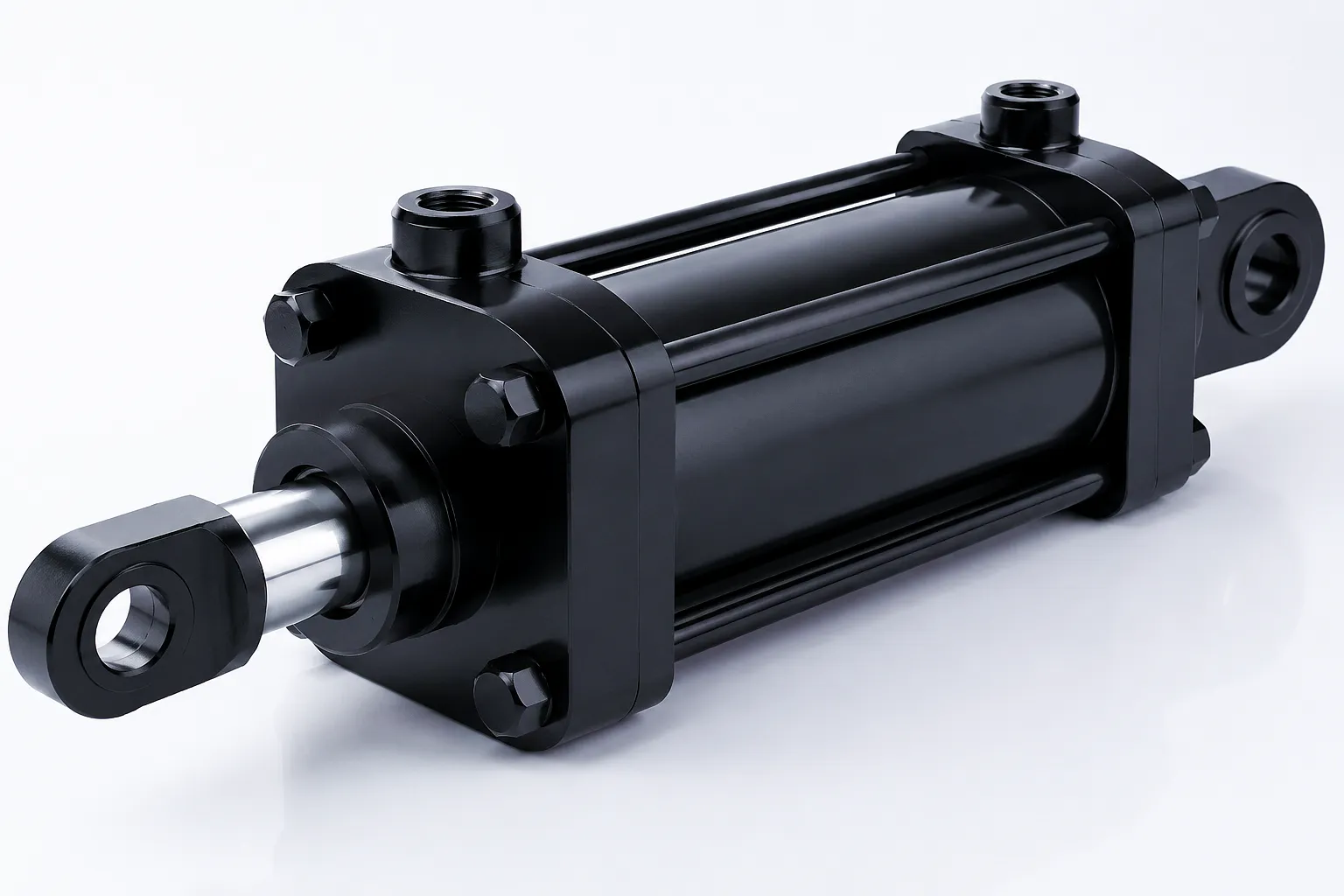
 Every time a tractor lifts a heavy implement, a combine harvester adjusts its header height, or a bale wrapper clamps its mechanism, a hydraulic cylinder is doing the heavy lifting. These unassuming but precision-engineered components are the backbone of modern agricultural machinery — converting hydraulic pressure into the controlled linear force that powers virtually every major working function on a farm. Yet despite their critical role, hydraulic cylinders are often taken for granted until something goes wrong in the middle of harvest season.
How Agricultural Hydraulic Cylinders Actually Work
At its core, every hydraulic cylinder operates on Pascal’s Law: pressure applied to a confined fluid transmits equally in all directions. The tractor’s hydraulic pump generates pressure — typically between 150 and 250 bar in modern agricultural systems — which the tractor’s control valve directs into one or both chambers of the cylinder. Pressurised oil acting on the piston’s cross-sectional area creates the linear force that moves the load, whether that load is a plough, a front loader, or a folding sprayer boom. The relationship between operating pressure, piston bore diameter, and the resultant pushing or pulling force is fixed by geometry, which means that proper cylinder sizing from the outset determines whether the machine operates safely within its design envelope throughout its working life.
Agricultural hydraulic cylinders fall into two fundamental categories. Single-acting cylinders use hydraulic pressure to move in one direction — usually the working stroke — and rely on a return spring or gravity to retract. They are common in simple lifting applications such as three-point linkage rams, where the implement’s own weight provides adequate return force. Double-acting cylinders, by contrast, receive pressurised oil alternately into each chamber, delivering powered movement in both directions. These are essential for applications demanding precise positional control in both directions, such as steering rams on self-propelled machines, header height control on combine harvesters, and the complex folding sequences found on modern wide-width cultivators. Understanding which type suits the application is not simply a matter of cost — a single-acting cylinder fitted where a double-acting unit is needed represents both a safety hazard and a performance liability.
When a piston reaches the end of its stroke at speed, the deceleration forces can be damaging to both the cylinder and the connected machinery. End-of-stroke cushioning solves this by progressively restricting oil flow as the piston approaches the end cap, converting kinetic energy into a controlled pressure rise rather than a mechanical impact. In agricultural settings, where large implements move quickly and operators may not always modulate the valve with perfect finesse, factory-fitted cushioning markedly extends service life. Adjustable cushions — accessible via a small needle valve in the end cap — give the operator the ability to fine-tune deceleration characteristics after installation, which is particularly valuable when the same cylinder design is used across machines with different load masses.
Materials That Determine Service Life
The operating environment on a UK farm is harsh in ways that are easy to underestimate. Salt spray from coastal sites in Kent and East Yorkshire, persistent moisture from Scottish Highland mists, abrasive silts from alluvial soils in the Somerset Levels, and the mechanical shock loads that accompany deep cultivation in heavy clay soils all exact a toll on hydraulic components. Material selection is therefore not a secondary consideration — it defines how long a cylinder will perform reliably before requiring service or replacement.
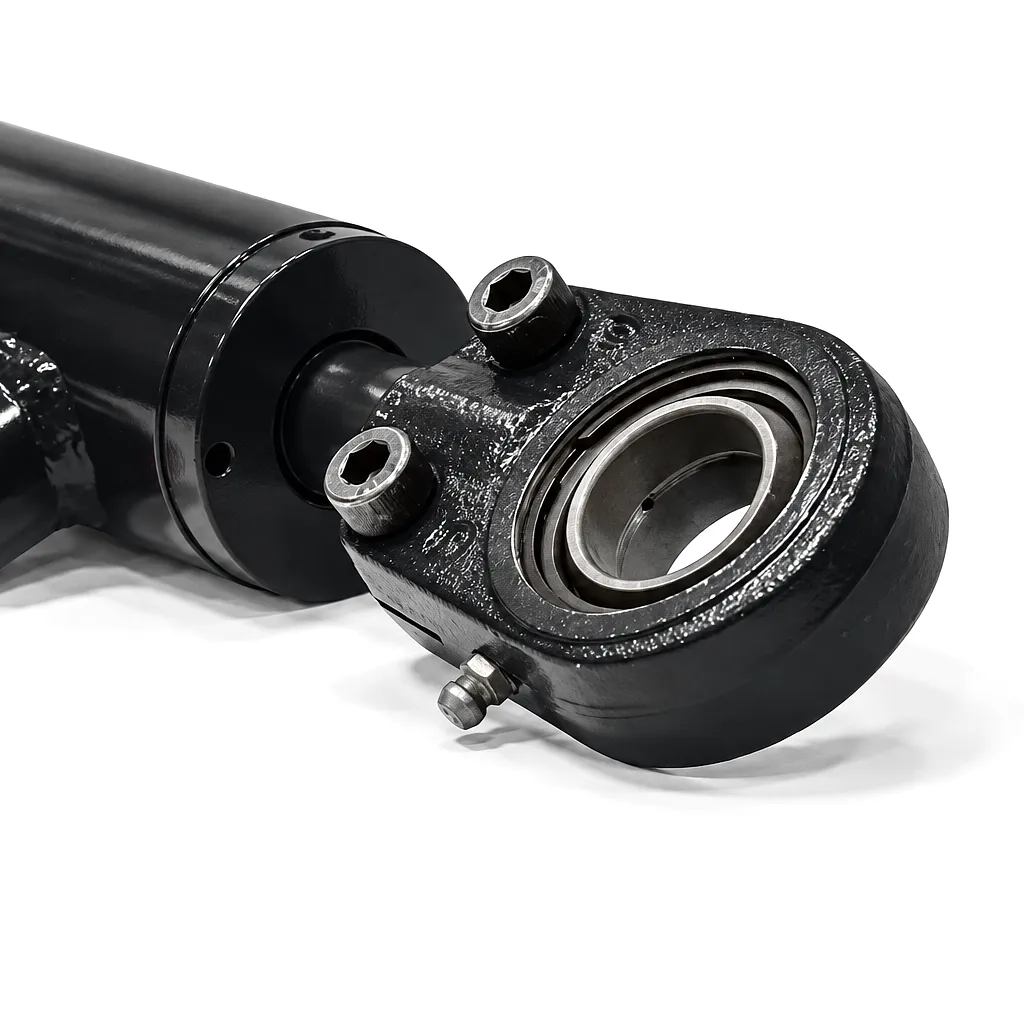
Cold-drawn seamless carbon steel tube (grades E355 and ST52-3 are common European equivalents) forms the cylinder barrel. The inner bore is honed to Ra 0.2–0.4 µm surface finish — a tolerance level that maintains seal integrity over tens of thousands of cycles. Some agricultural cylinders destined for high-corrosion environments specify stainless steel barrels (Grade 304 or 316L), though these are significantly more expensive and are usually reserved for spraying equipment or food-grade washdown applications. Hard chrome plating on the bore interior is an alternative corrosion strategy employed by premium manufacturers, providing both a hardened wear surface and excellent chemical resistance.
The piston rod is arguably the most abused component in a field-working cylinder. It is constantly exposed to the external environment — mud, crop residue, UV radiation, and mechanical contact from poorly aligned linkages — while simultaneously carrying bending and compressive loads. High-tensile steel (typically 42CrMo4 or equivalent) with a hard chrome plating of 20–35 µm thickness is the agricultural industry benchmark. The chrome layer provides a hardness of around 850–1050 HV (Vickers), which resists both abrasive scoring and corrosion effectively. For particularly aggressive environments, ceramic thermal spray coatings or nickel-composite platings offer superior corrosion protection at higher cost, while still maintaining the dimensional tolerances that keep seals functioning correctly.
Seal material choice determines both the operating temperature range and the chemical compatibility of the cylinder with the machine’s hydraulic fluid. Nitrile rubber (NBR) seals are standard for most agricultural applications, offering good oil resistance and adequate performance from -25°C to +100°C — a range that covers virtually all UK field conditions throughout the year. Polyurethane rod seals are increasingly specified in premium assemblies for their superior abrasion resistance and longer service intervals. Where bio-based hydraulic fluids are specified — a growing requirement in environmentally sensitive areas near UK waterways under Environment Agency guidelines — EPDM or PTFE-based seals are necessary to maintain compatibility. End caps are typically machined from ductile iron or high-tensile steel, with thread-locked or welded retention as determined by the pressure rating.
Agricultural Hydraulic Cylinder — Technical Performance Parameters
| Parameter | Standard Range | Heavy-Duty Range | Custom Maximum |
|---|---|---|---|
| Bore Diameter | 40 – 100 mm | 100 – 250 mm | Up to 500 mm |
| Rod Diameter | 25 – 70 mm | 70 – 180 mm | Up to 360 mm |
| Stroke Length | 100 – 800 mm | 800 – 3,000 mm | Up to 6,000 mm |
| Operating Pressure | Up to 160 bar | 160 – 250 bar | Up to 420 bar |
| Test Pressure | 1.5 x operating | 1.5 x operating | 2.0 x operating |
| Rod Material | 42CrMo4 + hard chrome | 42CrMo4 + ceramic coat | Stainless 316L / custom |
| Seal Material | NBR / Polyurethane | Polyurethane / PTFE | EPDM / custom compound |
| Operating Temperature | -25°C to +100°C | -40°C to +120°C | -50°C to +150°C |
| Chrome Plating Thickness | 20 – 25 µm | 25 – 35 µm | 35 µm+ / ceramic |
| Mounting Options | Clevis, flange, foot | Trunnion, spherical bush | Fully custom |
| Certification | CE / ISO 6020 | CE / ISO 6020 / ISO 6022 | CE, ISO, DNV, custom |
Technical Advantages That Matter in the Field
A bore surface finish of Ra 0.2–0.4 µm is not an arbitrary specification — it is the geometry that allows dynamic rod seals to maintain a functional oil film while preventing leakage. Precision honing removes the micro-peaks that cause accelerated seal wear during the critical run-in phase, meaning that cylinders built to this standard reach their stable operating state much faster with significantly less early-life seal degradation. For operators who may not service their cylinders at the first recommended interval, this quality tolerance provides a meaningful buffer against premature failure.
The wiper seal — the outermost seal at the rod gland — is the cylinder’s first line of defence against contamination ingress. Premium agricultural cylinders incorporate double-lip polyurethane wipers that clean the rod on both extension and retraction, rather than simply scraping on one pass. This seemingly minor design detail can multiply seal service intervals by a factor of two or three in dusty field conditions. Pair this with a dust exclusion cap on the rod port when the machine is stored between seasons, and contamination-related seal failures — one of the most common causes of hydraulic cylinder replacement on UK farms — become largely preventable.
End cap design and material choice determine the cylinder’s resistance to hydraulic shock — the instantaneous pressure spike that occurs when a relief valve operates or when a heavily loaded implement suddenly encounters an immovable object, such as a buried rock. End caps machined from ductile iron or high-tensile steel to ISO 6020 dimensional standards absorb these pressure transients without the micro-cracking that can propagate in cast grey iron over time. Thread engagement depth is calculated to achieve a factor of safety of at least 2.0 at maximum rated pressure, and the attachment between barrel and end cap — whether threaded, welded, or bolted — is designed to maintain that integrity over the hundreds of thousands of cycles a working agricultural cylinder accumulates.
A cylinder operating in the UK agricultural environment will encounter water, fertiliser salt spray, crop acids, and road grit every season. External surfaces that are inadequately protected corrode at welds, mounting lugs, and bleed nipples — not only creating unsightly rust but eventually compromising structural integrity around threaded fittings. Epoxy primer followed by a polyurethane topcoat, applied electrostatically and cured in an oven, provides a film thickness and adhesion level that outlasts brush-applied or rattle-can finishes by a significant margin. For the piston rod itself, the hard chrome surface is the primary corrosion defence, supplemented by the oil film maintained by the rod seal, which is why correct seal function matters so directly to external rod corrosion outcomes.
For applications requiring rotary movement alongside linear stroke — such as articulated steering systems on large self-propelled sprayers — consider the Hydraulic Rotary Actuator Steering Cylinder, which combines rotary output with hydraulic actuation in a compact, field-proven package.
Industrial Application Scenarios
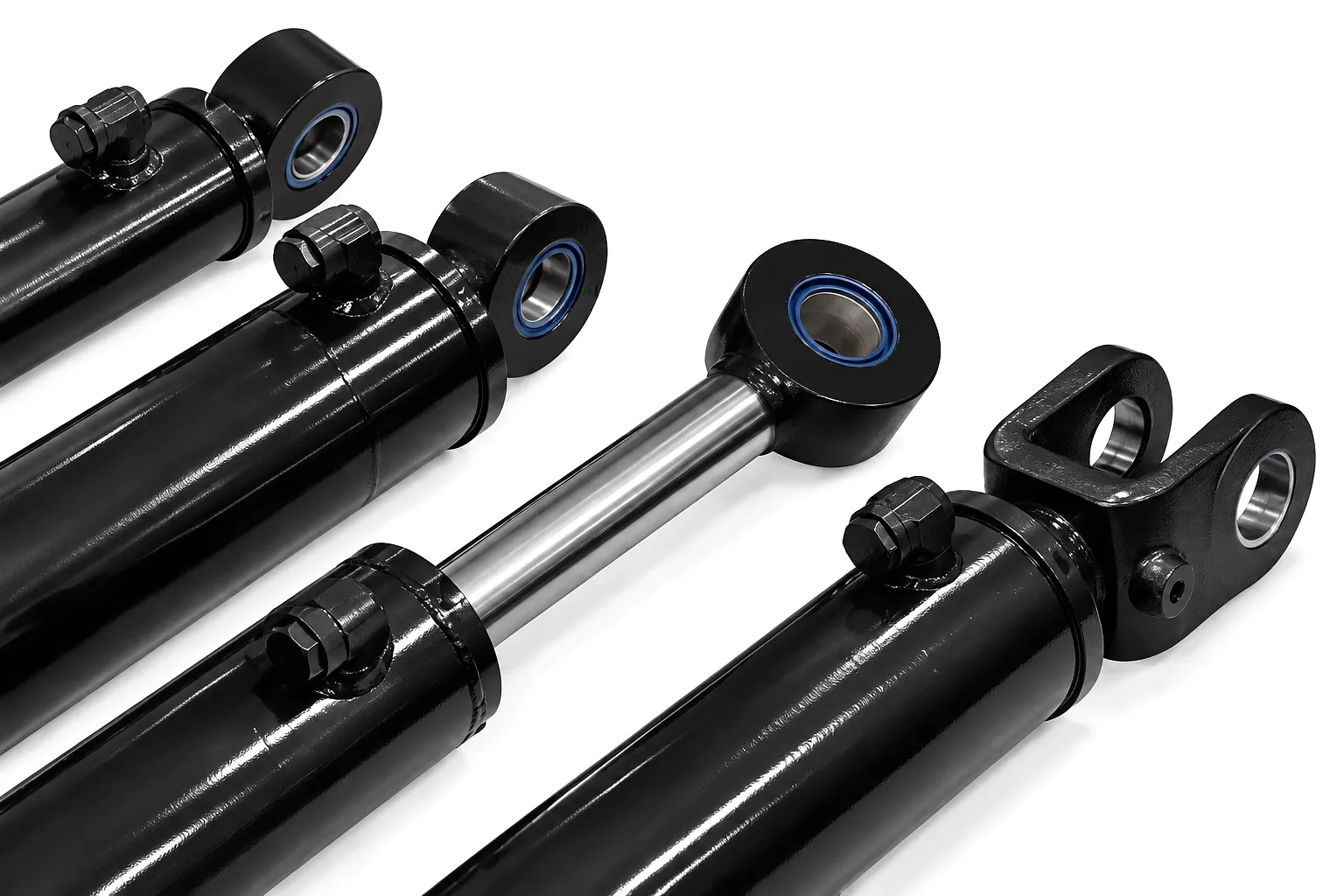
Where UK agricultural hydraulic cylinders are deployed across the full spectrum of farm machinery
The most numerically common agricultural cylinder application in the UK is the tractor three-point linkage system. From compact utility tractors on Scottish hill farms to 400 hp+ row crop tractors working the black fen soils of Cambridgeshire, these lift rams carry implements ranging from 200 kg toolbar attachments to 4,000 kg ploughs and subsoilers. Cylinders here must deliver consistent force across the full stroke regardless of lateral side loads from implement weight shift — a requirement that makes rod guiding geometry and anti-rotation design particularly important. Draft control sensing depends on predictable cylinder behaviour, so dimensional consistency between units in a batch matters for correct control system calibration.
The combine harvester is arguably the most hydraulically intensive machine on any UK arable farm. In a modern combine, hydraulic cylinders manage header height in response to ground contour sensors, control the reel position and draper speed tensioning, adjust the concave clearance, operate the grain tank unloading auger, and manage the straw chopper deflectors. In the large arable operations centred around East Anglia — where harvest windows are notoriously narrow and machine downtime costs thousands of pounds per day — cylinder reliability is directly linked to business profitability. Header height cylinders in particular must respond to electronic position commands with minimal hysteresis, which requires precisely lapped spool valves and cylinders with low internal leakage characteristics across the operating temperature range encountered during a full harvest day.
Across the livestock farms of Yorkshire and Lancashire, round balers work hard through hay and haylage seasons creating the feed reserves that sustain cattle and sheep through winter. The cylinders that operate tailgate locking, net or twine tension arms, and bale ejection systems face a distinctive combination of rapid cycling, shock loading from bale ejection, and exposure to vegetable acids from fermenting forage. Variable chamber balers add further complexity, with cylinders that must position the belt tension rollers accurately to produce consistent bale density across variable crop conditions. These are not high-pressure applications — most operate below 200 bar — but the cycling frequency and contamination exposure make seal quality and wiper seal specification disproportionately important to overall service life.
Modern self-propelled field sprayers carry boom widths of 24 to 40 metres, folded hydraulically for road transport and deployment during fieldwork. The folding cylinders on these machines must be geometrically consistent between left and right sides to ensure the boom sections align correctly — asymmetric extension behaviour creates boom sections that droop on one side, compromising spray pattern accuracy and risking ground contact in rolling field conditions. Lincolnshire’s flat arable landscapes and Shropshire’s mixed topography create contrasting application demands: flat land tolerates wider booms with more relaxed cylinder tolerances, while undulating terrain demands faster active boom damping response, which in turn requires cylinders with lower breakout pressure and more consistent velocity control. The environmental exposure from herbicide and fungicide drift also necessitates seal materials with good chemical resistance beyond what standard oil service alone would require.
At the intersection of agriculture and renewable energy — particularly relevant on UK farms that host onshore wind turbines as additional income streams — hydraulic pitch control cylinders regulate blade angle in response to wind speed and direction. This is a demanding duty: the cylinder operates continuously in a rotating nacelle environment, subject to vibration, salt-laden coastal air, and temperature extremes. The Wind Turbine Hydraulic Pitch Cylinder designed for this service incorporates enhanced corrosion protection, vibration-resistant port connections, and seal compounds optimised for the biodegradable hydraulic fluids now commonly specified in environmentally sensitive installation sites. UK farms with diversified income through turbine leases increasingly specify these cylinders from a single trusted supplier to streamline their maintenance schedule.
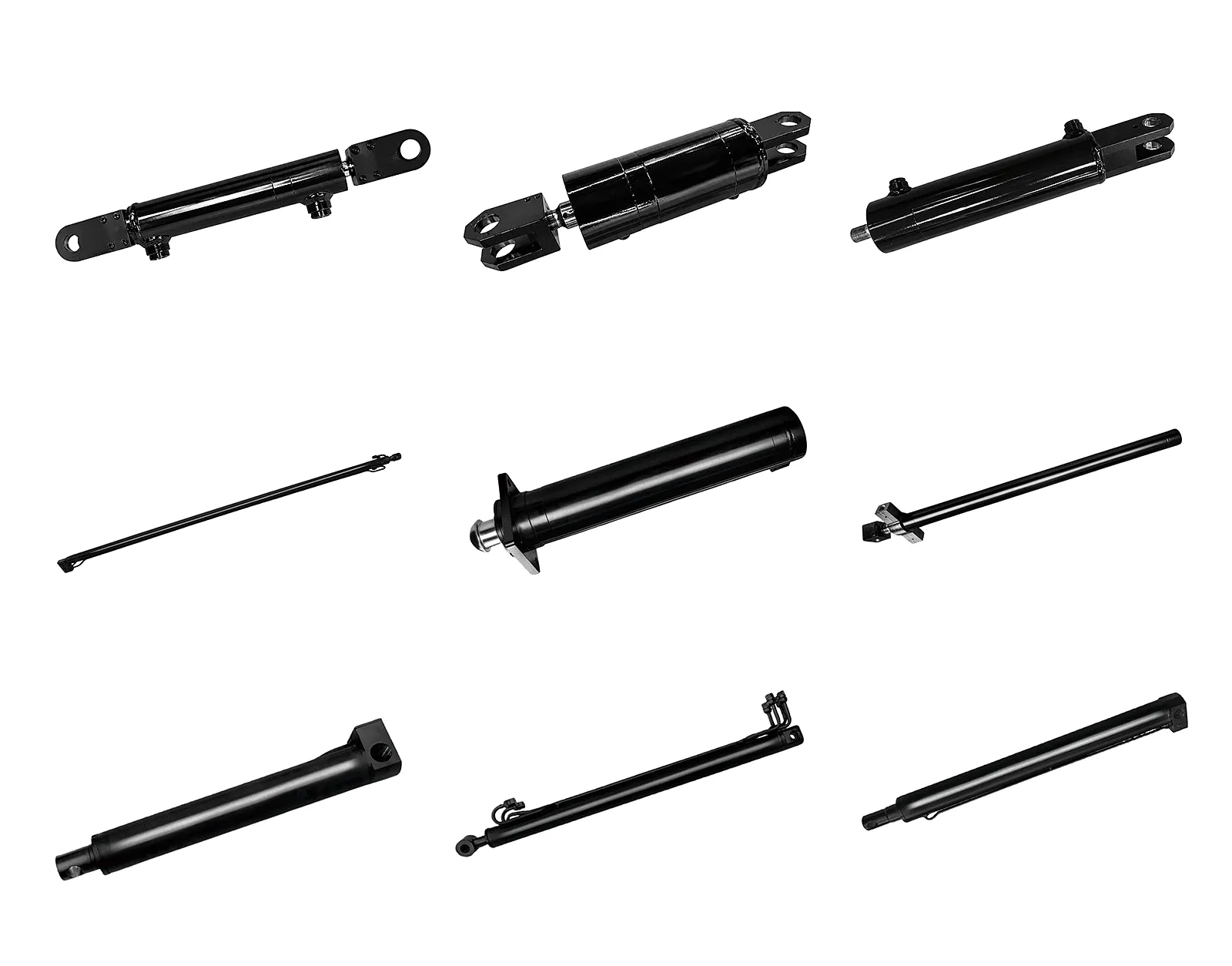
Ever Power: Precision Manufacturing & Customisation Capabilities
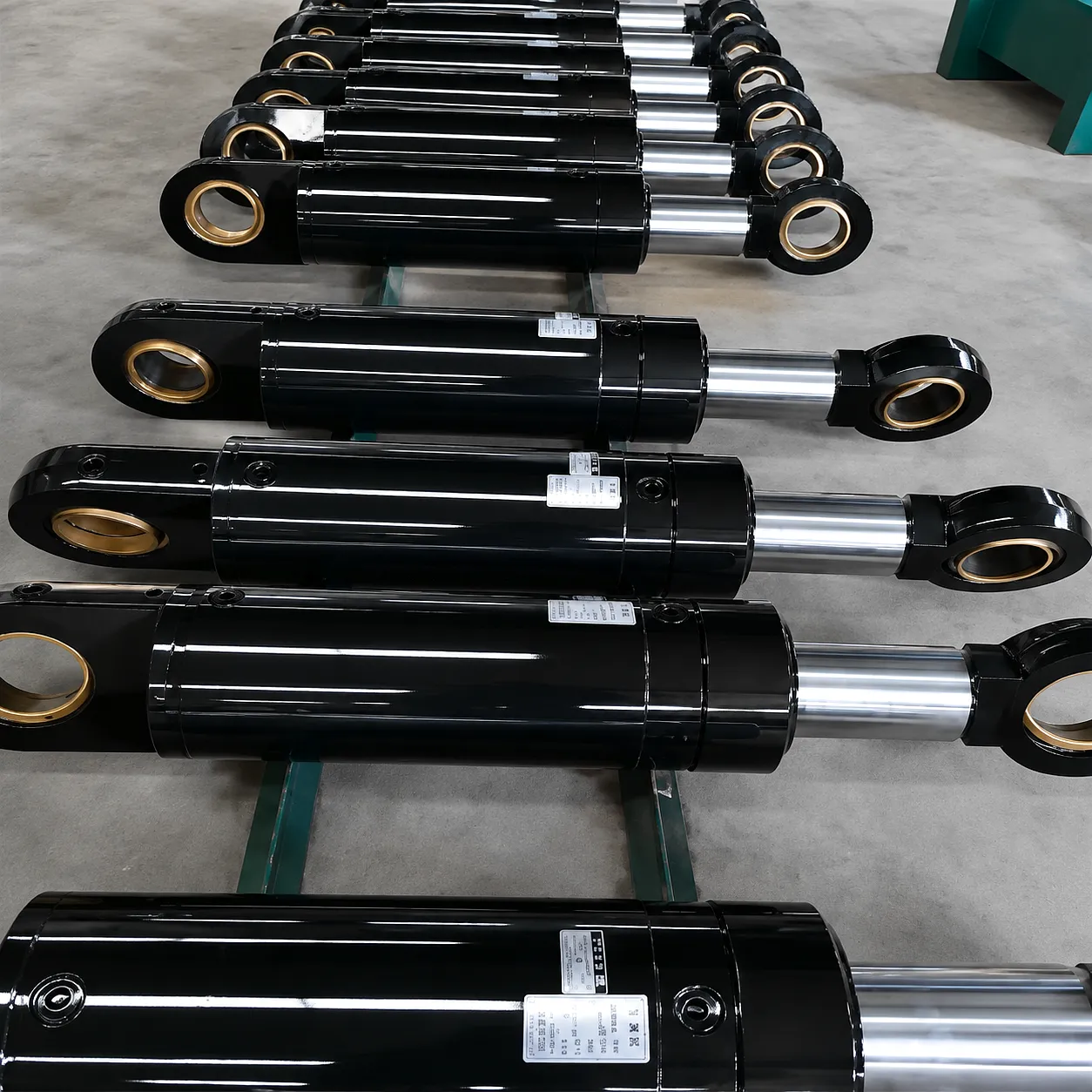
Ever Power operates purpose-built hydraulic cylinder manufacturing facilities with machining capacity covering bore diameters from 40 mm through to 500 mm and rod lengths exceeding 6,000 mm in a single piece. The production environment is organised around ISO 9001-compliant quality management processes, with incoming material inspection at goods-in, in-process dimensional verification at each machining stage, and a comprehensive hydraulic test bench programme that subjects every finished cylinder to pressure, leakage, and function testing before despatch. Nothing leaves the facility without a traceable test certificate.
Customisation is not an afterthought at Ever Power — it is the core of the business model. Agricultural machinery OEMs, rebuilding workshops in Birmingham’s machinery corridor, and independent dealers serving the Yorkshire Dales farming community all have access to the same precision engineering capability. Bore and stroke dimensions, rod diameter and plating specification, port sizes and orientations, mounting arrangements, and end cap configurations are all held as variable parameters within the production system, rather than as fixed constraints. This means that when a customer presents a worn or obsolete cylinder for replacement with no manufacturer data available, Ever Power’s engineering team can reverse-engineer the critical dimensions from the physical component and produce an exact functional replacement — often within commercially competitive lead times for export to UK destinations.
The supply chain that underpins Ever Power’s operation is vertically integrated to an unusual degree. Seamless steel tube is drawn in-house to controlled dimensional tolerances, eliminating the variation that can arise when finished tube is purchased from multiple external suppliers. Seal kits are produced in collaboration with specialist elastomer compounders and are held in substantial stock for rapid service support. CNC machining centres with live tooling capability allow complex port geometries, integrated pilot-operated check valve housings, and position sensor mounting bosses to be machined directly into the cylinder body without secondary operations — a manufacturing efficiency that benefits both lead time and dimensional accuracy.
Send your specifications, drawings, or worn cylinder details. Ever Power’s engineering team responds within one business day.
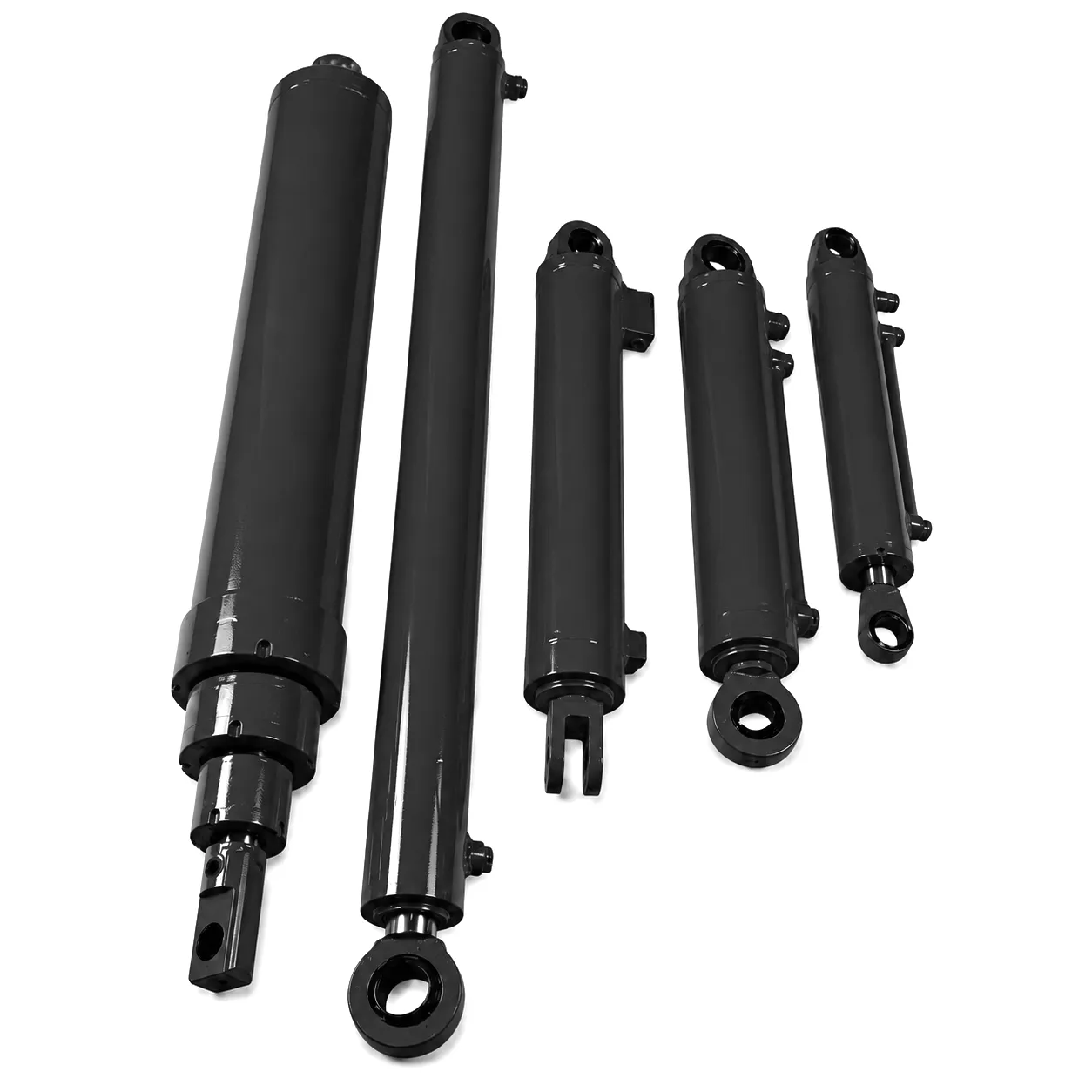
Customer Success Story: Sheffield Agricultural Machinery Rebuilder
CASE STUDY
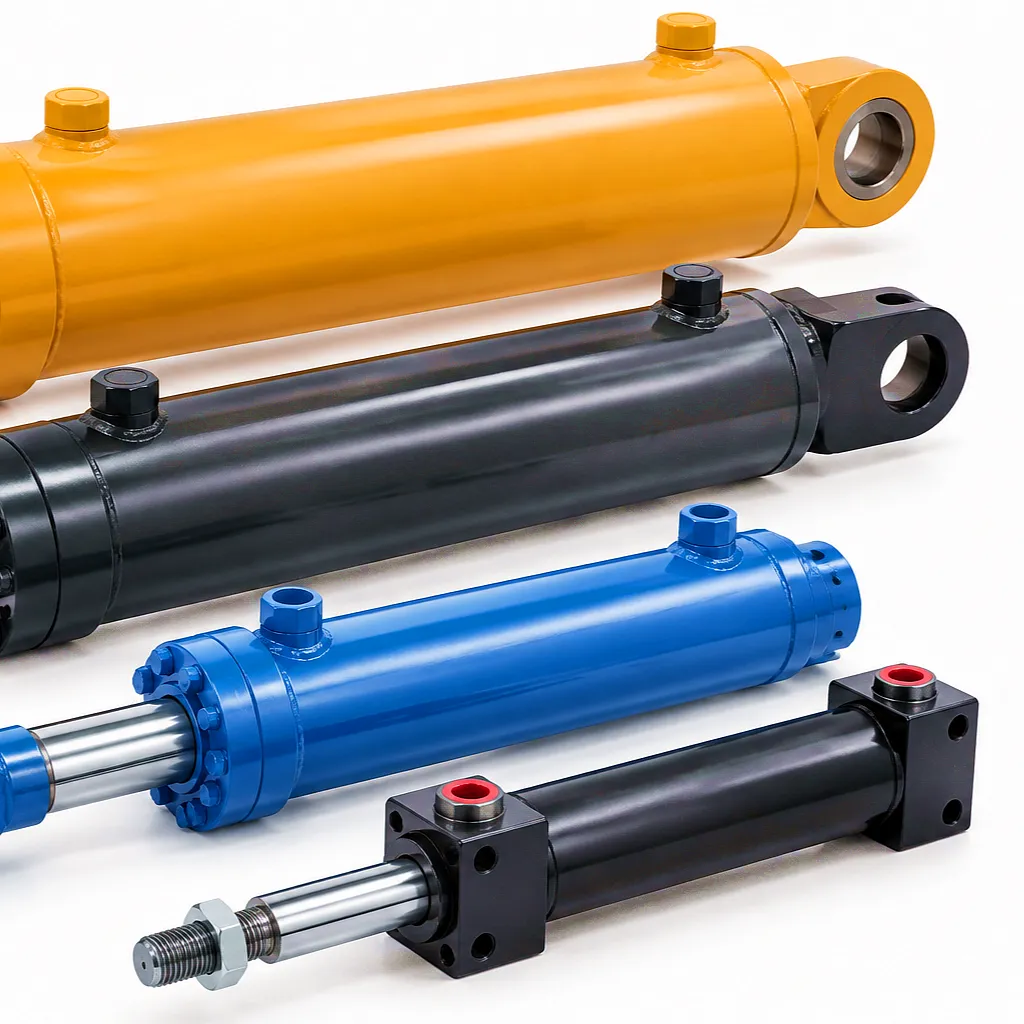 Hargreaves Agricultural Engineering, based in Sheffield, South Yorkshire, operates a busy farm machinery repair and rebuild workshop serving approximately 85 farm clients across a 40-mile radius that spans the South Yorkshire coalfield agricultural belt and the limestone country of the Derbyshire Dales. The workshop’s hydraulic cylinder work had historically been a mix of OEM replacement parts — expensive and often with lengthy lead times from UK distributors — and locally sourced generic cylinders of variable quality.
The turning point came when Hargreaves took on a large contract to rebuild the hydraulic systems of a fleet of 12 combine harvesters belonging to a grain farming syndicate in the Don Valley. The machines required a range of header height and unloading auger cylinders, several of which were discontinued OEM lines. Hargreaves’ workshop manager contacted Ever Power with bore and stroke measurements from the worn cylinders, along with photographs of the end cap geometry and port positions.
Ever Power’s engineering team prepared matched samples within two weeks, which were installed on the first machine for a full season of evaluation. The performance data — zero hydraulic leaks, consistent extension velocity, and measurably smoother header height response compared to the OEM cylinders they replaced — convinced Hargreaves to establish an ongoing supply relationship. Over three seasons, Ever Power has supplied more than 240 custom cylinders to Hargreaves for resale to farm clients across South Yorkshire and North Derbyshire. The customer-reported rate of seal-related warranty returns dropped by 68% compared to the previous supply source, a metric that Hargreaves’ management attributes directly to the quality of the polyurethane wiper seal specification that Ever Power’s engineers recommended during the initial sample phase.
The supply chain arrangement also proved resilient during the global component shortages of recent years. Ever Power’s vertically integrated tube production and seal compound stock meant that deliveries to Hargreaves continued on schedule while competing workshops waited weeks or months for components from other sources — a supply reliability that proved enormously valuable to Sheffield farm businesses operating on tight seasonal harvest and cultivation schedules.
What Our Customers Say
“We fitted 18 Ever Power cylinders across our combine fleet ahead of last year’s harvest in Lincolnshire. Not a single hydraulic issue throughout the entire season. The header response is noticeably smoother than what we had before, and the workshop tells us the seal quality is well above anything they’ve seen from Chinese suppliers previously.”
“As a dealer stocking replacement cylinders for tractor and baler customers across Yorkshire, lead time and consistency are everything. Ever Power’s quote turnaround is fast, the products arrive test-certified, and the dimensions are precisely what we specified. The hard chrome finish on the rods is notably thicker than comparable products we’ve tried — you can measure it.”
“We switched our workshop’s cylinder procurement to Ever Power after we struggled with inconsistent seal quality from a previous supplier. The customisation service is genuinely impressive — I sent them a photograph of a cylinder from an Italian baler with no markings, and they matched it perfectly. Three seasons on, we’ve had no returns from any farm using these cylinders in the South Yorkshire area.”
Sıkça Sorulan Sorular
Ready to Source Precision Agricultural Hydraulic Cylinders?
Send your specifications — bore, stroke, pressure, mounting, seal compound — and Ever Power’s engineering team will prepare a detailed quotation with test certification. Samples available. UK export documentation provided as standard.
📧 Fiyat Teklifi Alın — [email protected]
 Turkish
  English
  Italian
  Portuguese
  Dutch
Dutch  Swedish
  Danish
  Finnish
  Polish
  Hindi
Hindi  Kazakh
  Ukrainian
  Romanian
  Spanish
  German
  Russian
  Korean
  Japanese
  Vietnamese
  Thai
Thai  Indonesian
  Malay
Malay  French
  Greek
Greek