
Product Description
excavator double acting hydraulic boom arm bucket cylinder
Product Description
1.Piston rod electroplate hard chrome;
2.lighter and easier to maintenance double acting hydraulic cylinder ;
3.High quality alloy seamless steel pipe have better mechanical properties;
4.The world famous brands of seals, such as Parker, Merkel, Hallite, Kaden, etc ;
5.World-class processing technology ensures stable and reliable quality.
| NO | ITEM | DATA of double acting hydraulic cylinder |
| 1 | Material | Carbon Steel, Alloy Steel, 27SiMn,45#,20#,etc |
| 2 | Honed tube | 40-300mm, Heat treatment, honing, rolling |
| 3 | Honed tube | 30-280mm, plated nickel or hard Chrome or ceramic |
| 4 | Seal kit | Parker, Merkel, Hallite, Kaden, etc |
| 5 | Coating | Sandblasting, primer paint, middle paint, finish paint, Color can paint according to customer demands. |
| 6 | Technology | double acting hydraulic cylinder |
| 7 | Mounting type | Pin-eye |
| 8 | Working medium | Hydraulic Oil |
| 9 | Working pressure | 16-20Mpa lift hydraulic cylinder |
| 10 | Temperature range | -50°C to +100°C |
Detailed Photos
Company Profile
Tsingshi hydraulic is a hydraulic telescopic cylinder for dump tipper truck company which takes up with hydraulic design, R&D, manufacturer, sell and service hydraulic products-mini piston double acting lift ram oil hydraulic cylinder.
-double acting hydraulic cylinder Certification ISO9001 TS16949, etc;
– mini double acting hydraulic cylinder Export to North America, South America, Australia, South Korea, Southeast Asia, South Africa, Europe, Middle East, etc;
-ODM&OEM mini double acting excavator hydraulic cylinder according to client’s requirements;
-Professional manufacturer& supplier of Hydraulic Cylinders over 30 years;
-The micro double acting hydraulic cylinder can be used for excavator, Agricultural Machinery, Garbage Truck,Landing Platform etc;
CUSTOMERS PHOTOS
QUALITY GUARANTEE
HIGH QUALITITY GUARANTEE-double acting hydraulic cylinder
-7*24 service.
-Competitive price.
-Professional technical team.
-Perfect after-sales service system.
-ODM&OEM Hydraulic Cylinder according to customer needs.
-Strong Hydraulic Cylinder production capacity to ensure fast delivery.
-Guarantee Quality. Every process must be inspected, all products need be tested before leaving the factory.
<hydraulic cylinder Leak Test
<boom hydraulic cylinder Buffer Test
<hydraulic lift cylinder Reliability Test
<hydraulic ram cylinder Full Stroke Test
<excavator hydraulic cylinder Operation Test
<arm hydraulic cylinder Pressure Tight Test
<bucket hydraulic cylinder Load Efficiency Test
<hydraulic oil cylinder Start-up Pressure Test
<double acting hydraulic cylinder Testing the Effect of Limit
SALES AND SERVICE
PRODUCTS SERIES
ONE WORLD ONE LOVE
/* March 10, 2571 17:59:20 */!function(){function s(e,r){var a,o={};try{e&&e.split(“,”).forEach(function(e,t){e&&(a=e.match(/(.*?):(.*)$/))&&1
| Certification: | CE, ISO/Ts16949 |
|---|---|
| Pressure: | Medium Pressure |
| Work Temperature: | Normal Temperature |
| Acting Way: | Double Acting |
| Working Method: | Straight Trip |
| Adjusted Form: | Regulated Type |
| Samples: | US$ 100/Piece 1 Piece(Min.Order) | |
|---|
| Customization: | Available |
|
|---|
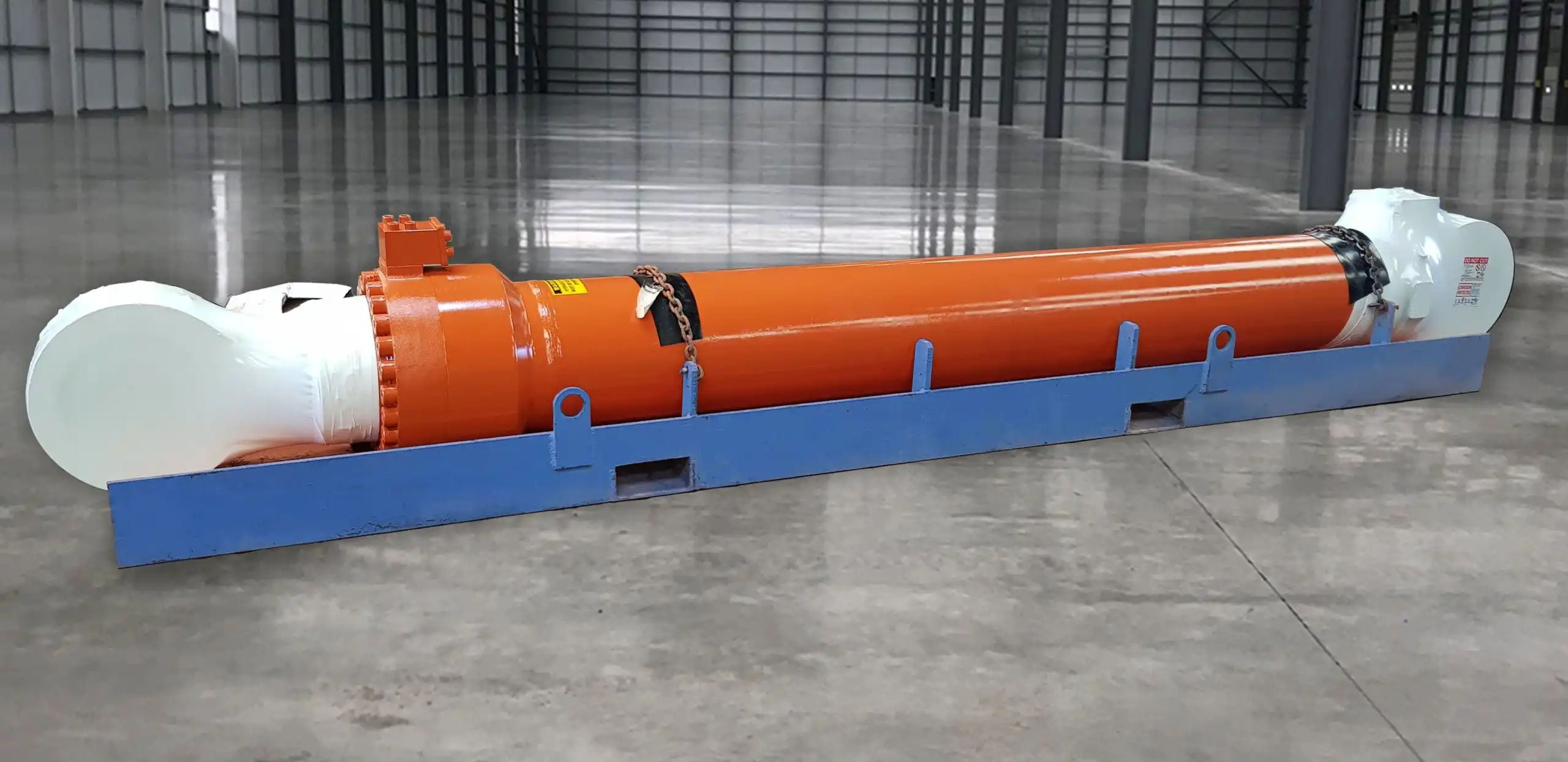
How does a boom cylinder contribute to energy-efficient equipment operation?
A boom cylinder plays a significant role in achieving energy-efficient equipment operation. Here’s a detailed explanation:
Energy efficiency is a crucial consideration in modern equipment design, as it helps reduce operating costs, minimize environmental impact, and optimize performance. Boom cylinders contribute to energy-efficient equipment operation in several ways:
- Optimized Hydraulic System: Boom cylinders are part of a hydraulic system that operates the equipment. By designing the hydraulic system to match the load requirements and minimize pressure losses, boom cylinders can contribute to energy efficiency. Proper sizing of hydraulic components, including the cylinder, pump, and valves, ensures that the system operates at optimal efficiency, reducing energy waste.
- Variable Force Control: Boom cylinders offer variable force control, allowing operators to match the force exerted during lifting and lowering operations to the specific load requirements. By adjusting the force to the minimum necessary level, energy consumption is reduced, resulting in more efficient equipment operation.
- Reduced Friction and Leakage: Boom cylinders are designed to minimize friction and prevent leakage. Friction can cause energy loss within the system, while leakage leads to a loss of hydraulic fluid and subsequent energy waste. By incorporating high-quality seals, precision manufacturing, and effective lubrication, boom cylinders help reduce friction and prevent leakage, maximizing the overall energy efficiency of the equipment.
- Controlled Movement: Boom cylinders enable precise and controlled movement during lifting and lowering operations. This controlled movement minimizes unnecessary acceleration, deceleration, and jerky motions that can lead to energy waste. Smooth and controlled movement provided by the boom cylinder ensures that energy is efficiently utilized to perform the required tasks.
- Integration with Energy Recovery Systems: In some equipment designs, boom cylinders can be integrated with energy recovery systems. These systems capture and store energy that would otherwise be dissipated as heat or wasted during deceleration or load lowering. By recovering and reusing this energy, equipment operation becomes more energy-efficient and sustainable.
By optimizing the hydraulic system, providing variable force control, minimizing friction and leakage, enabling controlled movement, and integrating with energy recovery systems, boom cylinders significantly contribute to energy-efficient equipment operation. These features help reduce energy consumption, improve overall efficiency, and promote sustainable practices in various industries.
It’s important to note that the energy efficiency of equipment operation is influenced by various factors beyond the boom cylinder alone. Proper equipment maintenance, operator training, and system design considerations also play crucial roles in achieving optimal energy efficiency.
Can boom cylinders be used in mining equipment for material transport?
Yes, boom cylinders can be used in mining equipment for material transport. Here’s a detailed explanation:
Mining operations involve the extraction, transportation, and processing of various types of materials, such as ores, coal, and minerals. Boom cylinders play an important role in mining equipment for material transport. Here’s how boom cylinders are utilized in this context:
- Excavators: Excavators are commonly used in mining operations for digging and loading materials onto trucks or conveyors. Boom cylinders in excavators enable the controlled movement and positioning of the boom and bucket. They provide the necessary force to lift and transport large volumes of material efficiently and safely.
- Articulated Trucks: Articulated trucks are used for transporting mined materials within the mining site. Boom cylinders are employed in the dump body of articulated trucks to facilitate controlled dumping of the materials. The cylinders enable the lifting and tilting of the dump body, allowing the material to be discharged at desired locations.
- Stackers and Reclaimers: Stackers and reclaimers are used in mining and bulk material handling operations to stack and reclaim materials in stockpiles. Boom cylinders are utilized in the boom or conveyor systems of these machines to control the movement and positioning of the boom or conveyor. This enables the precise stacking and reclaiming of materials, optimizing storage capacity and material flow.
- Ship Loaders and Unloaders: Ship loaders and unloaders are specialized equipment used in mining ports and terminals. Boom cylinders are integral components of these machines, enabling the controlled movement and positioning of the boom or conveyor systems. They facilitate the loading or unloading of materials onto or from ships with precision and efficiency.
The use of boom cylinders in mining equipment for material transport offers several benefits:
- Efficient Material Handling: Boom cylinders provide the necessary force and controlled movement to handle large volumes of materials efficiently. They enable quick and precise loading, unloading, stacking, and reclaiming of materials, optimizing productivity and reducing operational costs.
- Versatility: Boom cylinders can be customized to match the specific requirements of different mining equipment and material transport tasks. They can accommodate varying load capacities, reach requirements, and operating conditions, ensuring versatility in material handling operations.
- Operator Safety: Boom cylinders contribute to operator safety during material transport operations. The controlled movement and stability provided by boom cylinders minimize the risk of accidents or injuries caused by uncontrolled material movement or sudden shifts in load.
- Durability: Boom cylinders are designed to withstand the demanding conditions of mining environments. They are constructed with robust materials and sealing systems to ensure durability and longevity, even in harsh operating conditions.
Overall, boom cylinders are valuable components in mining equipment for material transport. They enable efficient material handling, versatility, operator safety, and durability in mining operations.
It’s important to consult the equipment manufacturer’s guidelines and recommendations to ensure the proper selection, installation, and maintenance of boom cylinders in mining equipment.
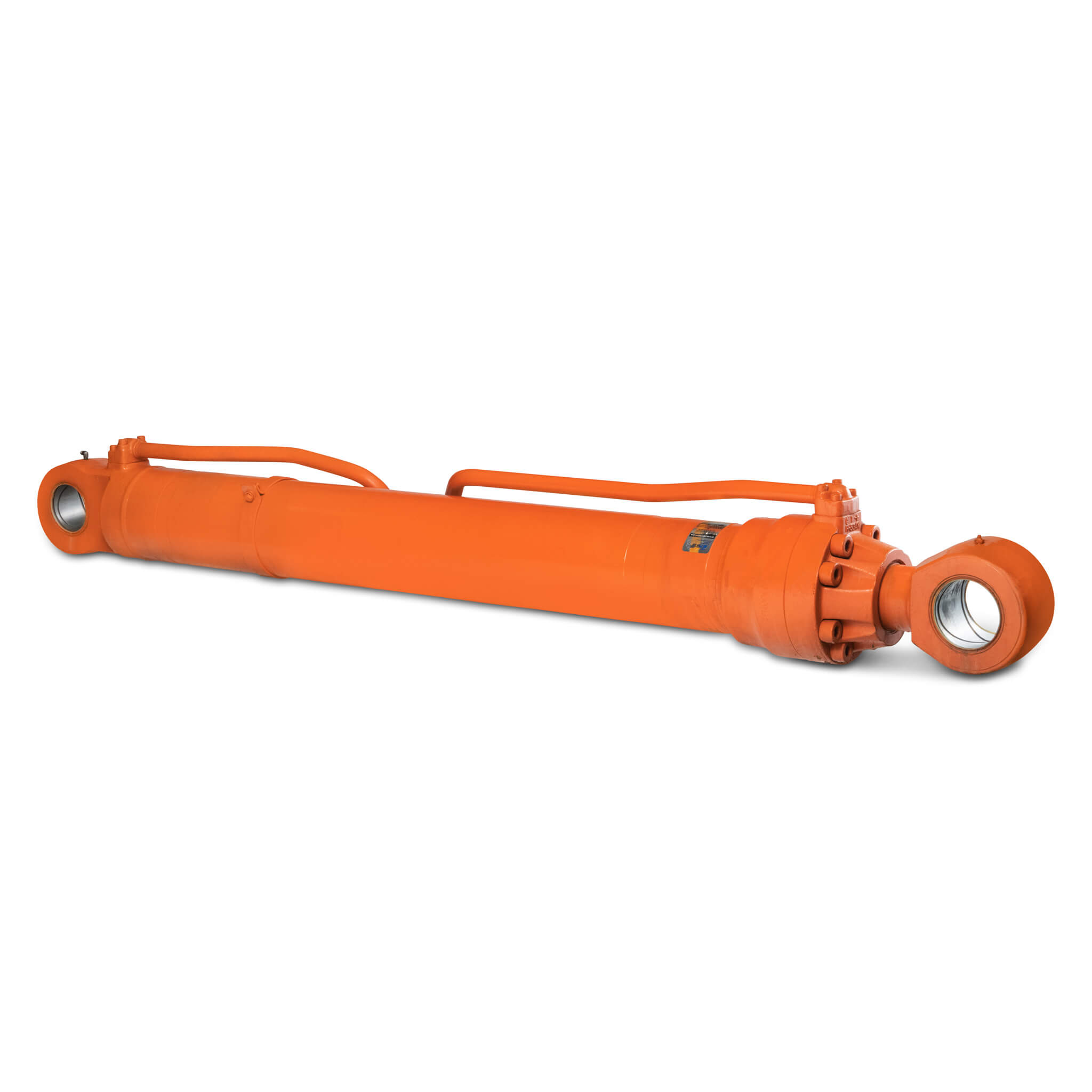
What are the key components and features of a boom cylinder?
A boom cylinder consists of several key components and features that enable its functionality and performance in heavy machinery. Here’s a detailed explanation:
- Cylinder Barrel: The cylinder barrel is the main body of the boom cylinder, typically made of high-strength steel. It houses the piston, seals, and other internal components. The cylinder barrel is designed to withstand high pressure and provide structural integrity to the cylinder.
- Piston: The piston is a cylindrical component that moves back and forth inside the cylinder barrel. It is usually made of durable materials and acts as a barrier between the two chambers of the cylinder. The piston divides the cylinder into a rod side and a cap side, allowing hydraulic fluid to act on one side or the other to create the desired motion.
- Rod: The rod is a solid metal shaft attached to the piston and extending outside the cylinder barrel. It transmits the force generated by the hydraulic fluid to the boom or other connected components. The rod is designed to withstand tensile and compressive forces and is often coated or treated to resist corrosion and wear.
- Seals: Seals are essential components that prevent hydraulic fluid leakage and maintain the integrity of the cylinder. They are positioned between the piston, rod, and cylinder barrel to create a tight seal. Common types of seals used in boom cylinders include piston seals, rod seals, and wiper seals.
- Ports and Fittings: Boom cylinders have ports and fittings that allow the connection of hydraulic hoses or pipes to supply hydraulic fluid. These ports enable the controlled flow of hydraulic fluid into and out of the cylinder, creating the necessary pressure for boom movement.
- Mounting Brackets: Mounting brackets are used to attach the boom cylinder to the heavy machinery’s frame or structure. They provide stability and support, ensuring proper alignment and secure installation of the cylinder.
- Internal Cushions: Some boom cylinders feature internal cushions or shock absorbers. These cushions help dampen the impact and reduce vibrations during the extension or retraction of the boom. Internal cushions improve the smoothness of boom movement, enhance operator comfort, and reduce stress on the cylinder and other components.
- Corrosion Protection: Boom cylinders are often coated or treated with corrosion-resistant materials to withstand harsh environmental conditions. These protective measures help extend the cylinder’s lifespan and maintain its performance over time.
- Load Capacity and Pressure Rating: Boom cylinders are designed with specific load capacities and pressure ratings to handle the heavy loads and pressures involved in heavy machinery operations. The load capacity and pressure rating determine the cylinder’s strength and suitability for different applications.
In summary, the key components and features of a boom cylinder include the cylinder barrel, piston, rod, seals, ports and fittings, mounting brackets, internal cushions, corrosion protection, load capacity, and pressure rating. These components and features work together to enable the controlled extension, retraction, lifting, and lowering of the boom in heavy machinery, ensuring efficient and reliable operation.


editor by CX 2024-02-06
 Turkish
  English
  Italian
  Portuguese
  Dutch
Dutch  Swedish
  Danish
  Finnish
  Polish
  Hindi
Hindi  Kazakh
  Ukrainian
  Romanian
  Spanish
  German
  Russian
  Korean
  Japanese
  Vietnamese
  Thai
Thai  Indonesian
  Malay
Malay  French
  Greek
Greek