
Hydraulic Cylinder Slow or Weak Extension: Troubleshooting Low Force Output
A deep-dive diagnostic guide for maintenance engineers, procurement teams, and plant managers across the UK manufacturing sector.
🕒 12 min read
🔧 Ever Power Engineering
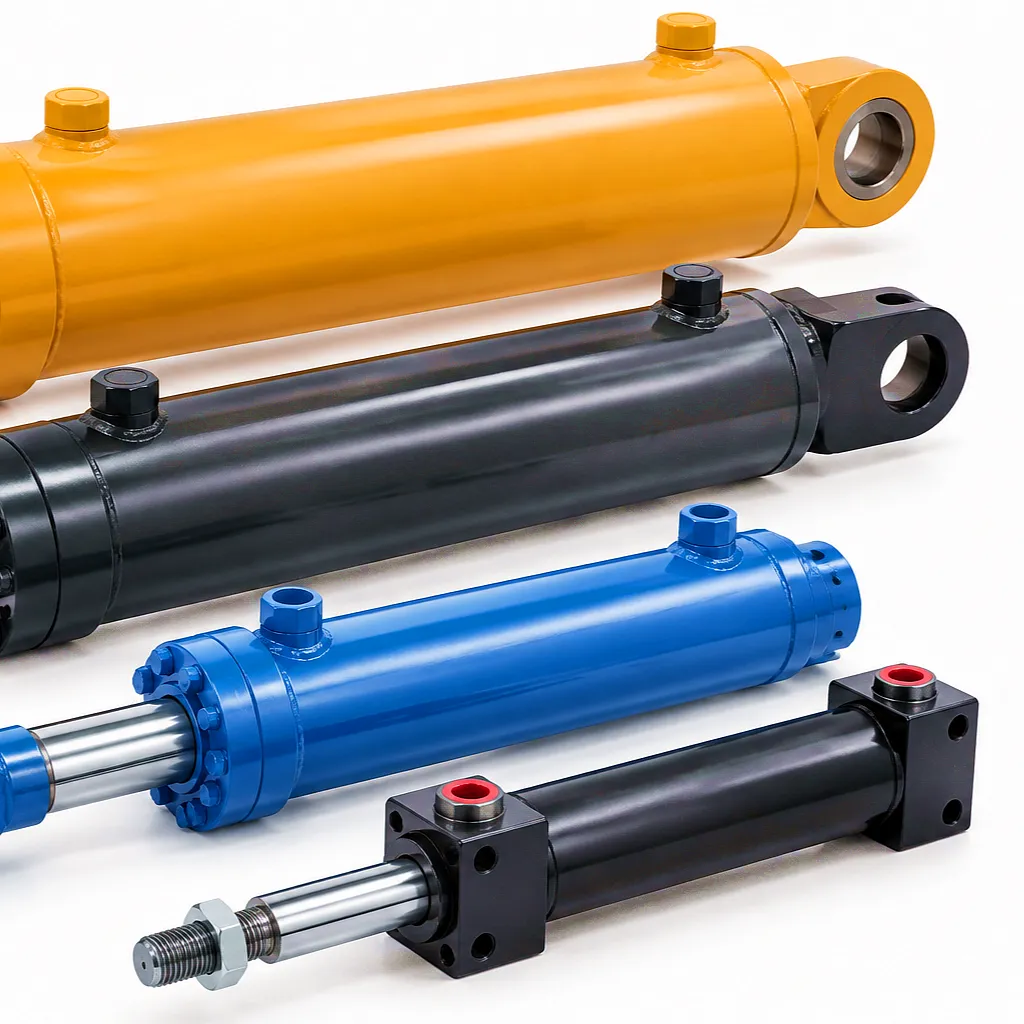
Understanding Why Hydraulic Cylinders Lose Extension Force
Root cause categories and their diagnostic weight
Internal bypass between the piston and bore is the single most common cause of weak hydraulic cylinder extension across all industrial sectors. When seals wear, harden, or sustain damage from contaminated fluid, pressurised oil bypasses the piston rather than driving it forward. The system pressure gauge may read normal or near-normal, giving a false sense that the hydraulic pump and relief valve are functioning correctly. Meanwhile, the cylinder rod moves slowly or stalls under load, because the net force acting on the piston face is dramatically reduced. In Birmingham-based manufacturing plants using older hydraulic press equipment, this scenario accounts for a significant proportion of unscheduled cylinder maintenance calls each quarter. Seal inspection requires cylinder disassembly, but early-stage bypass can often be detected by comparing extension speed under no-load versus full-load conditions — a cylinder that extends freely without load but slows markedly under load points strongly to internal leakage.
A worn hydraulic pump loses volumetric efficiency over time, delivering less flow per revolution than its nameplate rating suggests. This reduction in flow directly limits how fast the cylinder can extend, and under high-load conditions, the pump may be unable to maintain the working pressure required to sustain rated force output. Gear pumps, piston pumps, and vane pumps all exhibit progressive wear, typically characterised by increasing internal clearances that allow fluid to recirculate internally rather than being delivered to the actuator circuit. A flow meter test comparing actual pump output against rated specifications reveals this quickly. Plants in Sheffield’s steel sector that run hydraulic systems at elevated temperatures or with marginal filtration tend to see pump wear accelerate at a rate well beyond what manufacturers anticipate in their maintenance schedules, making regular volumetric efficiency checks a non-negotiable part of any serious hydraulic cylinder force output troubleshooting process.
The system relief valve sets the maximum operating pressure available to the hydraulic cylinder. If this valve opens prematurely — due to incorrect adjustment, spring fatigue, or contamination holding the poppet partially open — system pressure never reaches the level required to generate the design force on the cylinder piston. This is a particularly insidious fault because the system continues to function, just with less force than required. Technicians sometimes mistake this for a cylinder seal problem or a pump issue, cycling through unnecessary repairs before identifying the true root cause. Pressure testing at multiple points in the circuit — upstream and downstream of the relief valve — isolates this fault within minutes. In UK manufacturing environments where maintenance is often reactive rather than scheduled, relief valve drift is one of the most underdiagnosed causes of hydraulic cylinder slow extension complaints.
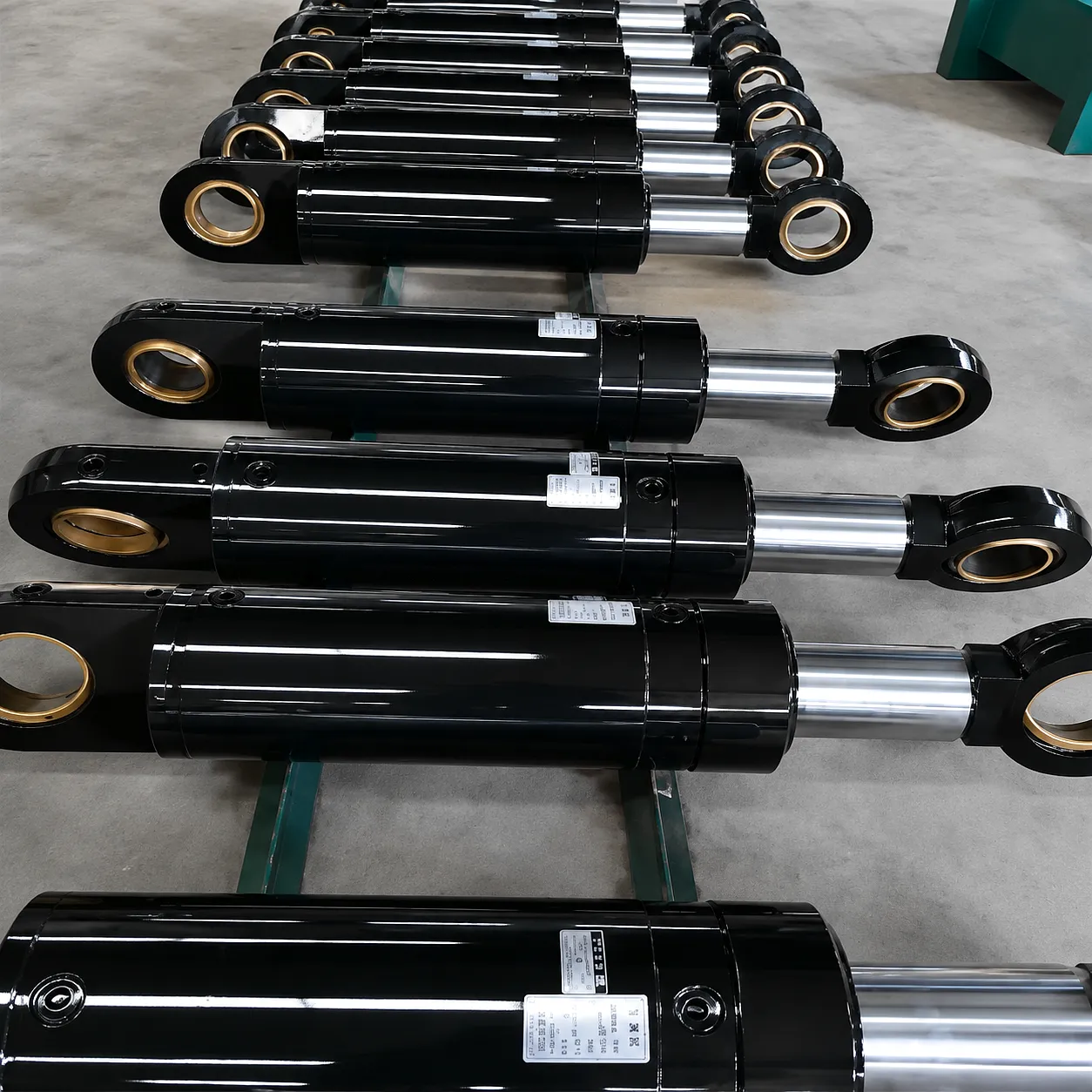
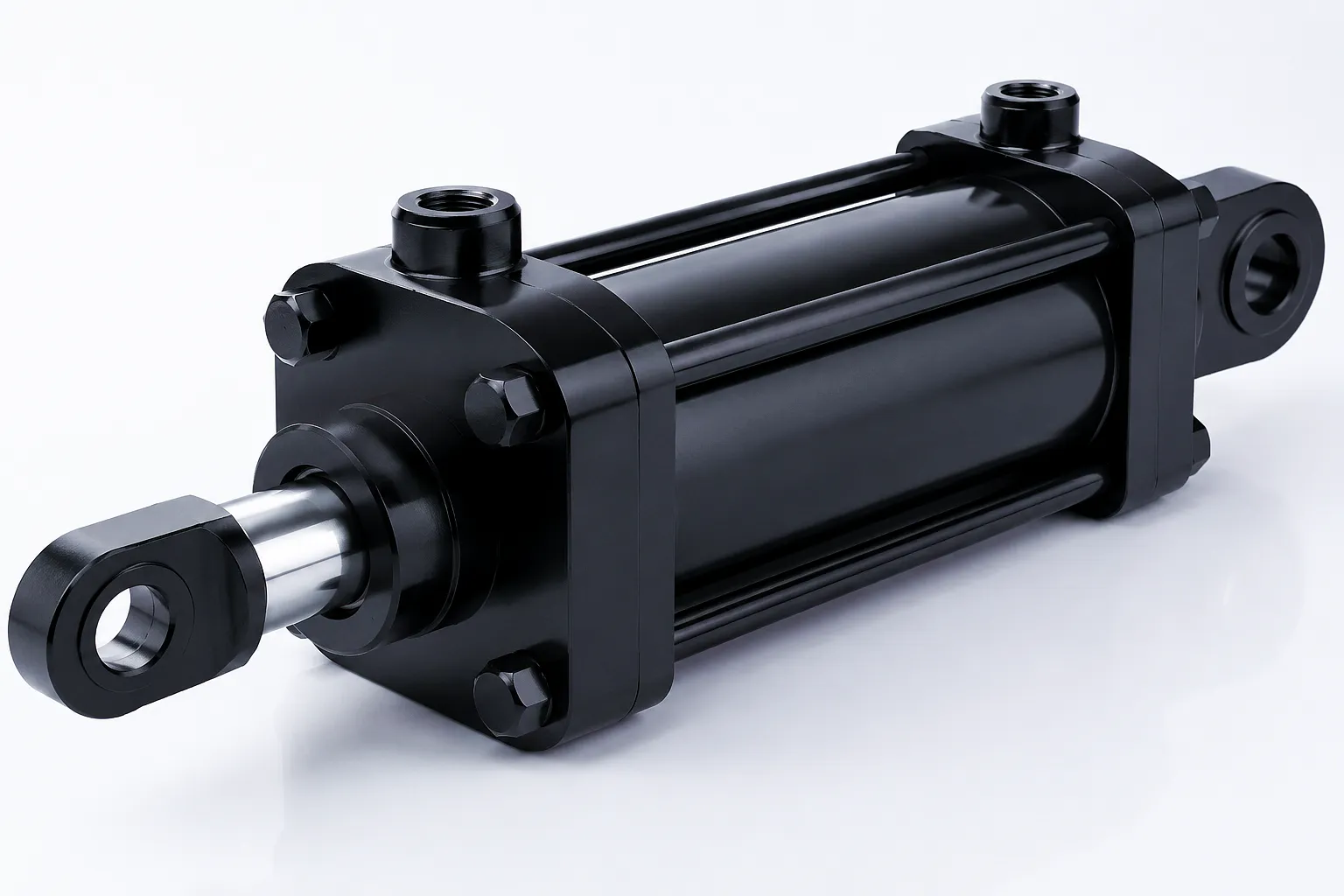
How Fluid Contamination Degrades Hydraulic Cylinder Force Output
Metallic particles, silica, and process debris are the primary agents of accelerated seal wear in hydraulic cylinders. Once particles above 15 microns enter the working cylinder bore, they begin abrading seal lips, increasing internal leakage pathways with every stroke. The insidious aspect of particulate contamination is that the particles generated by wear become contaminants themselves, accelerating the degradation cycle. ISO 4406 fluid cleanliness standards exist precisely because the relationship between particle count and component life is well-established — yet surveys of UK industrial hydraulic systems consistently find fluid cleanliness levels far outside the acceptable range for the components being used. For cylinder-intensive operations in Coventry’s automotive sector, maintaining ISO 4406 Class 16/14/11 or better is a practical necessity, not a theoretical aspiration. Regular oil sampling and lab analysis provides a leading indicator of degradation before it manifests as visible cylinder performance loss.
Hydraulic oil that has overheated — whether due to an undersized reservoir, a blocked heat exchanger, or sustained high-cycle operation — undergoes viscosity breakdown that fundamentally alters system behaviour. Thinned oil leaks past worn clearances more readily, reducing the volumetric efficiency of both the pump and the cylinder itself. It also provides a less effective hydrodynamic film at the seal interfaces, accelerating wear. Conversely, in UK winter conditions where ambient temperatures in outdoor or poorly heated facilities drop significantly, oil that is too viscous for the system design restricts flow through supply lines, creating pressure drops that reduce the effective pressure available at the cylinder port. Both extremes manifest as slow or weak hydraulic cylinder extension, yet they require opposite corrective actions — careful thermal analysis of the system is essential before prescribing a fix. Fitting a temperature gauge and logging data over a full operating cycle is a sensible first step for any site experiencing seasonal variation in cylinder performance.
Water contamination above 0.1% by volume in hydraulic oil causes measurable performance degradation and dramatically accelerates corrosion of bore surfaces and seal hardware. In UK coastal and humid industrial environments — particularly around port-adjacent facilities in Bristol, Hull, and Liverpool — moisture ingress through breather caps, cylinder rod seals, and reservoir hatch seals is a persistent challenge. Water-contaminated oil emulsifies and loses its lubricating film strength, causing metal-to-metal contact at high-pressure interfaces that generates the particles responsible for the contamination spiral described above. Identifying water contamination is straightforward using a simple crackle test or a Karl Fischer titration for more precise quantification. Once confirmed, the corrective action involves draining and flushing the system, replacing filters, inspecting all reservoir seals, and addressing the ingress pathway before recharging with fresh, clean fluid meeting the system’s viscosity specification.
Step-by-Step Diagnostic Process for Weak Hydraulic Cylinder Extension
Follow this structured sequence to isolate the root cause efficiently
Before touching any component, systematically observe and document cylinder behaviour at both ends of the load spectrum. A cylinder that extends at normal speed under no load but slows dramatically under working load points to internal leakage — pressure is available but it bypasses the piston. A cylinder that is slow even under no load suggests a supply-side problem: inadequate pump flow, excessive line restriction, or a directional valve with insufficient flow capacity. This initial observation alone can eliminate several root causes and focuses the diagnostic effort appropriately. Record extension times using a stopwatch across multiple cycles, noting any variation that might indicate an intermittent fault such as a sticking directional valve spool or an air pocket cycling through the circuit.
Fit a calibrated pressure gauge at the cylinder’s cap-end port (the extension chamber) and operate the system under the normal working load. Compare the reading against the system’s design pressure specification. If pressure at the cylinder port is significantly below the relief valve setting, the problem lies between the pump and the cylinder — in the supply lines, directional valve, or any intermediate valves. If cylinder port pressure matches system pressure but the cylinder still produces insufficient force, the issue is almost certainly internal bypass. This measurement takes minutes with the right test fittings installed, yet it produces unambiguous data that eliminates half the diagnostic tree in a single step. Many UK maintenance teams skip this step and go straight to cylinder disassembly, wasting several hours of productive time when the actual fault is a partially blocked supply hose or a directional valve set to insufficient flow.
Using an inline flow meter, measure actual pump output at rated speed and compare it against the pump’s nameplate delivery specification. A healthy gear pump should deliver within 5-8% of its theoretical displacement per revolution at working pressure. Volumetric efficiency below 85% indicates significant internal leakage and is a clear indicator that the pump needs rebuilding or replacement. Piston pumps and vane pumps have different efficiency curves, and consulting the manufacturer’s data sheets for the specific pump installed is essential for making an accurate judgement. Note that pump wear manifests gradually — the system may have been operating at reduced pump efficiency for months before the hydraulic cylinder force output dropped to a level that generated a maintenance complaint. Trending pump efficiency data over time, rather than only testing reactively, is the mark of a well-managed hydraulic system maintenance programme.
Slowly increase load on the cylinder while watching the system pressure gauge. A correctly functioning relief valve should only open at or above its set point. If the system pressure peaks and then falls away before the design working pressure is reached, the relief valve is opening prematurely. Remove the valve and inspect the poppet seat and spring — a spring that has fatigued, shortened, or weakened reduces the cracking pressure. Contamination lodged on the seat prevents full closure even when pressure drops, creating a constant bleed path. Relief valves are inexpensive components relative to the cost of a field service call or unscheduled downtime, and stocking replacement units for critical hydraulic cylinder circuits is standard practice in well-organised UK maintenance operations. Always verify the replacement valve’s pressure setting against a calibrated gauge before returning the system to service.
After exhausting supply-side diagnostics, cylinder disassembly allows direct inspection of piston seals, rod seals, and bore surface condition. A competent hydraulic engineer can determine from seal appearance whether failure was caused by heat, age, chemical incompatibility, or contamination abrasion — each leaving a distinct signature on the seal material. The bore surface should be smooth and free from scoring, which is assessed by visual inspection and, where necessary, surface roughness measurement. Scored bores cannot be resealed effectively without machining — in such cases, seeking a replacement cylinder manufactured to the original bore specification is the correct decision. At Ever Power, our technical team provides bore inspection reports and seal material recommendations as part of our post-sales support, ensuring UK customers get the right seal compound for their specific fluid type, temperature range, and duty cycle.
Hydraulic Cylinder Technical Performance Parameters
Reference specifications for standard industrial hydraulic cylinders — customisable to project requirements
| Parameter | Standard Range | Custom Max | Diagnostic Relevance |
|---|---|---|---|
| Bore Diameter | 50 – 320 mm | 800 mm+ | Directly determines maximum force output at rated pressure |
| Çalışma Basıncı | 10 – 25 MPa | 70 MPa | Below-spec pressure = relief valve or pump issue |
| Rod Diameter | 28 – 220 mm | 500 mm+ | Undersized rod causes buckling under off-axis load |
| Stroke Length | 100 – 3,000 mm | 12,000 mm | Long strokes magnify any flow restriction effect |
| Seal Material | NBR / Polyurethane | PTFE / FKM / EPDM | Wrong material = premature chemical degradation |
| Bore Surface Roughness | Ra 0.4 – 0.8 µm | Ra 0.2 µm | Rough bore = accelerated seal wear and leakage |
| Operating Temperature | -20°C to +80°C | -40°C to +200°C | Extremes affect viscosity and seal performance |
| Cylinder Material | Carbon steel (ST52) | Stainless / Alloy Steel | Corrosion = bore damage and seal failure |
| Minimum Leakage Rate (internal) | 0 cc/min (ideal) | Greater than 5 cc/min = seal failure | Measure under static load test to confirm bypass |
Hydraulic Cylinder Solutions for UK Industrial Applications
Engineered for the demanding cyclical duty of agricultural harvest operations. These cylinders are built to withstand contaminated field environments, deliver consistent extension force stroke after stroke, and resist the vibration loading that causes premature seal failure in standard units. Widely used across UK agricultural operations from East Anglia to the Scottish Borders.
Designed for high-force single-direction applications where load return is handled by gravity or spring. Commonly specified in press operations, clamping fixtures, and materials handling equipment across UK manufacturing. Manufactured to tighter bore tolerances than OEM equivalents, delivering measurably better extension consistency and longer seal life in high-cycle operations.
Industrial Application Scenarios: Where Slow Extension Causes the Most Damage
Core Materials and Their Role in Sustained Extension Performance
The cylinder barrel material determines bore surface quality and pressure containment. ST52 offers a tensile strength of 490–630 MPa and cold-drawing ensures dimensional consistency. The bore is honed to Ra 0.4 µm to provide the surface finish that polyurethane and NBR seals require for effective sealing without excessive friction drag that would reduce net extension force.
Piston rods are chrome plated to a thickness of 20–30 µm and ground to h6 tolerance to maintain consistent rod seal interference. Hard chrome provides a surface hardness of 800–1,000 HV and a coefficient of friction against seal lips that minimises the parasitic force loss due to rod seal drag — a meaningful contributor to effective cylinder force output, particularly on long-stroke cylinders with multiple seal elements.
Seal material selection is one of the most leverage-rich decisions in hydraulic cylinder specification. Polyurethane seals offer outstanding abrasion resistance and are suited to clean mineral oil systems with working temperatures up to 80°C. FKM (Viton) seals handle temperatures to 200°C and provide chemical resistance to synthetic fluids and phosphate esters. Mismatched seal material — standard NBR seals in a phosphate ester fire-resistant fluid system, for instance — is a common and entirely avoidable root cause of accelerated seal failure and the resulting weak cylinder extension.
End caps and gland retainers machined from ductile iron (GGG40) or forged steel ensure that the seal carrier components maintain dimensional stability under cyclic pressure loading. Distortion of the gland under pressure creates eccentric loading on the rod seal, generating a leak path that appears as external seepage rather than internal bypass — but it still robs the system of the flow and pressure that should be going to the piston face. Correctly toleranced end caps are as important to long-term cylinder force output as the seals themselves.
Ever Power: Precision Hydraulic Cylinders Built for the Demands of UK Industry
At Ever Power, we understand that a hydraulic cylinder that delivers weak or slow extension is not merely an inconvenience — it represents a failure in a system that UK industrial operations have built production schedules and safety systems around. Our manufacturing facility operates CNC deep-hole boring and honing lines capable of processing cylinders from 50 mm to 800 mm bore diameter, with bore surface roughness consistently achieving Ra 0.3–0.5 µm — the foundation of extended seal life and stable force output.
Our customisation capabilities cover every aspect of cylinder specification: bore diameter, stroke length, rod diameter and surface treatment, seal material selection, end connection geometry, port position and thread specification, and surface protection for marine or corrosive environments. Ever Power’s engineering team works directly with UK procurement engineers and maintenance managers to develop cylinders that match the actual duty cycle, fluid type, temperature range, and mounting constraints of each specific application. Our supply chain management ensures lead times that support UK industrial purchasing timelines, with DDP delivery to any UK location coordinated through our established logistics partnerships.
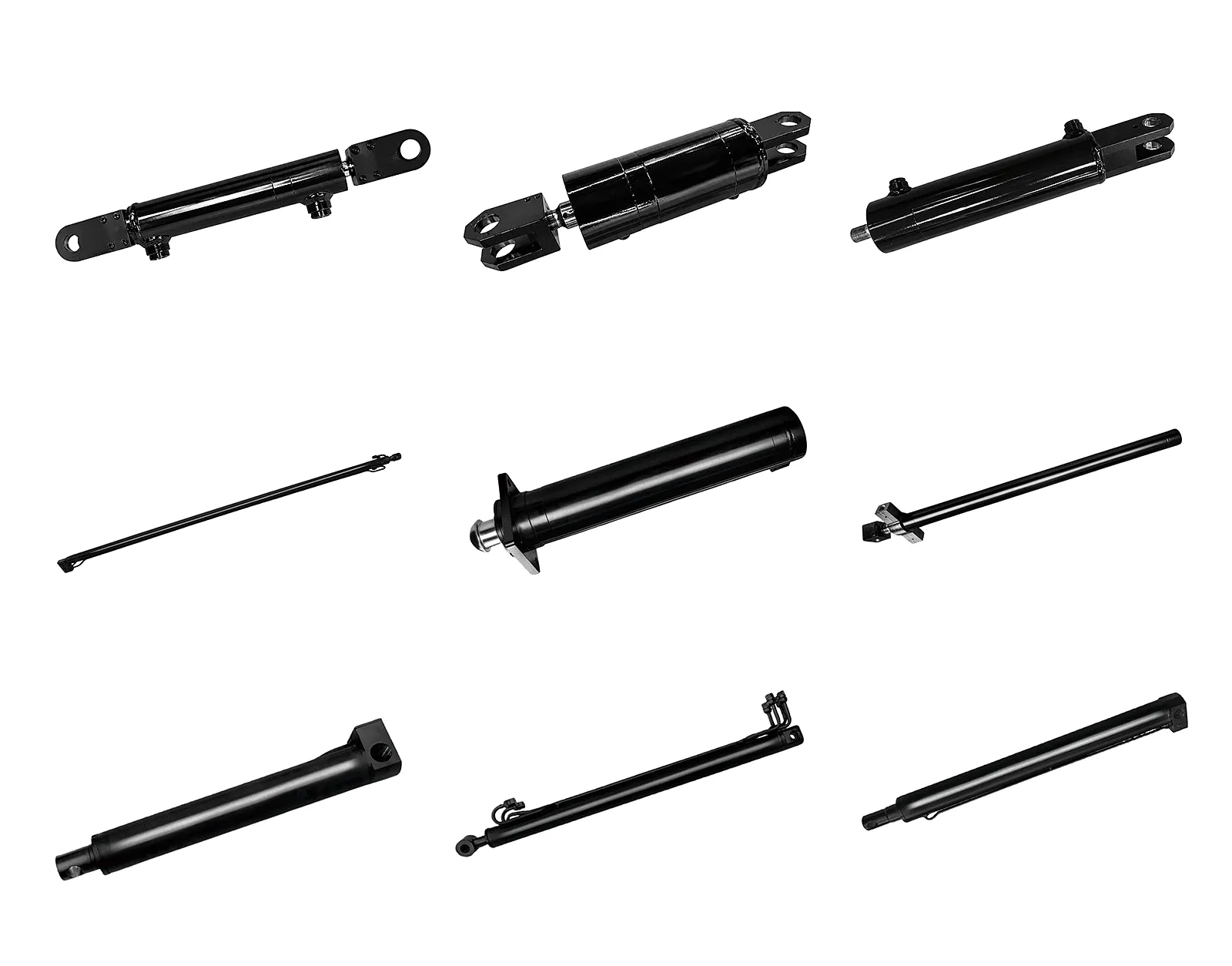
Preventive Maintenance Protocols to Maintain Full Cylinder Force Output
Oil sampling and analysis — including particle count, viscosity measurement, water content check, and acid number — performed monthly on high-duty hydraulic systems provides early warning of conditions that will eventually cause weak cylinder extension. A particle count trending upward over three consecutive samples indicates filter bypass, a damaged breather, or a developing wear source somewhere in the system. Catching this trend early costs far less than the unscheduled downtime that follows when cylinder seals finally fail.
High-pressure and return-line filters must be replaced at the intervals specified by the system designer, not simply when the differential pressure indicator triggers — by that point, the filter is already in bypass mode and contaminants are circulating freely. Filter element condition provides a valuable diagnostic record in its own right: heavy metallic particle loading on a filter element is an early indicator of pump wear or bore scoring, weeks before the hydraulic cylinder force output degradation becomes noticeable during operation.
Chrome plating on cylinder rods degrades in service through corrosion pitting, mechanical damage from side loading, and gradual abrasion from contaminated rod wipe seals. Pitted or rough chrome draws contamination past the rod wiper seal and introduces it directly into the system fluid, bypassing the filtration entirely. A semi-annual visual inspection of extended rod surfaces, checking for pitting, flaking, or chrome delamination, identifies rods that need re-chroming before they cause systemic contamination damage and the associated loss of cylinder force output that follows.
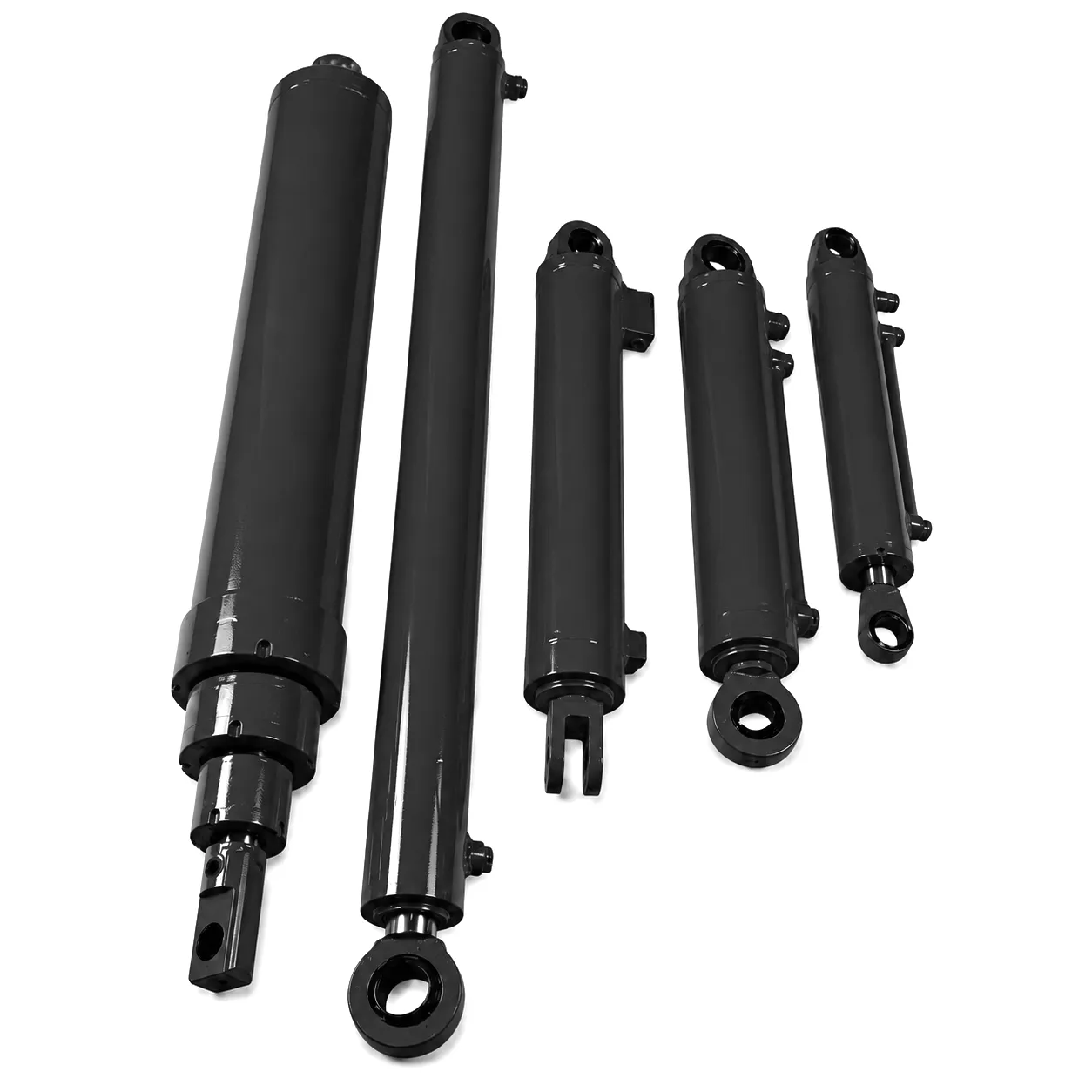
Telescopic hydraulic cylinders introduce unique challenges for extension force management across multiple stages. Each stage transition requires precise flow distribution, and a weak first-stage extension often leads to completely stalled second-stage movement. Ever Power’s multi-stage telescopic cylinders are engineered with matched inter-stage sealing and optimised flow routing that ensures consistent force delivery across every stage of extension — a design advantage that becomes critical in lifting platform applications where load security directly determines safety outcomes.
Restoring Full Press Output at a West Midlands Metal Stamping Plant
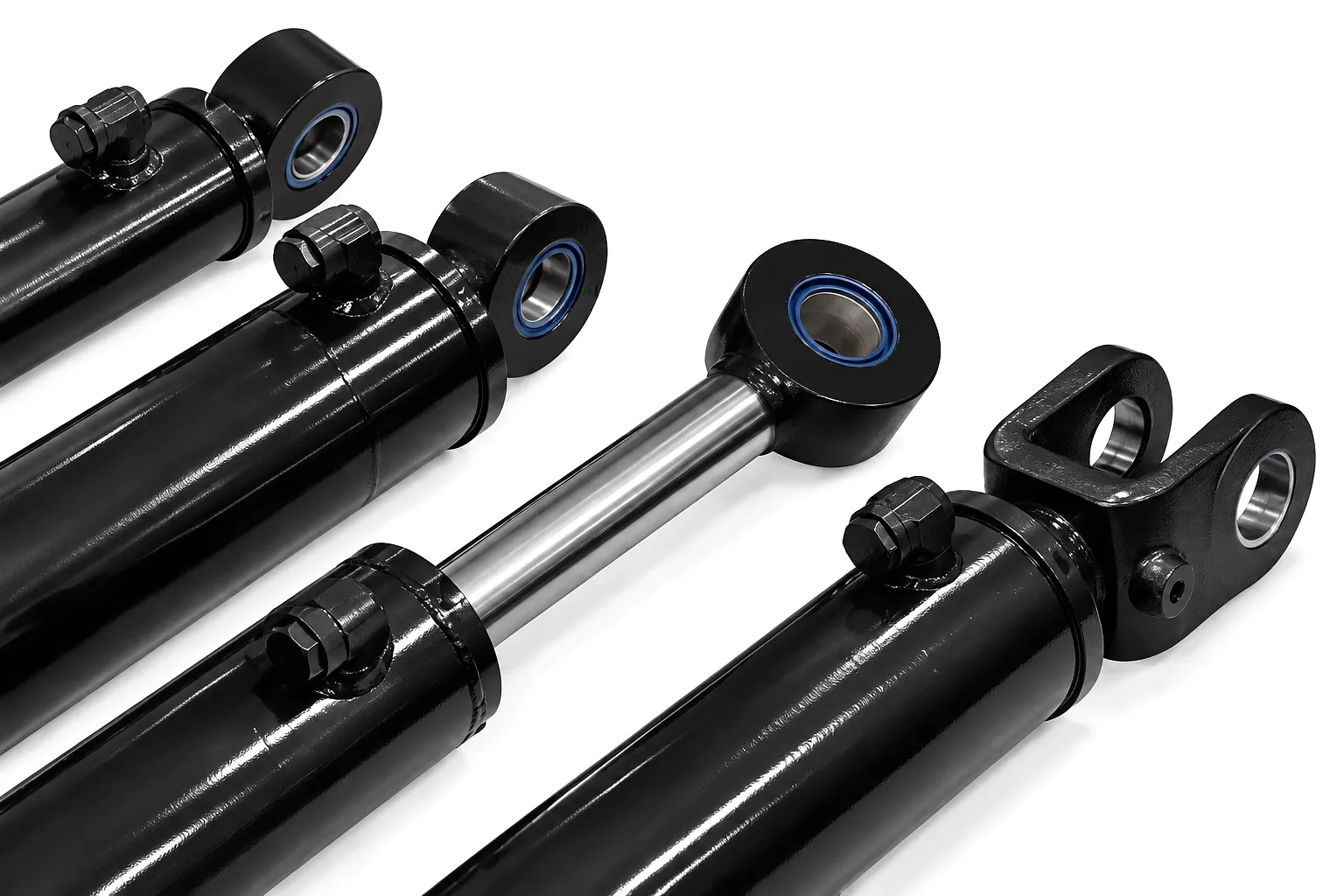 A medium-sized metal stamping operation based in Wolverhampton contacted Ever Power after experiencing a progressive decline in press cylinder extension force over a four-month period. The press — a 200-tonne hydraulic unit used in automotive bracket production — had been producing parts with increasing dimensional deviation, generating a scrap rate that had climbed from under 1% to nearly 6% over the same period. The maintenance team had replaced the system’s hydraulic oil and changed all filters without improvement, and were considering a full press rebuild at significant cost.
Ever Power’s technical team conducted a remote diagnostic review of the symptoms described by the plant’s maintenance manager. The combination of gradual onset, normal system pressure readings at the pump outlet, but reduced pressure measured at the cylinder port pointed strongly to flow restriction between the pump and the cylinder — a suspect that had not been investigated because the hydraulic lines had no obvious external damage. Physical inspection revealed a partially collapsed hose liner inside a high-pressure flexible hose in the cylinder supply circuit. The liner collapse was invisible externally but was restricting flow to a fraction of the required level under load conditions, while appearing normal under low-flow, no-load cycling.
The hose replacement cost under £200. The scrap and downtime costs that had accumulated during the diagnostic period were estimated at over £18,000. Following the repair, the plant specified a complete set of replacement hydraulic cylinders from Ever Power — built to closer bore tolerances and fitted with upgraded polyurethane seal packs — as part of a planned maintenance overhaul that would reduce their vulnerability to future force output degradation. The new cylinders have been in service for over fourteen months with no reported force output issues and seal condition confirmed as excellent at the first scheduled inspection.
What Our UK Customers Say About Ever Power Hydraulic Cylinders
“The custom cylinders Ever Power supplied for our press line have been running for over a year without a single force output complaint. The bore finish quality is noticeably better than what we were getting from our previous supplier — our seal life has more than doubled. For a Sheffield fabrication shop like ours, that kind of reliability is not a bonus; it’s a requirement.”
“We had been chasing weak extension on one of our excavator boom cylinders for months before we switched to Ever Power. The diagnostic support they provided before we even placed an order helped us confirm it was an internal bypass issue, not a pump problem. The replacement cylinder arrived with FKM seals as requested — correctly specified for our fluid — and the extension force has been consistently full-rated since day one.”
“The customisation service at Ever Power is exactly what a port operation needs. We specified stainless rods, FKM seals, and hard-anodised end caps for our crane outrigger cylinders. The quote response was within 48 hours, technical drawings were accurate, and delivery to Hull was on schedule. Fourteen months in, no corrosion, no leaks, no weak extension issues. They clearly understand the marine industrial environment.”
Sıkça Sorulan Sorular
Real questions from UK maintenance engineers and procurement teams
Whether you need a diagnostic consultation, a replacement cylinder built to your exact specification, or a standard unit shipped to your UK facility with urgency, Ever Power’s technical team is ready to help.
© Ever Power · Hydraulic Cylinder Specialists · Supplying UK Industry · edit by gzl
 Turkish
  English
  Italian
  Portuguese
  Dutch
Dutch  Swedish
  Danish
  Finnish
  Polish
  Hindi
Hindi  Kazakh
  Ukrainian
  Romanian
  Spanish
  German
  Russian
  Korean
  Japanese
  Vietnamese
  Thai
Thai  Indonesian
  Malay
Malay  French
  Greek
Greek