
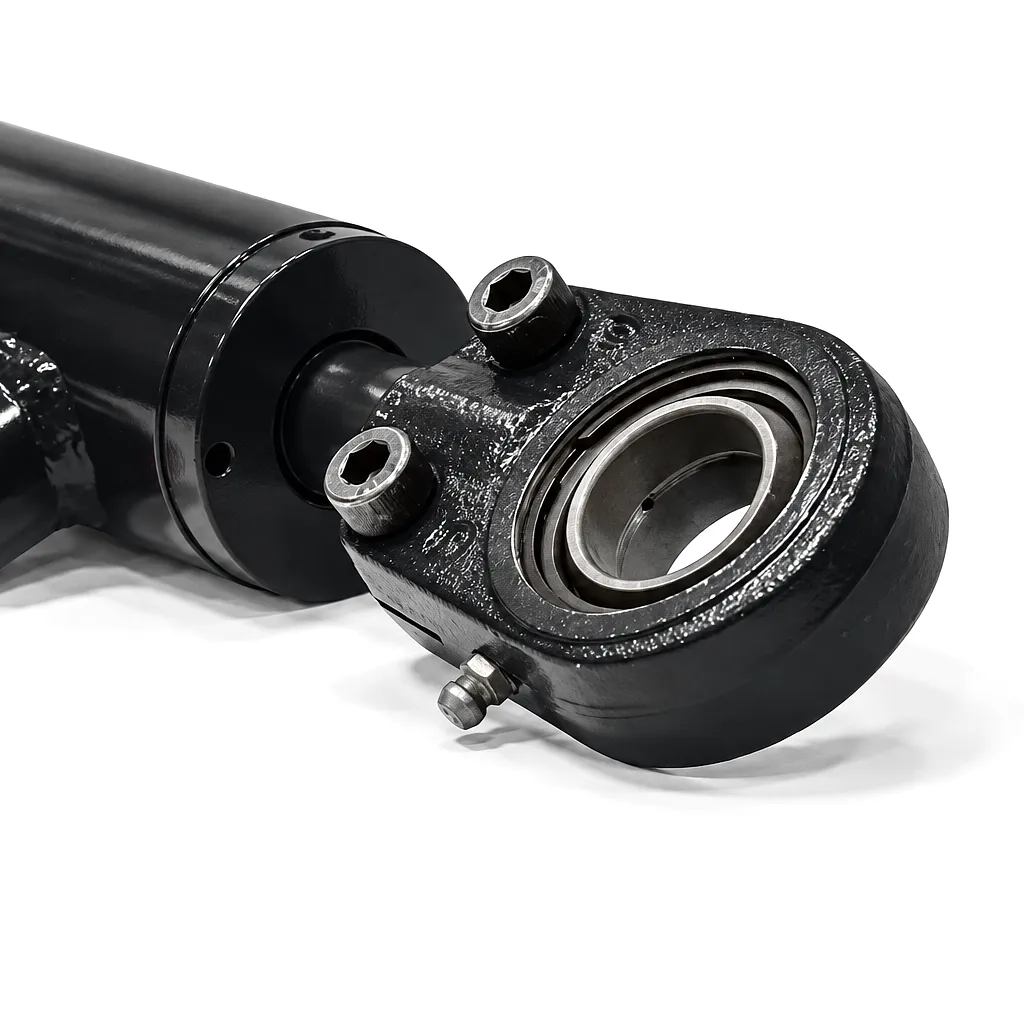
 Every hydraulic cylinder failure tells a story, and more often than not, that story starts not with a cracked rod or a faulty valve — it starts with a mismatch between the hydraulic fluid and the seal material. Across UK manufacturing hubs from Sheffield steel mills to Birmingham’s precision engineering workshops, maintenance teams routinely underestimate the chemical relationship between elastomers and hydraulic media. The result: premature swelling, hardening, extrusion, or total seal collapse — all avoidable if the right pairing is understood from the outset.
The two most widely deployed seal elastomers in industrial hydraulic cylinders are Nitrile Butadiene Rubber (NBR) and Polyurethane (PU or TPU). They are not interchangeable. Each responds to hydraulic fluid chemistry in profoundly different ways, and each has a defined performance envelope that engineers must respect. This guide breaks down the compatibility science, explains the failure modes, and equips you to specify the right cylinder seal configuration for your application — whether you operate mobile plant in Yorkshire, offshore platforms in Aberdeen, or a high-volume pressing line in the West Midlands.
Fluid selection is not merely a procurement decision — it is a design parameter that belongs in the same conversation as bore diameter, operating pressure, stroke length, and mounting configuration. Get it wrong and you face downtime, warranty disputes, and safety incidents. Get it right and your hydraulic cylinders will deliver their rated service life reliably, even in demanding UK ambient conditions where temperature swings and contamination risks are ever present.
Understanding Nitrile (NBR) and Polyurethane (PU) Seal Elastomers
Nitrile rubber is a synthetic copolymer of acrylonitrile (ACN) and butadiene. The ACN content — typically ranging from 18% to 50% — is the single most important variable governing chemical resistance. Higher ACN content delivers improved oil and fuel resistance but reduces low-temperature flexibility. Standard industrial NBR seals carry an ACN content of around 33–36%, striking a balance between chemical robustness and mechanical compliance across common hydraulic operating temperatures.
NBR has been the industry workhorse for decades because it performs reliably in mineral-oil-based hydraulic fluids, which remain the dominant fluid type across UK general industry. It offers a working temperature range of approximately -40°C to +120°C and carries good abrasion resistance for standard rod-wiper applications. Its limitation is straightforward: introduce an incompatible fluid chemistry — such as phosphate ester or certain biodegradable esters — and the elastomer will swell, lose tensile strength, and extrude from its groove within weeks.
Polyurethane seals — particularly thermoplastic polyurethane (TPU) grades — are the modern choice where high dynamic loads, tight tolerances, and extended service intervals are demanded. PU is formed by reacting a polyol with a diisocyanate, and the resulting polymer structure gives it exceptional hardness (Shore A 85–98 is common) alongside outstanding abrasion resistance, which is typically 5–10 times superior to NBR under equivalent dynamic conditions. This makes PU the preferred choice for cylinder rods exposed to abrasive contamination, high side-loading, or aggressive wiping duty.
However, polyurethane’s Achilles heel is its susceptibility to hydrolysis. In the presence of water-based hydraulic fluids — particularly water-glycol and high water-content (HWF) fluids — PU will absorb moisture, the urethane linkages will hydrolyse, and the seal will progressively degrade. This degradation is insidious: it may not manifest visibly until the seal has lost 30–40% of its tensile strength, at which point dynamic sealing performance collapses with little warning.
Hydraulic Fluid Categories and Their Chemical Behaviour
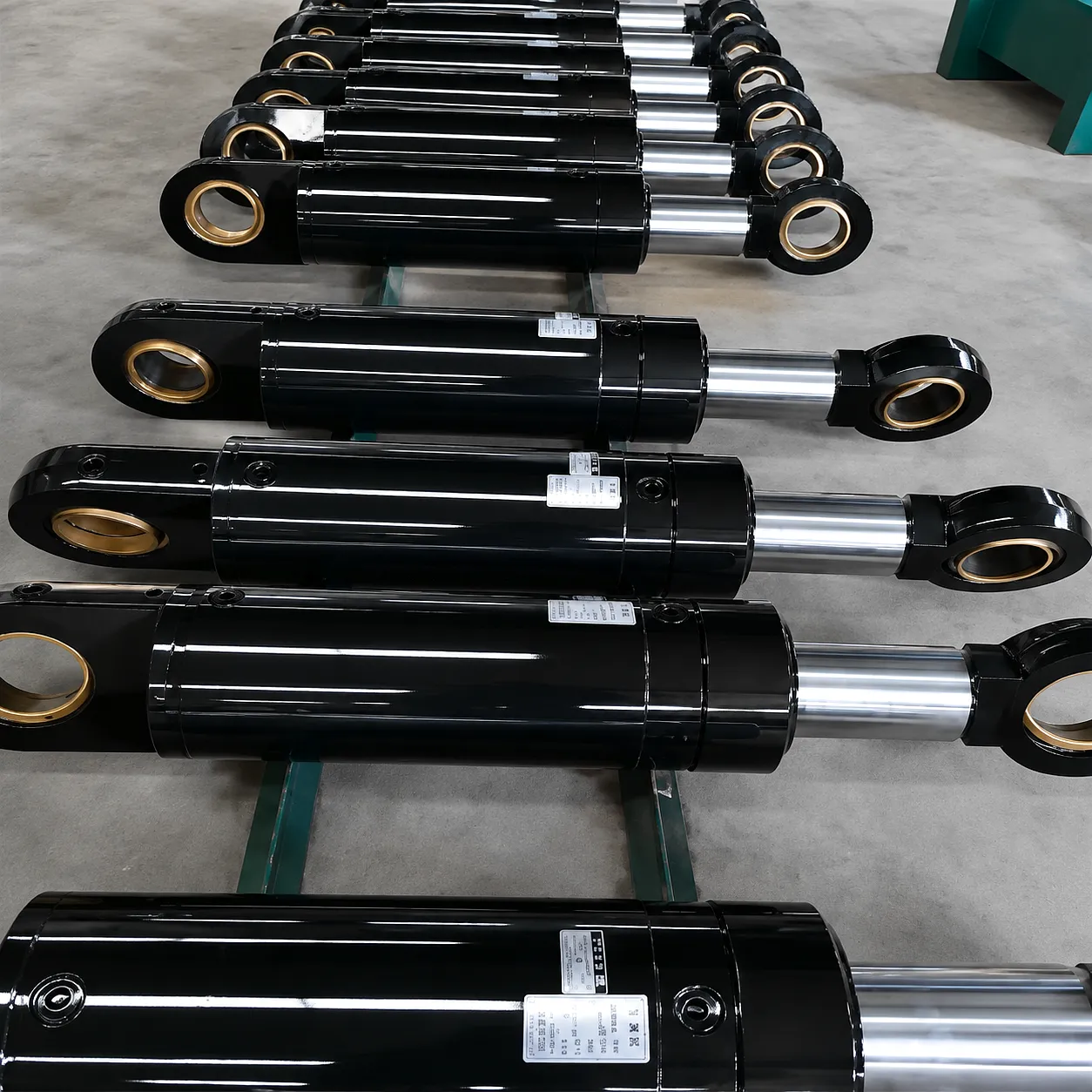
The ISO 6743-4 classification system divides hydraulic fluids into a structured series of categories, each reflecting a distinct chemical base and intended application. Understanding these categories is the foundation of intelligent seal selection, and it matters whether you are sourcing cylinder seals for a waste paper baling plant in Leeds, a foundry pressing line in Wolverhampton, or a mobile crane fleet operating across the Scottish Highlands.
Mineral Oils (HL, HM, HV)
These petroleum-based fluids remain the most widely used hydraulic media in British industry. They are compatible with NBR across virtually all viscosity grades and temperature ranges encountered in standard plant operation. PU seals also perform well in mineral oil environments, provided operating temperatures remain below 90°C and water contamination is controlled. The combination of HM-grade mineral oil with NBR seals represents the lowest-risk, most cost-effective baseline for general hydraulic cylinder specification. Most UK plant hire companies and general engineering firms rely on this pairing almost exclusively, which reflects both its reliability and the wide availability of ISO VG 46 and ISO VG 68 grades from major oil companies with UK distribution networks.
Phosphate Ester (HFD-R)
Phosphate ester fluids are fire-resistant and widely used in aviation ground-support equipment, turbine control systems, and certain steel industry applications in Sheffield and other UK heavy manufacturing centres. They are aggressive solvents toward NBR, causing severe swelling and rapid physical degradation. Only EPDM, PTFE, or specific fluorocarbon (FKM) seal materials should be used with phosphate esters. PU is likewise incompatible. If you are specifying cylinders for fire-resistant applications in a UK steelworks or an energy-from-waste plant, never default to standard NBR or PU seals — you will see seal failure within the first operational period.
Water-Glycol (HFC)
Water-glycol fluids, which contain 35–50% water by volume, are popular in foundry, die-casting, and hot-press applications where fire risk is elevated. NBR seals show reasonable compatibility with HFC fluids — though swelling of 10–20% by volume should be anticipated and accounted for in groove design. PU seals are largely incompatible with water-glycol due to hydrolysis, and their use in HFC systems will lead to gradual strength loss, increased leakage, and ultimately seal failure. In UK die-casting facilities — particularly around the Telford and Coventry tooling corridors — engineers have learned this compatibility rule the hard way after early PU seal failures in HFC-filled presses.
Biodegradable Esters (HEES, HETG, HEPG)
Vegetable-oil-based and synthetic ester hydraulic fluids are increasingly mandated by UK environmental regulations, particularly for forestry, coastal, and groundwater-sensitive agricultural applications. HETG (vegetable ester) fluids are generally compatible with NBR, though oxidation stability of the fluid itself is a concern at elevated temperatures. Synthetic esters (HEES) carry a higher ester content that can cause some NBR swelling at the upper end of their composition range. PU compatibility with HEES fluids is generally acceptable at ambient temperatures but deteriorates at prolonged elevated temperature exposure. Always consult both the fluid manufacturer’s data sheet and the seal supplier’s chemical resistance chart before specifying for biodegradable fluid systems.
Technical Performance & Compatibility Parameters — NBR vs PU Seals
The table below consolidates the critical engineering properties of both seal elastomers alongside their fluid compatibility ratings. This reference is intended to support specification decisions across UK B2B engineering and procurement teams.
| Parameter | NBR (Nitrile) | PU (Polyurethane) |
|---|---|---|
| Hardness (Shore A) | 70–90 SHA | 85–98 SHA |
| Temperature Range | -40°C to +120°C | -30°C to +100°C |
| Max Operating Pressure | Up to 350 bar | Up to 500 bar (high-grade) |
| Tensile Strength | 10–25 MPa | 30–60 MPa |
| Elongation at Break | 300–600% | 400–700% |
| Abrasion Resistance | Moderate | Excellent (5–10× vs NBR) |
| Mineral Oil (HL/HM/HV) | Excellent | Very Good |
| Phosphate Ester (HFD-R) | Incompatible | Incompatible |
| Water-Glycol (HFC) | Acceptable* | Not Recommended |
| Vegetable Ester (HETG) | Good | Monitor Temp |
| Synthetic Ester (HEES) | Acceptable* | Acceptable* |
| Hydrolysis Resistance | Good | Poor |
* Acceptable subject to groove design allowance for swelling; verify with fluid and seal supplier data sheets.
Why Fluid-Seal Incompatibility Causes Failure — Mechanisms Explained
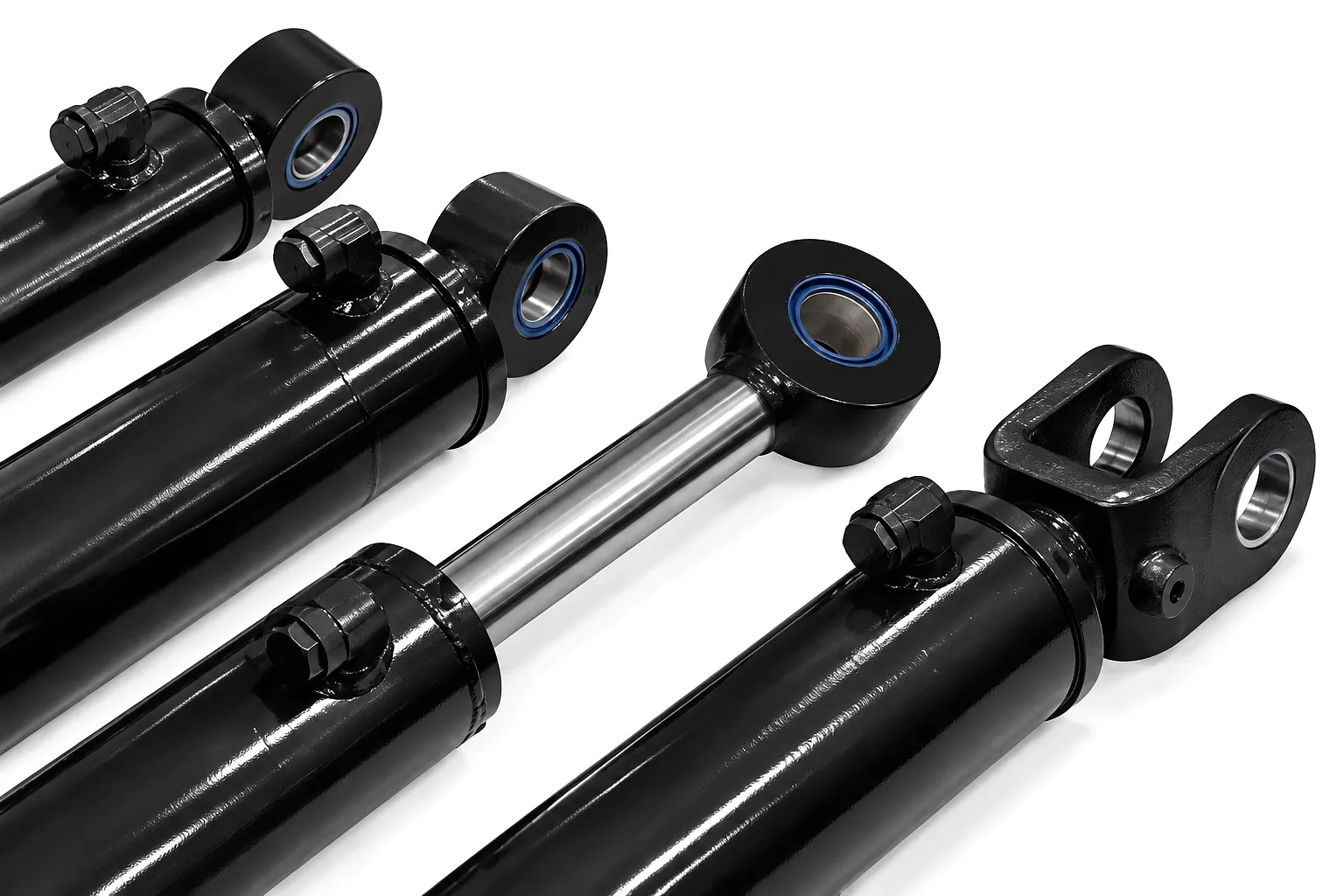
Seal failure through fluid incompatibility does not occur in a single catastrophic event. It is a progressive degradation that typically develops over weeks or months, making it difficult to attribute to root cause without proper failure analysis. Understanding the specific mechanism at work helps maintenance engineers distinguish between a seal specification error — which requires seal replacement and fluid change — and an installation or wear failure, which has a different remedy entirely.
⚠ Swelling & Extrusion
When a seal absorbs fluid chemicals that the base polymer was not designed to resist, the elastomer network swells volumetrically. In a rod or piston seal groove, this swelling has nowhere to go — the material extrudes under pressure into the clearance gap between the rod and the bore or gland. Extrusion rapidly shears the material and destroys sealing performance. NBR in phosphate ester typically shows 40–80% volumetric swell within 72 hours of immersion at 70°C — levels that are immediately destructive in practice.
⚠ Hydrolysis (PU-Specific)
Polyurethane hydrolysis is a chemical reaction — not a mechanical wear process — in which water molecules cleave the urethane linkages within the polymer chain. This progressively reduces the molecular weight of the seal material, converting the once-tough elastomer into a soft, sticky mass that loses both its shape and its sealing force. The degradation accelerates significantly above 50°C and in the presence of acid contamination. Affected PU seals take on a characteristic tacky texture and may crumble during removal — a clear diagnostic signature for maintenance teams carrying out post-failure analysis.
⚠ Hardening & Shrinkage
The opposite failure mode to swelling, hardening occurs when fluid extracts plasticisers from the seal elastomer, or when oxidative attack cross-links the polymer network further. Hardened seals lose their ability to conform to surface irregularities and maintain sealing force under thermal cycling. The result is bypass leakage — fluid passing the seal under dynamic conditions — which worsens progressively until visible external leakage occurs. NBR seals in petroleum-based fluids with insufficient antioxidant additive packages can harden after extended high-temperature service, which is a concern in UK hydraulic press applications running continuous production shifts.
✓ Correct Pairing — No Failure Mode
When seal and fluid are correctly matched — NBR with mineral oil, or PU with clean mineral oil at controlled temperatures — neither swelling nor hardening occurs at a rate that threatens service life within the maintenance interval. The seal maintains its groove geometry, sealing lip contact force, and surface finish compatibility throughout the rated service period. Ever Power hydraulic cylinders are delivered with fluid compatibility documentation as standard, specifying the seal material and the approved fluid grades for each cylinder specification, ensuring customers in Sheffield, Birmingham, and across the UK never face ambiguity at commissioning.
Industrial Application Scenarios Across UK Sectors
Steel & Metal Processing — Sheffield
Sheffield’s surviving steel industry deploys hydraulic cylinders in rolling mill pressure systems, tundish tilting mechanisms, and continuous casting equipment. These environments often mandate fire-resistant fluids — typically phosphate ester or water-glycol — eliminating both standard NBR and PU from the specification. PTFE composite or FKM seals are required. However, for ancillary plant such as material handling, scrap processing, and maintenance presses running mineral oil, NBR remains the appropriate seal choice, and high-abrasion PU rod seals offer extended intervals on equipment with dusty, scale-laden rod environments.
Automotive Manufacturing — West Midlands
Automated body-in-white pressing and stamping lines across Birmingham, Coventry, and Solihull run hydraulic cylinders at high cycle rates — sometimes exceeding 60 strokes per minute. In these applications, seal wear from dynamic friction is the primary failure driver, making PU’s superior abrasion resistance a compelling argument over NBR. Provided the hydraulic system uses clean mineral oil within the PU temperature envelope, the extended service interval justifies the modest seal cost premium. Cylinder bore sizes in automotive transfer press applications typically span 63–200 mm, with pressures of 200–315 bar.
Agricultural & Forestry Equipment — Rural UK
Agricultural hydraulic cylinders on tractors, balers, and forestry equipment operating across Scotland, Wales, and the English countryside increasingly use biodegradable HETG or HEES fluids under UK and EU environmental compliance requirements. For these applications, NBR with confirmed compatibility with the specified ester fluid is the standard approach. PU rod seals can be retained if mineral oil is used in the specific circuit, but wherever HEES fluid is present, temperature monitoring and periodic seal condition inspection should be part of the planned maintenance schedule delivered to UK agricultural contractors.
Marine & Offshore — Aberdeen & North Sea
Hydraulic cylinders on North Sea platforms and Aberdeen-based marine vessels operate in environments where seawater ingress into hydraulic circuits is a persistent contamination risk. In these conditions, PU seals are prone to hydrolysis failure even in otherwise well-managed mineral oil systems if the fluid’s water content rises above 0.1%. For offshore hydraulic cylinders — particularly on riser tensioners, moon-pool gates, and deck machinery — NBR in conjunction with rigorous dewatering maintenance protocols is the more resilient choice, with the option to specify HNBR (hydrogenated nitrile) for its superior oxidation resistance in offshore-temperature service conditions.
Construction & Infrastructure — London & Southeast
Mobile plant deployed on major UK construction projects — from Crossrail follow-on infrastructure to HS2 groundworks — relies on hydraulic cylinders in concrete pumps, piling rigs, and excavators. These machines use high-quality mineral oil systems, and rod seals are subjected to abrasive dust, grit, and occasional water spray. PU rod wiper seals paired with NBR u-cup piston seals provide the optimal combination: PU’s superior wiper performance excludes contaminants from the rod, while NBR’s fluid compatibility and cost-effectiveness handles piston sealing duties. This mixed-seal approach is standard practice among UK plant hire fleets.
Food & Beverage Processing — Yorkshire & Lincolnshire
Food processing hydraulic systems in Yorkshire’s substantial agri-food manufacturing sector use food-grade hydraulic oils — typically H1-classified white mineral oils or polyalkylene glycol (PAG) fluids. NBR is compatible with most food-grade white oils, though PAG compatibility must be specifically verified, as PAG chemistry can cause NBR swelling at elevated temperatures. Hygiene-critical applications may require FDA-compliant seal compounds, which narrows the NBR specification to specific low-extractable grades. Ever Power offers food-grade cylinder seal packages with full material traceability documentation for UK customers requiring compliance with BRC, BRCGS, or SALSA accreditation schemes.
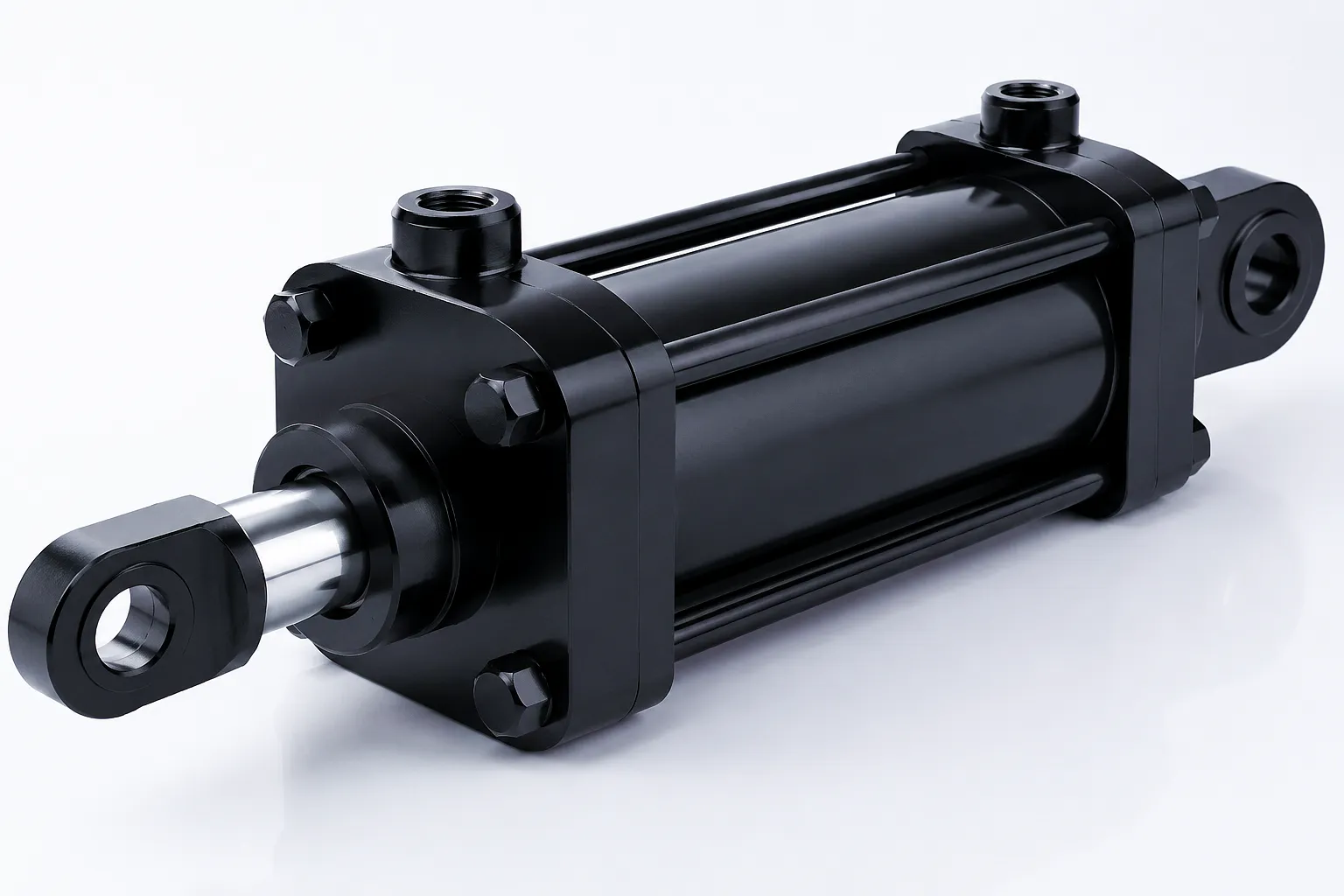
How to Select the Right Seal-Fluid Pairing: A Practical Engineering Framework
Approaching seal-fluid selection as a systematic engineering process rather than a defaulted habit prevents the majority of premature hydraulic cylinder failures seen across UK industry. The following framework integrates fluid chemistry, operating conditions, and cylinder design into a structured decision sequence that procurement teams, plant engineers, and OEM design offices can apply consistently across their hydraulic cylinder specifications.
Identify the Fluid Type
Obtain the ISO fluid classification (HM, HFC, HEES, etc.) and the base chemistry. Request a full fluid data sheet from your lubricant supplier, including water content, ester composition, and additive package details. Never assume that two oils with the same viscosity grade are chemically equivalent from a seal compatibility standpoint.
Define the Temperature Range
Establish both the continuous operating temperature and the maximum transient temperature for the hydraulic circuit. PU seals should not be specified for sustained operation above 90°C, regardless of fluid compatibility. In UK outdoor plant exposed to summer heat and winter freezing, assess the cold-start temperature and confirm that the seal’s low-temperature flexibility remains adequate at that condition.
Assess Pressure and Duty Cycle
High-pressure applications above 350 bar push toward PU seals for their superior hardness and extrusion resistance — provided the fluid is a compatible mineral oil. High-cycle applications similarly favour PU for abrasion resistance. Low-pressure, low-cycle general plant in clean environments can reliably use NBR without the cost premium, and NBR’s wider fluid compatibility makes it the safer default where fluid chemistry may change during the equipment’s service life.
Verify with Immersion Test Data
Cross-reference your seal material selection against ASTM D471 immersion test data for the specific fluid being used. Volume change should ideally fall within ±10% for dynamic rod seals; up to +20% may be tolerated for static seals with appropriate groove design allowance. If immersion data for your specific fluid grade is unavailable, request that the cylinder supplier — such as Ever Power — carry out a compatibility verification test using a seal sample before full production commences.
Ever Power — Precision Manufacturing & Custom Hydraulic Cylinder Capabilities
At Ever Power, we manufacture hydraulic cylinders for the global market with a supply chain and customisation depth that sets us apart from catalogue distributors. Every hydraulic cylinder we produce is engineered to specification — not adapted from a standard variant — and our sealing selection process is a formal part of the engineering review conducted before production authorisation is issued. When you supply a fluid data sheet and your operating parameters, our engineering team generates a validated seal-fluid compatibility matrix as part of the quotation package, at no additional charge.
Seal Material Customisation
We supply cylinders with NBR, PU, FKM (Viton), PTFE, HNBR, and EPDM seal configurations depending on the fluid environment and operating conditions. Mixed-seal packages — combining PU rod wipers with NBR piston seals, for example — are standard production options with no minimum order constraint for UK export orders above 5 units.
Precision CNC Manufacturing
Bore honing to Ra 0.2–0.4 µm, rod chrome plating to 0.025–0.05 mm thickness, and groove tolerancing to ISO 6195 standards are part of our standard production quality. This dimensional precision is prerequisite for seal performance — even a correctly specified seal will fail prematurely if groove dimensions are outside tolerance, something our CMM inspection programme prevents as standard at every production stage.
UK Export Logistics
All cylinders are shipped to UK ports — typically Felixstowe, Southampton, or Tilbury — with full DDP (Delivered Duty Paid) options available for UK-registered importers who require a simplified procurement process. We provide UKCA documentation support, declaration of conformity templates, and material certification to BS EN 10204 3.1 where required. Typical lead time for standard bore ranges is 25–35 days ex-works; expedited production available for time-sensitive UK projects.
Technical Documentation Package
Every cylinder order is accompanied by a technical documentation package including seal material specification, approved hydraulic fluid compatibility list, installation torque values, service interval recommendations, and cylinder-specific maintenance guidance. This documentation supports UK customers’ COSHH assessments, planned maintenance schedules, and OEM technical manuals where our cylinders are integrated into finished equipment products.
Ready to specify the right hidrolik silindir with correct seal selection for your application?
Customer Success Story — Sheffield Forge & Press Ltd
Heavy Forging & Press
Water-Glycol Fluid System
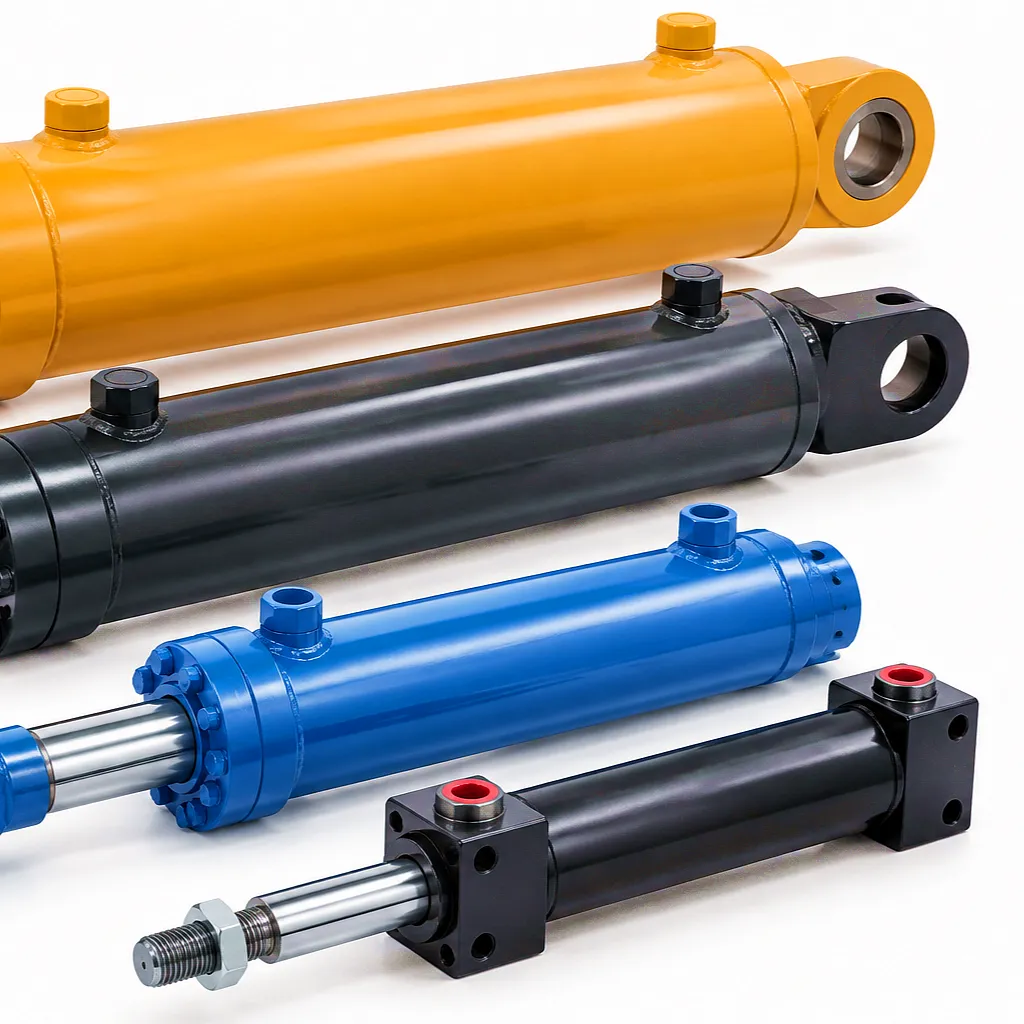 Sheffield Forge & Press Ltd operates a series of 800-tonne closed-die forging presses in their Attercliffe facility, manufacturing precision aerospace and oil-and-gas forgings for clients across the UK and export markets. The presses use water-glycol hydraulic fluid throughout — a non-negotiable requirement driven by fire-risk classification of the operating area under their insurers’ and HSE guidance.
When the plant engineering team initially upgraded their press cylinder specification four years ago, they sourced replacement cylinders from a European catalogue supplier who specified polyurethane seals as a premium option. Within eight months of commissioning, all six press cylinders were showing external leakage at the rod seals, and internal bypass was causing control accuracy issues on the forging stroke. The failure analysis confirmed classic hydrolytic degradation of the PU seals by the water-glycol fluid — a compatibility error the original supplier had not checked.
Sheffield Forge & Press contacted Ever Power through a recommendation from their hydraulic systems integrator. Ever Power’s engineering team reviewed the fluid data sheet, the press operating pressure of 280 bar, and the cycle rate of approximately 45 strokes per hour. They specified NBR piston and rod seals with an adjusted groove design — incorporating a 15% volumetric allowance for swelling in the HFC fluid — and produced a batch of six replacement cylinders with full dimensional certification within 28 working days.
The replacement cylinders have now completed three years of continuous service without a single seal-related maintenance intervention. Sheffield Forge & Press have since standardised Ever Power as their preferred cylinder supplier across all press lines, and have extended the relationship to cover bespoke cylinder requirements for a new titanium forging line commissioned in the second quarter of this year.
What Our Customers Say
“The compatibility verification documentation that came with every cylinder has been invaluable. Our insurance auditor specifically commented on the quality of the technical evidence pack. Three years running, zero seal failures — and we’re running a water-glycol system that’s eaten seals from three other suppliers over the years.”
— Plant Engineering Manager, Sheffield Forge & Press Ltd
“We specified mixed NBR/PU seals on Ever Power’s recommendation for our body-press line — NBR pistons, PU rod wipers. After 18 months of three-shift production in our Coventry facility, the rod seals show minimal wear scoring and we’ve not had a fluid leak. The DDP shipping arrangement made the whole procurement process straightforward for our finance team.”
— Operations Director, Midlands Automotive Pressings Ltd, Coventry
“We operate forestry equipment across the Scottish Highlands and switched to HEES biodegradable fluid last year to meet our FSC certification requirements. Ever Power matched us with NBR seals in verified HEES grades and provided immersion test certificates for the specific fluid brand we use. The cylinders have handled a Highland winter without issues — cold-start performance is exactly as specified.”
— Fleet Maintenance Supervisor, Caledonian Timber Operations, Inverness
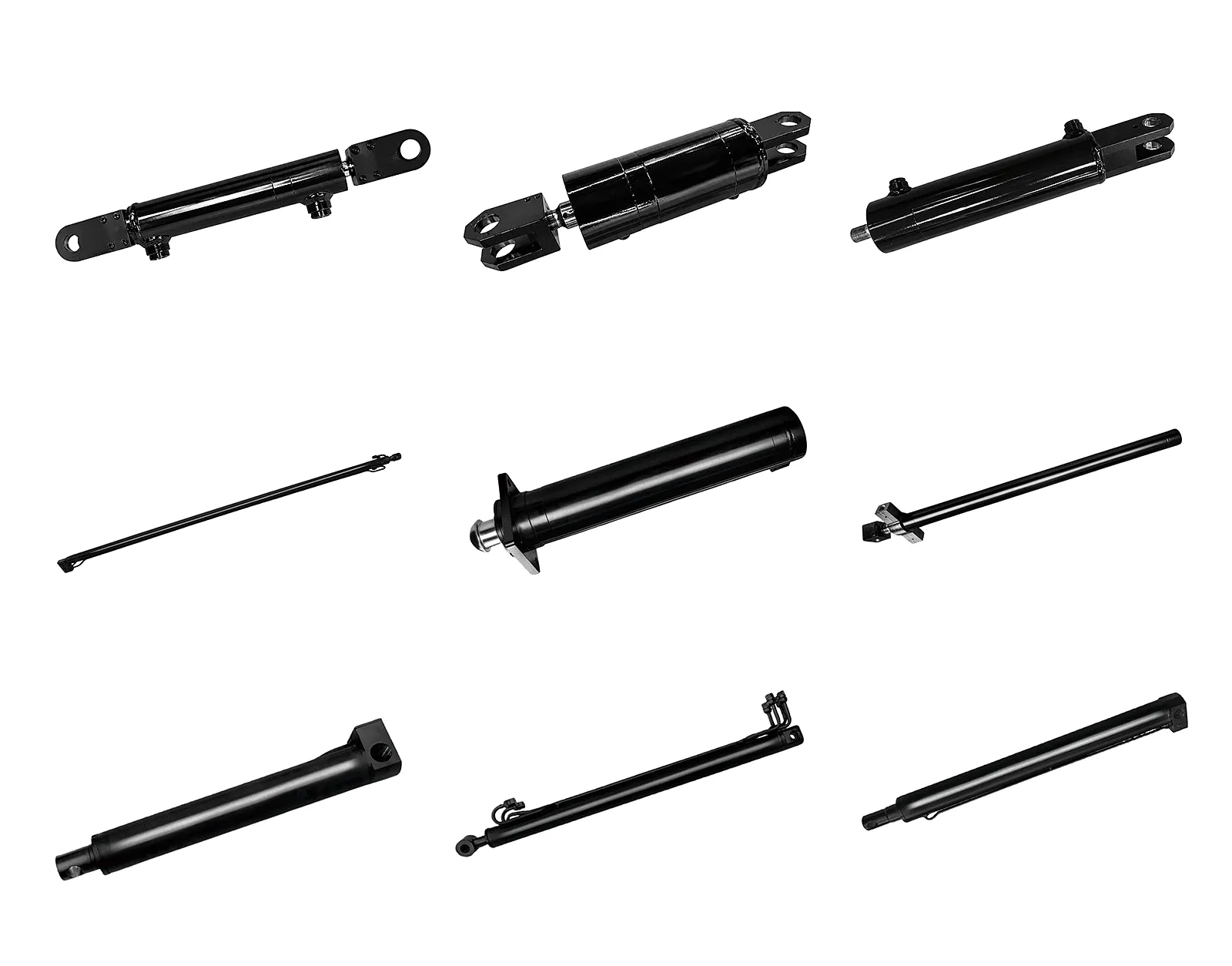
Ever Power hydraulic cylinder product range — engineered for demanding global applications
Frequently Asked Questions — Hydraulic Seal & Fluid Compatibility
Ever Power Hydraulic Cylinders — Precision Engineered for Global Industry
Technical enquiries welcome from UK procurement and engineering teams
gzl tarafından düzenlendi
 Turkish
  English
  Italian
  Portuguese
  Dutch
Dutch  Swedish
  Danish
  Finnish
  Polish
  Hindi
Hindi  Kazakh
  Ukrainian
  Romanian
  Spanish
  German
  Russian
  Korean
  Japanese
  Vietnamese
  Thai
Thai  Indonesian
  Malay
Malay  French
  Greek
Greek