
Опис продукту
Loader Accessories of Hydraulic Boom Cylinder for XCMG50g
About us
HangZhou CHINAMFG Machinery Co., Ltd.
is a professional manufacturer who can supply including Forklift & Construction Machinery Attachments, Wheel Excavator & Excavator Attachments, Hydraulic Cylinder, Automotive Alternator, Full Vehicle Wiring Harness. We extend our warmest welcome to the domestic & international customers to visit and consult with our corporation.
Our philosophy is:
Efficient management
Continuous innovation
Passion for our country and the world
Workshop
Verified Certificate
FAQ
Q: What kind of terms of payment can be accepted?
A: For terms of payment, L/C, T/T, D/A, D/P, Western Union can be accepted.
Q: What certificates are available in Machinery?
A: For the certificate, we have CE, ISO.
Q: What about the delivery time?
A: 30 days after receiving the deposit.
Q: What about the warranty time?
A: 12 months after shipment or 2000 working hours, whichever occurs first.
Q: What about the Minimum Order Quantity?
A: The MOQ is 1 pc.
| Certification: | CE, ISO9001, SGS |
|---|---|
| Pressure: | Medium Pressure |
| Work Temperature: | Normal Temperature |
| Acting Way: | Double Acting |
| Working Method: | Straight Trip |
| Adjusted Form: | Regulated Type |
| Samples: | US$ 399/Piece 1 Piece(Min.Order) | |
|---|
| Customization: | Available |
|
|---|
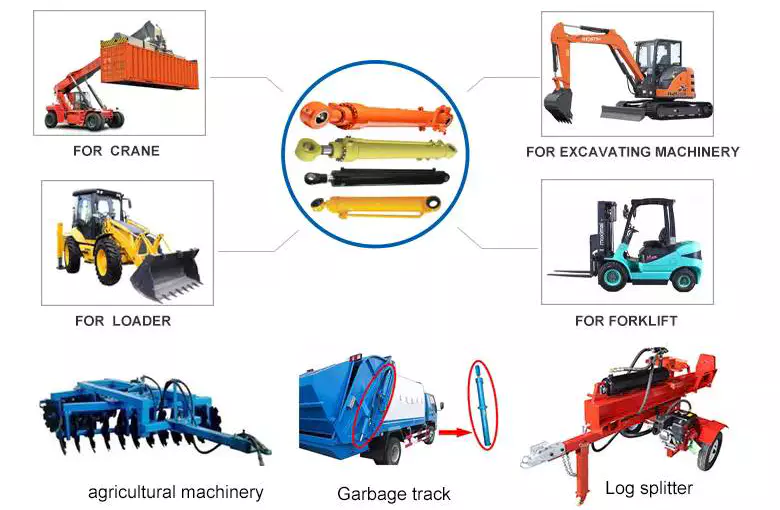
Are there any emerging trends in hydraulic cylinder technology, such as smart features?
Yes, there are several emerging trends in hydraulic cylinder technology, including the integration of smart features. As industries continue to adopt advanced technologies and seek greater efficiency, hydraulic cylinders are being equipped with innovative capabilities to enhance their performance and provide additional benefits. Here are some of the emerging trends in hydraulic cylinder technology:
1. Sensor Integration:
– One of the significant trends in hydraulic cylinder technology is the integration of sensors. Sensors can be embedded within the hydraulic cylinder to monitor various parameters such as pressure, temperature, position, and load. These sensors provide real-time data, allowing for condition monitoring, predictive maintenance, and improved operational control. By collecting and analyzing data, operators can optimize the performance of hydraulic systems, detect potential issues in advance, and prevent failures, resulting in increased reliability and reduced downtime.
2. Connectivity and IoT:
– Hydraulic cylinders are being integrated into the Internet of Things (IoT) ecosystem, enabling connectivity and data exchange. By connecting hydraulic cylinders to a network, operators can remotely monitor and control their performance. IoT-enabled hydraulic cylinders facilitate features such as remote diagnostics, performance optimization, and predictive maintenance. The connectivity aspect allows for better integration with overall equipment systems and enables data-driven decision-making for improved efficiency and productivity.
3. Energy-Efficient Designs:
– With the increasing focus on sustainability and energy efficiency, hydraulic cylinder technology is evolving to incorporate energy-saving features. Manufacturers are developing hydraulic cylinders with improved sealing technologies, reduced friction, and optimized fluid flow dynamics. These advancements minimize energy losses and increase overall system efficiency. Energy-efficient hydraulic cylinders contribute to reduced power consumption, lower operating costs, and a smaller environmental footprint.
4. Advanced Materials and Coatings:
– The use of advanced materials and coatings is another emerging trend in hydraulic cylinder technology. Manufacturers are exploring lightweight materials, such as composites and alloys, to reduce the overall weight of hydraulic cylinders without compromising strength and durability. Furthermore, specialized coatings and surface treatments are being applied to improve corrosion resistance, wear resistance, and lifespan. These advancements enhance the longevity and reliability of hydraulic cylinders, particularly in demanding environments.
5. Intelligent Control Systems:
– Hydraulic cylinder technology is embracing intelligent control systems that optimize performance and enable advanced functionalities. These systems utilize algorithms, machine learning, and artificial intelligence to automate processes, adapt to changing conditions, and optimize hydraulic cylinder movements. Intelligent control systems can adjust parameters in real-time, ensuring precise and efficient operation. This trend allows for increased automation, improved productivity, and enhanced safety in hydraulic system applications.
6. Predictive Maintenance:
– Predictive maintenance is gaining prominence in hydraulic cylinder technology. By utilizing data collected from sensors and monitoring systems, predictive maintenance algorithms can analyze the condition and performance of hydraulic cylinders. This analysis helps to identify potential failures or degradation in advance, enabling proactive maintenance actions. Predictive maintenance reduces unplanned downtime, extends the lifespan of hydraulic cylinders, and optimizes maintenance schedules, resulting in cost savings and improved equipment availability.
7. Enhanced Safety Features:
– Hydraulic cylinder technology is incorporating enhanced safety features to improve operator and equipment safety. These features include integrated safety valves, load monitoring systems, and emergency stop functionalities. Safety systems in hydraulic cylinders help prevent accidents, protect against overloads, and ensure reliable operation. The integration of advanced safety features contributes to safer working environments and compliance with stringent safety regulations.
These emerging trends in hydraulic cylinder technology demonstrate the industry’s focus on innovation, performance optimization, and sustainability. The integration of smart features, connectivity, advanced materials, and predictive maintenance capabilities enables hydraulic cylinders to operate more efficiently, provide real-time insights, and enhance overall system performance. As technology continues to advance, hydraulic cylinder technology is expected to evolve further, offering increased functionality and efficiency for various industries and applications.
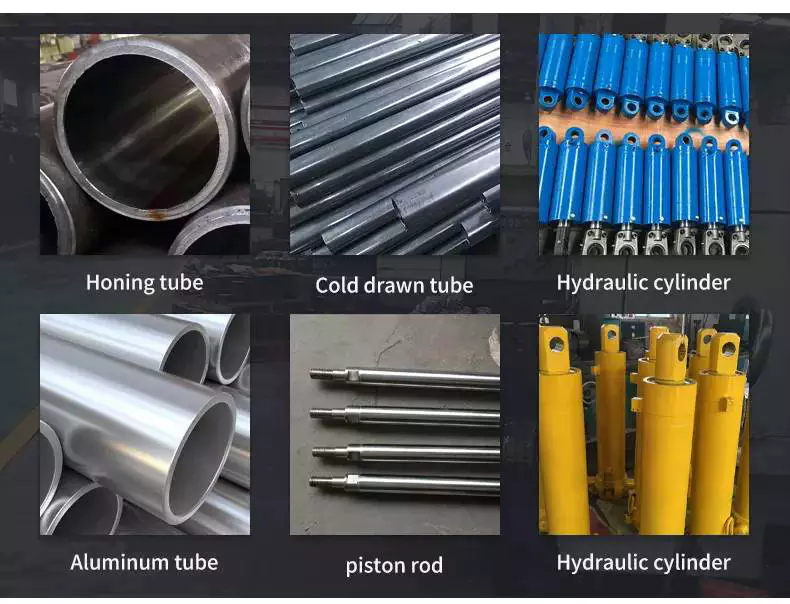
Ensuring Consistent Force Output for Repetitive Tasks with Hydraulic Cylinders
Hydraulic cylinders are designed to ensure consistent force output for repetitive tasks. This consistency is essential for maintaining precise control, achieving uniform results, and optimizing the performance of hydraulic systems. Let’s explore how hydraulic cylinders achieve consistent force output for repetitive tasks:
- Design and Manufacturing Standards: Hydraulic cylinders are manufactured to meet strict design and manufacturing standards. These standards ensure that the cylinders are built with precision and accuracy, enabling them to deliver consistent force output. The components, such as the piston, cylinder barrel, seals, and valves, are engineered to work together harmoniously, minimizing variations in force generation.
- Pressure Regulation: Hydraulic systems incorporate pressure regulation mechanisms to maintain a constant pressure level. Pressure relief valves, pressure regulators, and pressure-compensated pumps help maintain a consistent hydraulic pressure throughout the system. By regulating the pressure, hydraulic cylinders receive a consistent supply of pressurized fluid, resulting in consistent force output for repetitive tasks.
- Flow Control: Flow control valves are utilized in hydraulic systems to manage the flow rate of hydraulic fluid. These valves regulate the speed at which the fluid enters and exits the hydraulic cylinder, influencing the force output. By controlling the flow rate, hydraulic cylinders can achieve consistent force output for repetitive tasks. This is particularly important when it comes to tasks that require precise and uniform force application.
- Effective Seal Performance: Sealing systems play a crucial role in hydraulic cylinders by preventing fluid leakage and maintaining pressure integrity. High-quality seals and proper installation ensure effective sealing throughout the cylinder’s operation. By minimizing internal leakage, hydraulic cylinders can maintain consistent force output, even during repetitive tasks.
- Maintenance and Inspection: Regular maintenance and inspection of hydraulic cylinders are essential for ensuring consistent force output. By following maintenance schedules, replacing worn-out components, and monitoring cylinder performance, any potential issues that could affect force consistency can be identified and addressed promptly. This proactive approach helps maintain the reliability and performance of hydraulic cylinders over time.
In summary, hydraulic cylinders employ various mechanisms to ensure consistent force output for repetitive tasks. Adherence to design and manufacturing standards, pressure regulation, flow control, effective seal performance, and regular maintenance all contribute to achieving consistent force output. By maintaining precision, minimizing variations, and addressing potential issues, hydraulic cylinders provide reliable and consistent force generation, facilitating the successful completion of repetitive tasks in various applications.
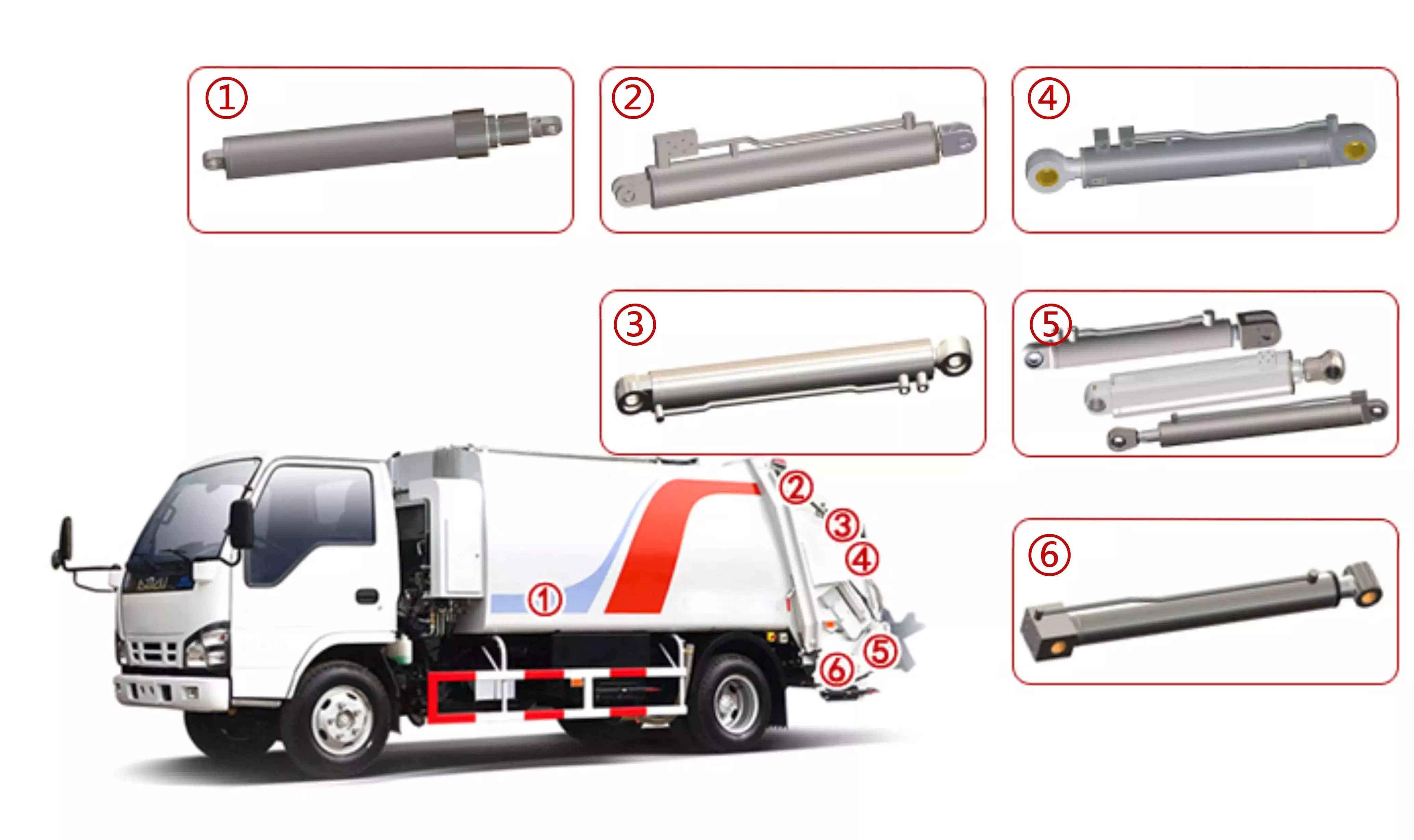
Як гідравлічні циліндри враховують зміни довжини ходу та вимоги до зусилля?
Гідравлічні циліндри розроблені з урахуванням різної довжини ходу та вимог до зусилля, забезпечуючи гнучкість та адаптивність до різних застосувань. Їх можна адаптувати до конкретних потреб, враховуючи такі фактори, як діаметр поршня, діаметр штока, гідравлічний тиск та конструкція циліндра. Ось детальне пояснення того, як гідравлічні циліндри враховують різну довжину ходу та вимоги до зусилля:
1. Розмір та конструкція циліндра:
– Гідравлічні циліндри бувають різних розмірів і конструкцій, щоб задовольнити різні довжини ходу та вимоги до зусилля. Діаметр циліндра, площа поршня та діаметр штока є ключовими факторами, що визначають вихідне зусилля. Більші діаметри циліндрів і площі поршня можуть створювати більшу силу, тоді як менші діаметри підходять для застосувань, що потребують меншого зусилля. Вибираючи відповідний розмір і конструкцію циліндра, можна ефективно врахувати довжину ходу та вимоги до зусилля.
2. Конфігурації поршня та штока:
– Гідравлічні циліндри можуть бути сконструйовані з різною конфігурацією поршня та штока для врахування варіацій довжини ходу. Циліндри односторонньої дії мають один поршень і можуть забезпечувати хід в одному напрямку. Циліндри двосторонньої дії мають поршень з обох боків, що дозволяє здійснювати хід в обох напрямках. Телескопічні циліндри складаються з кількох ступенів, які можуть висуватися та втягуватися, забезпечуючи більшу довжину ходу порівняно зі стандартними циліндрами. Вибравши відповідну конфігурацію поршня та штока, можна досягти бажаної довжини ходу.
3. Гідравлічний тиск і витрата:
– Гідравлічний тиск і витрата, що подаються до циліндра, відіграють вирішальну роль у врахуванні змін у необхідних зусиллях. Збільшення гідравлічного тиску збільшує вихідне зусилля циліндра, дозволяючи йому справлятися з вищими вимогами до зусилля. Регулюючи тиск і витрату за допомогою гідравлічних клапанів і насосів, вихідне зусилля можна контролювати та узгоджувати з конкретними вимогами застосування.
4. Налаштування та пошиття на замовлення:
– Гідравлічні циліндри можна налаштувати та адаптувати до конкретних вимог щодо довжини ходу та зусилля. Виробники пропонують широкий асортимент розмірів циліндрів, довжин ходу та допустимих зусиль на вибір. Крім того, можна виготовити циліндри на замовлення, які відповідають унікальним вимогам щодо довжини ходу та зусилля. Тісно співпрацюючи з виробниками гідравлічних циліндрів, можна отримати циліндри, які точно відповідають необхідним вимогам щодо довжини ходу та зусилля.
5. Кілька циліндрів та синхронізація:
– У випадках, коли потрібне велике зусилля або більша довжина ходу, можна використовувати кілька гідравлічних циліндрів разом. Синхронізуючи рух кількох циліндрів через гідравлічну систему, можна ефективно збільшити довжину ходу та вихідне зусилля. Синхронізації можна досягти за допомогою механічних з'єднань, електронних елементів керування або гідравлічних схем, що забезпечує скоординований рух та розподіл зусилля між циліндрами.
6. Контроль навантаження та тиску:
– Гідравлічні системи можуть включати механізми регулювання навантаження та тиску для врахування змін у вимогах до зусилля. Системи регулювання навантаження контролюють необхідне навантаження та відповідно регулюють гідравлічний тиск, забезпечуючи, щоб циліндр забезпечував необхідне зусилля без застосування надмірних зусиль. Клапани регулювання тиску регулюють тиск у гідравлічній системі, що дозволяє точно контролювати та регулювати вихідне зусилля залежно від потреб застосування.
7. Міркування безпеки:
– Під час врахування змін довжини ходу та вимог до зусилля важливо враховувати фактори безпеки. Гідравлічні циліндри слід вибирати та проектувати з відповідним запасом міцності для роботи з неочікуваними навантаженнями або змінами умов експлуатації. Для запобігання пошкодженням або виходам з ладу в ситуаціях перевищення меж зусилля можуть бути вбудовані запобіжні механізми, такі як клапани захисту від перевантаження та запобіжні клапани.
Враховуючи такі фактори, як розмір і конструкція циліндра, конфігурації поршня та штока, гідравлічний тиск і витрата, варіанти налаштування, синхронізацію, вимірювання навантаження, контроль тиску та міркування безпеки, гідравлічні циліндри можуть ефективно враховувати зміни довжини ходу та вимоги до зусилля. Ця гнучкість дозволяє адаптувати гідравлічні циліндри до конкретних вимог широкого спектру застосувань, забезпечуючи оптимальну продуктивність та ефективність.


editor by CX 2023-10-22
 Ukrainian
  English
  Italian
  Portuguese
  Dutch
Dutch  Swedish
  Danish
  Finnish
  Polish
  Hindi
Hindi  Kazakh
  Turkish
  Romanian
  Spanish
  German
  Russian
  Korean
  Japanese
  Vietnamese
  Thai
Thai  Indonesian
  Malay
Malay  French
  Greek
Greek