
Опис продукту
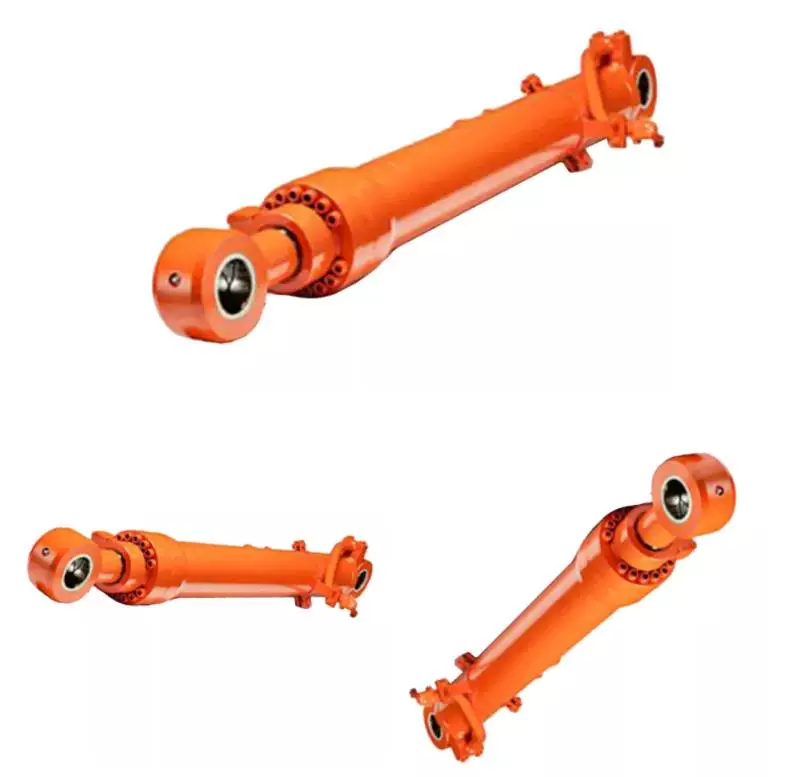
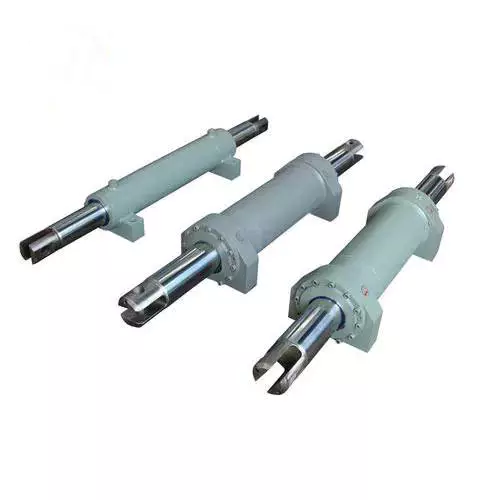
Specifications:
| Product Name | HSG Series Hydraulic Cylinder |
| Work Press | 7/14/16/21/31,5 МПа 37,5/63 МПа Можна налаштувати |
| Матеріал | Aluminum, Cast Iron,45mnb Steel, Stainless Steel |
| Розмір отвору | 40mm–320mm, Customizable |
| Shaft Diameter | 20mm–220mm, Customizable |
| Довжина ходу | 30mm–14100mm, Customizable |
| Rod Surface Hardness | HRC48-54 |
| Operating Temperature | -40°C to +120 °C |
| Колір фарби | Black, Yellow, Blue, Brown, Customizable |
| Service | OEM&ODM |
| Warranty | 1 Year |
| Мінімальна кількість замовлення | 1 Piece |
| Час доставки | 7-15 Days, Also depending on specific demands |
| Сертифікація | ISO9001,CE |
| Capacity | 50,000Pcs per year |
Дисплей продукту:
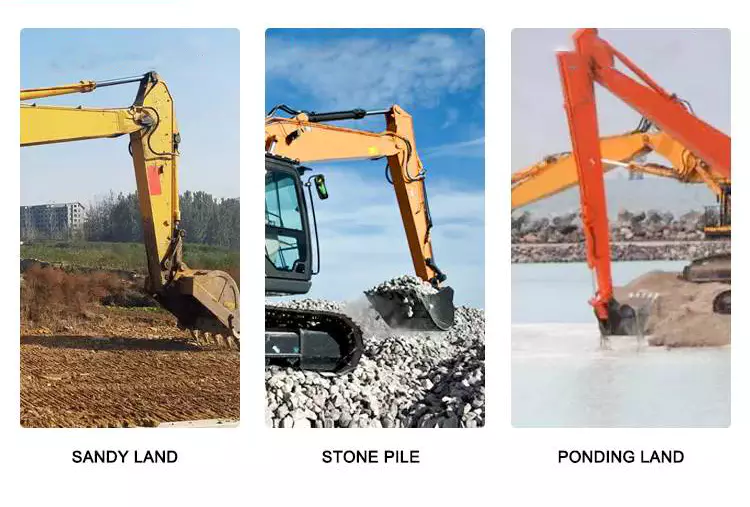
Mounting:
Working Flow: About Us
Tongte designs and manufactures durable, heavy-duty hydraulic products and accessories and offers lifecycle services to them. We constantly develop our machine base and operations to meet customer-specific needs and remain leaders in the industry. Beyond all else, we want to be the trusted, groundbreaking partner our customers truly need.
In addition to the customized cylinders, CHINAMFG offers hydraulic power units, Electric-Hydraulic linear actuators, piston accumulators, system configurations, and versatile services such as repair and manufacturing services. The modern production facilities are located in HangZhou, ZheJiang (China) where production started in 2001. The core values of Tongke guiding its business strongly are commitment, sustainability, interaction, and customer-first.
We possess over 20 years of experience in the industry and extensive global market experience, our customers are located all over the world, and we truly commit to the customers’ needs – these are the success factors of our family-owned company. Our vision is to grow and expand the business further into global markets.
Найчастіші запитання:
Q1: What does your company do?
A: we are a supplier of high-quality hydraulic products including Hydraulic Cylinders, Hydraulic Power packs, Hydraulic Linear, and other Hydraulic components.
Q2:Are you a manufacturer or trading company?
A: We are a manufacturer.
Q3:Are you able to make Non-standard or customized products?
A: Yes, we can.
Q3: How long is your delivery time?
A: Normally, the delivery time is 7 days if we have stock, and 15-30 working days if we don’t. but it
also depends on the product
requirements and quantity.
Q4: Do you provide samples? are the samples free or not?
A: Yes, we can provide samples, but they are not free of charge.
Q5: What are your payment terms?
A: 30% deposit T/T or Irrevocable L/C at sight, If you have any questions, please feel free to
contact us.
Q6: What is your warranty policy?
A: All our products are warranted for 1 full year from the date of delivery against defects in materials and workmanship. Each individual product will be strictly inspected on our factory QC Process
System before shipment. We also have a Customer Service team to respond to customers’ questions within 12 hours.
| Сертифікація: | ISO9001 |
|---|---|
| Тиск: | High Pressure |
| Робоча температура: | Normal Temperature |
| Акторський шлях: | Подвійна дія |
| Метод роботи: | Пряма поїздка |
| Скоригована форма: | Регульований тип |
| Налаштування: | Доступно |
|
|---|
How do hydraulic cylinders handle the challenges of minimizing friction and wear?
Hydraulic cylinders employ several mechanisms and techniques to effectively minimize friction and wear, ensuring optimal performance and longevity. Minimizing friction and wear is crucial for hydraulic cylinders as it helps to maintain efficiency, reduce energy consumption, and prevent premature failure. Here’s a detailed explanation of how hydraulic cylinders handle the challenges of minimizing friction and wear:
1. Lubrication:
– Proper lubrication is essential for minimizing friction and wear in hydraulic cylinders. Lubricating fluids, such as hydraulic oils, are used to create a thin film between moving surfaces, reducing direct metal-to-metal contact. This lubricating film acts as a protective barrier, reducing friction and preventing wear. Regular maintenance practices include monitoring and maintaining the appropriate lubricant levels to ensure optimal lubrication and minimize frictional losses.
2. Surface Finishes:
– The surface finishes of components in hydraulic cylinders play a crucial role in minimizing friction and wear. Smoother surface finishes, achieved through precision machining, grinding, or the application of specialized coatings, reduce surface roughness and frictional resistance. By minimizing surface irregularities, the risk of wear and friction-induced damage is significantly reduced, resulting in improved efficiency and extended component life.
3. High-Quality Sealing Systems:
– Well-designed and high-quality sealing systems are crucial for minimizing friction and wear in hydraulic cylinders. Seals prevent fluid leakage and contamination while maintaining proper lubrication. Advanced sealing materials, such as polyurethane or composite materials, offer excellent wear resistance and low friction characteristics. Optimal seal design and proper installation ensure effective sealing, minimizing friction and wear between the piston and cylinder bore.
4. Proper Alignment and Clearances:
– Hydraulic cylinders must be properly aligned and have appropriate clearances to minimize friction and wear. Misalignment or excessive clearances can result in increased friction and uneven wear, leading to premature failure. Proper installation, alignment, and maintenance practices, including regular inspection and adjustment of clearances, help ensure smooth and even movement of the piston within the cylinder, reducing friction and wear.
5. Filtration and Contamination Control:
– Effective filtration and contamination control are essential for minimizing friction and wear in hydraulic cylinders. Contaminants, such as particles or moisture, can act as abrasive agents, accelerating wear and increasing friction. By implementing robust filtration systems and proper maintenance practices, hydraulic systems can prevent the ingress of contaminants, ensuring clean and properly lubricated components. Clean hydraulic fluids help minimize wear and friction, contributing to improved performance and longevity.
6. Material Selection:
– The selection of appropriate materials for hydraulic cylinder components is crucial in minimizing friction and wear. Components subject to high frictional forces, such as pistons and cylinder bores, can be made from materials with excellent wear resistance, such as hardened steel or composite materials. Additionally, selecting materials with low coefficients of friction helps reduce frictional losses. Proper material selection ensures durability and minimized wear in critical components of hydraulic cylinders.
7. Maintenance and Regular Inspection:
– Regular maintenance and inspection practices are vital for identifying and addressing potential issues that could lead to increased friction and wear in hydraulic cylinders. Scheduled maintenance includes lubrication checks, seal inspections, and monitoring of clearances. By promptly detecting and rectifying any signs of wear or misalignment, hydraulic cylinders can be kept in optimal condition, minimizing friction and wear throughout their operational lifespan.
In summary, hydraulic cylinders employ various strategies to handle the challenges of minimizing friction and wear. These include proper lubrication, employing suitable surface finishes, utilizing high-quality sealing systems, ensuring proper alignment and clearances, implementing effective filtration and contamination control measures, selecting appropriate materials, and conducting regular maintenance and inspections. By implementing these practices, hydraulic cylinders can minimize friction and wear, ensuring smooth and efficient operation while extending the overall lifespan of the system.
Забезпечення стабільної роботи гідравлічних циліндрів при коливальних навантаженнях
Гідравлічні циліндри розроблені для забезпечення стабільної роботи навіть за коливань навантажень. Вони досягають цього за допомогою різних механізмів та функцій, які дозволяють ефективно контролювати та компенсувати навантаження. Давайте розглянемо, як гідравлічні циліндри забезпечують стабільну роботу за коливань навантажень:
- Конструкція поршня: Поршень усередині гідравлічного циліндра відіграє вирішальну роль у контролі навантаження. Зазвичай він оснащений ущільненнями та кільцями, які запобігають витоку гідравлічної рідини та забезпечують ефективну передачу зусилля. Конструкція поршня може включати такі елементи, як ступінчасті або тандемні поршні, які забезпечують покращену несучу здатність та покращену стійкість, розподіляючи навантаження по кількох поверхнях.
- Амортизація циліндра: Гідравлічні циліндри часто містять механізми амортизації для мінімізації ударів та поштовхів, спричинених коливаннями навантажень. Амортизації можна досягти різними методами, такими як регульовані гвинти амортизації, гідравлічні клапани амортизації або еластомерні кільця амортизації. Ці механізми уповільнюють рух поршня ближче до кінця ходу, зменшуючи удар та запобігаючи раптовим зупинкам, які можуть призвести до нестабільності.
- Компенсація тиску: Коливання навантаження можуть призвести до коливань тиску в гідравлічній системі. Для забезпечення стабільної роботи гідравлічні циліндри оснащені механізмами компенсації тиску. Ці механізми підтримують постійний рівень тиску в системі, незалежно від змін навантаження. Компенсації тиску можна досягти за допомогою запобіжних клапанів, компенсаційних поршнів або клапанів регулювання потоку з компенсацією тиску.
- Контроль потоку: Гідравлічні циліндри часто оснащені клапанами регулювання потоку для регулювання швидкості руху циліндра. Контролюючи швидкість потоку гідравлічної рідини, рух циліндра можна регулювати відповідно до змінних умов навантаження. Клапани регулювання потоку забезпечують плавний та контрольований рух, запобігаючи різким змінам, які можуть призвести до нестабільності.
- Системи зворотного зв'язку: Для забезпечення стабільної роботи при коливаннях навантажень гідравлічні циліндри можна інтегрувати із системами зворотного зв'язку. Ці системи надають інформацію в режимі реального часу про положення, швидкість та силу циліндра. Завдяки постійному контролю цих параметрів гідравлічна система може негайно вносити корективи для підтримки стабільності та компенсації коливань навантаження. Системи зворотного зв'язку можуть включати датчики положення, датчики тиску або датчики навантаження, залежно від конкретного застосування.
- Правильний підбір розміру та розміру: Забезпечення стабільної роботи за коливальних навантажень починається з правильного вибору розмірів та гідравлічних циліндрів. Вкрай важливо вибрати циліндри з відповідним розміром отвору, діаметром штока та довжиною ходу, щоб відповідати очікуваним умовам навантаження. Завеликі або замалі циліндри можуть призвести до нестабільності та зниження продуктивності. Правильний вибір розмірів також включає врахування таких факторів, як необхідна сила, швидкість та робочий цикл застосування.
Підсумовуючи, гідроциліндри забезпечують стабільну роботу при коливаннях навантажень завдяки таким функціям, як конструкція поршня, механізми амортизації, компенсація тиску, регулювання потоку, системи зворотного зв'язку, а також правильний вибір та визначення розмірів. Ці механізми та міркування дозволяють гідроциліндрам забезпечувати стабільний та контрольований рух навіть в умовах динамічного навантаження, що призводить до надійної та стабільної роботи.
How do hydraulic cylinders generate force and motion using hydraulic fluid?
Hydraulic cylinders generate force and motion by utilizing the principles of fluid mechanics, specifically Pascal’s law, in conjunction with the properties of hydraulic fluid. The process involves the conversion of hydraulic energy into mechanical force and linear motion. Here’s a detailed explanation of how hydraulic cylinders achieve this:
1. Pascal’s Law:
– Hydraulic cylinders operate based on Pascal’s law, which states that when pressure is applied to a fluid in a confined space, it is transmitted equally in all directions. In the context of hydraulic cylinders, this means that when hydraulic fluid is pressurized, the force is evenly distributed throughout the fluid and transmitted to all surfaces in contact with the fluid.
2. Hydraulic Fluid and Pressure:
– Hydraulic systems use a specialized fluid, typically hydraulic oil, as the working medium. This fluid is stored in a reservoir and circulated through the system by a hydraulic pump. The pump pressurizes the fluid, creating hydraulic pressure that can be controlled and directed to various components, including hydraulic cylinders.
3. Cylinder Design and Components:
– Hydraulic cylinders consist of several key components, including a cylindrical barrel, a piston, a piston rod, and various seals. The barrel is a hollow tube that houses the piston and allows for fluid flow. The piston divides the cylinder into two chambers: the rod side and the cap side. The piston rod extends from the piston and provides a connection point for external loads. Seals are used to prevent fluid leakage and maintain hydraulic pressure within the cylinder.
4. Fluid Input and Motion:
– To generate force and motion, hydraulic fluid is directed into one side of the cylinder, creating pressure on the corresponding surface of the piston. This pressure is transmitted through the fluid to the other side of the piston.
5. Force Generation:
– The force generated by a hydraulic cylinder is a result of the pressure applied to a specific surface area of the piston. The force exerted by the hydraulic cylinder can be calculated using the formula: Force = Pressure × Area. The area is determined by the diameter of the piston or the piston rod, depending on which side of the cylinder the fluid is acting upon.
6. Linear Motion:
– As the pressurized hydraulic fluid acts on the piston, it generates a force that moves the piston in a linear direction within the cylinder. This linear motion is transferred to the piston rod, which extends or retracts accordingly. The piston rod can be connected to external components or machinery, allowing the generated force to perform various tasks, such as lifting, pushing, pulling, or controlling mechanisms.
7. Control and Regulation:
– The force and motion generated by hydraulic cylinders can be controlled and regulated by adjusting the flow of hydraulic fluid into the cylinder. By regulating the flow rate, pressure, and direction of the fluid, the speed, force, and direction of the cylinder’s movement can be precisely controlled. This control allows for accurate positioning, smooth operation, and synchronization of multiple cylinders in complex machinery.
8. Return and Recirculation of Fluid:
– After the hydraulic cylinder completes its stroke, the hydraulic fluid on the opposite side of the piston needs to be returned to the reservoir. This is typically achieved through hydraulic valves that control the flow direction, allowing the fluid to return and be recirculated in the system for further use.
In summary, hydraulic cylinders generate force and motion by utilizing the principles of Pascal’s law. Pressurized hydraulic fluid acts on the piston, creating force that moves the piston in a linear direction. This linear motion is transferred to the piston rod, allowing the generated force to perform various tasks. By controlling the flow of hydraulic fluid, the force and motion of hydraulic cylinders can be precisely regulated, contributing to their versatility and wide range of applications in machinery.


editor by CX 2023-11-14
 Ukrainian
  English
  Italian
  Portuguese
  Dutch
Dutch  Swedish
  Danish
  Finnish
  Polish
  Hindi
Hindi  Kazakh
  Turkish
  Romanian
  Spanish
  German
  Russian
  Korean
  Japanese
  Vietnamese
  Thai
Thai  Indonesian
  Malay
Malay  French
  Greek
Greek