
Опис продукту
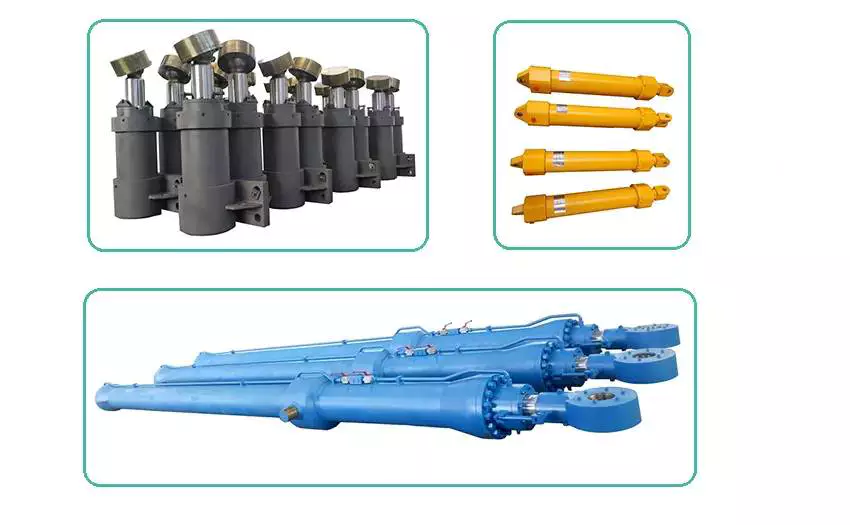
- Product Information
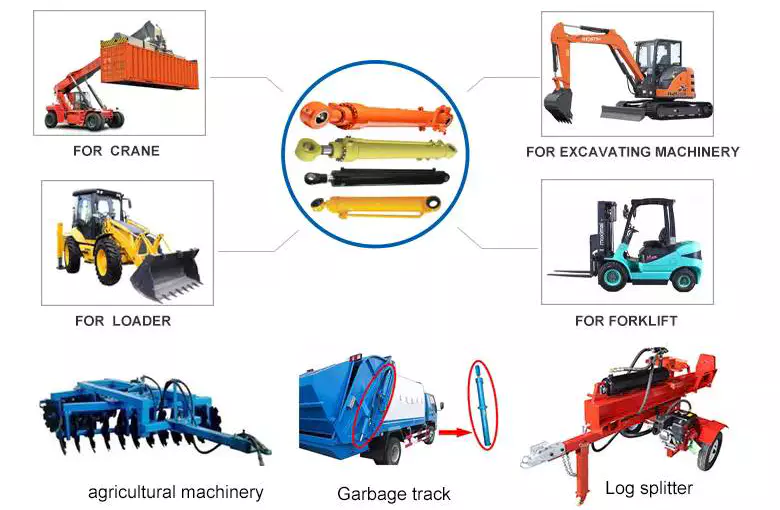
- Application
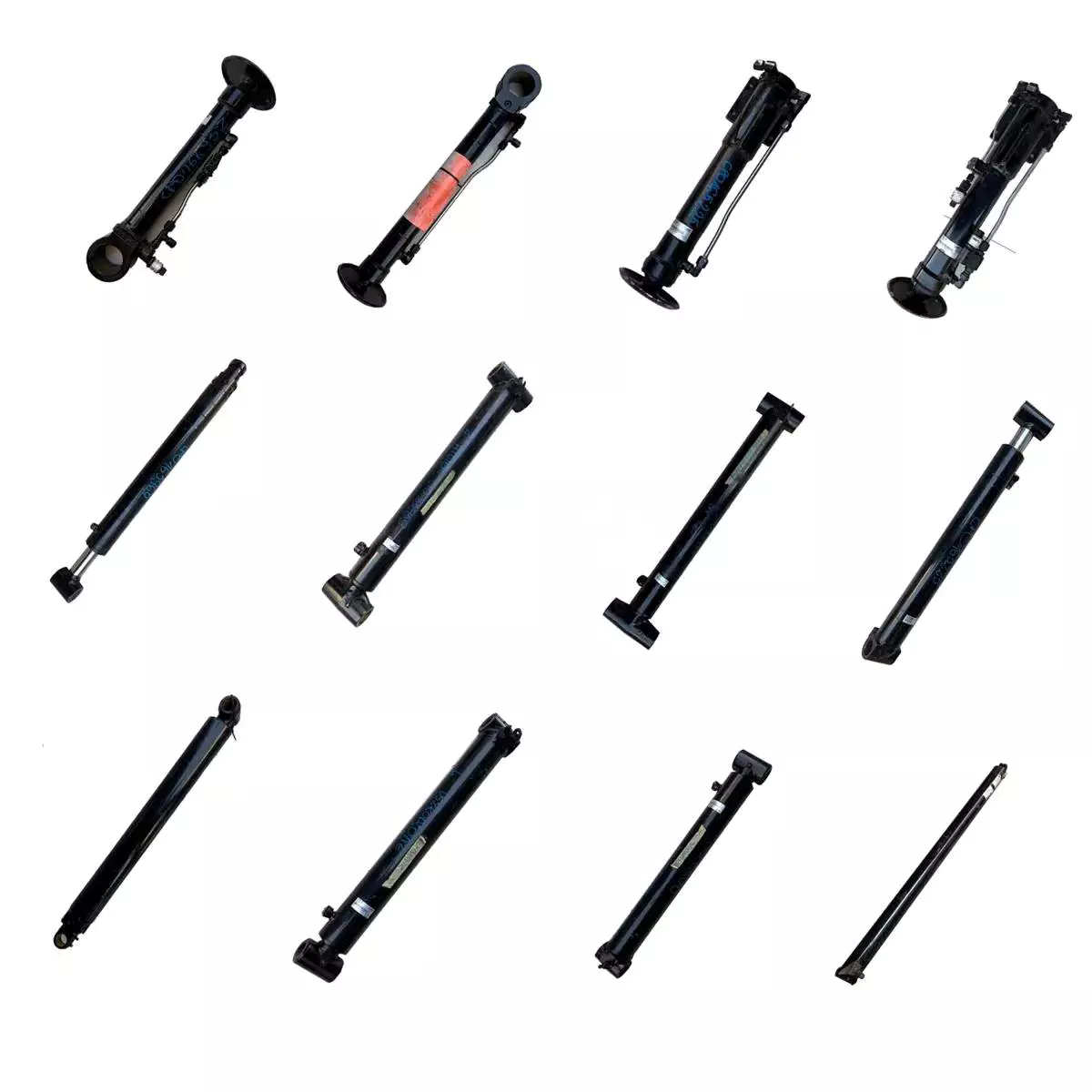
- Our Products
HangZhou GD Machinery CO.,LTD. | |
Product | |
tie rod hydraulic cylinder, welded hydraulic cylinder, telescopic cylinders cylinder, flange type hydraulic cylinder, hydraulic cylinder with valve function, hydraulic power unit, Hydraulic manifold block, pneumatic fitting, | |
Material | Tube – Cold Drawn Precision seamless Tubing Mounts – Trunnion with angular Swivels |
Application | Agriculture, Concrete & Asphalt, Cranes, Fire & Rescue, Forestry & Logging,Mining & Rock Crushing,Oil & Gas, Snow & Ice Control,Waste Management and Material Recycling Industry , Engineering Equipment, Special Vehicle |
Feature | 1.High quality with a reasonable price 2.ISO9001-2008 3.Customized specification are accepted |
Payment | T/T;L/C, Paypal |
Port | HangZhou ,China |
Quotation | According to the specific request |
MOQ | According to the product |
Packaging | metal case;plywood case;carton or as requirement |
Delivery time | 30days upon receipt of 30% deposit; or upon receipt of relevant L/C; |
- Working Process
- Packing and Shipping
- Company Information
HangZhou GD Machinery is specialized to offer high precision all kind of hydraulic valves and hydraulic cylinder.we also have some hydraulic valve from CHINAMFG brand aboard
With a wide range, good quality ,reasonable price,our products are extensively used in the industries of construction machinery,machine tool,plastic machinery,vehicle. mining equipment,metallurgy,shipyard,food machinery,agricultural machinery,and other industries.
Our products are widely recognized and trusted by users and can meet continuously changing economic and social needs.
Welcome new and old customers to contact us for future business. we will offer you good quality and best price.
- Company Show
- Our Service
1. Sample service: samples will be provided according to customer’s instruction.
2. Customized services: a variety of cylinders can be customized according to customer demand.
3. Warranty service: In case of quality problems under 1 year warranty period, free replacement will be made for customer.
- FAQ
Q: Do you accept OEM manufacturing?
A: Yes! We do accept OEM manufacturing. We will quote you the exact price and make the exact cylinder according to your specification and drawing.
Q: Can we design our own package or print our own logo?
A: Yes! Package and logo will be made acording to your requirements.
Q: Could we get small quantity samples?
A: Yes! We understand the quality test is important and we are glad to make the sample for you. The MOQ is 1pcs.
Q: How long is the production time?
A: Generally the production time is 30 days.
Q: What is your payment term?
A: For sample payment, generally 100% T/T payment in advance, west union, paypal.
For order payment, generally is 30% T/T in advance, 70% balance before shipment. If you require the different payment term, let us negotiate it together.
| Certification: | ISO9001 |
|---|---|
| Pressure: | Medium Pressure |
| Work Temperature: | Normal Temperature |
| Samples: | US$ 150/Piece 1 Piece(Min.Order) | Order Sample |
|---|
| Customization: | Available |
|
|---|
.shipping-cost-tm .tm-status-off{background: none;padding:0;color: #1470cc}
| Shipping Cost: Estimated freight per unit. | about shipping cost and estimated delivery time. |
|---|
| Payment Method: |
|
|---|---|
| Initial Payment Full Payment |
| Currency: | US$ |
|---|
| Return&refunds: | You can apply for a refund up to 30 days after receipt of the products. |
|---|
Як гідравлічні циліндри порівнюються з іншими методами створення сили, такими як електродвигуни?
Гідроциліндри та електродвигуни – це два різні методи створення сили з різними характеристиками та застосуванням. Хоча як гідроциліндри, так і електродвигуни можуть створювати силу, вони відрізняються за принципами роботи, експлуатаційними характеристиками та придатністю для конкретних застосувань. Ось детальне порівняння гідроциліндрів та електродвигунів:
1. Принцип роботи:
– Гідравлічні циліндри: Гідравлічні циліндри створюють силу шляхом перетворення тиску рідини в лінійний рух. Вони складаються з циліндра, поршня, штока поршня та гідравлічної рідини. Коли гідравлічна рідина під тиском потрапляє в циліндр, вона тисне на поршень, змушуючи шток поршня висуватися або втягуватися, тим самим створюючи лінійну силу.
– Електродвигуни: Електродвигуни генерують силу шляхом перетворення електричної енергії в обертальний рух. Вони складаються зі статора, ротора та електромагнітного поля. Коли до обмоток двигуна подається електричний струм, він створює магнітне поле, яке взаємодіє з ротором, змушуючи його обертатися та створювати крутний момент.
2. Сила та влада:
– Гідравлічні циліндри: Гідравлічні циліндри відомі своїми високими силовими можливостями. Вони можуть створювати значні лінійні сили, що робить їх придатними для важких застосувань, які потребують підіймання, штовхання або буксирування великих вантажів. Гідравлічні системи можуть забезпечувати високу вихідну силу навіть на низьких швидкостях, що дозволяє точно контролювати прикладену силу. Однак, гідравлічні системи зазвичай працюють на нижчих швидкостях порівняно з електродвигунами.
– Електродвигуни: Електродвигуни чудово забезпечують високі швидкості обертання та зазвичай використовуються для застосувань, що потребують швидкого руху. Хоча електродвигуни можуть генерувати значний крутний момент, вони, як правило, мають меншу вихідну силу порівняно з гідравлічними циліндрами. Електродвигуни підходять для застосувань, що передбачають безперервний обертальний рух, таких як приведення в дію конвеєрних стрічок, обертових машин або живлення транспортних засобів.
3. Контроль та точність:
– Гідравлічні циліндри: Гідравлічні системи забезпечують чудовий контроль над силою, швидкістю та позиціонуванням. Регулюючи потік гідравлічної рідини, можна точно контролювати силу та швидкість гідроциліндрів. Гідравлічні системи можуть забезпечувати поступове прискорення та уповільнення, що дозволяє здійснювати плавні та точні рухи. Такий рівень контролю робить гідроциліндри добре придатними для застосувань, що потребують точного позиціонування, наприклад, у промисловій автоматизації або будівельному обладнанні.
– Електродвигуни: Електродвигуни також забезпечують точний контроль швидкості та позиціонування. За допомогою методів керування двигуном, таких як зміна напруги, частоти або широтно-імпульсна модуляція (ШІМ), можна точно контролювати швидкість обертання та положення електродвигунів. Електродвигуни зазвичай використовуються в системах, що потребують точного контролю швидкості, таких як робототехніка, верстати з ЧПК або сервосистеми.
4. Ефективність та енергоспоживання:
– Гідравлічні циліндри: Гідравлічні системи можуть бути дуже ефективними, особливо за умови правильного підбору розміру та конструкції. Однак гідравлічні системи зазвичай мають більші втрати енергії через такі фактори, як витік рідини, тертя та виділення тепла. Загальна ефективність гідравлічної системи залежить від конструкції, вибору компонентів та методів технічного обслуговування. Гідравлічні системи потребують гідравлічного силового агрегату для створення тиску в гідравлічній рідині, що споживає додаткову енергію.
– Електродвигуни: Електродвигуни можуть мати високий ККД, особливо за умови експлуатації в оптимальних робочих умовах. Електродвигуни мають менші втрати енергії порівняно з гідравлічними системами, головним чином через відсутність витоку рідини та менші втрати на тертя. Загальний ККД електродвигуна залежить від таких факторів, як конструкція двигуна, умови навантаження та методи керування. Електродвигуни потребують джерела електроенергії, а їх споживання енергії залежить від номінальної потужності двигуна та тривалості роботи.
5. Екологічні міркування:
– Гідравлічні циліндри: У гідравлічних системах зазвичай використовуються гідравлічні рідини, які можуть становити загрозу для навколишнього середовища у разі протікання або неправильної утилізації. Вибір гідравлічної рідини може впливати на такі фактори, як біорозкладність, токсичність та потенційна небезпека для навколишнього середовища. Належне технічне обслуговування та методи запобігання протіканням є важливими для мінімізації впливу гідравлічних систем на навколишнє середовище.
– Електродвигуни: Електродвигуни загалом вважаються більш екологічними, оскільки вони не потребують гідравлічних рідин. Однак вплив електродвигунів на навколишнє середовище залежить від джерела електроенергії, що використовується для їх живлення. При живленні від відновлюваних джерел енергії, таких як сонячна або вітрова енергія, електродвигуни можуть запропонувати більш екологічне рішення порівняно з гідравлічними системами.
6. Придатність до застосування:
– Гідравлічні циліндри: Гідравлічні циліндри зазвичай використовуються в сферах, що потребують високої вихідної сили, точного керування та довговічності. Вони широко застосовуються в таких галузях, як будівництво, виробництво, гірничодобувна промисловість та аерокосмічна промисловість. Гідравлічні системи добре підходять для важких робіт, таких як підйом важких предметів, керування важкою технікою або керування великомасштабними рухами.
– Електродвигуни: Електродвигуни широко використовуються в різних галузях промисловості та застосуваннях, що потребують обертального руху, контролю швидкості та точного позиціонування. Вони зазвичай зустрічаються в побутовій техніці, транспорті, робототехніці, системах опалення, вентиляції та кондиціонування повітря (HVAC) та автоматизації. Електродвигуни підходять для застосувань, що передбачають безперервний обертальний рух, таких як керування конвеєрними стрічками, обертовими механізмами або живлення транспортних засобів. Підсумовуючи, гідравлічні циліндри та електродвигуни мають різні принципи роботи, зусилля, характеристики керування, рівні ефективності та придатність до застосування. Гідравлічні циліндри переважають у забезпеченні високої вихідної сили, точного керування та довговічності, що робить їх ідеальними для важких застосувань. Електродвигуни, з іншого боку, пропонують високі швидкості обертання, точне керування швидкістю та зазвичай використовуються для застосувань, що передбачають безперервний обертальний рух. Вибір між гідравлічними циліндрами та електродвигунами залежить від конкретних вимог застосування, включаючи тип руху, вихідну силу, точність керування та екологічні міркування.
Integration of Hydraulic Cylinders with Equipment Requiring Rapid and Dynamic Movements
Hydraulic cylinders can indeed be integrated with equipment that requires rapid and dynamic movements. While hydraulic systems are generally known for their ability to provide high force and precise control, they can also be designed and optimized for applications that demand fast and dynamic motion. Let’s explore how hydraulic cylinders can be integrated with such equipment:
- High-Speed Hydraulic Systems: Hydraulic cylinders can be part of high-speed hydraulic systems designed specifically for rapid and dynamic movements. These systems incorporate features such as high-flow valves, optimized hydraulic circuitry, and responsive control systems. By carefully engineering the system components and hydraulic parameters, it is possible to achieve the desired speed and responsiveness, enabling the equipment to perform rapid movements.
- Valve Control: The control of hydraulic cylinders plays a crucial role in achieving rapid and dynamic movements. Proportional or servo valves can be used to precisely control the flow of hydraulic fluid into and out of the cylinder. These valves offer fast response times and precise flow control, allowing for rapid acceleration and deceleration of the cylinder’s piston. By adjusting the valve settings and optimizing the control algorithms, equipment can be designed to execute dynamic movements with high speed and accuracy.
- Optimized Cylinder Design: The design of hydraulic cylinders can be optimized to facilitate rapid and dynamic movements. Lightweight materials, such as aluminum alloys or composite materials, can be used to reduce the moving mass of the cylinder, enabling faster acceleration and deceleration. Additionally, the cylinder’s internal components, such as the piston and seals, can be designed for low friction to minimize energy losses and enhance responsiveness. These design optimizations contribute to the overall speed and dynamic performance of the equipment.
- Accumulator Integration: Hydraulic accumulators can be integrated into the system to enhance the dynamic capabilities of hydraulic cylinders. Accumulators store pressurized hydraulic fluid, which can be rapidly released to supplement the flow from the pump during high-demand situations. This stored energy can provide an extra boost of power, allowing for faster and more dynamic movements. By strategically sizing and configuring the accumulator, the system can be optimized for the specific rapid and dynamic requirements of the equipment.
- System Feedback and Control: To achieve precise and dynamic movements, hydraulic systems can incorporate feedback sensors and advanced control algorithms. Position sensors, such as linear potentiometers or magnetostrictive sensors, provide real-time position feedback of the hydraulic cylinder. This information can be used in closed-loop control systems to maintain precise positioning and execute rapid movements. Advanced control algorithms can optimize the control signals sent to the valves, ensuring smooth and dynamic motion while minimizing overshooting or oscillations.
In summary, hydraulic cylinders can be integrated with equipment that requires rapid and dynamic movements by utilizing high-speed hydraulic systems, employing responsive valve control, optimizing cylinder design, integrating accumulators, and incorporating feedback sensors and advanced control algorithms. These measures enable hydraulic systems to deliver the speed, responsiveness, and precision necessary for equipment operating in dynamic environments. By leveraging the capabilities of hydraulic cylinders, manufacturers can design and integrate systems that meet the requirements of applications demanding rapid and dynamic movements.
How do hydraulic cylinders handle variations in load, pressure, and speed?
Hydraulic cylinders are designed to handle variations in load, pressure, and speed effectively. They incorporate features and components that allow them to adapt to changing operating conditions and maintain optimal performance. Here’s a detailed explanation of how hydraulic cylinders handle variations in load, pressure, and speed:
Variations in Load:
– Hydraulic cylinders are capable of handling variations in load by adjusting the force they exert. The force output of a hydraulic cylinder is determined by the hydraulic pressure and the surface area of the piston. When the load increases, the pressure in the hydraulic system can be adjusted to generate a higher force. This adjustment can be achieved by regulating the flow of hydraulic fluid into the cylinder using control valves. By controlling the pressure and flow, hydraulic cylinders can adapt to different load requirements, ensuring that the force applied is sufficient to handle the load while preventing excessive force that could cause damage.
Variations in Pressure:
– Hydraulic cylinders are designed to handle variations in pressure within the hydraulic system. They are equipped with seals and other components that can withstand high-pressure conditions. When the pressure within the hydraulic system fluctuates, the hydraulic cylinder adjusts accordingly to maintain its performance. The seals prevent fluid leakage and ensure that the hydraulic pressure is effectively transmitted to the piston, allowing the cylinder to generate the required force. Additionally, hydraulic systems often incorporate pressure relief valves and other safety mechanisms to protect the cylinder and the entire system from overpressure conditions.
Variations in Speed:
– Hydraulic cylinders can handle variations in speed through the control of hydraulic fluid flow. The speed of a hydraulic cylinder’s extension or retraction is determined by the rate at which hydraulic fluid enters or exits the cylinder. By adjusting the flow rate using flow control valves, the speed of the cylinder’s movement can be regulated. This allows for precise control over the speed, enabling operators to adapt to varying speed requirements based on the specific task or load. Furthermore, hydraulic systems can incorporate flow control valves with adjustable orifice sizes to fine-tune the speed of the cylinder’s movement.
Load-Sensing Technology:
– Advanced hydraulic systems may incorporate load-sensing technology to further enhance the ability of hydraulic cylinders to handle variations in load, pressure, and speed. Load-sensing systems monitor the load demand and adjust the hydraulic pressure and flow accordingly to meet that demand. This technology ensures that the hydraulic cylinder provides the necessary force while optimizing energy efficiency. Load-sensing systems are particularly beneficial in applications where the load requirements can vary significantly, allowing hydraulic cylinders to adapt in real-time and maintain precise control over force and speed.
Accumulators:
– Hydraulic systems can also utilize accumulators to assist in handling variations in load, pressure, and speed. Accumulators store hydraulic fluid under pressure, which can be released when needed to supplement the flow and pressure in the system. When there are sudden increases in load or pressure demands, accumulators can provide additional fluid to the hydraulic cylinder, ensuring smooth operation and preventing pressure drops. Similarly, accumulators can assist in maintaining consistent speed by compensating for fluctuations in flow rate. They act as a supplemental energy source, helping hydraulic cylinders respond effectively to variations in operating conditions.
In summary, hydraulic cylinders handle variations in load, pressure, and speed through various mechanisms and components. They can adjust the force output to accommodate different load requirements by regulating hydraulic pressure. The seals and components within hydraulic cylinders allow them to withstand variations in pressure within the hydraulic system. By controlling the flow of hydraulic fluid, hydraulic cylinders can regulate the speed of their movement. Advanced technologies such as load-sensing systems and the use of accumulators further enhance the adaptability of hydraulic cylinders to changing operating conditions. These features and mechanisms enable hydraulic cylinders to maintain optimal performance and provide reliable force and motion control in a wide range of applications.


editor by CX 2023-11-21
 Ukrainian
  English
  Italian
  Portuguese
  Dutch
Dutch  Swedish
  Danish
  Finnish
  Polish
  Hindi
Hindi  Kazakh
  Turkish
  Romanian
  Spanish
  German
  Russian
  Korean
  Japanese
  Vietnamese
  Thai
Thai  Indonesian
  Malay
Malay  French
  Greek
Greek