
Mô tả sản phẩm
ISO Certified Double Acting Hydraulic Shooting Cylinder for Dual-Plated Injection Molding Machine
Sản phẩm Parameters:
| Mục | Parameters |
| Injection Molding Machine Cylinder includes: | tianjian could provide you: Injection Cylinder Shooting Cylinder Ejection Cylinder Mold Opening and Closing Cylinder Reciprocating Cylinder Clamping Cylinder Actuating Cylinder Auxiliary Open Mold Cylinder Brake cylinder Can be customized according to customer requirements. |
| Working Pressure | 7-45Mpa,customizable |
| Xử lý bề mặt thanh piston | HaHard Chrome Plating,Electroplated Milky White Chromium+Hard Chromium,Nickel Plating+Hard Chromium Plating,High-Velocity Oxygen-Fuel CrC NiC,Ceramic Coating,Nitriding,Laser Cladding. |
| Vật liệu | Ống kéo nguội có độ bền kéo cao, được mài chính xác để kéo dài tuổi thọ của gioăng. |
| Lắp đặt | Khuyên tai, mặt bích, chốt cài, chân đế, trục xoay, có thể tùy chỉnh. |
| Loại niêm phong | Parker,NOK, Hallite,GAPI or as customer’s requirement |
| Bảo hành | 18 tháng |
| Số lượng đặt hàng tối thiểu | 1pcs |
| Thời gian sản xuất | Tùy thuộc vào số lượng đặt hàng. Thông thường từ 30-40 ngày. |
| Chứng nhận | ISO9001, CE, SGS |
| Màu sắc | Red,White,Pink,Yellow,Bule,etc,Customizable |
| Bao bì | Thùng kim loại, thùng gỗ dán, thùng carton hoặc theo yêu cầu |
| Dịch vụ | OEM & ODM |
| Lợi thế về giá | Giá xuất xưởng cạnh tranh với chất lượng đảm bảo. |
| Loại hình doanh nghiệp | Nhà sản xuất |
Cylinder Detail:
Reciprocating Cylinder
Features:
Quick mold shifting, also called mold shifting cylinder
Specification:
Bore diameter: 63mm~180mm
Rod diameter: 45mm~125mm
Stroke: 1000mm~4000mm
Can be customized according to customer requirements.
Injection Cylinder
Features:
Implement simple glue injection and screw loosening action
Specification:
Bore diameter: 250mm~400mm
Rod diameter: 100mm~200mm
Stroke: 350~1000mm
Can be customized according to customer requirements.
Clamping Cylinder
Features:
Lock the mold
Specification:
Bore diameter: 130mm~200mm
Rod diameter: 80mm~150mm
Stroke:500mm~1000mm
Can be customized according to customer requirements.
Ejection Cylinder
Features:
Eject the product formed in the mold
Specification:
Bore diameter: 90mm~220mm
Rod diameter: 50mm~140mm
Stroke:100mm~600mm
Can be customized according to customer requirements.
Brake Cylinder
Features:
Ensure the normal operation and safety of the braking system.
Specification:
Bore diameter: 50mm~150mm
Rod diameter: 30mm~90mm
Stroke:60mm~130mm
Can be customized according to customer requirements.
Shooting Cylinder
Features:
Drive the shooting station to move
Specification:
Bore diameter: 65mm~140mm
Rod diameter: 35mm~90mm
Stroke: 150mm~1500mm
Can be customized according to customer requirements.
Ứng dụng:Industrial Engineering,Injection Molding Machine.
Phương pháp lắp đặt:
Nhà máy của chúng tôi:
Quy trình kiểm tra:
| Loại kiểm tra | Tiêu chuẩn kiểm tra |
| Kiểm tra nguyên liệu thô | Trước khi lưu trữ, bộ phận kiểm soát chất lượng (QC) tiến hành đo đạc nguyên liệu thô. |
| Kiểm tra vật liệu quy trình | Trong quá trình sản xuất, bộ phận kiểm soát chất lượng tiến hành kiểm tra ngẫu nhiên. Trước khi các bộ phận xi lanh thủy lực được chuyển sang công đoạn tiếp theo, bộ phận kiểm soát chất lượng (QC) sẽ tiến hành kiểm tra. |
| Kiểm thử chức năng cuối cùng | Tất cả các xi lanh thủy lực đều trải qua kiểm tra chức năng thủy lực. |
Kiểm tra tính chất cơ học của nguyên liệu thô
Process Inspection
Final Testing
Đóng gói & Giao hàng:
Về chúng tôi:
Giấy chứng nhận của chúng tôi
Công ty TNHH Công nghệ Thủy lực Chiết Giang Tianjian là Chuyên sản xuất các loại xi lanh thủy lực, cũng như thân xi lanh, xi lanh piston và các phụ kiện xi lanh khác.
Là một nhà sản xuất xi lanh thủy lực chuyên nghiệp, Tianjian cung cấp các giải pháp tối ưu hóa thiết kế và sản phẩm đáng tin cậy cho nhiều khách hàng trong và ngoài nước. Cho dù trong máy móc xây dựng, máy móc cầu đường sắt, máy móc tàu cảng, máy móc luyện kim và khai thác mỏ, máy móc công nghiệp dầu khí và nhẹ, xe chuyên dụng và các ngành công nghiệp khác, Tianjian đều có thể cung cấp các phương án tối ưu hóa thiết kế và sản phẩm xi lanh thủy lực tiêu chuẩn và phi tiêu chuẩn khác nhau theo yêu cầu của người dùng, và cung cấp dịch vụ tích hợp để đảm bảo sự hoàn hảo và chất lượng.
Nếu có thể, khi liên hệ với chúng tôi, vui lòng cung cấp thông tin như bên dưới.
Khoan | Rod | Đột quỵ | Áp lực công việc | Lắp đặt | Môi trường làm việc |
|
|
|
|
|
|
Hoặc bạn có thể cung cấp cho chúng tôi sơ đồ phác thảo hoặc hình ảnh để chúng tôi có thể hiểu chính xác ý bạn muốn nói, giúp chúng tôi tránh sai sót.
Và nếu quý khách có mẫu, chúng tôi có thể sản xuất theo mẫu của quý khách sau khi nhận được mẫu.
Nếu có thời gian, xin mời quý khách ghé thăm nhà máy của chúng tôi.
Sự hài lòng của quý khách là động lực lớn nhất của chúng tôi.
Our Main Customers
Giờ đây, bạn có thể liên hệ với chúng tôi nếu có bất kỳ câu hỏi hoặc thắc mắc nào.
Câu hỏi thường gặp:
1. Công ty của bạn kinh doanh lĩnh vực gì?
A: Chúng tôi là nhà cung cấp các sản phẩm thủy lực chất lượng cao, bao gồm xi lanh thủy lực, động cơ thủy lực, bộ nguồn thủy lực, trạm thủy lực và các linh kiện thủy lực khác.
2. Bạn là nhà sản xuất hay công ty thương mại?
A: Chúng tôi là nhà sản xuất.
3. Bạn có chứng chỉ gì?
A: Tất cả các nhà máy của chúng tôi đều đạt chứng nhận ISO. Và các nhà cung cấp vật liệu và linh kiện chính của chúng tôi đều có chứng nhận CE, RoHS, CSA và UL.
4. Thời gian giao hàng của bạn là bao lâu?
A: Thời gian giao hàng tùy thuộc vào từng sản phẩm và số lượng. Xi lanh thường cần khoảng 45-60 ngày và động cơ cần khoảng 30-50 ngày.
5. Anh/chị có thể sản xuất các bộ phận theo yêu cầu hoặc bản vẽ của khách hàng không?
A: Vâng, chúng tôi có thể sản xuất theo bản vẽ của bạn. Kỹ sư của chúng tôi cũng có thể cung cấp hỗ trợ chuyên nghiệp về các vấn đề kỹ thuật.
6. Quý công ty chấp nhận những hình thức thanh toán nào?
A: Chúng tôi ưu tiên thanh toán bằng chuyển khoản ngân hàng (T/T). 30% khi xác nhận đơn hàng và 70% trước khi giao hàng. Thư tín dụng (L/C) cũng được chấp nhận đối với số tiền trên 20.000 USD.
7. Chính sách bảo hành của quý công ty là gì?
A: Tất cả sản phẩm của chúng tôi được bảo hành 1 năm kể từ ngày giao hàng đối với các lỗi về vật liệu và tay nghề. Chế độ bảo hành này không bao gồm các bộ phận bị hao mòn trong quá trình vận hành bình thường hoặc bị hư hỏng do sơ suất. Chúng tôi nghiêm túc nhắc nhở rằng dầu thủy lực không sạch chắc chắn sẽ gây hư hại cho các bộ phận thủy lực của bạn. Và những hư hại này không nằm trong phạm vi bảo hành. Vì vậy, chúng tôi khuyên bạn nên sử dụng dầu mới sạch hoặc đảm bảo dầu trong hệ thống sạch khi sử dụng các bộ phận của chúng tôi.
| Certification: | GS, RoHS, CE, ISO9001 |
|---|---|
| Pressure: | High Pressure |
| Work Temperature: | High Temperature |
| Acting Way: | Double Acting |
| Working Method: | Straight Trip |
| Adjusted Form: | Regulated Type |
| Samples: | US$ 400/Set 1 Set(Min.Order) | |
|---|
| Customization: | Available |
|
|---|
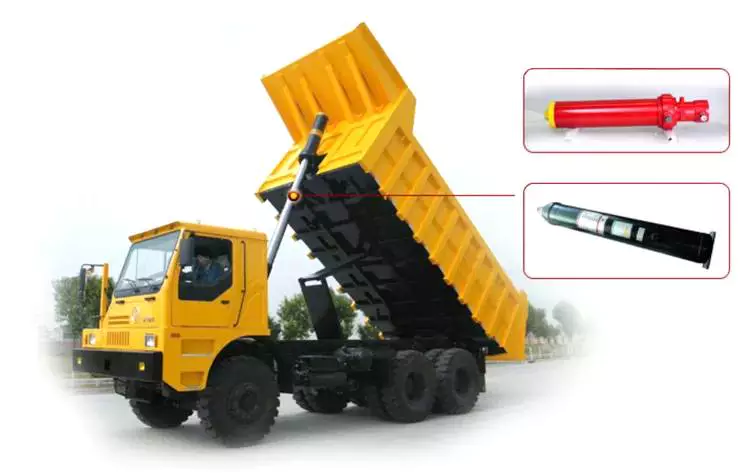
Can hydraulic cylinders be adapted for specialized applications like material handling?
Yes, hydraulic cylinders can be effectively adapted for specialized applications such as material handling. The versatility, power, and precise control offered by hydraulic cylinders make them well-suited for a wide range of material handling tasks. Hydraulic systems, including cylinders, are commonly used in industrial settings to lift, position, push, pull, and manipulate various types of materials. Here’s a detailed explanation of how hydraulic cylinders can be adapted for specialized material handling applications:
1. Lifting and Lowering:
– Hydraulic cylinders are commonly used for lifting and lowering heavy loads in material handling applications. By utilizing the force generated by hydraulic pressure, cylinders can provide the necessary power to lift and hold loads at different elevations. The precise control offered by hydraulic systems allows for accurate positioning of materials, ensuring efficient and safe lifting operations.
2. Pushing and Pulling:
– Hydraulic cylinders are capable of generating substantial pushing and pulling forces, making them ideal for applications that involve moving or manipulating materials. They can be used to push or pull heavy objects, control the movement of conveyors or rollers, or engage mechanisms for material transfer. The ability to exert high forces with precise control enables hydraulic cylinders to efficiently handle a variety of material handling tasks.
3. Tilting and Rotating:
– Hydraulic cylinders can be adapted to provide tilting and rotating functions in material handling equipment. By integrating cylinders into the design, equipment such as forklifts, cranes, or material handling arms can tilt or rotate to facilitate material placement or maneuvering. Hydraulic cylinders offer the required force and control to achieve smooth and controlled tilting or rotating motions, enhancing operational efficiency in material handling processes.
4. Gripping and Clamping:
– Hydraulic cylinders can be utilized to provide gripping and clamping functions for secure material handling. By incorporating specialized gripping or clamping mechanisms with hydraulic actuation, materials of various shapes and sizes can be securely held or clamped during transportation or processing. Hydraulic cylinders enable precise and adjustable gripping or clamping forces, ensuring the safe and reliable handling of materials.
5. Material Compaction and Forming:
– Hydraulic cylinders can be adapted for material compaction and forming applications. For example, in the production of bricks, hydraulic cylinders are used to apply high pressure and force to compact the raw materials into desired shapes. Similarly, in metal forming processes, hydraulic cylinders are employed to exert force on metal sheets or components, enabling precise shaping and forming operations.
6. Conveyor and Sorting Systems:
– Hydraulic cylinders can be integrated into conveyor and sorting systems to facilitate material movement and sorting. By incorporating hydraulic actuators, conveyor belts or sorting mechanisms can be efficiently controlled for optimal material flow and distribution. Hydraulic cylinders provide the necessary force and control to handle varying load capacities and adjust the speed and position of material transfer, improving the overall efficiency of handling and sorting operations.
7. Customized Designs:
– Hydraulic cylinders can be customized and adapted to meet specific requirements of specialized material handling applications. Engineers can design cylinders with unique dimensions, stroke lengths, mounting options, and sealing arrangements to fit into equipment or systems with specific space limitations or operating conditions. Customized hydraulic cylinders ensure optimal performance and compatibility for specialized material handling tasks.
In summary, hydraulic cylinders can be effectively adapted for specialized material handling applications, offering the necessary force, control, and versatility required in various material handling tasks. Whether it involves lifting and lowering, pushing and pulling, tilting and rotating, gripping and clamping, material compaction and forming, or integration into conveyor and sorting systems, hydraulic cylinders provide reliable and efficient solutions. Their adaptability, precise control, and ability to handle heavy loads make hydraulic cylinders a valuable component in optimizing material handling processes across different industries.
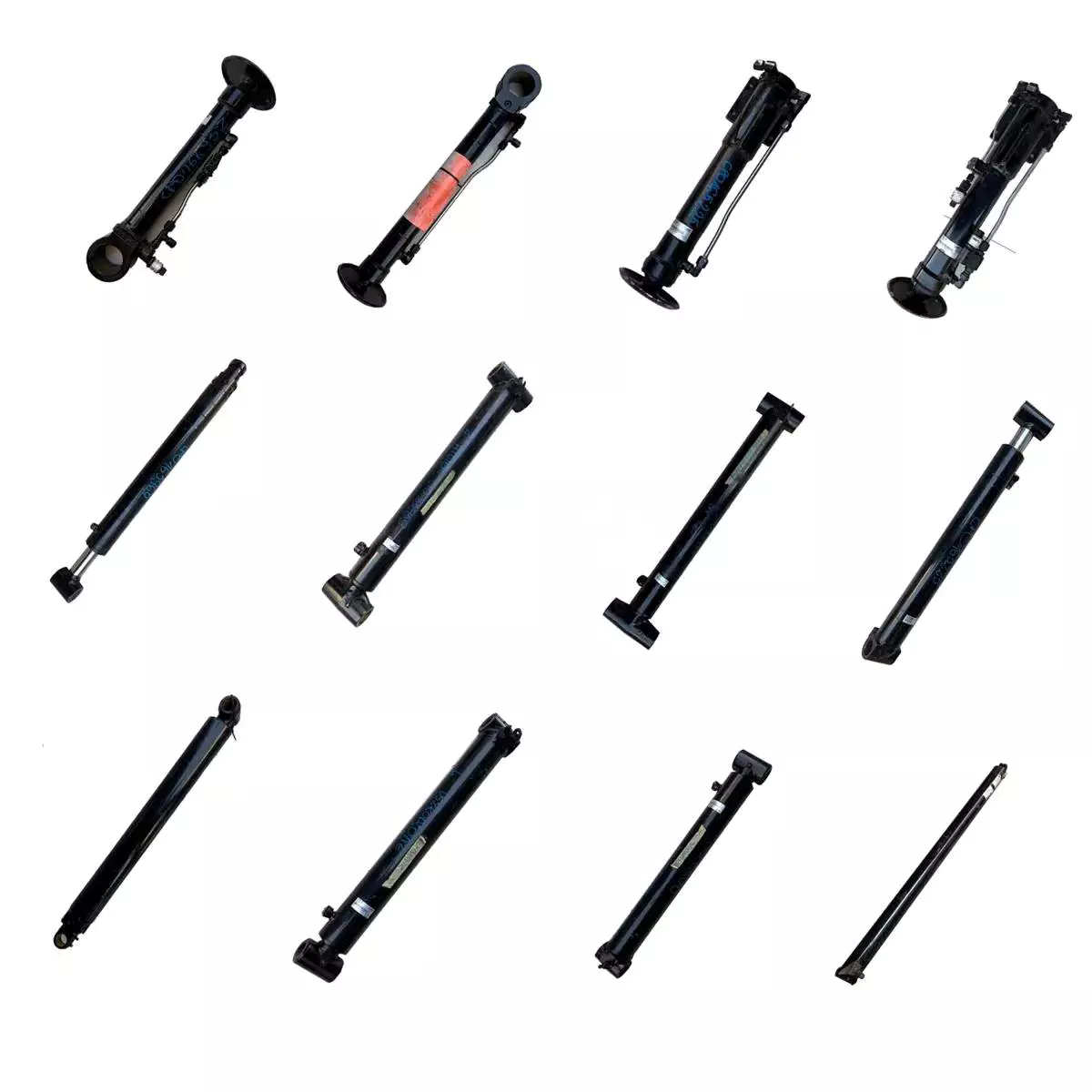
Ensuring Controlled and Safe Force Application in Heavy Machinery with Hydraulic Cylinders
Hydraulic cylinders play a critical role in heavy machinery by ensuring controlled and safe force application. The ability to exert and control high forces is essential for heavy machinery operations, such as lifting, pressing, pushing, or pulling heavy loads. Let’s explore how hydraulic cylinders ensure controlled and safe force application in heavy machinery:
- Force Control: Hydraulic cylinders provide precise force control capabilities. The hydraulic system’s pressure can be adjusted to regulate the force exerted by the cylinder. This control allows operators to apply the necessary force for a specific task while ensuring it remains within safe limits. By accurately controlling the force, hydraulic cylinders help prevent excessive force that could damage the machinery or compromise the safety of the operation.
- Load Balancing: In heavy machinery, multiple hydraulic cylinders are often used in conjunction to distribute and balance the applied force. By using multiple cylinders, the load can be evenly distributed across the machinery, minimizing stress concentrations and ensuring controlled force application. This load balancing approach enhances the stability and safety of the machinery, preventing uneven loading that could lead to structural issues or instability.
- Safety Valves: Hydraulic systems in heavy machinery are equipped with safety valves to protect against excessive force or overloading. Safety valves are designed to release hydraulic fluid from the cylinder when the force exceeds a predetermined threshold. This prevents the force from reaching dangerous levels, safeguarding the machinery and preventing potential accidents or damage. Safety valves provide an additional layer of safety and ensure controlled force application even in unexpected circumstances.
- Pressure Relief Systems: Hydraulic cylinders incorporate pressure relief systems to further enhance safety. These systems are designed to relieve excess pressure in the hydraulic system, which could occur due to factors such as thermal expansion or system malfunctions. By relieving excess pressure, the pressure relief systems prevent sudden and uncontrolled force surges, maintaining safe and controlled force application in heavy machinery.
- Structural Integrity: Hydraulic cylinders are designed to withstand the high forces and loads associated with heavy machinery applications. The cylinders are constructed using robust materials, such as high-strength steel, and undergo rigorous testing to ensure their structural integrity. This ensures that the cylinders can safely handle the forces applied during heavy machinery operations without experiencing failures or deformations that could compromise the safety and controlled force application.
In summary, hydraulic cylinders ensure controlled and safe force application in heavy machinery through force control, load balancing, safety valves, pressure relief systems, and robust structural design. These features and design considerations enable operators to exert the necessary force while maintaining safety and preventing excessive loads or force surges. By incorporating hydraulic cylinders into heavy machinery, manufacturers can achieve controlled force application, enhance operational safety, and protect the machinery from damage or failure.
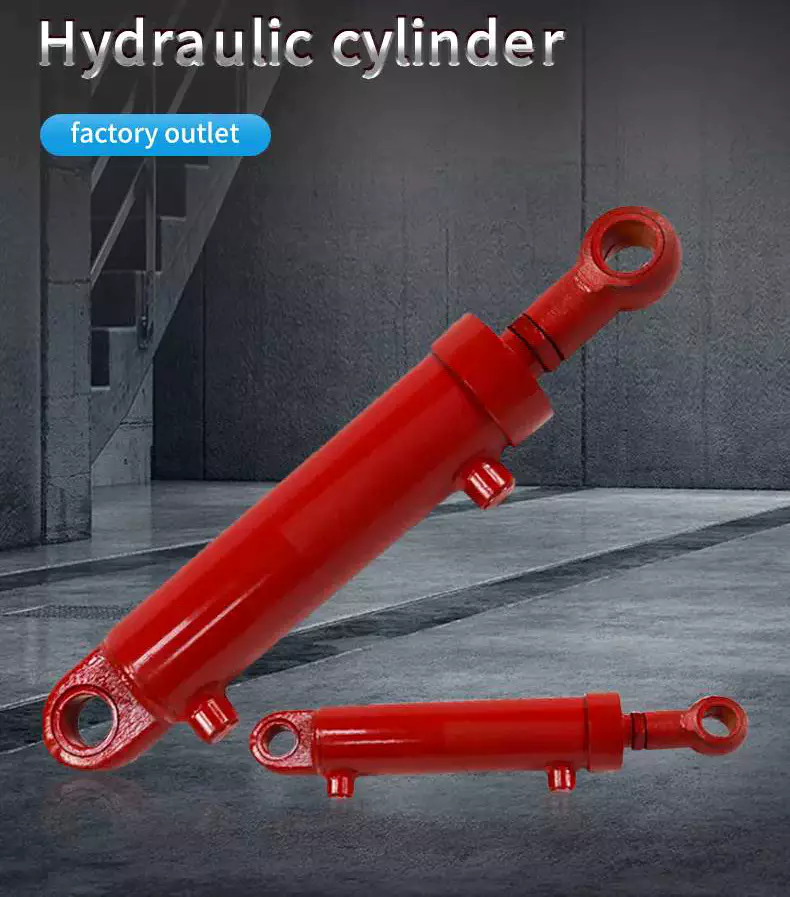
What safety precautions should be followed when working with hydraulic cylinders?
Working with hydraulic cylinders requires strict adherence to safety precautions to prevent accidents, injuries, and damage to equipment or property. Hydraulic systems operate under high pressures and involve moving parts, which can pose serious hazards if not handled properly. Here’s a detailed explanation of the safety precautions that should be followed when working with hydraulic cylinders:
1. Training and Knowledge:
– Ensure that personnel working with hydraulic cylinders have received adequate training and possess a thorough understanding of hydraulic system operation, maintenance, and safety protocols. Proper training should cover topics such as hydraulic principles, pressure ratings, safe work practices, and emergency procedures. Only trained and authorized personnel should be allowed to handle hydraulic cylinders.
2. Wear Personal Protective Equipment (PPE):
– Always wear appropriate personal protective equipment when working with hydraulic cylinders. This may include safety glasses, gloves, protective clothing, and steel-toed boots. PPE helps protect against potential hazards, such as hydraulic fluid leaks, flying debris, or accidental contact with moving parts.
3. Hydraulic System Inspection:
– Before working with hydraulic cylinders, inspect the entire hydraulic system for any signs of damage, leaks, or loose connections. Check hydraulic hoses, fittings, valves, and cylinders for integrity and secure fastening. If any issues are detected, the system should be repaired or serviced before operation.
4. Relieve Pressure:
– Before performing any maintenance or disassembly on a hydraulic cylinder, it is crucial to relieve the pressure in the system. Follow the manufacturer’s instructions to properly release pressure and ensure that the hydraulic cylinder is depressurized before starting any work. Failure to do so can result in sudden and uncontrolled movement of the cylinder or hydraulic lines, leading to serious injuries.
5. Lockout/Tagout Procedures:
– Implement lockout/tagout procedures to prevent accidental energization of the hydraulic system while maintenance or repair work is being conducted. Lockout/tagout involves isolating the energy source, such as shutting off the hydraulic pump and locking or tagging the controls to prevent unauthorized operation. This procedure ensures that the hydraulic cylinder remains in a safe, non-operational state during maintenance activities.
6. Use Proper Lifting Techniques:
– When working with heavy hydraulic cylinders or components, use proper lifting techniques and equipment to avoid strain or injury. Hydraulic cylinders can be heavy and awkward to handle, so ensure that lifting equipment, such as cranes or hoists, is properly rated and used correctly. Follow safe lifting practices, including securing the load and maintaining a stable lifting posture.
7. Hydraulic Fluid Handling:
– Handle hydraulic fluid with care and follow proper procedures for fluid filling, transfer, and disposal. Avoid contact with the skin or eyes, as hydraulic fluid may be hazardous. Use appropriate containers and equipment to prevent spills or leaks. If any hydraulic fluid comes into contact with the skin or eyes, rinse thoroughly with water and seek medical attention if necessary.
8. Regular Maintenance:
– Perform regular maintenance and inspections on hydraulic cylinders to ensure their safe and reliable operation. This includes checking for leaks, inspecting seals, monitoring fluid levels, and conducting periodic servicing as recommended by the manufacturer. Proper maintenance helps prevent unexpected failures and ensures the continued safe use of hydraulic cylinders.
9. Follow Manufacturer Guidelines:
– Always follow the manufacturer’s guidelines, instructions, and recommendations for the specific hydraulic cylinders and equipment being used. Manufacturers provide important safety information, maintenance schedules, and operational guidelines that should be strictly adhered to for safe and optimal performance.
10. Emergency Preparedness:
– Be prepared for potential emergencies by having appropriate safety equipment, such as fire extinguishers, first aid kits, and emergency eyewash stations, readily available. Establish clear communication channels and emergency response procedures to promptly address any accidents, leaks, or injuries that may occur during hydraulic cylinder operations.
By following these safety precautions, individuals working with hydraulic cylinders can minimize the risk of accidents, injuries, and property damage. It is essential to prioritize safety, maintain awareness of potential hazards, and ensure compliance with relevant safety regulations and industry standards.


editor by CX 2023-10-21
 Vietnamese
  English
  Italian
  Portuguese
  Dutch
Dutch  Swedish
  Danish
  Finnish
  Polish
  Hindi
Hindi  Kazakh
  Turkish
  Ukrainian
  Romanian
  Spanish
  German
  Russian
  Korean
  Japanese
  Thai
Thai  Indonesian
  Malay
Malay  French
  Greek
Greek