
Mô tả sản phẩm
Products Description
FRJX,manufacturer of professional brake and suspension parts from China.All of our products are manufactured and 100% tested to meet standards of SGS.
we offer comes in various OE numbers and capabilities to meet your needs with high performance and competitive price.
| Catagory | Brake Wheel Cylinder |
| Brand | OEM /Customized/FRJX |
| Application | Auto Brake Systems |
| OEM No. | “8-97038-682-1(8970386821) CHINAMFG NPR” |
| Car Model | For ISUZU |
| Vật liệu | Iron/Aluminum |
| Sample | Available |
| Số lượng đặt hàng tối thiểu | 50-100PCS |
| Warranty | 30,000 kms/1 year |
| Quality | 100% Tested 1 by 1 before shipment |
| Packing | Plastic Bag+Color Box+Carton+Customize |
| Lead Time | 7-15 days for stock orders, 25-40 days for large quantities. |
FRJX,from high quality material to advanced processing and test equipment,all our brake and clutch parts are manufactured and 100% tested to meet standards ISO9001 and ISO/TS 16949 and SGS.
Company Introduction
In 2008, the HangZhou Fanrong Machinery Co.,Ltd was created in the city of HangZhou ,ZheJiang ,China,our vision is to produce a high quality of Brake and Suspension parts competitive prices to satisfy the needs of the auto market and gain the trust of our customers.
The supervision of our production processes is carried out by highly qualified engineers and specialists who have state-of-the-art instruments, ensuring that the final result is excellent quality products with high levels of safety, durability and performance. The adequate selection of the best quality raw materials , strict controls in the production process, make us recognized with the ISO9001 and ISO/TS 16949 certifications. Additionally, we have outstanding results in tests carried out by our customers.
We respond to the reliability and safety needs of the auto parts sector by offering the best auto parts for vehicles.Due to our high performance and competitive price,our Brake and Suspension parts production is our best-selling.
We believe our qualified products with reasonable price could save you a lot! welcome your inquiry!
Precessing Equipment
Assembly & Testing
Package & Delivery
| After-sales Service: | 1 Year |
|---|---|
| Warranty: | 1 Year |
| Type: | Brake System |
| Material: | Iron or Aluminum, Iron |
| Position: | Front |
| Certification: | ISO/TS16949, ISO9001, ISO9002 |
| Samples: | US$ 5/Piece 1 Piece(Min.Order) | |
|---|
| Customization: | Available |
|
|---|
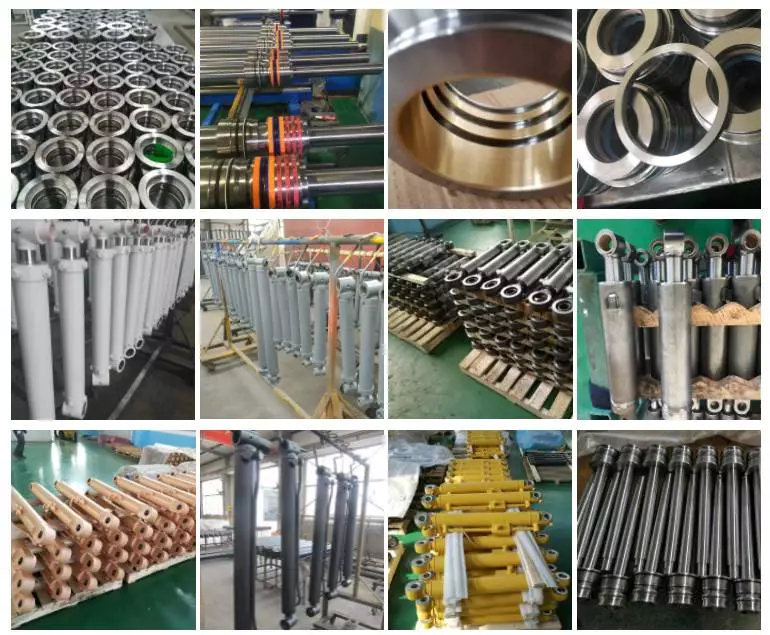
What advancements in hydraulic cylinder technology have improved energy efficiency?
Advancements in hydraulic cylinder technology have led to significant improvements in energy efficiency, allowing hydraulic systems to operate more efficiently and reduce energy consumption. These advancements aim to minimize energy losses, optimize system performance, and enhance overall efficiency. Here’s a detailed explanation of some key advancements in hydraulic cylinder technology that have improved energy efficiency:
1. Efficient Hydraulic Circuit Design:
– The design of hydraulic circuits has evolved to improve energy efficiency. Advancements in circuit design techniques, such as load-sensing, pressure-compensated systems, or variable displacement pumps, help match the hydraulic power output to the actual load requirements. These designs reduce unnecessary energy consumption by adjusting the flow and pressure levels according to the system demands, rather than operating at a fixed high pressure.
2. High-Efficiency Hydraulic Fluids:
– The development of high-efficiency hydraulic fluids, such as low-viscosity or synthetic fluids, has contributed to improved energy efficiency. These fluids offer lower internal friction and reduced resistance to flow, resulting in decreased energy losses within the system. Additionally, advanced fluid additives and formulations enhance lubrication properties, reducing friction and optimizing the overall efficiency of hydraulic cylinders.
3. Advanced Sealing Technologies:
– Seal technology has advanced significantly, leading to improved energy efficiency in hydraulic cylinders. High-performance seals, such as low-friction or low-leakage seals, minimize internal leakage and friction losses. Reduced internal leakage helps maintain system pressure more effectively, resulting in less energy waste. Additionally, innovative sealing materials and designs enhance durability and extend seal life, reducing the need for frequent maintenance and replacement.
4. Electro-Hydraulic Control Systems:
– The integration of advanced electro-hydraulic control systems has greatly contributed to energy efficiency improvements. By combining electronic control with hydraulic power, these systems enable precise control over cylinder operation, optimizing energy usage. Proportional or servo valves, along with position or force feedback sensors, allow for accurate and responsive control, ensuring that hydraulic cylinders operate at the required level of performance while minimizing energy waste.
5. Energy Recovery Systems:
– Energy recovery systems, such as hydraulic accumulators, have been increasingly utilized to improve energy efficiency in hydraulic cylinder applications. Accumulators store excess energy during low-demand periods and release it when there is a peak demand, reducing the need for the hydraulic pump to provide the full power continuously. By utilizing stored energy, these systems can significantly reduce energy consumption and improve overall system efficiency.
6. Smart Monitoring and Control:
– Advancements in smart monitoring and control technologies have enabled real-time monitoring of hydraulic systems, allowing for optimized energy usage. Integrated sensors, data analytics, and control algorithms provide insights into system performance and energy consumption, enabling operators to make informed decisions and adjustments. By identifying inefficiencies or suboptimal operating conditions, energy consumption can be minimized, leading to improved energy efficiency.
7. System Integration and Optimization:
– The integration and optimization of hydraulic systems as a whole have played a significant role in improving energy efficiency. By considering the entire system layout, component sizing, and interaction between different elements, engineers can design hydraulic systems that operate in the most energy-efficient manner. Proper sizing of components, minimizing pressure drops, and reducing unnecessary piping or valve restrictions all contribute to improved energy efficiency of hydraulic cylinders.
8. Research and Development:
– Ongoing research and development efforts in the field of hydraulic cylinder technology continue to drive energy efficiency advancements. Innovations in materials, component design, system modeling, and simulation techniques help identify areas for improvement and optimize energy usage. Additionally, collaboration between industry stakeholders, research institutions, and regulatory bodies fosters the development of energy-efficient hydraulic cylinder technologies.
In summary, advancements in hydraulic cylinder technology have resulted in notable improvements in energy efficiency. Efficient hydraulic circuit designs, high-efficiency hydraulic fluids, advanced sealing technologies, electro-hydraulic control systems, energy recovery systems, smart monitoring and control, system integration and optimization, as well as ongoing research and development efforts, all contribute to reducing energy consumption and enhancing the overall energy efficiency of hydraulic cylinders. These advancements not only benefit the environment but also offer cost savings and improved performance in various hydraulic applications.
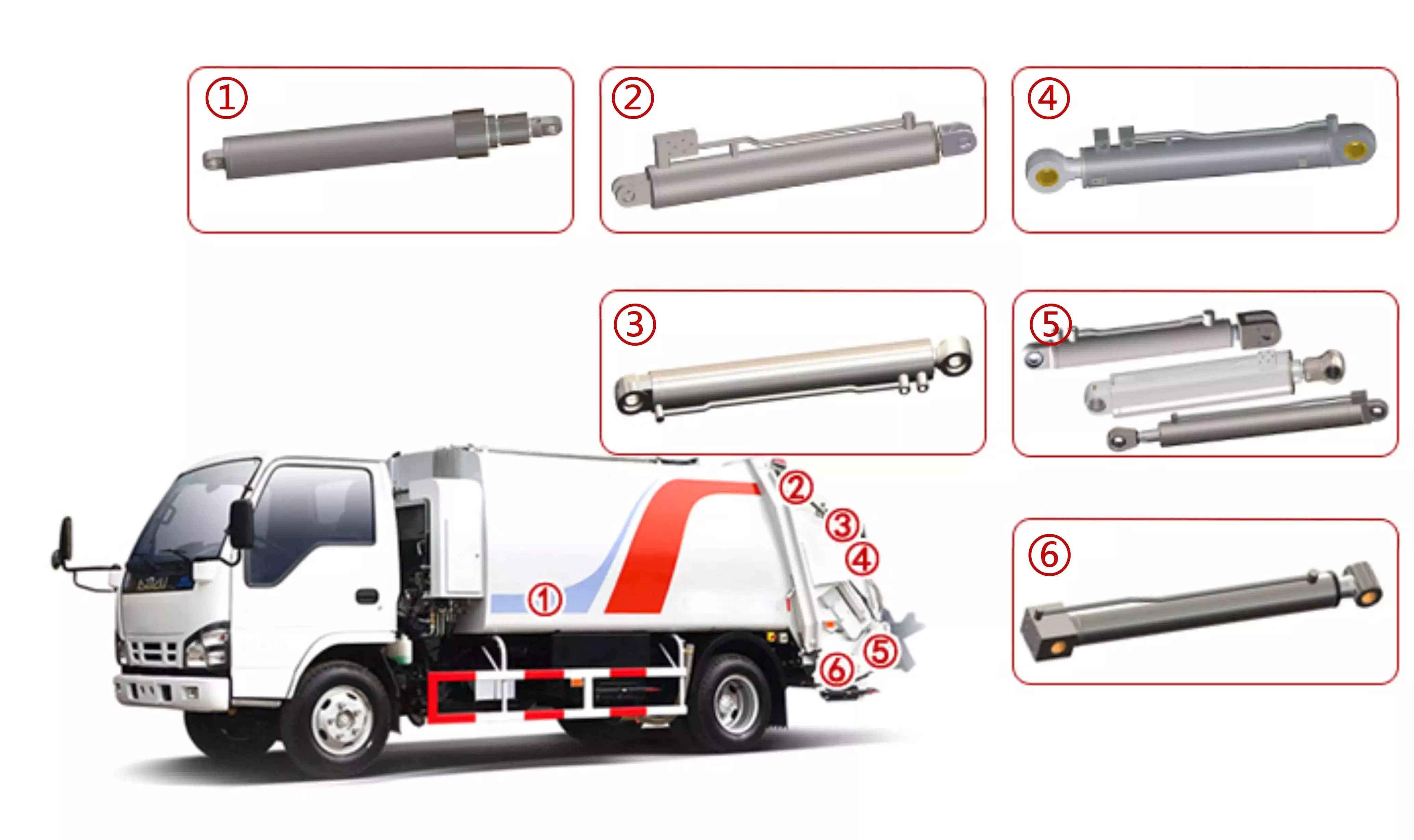
How do hydraulic cylinders contribute to the efficiency of agricultural tasks like plowing?
Hydraulic cylinders play a crucial role in improving the efficiency of agricultural tasks, including plowing. These cylinders provide several benefits that enhance the performance and productivity of agricultural machinery. Let’s explore how hydraulic cylinders contribute to the efficiency of plowing and other agricultural tasks:
- Powerful Force Generation: Hydraulic cylinders are capable of generating high forces, which is essential for tasks like plowing. The hydraulic system supplies pressurized fluid to the cylinders, converting hydraulic energy into mechanical force. This force is then utilized to drive plow blades through the soil, overcoming resistance and facilitating efficient soil penetration. The power generated by hydraulic cylinders ensures effective plowing, even in tough or compacted soil conditions.
- Adjustable Working Depth: Hydraulic cylinders allow for easy and precise adjustment of the plow’s working depth. By controlling the extension or retraction of the hydraulic cylinder, farmers can adjust the depth of the plow blades according to soil conditions, crop requirements, or their specific preferences. This adjustability enhances efficiency by ensuring optimal soil tillage and minimizing unnecessary energy expenditure. Farmers can adapt the plowing depth to different field areas, optimizing the use of resources and promoting uniform crop growth.
- Responsive Control: Hydraulic systems offer highly responsive control, enabling farmers to make quick adjustments during plowing operations. Hydraulic cylinders respond rapidly to changes in hydraulic pressure and valve settings, allowing for immediate modifications in the plow’s position, depth, or angle. This responsiveness enhances efficiency by facilitating on-the-go adjustments based on soil variations, obstacles, or changing field conditions. Farmers can maintain precise control over the plow’s performance, ensuring effective soil tillage and minimizing the risk of crop damage.
- Implement Versatility: Hydraulic cylinders enable the attachment of various implements to agricultural machinery, expanding their functionality and versatility. In the context of plowing, hydraulic cylinders allow for the attachment and detachment of plow blades or other tillage implements. This versatility enables farmers to adapt their equipment to different soil types, field sizes, or specific plowing requirements. By using hydraulic cylinders, farmers can easily switch between different implements, optimizing their equipment for specific tasks and maximizing efficiency.
- Efficient Time Management: Hydraulic cylinders contribute to time efficiency in agricultural tasks like plowing. With hydraulic systems, farmers can operate plows at higher speeds while maintaining control and precision. The responsive nature of hydraulic cylinders allows for efficient turning, maneuvering, and repositioning of plows, minimizing downtime and optimizing field coverage. This time efficiency translates into increased productivity and reduced overall operational costs. Farmers can accomplish plowing tasks more quickly, allowing them to cover larger field areas in less time.
In summary, hydraulic cylinders significantly contribute to the efficiency of agricultural tasks like plowing. Through powerful force generation, adjustable working depth, responsive control, implement versatility, and efficient time management, hydraulic systems equipped with cylinders enhance the performance and productivity of agricultural machinery. These contributions allow farmers to accomplish plowing tasks more effectively, optimize field operations, and achieve improved overall efficiency in their agricultural practices.
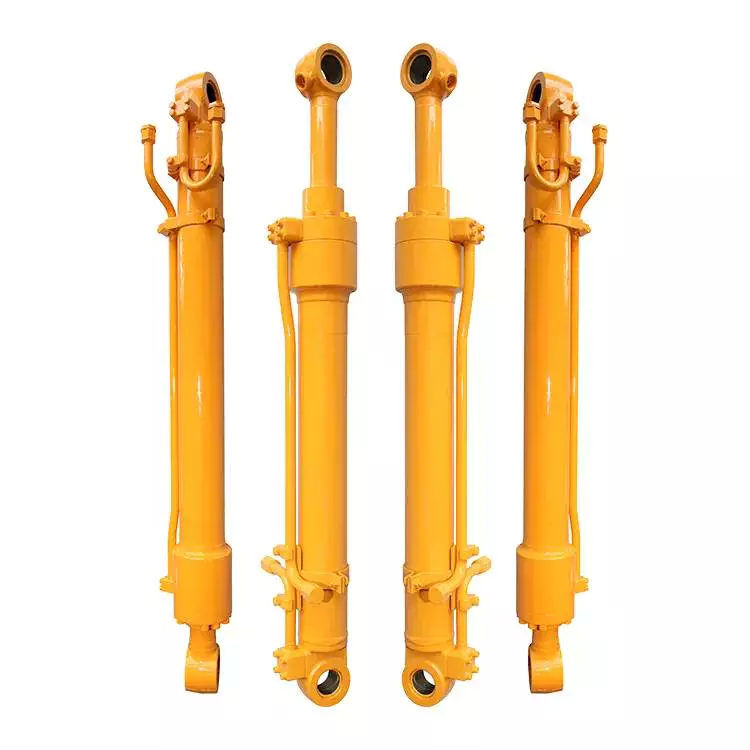
Những biện pháp bảo dưỡng nào là cần thiết để kéo dài tuổi thọ của xi lanh thủy lực?
Việc bảo trì xi lanh thủy lực rất quan trọng để kéo dài tuổi thọ và đảm bảo hiệu suất tối ưu. Bảo trì thường xuyên giúp ngăn ngừa sự hao mòn, hư hỏng và sự cố sớm, cuối cùng giúp giảm thời gian ngừng hoạt động và tiết kiệm chi phí. Dưới đây là một số biện pháp bảo trì thiết yếu cần xem xét để kéo dài tuổi thọ của xi lanh thủy lực:
1. Kiểm tra định kỳ:
– Tiến hành kiểm tra trực quan định kỳ các xi lanh thủy lực để phát hiện bất kỳ dấu hiệu hư hỏng, rò rỉ hoặc mài mòn nào. Kiểm tra thân xi lanh, cần piston, gioăng và các điểm lắp đặt. Tìm kiếm các vết rò rỉ chất lỏng, rỉ sét, vết lõm hoặc bất kỳ kiểu mài mòn bất thường nào. Phát hiện sớm các vấn đề cho phép sửa chữa hoặc thay thế kịp thời, ngăn ngừa hư hỏng thêm và kéo dài tuổi thọ của xi lanh.
2. Vệ sinh:
– Duy trì môi trường sạch sẽ xung quanh các xi lanh thủy lực để ngăn ngừa chất gây ô nhiễm xâm nhập vào hệ thống. Bụi, bẩn và mảnh vụn có thể làm hỏng các gioăng và các bộ phận bên trong khác, dẫn đến mài mòn nhanh hơn và giảm hiệu suất. Thường xuyên vệ sinh xi lanh và khu vực xung quanh để giảm thiểu nguy cơ ô nhiễm.
3. Bôi trơn đúng cách:
– Bôi trơn đầy đủ là yếu tố then chốt cho hoạt động trơn tru và tuổi thọ của xi lanh thủy lực. Hãy tuân theo khuyến nghị của nhà sản xuất về khoảng thời gian bôi trơn và sử dụng chất bôi trơn phù hợp. Bôi trơn các bộ phận chuyển động của xi lanh, chẳng hạn như cần piston, để giảm ma sát và giảm thiểu mài mòn.
4. Bảo trì gioăng:
– Gioăng phớt đóng vai trò quan trọng trong việc ngăn ngừa rò rỉ dầu thủy lực và duy trì hiệu suất hoạt động của xi lanh. Kiểm tra và thay thế gioăng phớt bị mòn hoặc hư hỏng kịp thời. Đảm bảo gioăng phớt được lắp đặt và bôi trơn đúng cách. Thường xuyên làm sạch các rãnh gioăng để loại bỏ cặn bẩn có thể làm giảm hiệu quả làm kín.
5. Kiểm tra áp suất:
– Thường xuyên kiểm tra áp suất hệ thống thủy lực để đảm bảo nằm trong phạm vi hoạt động khuyến nghị. Áp suất quá cao có thể gây quá tải cho xi lanh và các bộ phận của nó, dẫn đến mài mòn sớm. Theo dõi mức áp suất và điều chỉnh khi cần thiết để tránh quá tải xi lanh.
6. Bảo trì van điều khiển:
– Bảo trì và kiểm tra các van điều khiển điều chỉnh lưu lượng và hướng dòng chảy của chất lỏng thủy lực. Đảm bảo các van hoạt động chính xác và không gây ra ứng suất quá mức hoặc tăng áp đột ngột trong xi lanh. Vệ sinh hoặc thay thế các van điều khiển nếu chúng bị hư hỏng hoặc trục trặc.
7. Căn chỉnh xi lanh:
– Việc căn chỉnh đúng cách các xi lanh thủy lực là rất cần thiết cho tuổi thọ của chúng. Sự sai lệch có thể gây ra tải trọng ngang quá mức, dẫn đến mài mòn không đều và có thể gây hư hỏng. Hãy đảm bảo rằng xi lanh được căn chỉnh chính xác với các bộ phận khác và các điểm lắp đặt được chắc chắn.
8. Ngăn ngừa tình trạng quá tải:
– Tránh để các xi lanh thủy lực chịu tải vượt quá khả năng định mức của chúng. Quá tải có thể gây hư hỏng bên trong, hỏng gioăng và giảm tuổi thọ. Hãy đảm bảo rằng yêu cầu tải trọng nằm trong khả năng của xi lanh và cân nhắc sử dụng các thiết bị an toàn như hệ thống bảo vệ quá tải khi cần thiết.
9. Đào tạo và nâng cao nhận thức của người vận hành:
– Cung cấp đào tạo bài bản cho người vận hành thiết bị về cách sử dụng và vận hành đúng cách các xi lanh thủy lực. Người vận hành cần nắm rõ giới hạn của xi lanh, quy trình vận hành an toàn và tầm quan trọng của việc bảo trì thường xuyên. Thúc đẩy văn hóa bảo trì chủ động và khuyến khích người vận hành báo cáo kịp thời mọi sự cố tiềm ẩn.
10. Tài liệu và lưu trữ hồ sơ:
– Duy trì hồ sơ chi tiết về tất cả các hoạt động bảo trì, bao gồm kiểm tra, sửa chữa và thay thế. Ghi chép lịch bôi trơn, kiểm tra áp suất và mọi hoạt động bảo trì được thực hiện trên các xi lanh thủy lực. Hồ sơ này giúp theo dõi lịch sử của xi lanh, xác định các sự cố thường xuyên xảy ra và lập kế hoạch bảo trì hiệu quả trong tương lai.
Bằng cách tuân thủ các quy trình bảo dưỡng này, tuổi thọ của xi lanh thủy lực có thể được kéo dài, đảm bảo hiệu suất đáng tin cậy và giảm nguy cơ hỏng hóc bất ngờ. Việc kiểm tra thường xuyên, vệ sinh, bôi trơn đúng cách, bảo dưỡng gioăng, kiểm tra áp suất, bảo dưỡng van điều khiển, căn chỉnh xi lanh, ngăn ngừa quá tải, đào tạo người vận hành và lập hồ sơ góp phần vào tuổi thọ tổng thể và hoạt động tối ưu của xi lanh thủy lực.


editor by CX 2023-10-13
 Vietnamese
  English
  Italian
  Portuguese
  Dutch
Dutch  Swedish
  Danish
  Finnish
  Polish
  Hindi
Hindi  Kazakh
  Turkish
  Ukrainian
  Romanian
  Spanish
  German
  Russian
  Korean
  Japanese
  Thai
Thai  Indonesian
  Malay
Malay  French
  Greek
Greek