
Mô tả sản phẩm
Mining dump truck custom made front suspension hydraulic cylinder
Mô tả sản phẩm
Product Description:
| Work Press | 7/14/16/21/31.5MPa 37.5/63MPa Can be Customized |
| Vật liệu | Aluminum,Cast Iron,45mnb Steel,Stainless Steel, carbon steel |
| Bore Size | 150mm-450mm, Customizable |
| Rod size | 120mm-4000mm, Customizable |
| Stroke length | ≤400mm, Customizable |
| Paint Color | Red,Yellow,Blue,Brown,Customizable |
| Lắp đặt | Khuyên tai, mặt bích, chốt cài, chân đế, trục xoay, có thể tùy chỉnh. |
| Bảo hành | 18 tháng |
| Số lượng đặt hàng tối thiểu | 1 chiếc |
| Delivery Time | 7-15 Days,Also depands on specific demands |
| Chứng nhận | ISO9001, CE, SGS |
Ứng dụng:
Application:mining dump truck
Detailed Photos
Trưng bày sản phẩm:
Quality Assurance
Quality Assurance
| Loại kiểm tra | Tiêu chuẩn kiểm tra |
| Kiểm tra nguyên liệu thô | Trước khi lưu trữ, bộ phận kiểm soát chất lượng (QC) tiến hành đo đạc nguyên liệu thô. |
| Kiểm tra vật liệu quy trình | Trong quá trình sản xuất, bộ phận kiểm soát chất lượng tiến hành kiểm tra ngẫu nhiên. Trước khi các bộ phận xi lanh thủy lực được chuyển sang công đoạn tiếp theo, bộ phận kiểm soát chất lượng (QC) sẽ tiến hành kiểm tra. |
| Kiểm thử chức năng cuối cùng | Tất cả các xi lanh thủy lực đều trải qua kiểm tra chức năng thủy lực. |
Phương pháp lắp đặt:
Company Profile
Nhà máy của chúng tôi:
Về chúng tôi:
Tianjian Hydraulic. is a leader in the engineering design and manufacture of high pressure hydraulic cylinders that are widely used in the fields of mining, metallurgy, construction machinery, marine, offshore, water engineering, wind power, hydraulic press, agricultural machinery, and so on.
The Tianjian team has almost 8 years experience delivering innovative and dependable solutions to meet OEM high pressure hydraulic cylinder needs.
Nếu có thể, khi liên hệ với chúng tôi, vui lòng cung cấp thông tin như bên dưới.
Khoan | Rod | Đột quỵ | Áp lực công việc | Lắp đặt | Môi trường làm việc |
|
|
|
|
|
|
Hoặc bạn có thể cung cấp cho chúng tôi sơ đồ phác thảo hoặc hình ảnh để chúng tôi có thể hiểu chính xác ý bạn muốn nói, giúp chúng tôi tránh sai sót.
Và nếu quý khách có mẫu, chúng tôi có thể sản xuất theo mẫu của quý khách sau khi nhận được mẫu.
Nếu có thời gian, xin mời quý khách ghé thăm nhà máy của chúng tôi.
Sự hài lòng của quý khách là động lực lớn nhất của chúng tôi.
Giờ đây, bạn có thể liên hệ với chúng tôi nếu có bất kỳ câu hỏi hoặc thắc mắc nào.
Đóng gói & Giao hàng:
FAQ
Câu hỏi thường gặp:
1. Công ty của bạn kinh doanh lĩnh vực gì?
A: we are a professional supplier of high quality hydraulic cylinders for more than 8 years.
2. Bạn là nhà sản xuất hay công ty thương mại?
A: We are a manufacturer. Warmly welcome to visit us!
3. Bạn có chứng chỉ gì?
A: All our factories are ISO certificated. And our main suppliers of materials and parts are with CE, RoHS, and UL certificates.
4. Thời gian giao hàng của bạn là bao lâu?
A: The delivery time depends on different products and quantity. The cylinder usually need about 15-60 days.
5. Anh/chị có thể sản xuất các bộ phận theo yêu cầu hoặc bản vẽ của khách hàng không?
A: Vâng, chúng tôi có thể sản xuất theo bản vẽ của bạn. Kỹ sư của chúng tôi cũng có thể cung cấp hỗ trợ chuyên nghiệp về các vấn đề kỹ thuật.
6. Quý công ty chấp nhận những hình thức thanh toán nào?
A: We prefer T/T through bank. 30% when order is confirmed and 70% before shipment. Can be negonatied.
7. Chính sách bảo hành của quý công ty là gì?
A: Tất cả sản phẩm của chúng tôi được bảo hành 1 năm kể từ ngày giao hàng đối với các lỗi về vật liệu và tay nghề. Chế độ bảo hành này không bao gồm các bộ phận bị hao mòn trong quá trình vận hành bình thường hoặc bị hư hỏng do sơ suất. Chúng tôi nghiêm túc nhắc nhở rằng dầu thủy lực không sạch chắc chắn sẽ gây hư hại cho các bộ phận thủy lực của bạn. Và những hư hại này không nằm trong phạm vi bảo hành. Vì vậy, chúng tôi khuyên bạn nên sử dụng dầu mới sạch hoặc đảm bảo dầu trong hệ thống sạch khi sử dụng các bộ phận của chúng tôi.
| Certification: | GS, RoHS, CE, ISO9001 |
|---|---|
| Pressure: | Medium Pressure |
| Work Temperature: | High Temperature |
| Acting Way: | Double Acting |
| Working Method: | Straight Trip |
| Adjusted Form: | Regulated Type |
| Samples: | US$ 100/Piece 1 Piece(Min.Order) | |
|---|
| Customization: | Available |
|
|---|
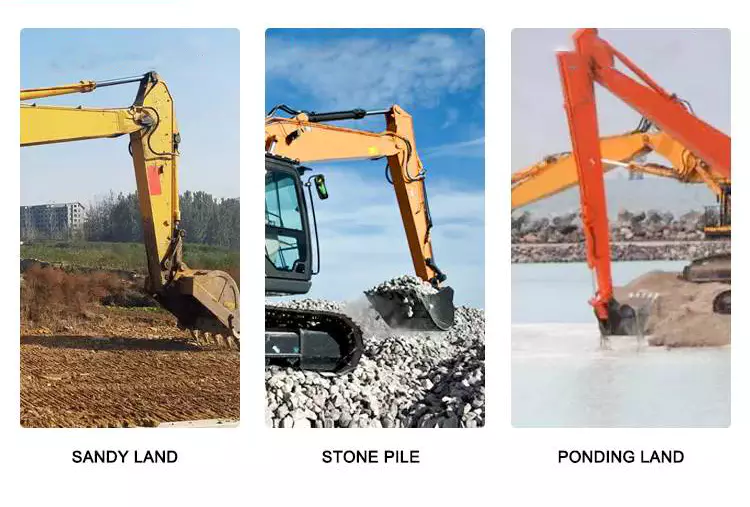
What advancements in hydraulic cylinder technology have improved sealing and reliability?
Advancements in hydraulic cylinder technology have continuously contributed to improving sealing and reliability in hydraulic systems. These advancements aim to address common challenges such as leakage, wear, and failure of seals, ensuring optimal performance and longevity. Here are several key advancements that have significantly improved sealing and reliability in hydraulic cylinders:
1. High-Performance Sealing Materials:
– The development of advanced sealing materials has greatly improved the sealing capabilities of hydraulic cylinders. Traditional sealing materials like rubber have been replaced or enhanced with high-performance materials such as polyurethane, PTFE (polytetrafluoroethylene), and various composite materials. These materials offer superior resistance to wear, temperature, and chemical degradation, resulting in improved sealing performance and extended seal life.
2. Enhanced Seal Designs:
– Advancements in seal designs have focused on improving sealing efficiency and reliability. Innovative seal profiles, such as lip seals, wipers, and scrapers, have been developed to optimize fluid retention and prevent contamination. These designs provide better sealing performance, minimizing the risk of fluid leakage and maintaining system integrity. Additionally, improved seal geometries and manufacturing techniques ensure tighter tolerances, reducing the potential for seal failure due to misalignment or extrusion.
3. Integrated Seal and Bearing Systems:
– Hydraulic cylinders now incorporate integrated seal and bearing systems, where the sealing elements also serve as bearing surfaces. This design approach reduces the number of components and potential failure points, improving overall reliability. By integrating seals and bearings, the risk of seal damage or displacement due to excessive loads or misalignment is minimized, resulting in enhanced sealing performance and increased reliability.
4. Advanced Coatings and Surface Treatments:
– The application of advanced coatings and surface treatments to hydraulic cylinder components has significantly improved sealing and reliability. Coatings such as chrome plating or ceramic coatings enhance surface hardness, wear resistance, and corrosion resistance. These surface treatments provide a smoother and more durable surface for seals to operate against, reducing friction and improving sealing performance. Moreover, specialized coatings can also provide self-lubricating properties, reducing the need for additional lubrication and enhancing reliability.
5. Sealing System Monitoring and Diagnostic Technologies:
– The integration of monitoring and diagnostic technologies in hydraulic systems has revolutionized seal performance and reliability. Sensors and monitoring systems can detect and alert operators to potential seal failures or leaks before they escalate. Real-time monitoring of pressure, temperature, and seal performance parameters allows for proactive maintenance and early intervention, preventing costly downtime and ensuring optimal sealing and reliability.
6. Computational Modeling and Simulation:
– Computational modeling and simulation techniques have played a significant role in advancing hydraulic cylinder sealing and reliability. These tools enable engineers to analyze and optimize seal designs, fluid flow dynamics, and contact stresses. By simulating various operating conditions, potential issues such as seal extrusion, wear, or leakage can be identified and mitigated early in the design phase, resulting in improved sealing performance and enhanced reliability.
7. Systematic Maintenance Practices:
– Advances in hydraulic cylinder technology have also emphasized the importance of systematic maintenance practices to ensure sealing and overall system reliability. Regular inspection, lubrication, and replacement of seals, as well as routine system flushing and filtration, help prevent premature seal failure and optimize sealing performance. Implementing preventive maintenance schedules and adhering to recommended service intervals contribute to extended seal life and enhanced reliability.
In summary, advancements in hydraulic cylinder technology have led to significant improvements in sealing and reliability. High-performance sealing materials, enhanced seal designs, integrated seal and bearing systems, advanced coatings and surface treatments, sealing system monitoring and diagnostics, computational modeling and simulation, and systematic maintenance practices have all played key roles in achieving optimal sealing performance and increased reliability. These advancements have resulted in more efficient and dependable hydraulic systems, minimizing leakage, wear, and failure of seals, and ultimately improving the overall performance and longevity of hydraulic cylinders in diverse applications.
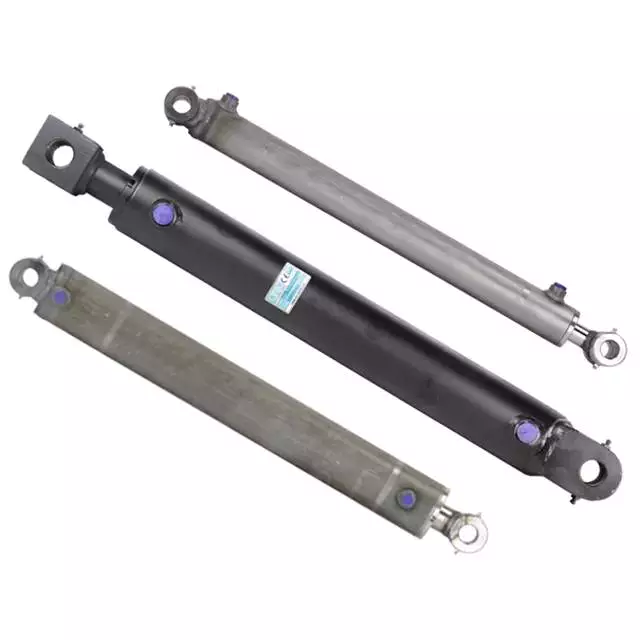
What considerations are important when selecting hydraulic cylinders for mobile equipment?
To select hydraulic cylinders for mobile equipment, several important considerations need to be taken into account. Here are the key factors to consider:
- Load Capacity: Determine the maximum load or force that the hydraulic cylinder will need to support. This includes both the static load and any dynamic or shock loads that may be encountered during operation.
- Stroke Length: Consider the required stroke length, which is the distance the hydraulic cylinder can extend and retract. Ensure that the stroke length is sufficient for the specific application and range of motion needed.
- Operating Pressure: Determine the maximum operating pressure required for the hydraulic system. This will depend on the load and the specific application. Select a hydraulic cylinder with a pressure rating that exceeds the maximum operating pressure to ensure safety and durability.
- Mounting Style: Consider the available space and the mounting requirements of the mobile equipment. Hydraulic cylinders come in various mounting styles, such as flange, trunnion, clevis, and pivot, among others. Choose a mounting style that is compatible with the equipment and provides the necessary support and stability.
- Size and Weight: Take into account the physical dimensions and weight of the hydraulic cylinder. Ensure that it can fit within the available space and that the equipment can support its weight without compromising performance or safety.
- Speed and Precision: Evaluate the required speed and precision of the hydraulic cylinder’s movement. Different cylinder designs and configurations can affect the speed and accuracy of motion. Consider factors such as cylinder bore size, rod diameter, and the presence of cushioning or dampening features.
- Environmental Factors: Assess the operating environment of the mobile equipment. Consider factors such as temperature extremes, exposure to moisture, dust, and chemicals. Select hydraulic cylinders with appropriate seals and coatings that can withstand the environmental conditions and prevent corrosion or damage.
- Reliability and Maintenance: Consider the reliability and maintenance requirements of the hydraulic cylinders. Look for reputable manufacturers that provide high-quality products with a proven track record. Evaluate factors such as expected service life, availability of spare parts, and ease of maintenance.
- Cost: Finally, consider the cost of the hydraulic cylinders, including the initial purchase price, installation costs, and long-term maintenance expenses. While it is essential to find a cost-effective solution, prioritize quality and performance to ensure safe and efficient operation.
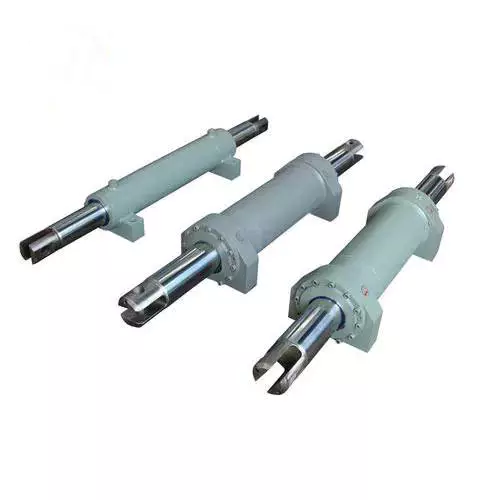
How do hydraulic cylinders ensure precise and controlled movement in equipment?
Hydraulic cylinders are widely used in various equipment and machinery to provide precise and controlled movement. They utilize hydraulic fluid and mechanical components to achieve accurate positioning, smooth operation, and reliable control. Here’s a detailed explanation of how hydraulic cylinders ensure precise and controlled movement in equipment:
1. Hydraulic Principle:
– Hydraulic cylinders operate based on Pascal’s law, which states that pressure exerted on a fluid is transmitted equally in all directions. The hydraulic fluid is contained within the cylinder, and when pressure is applied, it acts on the piston, generating force. By controlling the pressure and flow of hydraulic fluid, the movement of the cylinder can be precisely regulated, allowing for accurate and controlled motion.
2. Force and Load Management:
– Hydraulic cylinders are designed to handle specific loads and forces. The force generated by the hydraulic cylinder depends on the hydraulic pressure and the surface area of the piston. By adjusting the pressure, the force output can be controlled. This allows for precise management of the load and ensures that the cylinder can handle the required force without exerting excessive or insufficient force. Proper load management contributes to the precise and controlled movement of the equipment.
3. Control Valves:
– Control valves play a crucial role in regulating the flow and direction of hydraulic fluid within the cylinder. These valves allow operators to control the extension and retraction of the cylinder, adjust the speed of movement, and stop or hold the cylinder at any desired position. By manipulating the control valves, precise and controlled movement can be achieved, enabling operators to position equipment accurately and perform specific tasks with precision.
4. Flow Control:
– Hydraulic cylinders incorporate flow control valves to manage the rate of hydraulic fluid flow. These valves control the speed of the cylinder’s extension and retraction, allowing for smooth and controlled movement. By adjusting the flow rate, operators can precisely control the speed of the cylinder, ensuring that it moves at the desired rate without sudden or erratic movements. Flow control contributes to the overall precision and control of the equipment’s movement.
5. Position Sensing:
– To ensure precise movement, hydraulic cylinders can be equipped with position sensing devices such as linear transducers or proximity sensors. These sensors provide feedback on the position of the cylinder, allowing for accurate position control and closed-loop control systems. By continuously monitoring the position, the equipment’s movement can be controlled with high accuracy, enabling precise positioning and operation.
6. Proportional Control:
– Advanced hydraulic systems utilize proportional control technology, which allows for precise and fine-tuned control of the hydraulic cylinder’s movement. Proportional valves, often operated by electronic control systems, provide variable flow rates and pressure adjustments. This technology enables precise control of speed, force, and position, resulting in highly accurate and controlled movement of the equipment.
7. Cushioning and Damping:
– Hydraulic cylinders can incorporate cushioning and damping mechanisms to ensure smooth and controlled movement at the end of the stroke. Cushioning features, such as adjustable cushions or shock absorbers, reduce the impact and decelerate the cylinder before reaching the end of the stroke. This prevents abrupt stops and minimizes vibrations, contributing to precise and controlled movement.
8. Load Compensation:
– Some hydraulic systems utilize load compensation mechanisms to maintain precise movement even when the load varies. Load-sensing systems monitor the load demand and adjust the hydraulic pressure and flow accordingly to meet that demand. This compensation ensures that the equipment’s movement remains accurate and controlled, regardless of changes in the applied load.
In summary, hydraulic cylinders ensure precise and controlled movement in equipment through the application of hydraulic principles, force and load management, control valves, flow control, position sensing, proportional control, cushioning and damping mechanisms, and load compensation. These features and technologies allow operators to achieve accurate positioning, smooth operation, and reliable control, enabling equipment to perform tasks with precision and efficiency. The combination of hydraulic power and careful design considerations ensures that hydraulic cylinders deliver precise and controlled movement in a wide range of industrial applications.


editor by CX 2023-10-19
 Vietnamese
  English
  Italian
  Portuguese
  Dutch
Dutch  Swedish
  Danish
  Finnish
  Polish
  Hindi
Hindi  Kazakh
  Turkish
  Ukrainian
  Romanian
  Spanish
  German
  Russian
  Korean
  Japanese
  Thai
Thai  Indonesian
  Malay
Malay  French
  Greek
Greek