
Mô tả sản phẩm
China Manufacturer Mining Dump Truck Spare Parts Front Rear Ride Oil Suspension Nitrogen Hydraulic Cylinder Made in China
Product Description:
Widely used in equipment for Coal&mine,Engineering.
Special structural design, high-strength material use, and special heat treatment and welding processes ensure that the oil cylinder has extremely high fatigue durability under high pressure and heavy load.
The front and rear suspension cylinders can be analyzed and calculated based on the parameters provided by customers, and the stiffness and damping curves required by customers can be designed.
The surface of the piston rod adopts special surface treatment to ensure excellent wear and corrosion resistance of the piston rod.
Select heavy-duty sealing rings to meet the harsh working conditions of the mining area, ensuring excellent dustproof and sealing performance of the oil cylinder.
Select a wide series and high bearing capacity integrated guide ring, with strong lateral force resistance.
The interior of the lifting cylinder can be designed with a buffer structure to avoid excessive impact during lifting and lowering processes.
The steering cylinder can be equipped with a built-in displacement sensor to monitor the cylinder stroke in real-time.
The piston accumulator adopts a dual piston design, with high and low pressure chambers to meet various road conditions.
The reliable sealing structure design of the piston accumulator ensures the separation of oil and gas.
Trưng bày sản phẩm:
Front suspension cylinder for mining dump truck
Rear suspension cylinder for mining dump truck
Specifications:
| Mục | Thông số kỹ thuật |
| Bore Diameter | 150mm-450mm,Customized |
| Rod Diameter | 120mm-400mm,Customized |
| Đột quỵ | 200-500mm,Customized |
| Working Pressure | 7-45Mpa,Customized |
| Xử lý bề mặt thanh piston | Mạ crom cứng, Mạ crom trắng sữa + crom cứng, Mạ niken + mạ crom cứng, Mạ crom-nic-crom tốc độ cao bằng nhiên liệu oxy, Lớp phủ gốm, Nitriding, Mạ laser. |
| Tube&Barrel | Ống kéo nguội có độ bền kéo cao, được mài chính xác để kéo dài tuổi thọ của gioăng. |
| Loại niêm phong | Parker,NOK, Hallite GAPI or as customer’s requirement |
| Certificate | ISO9001,CE,SGS. |
| Màu sắc | Yellow,Red,Black,Pink,Customized |
| Bao bì | metal case;plywood case;carton or as requirement |
| Số lượng đặt hàng tối thiểu | 1pcs,According to products |
| Brand | tianjian or customer’s logo |
| Dịch vụ | OEM & ODM |
| Thời gian sản xuất | Based on order quantity. normally 30-45days. |
| Lợi thế về giá | Giá xuất xưởng cạnh tranh với chất lượng đảm bảo. |
| Loại hình doanh nghiệp | Nhà sản xuất |
Phương pháp lắp đặt:
Appliactions:Mining Dump Truck
Nhà máy của chúng tôi:
Quy trình kiểm tra:
| Loại kiểm tra | Tiêu chuẩn kiểm tra |
| Kiểm tra nguyên liệu thô | Trước khi lưu trữ, bộ phận kiểm soát chất lượng (QC) tiến hành đo đạc nguyên liệu thô. |
| Kiểm tra vật liệu quy trình | Trong quá trình sản xuất, bộ phận kiểm soát chất lượng tiến hành kiểm tra ngẫu nhiên. Trước khi các bộ phận xi lanh thủy lực được chuyển sang công đoạn tiếp theo, bộ phận kiểm soát chất lượng (QC) sẽ tiến hành kiểm tra. |
| Kiểm thử chức năng cuối cùng | Tất cả các xi lanh thủy lực đều trải qua kiểm tra chức năng thủy lực. |
Đóng gói & Giao hàng:
About US:Certificates
ZheJiang Tianjian Hydraulic Technology Co.,Ltd is Chuyên sản xuất các loại xi lanh thủy lực, cũng như thân xi lanh, xi lanh piston và các phụ kiện xi lanh khác.
As a highly specialized manufacturer of hydraulic cylinders, tianjian provides design optimization solutions and reliable products to many customers at home and abroad. No matter in construction machinery, railway bridge machinery, port ship machinery, metallurgy and mining machinery, oil and light industry machinery, special vehicles and other industries, tianjian can provide various standard and non-standard hydraulic cylinder design optimization schemes and products according to users’ requirements, and provide integrated services for perfection and quality.
Our Customers
Nếu có thể, khi liên hệ với chúng tôi, vui lòng cung cấp thông tin như bên dưới.
Khoan | Rod | Đột quỵ | Áp lực công việc | Lắp đặt | Môi trường làm việc |
|
|
|
|
|
|
Hoặc bạn có thể cung cấp cho chúng tôi sơ đồ phác thảo hoặc hình ảnh để chúng tôi có thể hiểu chính xác ý bạn muốn nói, giúp chúng tôi tránh sai sót.
Và nếu quý khách có mẫu, chúng tôi có thể sản xuất theo mẫu của quý khách sau khi nhận được mẫu.
Nếu có thời gian, xin mời quý khách ghé thăm nhà máy của chúng tôi.
Sự hài lòng của quý khách là động lực lớn nhất của chúng tôi.
Giờ đây, bạn có thể liên hệ với chúng tôi nếu có bất kỳ câu hỏi hoặc thắc mắc nào.
Câu hỏi thường gặp:
1. Công ty của bạn kinh doanh lĩnh vực gì?
A: Chúng tôi là nhà cung cấp các sản phẩm thủy lực chất lượng cao, bao gồm xi lanh thủy lực, động cơ thủy lực, bộ nguồn thủy lực, trạm thủy lực và các linh kiện thủy lực khác.
2. Bạn là nhà sản xuất hay công ty thương mại?
A: Chúng tôi là nhà sản xuất.
3. Bạn có chứng chỉ gì?
A: Tất cả các nhà máy của chúng tôi đều đạt chứng nhận ISO. Và các nhà cung cấp vật liệu và linh kiện chính của chúng tôi đều có chứng nhận CE, RoHS, CSA và UL.
4. Thời gian giao hàng của bạn là bao lâu?
A: The delivery time depends on different products and quantity. The cylinder usually need about 45-60 days and the Motor need about 30-50days.
5. Anh/chị có thể sản xuất các bộ phận theo yêu cầu hoặc bản vẽ của khách hàng không?
A: Vâng, chúng tôi có thể sản xuất theo bản vẽ của bạn. Kỹ sư của chúng tôi cũng có thể cung cấp hỗ trợ chuyên nghiệp về các vấn đề kỹ thuật.
6. Quý công ty chấp nhận những hình thức thanh toán nào?
A: Chúng tôi ưu tiên thanh toán bằng chuyển khoản ngân hàng (T/T). 30% khi xác nhận đơn hàng và 70% trước khi giao hàng. Thư tín dụng (L/C) cũng được chấp nhận đối với số tiền trên 20.000 USD.
7. Chính sách bảo hành của quý công ty là gì?
A: All our products are warranted for 1 full year from date of delivery against defects in materials and workmanship. This warranty does not cover parts that are worn out through the course of normal operation or are damaged through negligence. We serious remind that unclean hydraulic oil will definitely cause damage to your Hydraulic components. And this damage is not included in the warranty range. So we strongly suggest you to use new clean oil or make sure the system oil are clean when using our parts.
/* March 10, 2571 17:59:20 */!function(){function s(e,r){var a,o={};try{e&&e.split(“,”).forEach(function(e,t){e&&(a=e.match(/(.*?):(.*)$/))&&1
| Certification: | GS, RoHS, CE, ISO9001 |
|---|---|
| Pressure: | Medium Pressure |
| Work Temperature: | High Temperature |
| Acting Way: | Double Acting |
| Working Method: | Straight Trip |
| Adjusted Form: | Regulated Type |
| Samples: | US$ 3000/Piece 1 Piece(Min.Order) | |
|---|
| Customization: | Available |
|
|---|
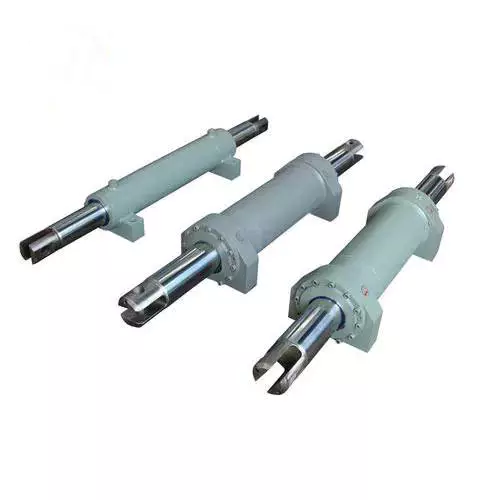
How do manufacturers ensure the durability and reliability of hydraulic cylinders?
Manufacturers employ various strategies and techniques to ensure the durability and reliability of hydraulic cylinders. These measures are crucial as hydraulic cylinders are often subjected to demanding operating conditions and heavy loads. To ensure their longevity and dependable performance, manufacturers focus on the following aspects:
1. High-Quality Materials:
– Manufacturers use high-quality materials in the construction of hydraulic cylinders. Components such as cylinder barrels, piston rods, seals, and bearings are made from materials that possess excellent strength, corrosion resistance, and wear resistance properties. Common materials used include high-grade steel alloys, chrome-plated rods, and specialized coatings. The selection of appropriate materials ensures that hydraulic cylinders can withstand the stresses, pressures, and environmental conditions they encounter during operation.
2. Robust Design:
– Hydraulic cylinders are designed to withstand high loads and harsh operating conditions. Manufacturers use computer-aided design (CAD) software and finite element analysis (FEA) techniques to optimize the cylinder’s structural integrity and performance. The design includes factors such as proper wall thickness, reinforcement in critical areas, and appropriate sizing of components. Robust design practices ensure that hydraulic cylinders can withstand the forces and stresses they encounter, preventing premature failure and ensuring durability.
3. Quality Manufacturing Processes:
– Manufacturers follow stringent quality control measures during the manufacturing processes of hydraulic cylinders. These processes include precision machining, welding, heat treatment, and surface finishing. Skilled technicians and advanced machinery are employed to ensure dimensional accuracy, proper fitment of components, and overall quality. By adhering to strict manufacturing processes and quality standards, manufacturers can produce hydraulic cylinders with consistent performance and reliability.
4. Sealing Technology:
– The sealing system of hydraulic cylinders is critical for their durability and reliability. Manufacturers utilize advanced sealing technologies such as lip seals, O-rings, and composite seals to prevent fluid leakage and ingress of contaminants. Properly designed and high-quality seals ensure that hydraulic cylinders can maintain their performance over extended periods. Seals are tested for their compatibility with the hydraulic fluid, pressure resistance, and resilience to environmental factors such as temperature and humidity.
5. Performance Testing:
– Manufacturers subject hydraulic cylinders to rigorous performance testing to validate their durability and reliability. These tests simulate real-world operating conditions and evaluate factors such as load capacity, pressure resistance, fatigue life, and leakage. Performance testing helps identify any design flaws or weaknesses in the hydraulic cylinder and allows manufacturers to make necessary improvements. By conducting thorough performance testing, manufacturers can ensure that hydraulic cylinders meet or exceed the required performance standards.
6. Compliance with Industry Standards:
– Manufacturers adhere to industry standards and regulations to ensure the durability and reliability of hydraulic cylinders. These standards, such as ISO 6020/6022 and NFPA T3.6.7, provide guidelines for design, manufacturing, and performance requirements. By following these standards, manufacturers ensure that hydraulic cylinders are designed and built to meet specific quality and safety criteria. Compliance with industry standards helps establish a baseline for durability and reliability and instills confidence in the performance of hydraulic cylinders.
7. Regular Maintenance and Service:
– Manufacturers provide recommendations for regular maintenance and service of hydraulic cylinders. This includes guidelines for lubrication, inspection of components, and replacement of wear parts such as seals and bearings. Following the manufacturer’s maintenance guidelines helps ensure the long-term durability and reliability of hydraulic cylinders. Regular maintenance also allows for the early detection of potential issues, preventing major failures and extending the service life of the hydraulic cylinders.
8. Customer Support and Warranty:
– Manufacturers provide customer support and warranty services to address any issues that arise with hydraulic cylinders. They offer technical assistance, troubleshooting guidance, and replacement of defective components. The warranty ensures that customers receive reliable and durable hydraulic cylinders and provides recourse in case of any manufacturing defects or premature failures. Strong customer support and warranty policies reflect the manufacturer’s commitment to the durability and reliability of their products.
In summary, manufacturers ensure the durability and reliability of hydraulic cylinders through the use of high-quality materials, robust design practices, stringent manufacturing processes, advanced sealing technology, thorough performance testing, compliance with industry standards, regular maintenance guidelines, and customer support with warranty services. By focusing on these aspects, manufacturers can produce hydraulic cylinders that can withstand demanding conditions, provide long service life, and deliver reliable performance in various applications.
Ensuring Stable Performance of Hydraulic Cylinders Under Fluctuating Loads
Hydraulic cylinders are designed to provide stable performance even under fluctuating loads. They achieve this through various mechanisms and features that allow for efficient load control and compensation. Let’s explore how hydraulic cylinders ensure stable performance under fluctuating loads:
- Piston Design: The piston inside the hydraulic cylinder plays a crucial role in load control. It is typically equipped with seals and rings that prevent leakage of hydraulic fluid and ensure effective transfer of force. The piston design may incorporate features such as stepped or tandem pistons, which provide enhanced load-bearing capabilities and improved stability by distributing the load across multiple surfaces.
- Cylinder Cushioning: Hydraulic cylinders often incorporate cushioning mechanisms to minimize the impact and shock caused by fluctuating loads. Cushioning can be achieved through various methods, such as adjustable cushion screws, hydraulic cushioning valves, or elastomeric cushioning rings. These mechanisms slow down the piston’s movement near the end of the stroke, reducing the impact and preventing sudden stops that could lead to instability.
- Pressure Compensation: Fluctuating loads can result in pressure variations within the hydraulic system. To ensure stable performance, hydraulic cylinders are equipped with pressure compensation mechanisms. These mechanisms maintain a consistent pressure level in the system, regardless of load changes. Pressure compensation can be achieved through the use of pressure relief valves, compensating pistons, or pressure-compensated flow control valves.
- Flow Control: Hydraulic cylinders often incorporate flow control valves to regulate the speed of the cylinder’s movement. By controlling the flow rate of hydraulic fluid, the cylinder’s motion can be adjusted to match the changing load conditions. Flow control valves allow for smooth and controlled movement, preventing abrupt changes that could lead to instability.
- Feedback Systems: To ensure stable performance under fluctuating loads, hydraulic cylinders can be integrated with feedback systems. These systems provide real-time information on the cylinder’s position, velocity, and force. By continuously monitoring these parameters, the hydraulic system can make immediate adjustments to maintain stability and compensate for load fluctuations. Feedback systems can include position sensors, pressure sensors, or load sensors, depending on the specific application.
- Proper Sizing and Selection: Ensuring stable performance under fluctuating loads starts with proper sizing and selection of hydraulic cylinders. It is crucial to choose cylinders with appropriate bore size, rod diameter, and stroke length to match the anticipated load conditions. Oversized or undersized cylinders can lead to instability and reduced performance. Proper sizing also involves considering factors such as the required force, speed, and duty cycle of the application.
In summary, hydraulic cylinders ensure stable performance under fluctuating loads through features such as piston design, cushioning mechanisms, pressure compensation, flow control, feedback systems, and proper sizing and selection. These mechanisms and considerations allow hydraulic cylinders to provide consistent and controlled movement, even in dynamic load conditions, resulting in reliable and stable performance.
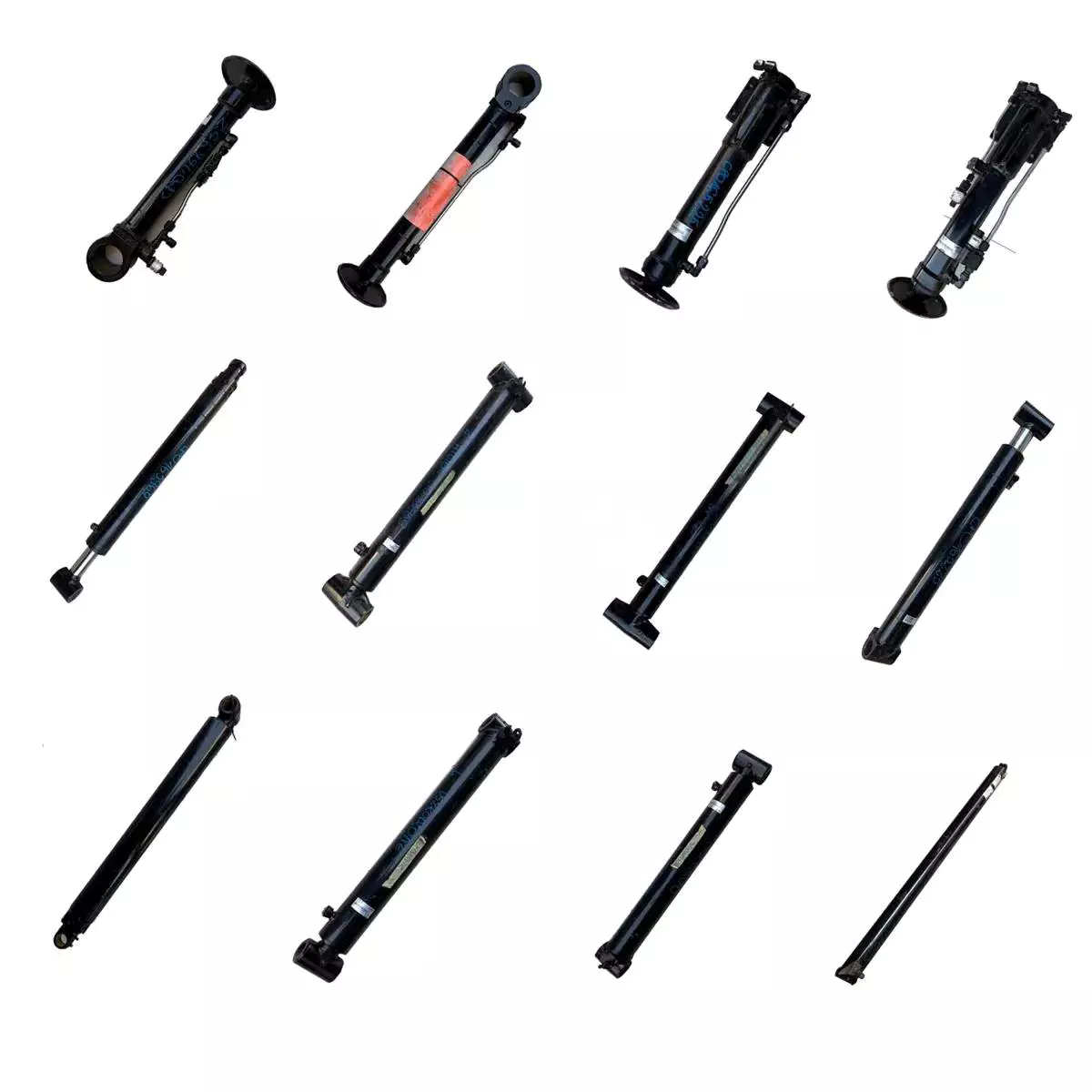
How do hydraulic cylinders handle variations in load, pressure, and speed?
Hydraulic cylinders are designed to handle variations in load, pressure, and speed effectively. They incorporate features and components that allow them to adapt to changing operating conditions and maintain optimal performance. Here’s a detailed explanation of how hydraulic cylinders handle variations in load, pressure, and speed:
Variations in Load:
– Hydraulic cylinders are capable of handling variations in load by adjusting the force they exert. The force output of a hydraulic cylinder is determined by the hydraulic pressure and the surface area of the piston. When the load increases, the pressure in the hydraulic system can be adjusted to generate a higher force. This adjustment can be achieved by regulating the flow of hydraulic fluid into the cylinder using control valves. By controlling the pressure and flow, hydraulic cylinders can adapt to different load requirements, ensuring that the force applied is sufficient to handle the load while preventing excessive force that could cause damage.
Variations in Pressure:
– Hydraulic cylinders are designed to handle variations in pressure within the hydraulic system. They are equipped with seals and other components that can withstand high-pressure conditions. When the pressure within the hydraulic system fluctuates, the hydraulic cylinder adjusts accordingly to maintain its performance. The seals prevent fluid leakage and ensure that the hydraulic pressure is effectively transmitted to the piston, allowing the cylinder to generate the required force. Additionally, hydraulic systems often incorporate pressure relief valves and other safety mechanisms to protect the cylinder and the entire system from overpressure conditions.
Variations in Speed:
– Hydraulic cylinders can handle variations in speed through the control of hydraulic fluid flow. The speed of a hydraulic cylinder’s extension or retraction is determined by the rate at which hydraulic fluid enters or exits the cylinder. By adjusting the flow rate using flow control valves, the speed of the cylinder’s movement can be regulated. This allows for precise control over the speed, enabling operators to adapt to varying speed requirements based on the specific task or load. Furthermore, hydraulic systems can incorporate flow control valves with adjustable orifice sizes to fine-tune the speed of the cylinder’s movement.
Load-Sensing Technology:
– Advanced hydraulic systems may incorporate load-sensing technology to further enhance the ability of hydraulic cylinders to handle variations in load, pressure, and speed. Load-sensing systems monitor the load demand and adjust the hydraulic pressure and flow accordingly to meet that demand. This technology ensures that the hydraulic cylinder provides the necessary force while optimizing energy efficiency. Load-sensing systems are particularly beneficial in applications where the load requirements can vary significantly, allowing hydraulic cylinders to adapt in real-time and maintain precise control over force and speed.
Accumulators:
– Hydraulic systems can also utilize accumulators to assist in handling variations in load, pressure, and speed. Accumulators store hydraulic fluid under pressure, which can be released when needed to supplement the flow and pressure in the system. When there are sudden increases in load or pressure demands, accumulators can provide additional fluid to the hydraulic cylinder, ensuring smooth operation and preventing pressure drops. Similarly, accumulators can assist in maintaining consistent speed by compensating for fluctuations in flow rate. They act as a supplemental energy source, helping hydraulic cylinders respond effectively to variations in operating conditions.
In summary, hydraulic cylinders handle variations in load, pressure, and speed through various mechanisms and components. They can adjust the force output to accommodate different load requirements by regulating hydraulic pressure. The seals and components within hydraulic cylinders allow them to withstand variations in pressure within the hydraulic system. By controlling the flow of hydraulic fluid, hydraulic cylinders can regulate the speed of their movement. Advanced technologies such as load-sensing systems and the use of accumulators further enhance the adaptability of hydraulic cylinders to changing operating conditions. These features and mechanisms enable hydraulic cylinders to maintain optimal performance and provide reliable force and motion control in a wide range of applications.


editor by CX 2024-01-16
 Vietnamese
  English
  Italian
  Portuguese
  Dutch
Dutch  Swedish
  Danish
  Finnish
  Polish
  Hindi
Hindi  Kazakh
  Turkish
  Ukrainian
  Romanian
  Spanish
  German
  Russian
  Korean
  Japanese
  Thai
Thai  Indonesian
  Malay
Malay  French
  Greek
Greek