
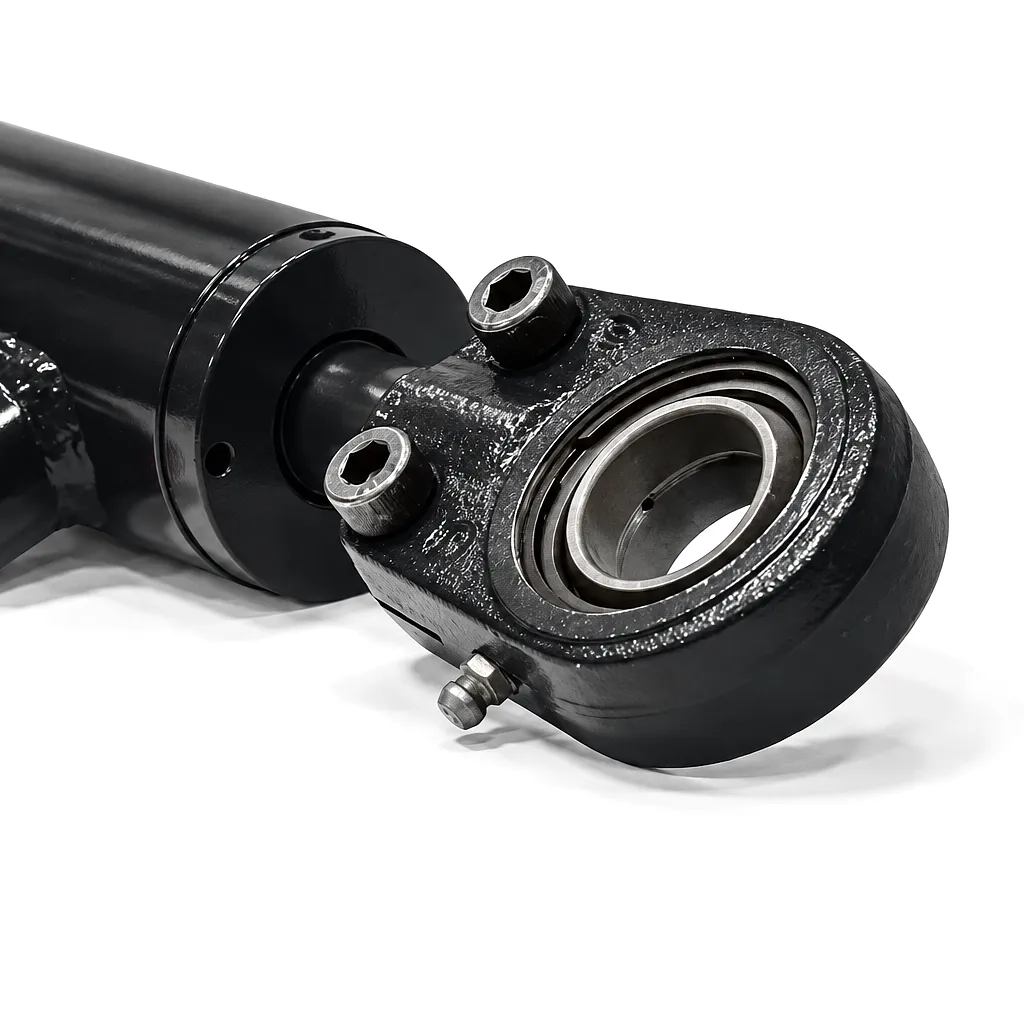
 Hydraulic cylinder seals are among the most stress-tested components on any heavy machine. On an excavator working a Birmingham construction site, a log splitter operating through a Highland winter, or a steel press running continuous shifts in Sheffield, seals endure extreme pressure cycling, temperature swings, contamination, and mechanical vibration — all simultaneously. When those seals begin to fail, the consequences reach far beyond a small fluid drip: productivity halts, hydraulic fluid contaminates the surrounding environment, and unchecked internal leakage accelerates damage to cylinder bores and rod surfaces that are far more expensive to repair.
How Hydraulic Cylinder Seals Actually Work — And Why They Wear Out
The Sealing Mechanism
A hydraulic cylinder seal functions by maintaining a pressure barrier between the high-pressure hydraulic fluid and the external environment. The rod seal — typically a U-cup or lip seal — wipes the rod surface clean on the return stroke while simultaneously preventing pressurised oil from escaping past the rod. The piston seal retains pressure differential across the piston face, ensuring that 100% of hydraulic force drives linear motion rather than leaking past into the other cylinder chamber. Wiper seals at the rod entry point exclude particles, moisture, and road grime from the cylinder bore. In UK construction environments, where equipment routinely operates in clay-heavy soils, rainfall-saturated ground, and mineral-rich rock dust, that wiper function is disproportionately demanding. Every micron of abrasive particle that bypasses a degraded wiper seal becomes a lapping compound against the rod surface, accelerating seal failure geometrically rather than linearly.
Primary Failure Modes
Hydraulic cylinder seals degrade through four primary mechanisms that often act in combination. Compression set occurs when a seal permanently deforms under sustained load, losing its elastic recovery and allowing fluid to bypass the sealing lip. Abrasive wear strips material from the seal contact face each time the rod strokes through contaminated fluid. Thermal degradation causes elastomers to harden and crack when operating temperatures consistently exceed material limits — a common problem in hydraulic press and die casting equipment running in closed Sheffield workshops through summer. Chemical attack from incompatible hydraulic fluids or water ingress causes swelling, softening, or disintegration of the elastomer matrix. Understanding which failure mode is driving your specific seal degradation is the starting point for establishing an accurate replacement schedule.
Seal Materials and Their Service Life Characteristics
The material composition of a hydraulic cylinder seal directly governs how frequently it needs replacement. Matching material to operating environment is one of the highest-leverage decisions a maintenance engineer can make — the same bore diameter cylinder fitted with different seal compounds can see service life vary by a factor of three or more.
Nitrile rubber remains the workhorse seal material across UK agricultural and general construction equipment. Excellent resistance to mineral-based hydraulic oils, broad temperature tolerance from -30°C to +100°C, and low cost make NBR seals the default choice for standard duty cycles. Typical replacement interval under normal UK conditions: 3,000–5,000 operating hours or 24–36 months.
Polytetrafluoroethylene seals and guide rings offer exceptionally low friction and outstanding chemical resistance. Used predominantly in precision hydraulic cylinder applications where stick-slip motion would compromise accuracy — common in aerospace tooling jigs, CNC machine tool clamping, and automated assembly lines in the Midlands automotive supply chain. PTFE seals in clean environments can reach 8,000+ hours before replacement is warranted.
Fluorocarbon elastomers are specified for high-temperature and chemically aggressive environments. Steel plants in Rotherham and Scunthorpe running continuous casting hydraulics at sustained fluid temperatures above 120°C benefit significantly from FKM seals. Chemical plants using phosphate ester or fire-resistant fluids require FKM exclusively. Cost is higher, but replacement intervals extending to 5,000–7,000 hours in appropriate applications deliver clear lifecycle savings.
Polyurethane seals combine high tensile strength with excellent abrasion resistance, making them well-suited to hydraulic cylinders on mobile plant — including excavators, loading shovels, and telehandlers — where contamination ingress is constant. PU rod seals typically outlast NBR by 30–50% in abrasive conditions. Operating temperature ceiling of around +110°C limits their use in very high-heat environments.
Replacement Intervals: The Variables That Actually Matter
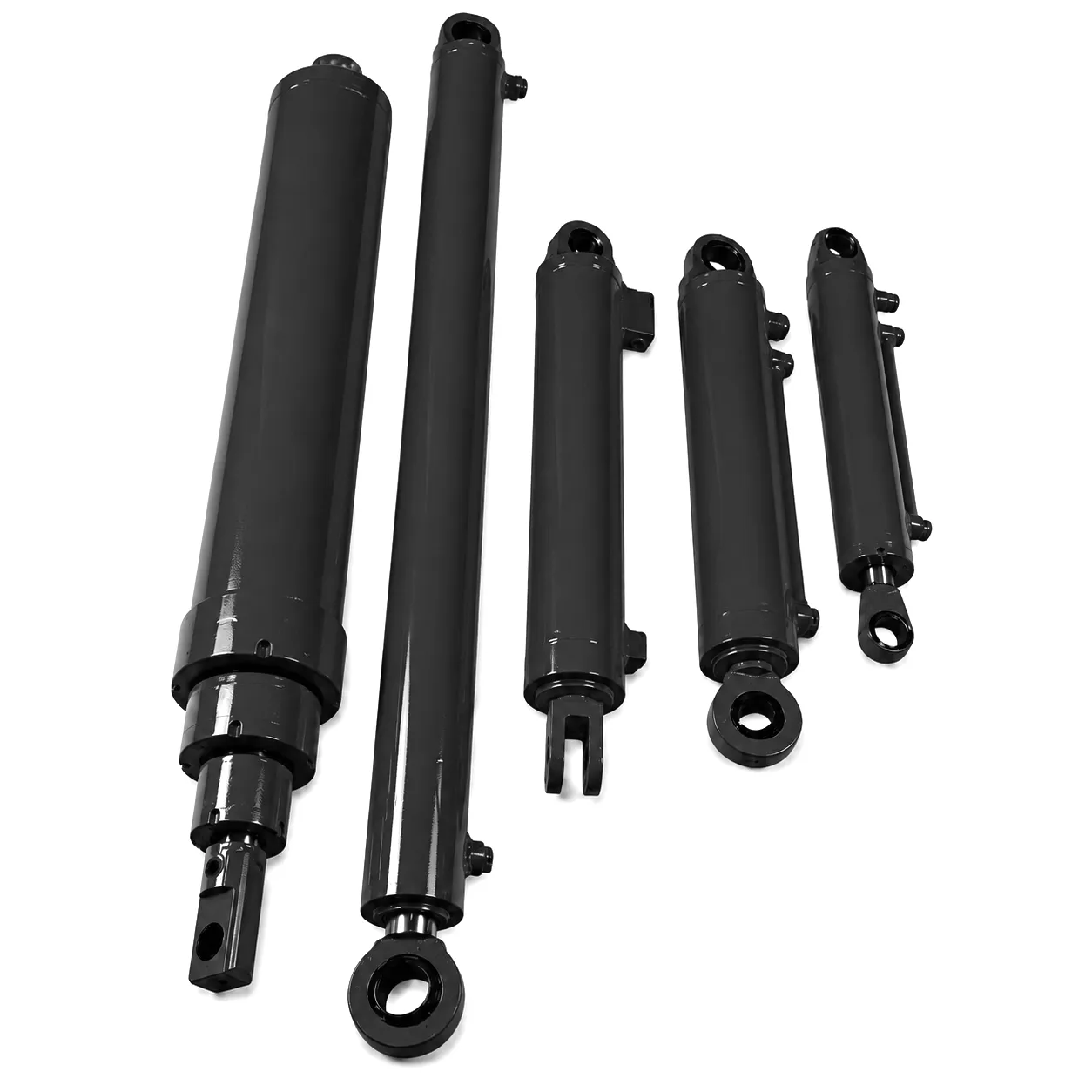
There is no universal answer to how often hydraulic cylinder seals require replacement, because the variables at play differ dramatically between a 50-tonne crawler excavator digging clay in a West Yorkshire infrastructure project and a precision hydraulic press in a Coventry automotive stamping plant. Operating hours are the most meaningful unit, but they must be weighted against duty severity. A cylinder on a 16-hour-day demolition machine accumulates stress at a rate three to four times higher than one on a single-shift farm machine covering equivalent clock hours.
Fluid cleanliness is the single most controllable factor. ISO 4406 contamination class targets of 16/14/11 or better consistently extend hydraulic cylinder seal life significantly compared to systems running at 20/18/15. UK contractors operating near coastal areas — particularly in Scotland’s offshore wind fabrication yards, or port facilities at Grimsby and Humber — face additional challenges from salt-laden air that accelerates corrosion of rod surfaces, increasing seal wear through a compromised mating surface rather than seal material failure alone.
Operating Hours
Standard-duty cylinders: inspect at 2,000 hrs, replace seals at 4,000–6,000 hrs. High-duty/continuous operation: inspect at 1,000 hrs, replace at 2,000–3,000 hrs.
Temperature Range
UK outdoor equipment runs from -10°C (Scottish Highlands winters) to +95°C fluid temperature. Thermal cycling stresses seals beyond the raw hours metric. NBR seals degrade 40% faster in sustained high-heat applications.
Fluid Contamination
Particles above 6 microns act as abrasives between seal lips and rod surfaces. Maintaining ISO 16/14/11 cleanliness can extend seal life by 30–60% compared to systems running at ISO 20/18/15.
Pressure Cycling
Systems with frequent pressure spikes above rated values — typical in demolition hammers and compactor attachments — experience fatigue-driven seal extrusion. Pressure surges above 350 bar in seals rated to 280 bar substantially reduce service intervals.
Rod Surface Condition
Chrome-plated rod surfaces worn below Ra 0.2 micron roughness, or showing corrosion pitting, will destroy new seal kits within weeks. Surface condition must be assessed independently of the seal itself before any replacement programme is considered.
Hydraulic Cylinder Seal Technical Performance Parameters
The table below provides a comparative reference of key hydraulic cylinder seal specifications and their influence on replacement scheduling for heavy equipment operating across UK industrial sectors.
Warning Signs That Hydraulic Cylinder Seals Need Immediate Replacement
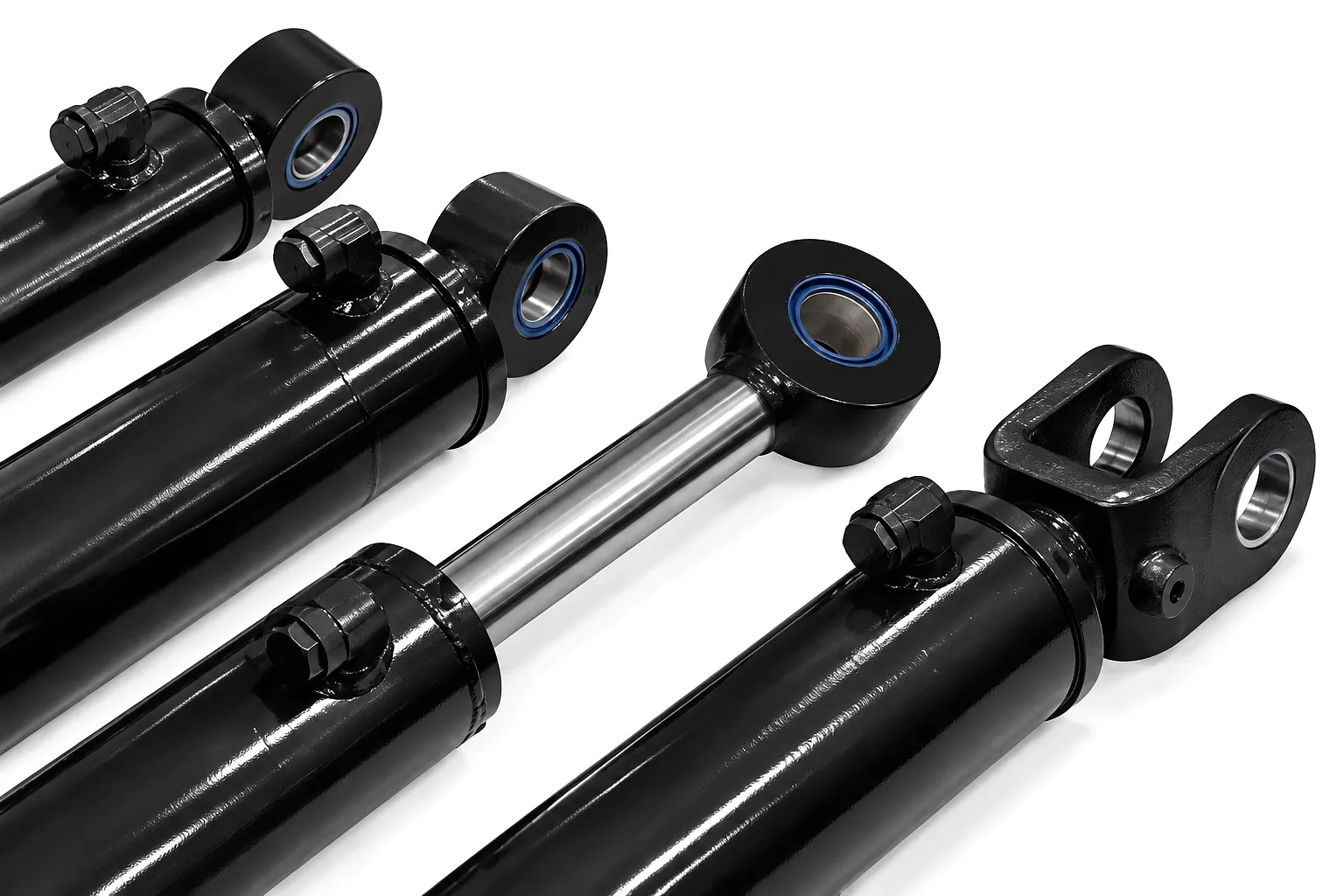
Experienced operators and maintenance engineers learn to recognise the early signals of hydraulic cylinder seal degradation long before they escalate into catastrophic failure. The challenge in fleet management — particularly for UK plant hire companies managing fleets across multiple sites — is that early-stage seal wear presents subtly, and the symptoms are easy to misattribute to other system faults such as pump wear or valve leakage.
External rod leakage is the most obvious indicator: fluid weeping or dripping from the rod gland area indicates that the rod seal has lost its sealing function. In the UK, this creates both operational and environmental compliance concerns — sites operating under Environment Agency permits face potential enforcement action if hydraulic fluid is seen running into drainage channels or soil. Even minor external leakage that leaves a visible oil film on the rod after retraction signals that immediate inspection is required, even if active dripping has not yet begun.
A loaded cylinder that visibly creeps or drifts when held in position — particularly on boom or arm circuits in excavators — indicates internal bypass past the piston seal. Measure drift rate; more than 10 mm per minute under full load requires immediate investigation.
When a cylinder can no longer maintain the lifting or pushing force it previously achieved at the same system pressure, internal seal bypass is reducing the effective pressure differential across the piston. Often the first symptom noticed by operators before visible leakage develops.
A thin continuous oil film on the rod after retraction — beyond the normal lubrication film — is the most reliable early indicator of rod seal degradation. This is distinct from the engineered micro-film that seals are designed to leave; the warning sign is a visible wet sheen that does not evaporate or disperse.
Stick-slip motion — a jerky, stuttering action rather than smooth extension or retraction — often indicates guide ring or wiper seal failure. Damaged guide rings allow the rod to contact the cylinder bore under side loading, causing scoring and accelerating catastrophic seal and bore damage within a short period.
UK Industrial Application Scenarios — Sector-Specific Seal Replacement Guidance
Construction & Civil Engineering — Birmingham, Manchester
Excavators, piling rigs, and crane cylinders in the UK’s busiest construction markets run in highly contaminated environments. Clay soils predominant in the West Midlands and Greater Manchester create wiper seal challenges. Recommended interval: inspect at 1,500 operating hours, replace seal kits at 2,500–3,500 hours. Seasonal seal changes (spring and autumn) align well with planned maintenance windows for plant hire fleets.
Steel & Metal Processing — Sheffield, Rotherham, Scunthorpe
Rolling mill, press, and continuous casting hydraulics in the South Yorkshire steel belt operate at sustained high pressures (200–320 bar) and elevated temperatures. FKM or custom compound seals are specified as standard. Metal fines in plant atmosphere accelerate wiper seal wear. Many facilities schedule seal replacement during planned furnace outages rather than on a fixed hours basis, typically every 18–24 months of continuous operation.
Agricultural Machinery — East Anglia, Yorkshire Wolds
Agricultural hydraulic cylinders on balers, ploughs, and spreaders face intense seasonal duty concentrated into short operational windows — planting and harvest. Annual seal inspection is the minimum standard for UK arable operations, regardless of hours. Cylinders stored over winter benefit from rod retraction to protect chrome surfaces, but this must be balanced against the risk of seal compression set during extended dormancy.
Port & Marine Operations — Humber, Mersey, Thames
Crane, hatch cover, and mooring equipment hydraulics at UK port facilities face salt-laden atmospheric corrosion as a primary threat. Rod surface pitting from salt attack destroys seals rapidly — often within 1,000 hours of a new seal kit in unprotected environments. Facilities at Grimsby, Hull, and Liverpool typically specify stainless steel or nickel-plated rods combined with enhanced wiper seals and more frequent replacement schedules of 12–18 months regardless of hours.
Automotive Manufacturing — Coventry, Derby, Sunderland
Press shop and body-in-white hydraulic cylinders in UK vehicle plants operate in cleaner environments but under very high cycle rates. A press cylinder completing 60 strokes per minute accumulates 100 million cycles per year — a timescale where material fatigue rather than contamination becomes the governing seal life factor. OEM replacement guidelines of 12–18 months align with planned production shutdowns.
Ever Power: Precision Manufacturing & Custom Hydraulic Cylinder Seal Solutions for the UK Market
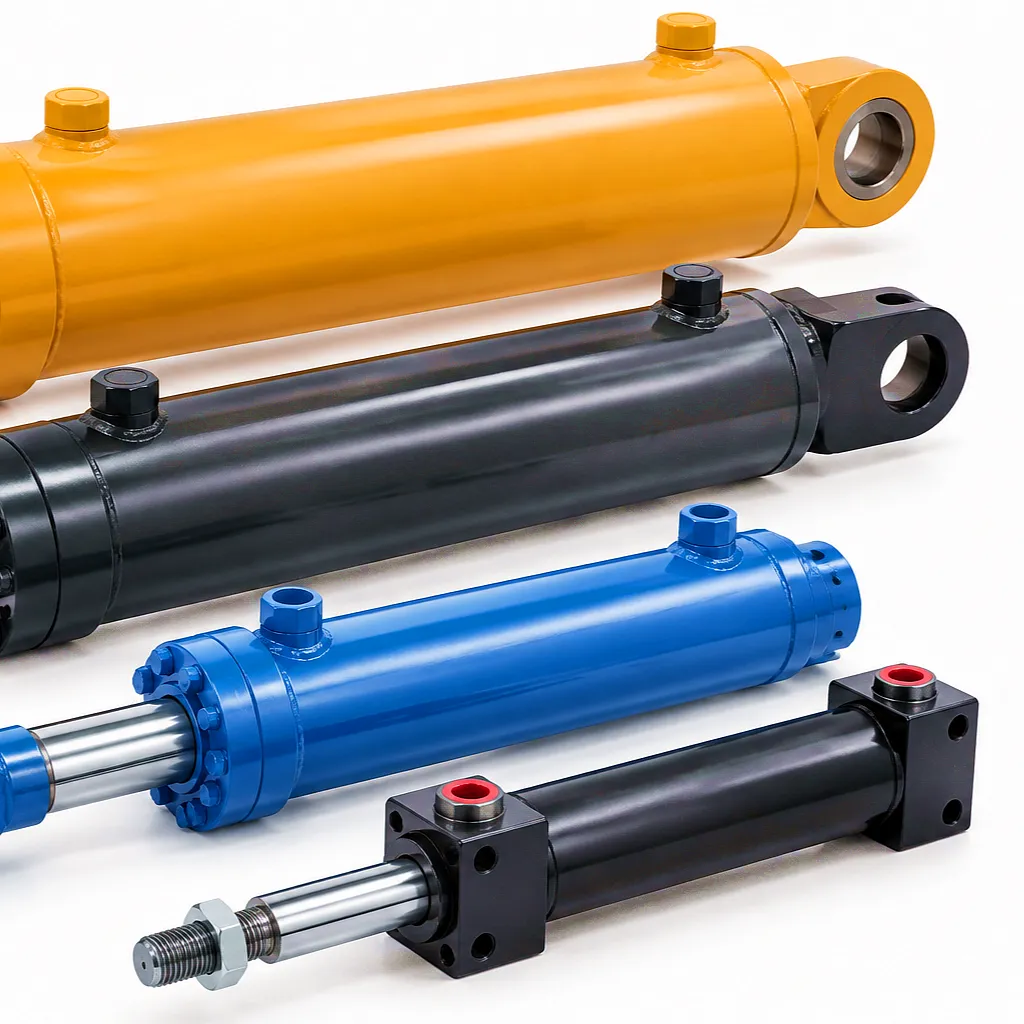
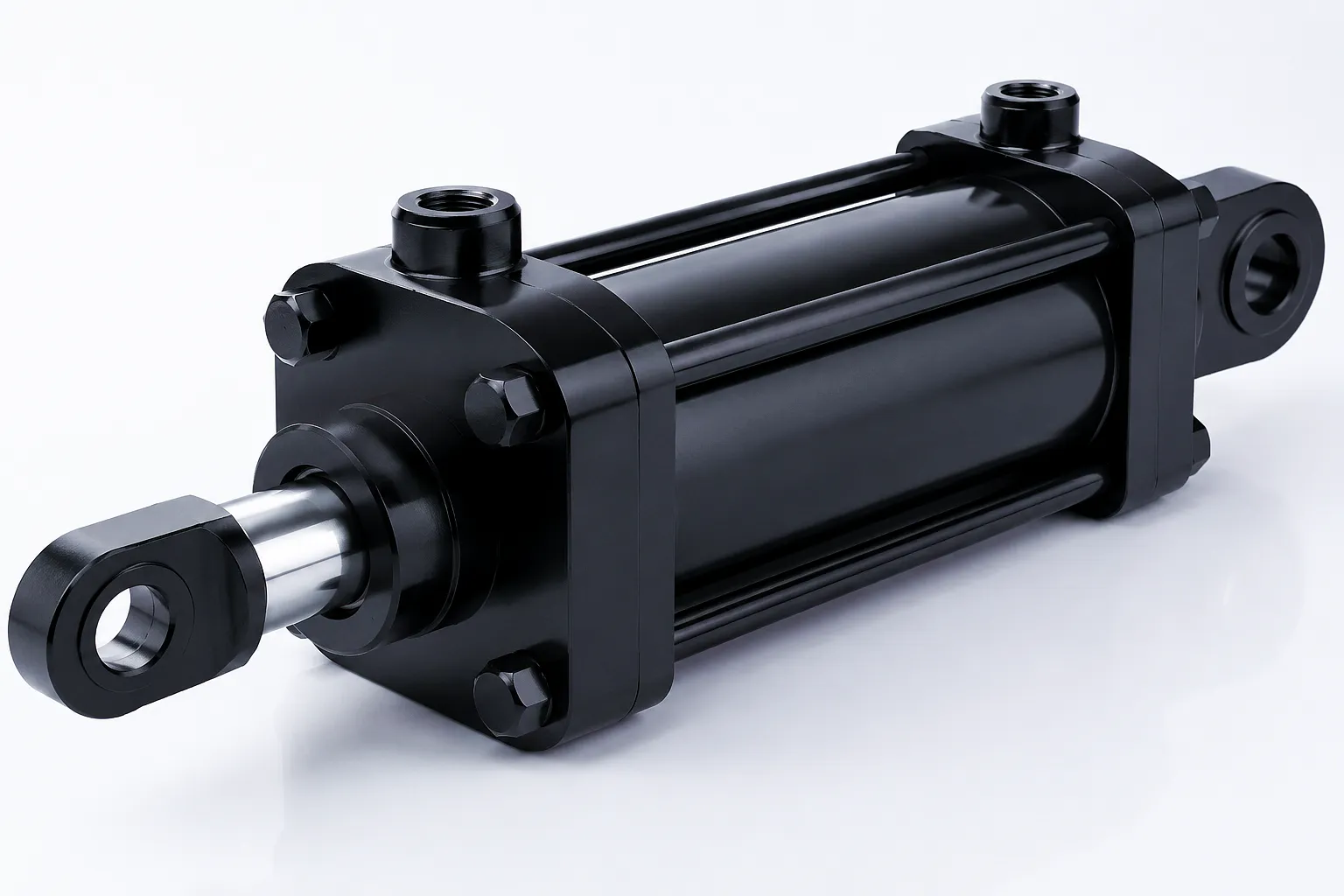
Ever Power engineers and manufactures hydraulic cylinders for demanding global markets, with a dedicated supply capability for UK industrial buyers requiring consistent quality, precise dimensional conformance, and a genuine commitment to on-time delivery. The company’s manufacturing facility operates fully automated CNC boring, honing, and surface finishing lines, holding bore tolerances to H8 and rod tolerances to f7 as standard — the dimensional precision on which seal performance and replacement intervals directly depend.
Where standard hydraulic cylinder configurations do not match specific application requirements, Ever Power’s customisation capability becomes a critical advantage. The engineering team works from customers’ technical drawings, application data sheets, or even worn-out original equipment samples to design bespoke cylinder and seal solutions. This covers not only seal material selection and gland geometry optimisation, but also special chrome plating thicknesses, hard chrome alternatives such as thermal spray or HVOF coatings for corrosive environments, and non-standard bore/stroke/mounting combinations. UK buyers in Sheffield’s special steel sector, for example, have benefited from Ever Power’s ability to engineer FKM seal kits with custom gland dimensions to match legacy machinery that has long since passed out of OEM support.
Supply chain reliability is built into every order. Ever Power maintains buffer stocks of raw material and key sealing components to ensure that even urgent orders — where a machine is down and production is stopped — can be fulfilled with minimum lead time. Containerised shipment to UK ports at Felixstowe, Southampton, and Tilbury is handled through established freight relationships, with documentation packages compliant with UK customs and trade requirements prepared as standard.
Customer Success Story: Sheffield Forgemaster Component — Seal Life Extended by 60%
A specialist heavy forging operation based on the outskirts of Sheffield — producing large-diameter flanges and pressure vessel blanks for the UK energy and oil & gas sector — was experiencing chronic hydraulic cylinder seal failures on its 2,500-tonne press. The press hydraulics operated at a working pressure of 280 bar with frequent pressure surges reaching 340 bar during complex die-fill sequences, and the forge environment produced metal scale contamination that overwhelmed standard NBR wiper seals within 800–1,200 operating hours. With each unplanned press shutdown costing the operation upwards of £12,000 per day in lost production and emergency maintenance labour, the maintenance director contacted Ever Power for a technical review.
Ever Power’s engineering team reviewed the operating data, contamination analysis reports, and the physical geometry of the press cylinder gland housings. The recommendation was a three-part solution: replacement of NBR rod seals with a compound PU/FKM combination seal stack specifically profiled for the existing gland dimensions; upgrade of the wiper seal from a standard single-lip design to a dual-lip heavy-duty wiper with integrated dust excluder; and introduction of a hard chrome rod surface thickness specification of 0.12 mm rather than the original 0.06 mm to extend the serviceable rod surface life beyond seal kit changes.
Following implementation, the press cylinders achieved 1,950 operating hours before the first seal inspection showed measurable wear — a 62% extension over the previous best performance. The annual seal kit cost increased by approximately 35% due to the upgraded compound materials, but this was offset more than three times over by the elimination of unplanned shutdowns. The Sheffield facility now operates on a scheduled 2,000-hour seal replacement cycle with a single planned 8-hour maintenance window, rather than the reactive emergency changes that previously averaged six times per year.
What UK Customers Say About Ever Power Hydraulic Cylinders
“We had been through four different seal suppliers over three years trying to solve our press cylinder failures. Ever Power’s engineering team was the first supplier to actually analyse our operating data before recommending a solution. The dual-lip wiper upgrade alone has made a measurable difference to our rod surface condition between service intervals. We are now running to a planned schedule rather than fighting fires.”
“Our fleet of road planers and cold milling machines operates in some extremely harsh environments — road grindings, water, diesel fumes, and constant vibration. The PU seal kits supplied by Ever Power have outlasted everything else we have tried. Cylinder drift on our grade control circuits has dropped to essentially zero between planned services. The dimensional accuracy of the cylinders is excellent — no fitting issues at all.”
“We needed non-standard bore cylinders for a tidal barrier gate project on the Humber estuary. Stainless rods, enhanced wiper seals for the saline environment, and a very specific mounting arrangement. Ever Power turned this around from our drawings to delivered product in under eight weeks — a timeframe that every other manufacturer said was not achievable. Product quality was to specification throughout. We will absolutely be returning for future projects.”
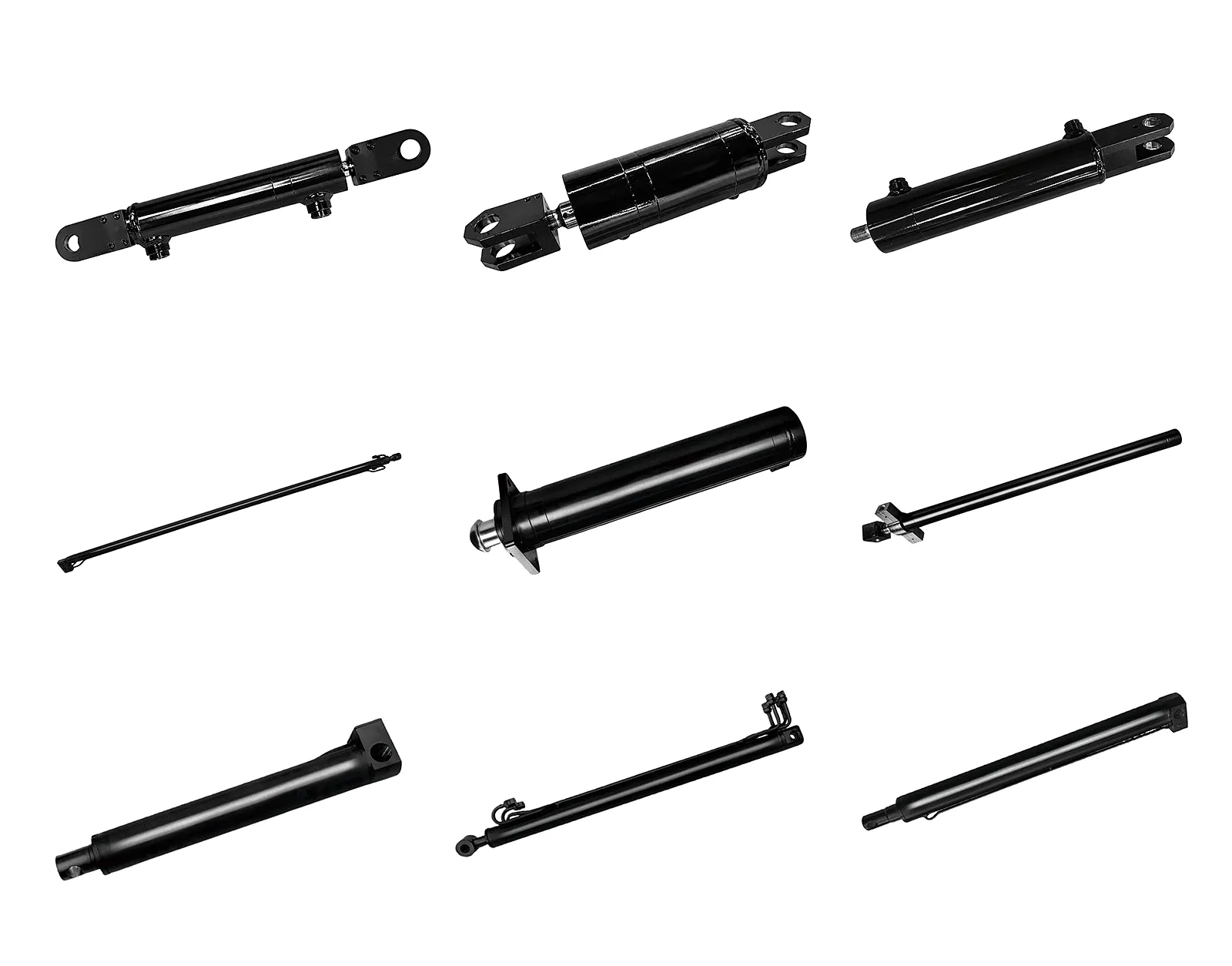
Ever Power Hydraulic Cylinder Range
Building a Proactive Hydraulic Cylinder Seal Replacement Programme
Moving from reactive to predictive seal replacement requires three elements that work together: reliable operating hour logging, condition monitoring through oil analysis, and a structured visual inspection protocol. UK fleet operators who successfully implement all three typically see total hydraulic maintenance costs fall by 20–35% within two annual cycles, even accounting for the cost of more frequent planned inspections.
Oil analysis is underused in UK plant maintenance relative to its diagnostic value. A hydraulic oil sample taken at the 500-hour point and analysed for particle count, silicon content (indicating ingressed soil particles bypassing the wiper seal), and water content provides a direct read-out of wiper seal condition without requiring disassembly. Silicon levels rising above 15 ppm in consecutive samples taken 250 hours apart is a reliable early indicator that wiper seals are degrading and replacement should be scheduled within the next 300–400 operating hours rather than at the next arbitrary planned maintenance date.
Frequently Asked Questions — Hydraulic Cylinder Seals UK
Ready to Source High-Performance Hydraulic Cylinder Seals?
Talk to Ever Power’s engineering team about your specific application — bore size, operating pressure, environment, and duty cycle — and receive a technically grounded recommendation with competitive pricing.
chỉnh sửa bởi gzl
 Vietnamese
  English
  Italian
  Portuguese
  Dutch
Dutch  Swedish
  Danish
  Finnish
  Polish
  Hindi
Hindi  Kazakh
  Turkish
  Ukrainian
  Romanian
  Spanish
  German
  Russian
  Korean
  Japanese
  Thai
Thai  Indonesian
  Malay
Malay  French
  Greek
Greek