
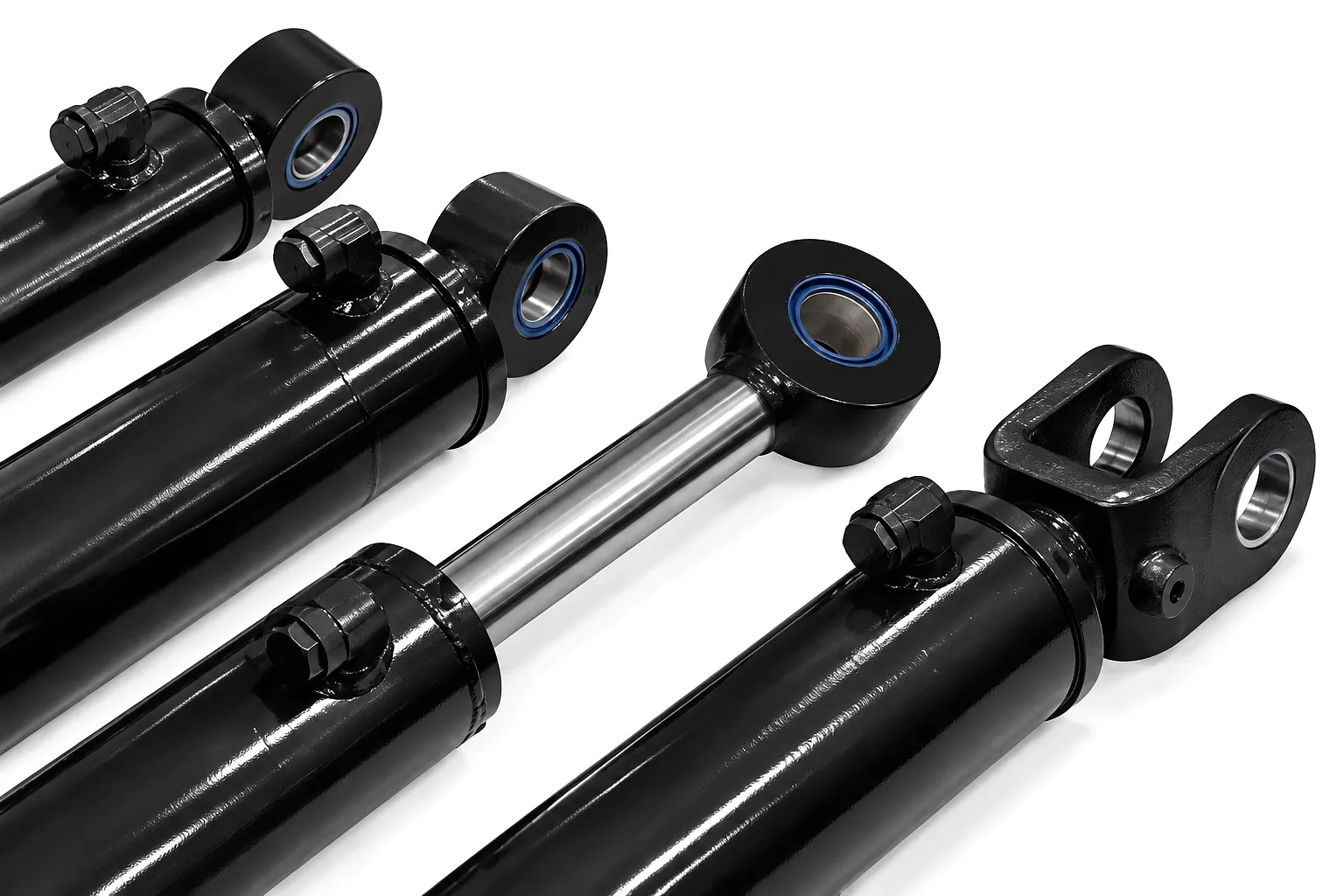
 Across the Midlands, South Yorkshire, and the North West, plant engineers are under constant pressure to keep heavy machinery running while keeping maintenance budgets in check. When a hydraulic cylinder shows signs of wear — external leaks, sluggish extension, rod scoring, or barrel damage — the instinctive response is to reach for a replacement unit. That instinct is understandable, but it is often unnecessary and expensive. A properly executed reconditioning programme can restore a cylinder to its original operating specification, extend service life by several years, and cost a fraction of a new unit. This guide walks through the full reconditioning process with the depth and technical rigour that maintenance professionals actually need.
Diagnosing the Cylinder: What to Check Before You Commit to Any Route
Weeping fluid around the rod seal or end caps is the most common complaint. Wipe the cylinder clean, cycle it under load, and observe exactly where the fluid emerges. A rod seal leak almost always points to a scored or eccentrically worn piston rod, while an end-cap leak suggests degraded static O-rings or cracked welds on welded barrel designs. Recording the leak origin with a photograph before disassembly is good practice in any formal maintenance regime, and it gives the reconditioning technician a precise starting point. In hydraulic press applications common in Sheffield forging shops, minor seal weeps that are ignored for weeks can accelerate rod corrosion to the point where reground rods are no longer feasible — making prompt diagnosis financially critical.
Slow or uneven extension, cylinder drift under static load, and reduced maximum force output are all performance symptoms that often receive no formal measurement — they are simply complained about by operators. Before removing a cylinder from service, time its full extension and retraction cycle against the original equipment specification, measure rod retraction force with a hydraulic gauge if the system layout permits it, and check whether the drift rate under static load exceeds the tolerance documented in the OEM manual. Quantifying the degradation gives you a baseline to compare against after reconditioning, which is particularly valuable for fleets of similar cylinders across a Birmingham automotive production line where cylinder-to-cylinder consistency directly affects press timing and part quality.
Once the cylinder is removed from the machine, initial inspection covers the outside of the barrel for dents, corrosion pitting, and weld cracks, and the piston rod for surface finish quality. A rod with shallow circumferential score marks is a reconditioning candidate; a rod with deep longitudinal grooves or a bent centreline is a replacement candidate. Use a dial gauge on the rod to measure any bend: more than 0.5mm total indicator reading per metre of rod length is generally accepted as the threshold beyond which reground straightening becomes unreliable. The barrel bore condition is harder to judge externally — that assessment happens after disassembly — but obvious external dents near the mid-stroke position always warrant internal bore measurement before any reconditioning resource is committed.
Safe Disassembly: The Step That Determines Everything Downstream
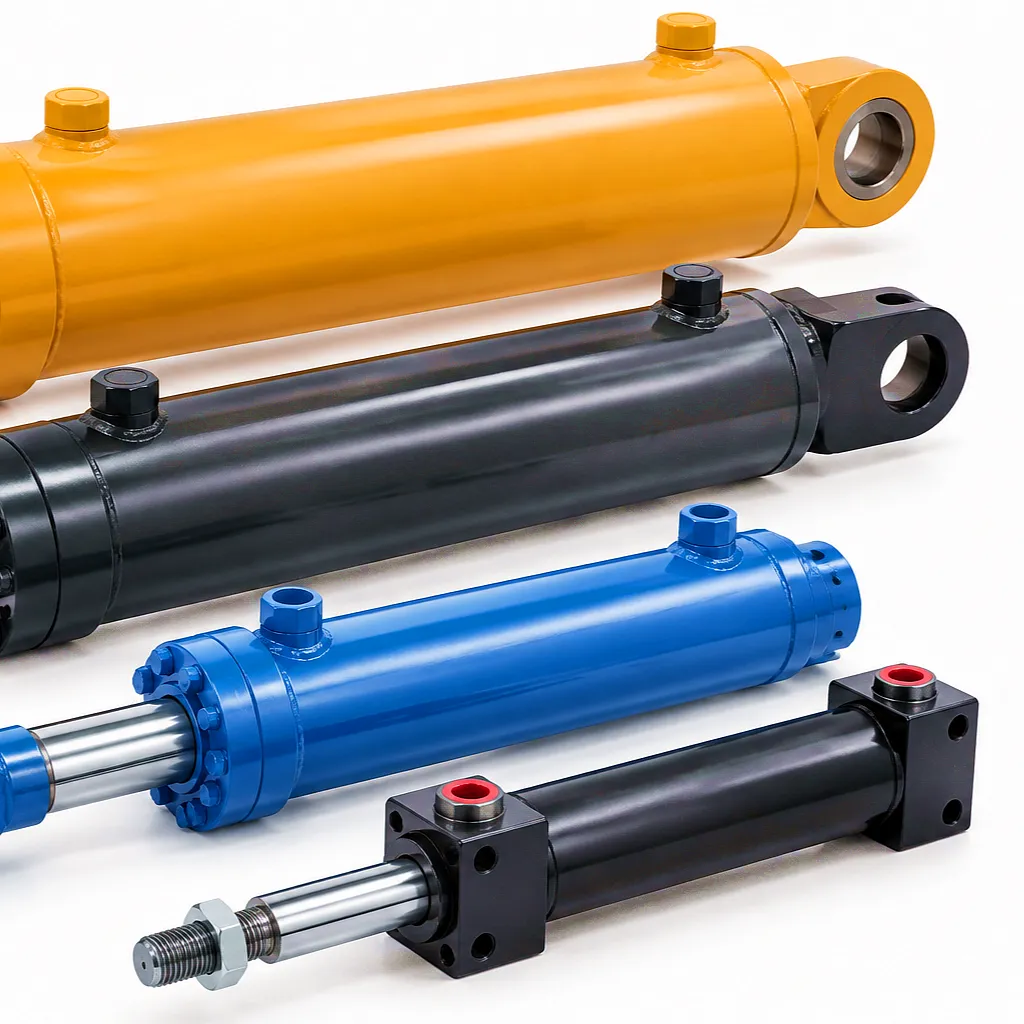
Disassembly of a hydraulic cylinder looks deceptively simple, but rushed or poorly tooled work at this stage is the most common reason reconditioning jobs fail. Begin by completely bleeding system pressure and capping all ports before the cylinder comes off the machine. Even a cylinder that appears fully retracted can hold residual pressure in its dead-end chamber if a check valve has been holding load. Any fluid that discharges during port removal should be collected for particulate analysis — contaminated oil is frequently the root cause of premature seal wear and bore scoring, and knowing the contamination level tells you whether the hydraulic system itself needs attention before the reconditioned cylinder goes back in service.
Once the cylinder is safely on a workshop bench with all ports capped, disassemble in a clean environment. Gland nuts and retaining rings should be removed with dedicated spanner tools that match the nut profile — improvised approaches with pipe wrenches damage the gland and compromise the bore-to-gland seal surface. As each component comes out, lay it on a clean lint-free cloth in order of removal, photograph the arrangement, and label any parts that are directional. Seals in particular should never be reused, but keeping the old seals together and orientated correctly gives the reconditioning team a reference for seal selection and any asymmetric groove specifications unique to that cylinder’s design.
Pay careful attention to the gland head O-ring seating face. Corrosion or mechanical damage here is frequently overlooked, then blamed on a defective replacement seal after reassembly. A small amount of pitting that falls within tolerance can be polished with a fine abrasive pad; deeper corrosion means the gland head itself needs replacement. UK hydraulic cylinder repair specialists in areas like Coventry and Leeds commonly report that up to 30% of cylinders returned for repeat repair within twelve months of a seal-only replacement actually had damaged gland seating faces that were never addressed.
Core Component Materials and Why They Matter for Reconditioning
Reconditioning work is only as good as your understanding of what the cylinder is made from. The metallurgical properties of each component dictate which repair processes are appropriate and which will compromise integrity. Getting this wrong — for example, attempting chrome plating on a rod that has been incorrectly identified as induction-hardened low-alloy steel — can produce a cylinder that appears serviceable but fails catastrophically under operating load. The following card set covers the key materials encountered in industrial hydraulic cylinders across UK manufacturing.
Typically EN10083-3 grade 42CrMo4 or equivalent medium-carbon alloy steel, induction hardened to 54–58 HRC at the surface then hard chrome plated to 50–100 µm. The chrome layer is what the rod seal runs against; its hardness (1000–1100 HV) and low surface roughness (Ra 0.2–0.4 µm) are critical to seal life. Reconditioning a scored rod means grinding the chrome back to base metal, verifying the base rod for cracks by magnetic particle inspection, re-hardening if needed, and re-plating. Where deep scoring has reduced the rod diameter below tolerance, thermal spray build-up is an alternative to full rod replacement.
Cold-drawn seamless steel tube is the standard barrel material for industrial cylinders, typically EN10305-1 grade E355 or E460. The bore is honed to an internal finish of Ra 0.4–0.8 µm to support the piston seal land. In agricultural or marine-exposed cylinders, stainless steel 316L barrels appear occasionally, requiring specialist honing tooling. When a barrel bore shows circumferential scoring from contaminated fluid or a damaged piston, the barrel can be rebored and honed to the next oversize, provided the wall thickness after reboring remains within manufacturer specification — typically no more than 10% material removal before structural integrity becomes questionable.
The piston body is commonly machined from EN8 or EN16 steel. On cylinders with integral cushioning, the piston incorporates precision-ground lands and drillings that must be thoroughly cleaned and checked for blockages during reconditioning. The piston seal groove dimensions are critical: worn or damaged grooves must be reprofiled to match the replacement seal cross-section. PTFE-based composite piston seals — commonly used for low-friction applications in automation — are the standard replacement type and are compatible with a wide range of hydraulic mineral oils, HFA, HFB, and HFC fluids used in UK processing and manufacturing facilities.
Seals are always replaced during reconditioning regardless of apparent condition. The choice of seal material must match the operating fluid and temperature range: NBR (nitrile) for mineral oil applications up to 100°C, polyurethane (PU) for high-pressure dynamic sealing, and FKM (Viton) for applications involving phosphate-ester fluids or elevated temperature environments above 100°C. Wiper rings and dust seals are particularly important in outdoor UK environments — agricultural equipment operating in Lincolnshire’s arable fields or construction plant working on coastal infrastructure projects faces abrasive mud and salt spray that accelerate wiper degradation and allow ingress contamination that destroys internal seals within weeks.
The Reconditioning Process: From Stripped Components to a Tested Assembly
Once disassembly is complete and each component has been assessed, the reconditioning sequence follows a logical flow that mirrors the original manufacturing process at a component level. Skipping or compressing any stage in this sequence generates cumulative errors that appear as premature failure after reinstallation. The following numbered workflow reflects current best practice among specialist hydraulic repair shops throughout the UK.
All metal components are degreased in a heated aqueous cleaning bath or ultrasonic cleaner to remove old fluid, varnish deposits, and particulate. Solvent-based cleaning is being phased out across UK engineering workshops in line with the Control of Substances Hazardous to Health (COSHH) regulations. After cleaning, all drillings and galleries in the piston and gland head must be air-purged and visually inspected with an endoscope. Any remaining contamination in cushion drillings causes immediate seal damage when the cylinder cycles under pressure.
Scored or corroded piston rods are loaded between centres on a cylindrical grinding machine and ground back below the deepest damage. If the resulting diameter is within the allowable undersize range for the rod seal specification, the rod is re-hardened, re-chromed, and re-ground to the final diameter. The hard chrome layer thickness is controlled during deposition and then measured ultrasonically. Post-plating surface finish is measured with a profilometer — the Ra value must meet the original specification or the rod seal will fail prematurely regardless of seal quality. For particularly large or complex rods, thermal spray (HVOF) nickel-chromium coatings offer an alternative to electroplated chrome that is increasingly preferred for its improved adhesion on rods with complex undercuts.
The cylinder barrel bore is honed using a multi-stone honing tool that removes surface scoring and re-establishes the correct bore geometry and surface finish. Honing is performed in a series of passes, checking bore diameter and roundness with a dial bore gauge at each pass. The cross-hatch angle produced by honing — typically 40–50 degrees — creates a microscopic oil-retention pattern that lubricates the piston seal during operation. A barrel with ovality beyond approximately 0.025mm or a bore finish coarser than Ra 0.8 µm after honing will not support long seal life. Where bore damage is beyond what honing alone can address, reboring to the next oversize and fitting a correspondingly oversized piston is the standard repair path.
New seals are fitted using dedicated installation tools designed to prevent lip distortion. PU rod seals in particular are sensitive to installation temperature — cold seals in a winter-chilled workshop are less pliable and more likely to sustain damage from improper installation tools. Warming seals in a sealed bag in warm water for ten minutes before installation is a simple but often-omitted step that measurably improves seal life. All seal grooves must be checked for burrs or sharp edges before installation — a groove burr that goes unnoticed will cut through a new seal at the first pressurisation cycle. Once installed, each seal is lightly coated in clean hydraulic fluid of the system grade before the components are assembled.
Reassembly follows the reverse of disassembly. The gland nut is torqued to the specification given in the original equipment documentation, not to “feel”. Undertorquing allows the gland to move under pressure and extrude the seals; overtorquing distorts the gland bore and can crack the thread. Tie-rod cylinders require even torque distribution across all tie-rod nuts, measured with a calibrated torque wrench and checked in a cross-pattern to avoid barrel distortion. All threaded connections on port fittings are cleaned and retaped or fitted with new bonded washers. Before the cylinder leaves the bench for pressure testing, every port is double-checked to confirm it is correctly plumbed and not accidentally cross-ported, which would cause immediate catastrophic failure at test.
The assembled cylinder is mounted on a test rig and pressure-tested at 1.5 times its rated working pressure for a minimum hold period — typically five minutes with visual and gauge monitoring for any signs of leakage or pressure drop. Full cycling under load follows, with cycle count and any anomalies recorded. A completed test certificate accompanies every reconditioned cylinder. In regulated industries such as food processing, pharmaceutical manufacturing, or offshore supply chain facilities operating in UK ports like Aberdeen or Hull, test documentation is a contractual requirement and may also be needed to satisfy insurance underwriters or Health and Safety Executive compliance records.
Hydraulic Cylinder Reconditioning: Technical Parameters and Tolerance Reference
The table below consolidates the key technical tolerances, material specifications, and process parameters used in professional hydraulic cylinder reconditioning. These values reflect industry standards applicable to industrial cylinders across the UK manufacturing and construction sectors.
Application Scenarios: Where Hydraulic Cylinder Reconditioning Delivers the Greatest Return
Understanding which applications benefit most from reconditioning — rather than outright replacement — requires looking at the economics of downtime, the cost of a new cylinder, and the availability of reconditioned parts. In most UK industrial settings, the decision calculus strongly favours reconditioning for cylinders in the bore range 50–250mm that have clean barrels and repairable rods. The following scenarios cover the most common application environments.
Agricultural hydraulic cylinders — particularly those in grain header height control, feeder house drives, and reel position systems — operate in some of the harshest environmental conditions encountered in any industry. Chaff, dust, crop residues, and moisture ingress through damaged wiper seals are the primary causes of wear. These cylinders are typically straightforward double-acting designs in the 40–100mm bore range that are excellent candidates for reconditioning during the winter off-season window. Rather than purchasing a new unit on an emergency basis during harvest, having the worn cylinder reconditioned ahead of the season costs significantly less and eliminates the risk of a mid-harvest hydraulic failure that could halt an entire combine operation during the critical cutting window in East Anglian and Lincolnshire arable farms.
Heavy press and forging equipment in the West Midlands and South Yorkshire steel belt relies on large-bore, high-pressure hydraulic cylinders that are genuinely expensive to replace — individual cylinders in the 200–400mm bore range can cost tens of thousands of pounds new. Reconditioning these cylinders through specialist honing, reboring, and rod re-plating brings them back to full working pressure specification at a fraction of that cost and maintains production continuity. The critical risk factor in steel plant applications is particulate contamination in the hydraulic circuit from scale and fibre residues — a thorough system flush alongside cylinder reconditioning is essential to avoid immediate re-damage of the repaired unit.
Telescopic hydraulic cylinders in scissor lifts, aerial work platforms, and vehicle-mounted cranes experience accelerated wear because their multiple-stage design creates complex seal loading at each stage interface. Rod corrosion from outdoor exposure is the primary cause of failure. Reconditioning a multi-stage telescopic cylinder requires careful measurement of each stage’s bore and diameter, with independent honing and chrome grinding performed on each stage tube and rod. The economics of reconditioning versus replacement are particularly compelling here — a quality custom double-acting telescopic hydraulic cylinder for a lifting platform represents a significant procurement cost, and professional reconditioning can extend service life by several years between overhaul cycles.
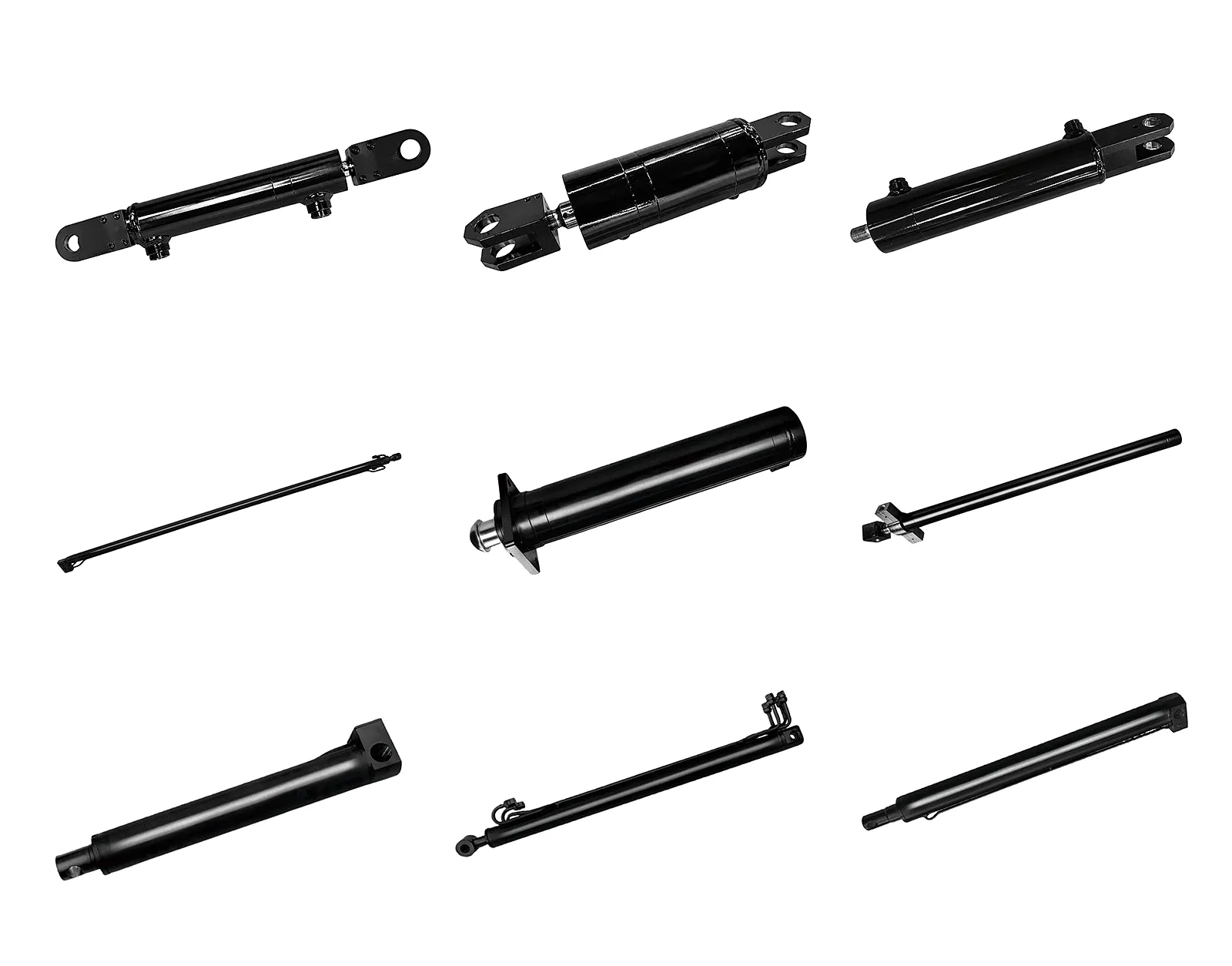
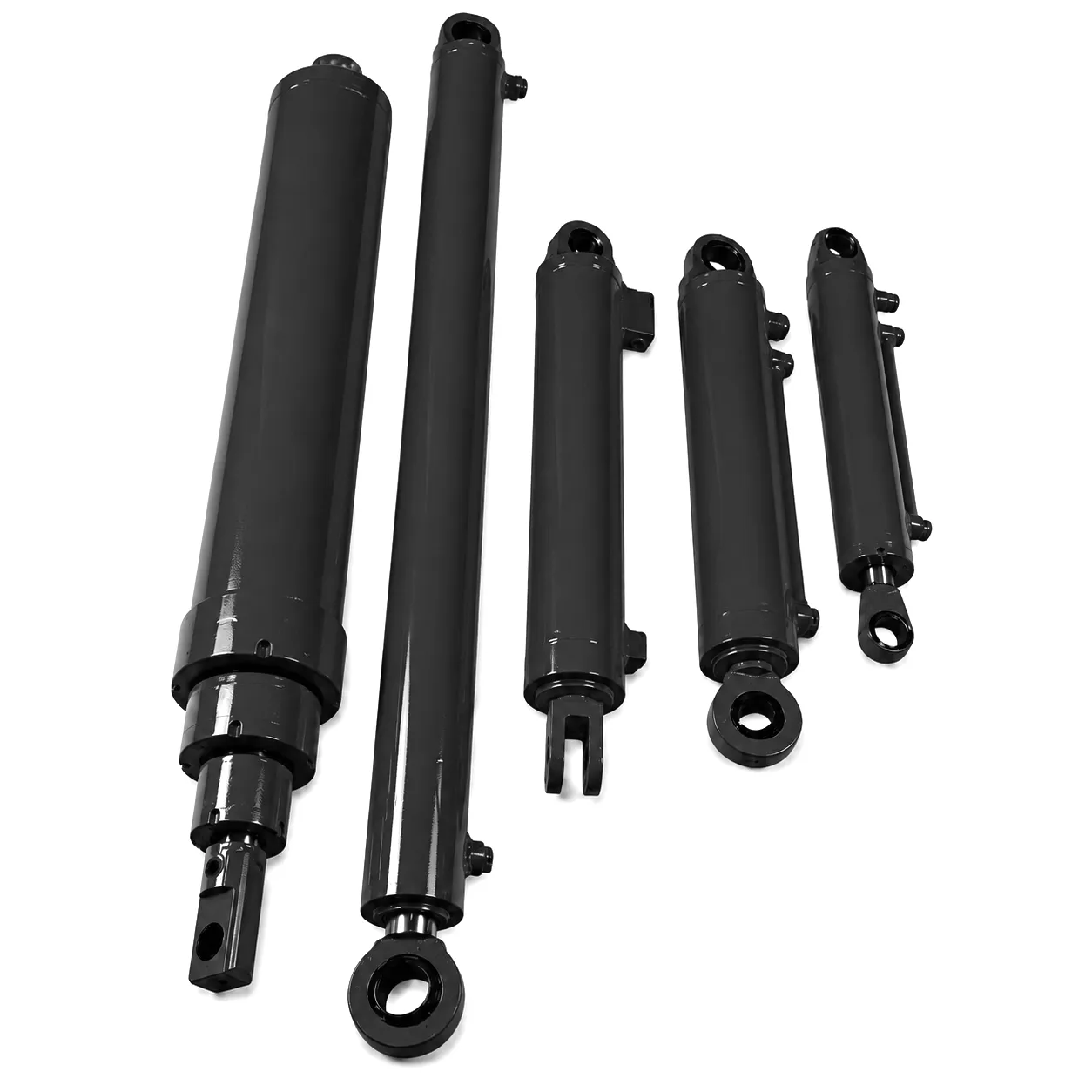
Ever Power hydraulic cylinder product range — engineered for UK and global industrial applications
Reconditioning vs Replacement: A Practical Decision Framework
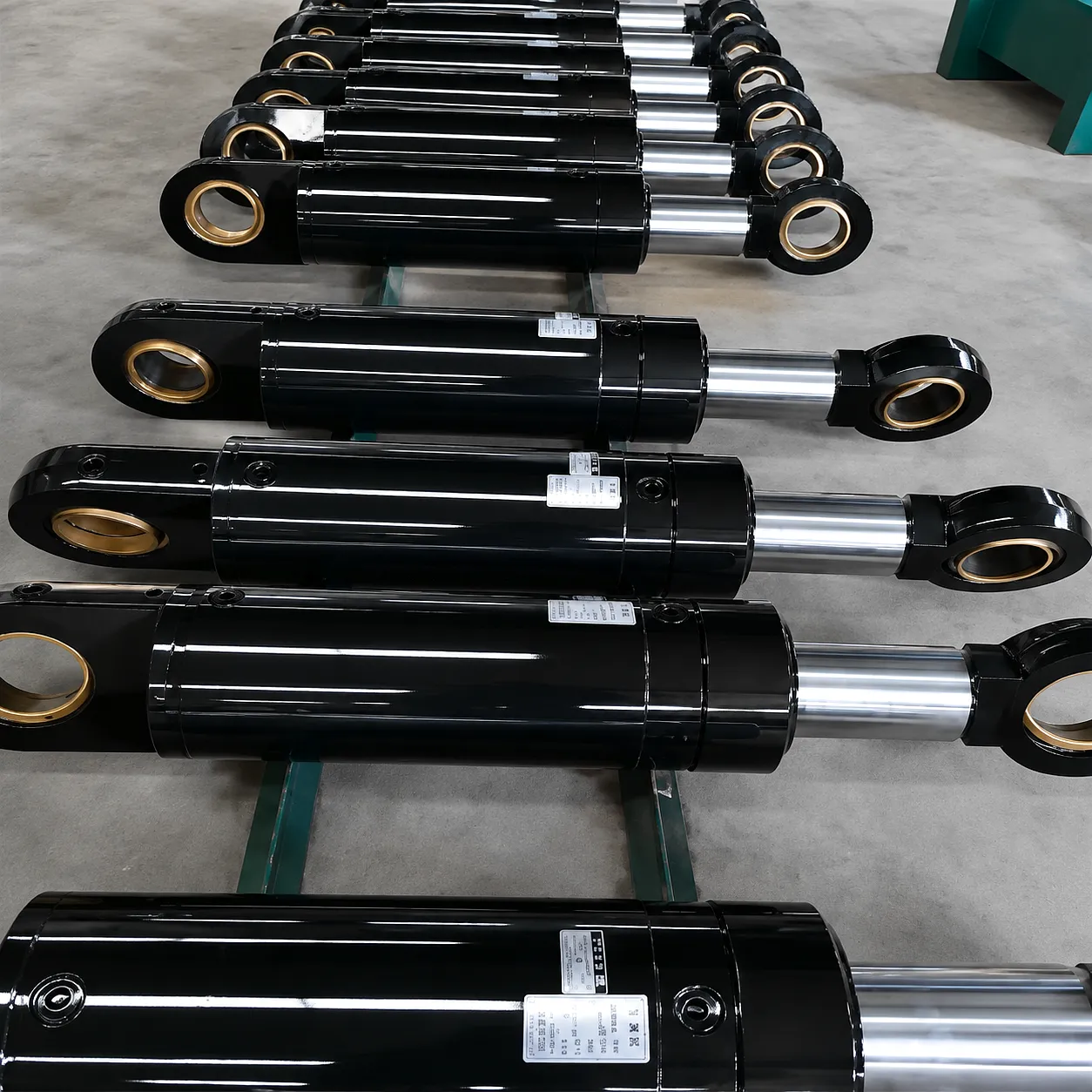 The decision between reconditioning and replacement is not a binary choice driven purely by the current fault — it is a forward-looking assessment of remaining useful life, parts availability, and the total cost of each path including downtime. As a general framework applicable to UK plant maintenance teams, reconditioning is the default recommendation when the cylinder barrel bore is within 10% of its original diameter after honing, the piston rod is not bent beyond correction, and the mounting hardware and port threads are intact. Replacement becomes the preferred route when the barrel shows through-wall corrosion pitting, when the rod centreline bend exceeds the correctable range, or when the original design is so outdated that replacement seals are no longer commercially available in the UK market.
Cost comparison matters, but the comparison must be honest about all costs, not just the headline unit price. A replacement cylinder order for a specialist industrial application might carry a six-to-ten-week lead time from a UK distributor or twelve-plus weeks from an overseas manufacturer. During that period, the machine is either idle — generating zero revenue — or operating in a degraded, potentially unsafe condition. A reconditioned unit turned around in five to ten working days by a competent UK hydraulic repair facility avoids most of that downtime cost. The comparison must factor in the reconditioned unit’s expected service life extension, which in correctly executed work typically extends to several years before the next overhaul is needed.
Sustainability considerations are increasingly part of UK industrial procurement policy, particularly in sectors subject to Environment Agency reporting or corporate ESG commitments. Reconditioning a hydraulic cylinder retains the embodied carbon of the steel barrel and piston rod that would otherwise be scrapped, replaces only the consumable elements — seals, wiper rings, and plating — and generates far less industrial waste than a full replacement. For procurement professionals in local authorities, NHS trusts, and publicly listed UK manufacturers, this sustainability argument supports the reconditioning choice independently of its cost advantages.
Ever Power: Precision Manufacturing and Hydraulic Cylinder Customisation
Custom engineering capability · Full-specification supply · Global export logistics
Ever Power operates CNC precision machining centres, automated honing lines, and quality-controlled assembly cells capable of producing hydraulic cylinders to bore sizes from 25mm to over 500mm with bore tolerances held to H7 specification. Our hard chrome plating and HVOF thermal spray facilities handle full rod reconditioning and new production, with online plating thickness measurement at every batch.
We design and manufacture hydraulic cylinders to customer-supplied drawings or develop new designs from a technical specification brief. Mounting arrangements — flange, clevis, trunnion, foot mount, and spherical eye — are all machined in-house. Non-standard stroke lengths, port positions, integrated cushioning, and position feedback sensors are all within our standard customisation offering, with engineering drawings submitted for customer approval before manufacture commences.
Our export logistics team handles door-to-door delivery to all UK mainland addresses, with pallet freight options to UK ports and express air freight for urgent orders. All shipments are accompanied by full quality documentation including material certificates (EN 10204 3.1), hydrostatic test records, and dimensional inspection reports. Typically, standard stocked seal kits for common cylinder sizes can ship within 48 hours of order confirmation for UK customers undertaking in-house reconditioning.
Every cylinder leaving our facility is hydrostatically tested at 1.5 times rated working pressure with documented results. Seal kit batches are lot-traceability coded to enable rapid field identification if a material quality concern arises. Our quality management processes align with ISO 9001 principles, with in-process inspection at honing, plating, and final assembly stages. Ever Power’s engineering team provides technical support for specifying cylinder reconditioning procedures for plant engineers working through complex repair decisions.
Customer Success: Sheffield Steel Press Fleet — Hydraulic Cylinder Reconditioning Programme
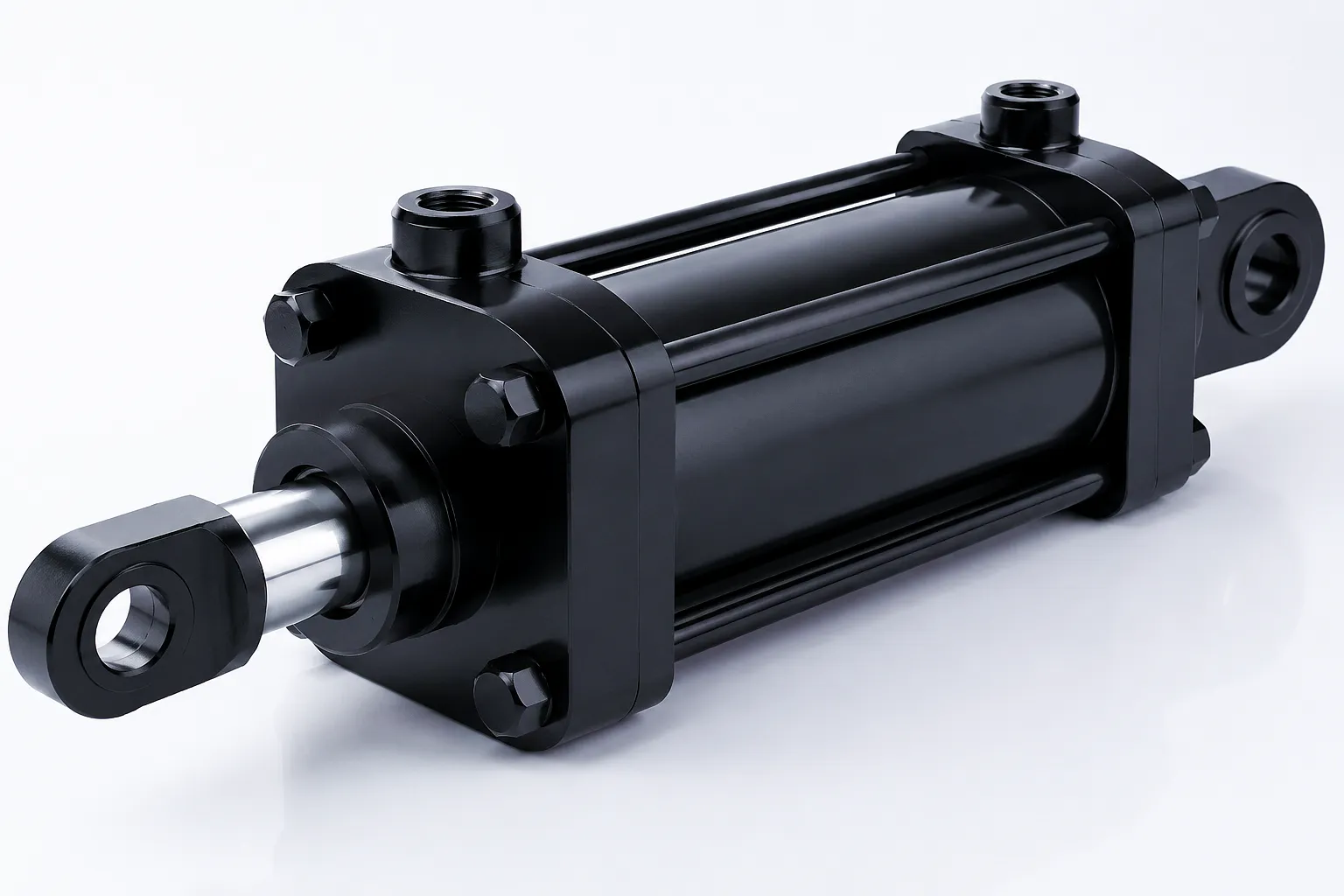
A mid-sized steel forgings manufacturer in Sheffield operating a fleet of eight closed-die forging presses was experiencing accelerating maintenance costs from hydraulic cylinder failures. Each press used three primary hydraulic cylinders in the 180–220mm bore range to deliver the main forging stroke, knockout stroke, and ejection function. Over a twelve-month period, the maintenance team had replaced seven cylinders at an average unit cost of £6,800 per cylinder, plus lost production time valued at approximately £2,200 per incident. Total hydraulic cylinder-related cost had reached nearly £63,000 for the year — a figure that had not been anticipated in the maintenance budget and had absorbed funds intended for other plant improvement projects.
The maintenance manager engaged Ever Power to audit the failed cylinders and develop a structured reconditioning programme for the remaining fleet. Inspection revealed that the majority of failures were attributable to contaminated hydraulic fluid accelerating seal wear and rod scoring — the cylinders themselves were structurally sound. Ever Power supplied a complete barrel honing and rod re-plating service for the twelve cylinders already showing early-stage leakage, provided a full seal kit supply with FKM seals matched to the fluid specification used in the Sheffield facility, and delivered a hydraulic system flush protocol to address the contamination source.
The reconditioning programme for the twelve cylinders cost £18,400 in total — a saving of £63,200 compared with the replacement cost for the equivalent number of new cylinders. Planned downtime for the reconditioning programme, staggered across a twelve-week period, totalled fourteen press-hours spread across the fleet, compared with an estimated 120 hours of unplanned downtime the fleet had experienced in the preceding year. In the twelve months following the programme, cylinder-related unplanned downtime fell to zero. The maintenance manager subsequently placed a standing order with Ever Power for annual seal kit replenishment and scheduled five-yearly bore inspection for the full press fleet.
What UK Customers Say About Ever Power Hydraulic Cylinder Supply and Service
“We put Ever Power’s hydraulic seal kits through a 3,000-hour bench endurance trial before committing to them for our press fleet. The seals held their dimensional tolerance across the full test without any measurable compression set or leakage. The technical support team understood the pressure cycling profile we were testing against without us having to simplify the explanation — that level of engineering competence is rare in a supplier at this price point.”
“I sourced a custom 140mm bore cylinder with integrated cushioning from Ever Power for a Birmingham automotive press line where the original manufacturer had discontinued the design. Ever Power provided a reverse-engineered drawing for approval within four days, manufactured the cylinder in three weeks, and shipped it to our facility with full material certs and a test report. The cylinder went into service and has run without a single maintenance call in the eighteen months since installation.”
“Our farm equipment fleet in Lincolnshire runs hard during harvest and the combine header cylinders always seem to show their age in August when we can least afford a hydraulic failure. We started ordering Ever Power seal kits for winter reconditioning work three seasons ago, and the FKM wiper seals in particular have been a significant improvement over what we were getting from our previous supplier. The improvement in mud and abrasive resistance has been very noticeable — we haven’t had a mid-harvest rod seal failure since making the switch.”
Frequently Asked Questions — Hydraulic Cylinder Reconditioning for UK Industry
Contact Ever Power for seal kit supply, custom cylinder manufacturing, or technical reconditioning advice. UK delivery available for all orders.
chỉnh sửa bởi gzl
 Vietnamese
  English
  Italian
  Portuguese
  Dutch
Dutch  Swedish
  Danish
  Finnish
  Polish
  Hindi
Hindi  Kazakh
  Turkish
  Ukrainian
  Romanian
  Spanish
  German
  Russian
  Korean
  Japanese
  Thai
Thai  Indonesian
  Malay
Malay  French
  Greek
Greek