
Mikä on puomin sylinteri? Kuinka se ohjaa kaivinkoneen puomia
The hydraulic boom cylinder is the muscle behind every excavator lift, swing, and reach — a precision-engineered component that defines how much work your machine can actually do on site. Understanding its mechanics isn’t just academic; it’s the difference between peak uptime and costly downtime on a Birmingham construction site or a Sheffield steel yard.
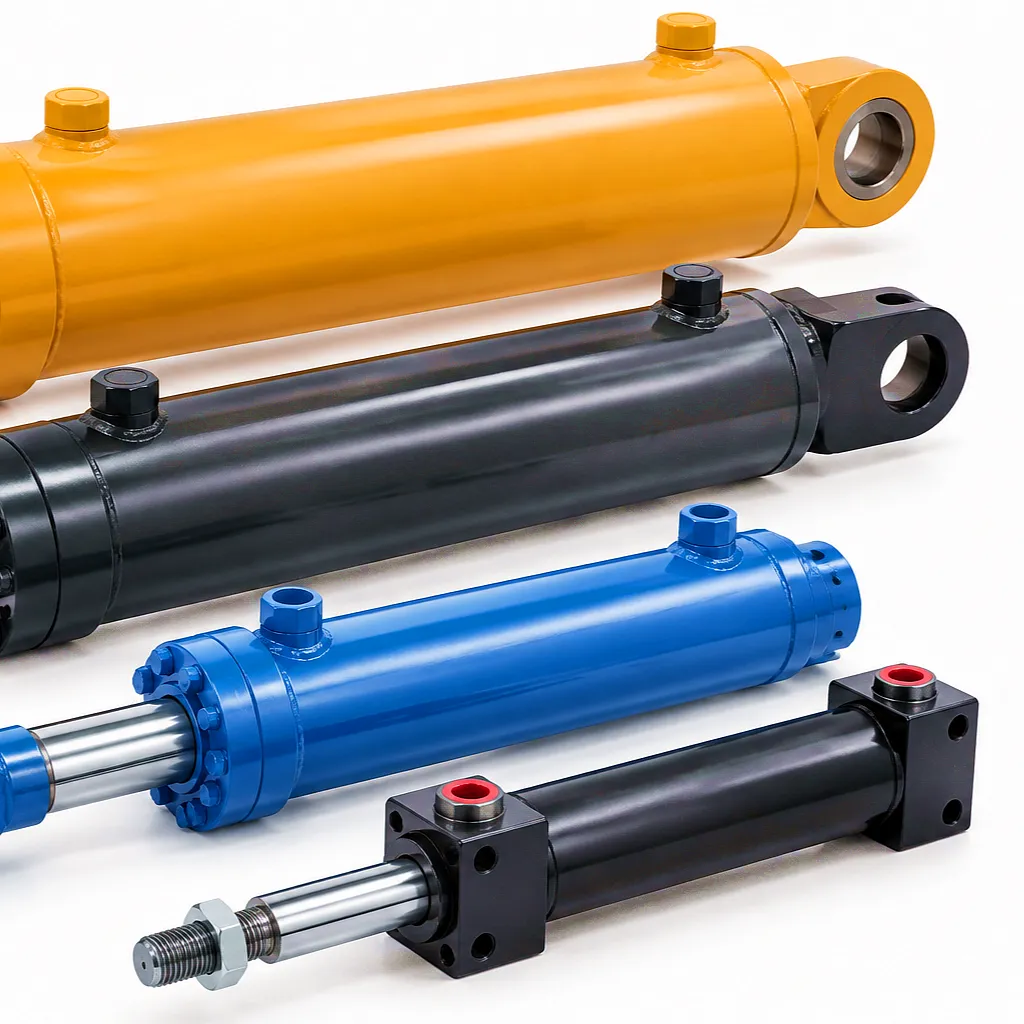 Walk up to any excavator working a demolition site in Manchester or a civil engineering trench in Leeds, and the most visually dominant moving part you will see is the boom — that long arm reaching out from the machine’s upper structure. What you cannot see, but what makes every motion possible, is the boom cylinder tucked along its underside. This hydraulic actuator converts pressurised fluid into raw mechanical force, extending or retracting to raise or lower the boom with controlled, repeatable precision. Without a properly functioning boom cylinder, an excavator is nothing more than an immovable steel shell. The component is so central to machine performance that operators, fleet managers, and procurement engineers in the UK’s heavy plant sector treat cylinder specification as a primary purchasing decision, not an afterthought.
The global hydraulic cylinder market continues to grow steadily, driven by infrastructure investment across the UK, increased demand from renewable energy installations, and a resurgence in manufacturing activity. Boom cylinders specifically serve as the backbone of this demand: they are among the highest-stress, highest-cycle components on any excavator, subjected to tens of thousands of full-stroke cycles over a machine’s working life. Getting the specification right from the outset — bore size, stroke length, operating pressure, seal material, and surface treatment — determines whether a cylinder delivers years of reliable service or fails prematurely in harsh British weather conditions.
How a Boom Cylinder Actually Works
Hydraulic principle · Double-acting operation · Load-holding mechanics
The excavator’s hydraulic pump draws fluid from the tank and delivers it under pressure — typically 250 to 350 bar in modern machines — to the cylinder’s ports. When fluid enters the cap-end port, it pushes against the full face of the piston, generating extension force. The rod-end accepts fluid return flow during this stroke. The relationship between pressure, bore area, and resulting force follows Pascal’s law: Force equals Pressure multiplied by Area. This is why larger bore cylinders produce greater lift capacity without needing higher system pressure.
Boom cylinders are always double-acting, meaning hydraulic pressure drives movement in both directions — extension and retraction. This is critical because the excavator must actively lower its boom against a loaded bucket as well as lift it. A single-acting design relying on gravity for retraction would be dangerously unpredictable on uneven ground, a common site condition across the UK’s urban redevelopment and infrastructure projects. The control valve metering the flow determines speed and smoothness in both directions, allowing the operator to feather the motion with precision.
When the operator releases the joystick, the control valve centres and traps fluid on both sides of the piston. This load-holding function keeps the boom suspended at any position, a safety-critical requirement under UK Health and Safety Executive guidelines for lifting operations. Some premium boom cylinder assemblies include integral counterbalance valves that prevent uncontrolled lowering even if a hydraulic line fractures downstream. For applications in Sheffield’s heavy manufacturing plants or Birmingham’s construction corridors, this passive safety mechanism is not optional — it is a mandatory specification item for responsible plant operation.
Core Materials That Define Boom Cylinder Performance
Material science is where long service life is won or lost — before a single drop of oil flows.
The barrel — the outer tube containing system pressure — is manufactured from cold-drawn, seamless steel tubing to DIN 2391 standards. This grade offers a tensile strength of around 520 MPa minimum and tight dimensional tolerances, essential for achieving the fine bore surface finish (Ra 0.2 to 0.4 µm) that seals depend upon. The seamless construction eliminates weld seams as potential failure initiators, a standard requirement in UK plant hire specifications where third-party inspection bodies such as LOLER-qualified engineers check cylinder integrity.
The rod operates partly inside the cylinder and partly exposed to the environment, so it must simultaneously resist bending stresses, column-loading, corrosion, and seal wear. The industry-standard material is 42CrMo4 alloy steel, induction-hardened to 54–60 HRC surface hardness and then hard chrome plated to 0.02–0.05 mm thickness. This hard chrome layer brings surface hardness to 850–950 HV and seals the base metal from moisture, a particularly relevant property given Britain’s wet climate. Some premium cylinders now use high-velocity oxygen fuel (HVOF) thermal spray coatings as a more environmentally sustainable chrome alternative.
Seals are the most failure-prone element in any hydraulic cylinder and the point where most service interventions begin. Boom cylinders use a layered seal system: a primary rod seal (typically polyurethane U-cup or lipped design), a secondary buffer seal, a wiper seal that scrapes contamination from the rod on retraction, and a static O-ring at the gland. Polyurethane offers superior abrasion resistance over nitrile rubber, making it the standard choice for high-cycle excavator duty. For operations in temperature-extreme environments, PTFE-based seal compounds extend the service envelope to -40°C, relevant for contractors working year-round in northern UK conditions.
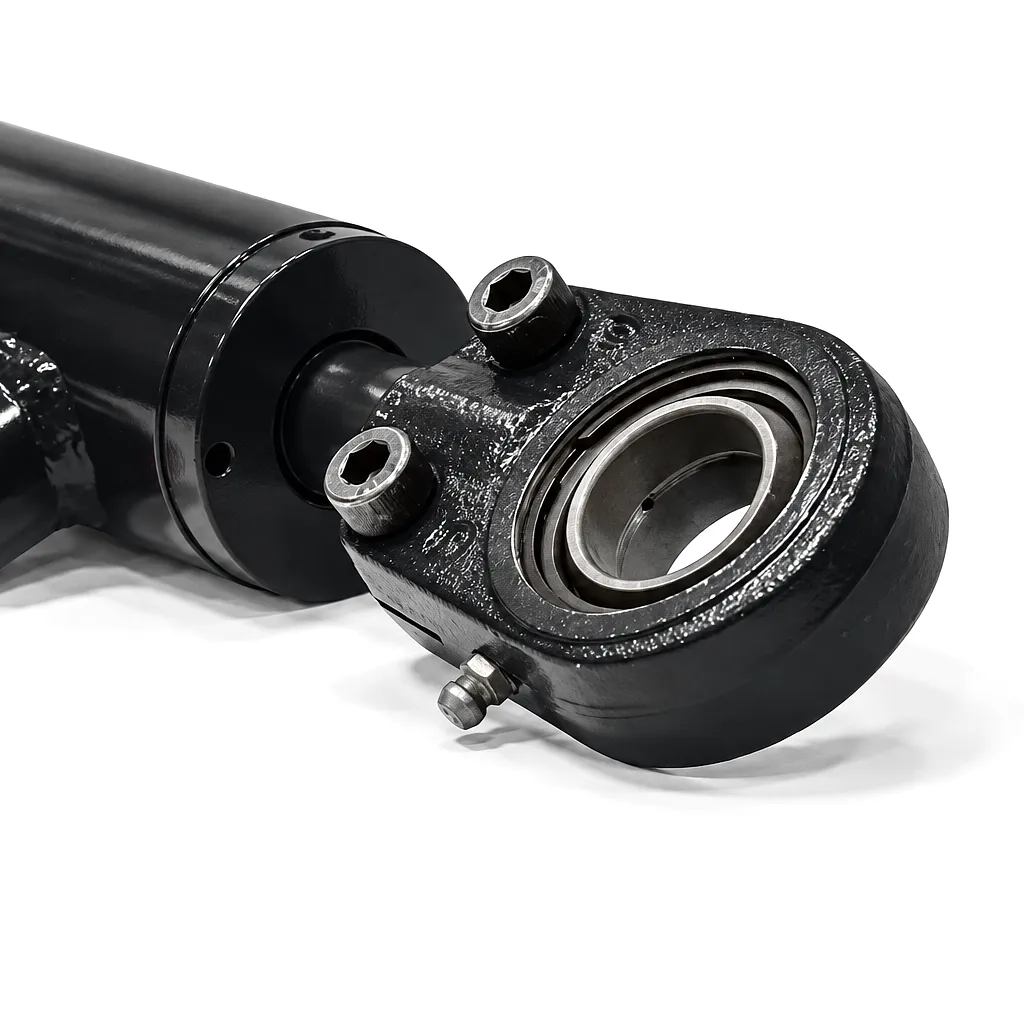
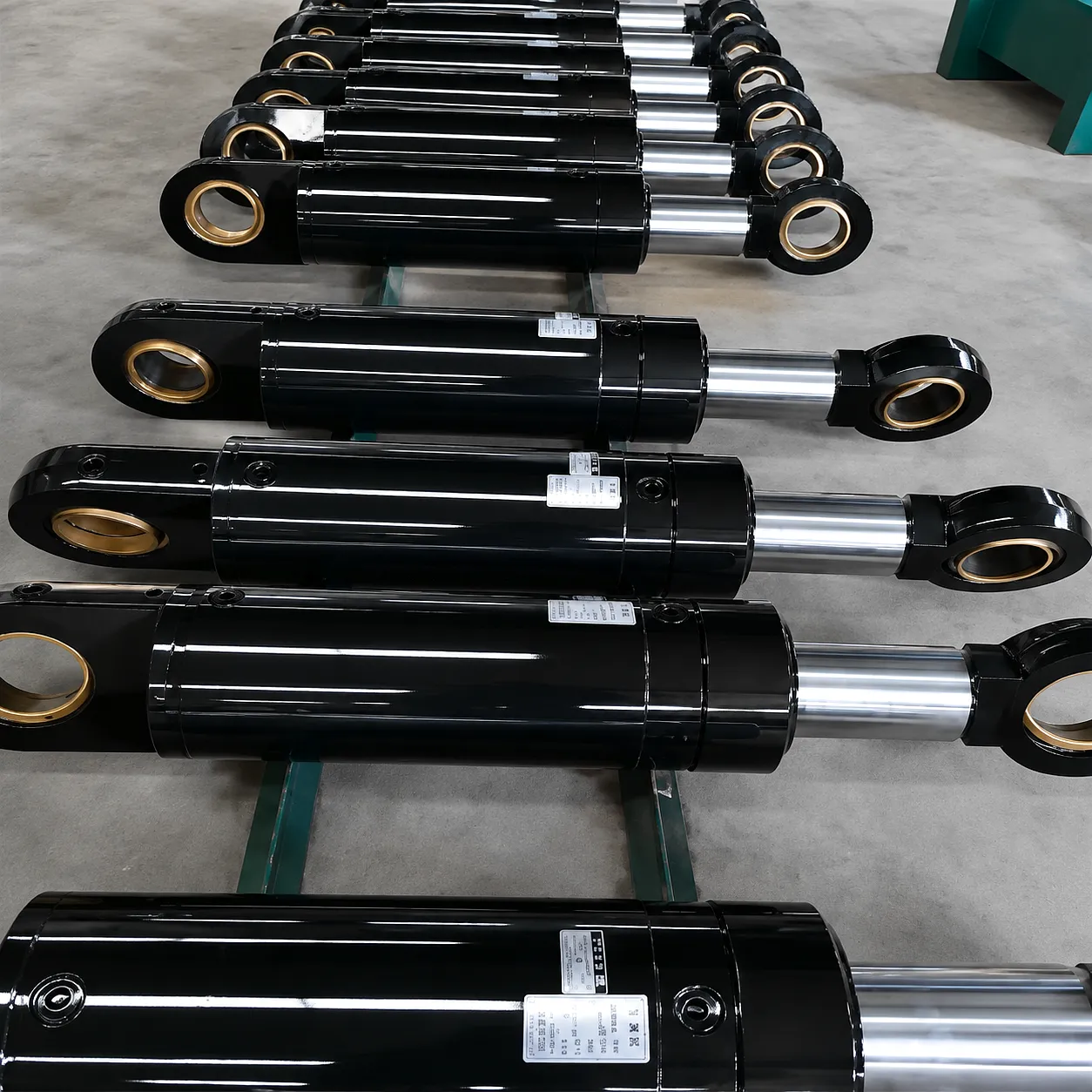
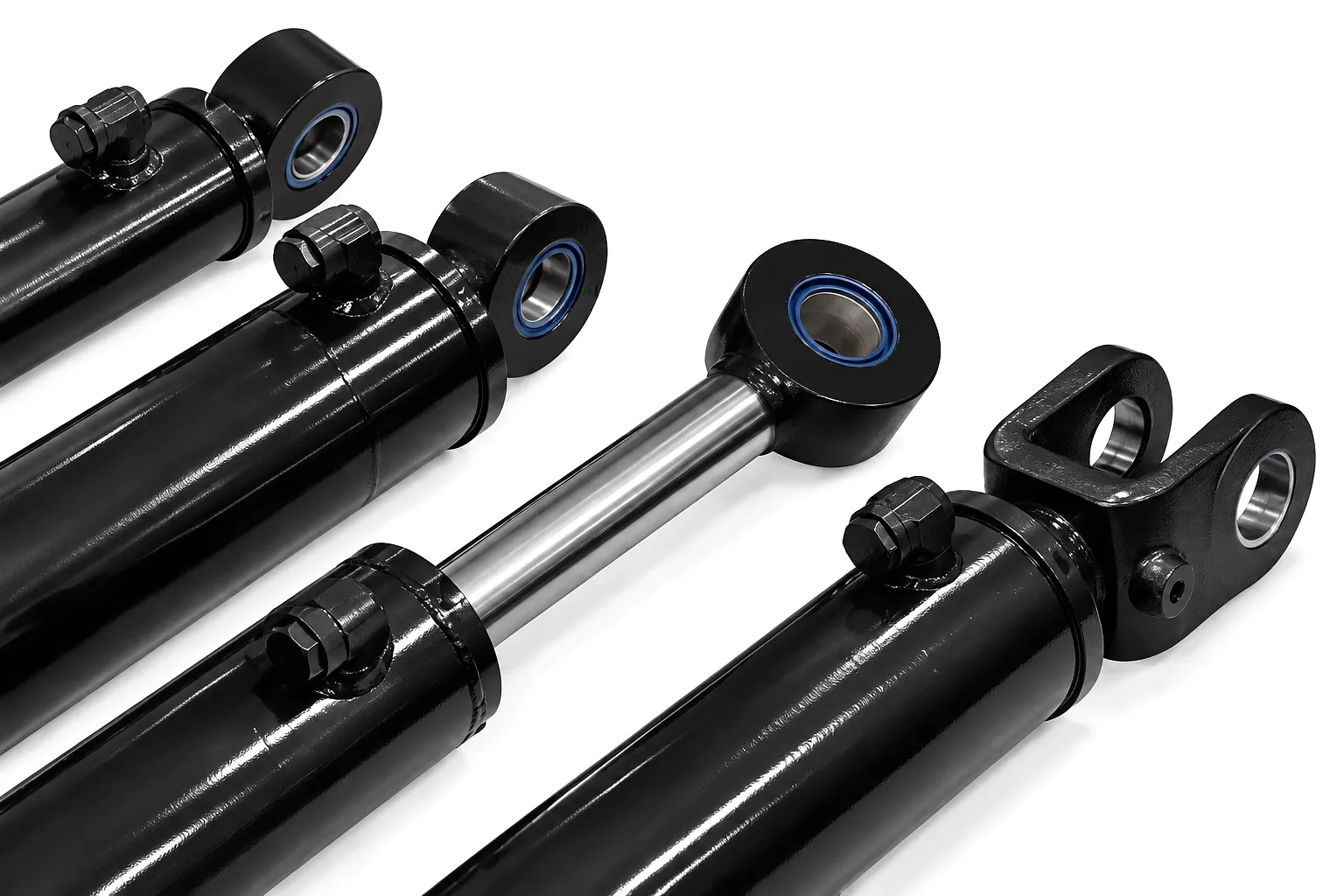
Cap-end and rod-end attachment lugs (clevises) transfer the full cylinder force into the boom structure. These are typically forged from EN8 or S355J2 carbon-manganese steel — grades familiar to UK fabricators — and machined to precise pin-bore tolerances. Proper bushing material in the pin bore, typically bronze or composite polymer, ensures wear is sacrificial and predictable: the bushing wears before the more expensive structural steel, and replacement is a straightforward workshop procedure. The weld joint between end cap and barrel is subject to full-penetration weld specification and non-destructive testing in quality-certified manufacturing environments.
Boom Cylinder Technical & Performance Specifications
Reference data for procurement, fleet management, and engineering specification in the UK
| Parametri | Mini Excavator (1–6 t) | Mid-Range (6–25 t) | Heavy Duty (25–80 t) |
|---|---|---|---|
| Bore Diameter | 50 – 80 mm | 80 – 140 mm | 140 – 250 mm |
| Rod Diameter | 35 – 55 mm | 55 – 100 mm | 100 – 180 mm |
| Stroke Length | 400 – 800 mm | 700 – 1,400 mm | 1,200 – 2,400 mm |
| Operating Pressure | 200 – 280 bar | 250 – 320 bar | 280 – 380 bar |
| Test Pressure | 1.5× working pressure | 1.5× working pressure | 1.5× working pressure |
| Rod Material | 42CrMo4 + Hard Chrome | 42CrMo4 + Hard Chrome | 42CrMo4 + HVOF / Chrome |
| Tynnyrin materiaali | ST52-3 Seamless | ST52-3 / E355 Seamless | E355 / S460 Seamless |
| Bore Surface Finish | Ra 0.4 µm | Ra 0.2 – 0.4 µm | Ra 0.2 µm |
| Temperature Range | -20°C - +80°C | -30°C to +90°C | -40°C to +100°C |
| Tiivisteen tyyppi | Polyurethane Standard | PU / Hallite Series | Parker / Hallite Premium |
| Mounting Style | Pin-to-Pin Clevis | Pin-to-Pin / Flange | Custom Pin / Trunnion |
Why Boom Cylinders Outperform Alternative Actuator Technologies
Engineering advantages that justify the hydraulic cylinder’s dominant position in excavator design
Hydraulic boom cylinders deliver force-to-weight ratios that no electric or pneumatic actuator can approach at this scale. A 120 mm bore cylinder operating at 300 bar produces over 33 tonnes of pushing force from a component weighing roughly 80 kg. This allows excavators to carry heavy attachments and load trucks with material that would be physically impossible with any alternative actuator type currently available.
The proportional control valve metering hydraulic flow to the boom cylinder allows operators to hold the boom at any position in its travel range with millimetre precision. This is particularly valuable on utility works in dense urban areas like central Birmingham or London, where precise placement of a bucket around buried services requires fine motor control that no on/off actuator system can replicate. The ability to hold a load statically with no power consumption is another hydraulic advantage electric actuators struggle to match economically.
When an excavator boom strikes an unexpected obstruction — a hidden concrete slab, a subsurface boulder — the hydraulic system absorbs shock through pressure relief valves rather than mechanically failing. This inherent compliance protects not just the boom cylinder but the entire boom structure from damaging impulse loads. The relief valve setting determines the maximum force the system will transmit, functioning as a continuously active safety device that prevents catastrophic structural overload events on challenging UK ground conditions.
A well-specified boom cylinder with quality seals and a properly maintained hydraulic system can operate for 8,000 to 12,000 machine hours before requiring a seal replacement. When service is needed, the rebuildable nature of hydraulic cylinders means cost-effective repair is possible at a fraction of replacement cost, an important factor for UK plant hire companies managing fleets across multiple depots. This contrasts with many electric actuator designs that are largely non-rebuildable and require full-unit replacement on failure.
Hydraulic Rotary Actuator Steering Cylinder →
Precision rotary actuation for steering and positioning systems across heavy plant and specialist machinery. Engineered to complement boom cylinder assemblies in complex multi-axis applications.
Industrial Application Scenarios Across the UK
Where boom cylinders earn their keep — from urban regeneration to offshore energy
Across Birmingham’s ongoing ring road upgrades and Manchester’s Northern Gateway regeneration projects, boom cylinders operate under the hardest duty conditions civil engineering can produce. Machines run long shifts breaking concrete, excavating clay, and loading 30-tonne dump trucks in rotation. The boom cylinder’s cycle count in these environments can exceed 5,000 per working day, placing enormous cumulative fatigue demands on the component. Premium-grade cylinders with reinforced gland heads and heavy-wall barrels are specified as standard by major UK civil contractors on projects of this scale, as the cost of a mid-project cylinder failure — in downtime, crane hire, and programme delay — far exceeds the marginal cost premium of a specification upgrade at procurement.
Sheffield’s remaining steel mills and advanced manufacturing plants use overhead gantry cranes and hydraulic material handlers fitted with boom cylinders to move raw stock, billets, and finished components through production lines. The ambient temperature in steelmaking environments can exceed 60°C at floor level, placing thermal stress on seal compounds and hydraulic fluid viscosity alike. Boom cylinders serving these applications are typically specified with high-temperature mineral oil-compatible seals, premium fluid-compatible paint systems on external surfaces, and stainless steel fasteners throughout to resist the corrosive atmosphere generated by pickling and surface treatment processes adjacent to the material handling equipment.
The rapid expansion of offshore wind installations in the North Sea and around the Scottish coastline has created substantial demand for specialist marine excavators and jack-up installation vessels, all of which rely on custom boom cylinders designed to survive saltwater splash zone exposure. These cylinders are typically supplied with double-layer external epoxy coatings, nickel-plated external hardware, and zinc-based sacrificial anodes on structural end caps. The trend toward larger turbine foundations, with monopiles exceeding 10 metres in diameter, is pushing boom cylinder specifications to previously uncommon bore sizes as installation machines grow to match the foundation handling requirements.
HS2 and Network Rail’s maintenance and renewal programmes represent some of the most demanding boom cylinder applications in the UK. Rail-mounted excavators operating within Network Rail possession windows must move vast quantities of ballast, remove old sleepers, and place pre-cast concrete elements within tight time constraints. Machine utilisation in these possession windows is essentially 100%, meaning boom cylinders operate at or near maximum rated loads for extended periods with no idle time for thermal recovery. For these applications, oversized rod diameters — providing an additional safety margin against column buckling — and premium piston seals rated to higher differential pressures are specified as standard to deliver the reliability that railway civil contractors contractually require.
Wind Turbine Hydraulic Pitch Cylinder →
Purpose-designed for offshore and onshore wind turbine blade pitch control. Engineered for the cyclic, high-reliability demands of the UK’s growing wind energy sector, with full marine-grade corrosion protection and industry-certified performance data.
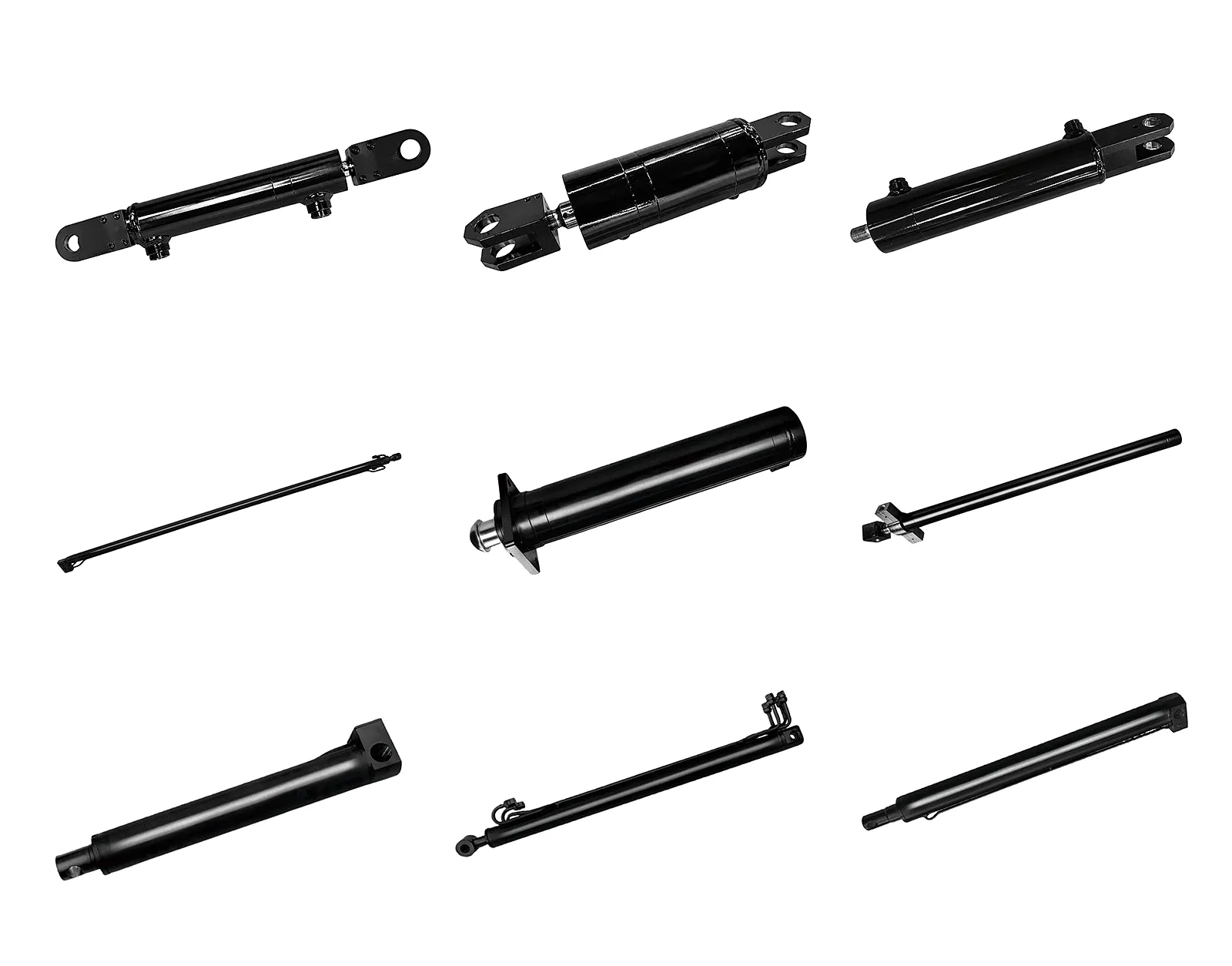
Ever Power — Precision Boom Cylinder Manufacturing & Custom Engineering
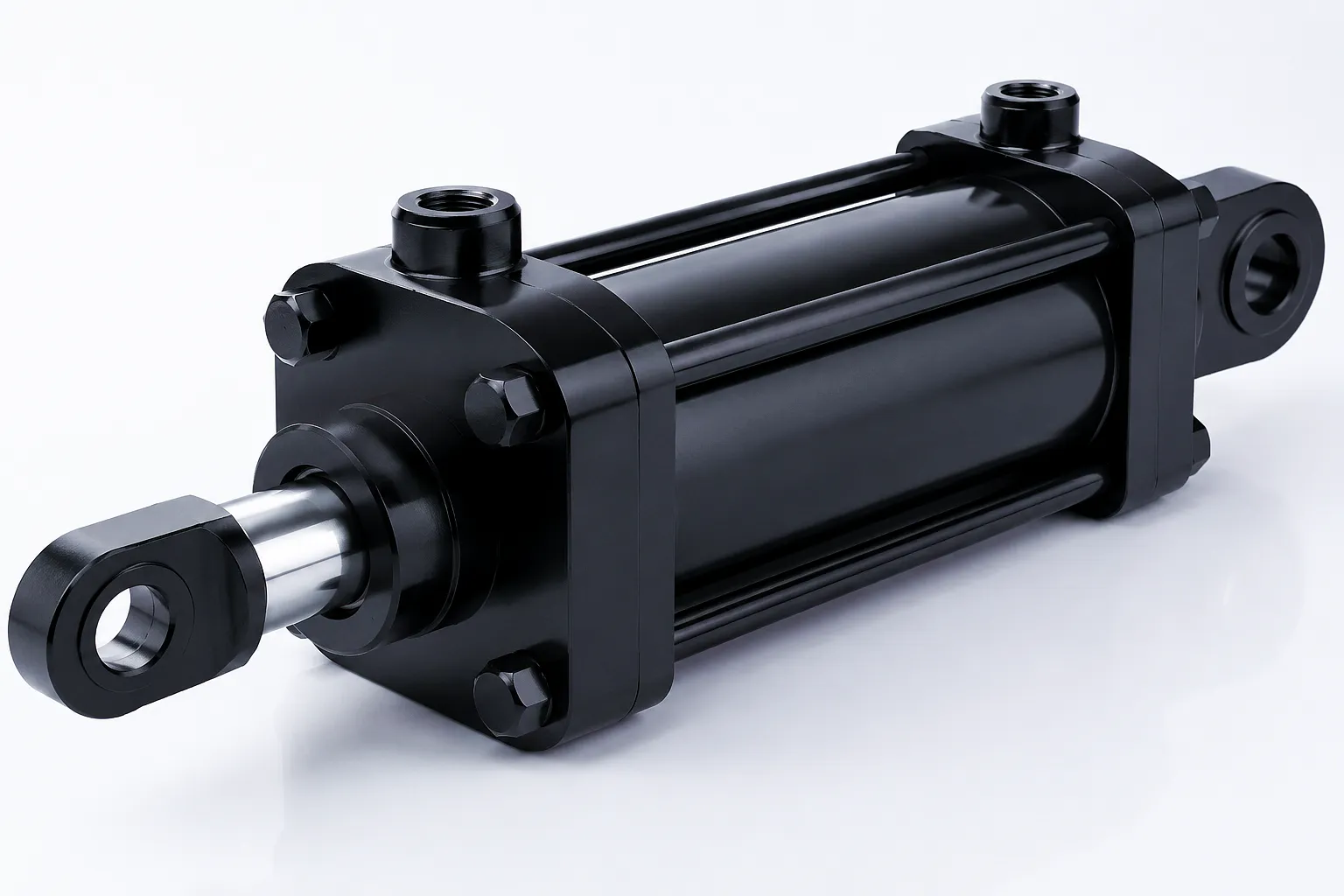
Ever Power operates precision hydraulic cylinder manufacturing facilities with CNC honing machines capable of achieving Ra 0.2 µm internal bore finishes, deep-hole drilling centres for barrel production, and automated hard chrome plating lines running to DIN 2406 thickness control standards. This is not a trading or catalogue business — it is a direct manufacturer with full in-house process control across every stage from raw steel procurement to final pressure testing and dispatch. UK-bound orders are shipped via dedicated freight channels with full material traceability documentation, CE marking compliance records, and pressure test certificates as standard delivery documentation.
Non-standard bore sizes, multi-stage telescoping configurations, integrated position sensors, and custom clevis geometries are all within Ever Power’s standard engineering scope. Custom drawings to customer-supplied specifications are processed through an in-house design team with typical lead times of 2–4 weeks for first article samples on non-catalogue configurations.
ISO 9001:2015 certified manufacturing processes with full first-article inspection reports, material certifications to EN 10204 3.1 standard, dimensional inspection reports, and hydrostatic pressure test records are supplied as standard with every batch. Third-party witnessing of pressure testing is available for UK procurement teams requiring additional assurance.
Established logistics routes to UK ports including Felixstowe and Southampton, with experienced freight forwarding partners managing customs clearance documentation post-Brexit. Typical sea freight transit is 28–35 days; air freight options are available for urgent replacement requirements where a machine is off-hire pending a single critical cylinder.
Customer Success Story: Leeds Quarry & Aggregates — Fleet Reliability Transformation
Yorkshire heavy extraction · 12-machine fleet · 18-month programme
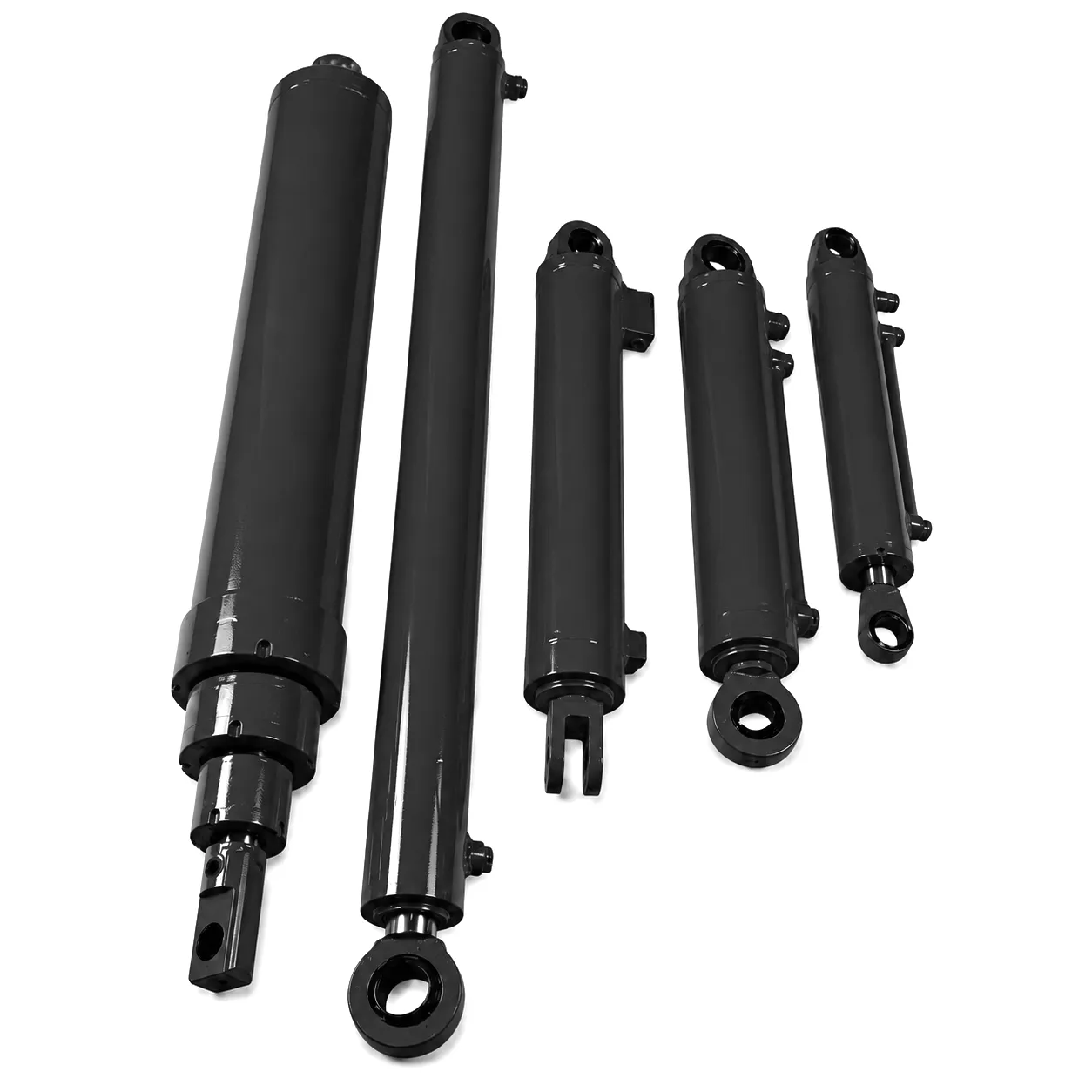 A quarrying operation based near Leeds, running a fleet of twelve 30–45 tonne excavators in limestone and sandstone extraction across two active West Yorkshire sites, was experiencing an average of 3.2 boom cylinder failures per quarter across its fleet. Each failure resulted in an average 4.5 days of machine downtime, and with the machines operating on zero-hours-downtime contracts supplying a major road aggregate programme for a Highways England regional framework, the financial and contractual penalties were becoming unsustainable.
Their engineering director contacted Ever Power after reviewing technical documentation for the boom cylinder range and identifying that the OEM replacement cylinders they had been using specified a seal compound rated only to -15°C — inadequate for the pre-dawn winter start conditions common across the exposed Pennine-edge site. The fleet was regularly fired up at 5:00 AM in ambient temperatures of -8°C to -12°C, causing the rod seals to harden below operating tolerance and allowing bypass past the primary seal on the first pressurisation of the day. Over time, this thermal cycling was accelerating seal degradation and producing the chronic leakage failures the site was experiencing.
Ever Power’s engineering team proposed a retrofit programme using a custom seal package rated to -40°C, combined with upgraded barrel honing to Ra 0.2 µm (from the OEM’s Ra 0.4 µm standard) and 42CrMo4 rods in place of the standard carbon steel rods the machines had originally shipped with. The first four machines were converted in the initial programme quarter. Over the subsequent 18 months, across the full fleet, cylinder-related downtime dropped by 78%. The operation achieved its first quarter with zero cylinder-related downtime in the programme’s twelfth month — a result the engineering director described as the most significant maintenance improvement the fleet had seen in a decade.
“We had tried three different replacement cylinder suppliers before Ever Power. The difference with the cold-rated seal specification was immediately apparent — not a single pre-dawn leakage incident in the first winter after the upgrade. For a fleet operating in West Yorkshire conditions, that alone justified the investment many times over.”
“The customisation capability at Ever Power is genuinely impressive. We needed a non-standard bore with an integrated position transducer for our machine monitoring system — something no UK supplier could turn around at a competitive price. Ever Power had a first article to us within three weeks and the production batch hit our specification exactly. Material certs were comprehensive and CE documentation was in order.”
“We source boom cylinders for our marine installation vessels from Ever Power specifically because they will supply with full HVOF rod coating as standard rather than as a premium option. On North Sea equipment, the marine-grade protection is not negotiable, and Ever Power treated it as a routine specification requirement rather than an engineering challenge. Lead times have been consistent and the freight documentation has always been clean for customs clearance.”
Questions UK Buyers Ask About Boom Cylinders
Practical answers to the real questions that drive purchasing decisions
How much does it typically cost to replace a boom cylinder on an excavator in the UK, and where can I get a quote for a custom specification?
Pricing depends heavily on machine size and specification. For a mid-range 20-tonne excavator, a replacement boom cylinder might typically be priced between £800 and £3,500 depending on whether it is an OEM-equivalent catalogue supply or a custom-engineered build. Heavy-duty cylinders for 50+ tonne machines can exceed £8,000. For custom specifications — non-standard bores, special coatings, integrated sensors — direct manufacturer quotation is always the most reliable route. You can request a detailed quote from Ever Power at [email protected] with machine make, model, and cylinder dimensions from the existing unit.
What is the difference between a boom cylinder and an arm cylinder on a UK construction site excavator, and which one fails more often?
The boom cylinder controls the main arm’s rise and fall from the upper structure — it carries the highest static load of any cylinder on the machine because it must support the combined weight of boom, arm, bucket, and material. The arm (or dipper) cylinder moves the forearm relative to the boom, typically experiencing higher cycle rates but lower peak forces. In practice, arm cylinders tend to fail slightly more often in digging-intensive applications due to higher cycle counts; boom cylinders fail less frequently but the consequences of failure are more operationally disruptive because the machine cannot function at all with a seized boom cylinder.
Which UK supplier can provide a hydraulic boom cylinder with HVOF rod coating and full EN 10204 3.1 material certification for offshore marine applications near Aberdeen or the North Sea?
Ever Power supplies HVOF-coated cylinders with EN 10204 3.1 certification as standard for marine and offshore procurement. The HVOF process deposits a tungsten carbide or chromium carbide layer that significantly outperforms conventional hard chrome in salt spray resistance (tested to ISO 9227 standards), which is the requirement for equipment operating in or near the North Sea splash zone. Full documentation packages including material certs, pressure test records, and coating thickness inspection reports are supplied with every batch. Contact [email protected] for a project-specific quotation.
How long does a hydraulic boom cylinder typically last on a heavy plant excavator working in Birmingham’s construction sector, and what maintenance will extend its service life?
In typical urban construction duty — mixed digging, truck loading, and site clearance — a well-specified boom cylinder should last 8,000 to 12,000 machine hours before requiring a seal rebuild. Maintenance practices that most reliably extend service life include: keeping hydraulic fluid cleanliness to ISO 4406 class 17/15/12 or better; inspecting rod wiper seals monthly for damage that allows grit ingress; ensuring pin bushings are greased on the correct schedule to prevent metal-to-metal pin wear that transmits shock loads into the barrel; and monitoring for any slow-speed judder that indicates stick-slip from a deteriorating rod surface, allowing targeted intervention before a full seal failure develops.
When is the right time to replace versus rebuild a failing boom cylinder on a Sheffield-based plant hire fleet, and what price difference should I expect between the two options?
Rebuilding makes economic sense when the barrel bore is still within tolerance and the rod surface is not scored or corroded through the chrome layer. A seal rebuild typically costs 25–40% of a new cylinder price and is completed in 1–3 days by a competent hydraulic workshop. Replacement is the better choice when bore scoring is evident — often caused by contamination bypass past a failed wiper — or when the rod chrome is pitted from corrosion, as both conditions would result in rapid re-failure of a rebuilt unit. For Sheffield-based fleet operations, establishing a relationship with a cylinder rebuilder who can exchange-rebuild units means turnaround can often be achieved within a single working day, minimising downtime on critical fleet assets.
What certifications and documentation should I ask for when sourcing a hydraulic boom cylinder supplier for a UK-based infrastructure project governed by LOLER regulations?
For any boom cylinder used on equipment subject to Lifting Operations and Lifting Equipment Regulations (LOLER), the minimum documentation package should include: hydrostatic pressure test certificate at 1.5× maximum working pressure; material test certificates to EN 10204 3.1 for the barrel and rod; dimensional inspection report confirming critical bore and rod tolerances; seal material specification confirming compatibility with the system fluid; and the manufacturer’s quality management system certification (ISO 9001:2015 or equivalent). Where the cylinder is fitted to a machine that will be subject to a formal LOLER thorough examination, the examining engineer may ask for the cylinder’s rated working pressure and maximum load capacity documentation, which should be obtained from the manufacturer at the time of supply.
Get a Custom Boom Cylinder Quote from Ever Power
Send your machine model, current cylinder dimensions, and application details. Ever Power’s engineering team typically provides a detailed specification response within 24 hours, with quotation to follow for standard and custom configurations.
📩 Contact Ever Power — [email protected]
gzl:n muokkaama
 Finnish
  English
  Italian
  Portuguese
  Dutch
Dutch  Swedish
  Danish
  Polish
  Hindi
Hindi  Kazakh
  Turkish
  Ukrainian
  Romanian
  Spanish
  German
  Russian
  Korean
  Japanese
  Vietnamese
  Thai
Thai  Indonesian
  Malay
Malay  French
  Greek
Greek