
Minkä paineluokan kaivinkoneen puomin sylinterit tarvitsevat? 250–350 baarin järjestelmien ymmärtäminen
Syvällinen tekninen katsaus raskaiden kaivinkoneiden hydraulisylintereiden käyttöpaineisiin, materiaalitieteeseen ja suorituskykytekniikkaan – suunniteltu Ison-Britannian ja maailmanlaajuisille OEM-hankintatiimeille.
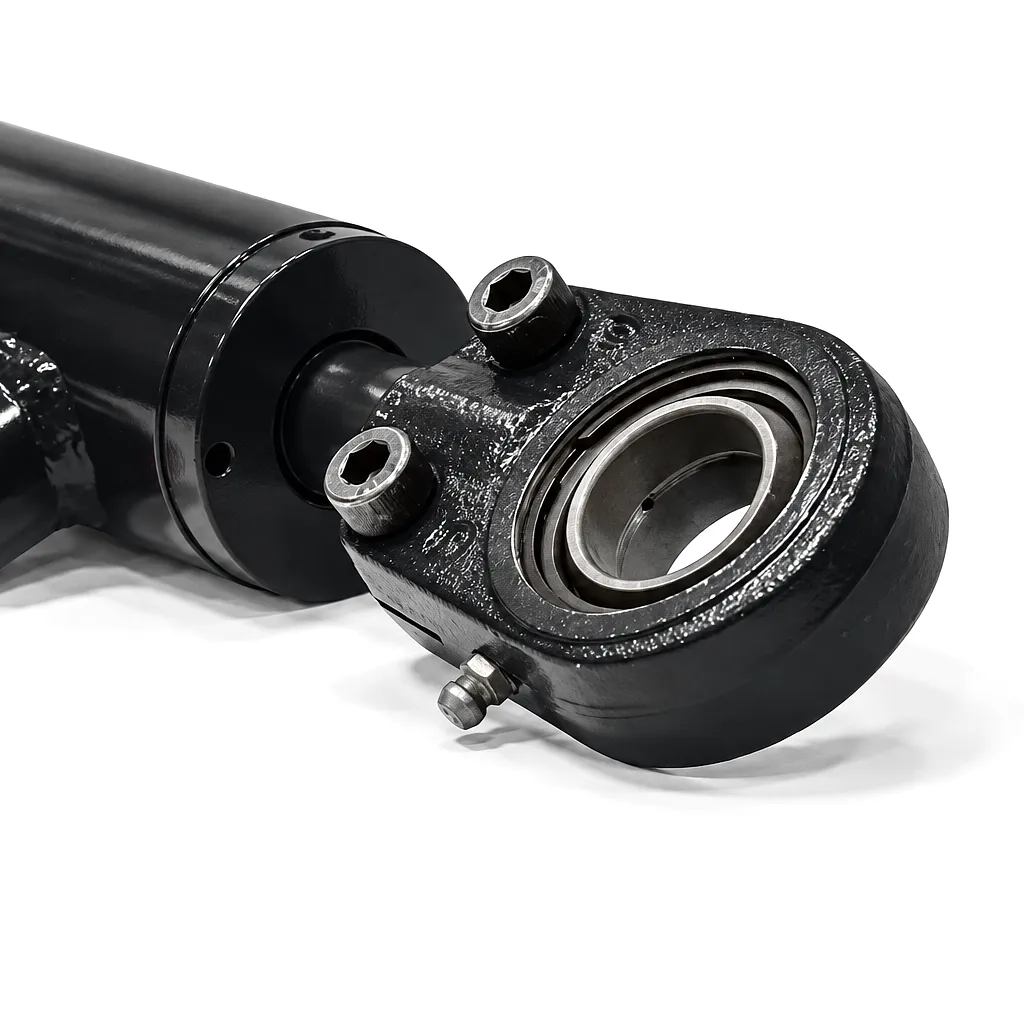 Midlandsista Pohjanmerelle ulottuvilla rakennustyömailla kaivinkoneiden puomisylinterit toimivat olosuhteissa, jotka tuhoaisivat vähemmän suunnitellun komponentin muutamassa päivässä. Puomisylinterin paineluokitus ei ole pelkkä datalehdessä oleva spesifikaatio – se on keskeinen suunnittelupäätös, joka määrittää syklin käyttöiän, tiivisteiden eheyden, putken seinämän paksuuden, tangon halkaisijan ja viime kädessä jokaisen konetta ohjaavan käyttäjän turvallisuuden. Kun hankintainsinöörit Sheffieldissä tai Birminghamissa määrittelevät hydraulisylintereitä 20–80 tonnin kaivinkoneille, heidän on vastattava ennen kaikkea kysymykseen: minkä huippukäyttöpaineen tämä sylinteri todellisuudessa kohtaa koko käyttöjaksonsa aikana?
Miten kaivinkoneen puomin sylinterit tuottavat ja hallitsevat painetta
Pascalin laki käytännössä
Puomin sylinteri muuntaa hydraulisen paineen lineaariseksi voimaksi Pascalin periaatteen mukaisesti: Voima = Paine × Efektiivinen pinta-ala. Kun 100 mm:n halkaisijan omaavaan mäntään vaikuttaa 300 baarin paine, työntövoima lähestyy 235 kN:ia. Tämä suhde tarkoittaa, että jokainen käyttöpaineen baari moninkertaistaa suoraan sylinteriputken, hitsien, päätykansien ja liitäntäkappaleiden rakenteellisen kuormituksen – siksi 280 baarin ja 350 baarin paineen välinen ero ei ole kosmeettinen. Se vaatii seinämän paksuuden, tiivistepinon geometrian ja pinnan kovuuden täydellistä uudelleensuunnittelua jokaisessa kostutetussa komponentissa.
Painepiikit ja dynaaminen kuormitus
Jatkuva nimellispaine on vain osa tarinaa. Äkillisten kuormituksen suunnanmuutosten aikana – kun puomivarsi osuu upotettuun lohkareeseen Leedsin ulkopuolella sijaitsevassa viemäröintityömaalla tai kun käyttäjä laukaisee sylinterin nopean sisäänvedon purkutyömaalla Manchesterissa – hetkelliset painepiikit voivat olla 1,3–1,5 kertaa nimelliskäyttöpaineen suuruisia millisekunneissa mitattaviksi ajaksi. 300 baarin jatkuvalle paineelle mitatun sylinterin on kestettävä nämä piikit ilman sisäistä vuotoa, tiivisteen puristumista tai väsymishalkeamien syntymistä jännityskeskittymäkohdissa. Siksi hyvämaineiset valmistajat suunnittelevat sylinterit vähintään neljä kertaa nimelliskäyttöpaineen suuruiselle murtumispaineelle.
Lämpövaikutukset nimellispaineeseen
Hydrauliöljyn viskositeetti laskee merkittävästi lämpötilan noustessa. Ison-Britannian talviolosuhteissa – joissa Humberin estuaarissa työskentelevä kaivinkone voi aloittaa työvuoron 2 °C:n lämpötilassa – kylmä öljy voi tilapäisesti nostaa piirin paineen normaalia ylipaineventtiilin asetusten yläpuolelle, kunnes järjestelmä lämpenee. Toisaalta jatkuva voimakas kaivutyö kesällä nostaa öljyn lämpötilan yli 80 °C:een, mikä ohentaa öljykalvon paksuutta laakeripinnoilla ja nopeuttaa tiivisteiden kulumista. Oikein mitoitetut puomisylinterit ottavat tämän lämpövaipan huomioon määrittämällä tiivisteyhdisteet ja tangon pinnan kovuuden, jotka pysyvät tehokkaina käyttölämpötila-alueella -20 °C - +100 °C.
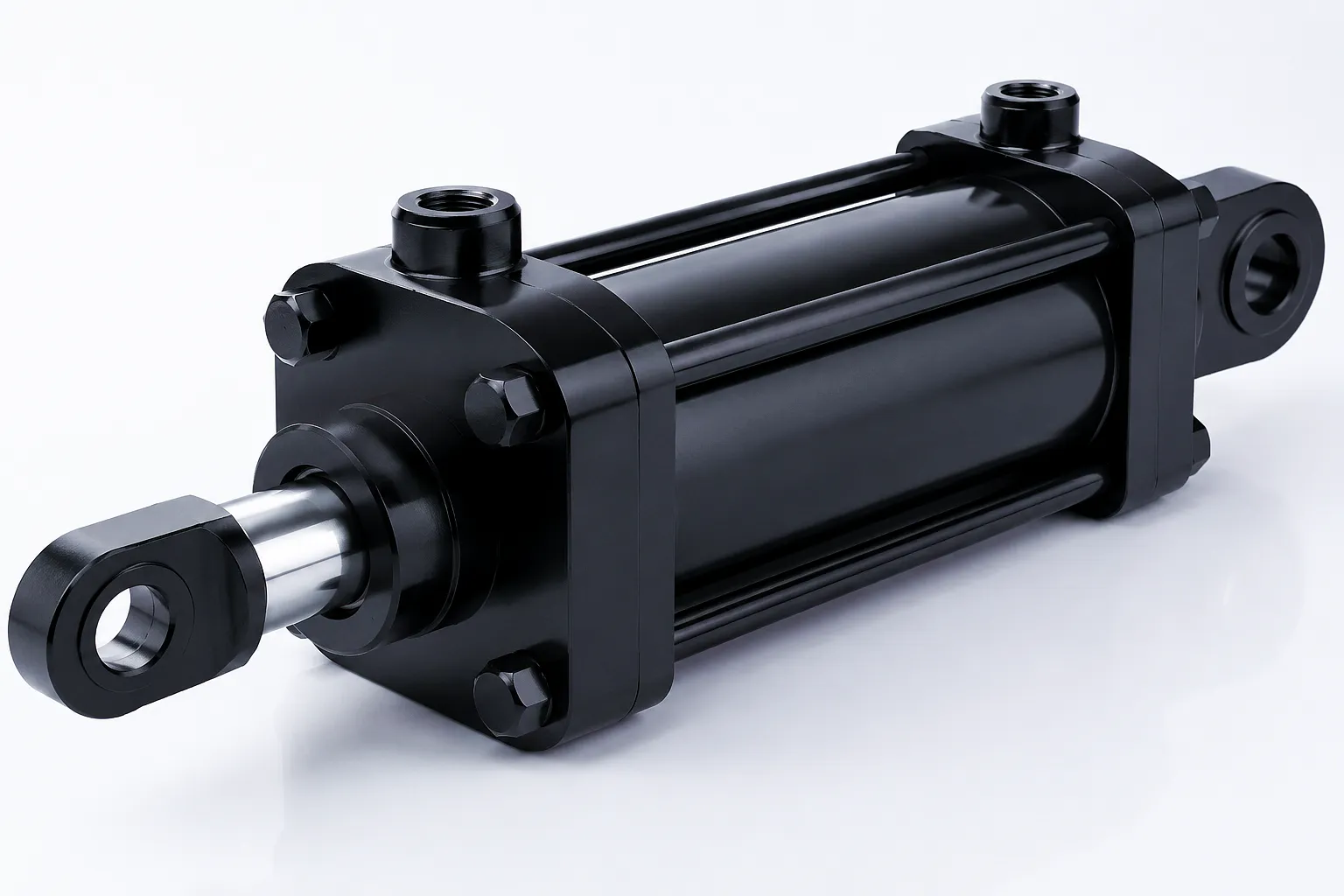
Tarkkuushiotut sylinteritangot valmiina 300 baarin järjestelmäintegraatioon — Ever Powerin tuotantolaitos
Ydinmateriaalit: Mikä tekee 350 baarin sylinteristä erilaisen?
Korkeapaineisen kaivinkoneen puomisylinterin materiaalivalinnassa ei ole kyse kalleimman teräksen valitsemisesta – kyse on kunkin komponentin metallurgisten ominaisuuksien sovittamisesta niihin erityisiin rasituksiin, joita se kohtaa käyttöiän aikana, joka voi ylittää 15 000 käyttötuntia. Tämä erottaa 350 baarin jatkuvaan käyttöön suunnitellun sylinterin edullisemmin kootusta ja myöhemmin suunnitellun raja-alueen ulkopuolella käytetystä sylinteristä.
Sylinterin tynnyri
Kylmävedetty saumaton teräsputki, tyypillisesti ST52 / E355 -laatua tai vastaavaa EN 10305-1 -spesifikaation mukaisesti. 350 baarin sovelluksissa seinämän paksuutta kasvatetaan, jotta turvallisuuskerroin halkeamisen suhteen pysyy arvossa ≥4:1. Sisäinen hoonaus saavuttaa Ra 0,4–0,6 µm:n pinnanlaadun, mikä optimoi tiivistekosketuksen ja minimoi sisäisen vuodon männän ohi.
Männänvarsi
Korkean vetolujuuden omaava seosteräs (yleensä 42CrMo4 tai 45# teräs), induktiokarkaistu pintakovuuteen 55–62 HRC. 20–30 µm:n kromipinnoituksen paksuus varmistaa ISO 4520 -standardin mukaisen korroosionkestävyyden ja tarjoaa kestävän pinnan, josta pyyhkijöiden ja männänvarsien tiivisteet ovat riippuvaisia. Ison-Britannian offshore- tai rannikkoalueilla – esimerkiksi Aberdeenin lähellä sijaitsevilla louhoksilla – lisäsinkki-nikkeli- tai keraaminen pinnoite pidentää huoltovälejä merkittävästi.
Tiivistepakkaus
300–350 baarin paineelle tiivistesarjoissa on tyypillisesti polyuretaanista valmistetut männänvarren tiivisteet, PTFE-taustaiset pronssitäytteiset pyyhkijänrenkaat ja NBR- tai FKM-O-rengastiivisteet. Tiivisteen uran geometria koneistetaan ±0,02 mm:n toleransseihin, jotta estetään pursuminen huippupainepulssien aikana. Tiivistepinojen oikea järjestys – männänvarren tiiviste, puskuritiiviste, ohjausrengas, pyyhkijän – on yhtä tärkeää kuin tiivistemateriaalin valinta nimellissyklin käyttöiän saavuttamiseksi.
Päätykappaleet ja portit
Päätykappaleet on taottu tai tarkkuusvalettu pallografiittivaluraudasta (GJS-600) tai hiiliteräksestä, ja ne koneistetaan kokonaan lämpökäsittelyn jälkeen. Liitäntöjen kierteet – BSPP- tai SAE-O-rengastiiviste – on määritelty standardien DIN 3852 tai ISO 11926 mukaisesti. 350 baarin paineessa päätykappaleen ja putken välinen liitos perustuu täysin lävistettyihin kehämäisiin hitsauksiin, jotka on varmennettu ultraäänitestauksella AWS D1.1- tai EN ISO 5817 Level B -kriteerien mukaisesti.
Esittelyssä oleva tuote
Rungon tukisylinteri
Ever Power Frame Support Cylinder on suunniteltu vaativiin rakenteellisiin tukisovelluksiin. Se tarjoaa tasaisen suorituskyvyn jatkuvissa puomipiirin paineissa jopa 320 baariin asti. Sillä on todistetusti kokemusta rakenteellista tarkkuutta vaativista rakennusinsinööriprojekteista Isossa-Britanniassa.
Tuotteen tekniset ja suorituskykyparametrit
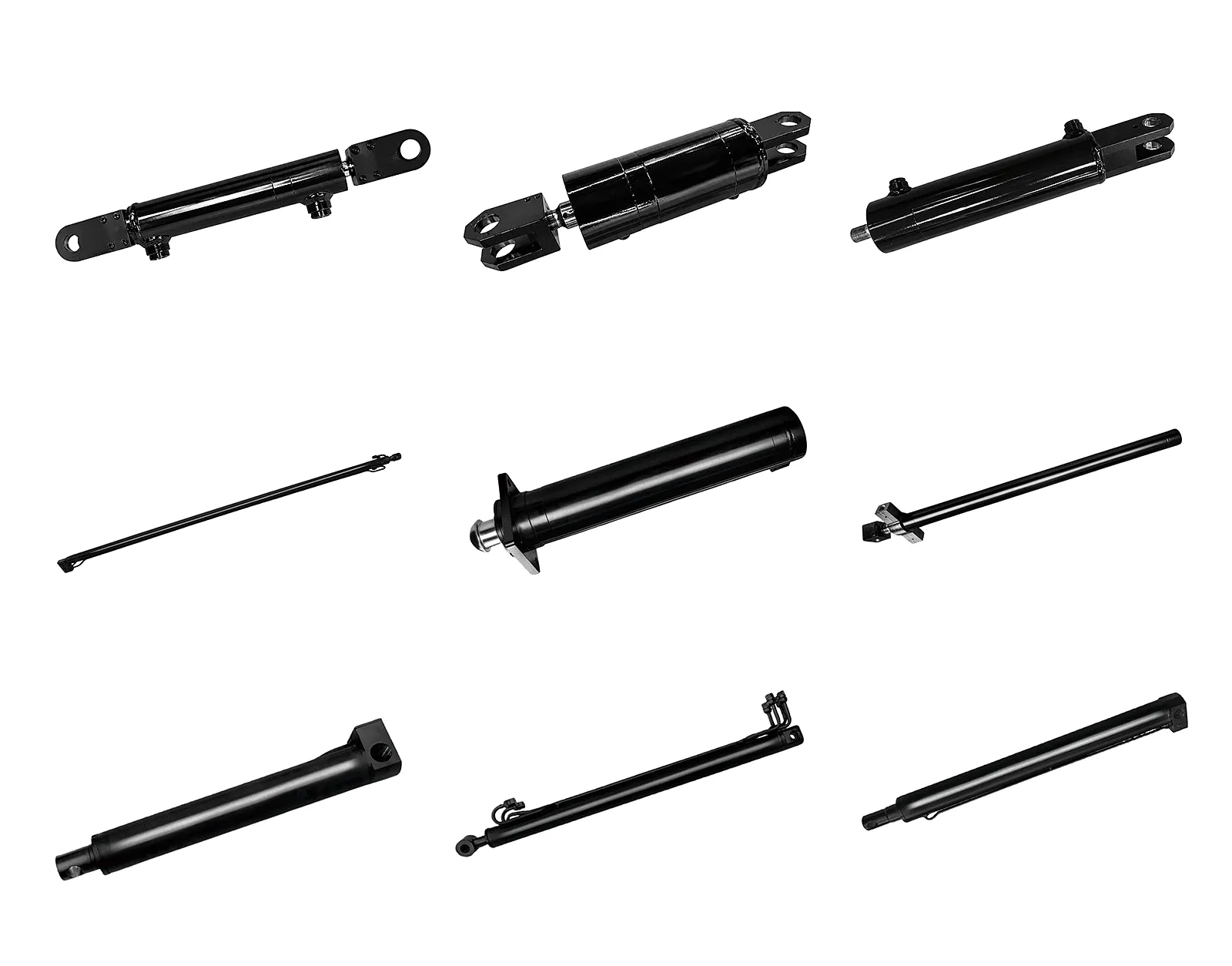
Kaivinkoneen puomin hydraulisylintereiden vakiovalikoima — 250–350 baarin luokka
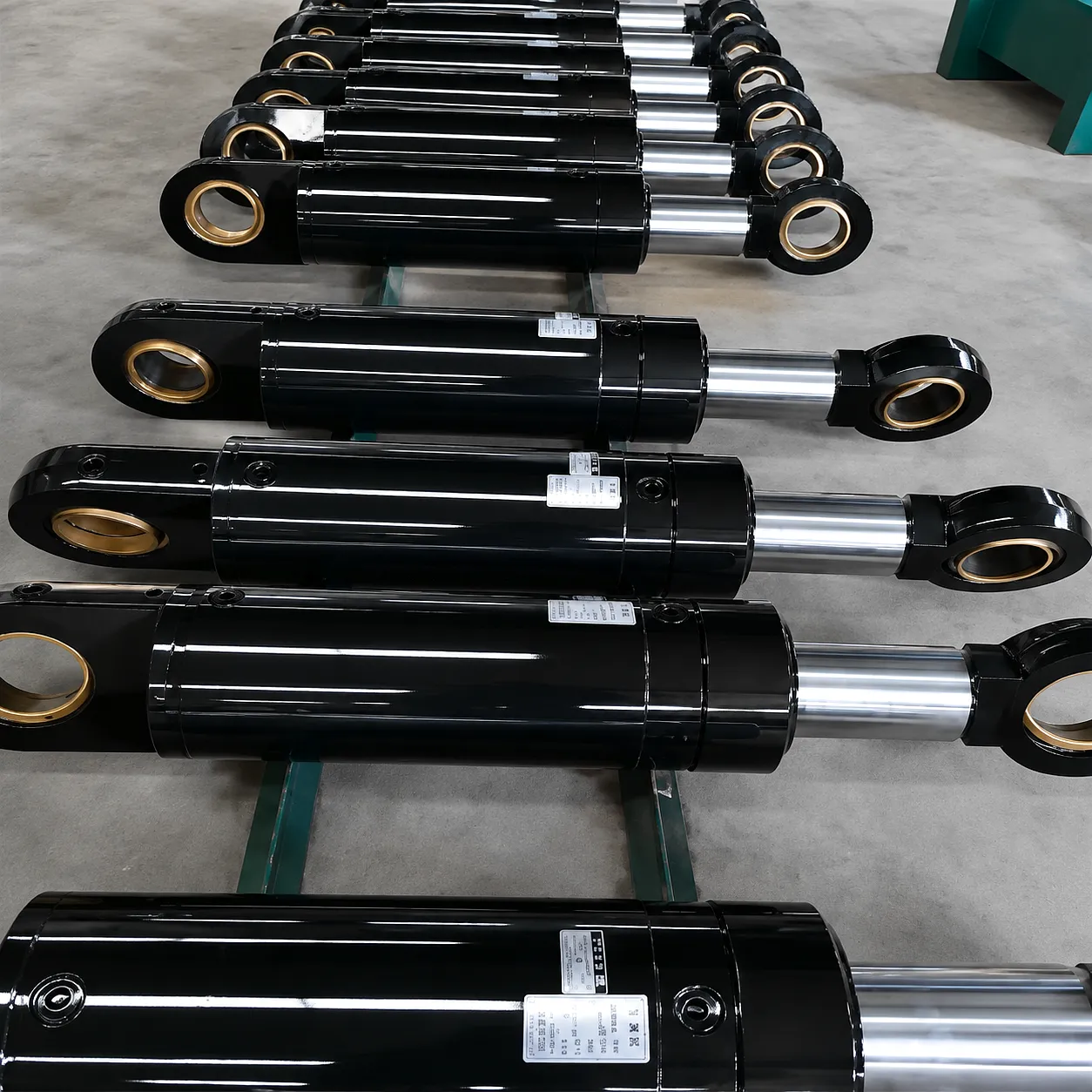
Korkeapainepuomin sylinterirakenteen keskeiset tekniset edut
Kompakti voimatiheys
320–350 baarin paineella työskentely antaa insinööreille mahdollisuuden saavuttaa sama lähtövoima pienemmällä sylinterin halkaisijalla, mikä pienentää sylinterin painoa ja vaipan kokoa. 50 tonnin koneessa tämä tarkoittaa suoraan pienempää puomin varren massaa, mikä parantaa kaivugeometriaa ja polttoainetehokkuutta. Pienempi sylinterin halkaisija tarkoittaa myös pienempää hydrauliöljyn siirtymistä iskua kohden, mikä parantaa vastenopeutta.
Pidentynyt tiivisteen käyttöikä geometrian ansiosta
Tarkkuuskoneistetut tiivisteurat, joiden toleranssit ovat alle ±0,02 mm, estävät tiivistemateriaalin puristumisen painepulssien alaisena. Yhdessä kaksoispyyhkijän tankotiivisteiden kanssa, jotka estävät saastuneen paluuöljyn pääsyn takaisin sylinteriin, tiivisteiden käyttöikä oikein määritellyssä 350 baarin yksikössä saavuttaa rutiininomaisesti 6 000–8 000 käyttötuntia Ison-Britannian purku- ja maanrakennustyösykleissä, mikä vähentää kenttäkunnossapitokustannuksia merkittävästi.
Korkea sykliväsymiskestävyys
Puomisylinterien paineentasaus muuttuu tuhansia kertoja täyden iskun aikana työvuoron aikana. Paksuseinäiset saumattomat putket ja säädettävällä säteellä työstetyt pyöristetyt osat jännityskeskittymisalueilla – vasemmanpuoleisten istukoiden yhtymäkohdissa, päätykansien hitsauksissa, tangon ohjausreikien siirtymäkohdissa – validoidaan elementtimenetelmällä, jotta voidaan varmistaa, että syklisten jännitysten huippuarvot pysyvät materiaalin kestävyysrajan alapuolella jopa 350 baarin nimelliskäytössä.
Korroosionestosuojaus Ison-Britannian olosuhteisiin
Ison-Britannian merellinen ilmasto – suolapitoinen ilma Yorkshiren rannikkoalueilla, jäätymis-sulamisjaksot Skotlannin ylämailla ja jatkuva kosteus Walesin laaksoissa – vaatii ulkoista korroosiosuojausta tavallisen maalauksen lisäksi. Epoksipohjamaalatut teräsrungot polyuretaanipintamaaleilla, sinkkipinnoitteet kiinnitystapeissa ja ruostumattomasta teräksestä valmistetut ilmausruuvit ovat vakio-ominaisuuksia sylintereissä, jotka on tarkoitettu jatkuvaan kenttäkäyttöön Isossa-Britanniassa kaikkina neljänä vuodenaikana.
Teollisuussovellusten skenaariot: Missä 250–350 baarin sylinterit toimivat Isossa-Britanniassa
Esittelyssä oleva tuote
Tukijalkatelineen tukisylinteri
Tämä sylinteri on suunniteltu tukijalkojen ja jalkojen tukitehtäviin 320 baarin jatkuvassa käytössä. Sen pyörimisenestovarren rakenne estää vääntömomentin aiheuttamat tiivistevauriot sivuttaiskuormitustilanteissa – mikä tekee siitä ensisijaisen valinnan Ison-Britannian konevuokraamoille, jotka toimivat kaltevilla ja epätasaisilla maasto-olosuhteilla.
Ever Power Manufacturing: Räätälöidyt puomisylinterit, jotka on valmistettu tarkkojen painevaatimustesi mukaisesti
Tarkkuusvalmistus · Räätälöity suunnittelu · Globaali toimitusketju
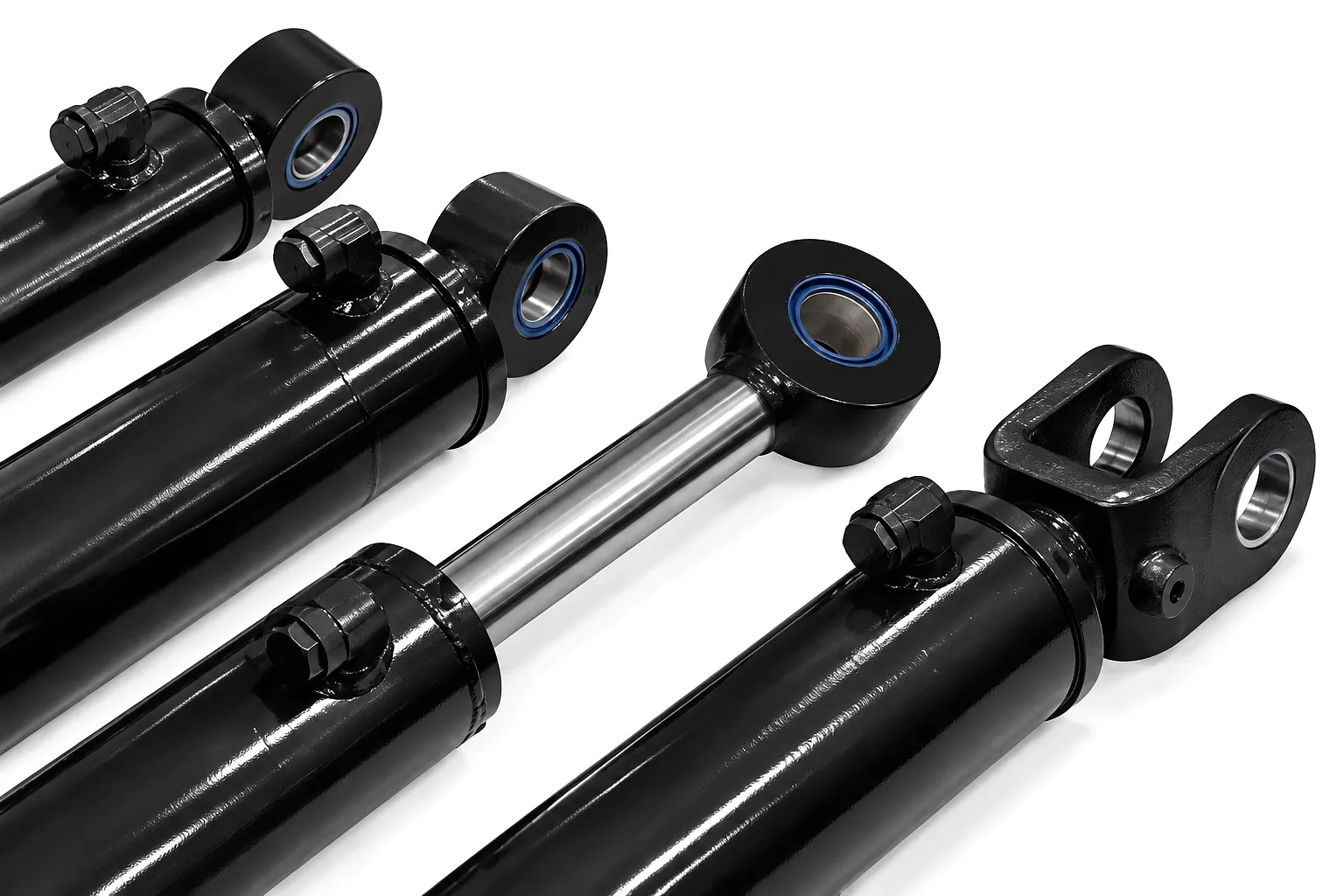
Ever Powerilla on oma hydraulisylintereiden valmistuslaitos, joka on varustettu CNC-pohjaisilla syvänreiän porauskoneilla, automatisoiduilla hoonauskeskuksilla ja lämpötilasäädellyillä kromauslinjoilla – täydellinen vertikaalinen integraatio, jota vaaditaan puomisylintereiden toimittamiseksi 250–350 baarin painealueelle ja täydellisellä materiaalin jäljitettävyydellä. Toisin kuin jakelijat, jotka pakkaavat uudelleen valmiita komponentteja, Ever Power suunnittelee jokaisen sylinterin raakaputkista ja säätää seinämän paksuuslaskelmia, tiivisteurien geometriaa ja porttivahvikkeita vastaamaan sovelluksesi paineluokkaa ja koneen painoa.
500+
Tähän päivään mennessä suunnitellut räätälöidyt sylinterivariantit
350 baaria
Suurin nimellinen jatkuva käyttöpaine
15 päivää
Normaali toimitusaika räätälöidyille tilauksille (DDP UK)
100%
Painetestattu ennen lähetystä — kaikki sylinterit
Jokainen yli 300 baarin käyttöön tarkoitettu Ever Powerin puomisylinteri käy läpi täyden hydrostaattisen painekokeen 1,5-kertaisella nimelliskäyttöpaineella ennen lähettämistä. Jokaisen toimituksen mukana toimitetaan materiaalitehdassertifikaatit, ja hitsaustarkastusraportit ovat saatavilla pyynnöstä. Iso-Britannian asiakkaille, jotka tarvitsevat CE-merkittyjä sylinterikokoonpanoja tai jotka täyttävät UKCA-merkintäkehyksen vaatimukset, Ever Powerin suunnittelutiimi voi toimittaa tukevat dokumentit. Toimitus Ever Powerin tehtaalta Ison-Britannian jakelupisteisiin Coventryssä, Glasgow'ssa ja Bristolista kestää tyypillisesti 12–18 päivää lentorahtina, ja konttilähetykset Felixstowen sataman kautta tapahtuvat 28–35 päivässä – reitti, jota logistiikkatiimimme on optimoinut useiden vuosien aikana Ison-Britannian kumppanitoimituksissa.
📧 Pyydä räätälöityä sylinteritarjousta
[email protected] · Vastaus 4 arkitunnin kuluessa
Asiakkaan menestys: Sheffieldin raskas purkutyöt, Etelä-Yorkshire
Teollisuus
Kaupunkien purku ja tontin raivaus
Sijainti
Sheffield, Etelä-Yorkshire, Yhdistynyt kuningaskunta
Koneluokka
45 tonnin kaivinkonekalusto (×4 konetta)
Sylinterin luokitus
320 baarin jatkuva / 400 baarin piikkitoleranssi
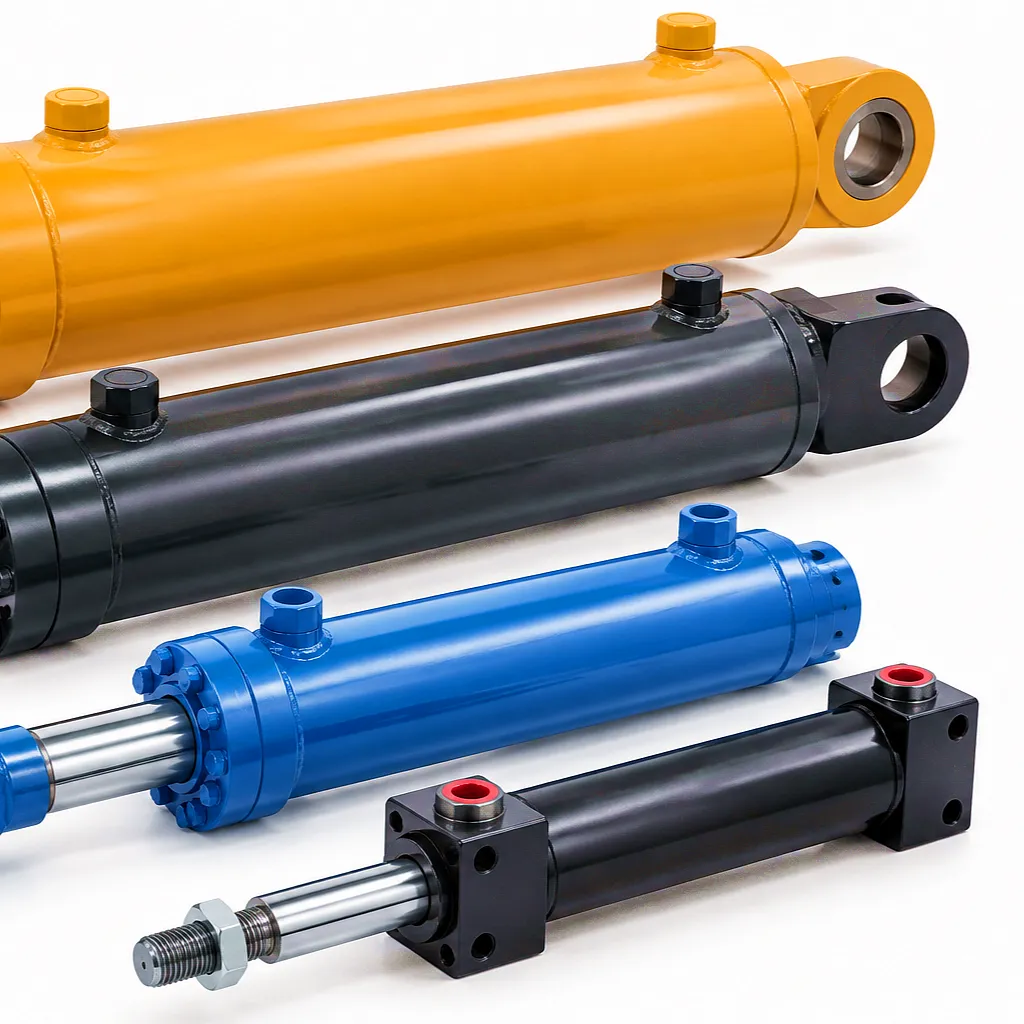 Sheffieldin Lower Don Valleyssa sijaitseva Thornfield Plant Services Ltd operoi neljän 45 tonnin kaivinkoneen kalustoa, jotka purkavat entisiä teollisuusrakennuksia Etelä-Yorkshiren terästeollisuuden jälkeisellä uudistuskäytävällä. Niiden koneissa on hydrauliset vasarat, jauhatuslaitteet ja lajittelukourat – lisälaitteet, jotka nostavat painepiikkejä yli 380 baariin jokaisella lisälaitepiirin työiskulla, ja puomipiiri vaimentaa jokaisen iskutapahtuman aiheuttaman dynaamisen vastapaineen.
Thornfieldin kunnossapidon esimies havaitsi, että heidän aiemmat alkuperäisvalmistajilta hankitut puomisylinterien vaihto-osat pettivät männänvarren tiivisteen kohdalla 1 100–1 400 käyttötunnin kuluessa – luku, joka on huomattavasti alle alkuperäisen takuudokumentaation lupaaman 4 000 tunnin välin. Suoritettuaan yksityiskohtaisen paineenmittauksen kahdessa koneessa tiimi vahvisti, että todelliset huippupaineet ylittivät säännöllisesti 360 baaria, mikä on selvästi yli alun perin asennettujen sylinterien 300 baarin nimellispaineen.
Thornfield määritteli yhdessä Ever Powerin teknisen tiimin kanssa vaihtopuomisylinterin, jonka jatkuva nimellispaine on 320 baaria ja dokumentoitu piikkitoleranssi 420 baaria. Ever Powerin suunnittelutiimi suunnitteli tiivisteuran geometrian uudelleen FKM-pyyhkijän ja puskuritiivisteen yhteensopivuuden varmistamiseksi, kasvatti tangon halkaisijaa 100 mm:stä 110 mm:iin pylvään kuormitusjännitysten vähentämiseksi ja lisäsi kaksoistanko-pyyhkijäjärjestelyn estääkseen purkutyöpölyn pääsyn tiivistepinoon. Ensimmäiset neljä yksikköä toimitettiin DDP Sheffieldiin 18 päivän kuluessa tilauksesta. Seuraavien 3 200 käyttötunnin aikana 14 kuukauden aikana yksikään neljästä sylinteristä ei vaatinut suunnittelematonta tiivisteen vaihtoa – mikä tarkoittaa yli 22 000 punnan ylläpitokustannussäästöjä koko kalustolle verrattuna edelliseen 12 kuukauden ajanjaksoon.
Mitä Iso-Britannian asiakkaamme sanovat
★★★★★★
”Vaihdoimme purkukoneidemme puomisylinterien tiivisteet 1 200 käyttötunnin välein ja hyväksyimme sen normaalina kulumisena. Ever Power suunnitteli tiivistepaketin uudelleen todellista käyttöpainettamme varten – 18 kuukautta myöhemmin samat sylinterit toimivat edelleen ilman yhtäkään suunnittelematonta purkua. Hintaero maksoi takaisin alle neljässä kuukaudessa.”
— Tehtaan kunnossapitopäällikkö, Sheffield
Kaupunkien purkuurakoitsija, Etelä-Yorkshire
★★★★★★
”Louhoksemme pyörii 24/7 kovalla doleriittiseinämällä – painepiikit puomipiiriemme läpi ovat rajuja. Ever Power toimitti täydelliset materiaalisertifikaatit, UT-hitsausraportit ja painekoepöytäkirjan jokaisesta sylinteristä. Kahdentoista kuukauden aikana viidessä koneessamme ei ole ollut yhtään hydraulisylinterin vikaa. Tämän tasoista dokumentaatiota tarvitsemme ISO 45001 -standardin mukaisia auditointejamme varten.”
— Laitejohtaja, Peak District Quarrying Co.
Kovakivilouhos, Derbyshire
★★★★★★
”Määrittelimme mittatilaustyönä tehdyt puomisylinterit, joissa on epästandardit sataman asennot meriruoppauslisälaitetta varten – useimmat toimittajat kertoivat meille, että mallin toimitusaika olisi 12 viikkoa. Ever Powerin suunnittelutiimi laati yksityiskohtaisen piirustuksen hyväksyttäväksi 48 tunnin kuluessa ja toimitti tuotantoyksiköt 16 päivässä telakallemme Southamptonin telakalle. Heidän suosittelemansa FKM-tiiviste on kestänyt täydellisesti suolavesisuihkun.”
— Tekninen hankintapäällikkö, laivahuolto
Meren kaivuurakoitsija, Southampton
Usein kysytyt kysymykset
Yleisiä kysymyksiä brittiläisiltä tehdasinsinööreiltä ja hankintatiimeiltä kaivinkoneen puomin sylinterien painearvoista
Ever Power · Hydraulisylinterien valmistus
Oletko valmis määrittämään 250–350 baarin puomisylinterisi?
Keskustele Ever Powerin suunnittelutiimin kanssa. Räätälöidyt sylinterin halkaisijan, iskun, tiivisteen ja paineen tiedot — täydellinen materiaalin jäljitettävyys ja DDP-toimitus Isoon-Britanniaan.
gzl:n muokkaama
 Finnish
  English
  Italian
  Portuguese
  Dutch
Dutch  Swedish
  Danish
  Polish
  Hindi
Hindi  Kazakh
  Turkish
  Ukrainian
  Romanian
  Spanish
  German
  Russian
  Korean
  Japanese
  Vietnamese
  Thai
Thai  Indonesian
  Malay
Malay  French
  Greek
Greek