
Description du produit
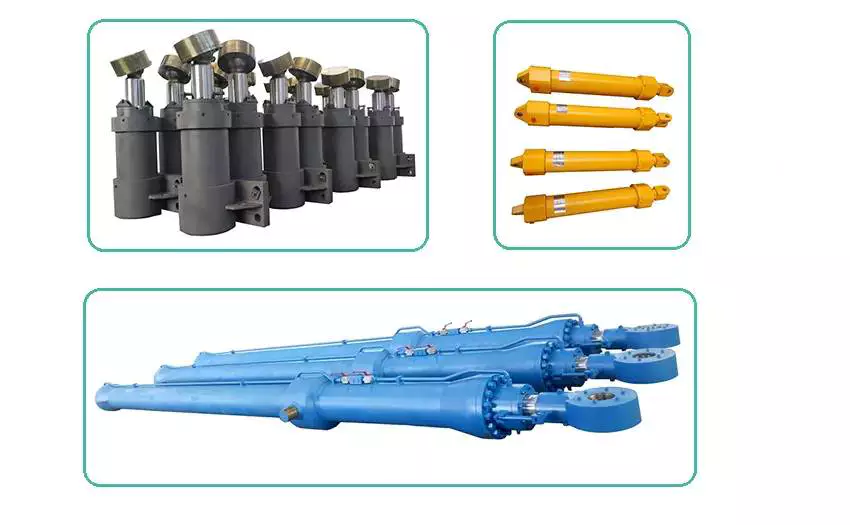
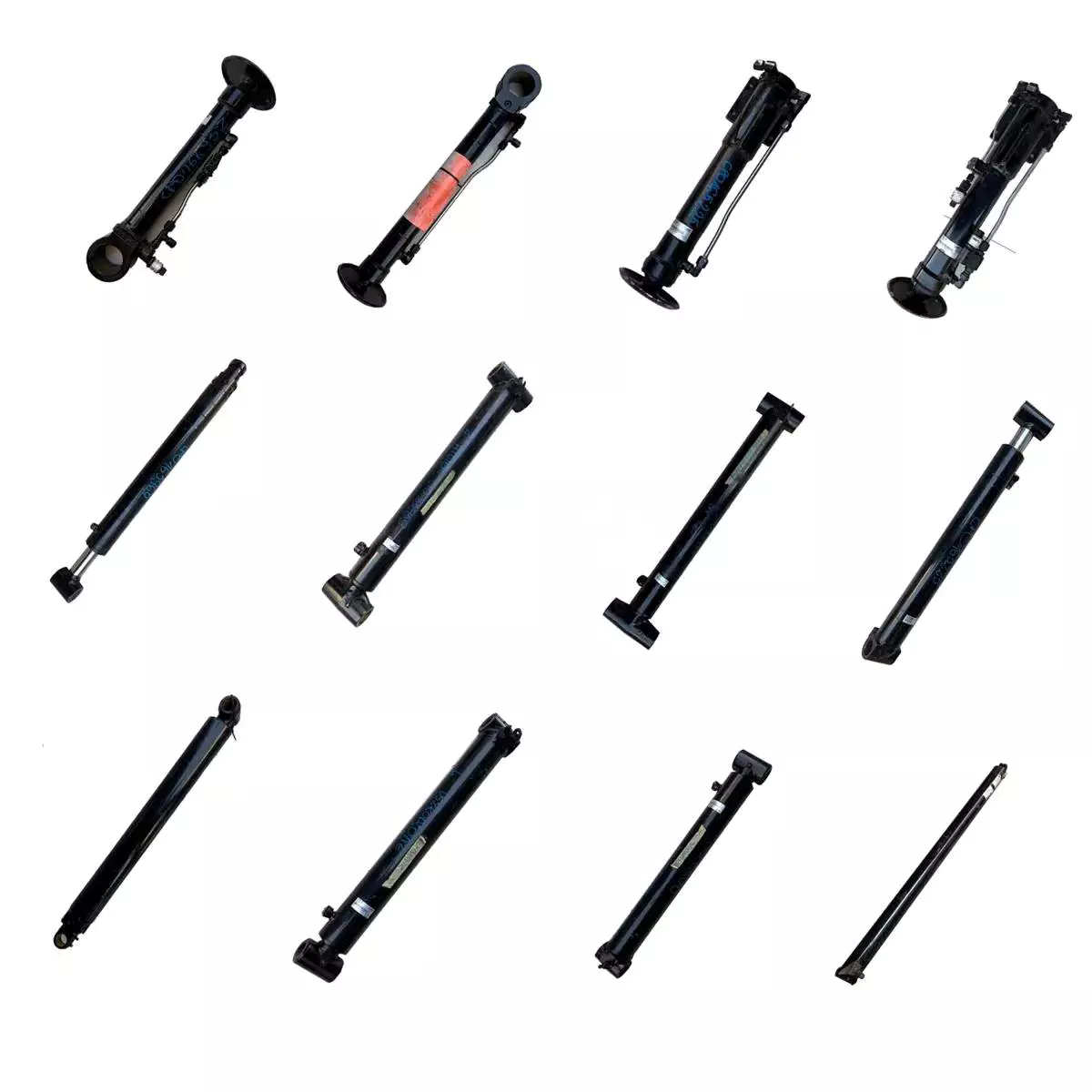
Reciprocating hydraulic cylinder double acting car lift hydraulic cylinder
Product Description:
Reciprocating hydraulic cylinder double acting car lift hydraulic cylinder as it works frequently with large shock and vibration, so the requirements of reliability is high. Limit working condition bear large lateral load, so it has higher requirements for hardness and wear resistance.
Product Features:
(1) Single cylinder latch interlock technology ensure reliability and security;
(2) New type counterweighing hooking technology ensure the stability performance;
(3) Large span guidance technology and oil & gas mixture suspension technology ensure the system stable and reliable.
Présentation du produit :
Specifications:
| Article | Caractéristiques |
| Product Name | Reciprocating hydraulic cylinder double acting car lift hydraulic cylinder |
| Certificate: | CE, ISO9001 |
| Production Capacity: | 5000pcs/Month |
| Sample Time | 7-10 days |
| Brand | GLIT or customer’s logo |
| Service | OEM et ODM |
| Piston Rod | Chrome or nickel plated,ground & polished piston rod |
| Type de joint | Parker,NOK, BUSAK SHAMBAN or as customer’s requirement |
| Tube | Tube étiré à froid à haute résistance, rodé avec précision pour une durée de vie prolongée du joint |
| Delivery Time | Based on order quantity. normally 15-30 days. |
| Avantage de prix | Prix d'usine compétitif avec qualité garantie |
| Type d'entreprise | Manufacturer & Exporter |
Notre usine :
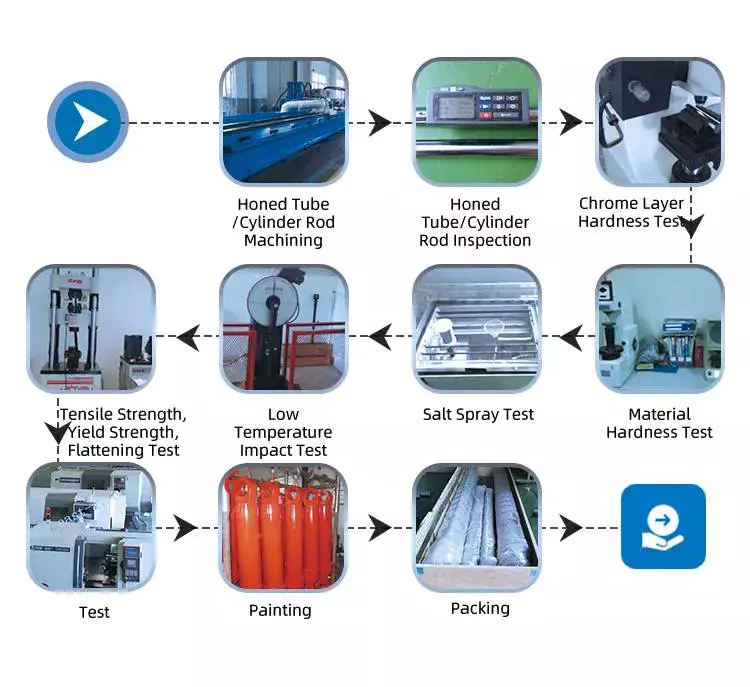
Processus d'inspection :
| Type d'inspection | Norme d'inspection |
| Inspection des matières premières | Avant le stockage, le service de contrôle qualité effectue les mesures des matières premières. |
| Inspection des matériaux de traitement | Durant la production, les contrôleurs qualité effectuent une inspection aléatoire. Avant que les pièces du vérin hydraulique ne soient transférées à l'étape suivante, le service de contrôle qualité effectue une inspection. |
| Tests fonctionnels finaux | Tous les vérins hydrauliques sont soumis à un test de fonctionnement hydraulique. |
Emballage et livraison :
Applications :
Application: Mobile Cranes, Trailer, excavator, log splitter, hydraulic press, garbage compactor,
lift platform, dock leveler
À propos de nous:
HangZhou GLORIA INDUSTRIAL TECH CO.,LTD. is a leading Chinese company specializing in the manufacture of Hydraulic and pneumatic components.
High quality of the raw materials, the precision of the parts, the hard tests during and at the end of production are a warranty of reliability and features. Our real strength is to develop customized products to solve any requirement of utilization. The production runs conforming to the rigorous ISO 9001/2000 requirements .The product range consists of solenoid valves, process valves,Air source treatment units etc ,which are found in a variety of industrial applications such as machinery, metallurgy, food, textile and waste treatment.
Si possible, lors de votre prise de contact, veuillez fournir les informations ci-dessous.
Alésage | Tige | Accident vasculaire cérébral | Pression de travail | Montage | environnement de travail |
|
|
|
|
|
|
Vous pouvez également nous fournir un croquis, un schéma ou des photos afin que nous comprenions exactement ce que vous voulez dire et que nous puissions éviter les erreurs.
Et si vous avez des échantillons, nous pouvons fabriquer des produits selon vos échantillons après leur envoi.
Bienvenue dans notre usine si vous avez un moment.
Votre satisfaction est notre plus grande motivation.
Vous pouvez désormais nous contacter pour toute question ou demande de renseignements.
FAQ :
1. Que fait votre entreprise ?
A: Nous sommes un fournisseur de produits hydrauliques de haute qualité, notamment des vérins hydrauliques, des moteurs hydrauliques, des centrales hydrauliques, des stations hydrauliques et d'autres composants hydrauliques.
2. Êtes-vous un fabricant ou une société commerciale ?
A: Nous sommes un fabricant.
3. Quel certificat possédez-vous ?
A: Toutes nos usines sont certifiées ISO. Et nos principaux fournisseurs de matériaux et de pièces sont certifiés CE, RoHS, CSA et UL.
4. Quel est votre délai de livraison ?
A: The delivery time depends on different products and quantity. The cylinder usually need about 45-60 days and the Motor need about 20-30 days.
5. Pouvez-vous fabriquer des pièces selon les exigences ou les dessins du client ?
R : Oui, nous pouvons fabriquer des produits OEM selon vos plans. Notre ingénieur peut également vous apporter un soutien technique professionnel.
6. Quels types de modalités de paiement acceptez-vous ?
A: We prefer T/T through bank. 40% when order is confirmed and 60% before shipment. L/C is also acceptable for amount over 20,000USD.
9, What is your warranty policy?
A: Tous nos produits sont garantis un an à compter de la date de livraison contre tout défaut de matériaux et de fabrication. Cette garantie ne couvre pas les pièces usées par une utilisation normale ni les dommages causés par négligence. Nous vous rappelons qu'une huile hydraulique sale endommagera vos composants hydrauliques. Ces dommages ne sont pas couverts par la garantie. Nous vous recommandons donc vivement d'utiliser une huile propre et neuve ou de vous assurer de la propreté de l'huile du système lors de l'utilisation de nos pièces.
| Certification: | GS, CE, ISO9001 |
|---|---|
| Pressure: | Medium Pressure |
| Work Temperature: | 10-35MPa |
| Acting Way: | Double Acting |
| Working Method: | Straight Trip |
| Adjusted Form: | Regulated Type |
| Customization: | Available |
|
|---|
How do hydraulic cylinders handle variations in temperature and harsh operating environments?
Hydraulic cylinders are designed to handle variations in temperature and harsh operating environments by incorporating specific features and materials that ensure their durability, reliability, and performance. The ability of hydraulic cylinders to withstand extreme temperatures, corrosive environments, and other harsh conditions is crucial for their successful operation in a wide range of applications. Here’s a detailed explanation of how hydraulic cylinders handle variations in temperature and harsh operating environments:
1. Temperature Range:
– Hydraulic cylinders are designed to operate within a specified temperature range. The materials used in their construction, such as cylinder barrels, pistons, seals, and lubricants, are selected to withstand the anticipated temperature variations. Specialized seals and O-rings made from materials like nitrile, Viton, or polyurethane are used to maintain their sealing properties over a wide temperature range. Heat-resistant coatings or thermal insulation may be applied to certain components to protect them from high temperatures.
2. Thermal Expansion:
– Hydraulic cylinders are designed to accommodate thermal expansion and contraction that occurs with temperature changes. The materials used in their construction have different coefficients of thermal expansion, allowing the cylinder components to expand or contract at a similar rate. This design consideration prevents excessive stress, binding, or leakage that could result from thermal expansion or contraction.
3. Heat Dissipation:
– In applications where hydraulic cylinders are subjected to high temperatures, heat dissipation mechanisms are employed to prevent overheating. Cooling fins or heat sinks may be incorporated into the cylinder design to increase the surface area for heat transfer. In some cases, external cooling methods such as air or liquid cooling systems can be used to maintain optimal operating temperatures.
4. Corrosion Resistance:
– Hydraulic cylinders used in harsh operating environments are constructed from materials that exhibit excellent corrosion resistance. Stainless steel, chrome-plated steel, or other corrosion-resistant alloys are commonly used for cylinder components exposed to corrosive substances or environments. Additionally, surface treatments such as coatings, plating, or specialized paints can provide an extra layer of protection against corrosion.
5. Sealing Systems:
– Hydraulic cylinders employ sealing systems that are specifically designed to withstand harsh operating environments. The seals used in hydraulic cylinders are selected based on their resistance to temperature extremes, chemicals, abrasion, and other environmental factors. Specialized seal designs, such as wiper seals, rod seals, or high-temperature seals, are utilized to maintain effective sealing and prevent contamination of the hydraulic fluid.
6. Lubrication:
– Proper lubrication is essential for the smooth operation and longevity of hydraulic cylinders, particularly in harsh operating environments. Lubricants are selected based on their ability to withstand high temperatures, resist oxidation, and provide effective lubrication under extreme conditions. Regular maintenance and lubrication practices ensure that the cylinder components continue to operate smoothly and reduce the effects of wear and friction.
7. Robust Construction:
– Hydraulic cylinders designed for harsh operating environments are built with robust construction techniques to withstand the rigors of such conditions. The cylinder barrels, rods, and other components are manufactured to meet strict quality and durability standards. Welded or bolted construction methods are employed to ensure the structural integrity of the cylinders. Reinforcements, such as flanges or tie rods, may be added to enhance the cylinder’s strength and resistance to external forces.
8. Environmental Protection:
– Hydraulic cylinders can be equipped with additional protective features to shield them from harsh operating environments. Protective covers, boots, or bellows can be used to prevent contaminants, debris, or moisture from entering the cylinder and compromising its performance. These protective measures help extend the service life of hydraulic cylinders in demanding conditions.
9. Compliance with Standards:
– Hydraulic cylinders manufactured for specific industries or applications often comply with industry standards or regulations related to operating temperature ranges, environmental conditions, or safety requirements. Compliance with these standards ensures that hydraulic cylinders are designed and tested to meet the specific demands of their intended operating environments.
In summary, hydraulic cylinders are designed to handle variations in temperature and harsh operating environments by incorporating suitable materials, thermal expansion considerations, heat dissipation mechanisms, corrosion-resistant components, specialized sealing systems, proper lubrication, robust construction techniques, protective features, and compliance with industry standards. These design considerations and features enable hydraulic cylinders to operate reliably and effectively in a wide range of demanding applications and environmental conditions.
Contribution of Hydraulic Cylinders to the Efficiency of Agricultural Tasks like Plowing
Hydraulic cylinders play a significant role in enhancing the efficiency of agricultural tasks, including plowing. By providing power, control, and versatility, hydraulic cylinders enable agricultural machinery to perform tasks more effectively and with greater precision. Let’s explore how hydraulic cylinders contribute to the efficiency of plowing and other agricultural tasks:
- Powerful Force Generation: Hydraulic cylinders are capable of generating high forces, making them ideal for tasks that require substantial power, such as plowing. The hydraulic system provides pressurized fluid to the cylinders, which convert this hydraulic energy into mechanical force. This force is then utilized to drive plow blades through the soil, overcoming resistance and facilitating efficient soil penetration.
- Adjustable Working Depth: Hydraulic cylinders allow for easy and precise adjustment of plow working depth. By controlling the extension or retraction of the hydraulic cylinder, the depth of the plow blades can be adjusted according to soil conditions, crop requirements, or the farmer’s preferences. This adjustability enhances efficiency by ensuring optimal soil tillage and minimizing unnecessary energy expenditure.
- Responsive Control: Hydraulic systems offer highly responsive control, enabling farmers to make quick adjustments during plowing operations. Hydraulic cylinders respond rapidly to changes in hydraulic pressure and valve settings, allowing for immediate modifications in the plow’s position, depth, or angle. This responsiveness enhances efficiency by facilitating on-the-go adjustments based on soil variations, obstacles, or changing field conditions.
- Implement Versatility: Hydraulic cylinders enable the attachment of various implements to agricultural machinery, expanding their functionality and versatility. In the case of plowing, hydraulic cylinders allow for the attachment and detachment of plow blades or other tillage implements. This versatility enables farmers to adapt their equipment to different soil types, field sizes, or specific plowing requirements, enhancing efficiency by maximizing the utility of the machinery.
- Efficient Time Management: Hydraulic cylinders contribute to time efficiency in agricultural tasks like plowing. With hydraulic systems, farmers can operate plows at higher speeds while maintaining control and precision. The responsive nature of hydraulic cylinders allows for efficient turning, maneuvering, and repositioning of plows, minimizing downtime and optimizing field coverage. This time efficiency translates into increased productivity and reduced overall operational costs.
In summary, hydraulic cylinders significantly contribute to the efficiency of agricultural tasks like plowing. Through powerful force generation, adjustable working depth, responsive control, implement versatility, and efficient time management, hydraulic systems equipped with cylinders enhance the performance and productivity of agricultural machinery. These contributions allow farmers to accomplish plowing tasks more effectively, optimize field operations, and achieve improved overall efficiency in their agricultural practices.
How do hydraulic cylinders handle variations in load, pressure, and speed?
Hydraulic cylinders are designed to handle variations in load, pressure, and speed effectively. They incorporate features and components that allow them to adapt to changing operating conditions and maintain optimal performance. Here’s a detailed explanation of how hydraulic cylinders handle variations in load, pressure, and speed:
Variations in Load:
– Hydraulic cylinders are capable of handling variations in load by adjusting the force they exert. The force output of a hydraulic cylinder is determined by the hydraulic pressure and the surface area of the piston. When the load increases, the pressure in the hydraulic system can be adjusted to generate a higher force. This adjustment can be achieved by regulating the flow of hydraulic fluid into the cylinder using control valves. By controlling the pressure and flow, hydraulic cylinders can adapt to different load requirements, ensuring that the force applied is sufficient to handle the load while preventing excessive force that could cause damage.
Variations in Pressure:
– Hydraulic cylinders are designed to handle variations in pressure within the hydraulic system. They are equipped with seals and other components that can withstand high-pressure conditions. When the pressure within the hydraulic system fluctuates, the hydraulic cylinder adjusts accordingly to maintain its performance. The seals prevent fluid leakage and ensure that the hydraulic pressure is effectively transmitted to the piston, allowing the cylinder to generate the required force. Additionally, hydraulic systems often incorporate pressure relief valves and other safety mechanisms to protect the cylinder and the entire system from overpressure conditions.
Variations in Speed:
– Hydraulic cylinders can handle variations in speed through the control of hydraulic fluid flow. The speed of a hydraulic cylinder’s extension or retraction is determined by the rate at which hydraulic fluid enters or exits the cylinder. By adjusting the flow rate using flow control valves, the speed of the cylinder’s movement can be regulated. This allows for precise control over the speed, enabling operators to adapt to varying speed requirements based on the specific task or load. Furthermore, hydraulic systems can incorporate flow control valves with adjustable orifice sizes to fine-tune the speed of the cylinder’s movement.
Load-Sensing Technology:
– Advanced hydraulic systems may incorporate load-sensing technology to further enhance the ability of hydraulic cylinders to handle variations in load, pressure, and speed. Load-sensing systems monitor the load demand and adjust the hydraulic pressure and flow accordingly to meet that demand. This technology ensures that the hydraulic cylinder provides the necessary force while optimizing energy efficiency. Load-sensing systems are particularly beneficial in applications where the load requirements can vary significantly, allowing hydraulic cylinders to adapt in real-time and maintain precise control over force and speed.
Accumulators:
– Hydraulic systems can also utilize accumulators to assist in handling variations in load, pressure, and speed. Accumulators store hydraulic fluid under pressure, which can be released when needed to supplement the flow and pressure in the system. When there are sudden increases in load or pressure demands, accumulators can provide additional fluid to the hydraulic cylinder, ensuring smooth operation and preventing pressure drops. Similarly, accumulators can assist in maintaining consistent speed by compensating for fluctuations in flow rate. They act as a supplemental energy source, helping hydraulic cylinders respond effectively to variations in operating conditions.
In summary, hydraulic cylinders handle variations in load, pressure, and speed through various mechanisms and components. They can adjust the force output to accommodate different load requirements by regulating hydraulic pressure. The seals and components within hydraulic cylinders allow them to withstand variations in pressure within the hydraulic system. By controlling the flow of hydraulic fluid, hydraulic cylinders can regulate the speed of their movement. Advanced technologies such as load-sensing systems and the use of accumulators further enhance the adaptability of hydraulic cylinders to changing operating conditions. These features and mechanisms enable hydraulic cylinders to maintain optimal performance and provide reliable force and motion control in a wide range of applications.


editor by CX 2023-10-22
 French
  English
  Italian
  Portuguese
  Dutch
Dutch  Swedish
  Danish
  Finnish
  Polish
  Hindi
Hindi  Kazakh
  Turkish
  Ukrainian
  Romanian
  Spanish
  German
  Russian
  Korean
  Japanese
  Vietnamese
  Thai
Thai  Indonesian
  Malay
Malay  Greek
Greek