
Mô tả sản phẩm
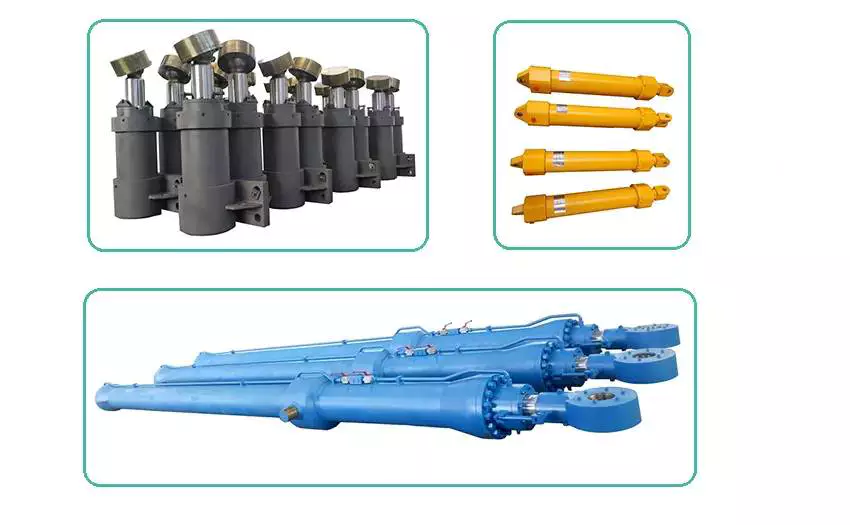
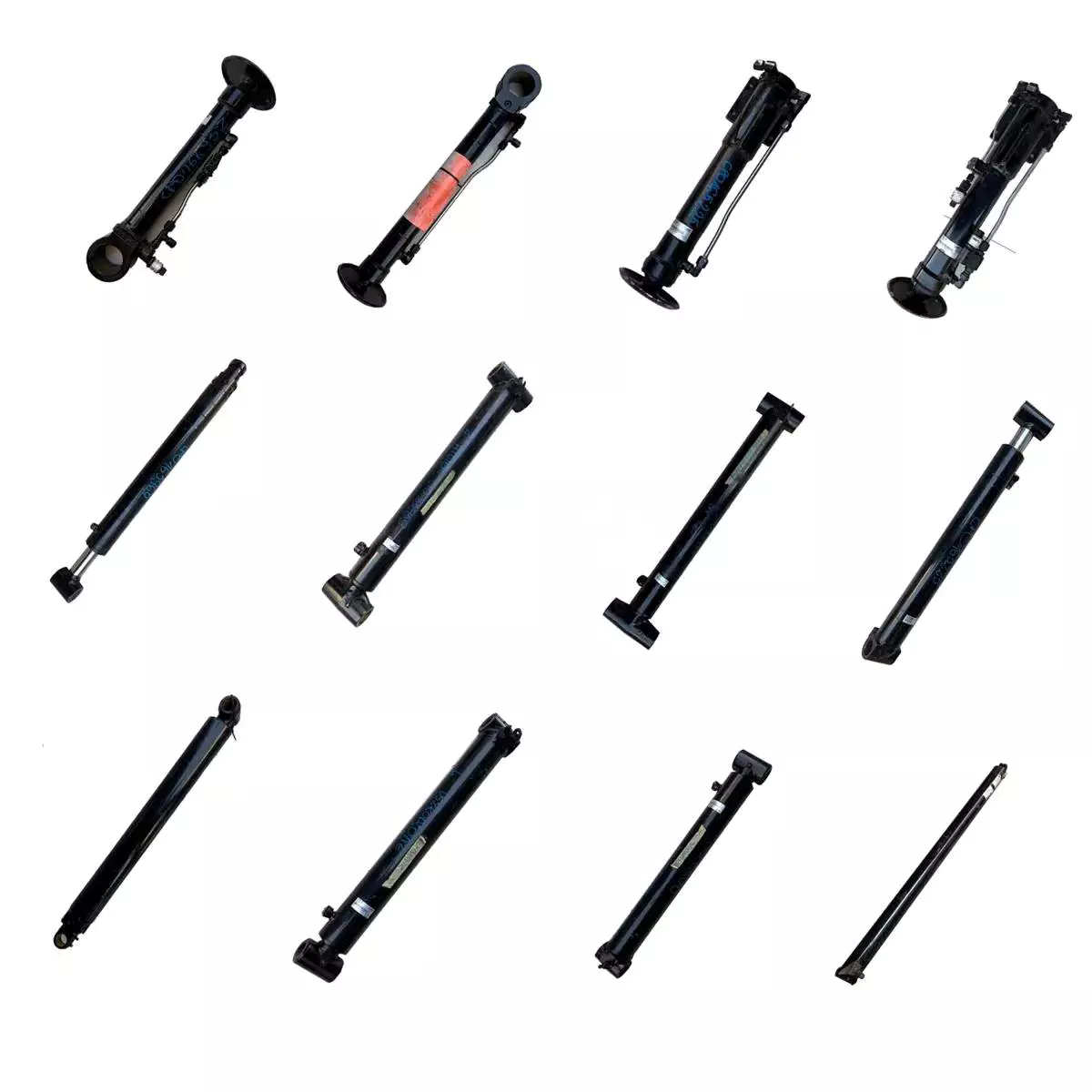
Reciprocating hydraulic cylinder double acting car lift hydraulic cylinder
Product Description:
Reciprocating hydraulic cylinder double acting car lift hydraulic cylinder as it works frequently with large shock and vibration, so the requirements of reliability is high. Limit working condition bear large lateral load, so it has higher requirements for hardness and wear resistance.
Product Features:
(1) Single cylinder latch interlock technology ensure reliability and security;
(2) New type counterweighing hooking technology ensure the stability performance;
(3) Large span guidance technology and oil & gas mixture suspension technology ensure the system stable and reliable.
Trưng bày sản phẩm:
Specifications:
| Mục | Thông số kỹ thuật |
| Product Name | Reciprocating hydraulic cylinder double acting car lift hydraulic cylinder |
| Certificate: | CE, ISO9001 |
| Production Capacity: | 5000pcs/Month |
| Sample Time | 7-10 days |
| Brand | GLIT or customer’s logo |
| Dịch vụ | OEM & ODM |
| Piston Rod | Chrome or nickel plated,ground & polished piston rod |
| Loại niêm phong | Parker,NOK, BUSAK SHAMBAN or as customer’s requirement |
| Tube | Ống kéo nguội có độ bền kéo cao, được mài chính xác để kéo dài tuổi thọ của gioăng. |
| Delivery Time | Based on order quantity. normally 15-30 days. |
| Lợi thế về giá | Giá xuất xưởng cạnh tranh với chất lượng đảm bảo. |
| Loại hình doanh nghiệp | Manufacturer & Exporter |
Nhà máy của chúng tôi:
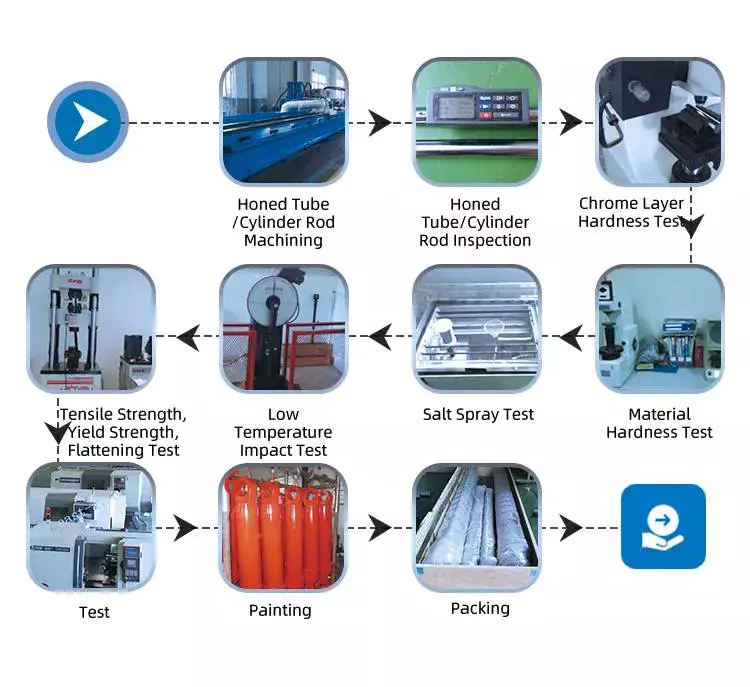
Quy trình kiểm tra:
| Loại kiểm tra | Tiêu chuẩn kiểm tra |
| Kiểm tra nguyên liệu thô | Trước khi lưu trữ, bộ phận kiểm soát chất lượng (QC) tiến hành đo đạc nguyên liệu thô. |
| Kiểm tra vật liệu quy trình | Trong quá trình sản xuất, bộ phận kiểm soát chất lượng tiến hành kiểm tra ngẫu nhiên. Trước khi các bộ phận xi lanh thủy lực được chuyển sang công đoạn tiếp theo, bộ phận kiểm soát chất lượng (QC) sẽ tiến hành kiểm tra. |
| Kiểm thử chức năng cuối cùng | Tất cả các xi lanh thủy lực đều trải qua kiểm tra chức năng thủy lực. |
Đóng gói & Giao hàng:
Ứng dụng:
Application: Mobile Cranes, Trailer, excavator, log splitter, hydraulic press, garbage compactor,
lift platform, dock leveler
Về chúng tôi:
HangZhou GLORIA INDUSTRIAL TECH CO.,LTD. is a leading Chinese company specializing in the manufacture of Hydraulic and pneumatic components.
High quality of the raw materials, the precision of the parts, the hard tests during and at the end of production are a warranty of reliability and features. Our real strength is to develop customized products to solve any requirement of utilization. The production runs conforming to the rigorous ISO 9001/2000 requirements .The product range consists of solenoid valves, process valves,Air source treatment units etc ,which are found in a variety of industrial applications such as machinery, metallurgy, food, textile and waste treatment.
Nếu có thể, khi liên hệ với chúng tôi, vui lòng cung cấp thông tin như bên dưới.
Khoan | Rod | Đột quỵ | Áp lực công việc | Lắp đặt | Môi trường làm việc |
|
|
|
|
|
|
Hoặc bạn có thể cung cấp cho chúng tôi sơ đồ phác thảo hoặc hình ảnh để chúng tôi có thể hiểu chính xác ý bạn muốn nói, giúp chúng tôi tránh sai sót.
Và nếu quý khách có mẫu, chúng tôi có thể sản xuất theo mẫu của quý khách sau khi nhận được mẫu.
Nếu có thời gian, xin mời quý khách ghé thăm nhà máy của chúng tôi.
Sự hài lòng của quý khách là động lực lớn nhất của chúng tôi.
Giờ đây, bạn có thể liên hệ với chúng tôi nếu có bất kỳ câu hỏi hoặc thắc mắc nào.
Câu hỏi thường gặp:
1. Công ty của bạn kinh doanh lĩnh vực gì?
A: Chúng tôi là nhà cung cấp các sản phẩm thủy lực chất lượng cao, bao gồm xi lanh thủy lực, động cơ thủy lực, bộ nguồn thủy lực, trạm thủy lực và các linh kiện thủy lực khác.
2. Bạn là nhà sản xuất hay công ty thương mại?
A: Chúng tôi là nhà sản xuất.
3. Bạn có chứng chỉ gì?
A: Tất cả các nhà máy của chúng tôi đều đạt chứng nhận ISO. Và các nhà cung cấp vật liệu và linh kiện chính của chúng tôi đều có chứng nhận CE, RoHS, CSA và UL.
4. Thời gian giao hàng của bạn là bao lâu?
A: The delivery time depends on different products and quantity. The cylinder usually need about 45-60 days and the Motor need about 20-30 days.
5. Anh/chị có thể sản xuất các bộ phận theo yêu cầu hoặc bản vẽ của khách hàng không?
A: Vâng, chúng tôi có thể sản xuất theo bản vẽ của bạn. Kỹ sư của chúng tôi cũng có thể cung cấp hỗ trợ chuyên nghiệp về các vấn đề kỹ thuật.
6. Quý công ty chấp nhận những hình thức thanh toán nào?
A: We prefer T/T through bank. 40% when order is confirmed and 60% before shipment. L/C is also acceptable for amount over 20,000USD.
9, What is your warranty policy?
A: Tất cả sản phẩm của chúng tôi được bảo hành 1 năm kể từ ngày giao hàng đối với các lỗi về vật liệu và tay nghề. Chế độ bảo hành này không bao gồm các bộ phận bị hao mòn trong quá trình vận hành bình thường hoặc bị hư hỏng do sơ suất. Chúng tôi nghiêm túc nhắc nhở rằng dầu thủy lực không sạch chắc chắn sẽ gây hư hại cho các bộ phận thủy lực của bạn. Và những hư hại này không nằm trong phạm vi bảo hành. Vì vậy, chúng tôi khuyên bạn nên sử dụng dầu mới sạch hoặc đảm bảo dầu trong hệ thống sạch khi sử dụng các bộ phận của chúng tôi.
| Certification: | GS, CE, ISO9001 |
|---|---|
| Pressure: | Medium Pressure |
| Work Temperature: | 10-35MPa |
| Acting Way: | Double Acting |
| Working Method: | Straight Trip |
| Adjusted Form: | Regulated Type |
| Customization: | Available |
|
|---|
How do hydraulic cylinders handle variations in temperature and harsh operating environments?
Hydraulic cylinders are designed to handle variations in temperature and harsh operating environments by incorporating specific features and materials that ensure their durability, reliability, and performance. The ability of hydraulic cylinders to withstand extreme temperatures, corrosive environments, and other harsh conditions is crucial for their successful operation in a wide range of applications. Here’s a detailed explanation of how hydraulic cylinders handle variations in temperature and harsh operating environments:
1. Temperature Range:
– Hydraulic cylinders are designed to operate within a specified temperature range. The materials used in their construction, such as cylinder barrels, pistons, seals, and lubricants, are selected to withstand the anticipated temperature variations. Specialized seals and O-rings made from materials like nitrile, Viton, or polyurethane are used to maintain their sealing properties over a wide temperature range. Heat-resistant coatings or thermal insulation may be applied to certain components to protect them from high temperatures.
2. Thermal Expansion:
– Hydraulic cylinders are designed to accommodate thermal expansion and contraction that occurs with temperature changes. The materials used in their construction have different coefficients of thermal expansion, allowing the cylinder components to expand or contract at a similar rate. This design consideration prevents excessive stress, binding, or leakage that could result from thermal expansion or contraction.
3. Heat Dissipation:
– In applications where hydraulic cylinders are subjected to high temperatures, heat dissipation mechanisms are employed to prevent overheating. Cooling fins or heat sinks may be incorporated into the cylinder design to increase the surface area for heat transfer. In some cases, external cooling methods such as air or liquid cooling systems can be used to maintain optimal operating temperatures.
4. Corrosion Resistance:
– Hydraulic cylinders used in harsh operating environments are constructed from materials that exhibit excellent corrosion resistance. Stainless steel, chrome-plated steel, or other corrosion-resistant alloys are commonly used for cylinder components exposed to corrosive substances or environments. Additionally, surface treatments such as coatings, plating, or specialized paints can provide an extra layer of protection against corrosion.
5. Sealing Systems:
– Hydraulic cylinders employ sealing systems that are specifically designed to withstand harsh operating environments. The seals used in hydraulic cylinders are selected based on their resistance to temperature extremes, chemicals, abrasion, and other environmental factors. Specialized seal designs, such as wiper seals, rod seals, or high-temperature seals, are utilized to maintain effective sealing and prevent contamination of the hydraulic fluid.
6. Lubrication:
– Proper lubrication is essential for the smooth operation and longevity of hydraulic cylinders, particularly in harsh operating environments. Lubricants are selected based on their ability to withstand high temperatures, resist oxidation, and provide effective lubrication under extreme conditions. Regular maintenance and lubrication practices ensure that the cylinder components continue to operate smoothly and reduce the effects of wear and friction.
7. Robust Construction:
– Hydraulic cylinders designed for harsh operating environments are built with robust construction techniques to withstand the rigors of such conditions. The cylinder barrels, rods, and other components are manufactured to meet strict quality and durability standards. Welded or bolted construction methods are employed to ensure the structural integrity of the cylinders. Reinforcements, such as flanges or tie rods, may be added to enhance the cylinder’s strength and resistance to external forces.
8. Environmental Protection:
– Hydraulic cylinders can be equipped with additional protective features to shield them from harsh operating environments. Protective covers, boots, or bellows can be used to prevent contaminants, debris, or moisture from entering the cylinder and compromising its performance. These protective measures help extend the service life of hydraulic cylinders in demanding conditions.
9. Compliance with Standards:
– Hydraulic cylinders manufactured for specific industries or applications often comply with industry standards or regulations related to operating temperature ranges, environmental conditions, or safety requirements. Compliance with these standards ensures that hydraulic cylinders are designed and tested to meet the specific demands of their intended operating environments.
In summary, hydraulic cylinders are designed to handle variations in temperature and harsh operating environments by incorporating suitable materials, thermal expansion considerations, heat dissipation mechanisms, corrosion-resistant components, specialized sealing systems, proper lubrication, robust construction techniques, protective features, and compliance with industry standards. These design considerations and features enable hydraulic cylinders to operate reliably and effectively in a wide range of demanding applications and environmental conditions.
Contribution of Hydraulic Cylinders to the Efficiency of Agricultural Tasks like Plowing
Hydraulic cylinders play a significant role in enhancing the efficiency of agricultural tasks, including plowing. By providing power, control, and versatility, hydraulic cylinders enable agricultural machinery to perform tasks more effectively and with greater precision. Let’s explore how hydraulic cylinders contribute to the efficiency of plowing and other agricultural tasks:
- Powerful Force Generation: Hydraulic cylinders are capable of generating high forces, making them ideal for tasks that require substantial power, such as plowing. The hydraulic system provides pressurized fluid to the cylinders, which convert this hydraulic energy into mechanical force. This force is then utilized to drive plow blades through the soil, overcoming resistance and facilitating efficient soil penetration.
- Adjustable Working Depth: Hydraulic cylinders allow for easy and precise adjustment of plow working depth. By controlling the extension or retraction of the hydraulic cylinder, the depth of the plow blades can be adjusted according to soil conditions, crop requirements, or the farmer’s preferences. This adjustability enhances efficiency by ensuring optimal soil tillage and minimizing unnecessary energy expenditure.
- Responsive Control: Hydraulic systems offer highly responsive control, enabling farmers to make quick adjustments during plowing operations. Hydraulic cylinders respond rapidly to changes in hydraulic pressure and valve settings, allowing for immediate modifications in the plow’s position, depth, or angle. This responsiveness enhances efficiency by facilitating on-the-go adjustments based on soil variations, obstacles, or changing field conditions.
- Implement Versatility: Hydraulic cylinders enable the attachment of various implements to agricultural machinery, expanding their functionality and versatility. In the case of plowing, hydraulic cylinders allow for the attachment and detachment of plow blades or other tillage implements. This versatility enables farmers to adapt their equipment to different soil types, field sizes, or specific plowing requirements, enhancing efficiency by maximizing the utility of the machinery.
- Efficient Time Management: Hydraulic cylinders contribute to time efficiency in agricultural tasks like plowing. With hydraulic systems, farmers can operate plows at higher speeds while maintaining control and precision. The responsive nature of hydraulic cylinders allows for efficient turning, maneuvering, and repositioning of plows, minimizing downtime and optimizing field coverage. This time efficiency translates into increased productivity and reduced overall operational costs.
In summary, hydraulic cylinders significantly contribute to the efficiency of agricultural tasks like plowing. Through powerful force generation, adjustable working depth, responsive control, implement versatility, and efficient time management, hydraulic systems equipped with cylinders enhance the performance and productivity of agricultural machinery. These contributions allow farmers to accomplish plowing tasks more effectively, optimize field operations, and achieve improved overall efficiency in their agricultural practices.
How do hydraulic cylinders handle variations in load, pressure, and speed?
Hydraulic cylinders are designed to handle variations in load, pressure, and speed effectively. They incorporate features and components that allow them to adapt to changing operating conditions and maintain optimal performance. Here’s a detailed explanation of how hydraulic cylinders handle variations in load, pressure, and speed:
Variations in Load:
– Hydraulic cylinders are capable of handling variations in load by adjusting the force they exert. The force output of a hydraulic cylinder is determined by the hydraulic pressure and the surface area of the piston. When the load increases, the pressure in the hydraulic system can be adjusted to generate a higher force. This adjustment can be achieved by regulating the flow of hydraulic fluid into the cylinder using control valves. By controlling the pressure and flow, hydraulic cylinders can adapt to different load requirements, ensuring that the force applied is sufficient to handle the load while preventing excessive force that could cause damage.
Variations in Pressure:
– Hydraulic cylinders are designed to handle variations in pressure within the hydraulic system. They are equipped with seals and other components that can withstand high-pressure conditions. When the pressure within the hydraulic system fluctuates, the hydraulic cylinder adjusts accordingly to maintain its performance. The seals prevent fluid leakage and ensure that the hydraulic pressure is effectively transmitted to the piston, allowing the cylinder to generate the required force. Additionally, hydraulic systems often incorporate pressure relief valves and other safety mechanisms to protect the cylinder and the entire system from overpressure conditions.
Variations in Speed:
– Hydraulic cylinders can handle variations in speed through the control of hydraulic fluid flow. The speed of a hydraulic cylinder’s extension or retraction is determined by the rate at which hydraulic fluid enters or exits the cylinder. By adjusting the flow rate using flow control valves, the speed of the cylinder’s movement can be regulated. This allows for precise control over the speed, enabling operators to adapt to varying speed requirements based on the specific task or load. Furthermore, hydraulic systems can incorporate flow control valves with adjustable orifice sizes to fine-tune the speed of the cylinder’s movement.
Load-Sensing Technology:
– Advanced hydraulic systems may incorporate load-sensing technology to further enhance the ability of hydraulic cylinders to handle variations in load, pressure, and speed. Load-sensing systems monitor the load demand and adjust the hydraulic pressure and flow accordingly to meet that demand. This technology ensures that the hydraulic cylinder provides the necessary force while optimizing energy efficiency. Load-sensing systems are particularly beneficial in applications where the load requirements can vary significantly, allowing hydraulic cylinders to adapt in real-time and maintain precise control over force and speed.
Accumulators:
– Hydraulic systems can also utilize accumulators to assist in handling variations in load, pressure, and speed. Accumulators store hydraulic fluid under pressure, which can be released when needed to supplement the flow and pressure in the system. When there are sudden increases in load or pressure demands, accumulators can provide additional fluid to the hydraulic cylinder, ensuring smooth operation and preventing pressure drops. Similarly, accumulators can assist in maintaining consistent speed by compensating for fluctuations in flow rate. They act as a supplemental energy source, helping hydraulic cylinders respond effectively to variations in operating conditions.
In summary, hydraulic cylinders handle variations in load, pressure, and speed through various mechanisms and components. They can adjust the force output to accommodate different load requirements by regulating hydraulic pressure. The seals and components within hydraulic cylinders allow them to withstand variations in pressure within the hydraulic system. By controlling the flow of hydraulic fluid, hydraulic cylinders can regulate the speed of their movement. Advanced technologies such as load-sensing systems and the use of accumulators further enhance the adaptability of hydraulic cylinders to changing operating conditions. These features and mechanisms enable hydraulic cylinders to maintain optimal performance and provide reliable force and motion control in a wide range of applications.


editor by CX 2023-10-22
 Vietnamese
  English
  Italian
  Portuguese
  Dutch
Dutch  Swedish
  Danish
  Finnish
  Polish
  Hindi
Hindi  Kazakh
  Turkish
  Ukrainian
  Romanian
  Spanish
  German
  Russian
  Korean
  Japanese
  Thai
Thai  Indonesian
  Malay
Malay  French
  Greek
Greek