
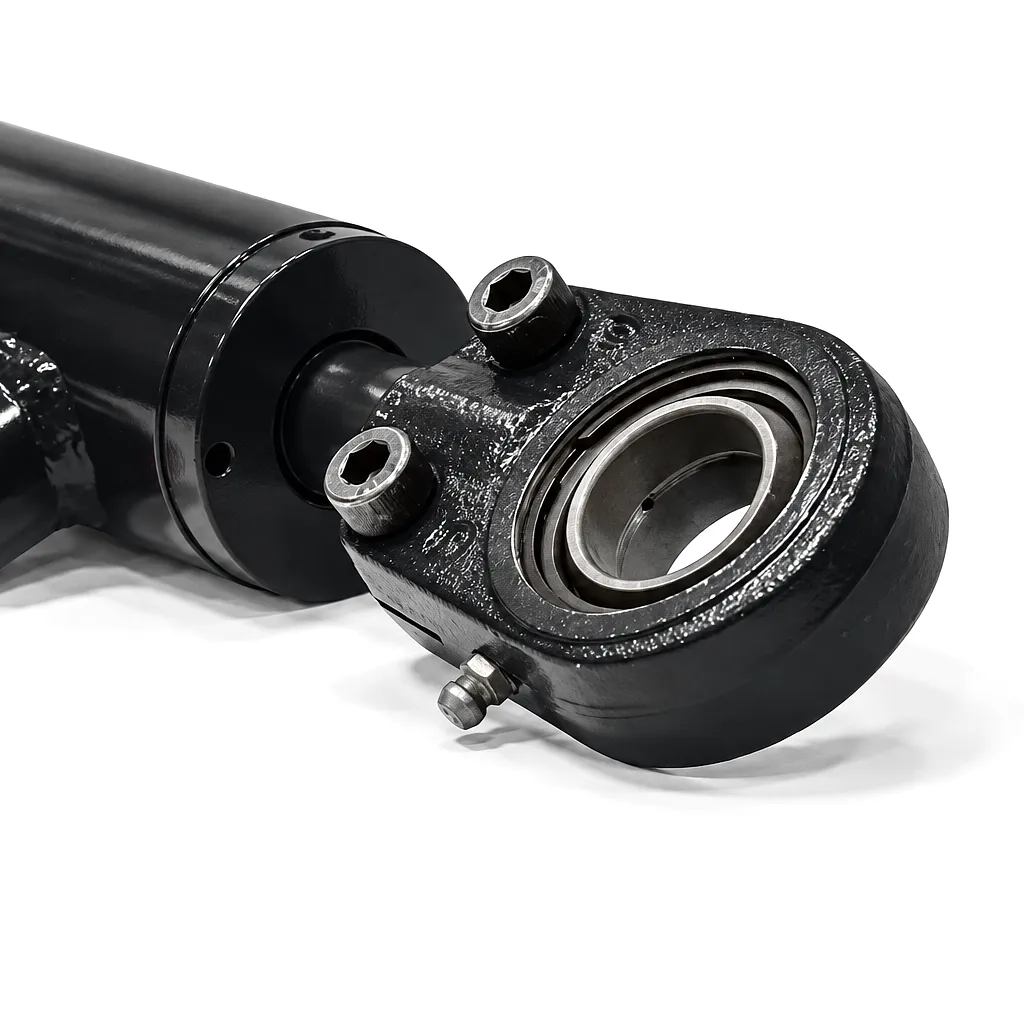
 When engineers in Birmingham machine shops or Sheffield steel processing plants spec a 12-inch stroke double-acting hydraulic cylinder, the first decision they face is rarely bore size or pressure rating — it is construction method. Tie-rod and welded cylinders share the same fundamental operating principle: pressurised hydraulic fluid alternates between cap-end and rod-end ports, producing controlled bidirectional linear force without the need for external springs or return mechanisms. But from that shared starting point, the two design philosophies diverge significantly in terms of load capacity, serviceability, installation envelope, and total cost of ownership over a working life measured in millions of cycles.
How the Double-Acting Operating Principle Works Across 12 Inches of Travel
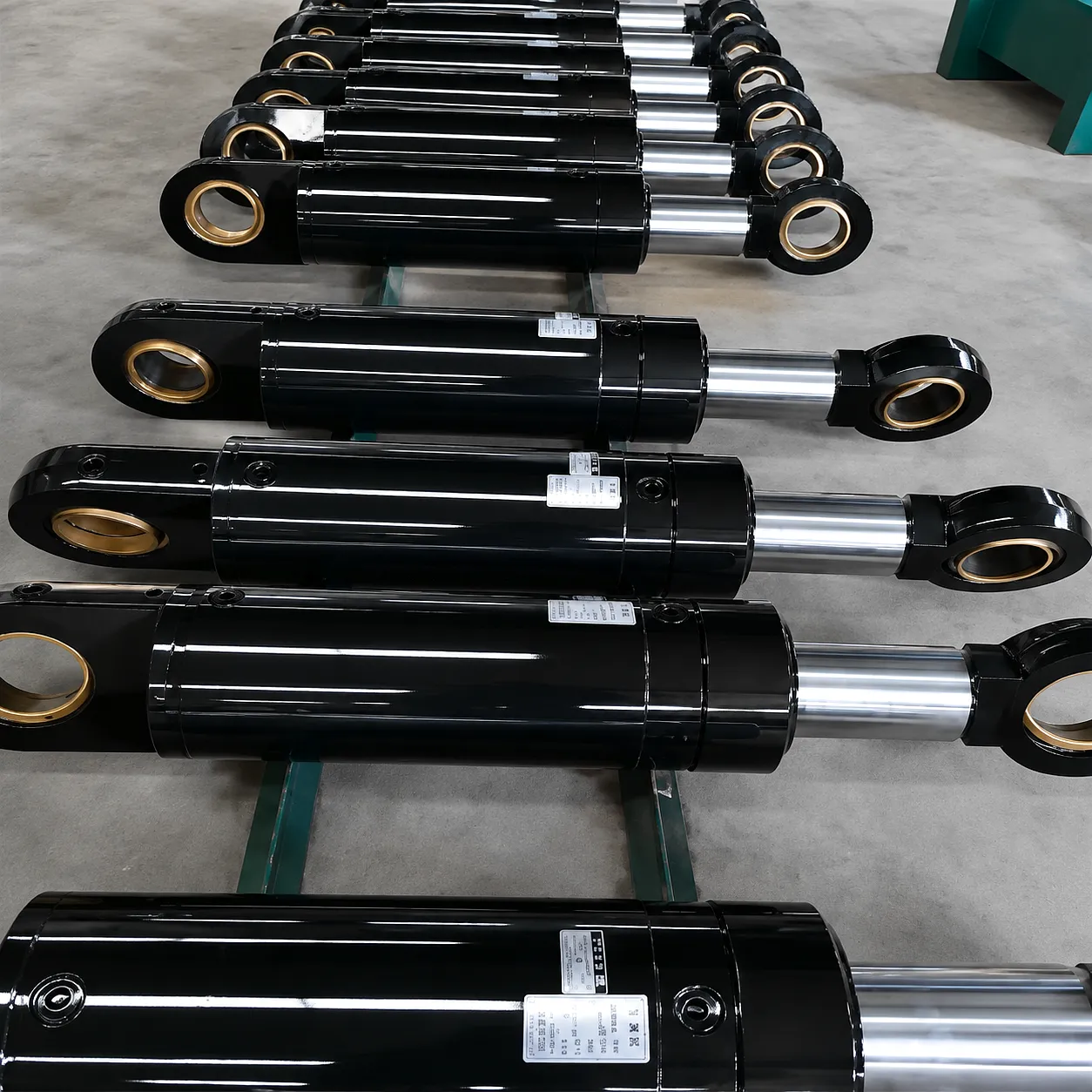
The double-acting cylinder generates force in both extension and retraction. Hydraulic fluid from the pump enters the cap-end port, building pressure against the full face of the piston. The resulting force — calculated as pressure multiplied by piston area — drives the rod forward through the full 12-inch stroke. Simultaneously, fluid displaced from the rod-end port returns to the reservoir through the control valve. When the valve shifts, flow is reversed: fluid enters the rod-end port and acts on the annular area of the piston (full bore area minus rod cross-section), retracting the cylinder with somewhat less force due to that reduced effective area. This differential area characteristic is particularly relevant in clamping, pressing and material-handling applications where extension force and retraction speed must be balanced against system flow rate and back-pressure.
Over a 12-inch stroke, dynamic sealing performance becomes critical. As the rod traverses the full travel length on every cycle, the wiper seal, rod seal and piston seal must collectively maintain a consistent fluid barrier against the rod surface and barrel bore. Any surface finish inconsistency — typically expressed as Ra (average roughness) in micrometres — accelerates seal wear and promotes bypass. The chrome-plated or induction-hardened rod surface must sustain a finish of Ra 0.4 µm or better across the entire stroke length, a specification that welded cylinder manufacturers who hard-turn and grind rods in-house can control with greater consistency than those relying on outsourced rod supply.
Key Principle Metrics for 12-Inch Stroke Design
Effective rod area ratio (single rod): typically 0.55–0.75 of cap-end area depending on rod diameter. End-of-stroke impact energy: kinetic energy = 0.5 × moving mass × velocity². Cushioning chambers sized to absorb this energy within the last 1.0–1.5 inches of travel are standard on quality double-acting cylinders used in repetitive cycle duty.
Tie-Rod Construction: Assembly, Strengths and Where It Belongs
Modular Steel Assembly
Tie-rod cylinders are assembled from discrete machined components — front and rear heads, barrel tube, piston rod, and piston — held together under pre-load by four or more threaded steel rods torqued to precise values. This modular architecture means any individual component can be replaced without scrapping the cylinder body. For plant engineering teams in Manchester or Coventry managing a large fleet of standard cylinders across multiple press lines, this repairability can substantially reduce mean cost-per-cycle over a five-year horizon.
Pressure Rating & NFPA Standardisation
NFPA-interchangeable tie-rod cylinders are rated to 2,000–3,000 PSI in most standard bore sizes. The standardised mounting dimensions mean a cylinder from one supplier can, in principle, be replaced with an equivalent unit from another without machine modifications — a significant benefit for UK procurement teams managing supply continuity risk. However, the tie-rod design does impose an outer envelope penalty: the rods themselves add width beyond the barrel diameter, which matters in confined installation spaces.
On-Site Seal Replacement
Tie-rod cylinders can typically be disassembled and resealed by a competent hydraulic technician using hand tools, without returning the unit to the manufacturer. This characteristic is particularly valued in continuous-process environments such as paper mills in Aberdeen or automotive stamping lines in the West Midlands, where unplanned downtime carries a cost measured in thousands of pounds per hour and rapid field repair is the priority over ultimate pressure performance.
Welded Construction: Compact Force Density and Heavy-Duty Reliability
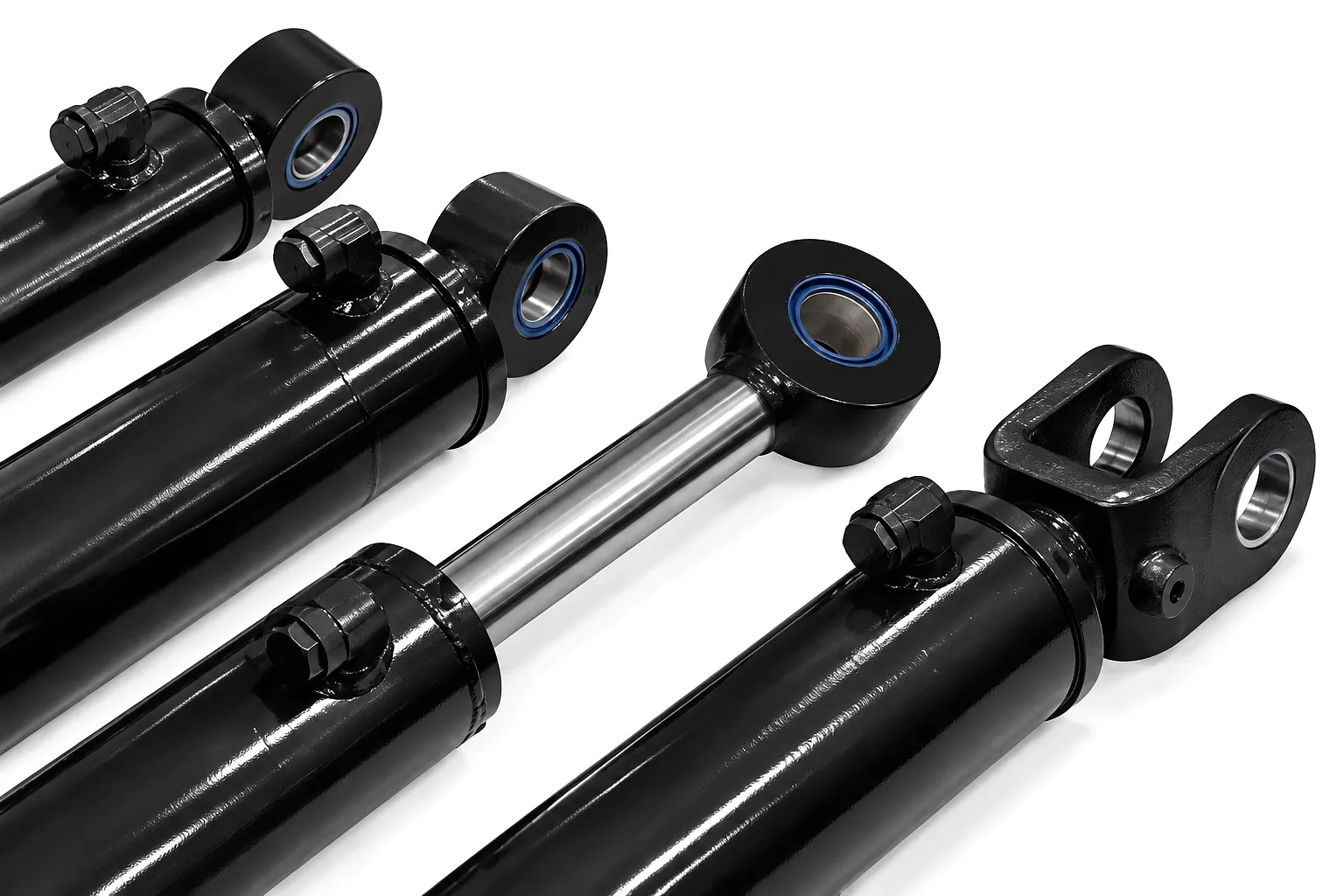
In a welded hydraulic cylinder, the end caps are directly welded to the barrel tube, eliminating the external tie-rod structure entirely. The result is a cylinder that is mechanically stiffer, dimensionally more compact for its bore size, and capable of handling considerably higher working pressures — typically 3,000–5,000 PSI and above in heavy industrial configurations. That pressure capability, combined with the absence of torque-sensitive assembly joints, makes welded cylinders the default choice for mobile plant, construction equipment, mining machinery and heavy press applications where physical envelope is limited and peak loads are extreme.
The structural continuity of a welded body also means the cylinder can absorb side loading and moment loading without the risk of the end-cap-to-barrel joint working loose under vibration — a failure mode that tie-rod cylinders are susceptible to if rod torque is not periodically maintained. In the demanding environments found on rail track maintenance machines operated around Leeds, or on aggregate processing equipment in Scottish quarrying operations, the welded cylinder’s resistance to vibration-induced loosening translates directly into longer mean time between failures.
Welded Cylinder: Key Structural Advantage
The absence of external assembly hardware reduces the overall outer diameter by 15–25% compared to an equivalent-bore tie-rod unit. For OEM integration in limited-clearance packaging — excavator booms, compact presses, agricultural linkages — this space reclaim frequently justifies the higher unit cost and reduced field repairability of welded construction.
Construction Trade-Offs at a Glance
Welded cylinders cannot be resealed without specialist workshop equipment — the end caps must be cut off, seals replaced, and new weld beads applied and radiographically inspected on critical applications
For most continuous-process plant, the design life of a properly specified welded cylinder comfortably exceeds the expected service interval before reseal would be needed
Welded construction handles lateral and torsional loads that would overstress tie-rod assembly joints in applications involving eccentric loading or guide-less stroke operation
Core Materials: What Goes Into a 12-Inch Stroke Double-Acting Cylinder That Lasts
Technical Performance & Specification Parameter Table
| Parameter | Tie-Rod Construction | Welded Construction |
|---|---|---|
| Stroke Length | 12 in / 305 mm (standard) | 12 in / 305 mm (standard) |
| Working Pressure (max) | 2,000–3,000 PSI (138–207 bar) | 3,000–5,000 PSI (207–345 bar) |
| Bore Size Range | 1.5 in – 8 in (NFPA standard) | 1.0 in – 24 in (custom bore) |
| Rod Diameter (12 in stroke) | 0.625 in – 3.5 in (standard) | 0.75 in – 5 in (custom) |
| Barrel Material | ST52 seamless tube / 316L option | ST52 / S355J2 / 316L option |
| Rod Surface Finish | Chrome-plated, Ra ≤ 0.4 µm | Chrome / induction-hardened, Ra ≤ 0.3 µm |
| Operating Temperature | -25°C to +80°C (standard PU) | -40°C to +120°C (FKM option) |
| Cushioning | Adjustable both ends (optional) | Fixed or adjustable both ends |
| Mounting Options | NFPA flange, side lug, foot, clevis | Clevis, flange, trunnion, custom |
| Side Load Resistance | Low–Moderate (guide recommended) | High (integral structural body) |
| Field Repairability | High (hand tools, standard seals) | Low (workshop weld re-work) |
| Typical Application | Industrial presses, automation, maintenance | Mobile plant, mining, heavy press, OEM |
Industrial Application Scenarios: Where a 12-Inch Stroke Double-Acting Cylinder Works Hardest
Hydraulic Press & Forming Applications — Sheffield & Midlands Fabrication
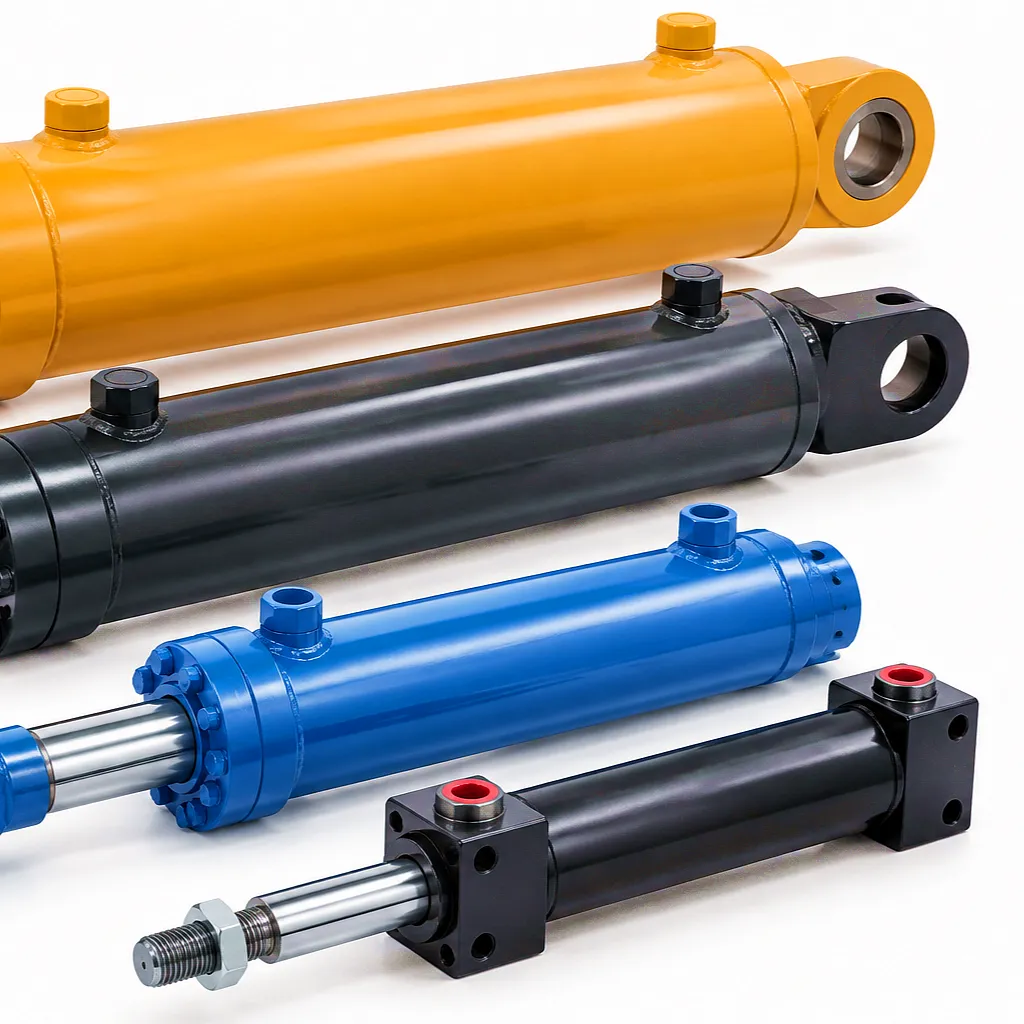 In metal pressing and forming operations — from structural steel fabrication yards in Sheffield to aluminium die-casting facilities across the West Midlands — a 12-inch stroke double-acting hydraulic cylinder provides the controlled, bidirectional force profile that mechanical eccentric presses cannot easily deliver. The full 305 mm of usable stroke accommodates die opening heights from deep-draw tooling, while the double-acting arrangement allows active extraction (stripping) force to be applied on the return stroke, removing formed parts from the die without mechanical strippers or springs that add cycle time and create alignment challenges. Tie-rod construction dominates this segment because seal replacement during scheduled maintenance shutdowns is a standard expectation. Ever Power supplies cylinders for this sector with optional magnetic position sensors integrated directly into the barrel for closed-loop press control.
Boom & Arm Actuation on Compact Excavators and Material Handlers
Compact excavators operating on infrastructure and utility projects across the UK — from urban drainage works in London to water main replacement in rural Northumberland — increasingly specify 12-inch stroke welded double-acting cylinders on boom and arm circuits. The welded design provides the structural stiffness to handle the combined bending and compressive loads generated when the bucket engages hard-packed ground, while the compact outer profile keeps within the tight envelope constraints of sub-5-tonne machines. Welded hydraulic cylinder construction also handles the shock-loading events from rock strikes and frozen ground penetration better than tie-rod alternatives, where repeated impact can work-loosen tie-rod pre-load over time. These cylinders are typically designed to operate at 3,200–4,200 PSI with cushioning at both ends to protect hydraulic pump components from pressure spikes at end of stroke.
Automated Assembly Line Clamping — Automotive Tier 1 Suppliers, Birmingham
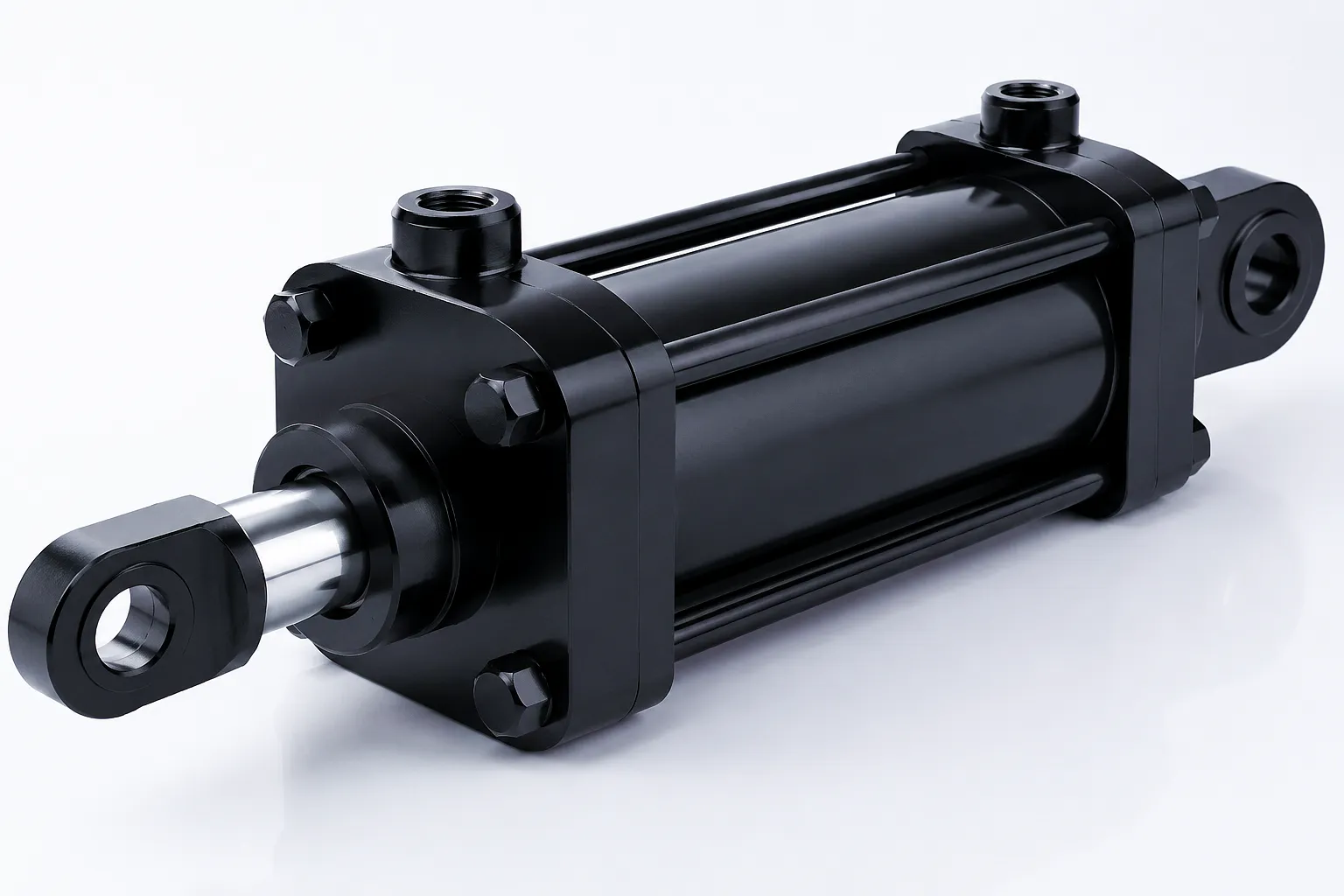 Automotive Tier 1 component manufacturers in Birmingham and Solihull operate high-cycle robotic welding and assembly lines where a 12-inch stroke double-acting cylinder may complete 5–12 million cycles per year in automated clamping stations. In this environment, cycle time consistency is as important as raw force output. The double-acting design delivers repeatable, fast retraction strokes without hydraulic intensification or spring delays, allowing part-to-part cycle times to be held within ±0.05 seconds. Tie-rod hydraulic cylinders dominate this segment because standard NFPA dimensions allow direct replacement during planned shutdown windows without machine re-engineering, and the seal kits are stocked by UK hydraulic service providers for next-day delivery. Position feedback via external LVDT or integrated magnetostrictive transducer is a standard specification requirement for modern closed-loop clamping applications.
Agricultural Implement Lifting & Folding — East Anglian Arable Farming
Modern wide-span agricultural implements — folding harrows, multi-section disc cultivators, seeder toolbar wings — used across the large arable fields of Lincolnshire, Norfolk and Cambridgeshire require cylinder folding circuits that can handle full implement weight on the retraction stroke, often against gravity and implement inertia simultaneously. A 12-inch stroke welded double-acting hydraulic cylinder handles this application well: the active return stroke provides controlled descent speed through a counterbalance valve arrangement, preventing implement drop if a hydraulic hose is damaged or a coupling is inadvertently disconnected. Agricultural operating environments demand specific seal compatibility with biodegradable hydraulic fluids increasingly mandated by UK environmental regulations for fieldwork near watercourses, and Ever Power supplies compatible seal formulations across its double-acting cylinder range on request.
Core Technical Advantages of the Double-Acting 12-Inch Stroke Design
Bidirectional Active Force
Unlike single-acting or spring-return designs, the double-acting configuration delivers controlled, measurable force in both extension and retraction. This means both work strokes are productive — critical in high-throughput pressing, clamping, and material handling where lost motion equals lost revenue.
Precision Velocity Control
Flow control valves on both port lines provide independent speed adjustment for extension and retraction strokes. The 12-inch stroke length gives a practical velocity range of 0.05 m/s to 0.6 m/s in typical industrial circuits — wide enough to serve both slow-speed precision positioning and fast-cycle automation without cylinder changes.
Load-Holding Without Energy Consumption
A double-acting cylinder stopped in mid-stroke with a closed-centre directional valve holds its position by trapping pressurised fluid in both chambers. No electrical power, no spring pre-load and no hydraulic pump flow is required to maintain position — particularly valuable in hold-down and clamping applications where parts must be secured during machining operations lasting several minutes.
Integrated Cushioning on 12-Inch Stroke
Adjustable hydraulic cushions at both end positions decelerate the piston and rod assembly in the final travel segment — typically the last 20–30 mm — preventing metal-to-metal impact. For high-cycle automated systems this is not optional: a 12-inch stroke cylinder without cushioning in a system cycling twice per minute will accumulate 1 million end-of-stroke impacts within 347 days of operation, generating impact forces that fatigue both the cylinder body and the machine structure.
Customer Success Story: Rotherham Steel Processing Facility
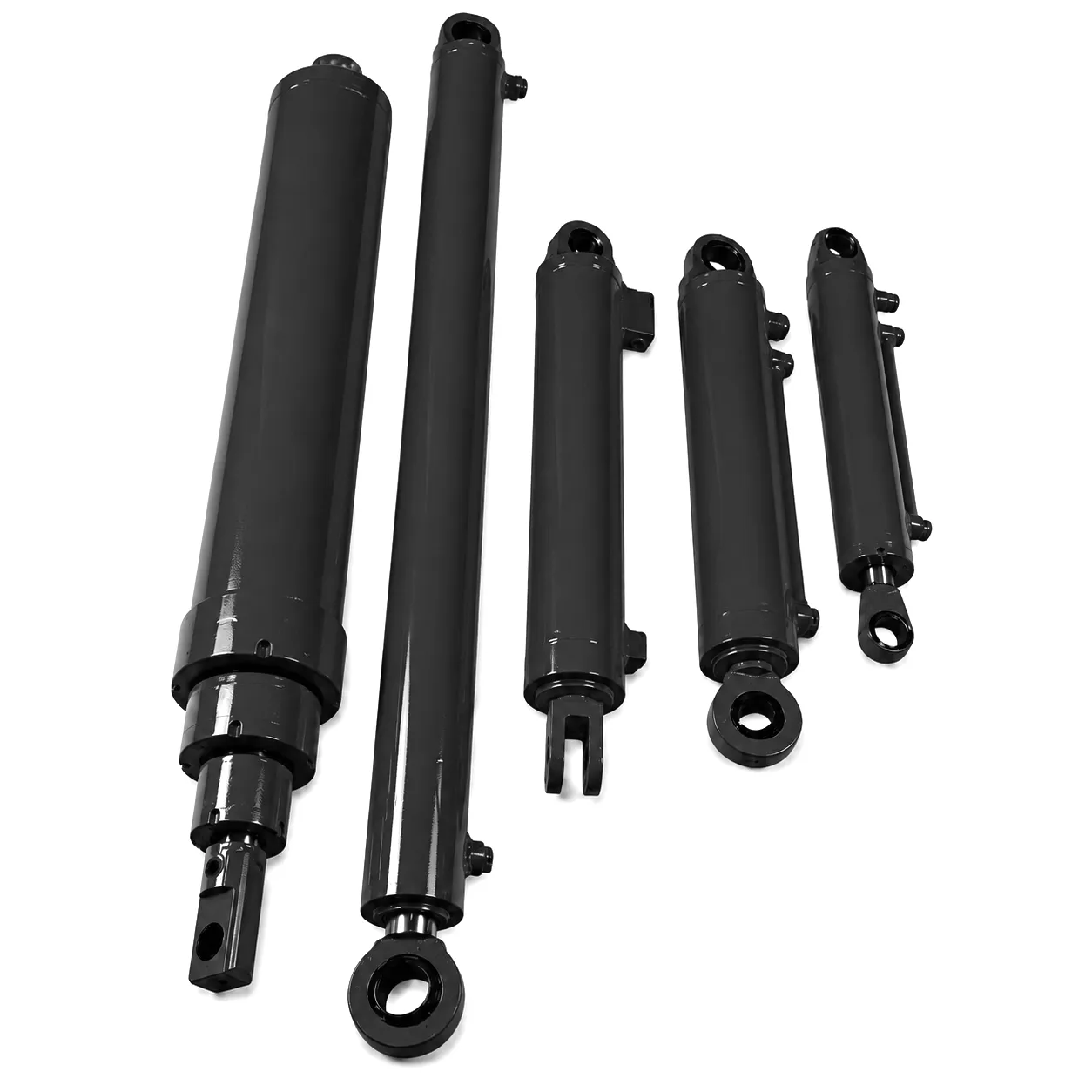 A hot-rolling mill in Rotherham operating a continuous strip processing line was experiencing chronic seal failures on the edge-guide hydraulic cylinders controlling coil width positioning. The existing tie-rod cylinders were rated to 2,500 PSI, but operating temperatures in the proximity of the rolling mill consistently reached 95–110°C during peak throughput — well beyond the rated service range of the standard polyurethane seals originally fitted. Seal failure intervals had dropped to 6–8 weeks, requiring mill stoppages that cost an estimated £18,000 per unplanned event in lost output, labour, and fluid cleanup.
अक्सर पूछे जाने वाले प्रश्नों
ब्रिटेन के औद्योगिक खरीदारों के लिए टाई-रॉड और 12 इंच स्ट्रोक वाले वेल्डेड डबल-एक्टिंग हाइड्रोलिक सिलेंडर के बीच कीमत या लागत में सामान्य अंतर क्या है?
समान बोर आकार के लिए, वेल्डेड डबल-एक्टिंग सिलेंडरों की प्रति यूनिट कीमत आमतौर पर NFPA-मानक टाई-रॉड समकक्षों की तुलना में 15–35% अधिक होती है, जो निर्माण की उच्च जटिलता और विनिमेय घटकों की कमी को दर्शाती है। हालांकि, स्वामित्व की कुल लागत की गणना, जिसमें अनियोजित डाउनटाइम लागत, द्रव रिसाव से ऊर्जा खपत और सिलेंडर बदलने के लिए क्रेन का समय शामिल है, अक्सर इस स्पष्ट अंतर को उलट देती है — विशेष रूप से उच्च दबाव या उच्च तापमान वाले वातावरण में जहां वेल्डेड निर्माण से सेवा अंतराल काफी लंबा हो जाता है। एवर पावर से ऑर्डर करने वाली यूके साइट के लिए, 3-इंच बोर, 12-इंच स्ट्रोक वाले वेल्डेड सिलेंडर की सांकेतिक कीमतें विनिर्देशों के आधार पर लगभग £280–£420 एक्स-वर्क्स से शुरू होती हैं; टाई-रॉड समकक्षों की कीमतें £180–£260 से शुरू होती हैं। अपने सटीक विनिर्देशों के लिए [email protected] से औपचारिक कोटेशन का अनुरोध करें।
मुझे यूके में एक विश्वसनीय हाइड्रोलिक सिलेंडर आपूर्तिकर्ता कैसे मिलेगा जो तत्काल प्रतिस्थापन के लिए कस्टम 12-इंच स्ट्रोक डबल-एक्टिंग सिलेंडर की शीघ्र डिलीवरी कर सके?
सिलेंडर बदलने की तत्काल आवश्यकता होने पर, सबसे तेज़ तरीका आमतौर पर यूके के किसी हाइड्रोलिक वितरक से संपर्क करना है जो मानक NFPA टाई-रॉड यूनिट (1.5–4 इंच बोर, मानक स्ट्रोक) का स्टॉक रखता हो और उसी दिन या अगले दिन डिलीवरी कर सके। साथ ही, यदि खराब सिलेंडर मानक नहीं था, तो स्थायी प्रतिस्थापन के लिए मूल निर्माता से कस्टम-निर्मित कोटेशन का अनुरोध करें। एवर पावर यूके के उन ग्राहकों के लिए वेल्डेड डबल-एक्टिंग सिलेंडरों के लिए 10-दिवसीय त्वरित निर्माण प्रक्रिया प्रदान करता है जिन्हें प्लांट ब्रेकडाउन की तत्काल आवश्यकता होती है। खराब सिलेंडर के नेमप्लेट डेटा, बोर, स्ट्रोक, पोर्ट आकार और माउंटिंग कॉन्फ़िगरेशन के साथ [email protected] पर ईमेल करें और एप्लिकेशन टीम एक कार्य दिवस के भीतर उपलब्धता और लीड टाइम के साथ जवाब देगी।
बर्मिंघम में स्थित एक ऑटोमोटिव प्रेस के लिए, जो 2,500 पीएसआई पर प्रति वर्ष 5 मिलियन से अधिक चक्रों पर चलता है, मुझे किस प्रकार की निर्माण विधि (टाई-रॉड या वेल्डेड) का चयन करना चाहिए?
प्रति वर्ष 5 मिलियन चक्रों और 2,500 पीएसआई पर, दोनों प्रकार की निर्माण प्रणालियाँ तकनीकी रूप से व्यवहार्य हैं, लेकिन निर्णायक कारक आपका रखरखाव मॉडल है। यदि आपके बर्मिंघम संयंत्र में हर 6-12 महीने में निर्धारित डाउनटाइम अवधि होती है, जहाँ तकनीशियन सिलेंडरों को मौके पर ही पुनः सील कर सकते हैं, तो टाई-रॉड निर्माण कम प्रति इकाई लागत और मानक NFPA सील किट का उपयोग करके सीधी फील्ड मरम्मत प्रदान करता है, जो यूके के हाइड्रोलिक वितरकों के पास स्थानीय रूप से उपलब्ध हैं। यदि आपकी प्रेस न्यूनतम नियोजित डाउनटाइम के साथ निरंतर शिफ्ट में चलती है और सिलेंडर की विफलता से अनियोजित लागत अधिक होती है, तो वेल्डेड निर्माण - FKM सील यौगिकों और प्रेरण-कठोर रॉड सतहों के साथ - आमतौर पर लंबे औसत सेवा अंतराल प्रदान करता है जो उच्च प्रति इकाई लागत और कार्यशाला मरम्मत आवश्यकता को उचित ठहराता है। यदि आप चक्र आवृत्ति, ड्यूटी चक्र प्रतिशत और द्रव तापमान डेटा प्रदान करते हैं, तो एवर पावर की एप्लिकेशन टीम ड्यूटी-साइकिल विश्लेषण और कुल स्वामित्व लागत तुलना में सहायता कर सकती है।
शेफ़ील्ड या रोदरहम में स्थित किसी इस्पात संयंत्र में उच्च तापमान को सहन करने में सक्षम डबल-एक्टिंग वेल्डेड हाइड्रोलिक सिलेंडर के लिए मुझे कोटेशन कहाँ से मिल सकता है?
अपने सिलेंडर के बोर, स्ट्रोक (12 इंच या अन्य), ऑपरेटिंग प्रेशर, अधिकतम हाइड्रोलिक फ्लूइड तापमान, सिलेंडर के स्थान पर परिवेश तापमान, माउंटिंग प्रकार और पोर्ट स्पेसिफिकेशन (BSP या SAE) की जानकारी के साथ सीधे एवर पावर से [email protected] पर संपर्क करें। विशेष रूप से शेफ़ील्ड और रोदरहम में स्थित स्टील प्लांट के वातावरण के लिए, एवर पावर के पास FKM सील कंपाउंड, सिरेमिक थर्मल-स्प्रे रॉड कोटिंग और स्टेनलेस स्टील के बाहरी हार्डवेयर को निर्दिष्ट करने का अनुभव है, जो उच्च परिवेश तापमान, विकिरणित ऊष्मा और संक्षारक मिल स्केल वातावरण के संयोजन से निपटने में सक्षम हैं, जिसके कारण मानक सिलेंडर समय से पहले खराब हो जाते हैं। आयामी रेखाचित्र और परीक्षण प्रमाणन सहित औपचारिक तकनीकी प्रस्ताव मानक कोटेशन पैकेज में शामिल हैं।
उच्च-चक्र औद्योगिक उपयोग में 12 इंच स्ट्रोक वाला डबल-एक्टिंग हाइड्रोलिक सिलेंडर कितने समय तक चलता है, और मुझे कब रीसील करने के बजाय इसे बदलने पर विचार करना चाहिए?
उपयोग की तीव्रता, द्रव की स्वच्छता और विनिर्देशों की गुणवत्ता के आधार पर सेवा जीवन में काफी भिन्नता आ सकती है। स्वच्छ, तापमान-नियंत्रित औद्योगिक वातावरण में प्रति वर्ष 1-2 मिलियन चक्रों तक चलने वाले उचित विनिर्देशों वाले डबल-एक्टिंग सिलेंडर से बैरल घिसाव, रॉड सतह क्षरण या संरचनात्मक थकान के कारण प्रतिस्थापन की आवश्यकता होने से पहले 8-12+ वर्षों तक सेवा जीवन की उम्मीद की जा सकती है। उच्च तापमान, दूषित द्रव या झटके वाले अनुप्रयोगों जैसे प्रतिकूल वातावरण में यह घटकर 3-5 वर्ष हो सकता है। रीसील करने या बदलने का निर्णय बैरल बोर घिसाव (सामान्यतः नाममात्र बोर व्यास के 0.1% से कम होने पर आर्थिक रूप से मरम्मत योग्य), रॉड क्रोम की स्थिति (0.05 मिमी से अधिक गहराई वाले गड्ढे आमतौर पर रॉड प्रतिस्थापन की आवश्यकता होती है) और सिलेंडर बॉडी और एंड-कैप वेल्ड की संरचनात्मक स्थिति पर निर्भर करता है। यदि आप अनिश्चित हैं कि कौन सा तरीका अधिक किफायती है, तो एवर पावर द्वारा लौटाए गए यूनिटों के लिए सिलेंडर निरीक्षण रिपोर्ट प्रदान की जा सकती है।
12 इंच स्ट्रोक वाले डबल-एक्टिंग हाइड्रोलिक सिलेंडर के लिए उपलब्ध मानक बोर आकार क्या हैं, और क्या एवर पावर यूके के किसी विशिष्ट OEM एप्लिकेशन के लिए गैर-मानक बोर आयामों की आपूर्ति कर सकता है?
टाई-रॉड निर्माण के लिए, 12 इंच स्ट्रोक पर NFPA मानक बोर आकार 1.5 इंच से 8 इंच तक मानक वृद्धि (1.5, 2, 2.5, 3, 3.5, 4, 5, 6, 7, 8 इंच) में उपलब्ध हैं। वेल्डेड निर्माण के लिए, एवर पावर 25 मिमी से 600 मिमी तक के गैर-मानक बोर आयामों का निर्माण करती है, जिसमें यूरोपीय बाज़ार के OEM द्वारा पसंद किए जाने वाले मीट्रिक बोर आकार भी शामिल हैं। यूके के OEM जो स्थान की कमी या बल की आवश्यकताओं के कारण विशिष्ट बोर-टू-स्ट्रोक अनुपात वाली नई उत्पाद श्रृंखला विकसित कर रहे हैं, जो मानक आयामों के बीच आते हैं, उनके लिए एवर पावर के एप्लिकेशन इंजीनियर डिज़ाइन की समीक्षा करेंगे और अनुरोध पर टूलिंग शुल्क (यदि लागू हो) और इकाई मूल्य के साथ एक कस्टम बोर विनिर्देश प्रदान करेंगे। गैर-मानक बोर के लिए न्यूनतम ऑर्डर मात्रा आमतौर पर प्रारंभिक प्रोटोटाइप बैचों के लिए 5 इकाइयाँ होती हैं।
एवर पॉवर — हाइड्रोलिक सिलेंडर विशेषज्ञ
आज ही अपने 12-इंच स्ट्रोक सिलेंडर का चयन करें
टाई-रॉड या वेल्डेड, मानक या पूरी तरह से अनुकूलित — हमारी एप्लीकेशन इंजीनियरिंग टीम आपके आयाम और कार्य क्षमता संबंधी आवश्यकताओं के साथ काम करती है ताकि आपके अनुप्रयोग के लिए सही डबल-एक्टिंग हाइड्रोलिक सिलेंडर निर्दिष्ट किया जा सके।
✉ कीमत का अनुमान प्राप्त करें — [email protected]
जीजेडएल द्वारा संपादित
 Hindi
Hindi  English
  Italian
  Portuguese
  Dutch
Dutch  Swedish
  Danish
  Finnish
  Polish
  Kazakh
  Turkish
  Ukrainian
  Romanian
  Spanish
  German
  Russian
  Korean
  Japanese
  Vietnamese
  Thai
Thai  Indonesian
  Malay
Malay  French
  Greek
Greek