
Deskripsi Produk
Deskripsi Produk
|
Nama Produk |
Silinder Hidrolik Seri HSG |
|||
|
Pers Kerja |
7/14/16/21/31.5MPa 37.5/63MPa Dapat Disesuaikan |
|||
|
Bahan |
Aluminium, Besi Cor, Baja 45mnb, Baja Tahan Karat |
|||
|
Ukuran Lubang |
40mm–320mm, Dapat disesuaikan |
|||
|
Diameter Poros |
20mm–220mm, Dapat Disesuaikan |
|||
|
Panjang Langkah |
30mm–14100mm, Dapat Disesuaikan |
|||
|
Kekerasan Permukaan Batang |
HRC48-54 |
|||
|
Warna Cat |
Hitam, Kuning, Biru, Cokelat, Dapat Disesuaikan |
|||
|
Pemasangan |
Anting, Flange, Clevis, Kaki, Trunnion, Dapat Disesuaikan |
|||
|
Garansi |
1 Tahun |
|||
|
MOQ |
1 buah |
|||
|
Waktu Pengiriman |
7-15 Hari, juga tergantung pada permintaan khusus. |
|||
|
Sertifikasi |
ISO9001, CE |
|||
Profil Perusahaan
QIANGLIN HYDRAULIC MACHINERY CO., LTD
| QiangLin adalah produsen peralatan hidrolik profesional, yang terutama bergerak dalam desain, pembuatan, instalasi, transformasi, penjualan, dan layanan teknis sistem hidrolik. Fasilitas manufaktur kami bersertifikasi standar ISO 9001. Kami adalah pemasok yang disetujui oleh banyak produsen peralatan di Tiongkok. Kami juga bermitra dengan banyak pelanggan dari Amerika, Kanada, Australia, Jerman, Inggris, dan negara-negara Eropa lainnya. Kualitas produk, waktu pengiriman yang lebih singkat, dan kepuasan pelanggan adalah komitmen jangka panjang kami kepada pelanggan CHINAMFG. Kami berharap dapat menjadi mitra Anda. |
Pertanyaan yang Sering Diajukan (FAQ):
T1: Apakah Anda perusahaan perdagangan atau perusahaan manufaktur?
A: Kami memiliki pabrik sendiri.
Q2: Apakah Anda dapat membuat produk non-standar atau produk yang disesuaikan?
A: Ya, kita bisa.
Q3: Berapa lama waktu pengiriman Anda?
A: Biasanya, waktu pengiriman adalah 7 hari jika stok tersedia, 15-30 hari kerja jika tidak tersedia. Tapi...
juga tergantung pada produknya
persyaratan dan kuantitas.
Q4: Apakah Anda menyediakan sampel? Apakah sampelnya gratis atau tidak?
A: Ya, kami dapat menyediakan sampel, tetapi tidak gratis.
Q5: Apa syarat pembayaran Anda?
A: Deposit 30% T/T atau L/C yang tidak dapat dibatalkan pada saat dilihat. Jika Anda memiliki pertanyaan, jangan ragu untuk menghubungi kami.
Hubungi kami.
Q6: Apa saja layanan purna jual Anda?
A: Sebelum pengiriman, setiap produk akan diperiksa secara ketat melalui proses QC di pabrik kami.
Sistem. Selain itu, kami memiliki
Tim Layanan Pelanggan akan menanggapi pertanyaan pelanggan dalam waktu 12 jam. Bersikap membantu dalam
Memecahkan masalah pelanggan selalu menjadi tujuan kami.
| Sertifikasi: | CE, ISO9001 |
|---|---|
| Tekanan: | Tekanan Tinggi |
| Suhu Kerja: | Suhu Normal |
| Kustomisasi: |
Tersedia
|
|
|---|
.shipping-cost-tm .tm-status-off{background: none;padding:0;color: #1470cc}
|
Biaya Pengiriman:
Perkiraan biaya pengiriman per unit. |
tentang biaya pengiriman dan perkiraan waktu pengiriman. |
|---|
| Metode Pembayaran: |
|
|---|---|
|
Pembayaran Awal Pembayaran Penuh |
| Mata uang: | US$ |
|---|
| Pengembalian & Penggantian Dana: | Anda dapat mengajukan pengembalian dana hingga 30 hari setelah menerima produk. |
|---|
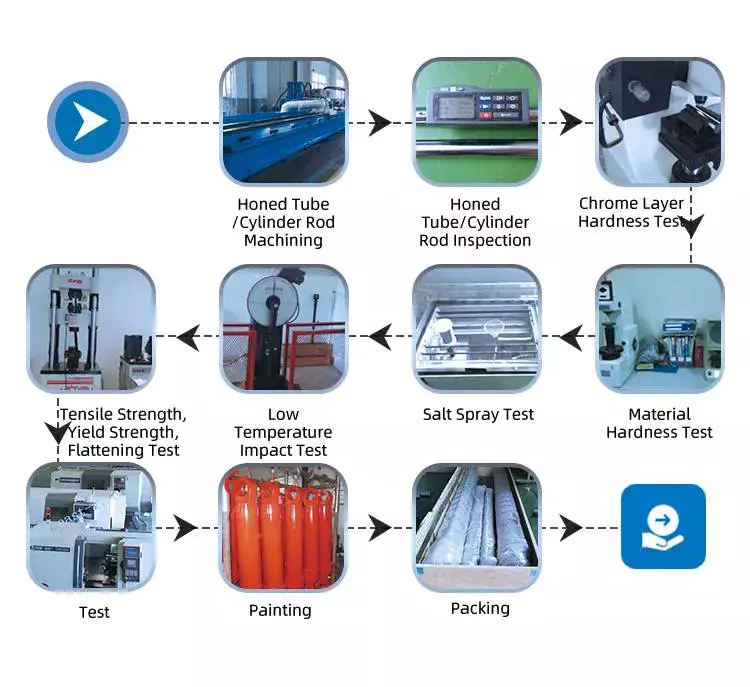
How do hydraulic cylinders handle variations in temperature and harsh operating environments?
Hydraulic cylinders are designed to handle variations in temperature and harsh operating environments by incorporating specific features and materials that ensure their durability, reliability, and performance. The ability of hydraulic cylinders to withstand extreme temperatures, corrosive environments, and other harsh conditions is crucial for their successful operation in a wide range of applications. Here’s a detailed explanation of how hydraulic cylinders handle variations in temperature and harsh operating environments:
1. Temperature Range:
– Hydraulic cylinders are designed to operate within a specified temperature range. The materials used in their construction, such as cylinder barrels, pistons, seals, and lubricants, are selected to withstand the anticipated temperature variations. Specialized seals and O-rings made from materials like nitrile, Viton, or polyurethane are used to maintain their sealing properties over a wide temperature range. Heat-resistant coatings or thermal insulation may be applied to certain components to protect them from high temperatures.
2. Thermal Expansion:
– Hydraulic cylinders are designed to accommodate thermal expansion and contraction that occurs with temperature changes. The materials used in their construction have different coefficients of thermal expansion, allowing the cylinder components to expand or contract at a similar rate. This design consideration prevents excessive stress, binding, or leakage that could result from thermal expansion or contraction.
3. Heat Dissipation:
– In applications where hydraulic cylinders are subjected to high temperatures, heat dissipation mechanisms are employed to prevent overheating. Cooling fins or heat sinks may be incorporated into the cylinder design to increase the surface area for heat transfer. In some cases, external cooling methods such as air or liquid cooling systems can be used to maintain optimal operating temperatures.
4. Corrosion Resistance:
– Hydraulic cylinders used in harsh operating environments are constructed from materials that exhibit excellent corrosion resistance. Stainless steel, chrome-plated steel, or other corrosion-resistant alloys are commonly used for cylinder components exposed to corrosive substances or environments. Additionally, surface treatments such as coatings, plating, or specialized paints can provide an extra layer of protection against corrosion.
5. Sealing Systems:
– Hydraulic cylinders employ sealing systems that are specifically designed to withstand harsh operating environments. The seals used in hydraulic cylinders are selected based on their resistance to temperature extremes, chemicals, abrasion, and other environmental factors. Specialized seal designs, such as wiper seals, rod seals, or high-temperature seals, are utilized to maintain effective sealing and prevent contamination of the hydraulic fluid.
6. Lubrication:
– Proper lubrication is essential for the smooth operation and longevity of hydraulic cylinders, particularly in harsh operating environments. Lubricants are selected based on their ability to withstand high temperatures, resist oxidation, and provide effective lubrication under extreme conditions. Regular maintenance and lubrication practices ensure that the cylinder components continue to operate smoothly and reduce the effects of wear and friction.
7. Robust Construction:
– Hydraulic cylinders designed for harsh operating environments are built with robust construction techniques to withstand the rigors of such conditions. The cylinder barrels, rods, and other components are manufactured to meet strict quality and durability standards. Welded or bolted construction methods are employed to ensure the structural integrity of the cylinders. Reinforcements, such as flanges or tie rods, may be added to enhance the cylinder’s strength and resistance to external forces.
8. Environmental Protection:
– Hydraulic cylinders can be equipped with additional protective features to shield them from harsh operating environments. Protective covers, boots, or bellows can be used to prevent contaminants, debris, or moisture from entering the cylinder and compromising its performance. These protective measures help extend the service life of hydraulic cylinders in demanding conditions.
9. Compliance with Standards:
– Hydraulic cylinders manufactured for specific industries or applications often comply with industry standards or regulations related to operating temperature ranges, environmental conditions, or safety requirements. Compliance with these standards ensures that hydraulic cylinders are designed and tested to meet the specific demands of their intended operating environments.
In summary, hydraulic cylinders are designed to handle variations in temperature and harsh operating environments by incorporating suitable materials, thermal expansion considerations, heat dissipation mechanisms, corrosion-resistant components, specialized sealing systems, proper lubrication, robust construction techniques, protective features, and compliance with industry standards. These design considerations and features enable hydraulic cylinders to operate reliably and effectively in a wide range of demanding applications and environmental conditions.
Integrasi Silinder Hidrolik dengan Peralatan yang Membutuhkan Gerakan Cepat dan Dinamis
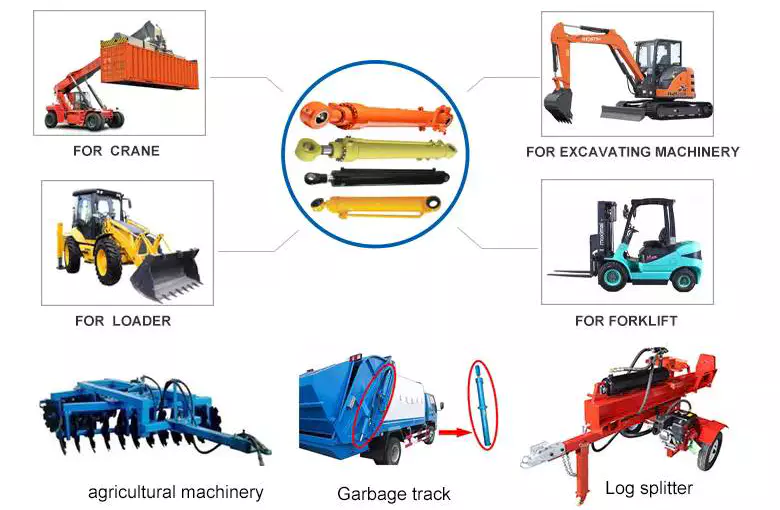
Silinder hidrolik memang dapat diintegrasikan dengan peralatan yang membutuhkan gerakan cepat dan dinamis. Meskipun sistem hidrolik umumnya dikenal karena kemampuannya untuk memberikan gaya yang tinggi dan kontrol yang presisi, sistem ini juga dapat dirancang dan dioptimalkan untuk aplikasi yang membutuhkan gerakan cepat dan dinamis. Mari kita jelajahi bagaimana silinder hidrolik dapat diintegrasikan dengan peralatan tersebut:
- Sistem Hidrolik Kecepatan Tinggi: Silinder hidrolik dapat menjadi bagian dari sistem hidrolik berkecepatan tinggi yang dirancang khusus untuk gerakan cepat dan dinamis. Sistem ini menggabungkan fitur-fitur seperti katup aliran tinggi, sirkuit hidrolik yang dioptimalkan, dan sistem kontrol yang responsif. Dengan merekayasa komponen sistem dan parameter hidrolik secara cermat, dimungkinkan untuk mencapai kecepatan dan responsivitas yang diinginkan, sehingga memungkinkan peralatan untuk melakukan gerakan cepat.
- Kontrol Katup: Pengendalian silinder hidrolik memainkan peran penting dalam mencapai gerakan yang cepat dan dinamis. Katup proporsional atau servo dapat digunakan untuk mengontrol aliran fluida hidrolik masuk dan keluar dari silinder secara presisi. Katup-katup ini menawarkan waktu respons yang cepat dan kontrol aliran yang tepat, memungkinkan akselerasi dan deselerasi piston silinder yang cepat. Dengan menyesuaikan pengaturan katup dan mengoptimalkan algoritma kontrol, peralatan dapat dirancang untuk melakukan gerakan dinamis dengan kecepatan dan akurasi tinggi.
- Desain Silinder yang Dioptimalkan: Desain silinder hidrolik dapat dioptimalkan untuk memfasilitasi gerakan yang cepat dan dinamis. Material ringan, seperti paduan aluminium atau material komposit, dapat digunakan untuk mengurangi massa bergerak silinder, sehingga memungkinkan akselerasi dan deselerasi yang lebih cepat. Selain itu, komponen internal silinder, seperti piston dan seal, dapat dirancang untuk gesekan rendah guna meminimalkan kehilangan energi dan meningkatkan responsivitas. Optimalisasi desain ini berkontribusi pada kecepatan dan kinerja dinamis peralatan secara keseluruhan.
- Integrasi Akumulator: Akumulator hidrolik dapat diintegrasikan ke dalam sistem untuk meningkatkan kemampuan dinamis silinder hidrolik. Akumulator menyimpan cairan hidrolik bertekanan, yang dapat dilepaskan dengan cepat untuk menambah aliran dari pompa selama situasi permintaan tinggi. Energi yang tersimpan ini dapat memberikan dorongan daya ekstra, memungkinkan pergerakan yang lebih cepat dan lebih dinamis. Dengan menentukan ukuran dan konfigurasi akumulator secara strategis, sistem dapat dioptimalkan untuk kebutuhan dinamis dan cepat spesifik dari peralatan tersebut.
- Umpan Balik dan Kontrol Sistem: Untuk mencapai pergerakan yang presisi dan dinamis, sistem hidrolik dapat menggabungkan sensor umpan balik dan algoritma kontrol canggih. Sensor posisi, seperti potensiometer linier atau sensor magnetostriktif, memberikan umpan balik posisi silinder hidrolik secara real-time. Informasi ini dapat digunakan dalam sistem kontrol loop tertutup untuk mempertahankan posisi yang presisi dan melakukan pergerakan cepat. Algoritma kontrol canggih dapat mengoptimalkan sinyal kontrol yang dikirim ke katup, memastikan gerakan yang halus dan dinamis sekaligus meminimalkan overshoot atau osilasi.
Singkatnya, silinder hidrolik dapat diintegrasikan dengan peralatan yang membutuhkan gerakan cepat dan dinamis dengan memanfaatkan sistem hidrolik berkecepatan tinggi, menggunakan kontrol katup yang responsif, mengoptimalkan desain silinder, mengintegrasikan akumulator, dan menggabungkan sensor umpan balik serta algoritma kontrol canggih. Langkah-langkah ini memungkinkan sistem hidrolik untuk memberikan kecepatan, responsivitas, dan presisi yang diperlukan untuk peralatan yang beroperasi di lingkungan dinamis. Dengan memanfaatkan kemampuan silinder hidrolik, produsen dapat merancang dan mengintegrasikan sistem yang memenuhi persyaratan aplikasi yang membutuhkan gerakan cepat dan dinamis.
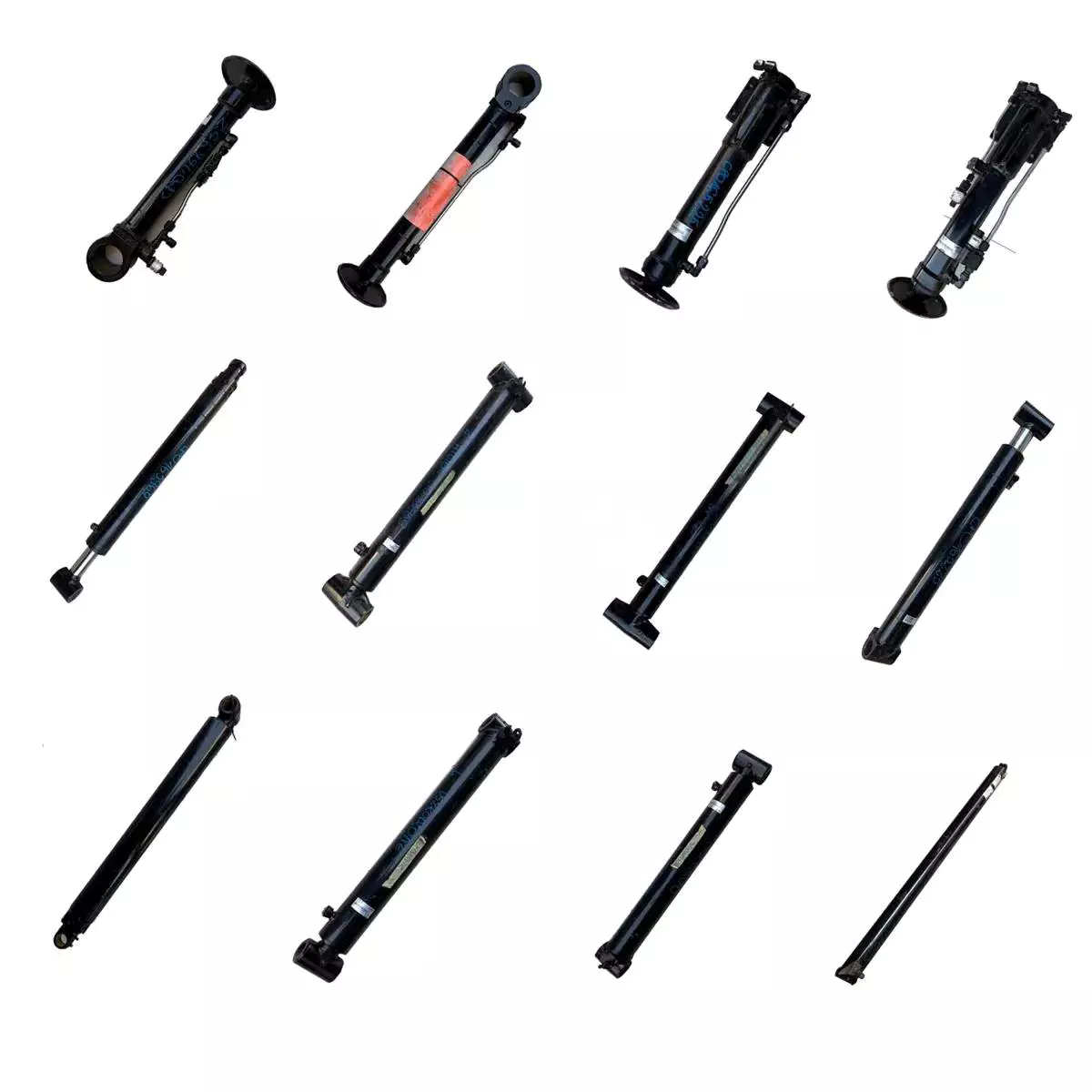
How do hydraulic cylinders handle variations in load, pressure, and speed?
Hydraulic cylinders are designed to handle variations in load, pressure, and speed effectively. They incorporate features and components that allow them to adapt to changing operating conditions and maintain optimal performance. Here’s a detailed explanation of how hydraulic cylinders handle variations in load, pressure, and speed:
Variations in Load:
– Hydraulic cylinders are capable of handling variations in load by adjusting the force they exert. The force output of a hydraulic cylinder is determined by the hydraulic pressure and the surface area of the piston. When the load increases, the pressure in the hydraulic system can be adjusted to generate a higher force. This adjustment can be achieved by regulating the flow of hydraulic fluid into the cylinder using control valves. By controlling the pressure and flow, hydraulic cylinders can adapt to different load requirements, ensuring that the force applied is sufficient to handle the load while preventing excessive force that could cause damage.
Variations in Pressure:
– Hydraulic cylinders are designed to handle variations in pressure within the hydraulic system. They are equipped with seals and other components that can withstand high-pressure conditions. When the pressure within the hydraulic system fluctuates, the hydraulic cylinder adjusts accordingly to maintain its performance. The seals prevent fluid leakage and ensure that the hydraulic pressure is effectively transmitted to the piston, allowing the cylinder to generate the required force. Additionally, hydraulic systems often incorporate pressure relief valves and other safety mechanisms to protect the cylinder and the entire system from overpressure conditions.
Variations in Speed:
– Hydraulic cylinders can handle variations in speed through the control of hydraulic fluid flow. The speed of a hydraulic cylinder’s extension or retraction is determined by the rate at which hydraulic fluid enters or exits the cylinder. By adjusting the flow rate using flow control valves, the speed of the cylinder’s movement can be regulated. This allows for precise control over the speed, enabling operators to adapt to varying speed requirements based on the specific task or load. Furthermore, hydraulic systems can incorporate flow control valves with adjustable orifice sizes to fine-tune the speed of the cylinder’s movement.
Load-Sensing Technology:
– Advanced hydraulic systems may incorporate load-sensing technology to further enhance the ability of hydraulic cylinders to handle variations in load, pressure, and speed. Load-sensing systems monitor the load demand and adjust the hydraulic pressure and flow accordingly to meet that demand. This technology ensures that the hydraulic cylinder provides the necessary force while optimizing energy efficiency. Load-sensing systems are particularly beneficial in applications where the load requirements can vary significantly, allowing hydraulic cylinders to adapt in real-time and maintain precise control over force and speed.
Accumulators:
– Hydraulic systems can also utilize accumulators to assist in handling variations in load, pressure, and speed. Accumulators store hydraulic fluid under pressure, which can be released when needed to supplement the flow and pressure in the system. When there are sudden increases in load or pressure demands, accumulators can provide additional fluid to the hydraulic cylinder, ensuring smooth operation and preventing pressure drops. Similarly, accumulators can assist in maintaining consistent speed by compensating for fluctuations in flow rate. They act as a supplemental energy source, helping hydraulic cylinders respond effectively to variations in operating conditions.
In summary, hydraulic cylinders handle variations in load, pressure, and speed through various mechanisms and components. They can adjust the force output to accommodate different load requirements by regulating hydraulic pressure. The seals and components within hydraulic cylinders allow them to withstand variations in pressure within the hydraulic system. By controlling the flow of hydraulic fluid, hydraulic cylinders can regulate the speed of their movement. Advanced technologies such as load-sensing systems and the use of accumulators further enhance the adaptability of hydraulic cylinders to changing operating conditions. These features and mechanisms enable hydraulic cylinders to maintain optimal performance and provide reliable force and motion control in a wide range of applications.


editor by CX 2023-11-01
 Indonesian
  English
  Italian
  Portuguese
  Dutch
Dutch  Swedish
  Danish
  Finnish
  Polish
  Hindi
Hindi  Kazakh
  Turkish
  Ukrainian
  Romanian
  Spanish
  German
  Russian
  Korean
  Japanese
  Vietnamese
  Thai
Thai  Malay
Malay  French
  Greek
Greek