
Deskripsi Produk
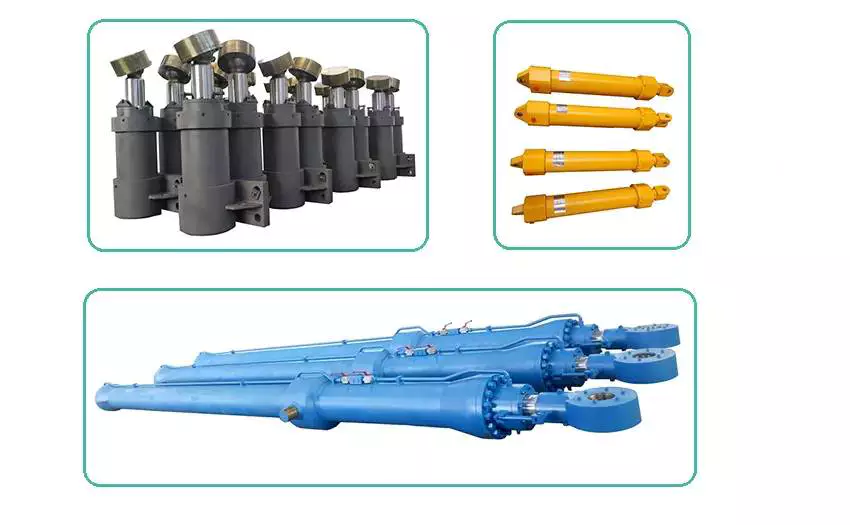
HYDRAULIC CYLINDER
Widely used in equipment for Construction, Coal&mine, Agriculture , Aerial work table and Environmental sanitation etc.
| Features | customized hydraulic cylinder |
| Bore Diameter | 2′-50’/50-1500mm |
| Rod Diameter | 1′ – 60’/25 -1000 mm |
| Wall Thickness | 0.1′-4’/3-100 mm |
| Max Stroke | 366’/9280 mm |
| Max Pressure | 9600 psi/600 bar |
| Test Pressure | 14500 psi/1000 bar |
| Bahan | 20#,40#,45#,16Mn,27SiMn,etc |
| Seal Kits | Hallite, Parker, NOK, DICHTOMATIK, Trelleborg, Merkel |
| Dimensional Accuracy | H7-H11 |
| Bore Roughness | Ra 0.4-1.6mm |
| Coating | hard chrome |
| Purpose | engineering, Coal &mining, agricultural machinery, environmental sanitation |
| OEM/ODM | Yes |
| MOQ | 1 buah |
| Certificates | ISO9001,CE, CCS |
Q1. Are you a manufacturer?
Yes, we have manufactured hydraulic cylinders for over 30 years. They are widely used in Engineers, Coal&mine, Agriculture and Environmental Sanitation etc.
Q2. Do your products come with a warranty?
Yes, we have 1 year warranty.
Q3. Can we customize our products from you?
Yes, actually 70% of our products are customized for our clients. You just need to let us know your demand (specifications &drawing is better), and we shall realize them for you.
Q4. How do you deliver the products?
By sea, by plane, or by couriers.
Q5. How many days the samples can be finished, And how about the mass production?
Generally 5-7days for samples making. The lead time of mass production will depend on quality, production art and so on. Generally 35days.
| Sertifikasi: | CE, ISO9001 |
|---|---|
| Tekanan: | Tekanan Tinggi |
| Suhu Kerja: | -40~120 |
| Acting Way: | Double Acting |
| Working Method: | Straight Trip |
| Structure: | Piston Type |
| Kustomisasi: | Tersedia |
|
|---|
Bagaimana perbandingan silinder hidrolik dengan metode pembangkit gaya lainnya seperti motor listrik?
Silinder hidrolik dan motor listrik adalah dua metode pembangkitan gaya yang berbeda dengan karakteristik dan aplikasi yang berbeda pula. Meskipun silinder hidrolik dan motor listrik sama-sama dapat menghasilkan gaya, keduanya berbeda dalam hal prinsip kerja, atribut kinerja, dan kesesuaian untuk aplikasi tertentu. Berikut perbandingan rinci antara silinder hidrolik dan motor listrik:
1. Prinsip Kerja:
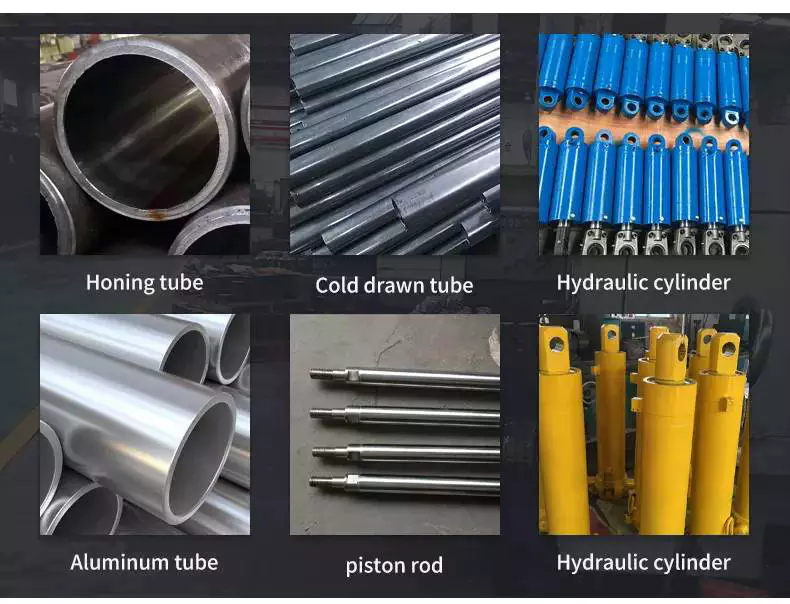
– Silinder Hidrolik: Silinder hidrolik menghasilkan gaya melalui konversi tekanan fluida menjadi gerakan linier. Silinder ini terdiri dari tabung silinder, piston, batang piston, dan fluida hidrolik. Ketika fluida hidrolik bertekanan masuk ke dalam silinder, fluida tersebut mendorong piston, menyebabkan batang piston memanjang atau memendek, sehingga menghasilkan gaya linier.
– Motor Listrik: Motor listrik menghasilkan gaya melalui konversi energi listrik menjadi gerakan rotasi. Motor listrik terdiri dari stator, rotor, dan medan elektromagnetik. Ketika arus listrik dialirkan ke kumparan motor, arus tersebut menciptakan medan magnet yang berinteraksi dengan rotor, menyebabkan rotor berputar dan menghasilkan torsi.
2. Gaya dan Daya:
– Silinder Hidrolik: Silinder hidrolik dikenal karena kemampuan gaya yang tinggi. Silinder ini dapat menghasilkan gaya linier yang substansial, sehingga cocok untuk aplikasi tugas berat yang membutuhkan pengangkatan, pendorong, atau penarikan beban besar. Sistem hidrolik dapat memberikan keluaran gaya yang tinggi bahkan pada kecepatan rendah, memungkinkan kontrol yang tepat atas penerapan gaya. Namun, sistem hidrolik biasanya beroperasi pada kecepatan yang lebih rendah dibandingkan dengan motor listrik.
– Motor Listrik: Motor listrik unggul dalam memberikan kecepatan putaran tinggi dan umumnya digunakan untuk aplikasi yang membutuhkan gerakan cepat. Meskipun motor listrik dapat menghasilkan torsi yang signifikan, motor ini cenderung memiliki daya keluaran yang lebih rendah dibandingkan dengan silinder hidrolik. Motor listrik cocok untuk aplikasi yang melibatkan gerakan putar terus menerus, seperti menggerakkan sabuk konveyor, mesin berputar, atau menggerakkan kendaraan.
3. Kontrol dan Presisi:
– Silinder Hidrolik: Sistem hidrolik menawarkan kontrol yang sangat baik atas gaya, kecepatan, dan posisi. Dengan mengatur aliran fluida hidrolik, gaya dan kecepatan silinder hidrolik dapat dikontrol secara tepat. Sistem hidrolik dapat memberikan akselerasi dan deselerasi bertahap, memungkinkan pergerakan yang halus dan presisi. Tingkat kontrol ini membuat silinder hidrolik sangat cocok untuk aplikasi yang membutuhkan posisi yang tepat, seperti dalam otomatisasi industri atau peralatan konstruksi.
– Motor Listrik: Motor listrik juga menawarkan kontrol yang presisi terhadap kecepatan dan posisi. Melalui teknik kontrol motor seperti variasi tegangan, frekuensi, atau modulasi lebar pulsa (PWM), kecepatan putaran dan posisi motor listrik dapat dikontrol secara akurat. Motor listrik umumnya digunakan dalam aplikasi yang membutuhkan kontrol kecepatan yang presisi, seperti robotika, mesin CNC, atau sistem servo.
4. Efisiensi dan Konsumsi Energi:
– Silinder Hidrolik: Sistem hidrolik dapat sangat efisien, terutama jika ukurannya tepat dan dirancang dengan benar. Namun, sistem hidrolik biasanya memiliki kehilangan energi yang lebih tinggi karena faktor-faktor seperti kebocoran fluida, gesekan, dan pembangkitan panas. Efisiensi keseluruhan sistem hidrolik bergantung pada desain, pemilihan komponen, dan praktik perawatan. Sistem hidrolik membutuhkan unit daya hidrolik untuk memberi tekanan pada fluida hidrolik, yang mengkonsumsi energi tambahan.
– Motor Listrik: Motor listrik dapat memiliki efisiensi tinggi, terutama bila dioperasikan pada kondisi operasi optimalnya. Motor listrik memiliki kehilangan energi yang lebih rendah dibandingkan sistem hidrolik, terutama karena tidak adanya kebocoran fluida dan kehilangan gesekan yang lebih rendah. Efisiensi keseluruhan motor listrik bergantung pada faktor-faktor seperti desain motor, kondisi beban, dan teknik kontrol. Motor listrik membutuhkan sumber daya listrik, dan konsumsi energinya bergantung pada daya nominal motor dan durasi operasinya.
5. Pertimbangan Lingkungan:
– Silinder Hidrolik: Sistem hidrolik biasanya menggunakan cairan hidrolik yang dapat menimbulkan masalah lingkungan jika bocor atau tidak dibuang dengan benar. Pilihan cairan hidrolik dapat memengaruhi faktor-faktor seperti kemampuan terurai secara hayati, toksisitas, dan potensi bahaya lingkungan. Perawatan yang tepat dan praktik pencegahan kebocoran sangat penting untuk meminimalkan dampak lingkungan dari sistem hidrolik.
– Motor Listrik: Motor listrik umumnya dianggap lebih ramah lingkungan karena tidak memerlukan cairan hidrolik. Namun, dampak lingkungan dari motor listrik bergantung pada sumber listrik yang digunakan untuk menggerakkannya. Jika digerakkan oleh sumber energi terbarukan, seperti tenaga surya atau angin, motor listrik dapat menawarkan solusi yang lebih ramah lingkungan dibandingkan dengan sistem hidrolik.
6. Kesesuaian Aplikasi:
– Silinder Hidrolik: Silinder hidrolik umumnya digunakan dalam aplikasi yang membutuhkan keluaran gaya tinggi, kontrol yang presisi, dan daya tahan. Silinder ini banyak digunakan di berbagai industri seperti konstruksi, manufaktur, pertambangan, dan kedirgantaraan. Sistem hidrolik sangat cocok untuk aplikasi tugas berat, seperti mengangkat benda berat, mengoperasikan mesin berat, atau mengendalikan pergerakan skala besar.
– Motor Listrik: Motor listrik banyak digunakan di berbagai industri dan aplikasi yang membutuhkan gerakan rotasi, kontrol kecepatan, dan pemosisian yang tepat. Motor listrik umumnya ditemukan di peralatan rumah tangga, transportasi, robotika, sistem HVAC, dan otomatisasi. Motor listrik cocok untuk aplikasi yang melibatkan gerakan rotasi kontinu, seperti menggerakkan sabuk konveyor, mesin berputar, atau menggerakkan kendaraan. Singkatnya, silinder hidrolik dan motor listrik memiliki prinsip kerja, kemampuan gaya, karakteristik kontrol, tingkat efisiensi, dan kesesuaian aplikasi yang berbeda. Silinder hidrolik unggul dalam memberikan keluaran gaya tinggi, kontrol yang tepat, dan daya tahan, menjadikannya ideal untuk aplikasi tugas berat. Motor listrik, di sisi lain, menawarkan kecepatan rotasi tinggi, kontrol kecepatan yang tepat, dan umumnya digunakan untuk aplikasi yang melibatkan gerakan rotasi kontinu. Pilihan antara silinder hidrolik dan motor listrik bergantung pada persyaratan spesifik aplikasi, termasuk jenis gerakan, keluaran gaya, presisi kontrol, dan pertimbangan lingkungan.
Ensuring Consistent Force Output for Repetitive Tasks with Hydraulic Cylinders
Hydraulic cylinders are designed to ensure consistent force output for repetitive tasks. This consistency is essential for maintaining precise control, achieving uniform results, and optimizing the performance of hydraulic systems. Let’s explore how hydraulic cylinders achieve consistent force output for repetitive tasks:
- Design and Manufacturing Standards: Hydraulic cylinders are manufactured to meet strict design and manufacturing standards. These standards ensure that the cylinders are built with precision and accuracy, enabling them to deliver consistent force output. The components, such as the piston, cylinder barrel, seals, and valves, are engineered to work together harmoniously, minimizing variations in force generation.
- Pressure Regulation: Hydraulic systems incorporate pressure regulation mechanisms to maintain a constant pressure level. Pressure relief valves, pressure regulators, and pressure-compensated pumps help maintain a consistent hydraulic pressure throughout the system. By regulating the pressure, hydraulic cylinders receive a consistent supply of pressurized fluid, resulting in consistent force output for repetitive tasks.
- Flow Control: Flow control valves are utilized in hydraulic systems to manage the flow rate of hydraulic fluid. These valves regulate the speed at which the fluid enters and exits the hydraulic cylinder, influencing the force output. By controlling the flow rate, hydraulic cylinders can achieve consistent force output for repetitive tasks. This is particularly important when it comes to tasks that require precise and uniform force application.
- Effective Seal Performance: Sealing systems play a crucial role in hydraulic cylinders by preventing fluid leakage and maintaining pressure integrity. High-quality seals and proper installation ensure effective sealing throughout the cylinder’s operation. By minimizing internal leakage, hydraulic cylinders can maintain consistent force output, even during repetitive tasks.
- Maintenance and Inspection: Regular maintenance and inspection of hydraulic cylinders are essential for ensuring consistent force output. By following maintenance schedules, replacing worn-out components, and monitoring cylinder performance, any potential issues that could affect force consistency can be identified and addressed promptly. This proactive approach helps maintain the reliability and performance of hydraulic cylinders over time.
In summary, hydraulic cylinders employ various mechanisms to ensure consistent force output for repetitive tasks. Adherence to design and manufacturing standards, pressure regulation, flow control, effective seal performance, and regular maintenance all contribute to achieving consistent force output. By maintaining precision, minimizing variations, and addressing potential issues, hydraulic cylinders provide reliable and consistent force generation, facilitating the successful completion of repetitive tasks in various applications.
What maintenance practices are essential for extending the lifespan of hydraulic cylinders?
Maintaining hydraulic cylinders is crucial for extending their lifespan and ensuring optimal performance. Regular maintenance helps prevent premature wear, damage, and failure, ultimately reducing downtime and saving costs. Here are some essential maintenance practices to consider for extending the lifespan of hydraulic cylinders:
1. Regular Inspections:
– Conduct routine visual inspections of hydraulic cylinders to identify any signs of damage, leaks, or wear. Inspect the cylinder body, piston rod, seals, and mounting points. Look for fluid leaks, rust, dents, or any abnormal wear patterns. Early detection of issues allows for timely repairs or replacements, preventing further damage and extending the lifespan of the cylinder.
2. Cleanliness:
– Maintain a clean environment around hydraulic cylinders to prevent contaminants from entering the system. Dust, dirt, and debris can damage seals and other internal components, leading to accelerated wear and reduced performance. Regularly clean the cylinder and its surroundings to minimize the risk of contamination.
3. Proper Lubrication:
– Adequate lubrication is critical for the smooth operation and longevity of hydraulic cylinders. Follow the manufacturer’s recommendations for lubrication intervals and use the appropriate lubricant. Apply lubrication to the cylinder’s moving parts, such as the piston rod, to reduce friction and minimize wear.
4. Seal Maintenance:
– Seals play a vital role in preventing hydraulic fluid leaks and maintaining the cylinder’s performance. Inspect and replace worn or damaged seals promptly. Ensure that seals are properly installed and lubricated. Regularly clean the seal grooves to remove any debris that could compromise seal effectiveness.
5. Pressure Checks:
– Periodically check the hydraulic system’s pressure to ensure it is within the recommended operating range. Excessive pressure can strain the cylinder and its components, leading to premature wear. Monitor pressure levels and make adjustments as necessary to prevent overloading the cylinder.
6. Control Valve Maintenance:
– Maintain and inspect control valves that regulate the flow and direction of hydraulic fluid. Ensure that the valves are functioning correctly and not causing excessive stress or pressure spikes in the cylinder. Clean or replace control valves if they are damaged or malfunctioning.
7. Cylinder Alignment:
– Proper alignment of hydraulic cylinders is essential for their longevity. Misalignment can cause excessive side loads, leading to uneven wear and potential damage. Ensure that the cylinder is correctly aligned with other components and that the mounting points are secure.
8. Preventing Overloading:
– Avoid subjecting hydraulic cylinders to loads exceeding their rated capacity. Overloading can cause internal damage, seal failure, and reduced lifespan. Ensure that the load requirements are within the cylinder’s capabilities and consider using safety devices like overload protection systems when necessary.
9. Training and Operator Awareness:
– Provide proper training to equipment operators on the correct use and handling of hydraulic cylinders. Operators should be aware of the cylinder’s limitations, safe operating procedures, and the importance of regular maintenance. Promote a culture of proactive maintenance and encourage operators to report any potential issues promptly.
10. Documentation and Record-Keeping:
– Maintain detailed documentation of all maintenance activities, including inspections, repairs, and replacements. Keep records of lubrication schedules, pressure checks, and any maintenance performed on the hydraulic cylinders. This documentation helps track the cylinder’s history, identify recurring issues, and plan future maintenance effectively.
By following these maintenance practices, hydraulic cylinder lifespan can be extended, ensuring reliable performance and reducing the risk of unexpected failures. Regular inspections, cleanliness, proper lubrication, seal maintenance, pressure checks, control valve maintenance, cylinder alignment, preventing overloading, operator training, and documentation contribute to the overall longevity and optimal functioning of hydraulic cylinders.


editor by CX 2023-11-21
 Indonesian
  English
  Italian
  Portuguese
  Dutch
Dutch  Swedish
  Danish
  Finnish
  Polish
  Hindi
Hindi  Kazakh
  Turkish
  Ukrainian
  Romanian
  Spanish
  German
  Russian
  Korean
  Japanese
  Vietnamese
  Thai
Thai  Malay
Malay  French
  Greek
Greek