
Productbeschrijving
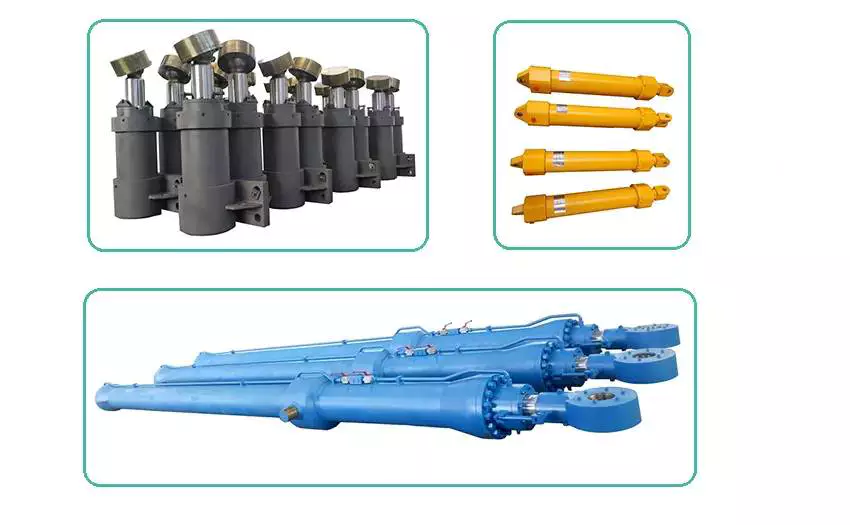
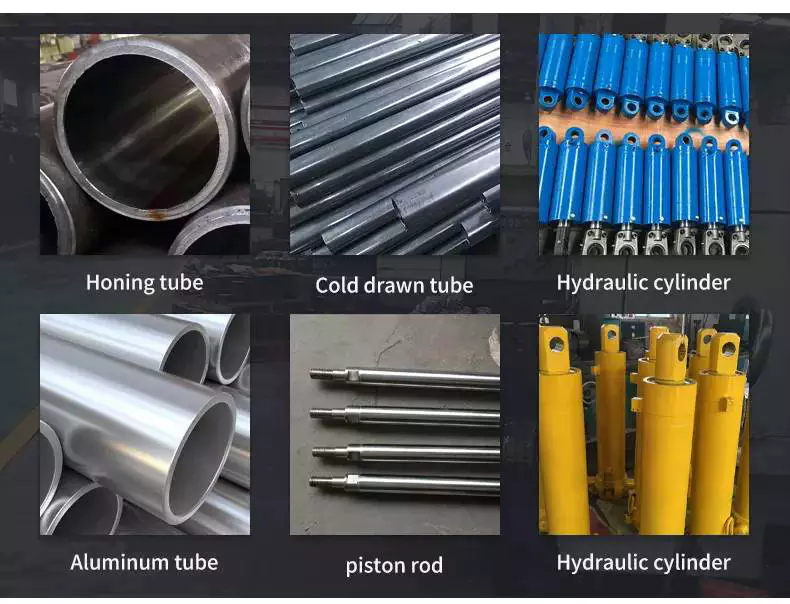
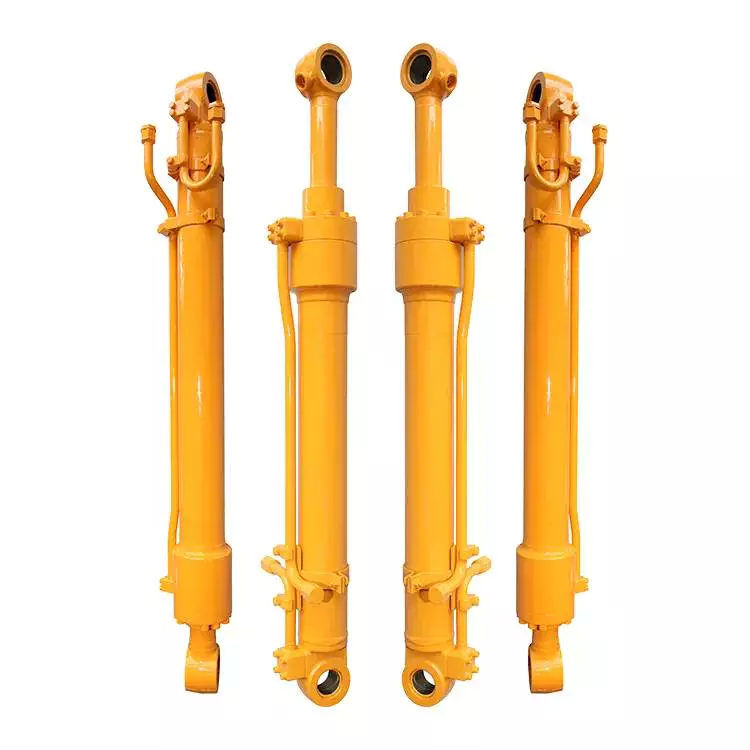
HYDRAULIC CYLINDER
Widely used in equipment for Construction, Coal&mine, Agriculture , Aerial work table and Environmental sanitation etc.
| Features | customized hydraulic cylinder |
| Bore Diameter | 2′-50’/50-1500mm |
| Rod Diameter | 1′ – 60’/25 -1000 mm |
| Wall Thickness | 0.1′-4’/3-100 mm |
| Max Stroke | 366’/9280 mm |
| Max Pressure | 9600 psi/600 bar |
| Test Pressure | 14500 psi/1000 bar |
| Materiaal | 20#,40#,45#,16Mn,27SiMn,etc |
| Seal Kits | Hallite, Parker, NOK, DICHTOMATIK, Trelleborg, Merkel |
| Dimensional Accuracy | H7-H11 |
| Bore Roughness | Ra 0.4-1.6mm |
| Coating | hard chrome |
| Purpose | engineering, Coal &mining, agricultural machinery, environmental sanitation |
| OEM/ODM | Yes |
| MOQ | 1 Piece |
| Certificates | ISO9001,CE, CCS |
Q1. Are you a manufacturer?
Yes, we have manufactured hydraulic cylinders for over 30 years. They are widely used in Engineers, Coal&mine, Agriculture and Environmental Sanitation etc.
Q2. Do your products come with a warranty?
Yes, we have 1 year warranty.
Q3. Can we customize our products from you?
Yes, actually 70% of our products are customized for our clients. You just need to let us know your demand (specifications &drawing is better), and we shall realize them for you.
Q4. How do you deliver the products?
By sea, by plane, or by couriers.
Q5. How many days the samples can be finished, And how about the mass production?
Generally 5-7days for samples making. The lead time of mass production will depend on quality, production art and so on. Generally 35days.
| Certification: | CE, ISO9001 |
|---|---|
| Pressure: | High Pressure |
| Work Temperature: | -40~120 |
| Acting Way: | Double Acting |
| Working Method: | Straight Trip |
| Structure: | Piston Type |
| Customization: | Available |
|
|---|
How do hydraulic cylinders compare to other methods of force generation like electric motors?
Hydraulic cylinders and electric motors are two different methods of force generation with distinct characteristics and applications. While both hydraulic cylinders and electric motors can generate force, they differ in terms of their working principles, performance attributes, and suitability for specific applications. Here’s a detailed comparison of hydraulic cylinders and electric motors:
1. Working Principle:
– Hydraulic Cylinders: Hydraulic cylinders generate force through the conversion of fluid pressure into linear motion. They consist of a cylinder barrel, piston, piston rod, and hydraulic fluid. When pressurized hydraulic fluid enters the cylinder, it pushes against the piston, causing the piston rod to extend or retract, thereby generating linear force.
– Electric Motors: Electric motors generate force through the conversion of electrical energy into rotational motion. They consist of a stator, rotor, and electromagnetic field. When an electrical current is applied to the motor’s windings, it creates a magnetic field that interacts with the rotor, causing it to rotate and generate torque.
2. Force and Power:
– Hydraulic Cylinders: Hydraulic cylinders are known for their high force capabilities. They can generate substantial linear forces, making them suitable for heavy-duty applications that require lifting, pushing, or pulling large loads. Hydraulic systems can provide high force output even at low speeds, allowing for precise control over force application. However, hydraulic systems typically operate at lower speeds compared to electric motors.
– Electric Motors: Electric motors excel in providing high rotational speeds and are commonly used for applications that require rapid motion. While electric motors can generate significant torque, they tend to have lower force output compared to hydraulic cylinders. Electric motors are suitable for applications that involve continuous rotary motion, such as driving conveyor belts, rotating machinery, or powering vehicles.
3. Control and Precision:
– Hydraulic Cylinders: Hydraulic systems offer excellent control over force, speed, and positioning. By regulating the flow of hydraulic fluid, the force and speed of hydraulic cylinders can be precisely controlled. Hydraulic systems can provide gradual acceleration and deceleration, allowing for smooth and precise movements. This level of control makes hydraulic cylinders well-suited for applications that require precise positioning, such as in industrial automation or construction equipment.
– Electric Motors: Electric motors also offer precise control over speed and positioning. Through motor control techniques such as varying voltage, frequency, or pulse width modulation (PWM), the rotational speed and position of electric motors can be accurately controlled. Electric motors are commonly used in applications that require precise speed control, such as robotics, CNC machines, or servo systems.
4. Efficiency and Energy Consumption:
– Hydraulic Cylinders: Hydraulic systems can be highly efficient, especially when properly sized and designed. However, hydraulic systems typically have higher energy losses due to factors such as fluid leakage, friction, and heat generation. The overall efficiency of a hydraulic system depends on the design, component selection, and maintenance practices. Hydraulic systems require a hydraulic power unit to pressurize the hydraulic fluid, which consumes additional energy.
– Electric Motors: Electric motors can have high efficiency, especially when operated at their optimal operating conditions. Electric motors have lower energy losses compared to hydraulic systems, primarily due to the absence of fluid leakage and lower friction losses. The overall efficiency of an electric motor depends on factors such as motor design, load conditions, and control techniques. Electric motors require an electrical power source, and their energy consumption depends on the motor’s power rating and the duration of operation.
5. Environmental Considerations:
– Hydraulic Cylinders: Hydraulic systems typically use hydraulic fluids that can pose environmental concerns if they leak or are not properly disposed of. The choice of hydraulic fluid can impact factors such as biodegradability, toxicity, and potential environmental hazards. Proper maintenance and leak prevention practices are essential to minimize the environmental impact of hydraulic systems.
– Electric Motors: Electric motors are generally considered more environmentally friendly since they do not require hydraulic fluids. However, the environmental impact of electric motors depends on the source of electricity used to power them. When powered by renewable energy sources, such as solar or wind, electric motors can offer a greener solution compared to hydraulic systems.
6. Application Suitability:
– Hydraulic Cylinders: Hydraulic cylinders are commonly used in applications that require high force output, precise control, and durability. They are widely employed in industries such as construction, manufacturing, mining, and aerospace. Hydraulic systems are well-suited for heavy-duty applications, such as lifting heavy objects, operating heavy machinery, or controlling large-scale movements.
– Electric Motors: Electric motors are widely used in various industries and applications that require rotational motion, speed control, and precise positioning. They are commonly found in appliances, transportation, robotics, HVAC systems, and automation. Electric motorsare suitable for applications that involve continuous rotary motion, such as driving conveyor belts, rotating machinery, or powering vehicles.In summary, hydraulic cylinders and electric motors have different working principles, force capabilities, control characteristics, efficiency levels, and application suitability. Hydraulic cylinders excel in providing high force output, precise control, and durability, making them ideal for heavy-duty applications. Electric motors, on the other hand, offer high rotational speeds, precise speed control, and are commonly used for applications that involve continuous rotary motion. The choice between hydraulic cylinders and electric motors depends on the specific requirements of the application, including the type of motion, force output, control precision, and environmental considerations.
Ensuring Consistent Force Output for Repetitive Tasks with Hydraulic Cylinders
Hydraulic cylinders are designed to ensure consistent force output for repetitive tasks. This consistency is essential for maintaining precise control, achieving uniform results, and optimizing the performance of hydraulic systems. Let’s explore how hydraulic cylinders achieve consistent force output for repetitive tasks:
- Design and Manufacturing Standards: Hydraulic cylinders are manufactured to meet strict design and manufacturing standards. These standards ensure that the cylinders are built with precision and accuracy, enabling them to deliver consistent force output. The components, such as the piston, cylinder barrel, seals, and valves, are engineered to work together harmoniously, minimizing variations in force generation.
- Pressure Regulation: Hydraulic systems incorporate pressure regulation mechanisms to maintain a constant pressure level. Pressure relief valves, pressure regulators, and pressure-compensated pumps help maintain a consistent hydraulic pressure throughout the system. By regulating the pressure, hydraulic cylinders receive a consistent supply of pressurized fluid, resulting in consistent force output for repetitive tasks.
- Flow Control: Flow control valves are utilized in hydraulic systems to manage the flow rate of hydraulic fluid. These valves regulate the speed at which the fluid enters and exits the hydraulic cylinder, influencing the force output. By controlling the flow rate, hydraulic cylinders can achieve consistent force output for repetitive tasks. This is particularly important when it comes to tasks that require precise and uniform force application.
- Effective Seal Performance: Sealing systems play a crucial role in hydraulic cylinders by preventing fluid leakage and maintaining pressure integrity. High-quality seals and proper installation ensure effective sealing throughout the cylinder’s operation. By minimizing internal leakage, hydraulic cylinders can maintain consistent force output, even during repetitive tasks.
- Maintenance and Inspection: Regular maintenance and inspection of hydraulic cylinders are essential for ensuring consistent force output. By following maintenance schedules, replacing worn-out components, and monitoring cylinder performance, any potential issues that could affect force consistency can be identified and addressed promptly. This proactive approach helps maintain the reliability and performance of hydraulic cylinders over time.
In summary, hydraulic cylinders employ various mechanisms to ensure consistent force output for repetitive tasks. Adherence to design and manufacturing standards, pressure regulation, flow control, effective seal performance, and regular maintenance all contribute to achieving consistent force output. By maintaining precision, minimizing variations, and addressing potential issues, hydraulic cylinders provide reliable and consistent force generation, facilitating the successful completion of repetitive tasks in various applications.
Welke onderhoudsprocedures zijn essentieel voor het verlengen van de levensduur van hydraulische cilinders?
Het onderhouden van hydraulische cilinders is cruciaal voor het verlengen van hun levensduur en het garanderen van optimale prestaties. Regelmatig onderhoud helpt vroegtijdige slijtage, schade en storingen te voorkomen, waardoor uiteindelijk de stilstandtijd wordt verminderd en kosten worden bespaard. Hieronder volgen enkele essentiële onderhoudsmaatregelen om de levensduur van hydraulische cilinders te verlengen:
1. Regelmatige inspecties:
– Voer routinematige visuele inspecties uit van hydraulische cilinders om eventuele schade, lekkages of slijtage op te sporen. Inspecteer de cilinderbehuizing, de zuigerstang, de afdichtingen en de bevestigingspunten. Let op vloeistoflekkages, roest, deuken of abnormale slijtagepatronen. Vroegtijdige detectie van problemen maakt tijdige reparaties of vervangingen mogelijk, waardoor verdere schade wordt voorkomen en de levensduur van de cilinder wordt verlengd.
2. Netheid:
– Zorg voor een schone omgeving rond hydraulische cilinders om te voorkomen dat er vuil in het systeem terechtkomt. Stof, vuil en ander afval kunnen afdichtingen en andere interne onderdelen beschadigen, wat leidt tot versnelde slijtage en verminderde prestaties. Reinig de cilinder en de omgeving regelmatig om het risico op vervuiling te minimaliseren.
3. Juiste smering:
Voldoende smering is cruciaal voor een soepele werking en een lange levensduur van hydraulische cilinders. Volg de aanbevelingen van de fabrikant voor de smeerintervallen en gebruik het juiste smeermiddel. Breng smeermiddel aan op de bewegende delen van de cilinder, zoals de zuigerstang, om wrijving te verminderen en slijtage te minimaliseren.
4. Onderhoud van de afdichting:
– Afdichtingen spelen een cruciale rol bij het voorkomen van lekkage van hydraulische vloeistof en het behoud van de prestaties van de cilinder. Controleer en vervang versleten of beschadigde afdichtingen onmiddellijk. Zorg ervoor dat de afdichtingen correct zijn gemonteerd en gesmeerd. Reinig de groeven van de afdichtingen regelmatig om vuil te verwijderen dat de effectiviteit van de afdichting kan verminderen.
5. Drukcontroles:
– Controleer periodiek de druk in het hydraulische systeem om er zeker van te zijn dat deze binnen het aanbevolen werkingsbereik ligt. Overmatige druk kan de cilinder en de onderdelen ervan belasten, wat leidt tot voortijdige slijtage. Houd de drukniveaus in de gaten en pas deze indien nodig aan om overbelasting van de cilinder te voorkomen.
6. Onderhoud van de regelklep:
– Onderhoud en inspecteer de regelkleppen die de stroom en richting van de hydraulische vloeistof regelen. Zorg ervoor dat de kleppen correct functioneren en geen overmatige spanning of drukpieken in de cilinder veroorzaken. Reinig of vervang de regelkleppen indien ze beschadigd of defect zijn.
7. Cilinderuitlijning:
– Een correcte uitlijning van hydraulische cilinders is essentieel voor hun levensduur. Een verkeerde uitlijning kan leiden tot overmatige zijdelingse belasting, waardoor ongelijkmatige slijtage en mogelijke schade ontstaan. Zorg ervoor dat de cilinder correct is uitgelijnd met andere componenten en dat de bevestigingspunten goed vastzitten.
8. Overbelasting voorkomen:
– Vermijd het belasten van hydraulische cilinders met een belasting die hun nominale capaciteit overschrijdt. Overbelasting kan interne schade, defecten aan de afdichtingen en een kortere levensduur veroorzaken. Zorg ervoor dat de belasting binnen de mogelijkheden van de cilinder ligt en overweeg indien nodig het gebruik van veiligheidsvoorzieningen zoals overbelastingsbeveiligingssystemen.
9. Training en bewustwording bij de operator:
– Zorg voor een gedegen training van de operators over het correcte gebruik en de juiste hantering van hydraulische cilinders. Operators moeten op de hoogte zijn van de beperkingen van de cilinder, de veilige bedieningsprocedures en het belang van regelmatig onderhoud. Stimuleer een cultuur van proactief onderhoud en moedig operators aan om eventuele problemen direct te melden.
10. Documentatie en archivering:
– Houd gedetailleerde documentatie bij van alle onderhoudsactiviteiten, inclusief inspecties, reparaties en vervangingen. Registreer smeerschema's, drukmetingen en al het uitgevoerde onderhoud aan de hydraulische cilinders. Deze documentatie helpt bij het bijhouden van de geschiedenis van de cilinder, het identificeren van terugkerende problemen en het effectief plannen van toekomstig onderhoud.
Door deze onderhoudsprocedures te volgen, kan de levensduur van hydraulische cilinders worden verlengd, waardoor betrouwbare prestaties worden gegarandeerd en het risico op onverwachte storingen wordt verminderd. Regelmatige inspecties, reiniging, juiste smering, onderhoud van afdichtingen, drukcontroles, onderhoud van regelkleppen, uitlijning van cilinders, voorkomen van overbelasting, training van de operator en documentatie dragen bij aan de algehele levensduur en optimale werking van hydraulische cilinders.


editor by CX 2023-11-21
 Dutch
Dutch  English
  Italian
  Portuguese
  Swedish
  Danish
  Finnish
  Polish
  Hindi
Hindi  Kazakh
  Turkish
  Ukrainian
  Romanian
  Spanish
  German
  Russian
  Korean
  Japanese
  Vietnamese
  Thai
Thai  Indonesian
  Malay
Malay  French
  Greek
Greek