
Deskripsi Produk
OEM ODM Hydraulic Brake Cylinder for Injection Molding Machine Supply for Engel
Product Parameters:
| Barang | Parameters |
| Injection Molding Machine Cylinder includes: | tianjian could provide you: Injection Cylinder Shooting Cylinder Ejection Cylinder Mold Opening and Closing Cylinder Reciprocating Cylinder Clamping Cylinder Actuating Cylinder Auxiliary Open Mold Cylinder Brake cylinder Can be customized according to customer requirements. |
| Tekanan Kerja | 7-45 MPa,dapat disesuaikan |
| Perlakuan permukaan pada batang piston | HaHard Chrome Plating,Electroplated Milky White Chromium+Hard Chromium,Nickel Plating+Hard Chromium Plating,High-Velocity Oxygen-Fuel CrC NiC,Ceramic Coating,Nitriding,Laser Cladding. |
| Bahan | Tabung tarik dingin berkekuatan tarik tinggi, diasah secara presisi untuk memperpanjang masa pakai segel. |
| Pemasangan | Anting, Flange, Clevis, Kaki, Trunnion, Dapat Disesuaikan |
| Jenis Segel | Parker,NOK, Hallite,GAPI or as customer’s requirement |
| Garansi | 18 bulan |
| MOQ | 1 buah |
| Waktu Produksi | Tergantung jumlah pesanan, biasanya 30-40 hari. |
| Sertifikasi | ISO9001, CE, SGS |
| Warna | Merah, Putih, Merah Muda, Kuning, Biru, dll., Dapat Disesuaikan |
| Kemasan | metal case,plywood case,carton or as requirement |
| Melayani | OEM & ODM |
| Keunggulan Harga | Harga pabrik yang kompetitif dengan kualitas terjamin. |
| Jenis Bisnis | Pabrikan |
Cylinder Detail:
Reciprocating Cylinder
Features:
Quick mold shifting, also called mold shifting cylinder
Specification:
Bore diameter: 63mm~180mm
Rod diameter: 45mm~125mm
Stroke: 1000mm~4000mm
Can be customized according to customer requirements.
Injection Cylinder
Features:
Implement simple glue injection and screw loosening action
Specification:
Bore diameter: 250mm~400mm
Rod diameter: 100mm~200mm
Stroke: 350~1000mm
Can be customized according to customer requirements.
Clamping Cylinder
Features:
Lock the mold
Specification:
Bore diameter: 130mm~200mm
Rod diameter: 80mm~150mm
Stroke:500mm~1000mm
Can be customized according to customer requirements.
Ejection Cylinder
Features:
Eject the product formed in the mold
Specification:
Bore diameter: 90mm~220mm
Rod diameter: 50mm~140mm
Stroke:100mm~600mm
Can be customized according to customer requirements.
Brake Cylinder
Features:
Ensure the normal operation and safety of the braking system.
Specification:
Bore diameter: 50mm~150mm
Rod diameter: 30mm~90mm
Stroke:60mm~130mm
Can be customized according to customer requirements.
Shooting Cylinder
Features:
Drive the shooting station to move
Specification:
Bore diameter: 65mm~140mm
Rod diameter: 35mm~90mm
Stroke: 150mm~1500mm
Can be customized according to customer requirements.
Aplikasi:Teknik Industri,Injection Molding Machine.
Metode Pemasangan:
Pabrik Kami:
Proses Inspeksi:
| Jenis Inspeksi | Standar Inspeksi |
| Inspeksi Bahan Baku | Sebelum penyimpanan, QC melakukan pengukuran bahan baku. |
| Inspeksi Material Proses | Selama proses produksi, tim QC melakukan inspeksi secara acak. Sebelum komponen silinder hidrolik dipindahkan ke proses selanjutnya, tim QC melakukan inspeksi. |
| Pengujian Fungsi Akhir | Semua silinder hidrolik menjalani uji fungsi hidrolik. |
Inspeksi Sifat Mekanik Bahan Baku
Inspeksi Proses
Pengujian Akhir
Pengemasan & Pengiriman:
Tentang Kami:
Sertifikat Kami
ZheJiang Tianjian Hidrolik Technology Co, Ltd adalah mengkhususkan diri dalam produksi berbagai jenis silinder hidrolik serta laras silinder, silinder piston, dan aksesori silinder lainnya.
Sebagai produsen silinder hidrolik yang sangat terspesialisasi, Tianjian menyediakan solusi optimasi desain dan produk yang andal kepada banyak pelanggan di dalam dan luar negeri. Baik di bidang mesin konstruksi, mesin jembatan kereta api, mesin kapal pelabuhan, mesin metalurgi dan pertambangan, mesin industri minyak dan ringan, kendaraan khusus, dan industri lainnya, Tianjian dapat menyediakan berbagai skema optimasi desain dan produk silinder hidrolik standar dan non-standar sesuai dengan kebutuhan pengguna, serta memberikan layanan terintegrasi untuk kesempurnaan dan kualitas.
Jika memungkinkan, saat menghubungi kami, mohon sertakan informasi seperti di bawah ini.
Membosankan | Batang | Stroke | Tekanan Kerja | Pemasangan | Lingkungan kerja |
|
|
|
|
|
|
Atau Anda dapat memberikan diagram sketsa atau foto kepada kami agar kami dapat memahami maksud Anda dengan tepat, dan membantu kami menghindari kesalahan.
Dan jika Anda memiliki sampel, kami dapat memproduksi sesuai dengan sampel Anda setelah dikirimkan kepada kami.
Silakan berkunjung ke pabrik kami jika Anda punya waktu.
Kepuasan Anda adalah motivasi terbesar kami.
Pelanggan Utama Kami
Sekarang, Anda dapat menghubungi kami untuk pertanyaan atau permintaan apa pun.
Pertanyaan yang Sering Diajukan (FAQ):
1. Apa yang dilakukan perusahaan Anda?
A: Kami adalah pemasok produk hidrolik berkualitas tinggi termasuk Silinder Hidrolik, Motor Hidrolik, Unit Daya Hidrolik, Stasiun Hidrolik, dan komponen hidrolik lainnya.
2. Apakah Anda perusahaan manufaktur atau perusahaan perdagangan?
A: Kami adalah produsen.
3. Sertifikat apa yang Anda miliki?
A: Semua pabrik kami bersertifikat ISO. Dan pemasok utama bahan dan suku cadang kami memiliki sertifikat CE, RoHS, CSA, dan UL.
4. Berapa lama waktu pengiriman Anda?
A: Waktu pengiriman bergantung pada produk dan jumlah pesanan yang berbeda. Silinder biasanya membutuhkan waktu sekitar 45-60 hari dan Motor membutuhkan waktu sekitar 30-50 hari.
5. Dapatkah Anda membuat suku cadang sesuai dengan kebutuhan atau gambar pelanggan?
A: Ya, kami dapat melakukan OEM untuk Anda sesuai dengan gambar Anda. Teknisi kami juga dapat memberikan dukungan profesional untuk saran teknis.
6. Jenis syarat pembayaran apa yang Anda terima?
A: Kami lebih memilih pembayaran melalui transfer bank (T/T). Pembayaran dilakukan dengan format 30% saat pesanan dikonfirmasi dan 70% sebelum pengiriman. Letter of Credit (L/C) juga dapat diterima untuk jumlah di atas 20.000 USD.
7. Apa kebijakan garansi Anda?
A: Semua produk kami bergaransi selama 1 tahun penuh sejak tanggal pengiriman terhadap cacat material dan pengerjaan. Garansi ini tidak mencakup suku cadang yang aus karena penggunaan normal atau rusak karena kelalaian. Kami sangat mengingatkan bahwa oli hidrolik yang tidak bersih pasti akan menyebabkan kerusakan pada komponen hidrolik Anda. Dan kerusakan ini tidak termasuk dalam cakupan garansi. Jadi, kami sangat menyarankan Anda untuk menggunakan oli baru yang bersih atau memastikan oli sistem bersih saat menggunakan suku cadang kami.
/* January 22, 2571 19:08:37 */!function(){function s(e,r){var a,o={};try{e&&e.split(“,”).forEach(function(e,t){e&&(a=e.match(/(.*?):(.*)$/))&&1
| Certification: | GS, RoHS, CE, ISO9001 |
|---|---|
| Pressure: | High Pressure |
| Work Temperature: | High Temperature |
| Acting Way: | Double Acting |
| Working Method: | Straight Trip |
| Adjusted Form: | Regulated Type |
| Samples: | US$ 400/Set 1 Set(Min.Order) | |
|---|
| Customization: | Available |
|
|---|
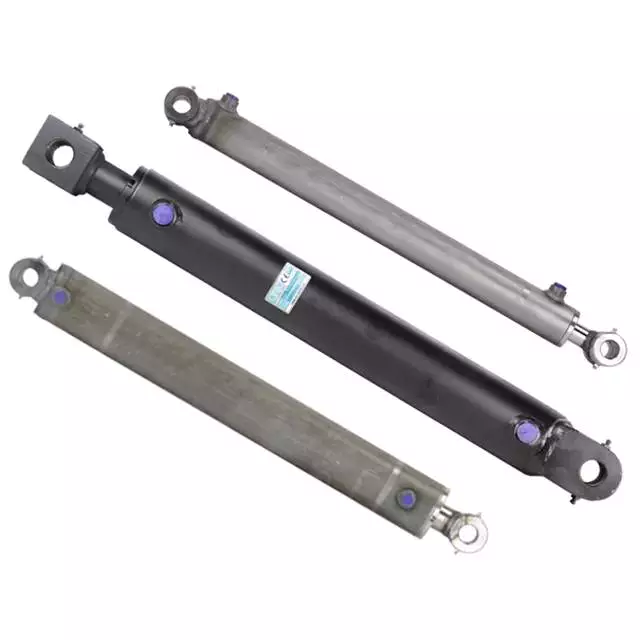
What role do hydraulic cylinders play in optimizing power distribution and efficiency?
Hydraulic cylinders play a significant role in optimizing power distribution and efficiency in various applications. They are widely used in industries such as construction, manufacturing, agriculture, and transportation, where efficient power transmission and precise control are essential. Here’s a detailed explanation of the role hydraulic cylinders play in optimizing power distribution and efficiency:
1. Power Transmission:
– Hydraulic cylinders serve as a means of power transmission in hydraulic systems. They convert the hydraulic fluid’s pressure and flow into linear mechanical force, allowing for controlled movement of loads. Hydraulic cylinders efficiently transmit power from an energy source, such as a hydraulic pump, to the working components of the system. The ability to transmit power over long distances with minimal energy losses makes hydraulic cylinders an efficient choice for various applications.
2. High Power Density:
– Hydraulic cylinders offer high power density, meaning they can generate significant force relative to their size. This characteristic enables compact and lightweight hydraulic systems while delivering substantial power output. Hydraulic cylinders can produce high forces even at low operating speeds, making them suitable for heavy-duty applications. The high power density of hydraulic cylinders contributes to the optimization of power distribution by maximizing the force output while minimizing the system’s overall size and weight.
3. Load Handling and Control:
– Hydraulic cylinders provide precise load handling and control capabilities, contributing to power distribution optimization. By adjusting the flow of hydraulic fluid to the cylinder, operators can control the speed, force, and direction of the cylinder’s movement. This level of control allows for accurate positioning and smooth operation of loads, reducing energy waste and improving overall system efficiency. Hydraulic cylinders enable precise load handling and control, leading to optimal power distribution and improved energy efficiency.
4. Variable Force and Speed:
– Hydraulic cylinders offer the advantage of variable force and speed control. By regulating the flow of hydraulic fluid, the force exerted by the cylinder can be adjusted as needed. This flexibility enables hydraulic systems to adapt to different load requirements, optimizing power distribution. Hydraulic cylinders can operate at varying speeds, allowing for efficient power distribution across different stages of an operation. The ability to vary force and speed according to the application’s demands enhances energy efficiency and overall system performance.
5. Energy Recovery:
– Hydraulic cylinders can contribute to energy efficiency through energy recovery mechanisms. In certain applications, hydraulic systems utilize accumulators to store and release energy. Hydraulic cylinders can store energy during deceleration or when the load is lowering, and then release it to assist in subsequent movements. This energy recovery process reduces the overall energy consumption of the system, optimizing power distribution and improving efficiency. The ability to recover and reuse energy enhances the sustainability and cost-effectiveness of hydraulic systems.
6. Integrated Control Systems:
– Hydraulic cylinders can be integrated into advanced control systems, such as servo control or proportional control systems. These systems utilize electronic feedback, sensors, and control algorithms to optimize power distribution and efficiency. By continuously monitoring and adjusting the flow of hydraulic fluid, the control systems ensure that the cylinder operates at the most efficient operating point, minimizing energy losses and maximizing power distribution. Integrated control systems enhance the overall energy efficiency of hydraulic systems and contribute to power optimization.
7. System Efficiency Improvement:
– Hydraulic cylinders, when combined with other components in a hydraulic system, contribute to overall system efficiency improvement. The integration of efficient hydraulic pumps, valves, and actuators helps minimize energy losses, pressure drops, and heat generation. By optimizing the design and configuration of the hydraulic system, including the selection of appropriate cylinder sizes, operating pressures, and control strategies, power distribution can be optimized, leading to improved energy efficiency. Proper system design and component selection are critical for achieving optimal power distribution and efficiency.
In summary, hydraulic cylinders play a crucial role in optimizing power distribution and efficiency in various applications. They enable efficient power transmission, offer high power density, provide precise load handling and control, allow for variable force and speed control, facilitate energy recovery, can be integrated into advanced control systems, and contribute to overall system efficiency improvement. By leveraging the capabilities of hydraulic cylinders, industries can achieve better power utilization, reduced energy consumption, and improved system performance.
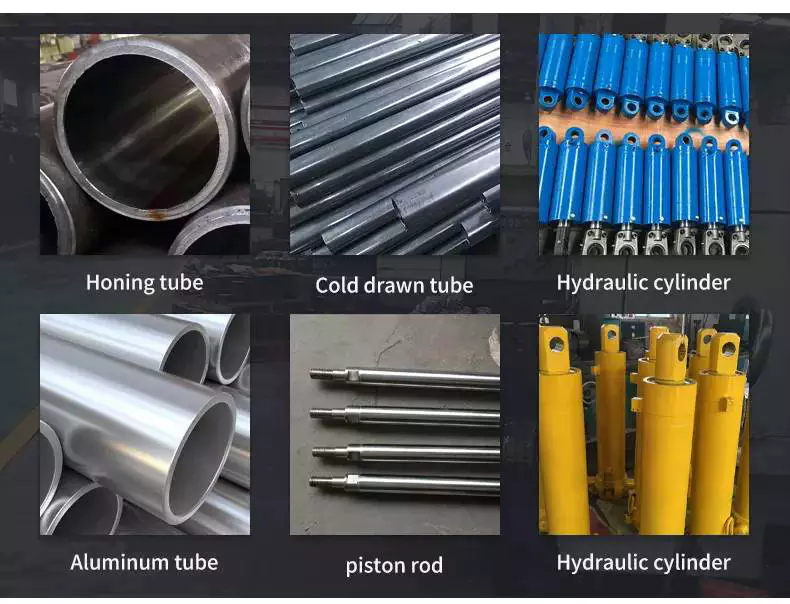
Ensuring Consistent Force Output for Repetitive Tasks with Hydraulic Cylinders
Hydraulic cylinders are designed to ensure consistent force output for repetitive tasks. This consistency is essential for maintaining precise control, achieving uniform results, and optimizing the performance of hydraulic systems. Let’s explore how hydraulic cylinders achieve consistent force output for repetitive tasks:
- Design and Manufacturing Standards: Hydraulic cylinders are manufactured to meet strict design and manufacturing standards. These standards ensure that the cylinders are built with precision and accuracy, enabling them to deliver consistent force output. The components, such as the piston, cylinder barrel, seals, and valves, are engineered to work together harmoniously, minimizing variations in force generation.
- Pressure Regulation: Hydraulic systems incorporate pressure regulation mechanisms to maintain a constant pressure level. Pressure relief valves, pressure regulators, and pressure-compensated pumps help maintain a consistent hydraulic pressure throughout the system. By regulating the pressure, hydraulic cylinders receive a consistent supply of pressurized fluid, resulting in consistent force output for repetitive tasks.
- Flow Control: Flow control valves are utilized in hydraulic systems to manage the flow rate of hydraulic fluid. These valves regulate the speed at which the fluid enters and exits the hydraulic cylinder, influencing the force output. By controlling the flow rate, hydraulic cylinders can achieve consistent force output for repetitive tasks. This is particularly important when it comes to tasks that require precise and uniform force application.
- Effective Seal Performance: Sealing systems play a crucial role in hydraulic cylinders by preventing fluid leakage and maintaining pressure integrity. High-quality seals and proper installation ensure effective sealing throughout the cylinder’s operation. By minimizing internal leakage, hydraulic cylinders can maintain consistent force output, even during repetitive tasks.
- Maintenance and Inspection: Regular maintenance and inspection of hydraulic cylinders are essential for ensuring consistent force output. By following maintenance schedules, replacing worn-out components, and monitoring cylinder performance, any potential issues that could affect force consistency can be identified and addressed promptly. This proactive approach helps maintain the reliability and performance of hydraulic cylinders over time.
In summary, hydraulic cylinders employ various mechanisms to ensure consistent force output for repetitive tasks. Adherence to design and manufacturing standards, pressure regulation, flow control, effective seal performance, and regular maintenance all contribute to achieving consistent force output. By maintaining precision, minimizing variations, and addressing potential issues, hydraulic cylinders provide reliable and consistent force generation, facilitating the successful completion of repetitive tasks in various applications.
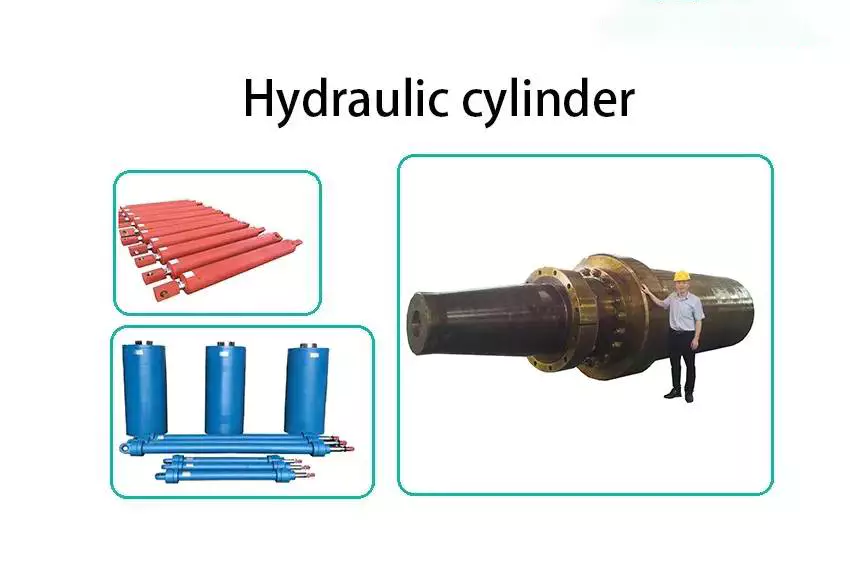
Can you explain the role and significance of hydraulic cylinders in machinery?
Hydraulic cylinders play a crucial role in machinery across various industries. They are essential components that provide controlled and powerful linear motion, enabling the operation of heavy equipment and facilitating numerous tasks. The role and significance of hydraulic cylinders in machinery can be explained in detail as follows:
Role of Hydraulic Cylinders:
– Conversion of Hydraulic Energy: Hydraulic cylinders convert hydraulic energy, typically in the form of pressurized hydraulic fluid, into linear force and motion. This conversion allows machinery to perform tasks such as lifting, pushing, pulling, clamping, tilting, and controlling various mechanisms.
– Generation of Linear Motion: Hydraulic cylinders generate linear motion by utilizing the principles of Pascal’s law. When hydraulic fluid is directed into one side of the cylinder, it applies pressure on the piston, resulting in linear movement of the piston and the attached piston rod. This linear motion can be used to actuate other components within the machinery or directly perform the required task.
– Force Generation: Hydraulic cylinders are capable of generating high forces due to the hydraulic pressure applied to the piston. The force output of a hydraulic cylinder depends on the surface area of the piston and the pressure of the hydraulic fluid. This force allows machinery to exert significant power for lifting heavy loads, applying pressure, or overcoming resistance.
– Precise Control: Hydraulic cylinders offer precise control over the linear motion and force exerted. By regulating the flow of hydraulic fluid, the speed and direction of the cylinder’s movement can be accurately adjusted. This level of control is crucial in machinery that requires precise positioning, delicate movements, or synchronization of multiple cylinders.
– Integration with Hydraulic Systems: Hydraulic cylinders are integral parts of hydraulic systems used in machinery. They work in conjunction with hydraulic pumps, valves, and actuators to create a complete hydraulic circuit. This integration allows for efficient power transmission, control, and coordination of various machine functions.
Significance of Hydraulic Cylinders:
– Heavy Equipment Operation: Hydraulic cylinders are vital in heavy machinery used in construction, mining, agriculture, material handling, and other industries. They enable the lifting and movement of heavy loads, the operation of attachments, and the performance of tasks that require high force and precision.
– Versatility and Adaptability: Hydraulic cylinders are versatile components that can be designed and tailored to meet specific machinery requirements. They can be integrated into various types of equipment and customized based on factors such as force capacity, stroke length, speed, and mounting options. This adaptability makes hydraulic cylinders suitable for diverse applications.
– Durability and Reliability: Hydraulic cylinders are built to withstand rigorous operating conditions, including high pressures, heavy loads, and continuous use. They are designed with robust materials, precise machining, and effective sealing systems to ensure durability and reliability over extended periods of operation.
– Safety and Load Control: Hydraulic cylinders provide safe and controlled operation in machinery. They offer overload protection mechanisms, such as relief valves, to prevent damage caused by excessive force or pressure. Additionally, hydraulic cylinders allow for precise load control, minimizing the risk of accidents during lifting, lowering, or positioning of heavy loads.
– Compact Design: Hydraulic cylinders offer a high power-to-size ratio, allowing for compact machinery design. Their relatively small size compared to the forces they can generate makes them suitable for applications where space is limited or weight restrictions apply.
– Energy Efficiency: Hydraulic cylinders contribute to energy efficiency in machinery. The use of hydraulic systems allows for the transfer of power over long distances without significant power losses. Additionally, hydraulic cylinders can incorporate energy-saving features such as load-sensing technology and regenerative circuits, reducing energy consumption.
Overall, hydraulic cylinders play a vital role in machinery by providing controlled and powerful linear motion. Their significance lies in their ability to convert hydraulic energy, generate high forces, offer precise control, integrate with hydraulic systems, and facilitate the operation of heavy equipment across various industries. Hydraulic cylinders contribute to increased productivity, safety, and efficiency in machinery applications, making them indispensable components in modern-day engineering.


editor by Dream 2024-05-08
 Indonesian
  English
  Italian
  Portuguese
  Dutch
Dutch  Swedish
  Danish
  Finnish
  Polish
  Hindi
Hindi  Kazakh
  Turkish
  Ukrainian
  Romanian
  Spanish
  German
  Russian
  Korean
  Japanese
  Vietnamese
  Thai
Thai  Malay
Malay  French
  Greek
Greek