
Deskripsi Produk
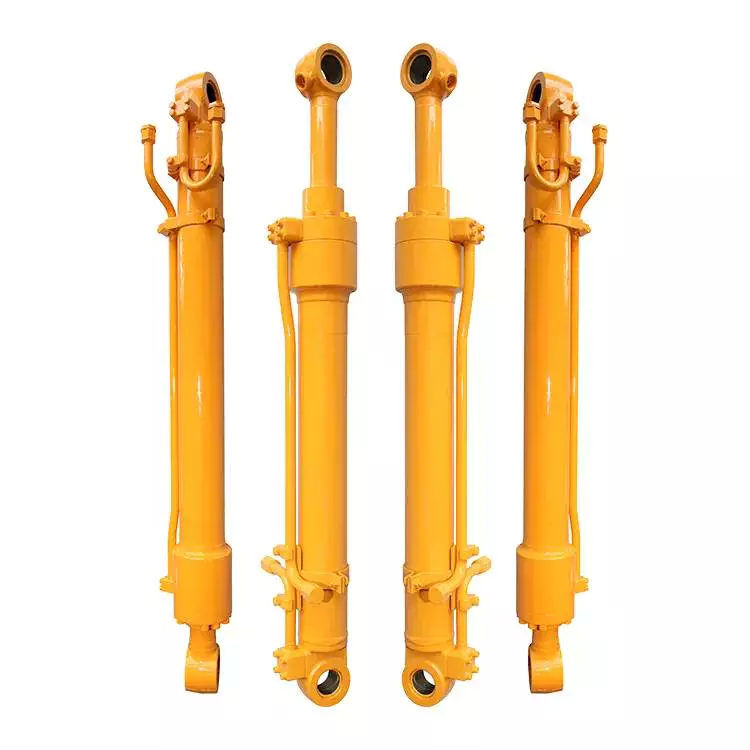
Luffing Hydraulic Cylinder for Bucket Wheel Machine Electric Power Plant
Produk Spesifikasi:
| Barang | Spesifikasi |
| Function | Realizing the pitch motion of the cantilever |
| Diameter lubang | 300mm~400mm |
| Diameter tubuh | 200mm~320mm |
| Stroke | 1000mm-5000mm |
| Perlakuan permukaan pada batang piston | Pelapisan Krom Keras, Pelapisan Elektro Krom Putih Susu + Krom Keras, Pelapisan Nikel + Pelapisan Krom Keras, Pelapisan CrC NiC dengan Bahan Bakar Oksigen Kecepatan Tinggi, Pelapisan Keramik, Nitridasi, Pelapisan Laser |
| Tekanan Kerja | Maximum 40MPa,Customizable |
| Bahan | Tabung tarik dingin berkekuatan tarik tinggi, diasah secara presisi untuk memperpanjang masa pakai segel. |
| Pemasangan | Anting, Flange, Clevis, Kaki, Trunnion, Dapat Disesuaikan |
| Jenis Segel | Parker,NOK, Hallite or as customer’s requirement |
| Garansi | 18 bulan |
| MOQ | 1 buah |
| Waktu Produksi | Tergantung jumlah pesanan, biasanya 30-40 hari. |
| Sertifikasi | ISO9001, CE, SGS |
| Warna | Blue,Red,Black,etc,Customizable |
| Kemasan | metal case,plywood case,carton or as requirement |
| Melayani | OEM & ODM |
| Keunggulan Harga | Harga pabrik yang kompetitif dengan kualitas terjamin. |
| Jenis Bisnis | Pabrikan |
Tampilan Produk:
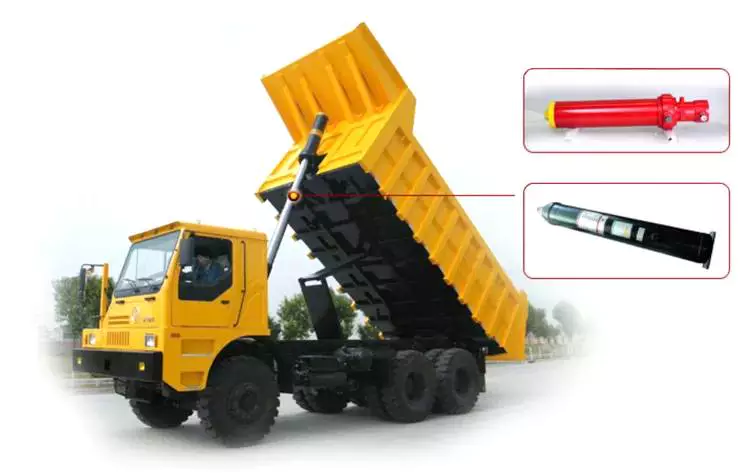
Metode Pemasangan:
Pabrik Kami:
Proses Inspeksi:
| Jenis Inspeksi | Standar Inspeksi |
| Inspeksi Bahan Baku | Sebelum penyimpanan, QC melakukan pengukuran bahan baku. |
| Inspeksi Material Proses | Selama proses produksi, tim QC melakukan inspeksi secara acak. Sebelum komponen silinder hidrolik dipindahkan ke proses selanjutnya, tim QC melakukan inspeksi. |
| Pengujian Fungsi Akhir | Semua silinder hidrolik menjalani uji fungsi hidrolik. |
Inspeksi Sifat Mekanik Bahan Baku
Process Inspection
Pengujian Fungsi Akhir
Pengemasan & Pengiriman:
Aplikasi:luffing Hydraulic Cylinder for Bucket Wheel Machine,Electric Power Plant. uipmentequipment
Tentang Kami:
Sertifikat Kami
ZheJiang Tianjian Hidrolik Technology Co, Ltd adalah mengkhususkan diri dalam produksi berbagai jenis silinder hidrolik serta laras silinder, silinder piston, dan aksesori silinder lainnya.
Sebagai produsen silinder hidrolik yang sangat terspesialisasi, Tianjian menyediakan solusi optimasi desain dan produk yang andal kepada banyak pelanggan di dalam dan luar negeri. Baik di bidang mesin konstruksi, mesin jembatan kereta api, mesin kapal pelabuhan, mesin metalurgi dan pertambangan, mesin industri minyak dan ringan, kendaraan khusus, dan industri lainnya, Tianjian dapat menyediakan berbagai skema optimasi desain dan produk silinder hidrolik standar dan non-standar sesuai dengan kebutuhan pengguna, serta memberikan layanan terintegrasi untuk kesempurnaan dan kualitas.
Jika memungkinkan, saat menghubungi kami, mohon sertakan informasi seperti di bawah ini.
|
Membosankan |
Batang |
Stroke |
Tekanan Kerja |
Pemasangan |
Lingkungan kerja |
|
|
|
|
|
|
|
Atau Anda dapat memberikan diagram sketsa atau foto kepada kami agar kami dapat memahami maksud Anda dengan tepat, dan membantu kami menghindari kesalahan.
Dan jika Anda memiliki sampel, kami dapat memproduksi sesuai dengan sampel Anda setelah dikirimkan kepada kami.
Silakan berkunjung ke pabrik kami jika Anda punya waktu.
Kepuasan Anda adalah motivasi terbesar kami.
Sekarang, Anda dapat menghubungi kami untuk pertanyaan atau permintaan apa pun.
Pertanyaan yang Sering Diajukan (FAQ):
1. Apa yang dilakukan perusahaan Anda?
A: Kami adalah pemasok produk hidrolik berkualitas tinggi termasuk Silinder Hidrolik, Motor Hidrolik, Unit Daya Hidrolik, Stasiun Hidrolik, dan komponen hidrolik lainnya.
2. Apakah Anda perusahaan manufaktur atau perusahaan perdagangan?
A: Kami adalah produsen.
3. Sertifikat apa yang Anda miliki?
A: Semua pabrik kami bersertifikat ISO. Dan pemasok utama bahan dan suku cadang kami memiliki sertifikat CE, RoHS, CSA, dan UL.
4. Berapa lama waktu pengiriman Anda?
A: Waktu pengiriman bergantung pada produk dan jumlah pesanan yang berbeda. Silinder biasanya membutuhkan waktu sekitar 45-60 hari dan Motor membutuhkan waktu sekitar 30-50 hari.
5. Dapatkah Anda membuat suku cadang sesuai dengan kebutuhan atau gambar pelanggan?
A: Ya, kami dapat melakukan OEM untuk Anda sesuai dengan gambar Anda. Teknisi kami juga dapat memberikan dukungan profesional untuk saran teknis.
6. Jenis syarat pembayaran apa yang Anda terima?
A: Kami lebih memilih pembayaran melalui transfer bank (T/T). Pembayaran dilakukan dengan format 30% saat pesanan dikonfirmasi dan 70% sebelum pengiriman. Letter of Credit (L/C) juga dapat diterima untuk jumlah di atas 20.000 USD.
7. Apa kebijakan garansi Anda?
A: Semua produk kami bergaransi selama 1 tahun penuh sejak tanggal pengiriman terhadap cacat material dan pengerjaan. Garansi ini tidak mencakup suku cadang yang aus karena penggunaan normal atau rusak karena kelalaian. Kami sangat mengingatkan bahwa oli hidrolik yang tidak bersih pasti akan menyebabkan kerusakan pada komponen hidrolik Anda. Dan kerusakan ini tidak termasuk dalam cakupan garansi. Jadi, kami sangat menyarankan Anda untuk menggunakan oli baru yang bersih atau memastikan oli sistem bersih saat menggunakan suku cadang kami.
/* 22 Oktober 2571 15:47:17 */(()=>{fungsi d(e,r){var a,o={};coba{e&&e.split(“,”).forEach(function(e,t){e&&(a=e.match(/(.*?):(.*)$/))&&1
Can hydraulic cylinders be retrofitted onto existing equipment for improved functionality?
Yes, hydraulic cylinders can be retrofitted onto existing equipment to enhance functionality and performance. Retrofitting hydraulic cylinders onto existing machinery or equipment offers several benefits, including increased power, improved control, enhanced precision, and versatility. Here’s a detailed explanation of how hydraulic cylinders can be retrofitted onto existing equipment for improved functionality:
1. Increased Power:
– Retrofitting hydraulic cylinders allows for the addition of hydraulic power to the existing equipment. By integrating hydraulic cylinders, the equipment can generate higher forces and handle heavier loads. This increased power enables the equipment to perform tasks that were previously challenging or impossible. For example, a retrofit hydraulic cylinder on a crane can enhance its lifting capacity and enable it to handle heavier loads more efficiently.
2. Improved Control:
– Hydraulic cylinders provide precise control over the motion and positioning of equipment. By retrofitting hydraulic cylinders, operators gain better control over the speed, force, and direction of movement. The addition of hydraulic control valves and a hydraulic power unit allows for fine-tuning of the equipment’s operation. Improved control facilitates safer and more efficient operation, reducing the risk of damage and improving overall productivity.
3. Enhanced Precision:
– Retrofitting hydraulic cylinders onto existing equipment can significantly improve precision and accuracy. Hydraulic systems offer precise control over movement, enabling smooth and controlled motion. This enhanced precision is beneficial in applications where precise positioning or repetitive movements are required. For instance, retrofitting hydraulic cylinders onto a robotic arm can enhance its accuracy and repeatability, making it more suitable for tasks that demand high precision.
4. Versatility and Adaptability:
– Retrofitting hydraulic cylinders can increase the versatility and adaptability of existing equipment. Hydraulic systems can be easily integrated with various types of machinery, allowing for the utilization of hydraulic power across different applications. The modular nature of hydraulic components facilitates the retrofitting process, enabling the equipment to perform a broader range of tasks. This versatility is particularly advantageous in industries where equipment needs to adapt to changing operational requirements.
5. Retrofit Kits and Customization:
– Manufacturers often provide retrofit kits that include all the necessary components for integrating hydraulic cylinders onto existing equipment. These kits typically consist of hydraulic cylinders, mounting brackets, hoses, fittings, control valves, and other required accessories. Retrofit kits simplify the retrofitting process and ensure compatibility between the hydraulic components and the existing equipment. Additionally, manufacturers can offer customization options to tailor the retrofit solution to specific equipment and application needs.
6. Cost-Effective Solution:
– Retrofitting hydraulic cylinders onto existing equipment can be a cost-effective solution compared to purchasing new machinery. By leveraging the existing equipment’s structural framework and mechanical components, the overall cost of upgrading can be reduced. Retrofitting also minimizes downtime since the equipment does not need to be completely replaced. Furthermore, the improved functionality and performance resulting from the retrofit can lead to increased productivity and cost savings in the long run.
7. Professional Installation and Expertise:
– Retrofitting hydraulic cylinders onto existing equipment often requires professional installation and expertise. Working with experienced hydraulic system integrators or manufacturers ensures proper installation, compatibility, and optimal performance of the retrofit solution. These professionals can assess the existing equipment, recommend suitable hydraulic components, and carry out the retrofitting process efficiently. Their knowledge and expertise contribute to the successful integration of hydraulic cylinders and the overall improvement of equipment functionality.
In summary, hydraulic cylinders can indeed be retrofitted onto existing equipment to improve functionality. This retrofitting process offers advantages such as increased power, improved control, enhanced precision, versatility, cost-effectiveness, and access to retrofit kits and customization options. By retrofitting hydraulic cylinders, existing equipment can be upgraded to meet evolving operational needs, extend its lifespan, and enhance overall performance.
Kemajuan dalam Teknologi Silinder Hidrolik Meningkatkan Ketahanan Korosi
Kemajuan dalam teknologi silinder hidrolik telah menghasilkan peningkatan signifikan dalam ketahanan terhadap korosi. Korosi merupakan masalah utama dalam sistem hidrolik, terutama di lingkungan di mana silinder terpapar kelembapan, bahan kimia, atau zat korosif. Kemajuan ini bertujuan untuk meningkatkan daya tahan dan umur pakai silinder hidrolik. Mari kita jelajahi beberapa kemajuan utama dalam teknologi silinder hidrolik yang telah meningkatkan ketahanan terhadap korosi:
- Bahan Tahan Korosi: Penggunaan material tahan korosi merupakan kemajuan mendasar dalam teknologi silinder hidrolik. Baja tahan karat, misalnya, menawarkan ketahanan korosi yang sangat baik, menjadikannya pilihan populer di lingkungan laut, lepas pantai, dan lingkungan korosif lainnya. Selain itu, kemajuan dalam metalurgi telah menghasilkan pengembangan paduan dan lapisan khusus yang memberikan ketahanan korosi yang lebih baik, memperpanjang umur pakai silinder hidrolik.
- Perawatan dan Pelapisan Permukaan: Berbagai perlakuan permukaan dan pelapis telah dikembangkan untuk melindungi silinder hidrolik dari korosi. Perlakuan ini dapat mencakup pelapisan listrik, galvanisasi, pelapisan bubuk, dan pelapis tahan korosi khusus. Pelapis ini menciptakan penghalang antara permukaan silinder dan elemen korosif, mencegah kontak langsung dan menghambat timbulnya korosi. Pemilihan pelapis yang tepat bergantung pada aplikasi spesifik dan kondisi lingkungan.
- Teknologi Penyegelan: Sistem penyegelan yang efektif sangat penting untuk mencegah air, kelembapan, dan kontaminan masuk ke dalam silinder dan menyebabkan korosi. Kemajuan dalam teknologi penyegelan telah menghasilkan pengembangan segel berkualitas tinggi dan desain penyegelan canggih yang menawarkan ketahanan superior terhadap korosi. Segel ini biasanya terbuat dari material yang dirancang khusus untuk tahan terhadap lingkungan korosif, memastikan kinerja penyegelan jangka panjang dan meminimalkan risiko masalah terkait korosi.
- Peningkatan Kualitas Permukaan: Permukaan akhir silinder hidrolik berperan penting dalam ketahanannya terhadap korosi. Kemajuan dalam teknik pemesinan dan pemolesan telah memungkinkan permukaan akhir yang lebih halus dan seragam. Permukaan yang lebih halus mengurangi kemungkinan terjadinya korosi dan memudahkan pembersihan serta perawatan silinder hidrolik. Selain itu, lapisan khusus, seperti pasivasi atau perawatan kimia, dapat diterapkan untuk lebih meningkatkan ketahanan terhadap korosi.
- Fitur Perlindungan Lingkungan: Silinder hidrolik dapat dilengkapi dengan fitur tambahan untuk melindungi dari korosi. Fitur-fitur ini dapat mencakup pelindung karet, bellow, atau perisai yang melindungi area rentan dari paparan zat korosif. Dengan menggabungkan elemen pelindung ini ke dalam desain, silinder hidrolik dapat tahan terhadap lingkungan yang keras dan meminimalkan risiko kerusakan akibat korosi.
Singkatnya, kemajuan dalam teknologi silinder hidrolik telah secara signifikan meningkatkan ketahanan terhadap korosi. Penggunaan material tahan korosi, perawatan dan pelapisan permukaan yang canggih, teknologi penyegelan yang inovatif, peningkatan kualitas permukaan, dan penggabungan fitur perlindungan lingkungan semuanya berkontribusi pada peningkatan daya tahan dan umur pakai silinder hidrolik di lingkungan korosif. Kemajuan ini memastikan kinerja yang andal dan mengurangi biaya perawatan dan penggantian yang terkait dengan masalah korosi.
What maintenance practices are essential for extending the lifespan of hydraulic cylinders?
Maintaining hydraulic cylinders is crucial for extending their lifespan and ensuring optimal performance. Regular maintenance helps prevent premature wear, damage, and failure, ultimately reducing downtime and saving costs. Here are some essential maintenance practices to consider for extending the lifespan of hydraulic cylinders:
1. Regular Inspections:
– Conduct routine visual inspections of hydraulic cylinders to identify any signs of damage, leaks, or wear. Inspect the cylinder body, piston rod, seals, and mounting points. Look for fluid leaks, rust, dents, or any abnormal wear patterns. Early detection of issues allows for timely repairs or replacements, preventing further damage and extending the lifespan of the cylinder.
2. Cleanliness:
– Maintain a clean environment around hydraulic cylinders to prevent contaminants from entering the system. Dust, dirt, and debris can damage seals and other internal components, leading to accelerated wear and reduced performance. Regularly clean the cylinder and its surroundings to minimize the risk of contamination.
3. Proper Lubrication:
– Adequate lubrication is critical for the smooth operation and longevity of hydraulic cylinders. Follow the manufacturer’s recommendations for lubrication intervals and use the appropriate lubricant. Apply lubrication to the cylinder’s moving parts, such as the piston rod, to reduce friction and minimize wear.
4. Seal Maintenance:
– Seals play a vital role in preventing hydraulic fluid leaks and maintaining the cylinder’s performance. Inspect and replace worn or damaged seals promptly. Ensure that seals are properly installed and lubricated. Regularly clean the seal grooves to remove any debris that could compromise seal effectiveness.
5. Pressure Checks:
– Periodically check the hydraulic system’s pressure to ensure it is within the recommended operating range. Excessive pressure can strain the cylinder and its components, leading to premature wear. Monitor pressure levels and make adjustments as necessary to prevent overloading the cylinder.
6. Control Valve Maintenance:
– Maintain and inspect control valves that regulate the flow and direction of hydraulic fluid. Ensure that the valves are functioning correctly and not causing excessive stress or pressure spikes in the cylinder. Clean or replace control valves if they are damaged or malfunctioning.
7. Cylinder Alignment:
– Proper alignment of hydraulic cylinders is essential for their longevity. Misalignment can cause excessive side loads, leading to uneven wear and potential damage. Ensure that the cylinder is correctly aligned with other components and that the mounting points are secure.
8. Preventing Overloading:
– Avoid subjecting hydraulic cylinders to loads exceeding their rated capacity. Overloading can cause internal damage, seal failure, and reduced lifespan. Ensure that the load requirements are within the cylinder’s capabilities and consider using safety devices like overload protection systems when necessary.
9. Training and Operator Awareness:
– Provide proper training to equipment operators on the correct use and handling of hydraulic cylinders. Operators should be aware of the cylinder’s limitations, safe operating procedures, and the importance of regular maintenance. Promote a culture of proactive maintenance and encourage operators to report any potential issues promptly.
10. Documentation and Record-Keeping:
– Maintain detailed documentation of all maintenance activities, including inspections, repairs, and replacements. Keep records of lubrication schedules, pressure checks, and any maintenance performed on the hydraulic cylinders. This documentation helps track the cylinder’s history, identify recurring issues, and plan future maintenance effectively.
By following these maintenance practices, hydraulic cylinder lifespan can be extended, ensuring reliable performance and reducing the risk of unexpected failures. Regular inspections, cleanliness, proper lubrication, seal maintenance, pressure checks, control valve maintenance, cylinder alignment, preventing overloading, operator training, and documentation contribute to the overall longevity and optimal functioning of hydraulic cylinders.


Diedit oleh Dream 2024-11-29
 Indonesian
  English
  Italian
  Portuguese
  Dutch
Dutch  Swedish
  Danish
  Finnish
  Polish
  Hindi
Hindi  Kazakh
  Turkish
  Ukrainian
  Romanian
  Spanish
  German
  Russian
  Korean
  Japanese
  Vietnamese
  Thai
Thai  Malay
Malay  French
  Greek
Greek