
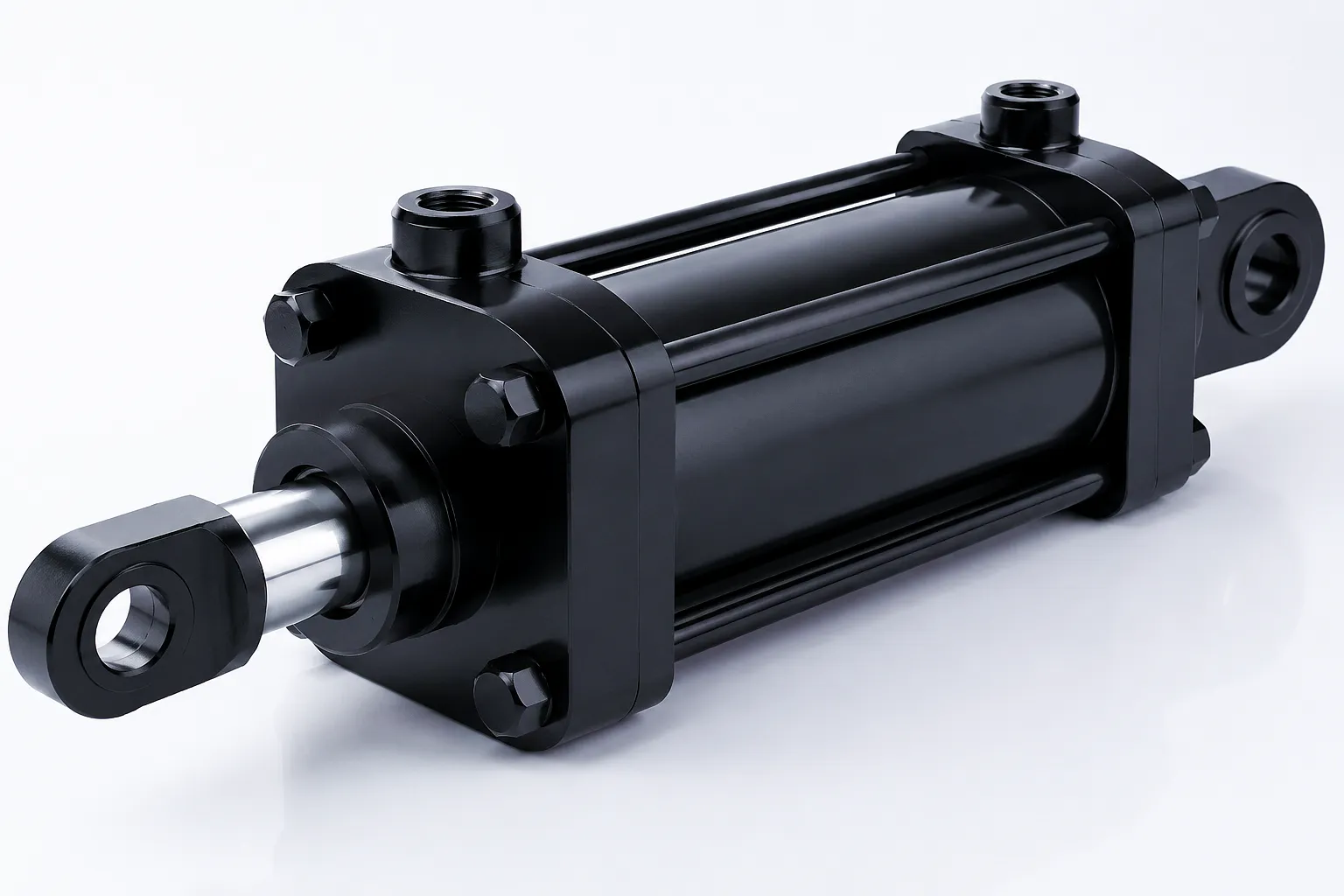
 When engineers in Sheffield’s steel fabrication plants or Birmingham’s aerospace supply chain need to specify a boom cylinder, the choice between telescopic and standard single-stage designs is rarely straightforward. Both configurations convert hydraulic pressure into powerful linear motion, but they do so through fundamentally different internal architectures — and those differences cascade into everything from the machine’s physical footprint to its duty-cycle tolerance in the field. A standard boom cylinder uses a single piston and rod assembly housed within a fixed barrel. When pressurised fluid enters the cylinder chamber, it drives the rod outward in one smooth, linear stroke whose maximum travel is limited by the rod length relative to the barrel. This geometry is elegantly simple, and for applications where stroke length is predictable and packaging space is generous, a single-stage cylinder delivers exceptional force consistency with minimal maintenance burden. The mechanical efficiency is high because there are no intermediate sealing surfaces, no nested stages that could misalign under eccentric loads, and no risk of differential pressure imbalances between stages. For UK plant engineers dealing with heavy presses, injection moulding clamping mechanisms, and fixed-geometry agricultural attachments, the standard cylinder remains the workhorse of choice.
What Makes a Telescopic Boom Cylinder Fundamentally Different
Nested Stage Architecture
A telescopic boom cylinder houses two, three, four, or even five progressively narrowing cylindrical sleeves — referred to as stages — nested concentrically inside one another. When pressurised hydraulic fluid is introduced, the outermost (and largest-diameter) stage extends first because it presents the greatest surface area for fluid pressure to act upon. As each successive stage reaches the end of its individual travel, the next, narrower stage begins to extend. The result is a total stroke that can be three to five times the collapsed cylinder length, allowing a compact, retracted package to deploy over extraordinary reach. This is the geometry that makes tipper trucks, mobile cranes, and fire-engine ladders across the UK practical — the cylinder stows away under the bed or within the boom structure without compromising travel distance.
Force Profile Across the Stroke
One of the most critical technical realities of a telescopic cylinder — and one that catches out engineers who have primarily worked with standard cylinders — is that output force is not constant across the stroke. Because each stage has a different bore diameter, and because force equals pressure multiplied by area (F = P × A), the push force delivered at the beginning of travel (when the largest stage is moving) is significantly greater than the force available at the end of travel (when the smallest, innermost stage is extending). This declining force curve must be accounted for during the application design phase. For tipper bodies in places like Wolverhampton’s logistics depots, the heaviest load always occurs at the initial lift angle where the large outer stage is active — which is exactly where maximum force is available. Misunderstanding this relationship is one of the leading causes of premature seal wear and stage buckling on improperly specified telescopic cylinders.
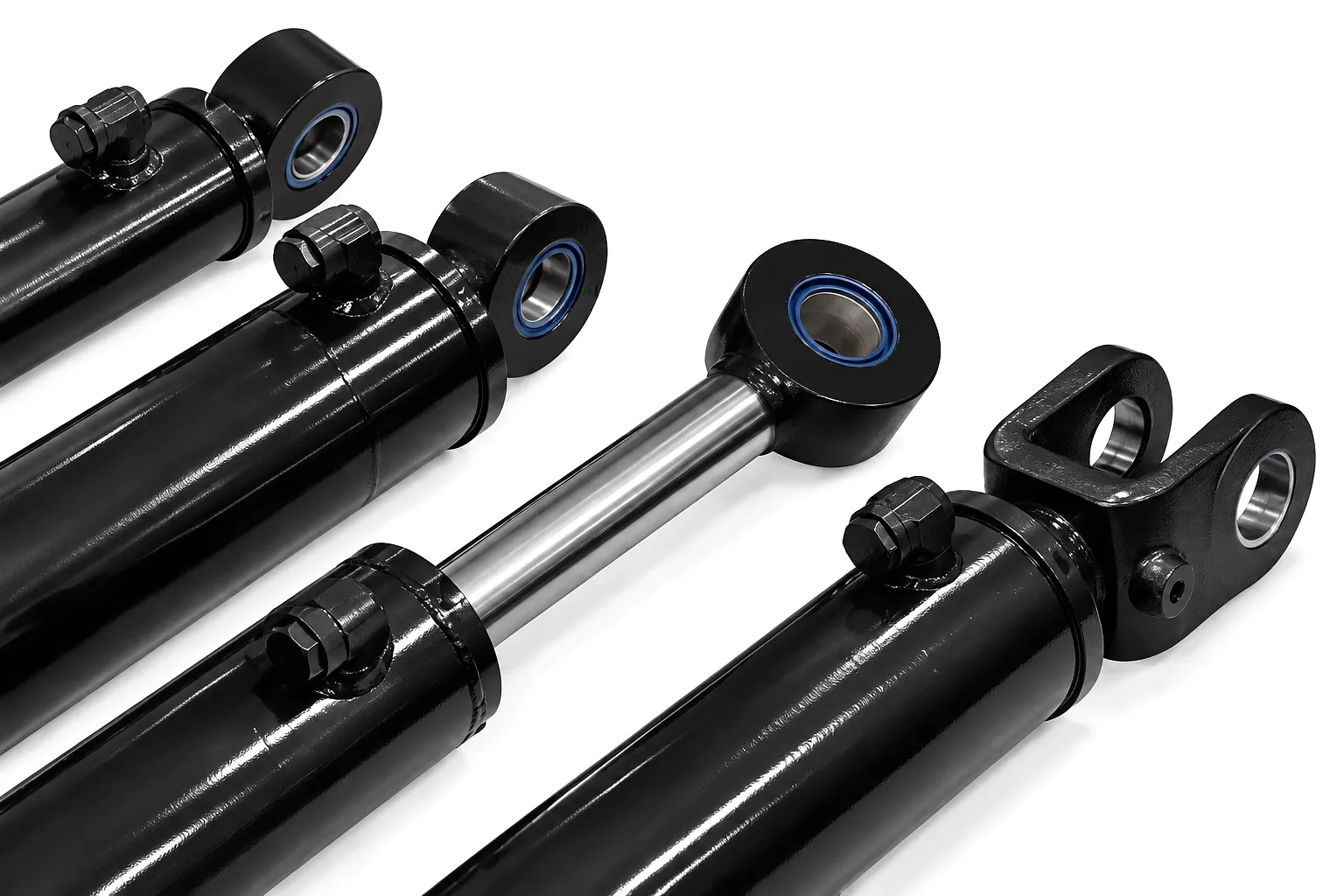
Working Principles: How Each Configuration Generates Force
Single-Stage Linear Actuation
Hydraulic fluid at system pressure — typically between 150 and 350 bar across most UK industrial applications — enters the cap-end port of the cylinder and acts uniformly across the full piston face area. The resulting push force is constant throughout the entire stroke because neither the piston area nor the system pressure changes. When the rod needs to retract, pressurised fluid enters the rod-end port, acting on the annular area between the piston face and the rod cross-section. This annulus is smaller than the full piston face, which means retraction force is lower than extension force — a fundamental hydraulic geometry that affects how double-acting single-stage cylinders are positioned in load-bearing orientations. For pulling applications, the rod-side area must be carefully calculated to ensure sufficient retraction force under full load.
Multi-Stage Sequential Extension
In a telescopic boom cylinder, all stages share a common fluid supply — the same hydraulic pressure acts simultaneously on all stage faces. However, the stage with the largest bore area experiences the greatest hydraulic force, and it also faces the lowest friction resistance (being the outermost, it rides directly in the main cylinder barrel). These two factors ensure consistent sequential extension: each stage fully travels before the next begins. Single-acting telescopic cylinders rely on gravity or external load for retraction and are standard on tipping trailers and skip vehicles throughout UK logistics operations. Double-acting telescopic variants provide powered retraction and are used on aerial platforms and mobile crane outriggers where the operator cannot rely on gravity to collapse the stages safely under variable load conditions.
Materials Science: What Goes Into Each Cylinder Type
The material choices for telescopic and standard boom cylinders diverge considerably because their loading profiles are different. A standard cylinder handles consistent bore pressures with predictable hoop stress. A telescopic cylinder must handle those same pressures across multiple walls of varying thickness — and each stage wall must be thin enough to allow nesting while retaining sufficient tensile strength to resist collapse or buckling under eccentric loads. Getting this balance right is what separates a precision-manufactured cylinder from one that will fail after 400 operating hours.
BARREL & STAGE TUBING
Precision honed cold-drawn seamless steel (CDS) tube to EN 10305-1, with internal roughness Ra typically below 0.4 µm. Telescopic stages often use ST52 or E355 grade for the higher yield strength needed in thinner-wall configurations.
PISTON ROD
Hard chrome-plated carbon or alloy steel rod with a chrome layer of 20–25 µm, ground to h6 tolerance. For aggressive outdoor environments common in UK coastal infrastructure projects, induction-hardened rods or chrome-free nickel-chrome alternatives extend surface life considerably.
SEALS & WIPER RINGS
Polyurethane (PU) lip seals for dynamic sealing of stage gaps on telescopic cylinders, rated to temperatures from -30°C to +100°C. PTFE-backed guide rings on each stage reduce metal-to-metal contact. Standard cylinders may use NBR or FKM compounds depending on fluid compatibility.
END CAPS & PORTS
Forged or machined carbon steel end caps welded or threaded to the barrel. Port threads are typically BSP (British Standard Pipe) for UK OEM integrations, though JIC and SAE options are available for export configurations. All welds undergo magnetic particle inspection for high-duty-cycle applications.
Core Technical Advantages: Telescopic vs. Standard
Understanding where each design genuinely excels — rather than relying on generalised claims — is what allows procurement engineers to make defensible specifications that hold up in service.
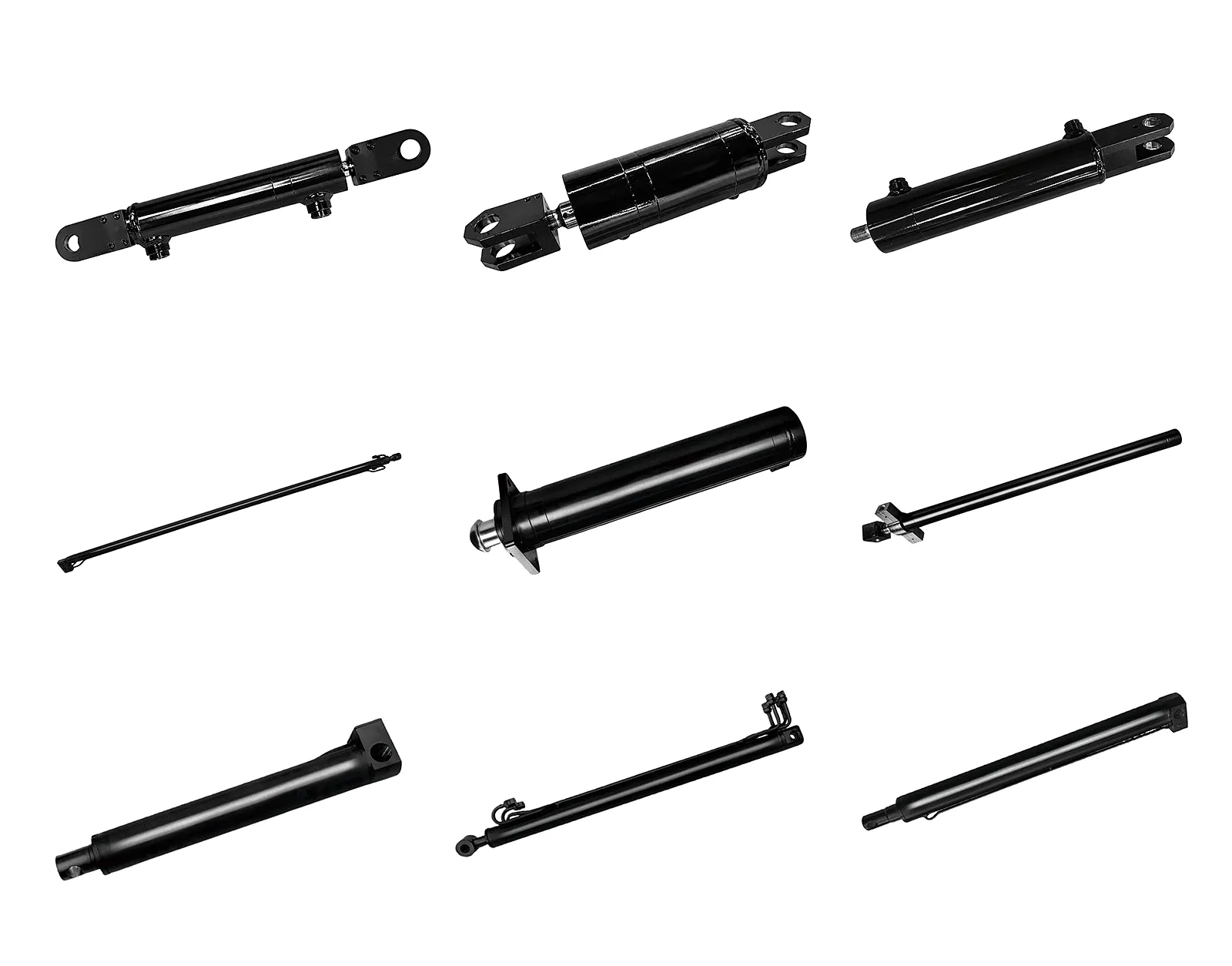
Related Specialist Cylinder Products from Our Range:
Product Technical & Performance Parameters
The following comparison data reflects standard product line specifications. Custom configurations — including non-standard bore-to-stroke ratios, specialty seal compounds, and alternative port arrangements — are available through Ever Power’s engineering team.
| Parameter | Standard Boom Cylinder | Telescopic Boom Cylinder | Unit / Note |
|---|---|---|---|
| Bore Diameter Range | 40 – 320 | 80 – 500 (outer) | mm |
| Operating Pressure | Up to 350 | Up to 250 | bar |
| Stroke-to-Length Ratio | 0.7:1 – 1.0:1 | 2.5:1 – 4.5:1 | extended/retracted |
| Number of Stages | 1 | 2 – 5 | — |
| Typical Rod Material | Cr-plated C45 / 42CrMo4 | E355 / ST52 seamless tube | — |
| Seal Material | NBR / PU / FKM | PU (dynamic) + PTFE guide | fluid-dependent |
| Suhu Operasional | -40°C to +120°C | -30°C to +100°C | standard seals |
| Force Consistency | Constant throughout stroke | Declining (max at stage 1) | — |
| Typical Max Push Force | Up to 2,800 kN | Up to 1,500 kN (stage 1) | kN |
| Port Thread Standard | BSP / JIC / SAE | BSP / SAE | UK standard: BSP |
| Surface Treatment | Hard chrome / nickel-chrome | Hard chrome / epoxy coat | corrosion resistance |
| Actuation Type | Single or double-acting | Single-acting (std) / double-acting | application-dependent |
Industrial Application Scenarios Across the UK
Selecting the right boom cylinder type requires matching the design geometry to the real kinematic and structural demands of the application. The following scenarios represent common deployment contexts across UK industry, drawn from actual engineering applications in regions ranging from the West Midlands manufacturing belt to offshore energy projects in Aberdeen.
Telescopic — Tipper & Haulage
HGV Tipper Bodies — Birmingham to Bristol M5 Corridor
Tipper trucks operating out of Birmingham’s Tyseley industrial estate and along the M5 aggregates corridor are among the most demanding duty cycles for telescopic cylinders. A three-stage single-acting telescopic cylinder — typically with a 165 mm outer bore and a full stroke exceeding 5,000 mm — lifts a loaded body of 20–32 tonnes through an arc of 45–55 degrees. The cylinder must deliver peak push force at the first degree of tipping angle, where the body’s deadweight creates the greatest torque on the pivot. The collapsing geometry of the cylinder must fit beneath the body subframe within approximately 1,200 mm when fully retracted. No standard single-stage cylinder can offer anything close to this combination of compact storage length and extended stroke.
Standard — Industrial Pressing
Hydraulic Press Lines — Sheffield Steel & Forging Plants
Sheffield’s forging and press tool industry demands cylinders that deliver precise, constant-force clamping through millions of cycles. A double-acting standard boom cylinder with a 200 mm bore at 280 bar generates approximately 880 kN of consistent push force across a 400 mm stroke. This kind of force uniformity is essential for controlled metal flow in closed-die forging — any force variation mid-stroke can distort the die impression and render the forging outside tolerance. The single-gland, minimal-seal design of a standard cylinder suits this environment perfectly, as it can be serviced in place during scheduled maintenance shutdowns without removing the entire cylinder assembly from the press frame.
Telescopic — Mobile Cranes
Rough-Terrain Crane Booms — Scottish Offshore & Energy Sector
Mobile cranes deployed at offshore infrastructure projects near Aberdeen and Invergordon rely on four-stage and five-stage telescopic boom cylinders to extend crane booms from under 12 metres to over 55 metres of reach. These double-acting telescopic cylinders must handle not only the sequential extension forces but also the retraction forces needed to pull the boom stages back in against the weight of the boom head and any residual hook load. The hydraulic circuit for a crane boom typically incorporates counterbalance valves at each stage port to prevent uncontrolled retraction under load — a critical safety requirement under BS EN 13000 for mobile cranes operating in the UK.
Standard — Agricultural Equipment
Front Loader & Bale Handler Circuits — East Anglian Farming
The intensive arable farming operations across East Anglia — from the Fens of Cambridgeshire to the coastal farmland of Norfolk — put hydraulic front loaders and bale handling equipment through extreme seasonal duty cycles. Standard double-acting boom cylinders on these machines handle lift, curl, and side-shift functions simultaneously, and the consistent force throughout each stroke is essential for controlling heavy round bale weights of 600–800 kg with the precision needed to stack safely at height. The rugged simplicity of a standard cylinder also enables on-farm servicing by the operator or a mobile agricultural engineer — a critical consideration for machinery that must remain operational through harvest without access to specialist workshops.
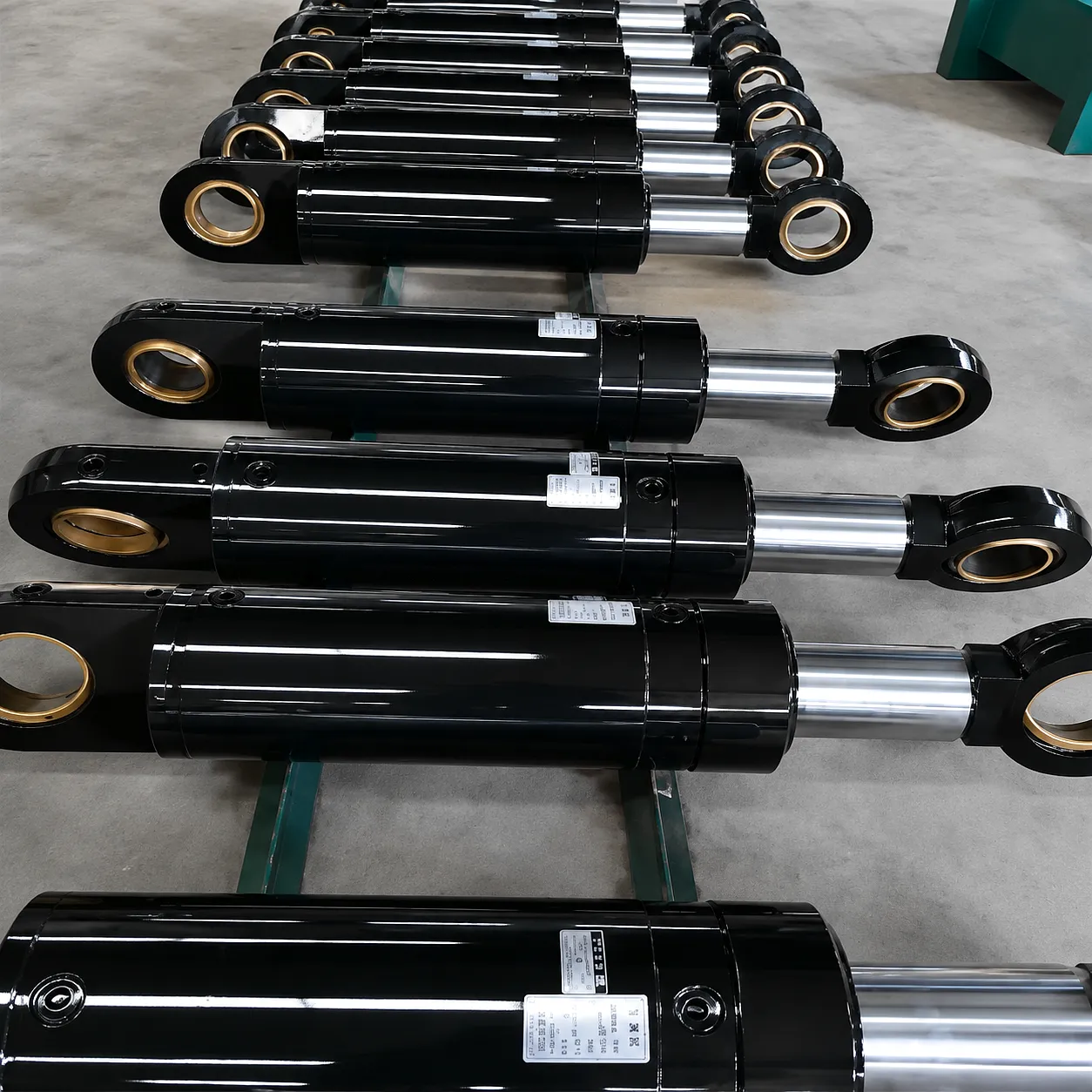
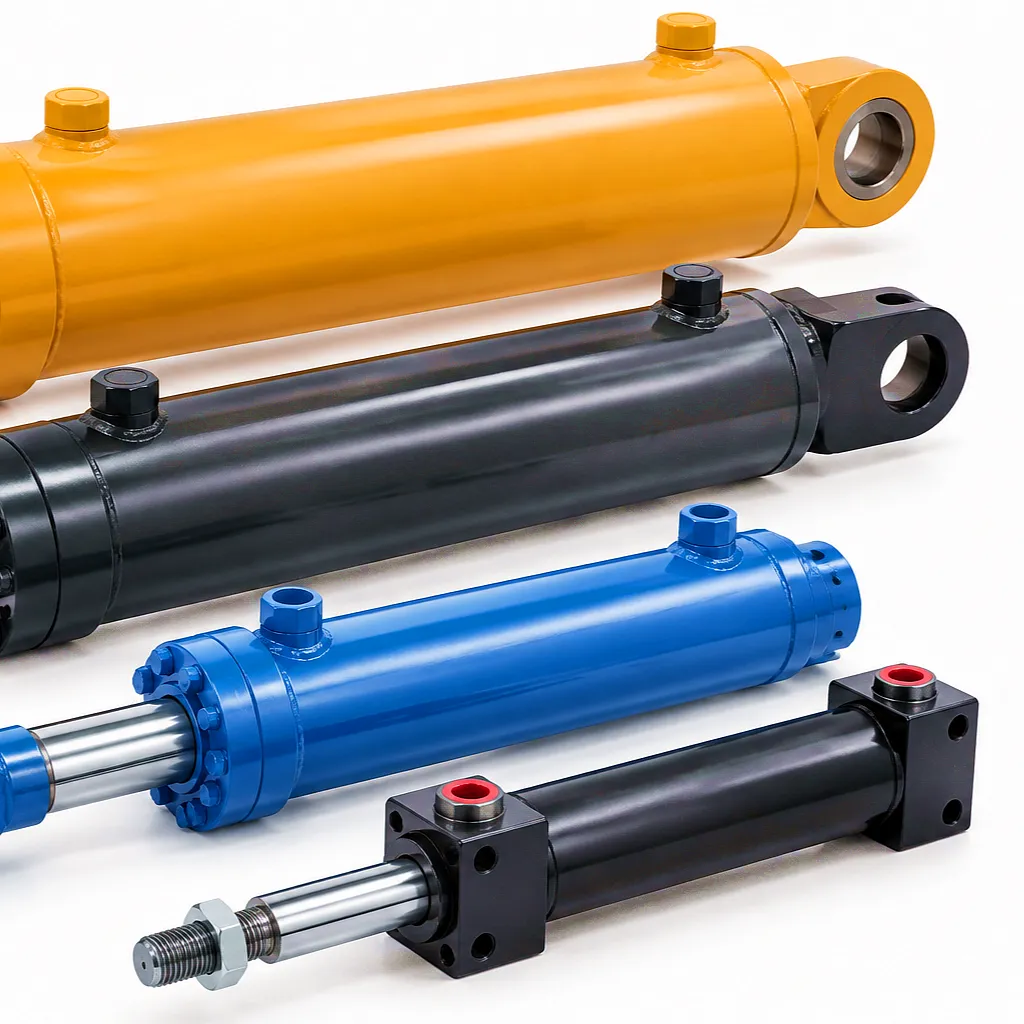 At Ever Power, the design and manufacture of both telescopic and standard boom cylinders is carried out within a vertically integrated production facility equipped with CNC deep-hole boring machines, automated honing lines, and a dedicated seal-fit clean room. This in-house capability — from raw steel tube procurement through final pressure testing — means that custom specifications are not a special-order exception; they are the standard production model. Every cylinder that leaves the facility has been tested to 1.5 times its rated working pressure, with test results traceable to the individual machine operator and shift record. For UK importers and OEM customers managing CE marking requirements, Ever Power’s documentation package includes material certificates, dimensional inspection reports, and hydrostatic test records that streamline the product acceptance process without additional cost.
Customer Success Story: Leeds Heavy Lifting Equipment Manufacturer
⭐ Case Study — Leeds, West Yorkshire — Industrial Crane Manufacturing
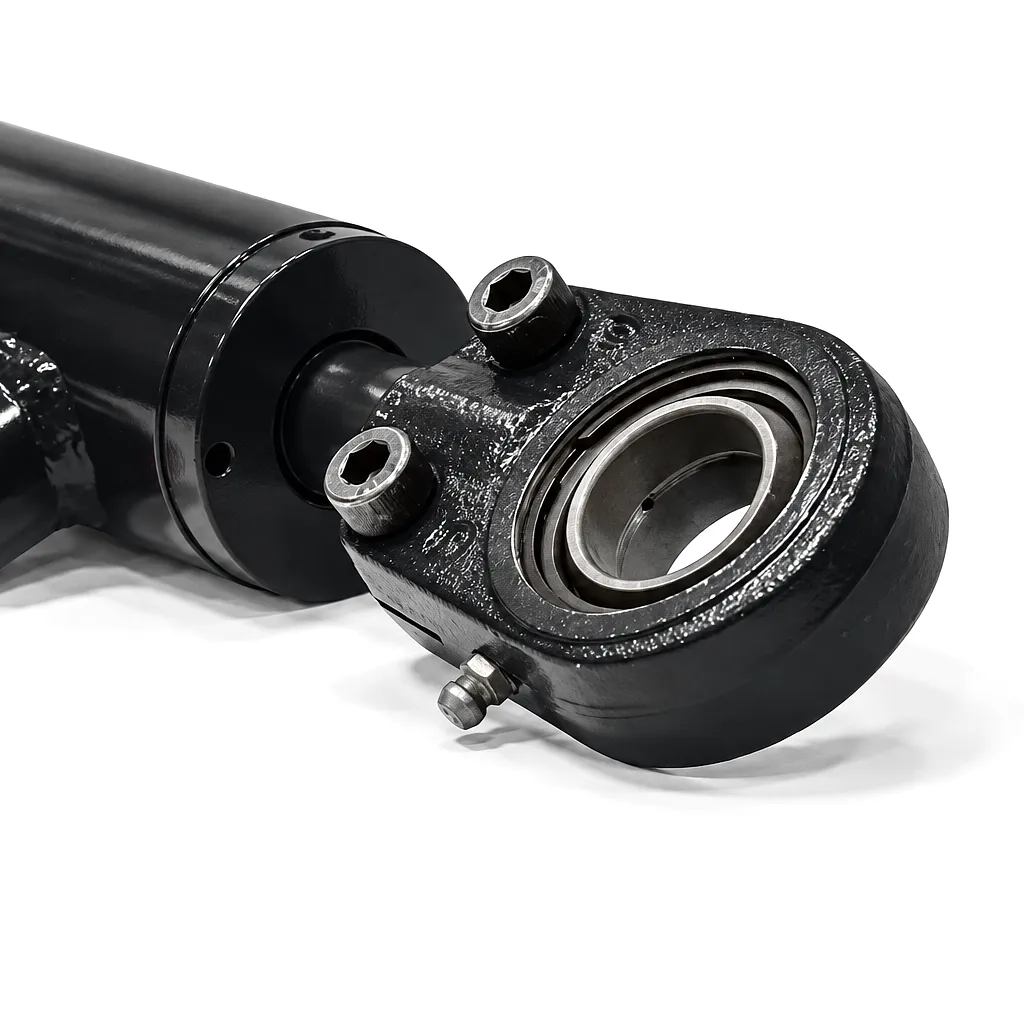 A mid-sized rough-terrain crane manufacturer based in Leeds — supplying crane bodies to plant hire operators across the North of England — faced a recurring problem: their existing supplier was delivering four-stage telescopic boom cylinders with inconsistent inter-stage sealing, resulting in internal bypass leakage that caused gradual boom droop under held loads. The issue was generating warranty callbacks at a rate of roughly 8% of units delivered, and the cost of returning cranes to the workshop for seal replacement was eroding margin on every machine. The engineering team reached out to Ever Power after attending a materials handling exhibition at the NEC in Birmingham, where a demonstration cylinder at the show confirmed a level of honing consistency and weld quality they had not seen at their existing supplier’s product samples.
Ever Power worked directly with the Leeds design team over a four-week period to review the existing cylinder drawing package, identify the root cause of the seal bypass — which turned out to be a stage bore tolerance that was outside specification at one end of the honing travel — and propose a revised bore-to-stage-clearance specification that would work with their preferred PU seal profile. A pre-production batch of twelve cylinders was shipped within 30 days of the design sign-off, complete with individual bore measurement sheets, honing roughness charts, and pressure test records for each unit. The Leeds team fitted the batch and ran a supervised 200-hour field trial. The result: zero instances of inter-stage bypass, boom hold position within 2 mm over a 60-second period at full load, and a warranty callback rate on the trial batch that fell to zero across 60 production machines delivered over the following three months.
The manufacturer has since transitioned their full telescopic and standard cylinder procurement to Ever Power, with a rolling supply agreement covering approximately 400 units per year across five different bore and stroke configurations. Lead time for their standard configurations is now 21 working days from order confirmation to UK port delivery, with full documentation packages accompanying every batch.
What UK Customers Say About Ever Power Cylinder Quality
“The bore measurement documentation that came with our first batch of four-stage telescopic cylinders was genuinely impressive — every stage honed to Ra 0.35 µm, all within spec. We’ve had zero bypass issues in over 180 operating hours of crane trials. The precision is visible when you handle the parts.”
— Head of Engineering, Crane Body Manufacturer, Leeds
Boom Cylinder Application: 4-Stage Telescopic, 165mm bore, 5,200mm stroke
“We specified a non-standard rod-end configuration with a specific clevis geometry to fit within our press frame, and the Ever Power team handled it without any back-and-forth about minimum order quantities. The custom standard double-acting cylinders arrived dimensionally perfect and survived our 250-bar internal test without a single issue.”
— Procurement Manager, Forging Press Manufacturer, Sheffield
Boom Cylinder Application: Standard Double-Acting, 200mm bore, custom clevis
“Lead time of 21 working days to UK port for a custom three-stage telescopic with BSP ports and induction-hardened stage surfaces — that kind of turnaround from a manufacturer with this quality of documentation is hard to find elsewhere. Our logistics team can plan around it, which matters for our production schedule.”
— Operations Director, Agricultural Equipment Assembler, Lincolnshire
Boom Cylinder Application: 3-Stage Single-Acting Telescopic, BSP ports, IH stages
Pertanyaan yang Sering Diajukan
Answers to the questions UK plant engineers and procurement teams ask most often when choosing between telescopic and standard boom cylinders.
How do I decide whether a telescopic or standard boom cylinder is the right choice for my UK construction equipment application?
The decision comes down to three factors: the ratio of required stroke to available retracted envelope, whether the force profile needs to be constant or can decline toward the end of travel, and whether you need powered retraction or gravity return is acceptable. If your machine has a tight body package and needs the cylinder to collapse to less than 40% of its fully extended length, telescopic is almost always the right answer. If you need constant push force throughout a full stroke for press or clamping applications, a standard cylinder is more appropriate. When you’re between the two cases, contact the Ever Power engineering team with your stroke, bore, and package constraints, and they can model both options.
What is the typical cost difference between a telescopic boom cylinder and a standard boom cylinder of equivalent bore in the UK market, and how should I get a quote?
Telescopic cylinders carry a cost premium of roughly 35–65% over an equivalent-bore standard cylinder of the same stroke, reflecting the additional machining operations, the larger number of precision-honed surfaces, and the more complex seal arrangement. However, the comparison is rarely like-for-like: if a telescopic cylinder allows you to eliminate a structural rerouting of the machine body that would have been required to accommodate a long standard cylinder, the system-level cost comparison often favours the telescopic. To get an accurate quote for your specific bore, stroke, and stage configuration, email [email protected] with your dimensional requirements and application description.
Which type of boom cylinder is most commonly used on HGV tipper trucks operating across Birmingham, Sheffield, and the wider West Midlands logistics network?
Three-stage single-acting telescopic boom cylinders are by far the most prevalent configuration on HGV tipper trucks across the UK Midlands logistics network. The specific reason is that UK vehicle regulations limit overall trailer height and body subframe depth, which means the cylinder must collapse to a very short dimension while still providing enough stroke to achieve the 45–55 degree tipping angle needed to reliably discharge aggregates, construction waste, or bulk materials. A standard cylinder long enough to achieve the same stroke would protrude through the subframe entirely. Most West Midlands tipper fleets use cylinders in the 140–180 mm outer bore range with a collapsed length of approximately 1,000–1,400 mm and an extended stroke of 4,500–6,000 mm.
Where can I find a reliable UK supplier of custom telescopic hydraulic cylinders with short lead times and full CE compliance documentation?
Ever Power manufactures and supplies custom telescopic and standard boom cylinders directly to UK OEM customers and plant importers, with typical lead times of 21–30 working days for custom configurations and full documentation packages including material certificates, dimensional inspection reports, and hydrostatic test records. All cylinders are manufactured to customer drawings and can be specified with BSP port threads, CE-compatible marking, and documentation suitable for inclusion in a CE technical file. Contact the team at [email protected] with your drawings or specifications to begin the quoting process.
How many stages should a telescopic boom cylinder have for a mobile crane boom that needs to extend from 10 metres to 52 metres in a Scottish offshore energy application?
A stroke ratio of approximately 5.2:1 (from 10 m collapsed to 52 m extended) would typically require a four-stage or five-stage double-acting telescopic cylinder, depending on the stage overlap lengths and the permissible wall thickness for each stage. Four-stage cylinders are more common for mobile crane boom extensions up to 50 m because five-stage designs introduce additional inter-stage sealing complexity that increases maintenance requirements over time. For offshore applications near Aberdeen or Invergordon where the operating environment includes salt air and humidity, stainless steel rod surface treatment or nickel-chrome plating on all stage exterior surfaces is strongly recommended to prevent galvanic corrosion at the stage interfaces.
What price range should I expect when requesting a quote for a double-acting standard hydraulic cylinder with a 200mm bore, 600mm stroke, and custom clevis mounting for a press application in a Sheffield manufacturing plant?
A double-acting standard boom cylinder at 200 mm bore and 600 mm stroke with custom clevis end machining typically falls in a price range that varies according to material grade, seal specification, and surface finish requirements. As a general orientation, expect standard industrial configurations to differ from high-pressure forging press specifications — the latter requires thicker wall sections, closer bore tolerances, and often induction-hardened rod material. Sending your drawing to [email protected] with the operating pressure, fluid type, and cycle rate will allow the Ever Power team to quote within 48 hours on a firm basis, with a full breakdown of the specification being priced.
How long does it typically take to receive a custom telescopic boom cylinder order from an overseas manufacturer to a UK delivery address, and what documentation comes with it?
Standard custom telescopic cylinder orders from Ever Power reach UK delivery addresses in 21–30 working days from design sign-off, shipped by sea freight to major UK ports including Felixstowe, Southampton, or Tilbury, with DDP (Delivered Duty Paid) terms available so that no UK import duties or customs handling are required on the customer’s side. Documentation included with every shipment covers: material certificates to EN standard, individual bore measurement and roughness reports, hydrostatic test certificates at 1.5x rated pressure, and a dimensional inspection record signed by the quality department. Additional documents including Declaration of Incorporation or third-party test certificates can be arranged for applications requiring notified body oversight.
Ready to Specify Your Boom Cylinder?
Talk to the Ever Power engineering team. Get a quote with full technical documentation in 48 hours.
diedit oleh gzl
 Indonesian
  English
  Italian
  Portuguese
  Dutch
Dutch  Swedish
  Danish
  Finnish
  Polish
  Hindi
Hindi  Kazakh
  Turkish
  Ukrainian
  Romanian
  Spanish
  German
  Russian
  Korean
  Japanese
  Vietnamese
  Thai
Thai  Malay
Malay  French
  Greek
Greek