
Descrizione del prodotto
small piston double acting hydraulic lift ram cylinder
Descrizione del prodotto
Eaton, parker, hercules, prince, cross type double acting hydraulic cylinder are used for Trailer, Agricultural Machinery, Garbage Truck, Landing Platform etc.
Tsingshi hydraulic Customers, MAN, JAC, VOLVO, SHACMAN, DAF, JMC, HUNO, CIMC, SINOTRUK, TATRA,BENS,XIHU (WEST LAKE) DIS.FENG, FOTON,etc.
1.Piston rod electroplate hard chrome;
2.lighter and easier to maintenance double acting hydraulic cylinder;
3.High quality alloy seamless steel pipe have better mechanical properties;
4.The world famous brands of seals, such as Parker, Merkel, Hallite, Kaden, etc;
5.World-class processing technology ensures stable and reliable quality.
| NO | ITEM | double acting hydraulic cylinder DATA |
| 1 | Materiale | Carbon Steel, Alloy Steel, 27SiMn,45#,20#,etc |
| 2 | Honed tube | 40-300mm, Heat treatment, honing, rolling |
| 3 | Honed tube | 30-280mm, plated nickel or hard Chrome or ceramic |
| 4 | Seal kit | Parker, Merkel, Hallite, Kaden, etc |
| 5 | Coating | Sandblasting, primer paint, middle paint, finish paint, Color can paint according to customer demands. |
| 6 | Technology | cilindro idraulico a doppio effetto |
| 7 | Mounting type | Pin-eye , flange, trunnion mount,ball mount, screw thread. FC, FE, FEE, FSE,TPIN |
| 8 | Working medium | Hydraulic Oil |
| 9 | Working pressure | 16-20Mpa hydraulic lift cylinder |
| 10 | Temperature range | -50°C to +100°C |
Detailed Photos
Profilo Aziendale
Tsingshi hydraulic is a hydraulic telescopic cylinder for dump tipper truck company which takes up with hydraulic design, R&D, manufacturer, sell and service hydraulic products-small piston double acting hydraulic lift ram oil cylinder.
-double acting hydraulic cylinder Certification ISO9001 TS16949, etc;
-mini double acting hydraulic cylinder Export to North America, South America, Australia, South Korea, Southeast Asia, South Africa, Europe, Middle East, etc;
-ODM&OEM small double acting hydraulic cylinder according to client’s requirements;
-Professional manufacturer& supplier of Hydraulic Cylinders over 30 years;
-The micro double acting hydraulic cylinder can be used for Dump Truck, Tipper Truck, Trailer, Agricultural Machinery, Garbage Truck,Landing Platform etc; We can produce the follow brand hydraulic cylinder. HYVA, BINOTTO, EDBRO, PENTA, MAILHOT, CUSTOM HOIST, MUNCIE, METARIS, HYDRAULEX GLOBAL, HYCO, PARKER, COMMERCIAL HYDRAULICS, MEILLER. WTJX, XT, JX, HCIC, ZX, SZ, SJ.
CUSTOMERS PHOTOS
QUALITY GUARANTEE
HIGH QUALITITY GUARANTEE-double acting hydraulic cylinder
-7*24 service.
-Competitive price.
-Professional technical team.
-Perfect after-sales service system.
-ODM&OEM Hydraulic Cylinder according to customer needs.
-Strong Hydraulic Cylinder production capacity to ensure fast delivery.
-Guarantee Quality. Every process must be inspected, all products need be tested before leaving the factory.
<hydraulic cylinder Leak Test
<piston hydraulic cylinder Buffer Test
<hydraulic lift cylinder Reliability Test
<hydraulic ram cylinder Full Stroke Test
<hydraulic cylinder double acting Operation Test
<micro double acting hydraulic cylinder Pressure Tight Test
<small double acting hydraulic cylinder Load Efficiency Test
<double action hydraulic cylinder Start-up Pressure Test
<double acting hydraulic cylinder Testing the Effect of Limit
SALES AND SERVICE
PRODUCTS SERIES
ONE WORLD ONE LOVE
| Certificazione: | CE, ISO/Ts16949 |
|---|---|
| Pressione: | Medium Pressure |
| Temperatura di esercizio: | Normal Temperature |
| Modo di agire: | Double Acting |
| Metodo di lavoro: | Straight Trip |
| Modulo modificato: | Regulated Type |
| Samples: | US$ 100/Piece 1 Piece(Min.Order) | |
|---|
| Personalizzazione: | Disponibile |
|
|---|
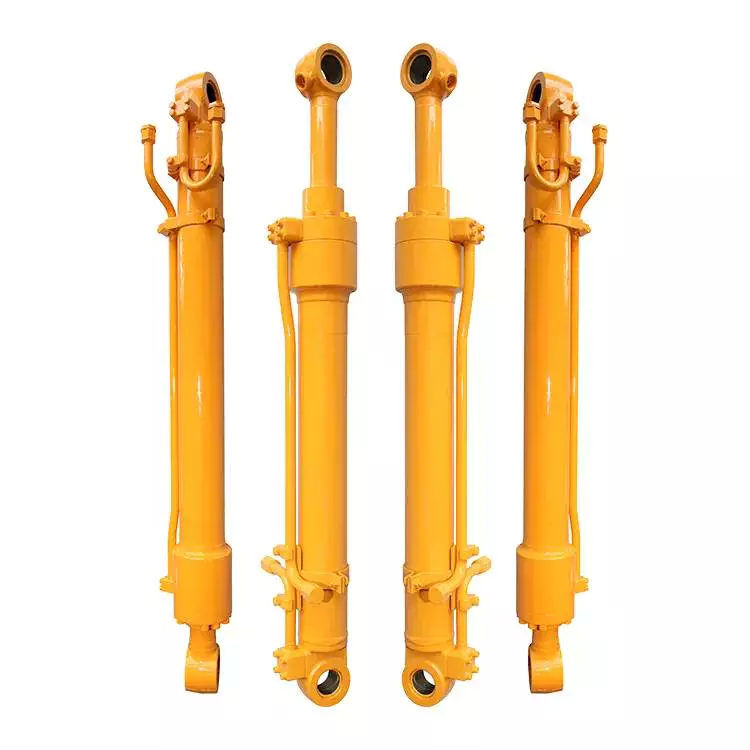
È possibile installare cilindri idraulici su apparecchiature esistenti per migliorarne la funzionalità?
Sì, i cilindri idraulici possono essere installati su apparecchiature esistenti per migliorarne funzionalità e prestazioni. L'installazione di cilindri idraulici su macchinari o attrezzature esistenti offre diversi vantaggi, tra cui maggiore potenza, controllo migliorato, maggiore precisione e versatilità. Ecco una spiegazione dettagliata di come i cilindri idraulici possono essere installati su apparecchiature esistenti per migliorarne le funzionalità:
1. Maggiore potenza:
– L'installazione di cilindri idraulici su apparecchiature esistenti consente di aggiungere potenza idraulica a quelle già in uso. Integrando i cilindri idraulici, le apparecchiature possono generare forze maggiori e movimentare carichi più pesanti. Questa maggiore potenza permette alle apparecchiature di svolgere compiti che prima erano difficili o impossibili. Ad esempio, l'installazione di un cilindro idraulico su una gru può aumentarne la capacità di sollevamento e consentirle di movimentare carichi più pesanti in modo più efficiente.
2. Controllo migliorato:
I cilindri idraulici garantiscono un controllo preciso del movimento e del posizionamento delle apparecchiature. L'installazione di cilindri idraulici consente agli operatori di ottenere un maggiore controllo su velocità, forza e direzione del movimento. L'aggiunta di valvole di controllo idrauliche e di una centralina idraulica permette una messa a punto precisa del funzionamento dell'apparecchiatura. Un controllo migliorato facilita un funzionamento più sicuro ed efficiente, riducendo il rischio di danni e aumentando la produttività complessiva.
3. Maggiore precisione:
– L'installazione di cilindri idraulici su apparecchiature esistenti può migliorare significativamente la precisione e l'accuratezza. I sistemi idraulici offrono un controllo preciso del movimento, consentendo movimenti fluidi e controllati. Questa maggiore precisione è vantaggiosa in applicazioni in cui sono richiesti un posizionamento preciso o movimenti ripetitivi. Ad esempio, l'installazione di cilindri idraulici su un braccio robotico può migliorarne la precisione e la ripetibilità, rendendolo più adatto a compiti che richiedono un'elevata precisione.
4. Versatilità e adattabilità:
– L'installazione di cilindri idraulici di ricambio può aumentare la versatilità e l'adattabilità delle apparecchiature esistenti. I sistemi idraulici possono essere facilmente integrati con diverse tipologie di macchinari, consentendo l'utilizzo dell'energia idraulica in svariate applicazioni. La natura modulare dei componenti idraulici facilita il processo di ammodernamento, permettendo alle apparecchiature di svolgere una gamma più ampia di compiti. Questa versatilità è particolarmente vantaggiosa nei settori in cui le apparecchiature devono adattarsi alle mutevoli esigenze operative.
5. Kit di retrofit e personalizzazione:
I produttori spesso forniscono kit di retrofit che includono tutti i componenti necessari per integrare i cilindri idraulici nelle apparecchiature esistenti. Questi kit comprendono in genere cilindri idraulici, staffe di montaggio, tubi flessibili, raccordi, valvole di controllo e altri accessori necessari. I kit di retrofit semplificano il processo di retrofit e garantiscono la compatibilità tra i componenti idraulici e le apparecchiature esistenti. Inoltre, i produttori possono offrire opzioni di personalizzazione per adattare la soluzione di retrofit alle esigenze specifiche delle apparecchiature e dell'applicazione.
6. Soluzione economicamente vantaggiosa:
– L'installazione di cilindri idraulici su apparecchiature esistenti può rappresentare una soluzione economicamente vantaggiosa rispetto all'acquisto di nuovi macchinari. Sfruttando la struttura e i componenti meccanici delle apparecchiature esistenti, è possibile ridurre il costo complessivo dell'aggiornamento. L'installazione riduce al minimo anche i tempi di fermo, poiché non è necessario sostituire completamente le apparecchiature. Inoltre, il miglioramento delle funzionalità e delle prestazioni derivante dall'installazione può portare a un aumento della produttività e a un risparmio sui costi nel lungo periodo.
7. Installazione professionale e competenza:
– L'installazione di cilindri idraulici su apparecchiature esistenti spesso richiede competenze e professionalità specifiche. Collaborare con integratori o produttori di sistemi idraulici esperti garantisce una corretta installazione, la compatibilità e prestazioni ottimali della soluzione di retrofit. Questi professionisti sono in grado di valutare le apparecchiature esistenti, consigliare i componenti idraulici più adatti ed eseguire il processo di retrofit in modo efficiente. La loro conoscenza ed esperienza contribuiscono alla corretta integrazione dei cilindri idraulici e al miglioramento complessivo della funzionalità delle apparecchiature.
In sintesi, i cilindri idraulici possono effettivamente essere installati su apparecchiature esistenti per migliorarne la funzionalità. Questo processo di retrofit offre vantaggi quali maggiore potenza, migliore controllo, maggiore precisione, versatilità, economicità e accesso a kit di retrofit e opzioni di personalizzazione. Grazie all'installazione di cilindri idraulici, le apparecchiature esistenti possono essere aggiornate per soddisfare le esigenze operative in continua evoluzione, prolungarne la durata e migliorarne le prestazioni complessive.
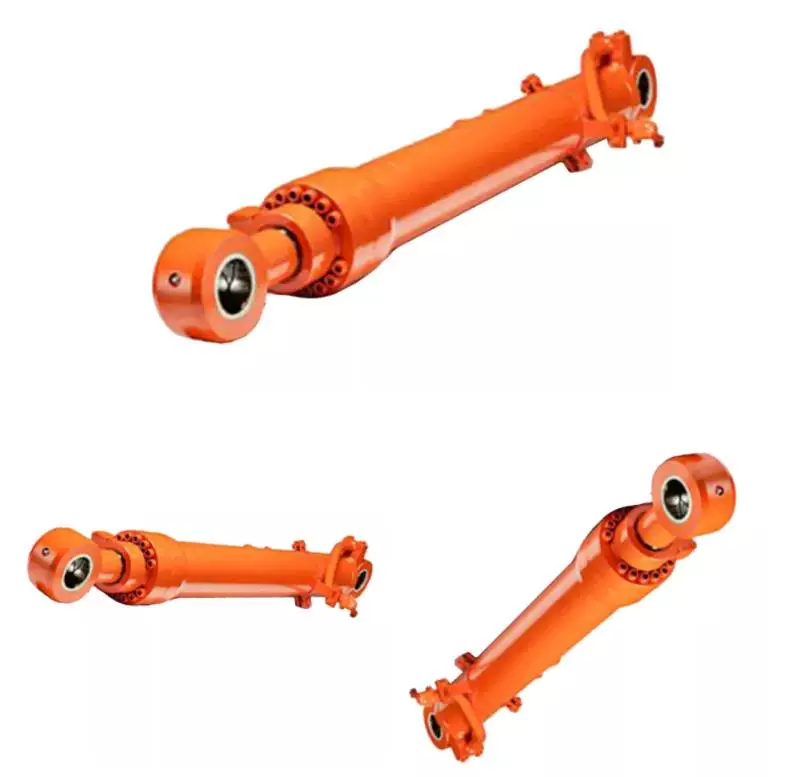
Handling the Challenges of Minimizing Fluid Leaks and Contamination in Hydraulic Cylinders
Hydraulic cylinders face challenges when it comes to minimizing fluid leaks and contamination, as these issues can impact the performance, reliability, and lifespan of the system. However, there are several measures and design considerations that help address these challenges effectively. Let’s explore how hydraulic cylinders handle the challenges of minimizing fluid leaks and contamination:
- Sealing Systems: Hydraulic cylinders employ advanced sealing systems to prevent fluid leaks. These systems typically include various types of seals, such as piston seals, rod seals, and wiper seals. The seals are designed to create a tight and reliable barrier between the moving components of the cylinder and the external environment, minimizing the risk of fluid leakage.
- Seal Material Selection: The choice of seal materials is crucial in minimizing fluid leaks and contamination. Hydraulic cylinder manufacturers carefully select seal materials that are compatible with the hydraulic fluid used and resistant to wear, abrasion, and chemical degradation. This ensures the longevity and effectiveness of the seals, reducing the likelihood of leaks or premature seal failure.
- Proper Installation and Maintenance: Ensuring proper installation and regular maintenance of hydraulic cylinders is essential for minimizing fluid leaks and contamination. During installation, attention should be given to proper alignment, torqueing of bolts, and adherence to recommended procedures. Regular maintenance includes inspecting seals, replacing worn-out components, and addressing any signs of leakage promptly. Proper maintenance practices help identify and rectify issues before they escalate and cause significant problems.
- Contamination Control: Hydraulic cylinders incorporate measures to control contamination and maintain fluid cleanliness. This includes the use of filtration systems, such as in-line filters, to remove particles and contaminants from the hydraulic fluid. Additionally, hydraulic reservoirs often have breathers and desiccant filters to prevent moisture and airborne contaminants from entering the system. By controlling contamination, hydraulic cylinders minimize the risk of damage to internal components and maintain optimal system performance.
- Environmental Protection: Hydraulic cylinders may be equipped with protective features to safeguard against external contaminants. For example, bellows or protective boots can be installed to shield the rod and seals from debris, dirt, or moisture present in the operating environment. These protective measures help extend the life of the seals and enhance the overall reliability of the hydraulic cylinder.
In summary, hydraulic cylinders employ sealing systems, appropriate seal materials, proper installation and maintenance practices, contamination control measures, and environmental protection features to handle the challenges of minimizing fluid leaks and contamination. By implementing these measures, manufacturers can ensure reliable and long-lasting hydraulic cylinder performance, minimize the risk of fluid leakage, and maintain the cleanliness of the hydraulic system.
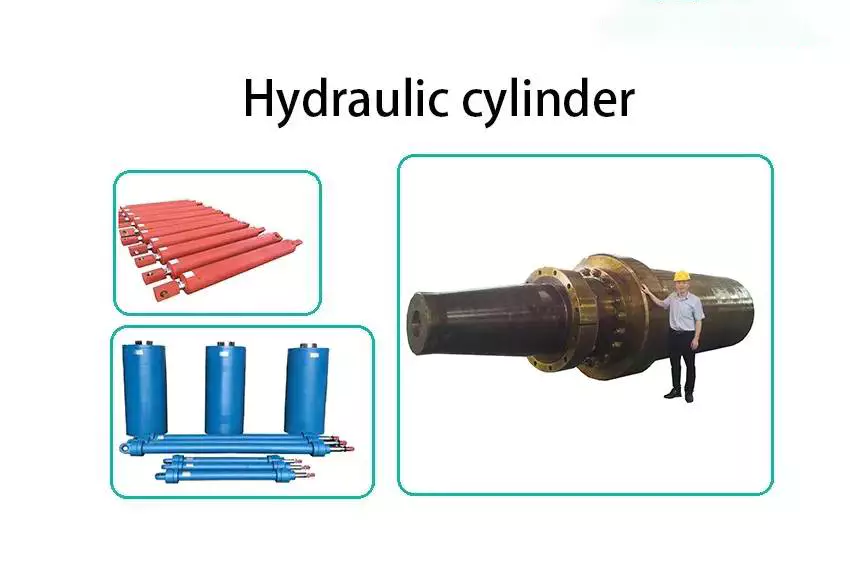
Can you explain the role and significance of hydraulic cylinders in machinery?
Hydraulic cylinders play a crucial role in machinery across various industries. They are essential components that provide controlled and powerful linear motion, enabling the operation of heavy equipment and facilitating numerous tasks. The role and significance of hydraulic cylinders in machinery can be explained in detail as follows:
Role of Hydraulic Cylinders:
– Conversion of Hydraulic Energy: Hydraulic cylinders convert hydraulic energy, typically in the form of pressurized hydraulic fluid, into linear force and motion. This conversion allows machinery to perform tasks such as lifting, pushing, pulling, clamping, tilting, and controlling various mechanisms.
– Generation of Linear Motion: Hydraulic cylinders generate linear motion by utilizing the principles of Pascal’s law. When hydraulic fluid is directed into one side of the cylinder, it applies pressure on the piston, resulting in linear movement of the piston and the attached piston rod. This linear motion can be used to actuate other components within the machinery or directly perform the required task.
– Force Generation: Hydraulic cylinders are capable of generating high forces due to the hydraulic pressure applied to the piston. The force output of a hydraulic cylinder depends on the surface area of the piston and the pressure of the hydraulic fluid. This force allows machinery to exert significant power for lifting heavy loads, applying pressure, or overcoming resistance.
– Precise Control: Hydraulic cylinders offer precise control over the linear motion and force exerted. By regulating the flow of hydraulic fluid, the speed and direction of the cylinder’s movement can be accurately adjusted. This level of control is crucial in machinery that requires precise positioning, delicate movements, or synchronization of multiple cylinders.
– Integration with Hydraulic Systems: Hydraulic cylinders are integral parts of hydraulic systems used in machinery. They work in conjunction with hydraulic pumps, valves, and actuators to create a complete hydraulic circuit. This integration allows for efficient power transmission, control, and coordination of various machine functions.
Significance of Hydraulic Cylinders:
– Heavy Equipment Operation: Hydraulic cylinders are vital in heavy machinery used in construction, mining, agriculture, material handling, and other industries. They enable the lifting and movement of heavy loads, the operation of attachments, and the performance of tasks that require high force and precision.
– Versatility and Adaptability: Hydraulic cylinders are versatile components that can be designed and tailored to meet specific machinery requirements. They can be integrated into various types of equipment and customized based on factors such as force capacity, stroke length, speed, and mounting options. This adaptability makes hydraulic cylinders suitable for diverse applications.
– Durability and Reliability: Hydraulic cylinders are built to withstand rigorous operating conditions, including high pressures, heavy loads, and continuous use. They are designed with robust materials, precise machining, and effective sealing systems to ensure durability and reliability over extended periods of operation.
– Safety and Load Control: Hydraulic cylinders provide safe and controlled operation in machinery. They offer overload protection mechanisms, such as relief valves, to prevent damage caused by excessive force or pressure. Additionally, hydraulic cylinders allow for precise load control, minimizing the risk of accidents during lifting, lowering, or positioning of heavy loads.
– Compact Design: Hydraulic cylinders offer a high power-to-size ratio, allowing for compact machinery design. Their relatively small size compared to the forces they can generate makes them suitable for applications where space is limited or weight restrictions apply.
– Energy Efficiency: Hydraulic cylinders contribute to energy efficiency in machinery. The use of hydraulic systems allows for the transfer of power over long distances without significant power losses. Additionally, hydraulic cylinders can incorporate energy-saving features such as load-sensing technology and regenerative circuits, reducing energy consumption.
Overall, hydraulic cylinders play a vital role in machinery by providing controlled and powerful linear motion. Their significance lies in their ability to convert hydraulic energy, generate high forces, offer precise control, integrate with hydraulic systems, and facilitate the operation of heavy equipment across various industries. Hydraulic cylinders contribute to increased productivity, safety, and efficiency in machinery applications, making them indispensable components in modern-day engineering.


editor by CX 2023-10-29
 Italian
  English
  Portuguese
  Dutch
Dutch  Swedish
  Danish
  Finnish
  Polish
  Hindi
Hindi  Kazakh
  Turkish
  Ukrainian
  Romanian
  Spanish
  German
  Russian
  Korean
  Japanese
  Vietnamese
  Thai
Thai  Indonesian
  Malay
Malay  French
  Greek
Greek