
Opis produktu
small piston double acting hydraulic lift ram cylinder
Opis produktu
Eaton, parker, hercules, prince, cross type double acting hydraulic cylinder are used for Trailer, Agricultural Machinery, Garbage Truck, Landing Platform etc.
Tsingshi hydraulic Customers, MAN, JAC, VOLVO, SHACMAN, DAF, JMC, HUNO, CIMC, SINOTRUK, TATRA,BENS,XIHU (WEST LAKE) DIS.FENG, FOTON,etc.
1.Piston rod electroplate hard chrome;
2.lighter and easier to maintenance double acting hydraulic cylinder;
3.High quality alloy seamless steel pipe have better mechanical properties;
4.The world famous brands of seals, such as Parker, Merkel, Hallite, Kaden, etc;
5.World-class processing technology ensures stable and reliable quality.
| NO | ITEM | double acting hydraulic cylinder DATA |
| 1 | Tworzywo | Carbon Steel, Alloy Steel, 27SiMn,45#,20#,etc |
| 2 | Honed tube | 40-300mm, Heat treatment, honing, rolling |
| 3 | Honed tube | 30-280mm, plated nickel or hard Chrome or ceramic |
| 4 | Seal kit | Parker, Merkel, Hallite, Kaden, etc |
| 5 | Coating | Sandblasting, primer paint, middle paint, finish paint, Color can paint according to customer demands. |
| 6 | Technology | siłownik hydrauliczny dwustronnego działania |
| 7 | Mounting type | Pin-eye , flange, trunnion mount,ball mount, screw thread. FC, FE, FEE, FSE,TPIN |
| 8 | Working medium | Hydraulic Oil |
| 9 | Working pressure | 16-20Mpa hydraulic lift cylinder |
| 10 | Temperature range | -50°C to +100°C |
Detailed Photos
Profil firmy
Tsingshi hydraulic is a hydraulic telescopic cylinder for dump tipper truck company which takes up with hydraulic design, R&D, manufacturer, sell and service hydraulic products-small piston double acting hydraulic lift ram oil cylinder.
-double acting hydraulic cylinder Certification ISO9001 TS16949, etc;
-mini double acting hydraulic cylinder Export to North America, South America, Australia, South Korea, Southeast Asia, South Africa, Europe, Middle East, etc;
-ODM&OEM small double acting hydraulic cylinder according to client’s requirements;
-Professional manufacturer& supplier of Hydraulic Cylinders over 30 years;
-The micro double acting hydraulic cylinder can be used for Dump Truck, Tipper Truck, Trailer, Agricultural Machinery, Garbage Truck,Landing Platform etc; We can produce the follow brand hydraulic cylinder. HYVA, BINOTTO, EDBRO, PENTA, MAILHOT, CUSTOM HOIST, MUNCIE, METARIS, HYDRAULEX GLOBAL, HYCO, PARKER, COMMERCIAL HYDRAULICS, MEILLER. WTJX, XT, JX, HCIC, ZX, SZ, SJ.
CUSTOMERS PHOTOS
QUALITY GUARANTEE
HIGH QUALITITY GUARANTEE-double acting hydraulic cylinder
-7*24 service.
-Competitive price.
-Professional technical team.
-Perfect after-sales service system.
-ODM&OEM Hydraulic Cylinder according to customer needs.
-Strong Hydraulic Cylinder production capacity to ensure fast delivery.
-Guarantee Quality. Every process must be inspected, all products need be tested before leaving the factory.
<hydraulic cylinder Leak Test
<piston hydraulic cylinder Buffer Test
<hydraulic lift cylinder Reliability Test
<hydraulic ram cylinder Full Stroke Test
<hydraulic cylinder double acting Operation Test
<micro double acting hydraulic cylinder Pressure Tight Test
<small double acting hydraulic cylinder Load Efficiency Test
<double action hydraulic cylinder Start-up Pressure Test
<double acting hydraulic cylinder Testing the Effect of Limit
SALES AND SERVICE
PRODUCTS SERIES
ONE WORLD ONE LOVE
| Certification: | CE, ISO/Ts16949 |
|---|---|
| Ciśnienie: | Medium Pressure |
| Temperatura pracy: | Normal Temperature |
| Sposób działania: | Double Acting |
| Metoda pracy: | Prosta podróż |
| Dostosowana forma: | Typ regulowany |
| Samples: | US$ 100/Piece 1 Piece(Min.Order) | |
|---|
| Personalizacja: | Dostępny |
|
|---|
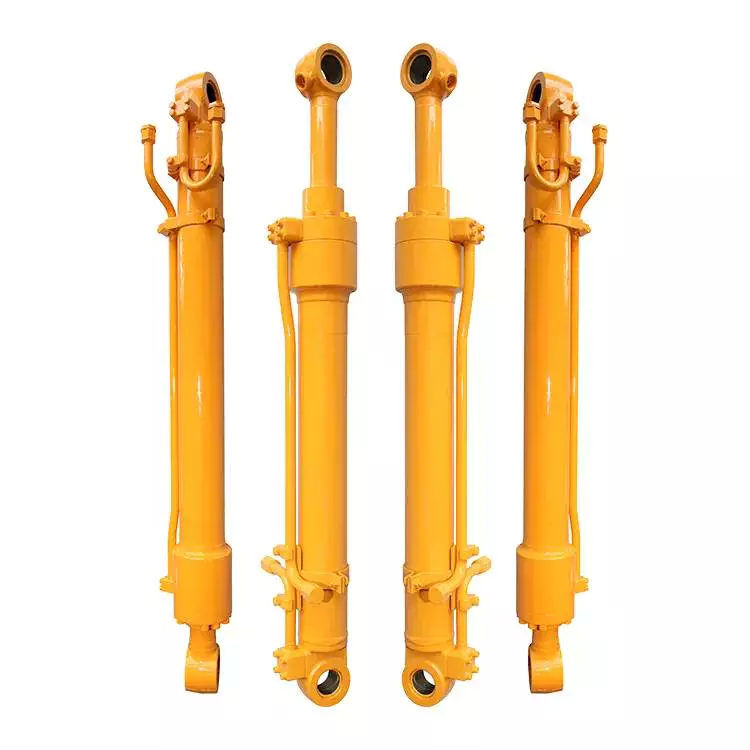
Can hydraulic cylinders be retrofitted onto existing equipment for improved functionality?
Yes, hydraulic cylinders can be retrofitted onto existing equipment to enhance functionality and performance. Retrofitting hydraulic cylinders onto existing machinery or equipment offers several benefits, including increased power, improved control, enhanced precision, and versatility. Here’s a detailed explanation of how hydraulic cylinders can be retrofitted onto existing equipment for improved functionality:
1. Increased Power:
– Retrofitting hydraulic cylinders allows for the addition of hydraulic power to the existing equipment. By integrating hydraulic cylinders, the equipment can generate higher forces and handle heavier loads. This increased power enables the equipment to perform tasks that were previously challenging or impossible. For example, a retrofit hydraulic cylinder on a crane can enhance its lifting capacity and enable it to handle heavier loads more efficiently.
2. Improved Control:
– Hydraulic cylinders provide precise control over the motion and positioning of equipment. By retrofitting hydraulic cylinders, operators gain better control over the speed, force, and direction of movement. The addition of hydraulic control valves and a hydraulic power unit allows for fine-tuning of the equipment’s operation. Improved control facilitates safer and more efficient operation, reducing the risk of damage and improving overall productivity.
3. Enhanced Precision:
– Retrofitting hydraulic cylinders onto existing equipment can significantly improve precision and accuracy. Hydraulic systems offer precise control over movement, enabling smooth and controlled motion. This enhanced precision is beneficial in applications where precise positioning or repetitive movements are required. For instance, retrofitting hydraulic cylinders onto a robotic arm can enhance its accuracy and repeatability, making it more suitable for tasks that demand high precision.
4. Versatility and Adaptability:
– Retrofitting hydraulic cylinders can increase the versatility and adaptability of existing equipment. Hydraulic systems can be easily integrated with various types of machinery, allowing for the utilization of hydraulic power across different applications. The modular nature of hydraulic components facilitates the retrofitting process, enabling the equipment to perform a broader range of tasks. This versatility is particularly advantageous in industries where equipment needs to adapt to changing operational requirements.
5. Retrofit Kits and Customization:
– Manufacturers often provide retrofit kits that include all the necessary components for integrating hydraulic cylinders onto existing equipment. These kits typically consist of hydraulic cylinders, mounting brackets, hoses, fittings, control valves, and other required accessories. Retrofit kits simplify the retrofitting process and ensure compatibility between the hydraulic components and the existing equipment. Additionally, manufacturers can offer customization options to tailor the retrofit solution to specific equipment and application needs.
6. Cost-Effective Solution:
– Retrofitting hydraulic cylinders onto existing equipment can be a cost-effective solution compared to purchasing new machinery. By leveraging the existing equipment’s structural framework and mechanical components, the overall cost of upgrading can be reduced. Retrofitting also minimizes downtime since the equipment does not need to be completely replaced. Furthermore, the improved functionality and performance resulting from the retrofit can lead to increased productivity and cost savings in the long run.
7. Professional Installation and Expertise:
– Retrofitting hydraulic cylinders onto existing equipment often requires professional installation and expertise. Working with experienced hydraulic system integrators or manufacturers ensures proper installation, compatibility, and optimal performance of the retrofit solution. These professionals can assess the existing equipment, recommend suitable hydraulic components, and carry out the retrofitting process efficiently. Their knowledge and expertise contribute to the successful integration of hydraulic cylinders and the overall improvement of equipment functionality.
In summary, hydraulic cylinders can indeed be retrofitted onto existing equipment to improve functionality. This retrofitting process offers advantages such as increased power, improved control, enhanced precision, versatility, cost-effectiveness, and access to retrofit kits and customization options. By retrofitting hydraulic cylinders, existing equipment can be upgraded to meet evolving operational needs, extend its lifespan, and enhance overall performance.
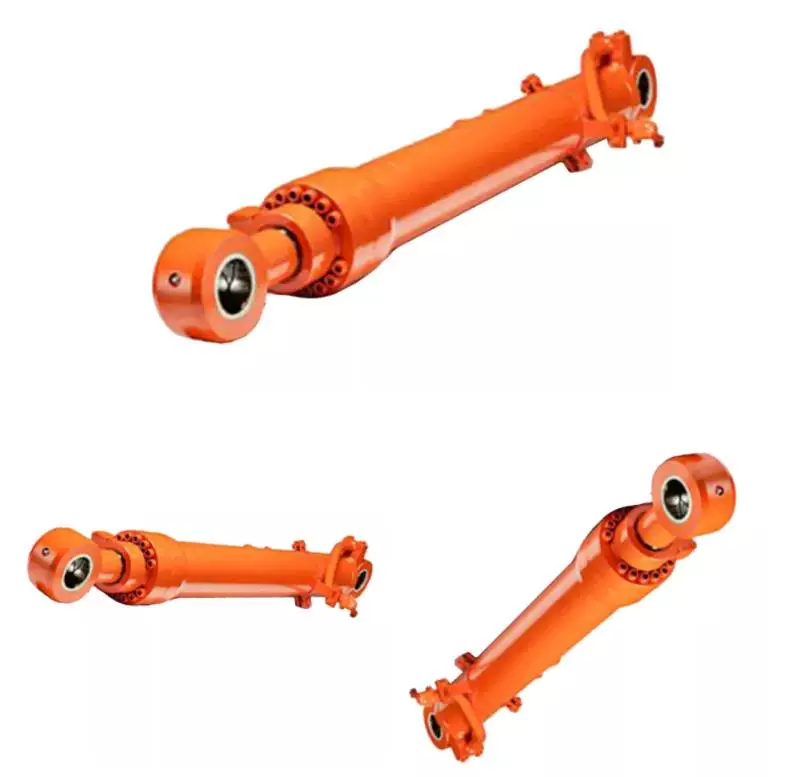
Handling the Challenges of Minimizing Fluid Leaks and Contamination in Hydraulic Cylinders
Hydraulic cylinders face challenges when it comes to minimizing fluid leaks and contamination, as these issues can impact the performance, reliability, and lifespan of the system. However, there are several measures and design considerations that help address these challenges effectively. Let’s explore how hydraulic cylinders handle the challenges of minimizing fluid leaks and contamination:
- Sealing Systems: Hydraulic cylinders employ advanced sealing systems to prevent fluid leaks. These systems typically include various types of seals, such as piston seals, rod seals, and wiper seals. The seals are designed to create a tight and reliable barrier between the moving components of the cylinder and the external environment, minimizing the risk of fluid leakage.
- Seal Material Selection: The choice of seal materials is crucial in minimizing fluid leaks and contamination. Hydraulic cylinder manufacturers carefully select seal materials that are compatible with the hydraulic fluid used and resistant to wear, abrasion, and chemical degradation. This ensures the longevity and effectiveness of the seals, reducing the likelihood of leaks or premature seal failure.
- Proper Installation and Maintenance: Ensuring proper installation and regular maintenance of hydraulic cylinders is essential for minimizing fluid leaks and contamination. During installation, attention should be given to proper alignment, torqueing of bolts, and adherence to recommended procedures. Regular maintenance includes inspecting seals, replacing worn-out components, and addressing any signs of leakage promptly. Proper maintenance practices help identify and rectify issues before they escalate and cause significant problems.
- Contamination Control: Hydraulic cylinders incorporate measures to control contamination and maintain fluid cleanliness. This includes the use of filtration systems, such as in-line filters, to remove particles and contaminants from the hydraulic fluid. Additionally, hydraulic reservoirs often have breathers and desiccant filters to prevent moisture and airborne contaminants from entering the system. By controlling contamination, hydraulic cylinders minimize the risk of damage to internal components and maintain optimal system performance.
- Environmental Protection: Hydraulic cylinders may be equipped with protective features to safeguard against external contaminants. For example, bellows or protective boots can be installed to shield the rod and seals from debris, dirt, or moisture present in the operating environment. These protective measures help extend the life of the seals and enhance the overall reliability of the hydraulic cylinder.
In summary, hydraulic cylinders employ sealing systems, appropriate seal materials, proper installation and maintenance practices, contamination control measures, and environmental protection features to handle the challenges of minimizing fluid leaks and contamination. By implementing these measures, manufacturers can ensure reliable and long-lasting hydraulic cylinder performance, minimize the risk of fluid leakage, and maintain the cleanliness of the hydraulic system.
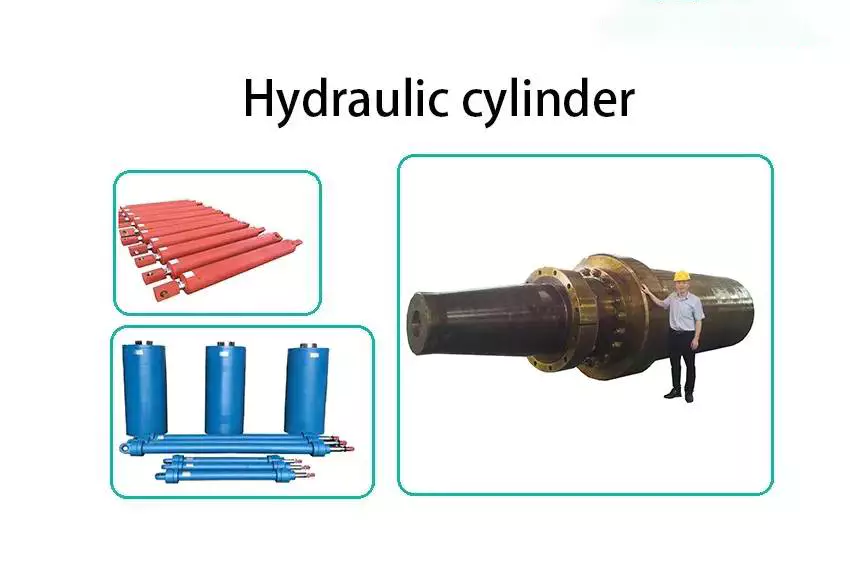
Czy możesz wyjaśnić rolę i znaczenie cylindrów hydraulicznych w maszynach?
Siłowniki hydrauliczne odgrywają kluczową rolę w maszynach w różnych gałęziach przemysłu. Są niezbędnymi elementami zapewniającymi kontrolowany i mocny ruch liniowy, umożliwiając obsługę ciężkiego sprzętu i ułatwiając wykonywanie wielu zadań. Rolę i znaczenie siłowników hydraulicznych w maszynach można szczegółowo wyjaśnić w następujący sposób:
Rola cylindrów hydraulicznych:
– Konwersja energii hydraulicznej: Cylindry hydrauliczne przekształcają energię hydrauliczną, zazwyczaj w postaci sprężonego płynu hydraulicznego, w siłę i ruch liniowy. Ta konwersja umożliwia maszynom wykonywanie zadań takich jak podnoszenie, pchanie, ciągnięcie, zaciskanie, przechylanie i sterowanie różnymi mechanizmami.
– Generowanie ruchu liniowego: Cylindry hydrauliczne generują ruch liniowy, wykorzystując zasady prawa Pascala. Gdy płyn hydrauliczny jest kierowany do jednej strony cylindra, wywiera on nacisk na tłok, powodując ruch liniowy tłoka i przymocowanego do niego tłoczyska. Ten ruch liniowy może być wykorzystany do napędzania innych podzespołów maszyny lub do bezpośredniego wykonywania wymaganego zadania.
– Generowanie siły: Cylindry hydrauliczne są w stanie generować duże siły dzięki ciśnieniu hydraulicznemu wywieranemu na tłok. Siła wyjściowa cylindra hydraulicznego zależy od powierzchni tłoka i ciśnienia płynu hydraulicznego. Siła ta pozwala maszynom na wywieranie znacznej mocy w celu podnoszenia ciężkich ładunków, wywierania nacisku lub pokonywania oporu.
– Precyzyjna kontrola: Cylindry hydrauliczne zapewniają precyzyjną kontrolę ruchu liniowego i wywieranej siły. Regulując przepływ płynu hydraulicznego, można precyzyjnie regulować prędkość i kierunek ruchu cylindra. Ten poziom kontroli jest kluczowy w maszynach wymagających precyzyjnego pozycjonowania, delikatnych ruchów lub synchronizacji wielu cylindrów.
– Integracja z układami hydraulicznymi: Cylindry hydrauliczne są integralnymi elementami układów hydraulicznych stosowanych w maszynach. Współpracują z pompami hydraulicznymi, zaworami i siłownikami, tworząc kompletny obwód hydrauliczny. Ta integracja umożliwia efektywne przenoszenie mocy, sterowanie i koordynację różnych funkcji maszyny.
Znaczenie cylindrów hydraulicznych:
– Obsługa ciężkiego sprzętu: Cylindry hydrauliczne są niezbędne w ciężkich maszynach wykorzystywanych w budownictwie, górnictwie, rolnictwie, transporcie materiałów i innych gałęziach przemysłu. Umożliwiają podnoszenie i przemieszczanie ciężkich ładunków, obsługę osprzętu oraz wykonywanie zadań wymagających dużej siły i precyzji.
– Wszechstronność i adaptacyjność: Cylindry hydrauliczne to uniwersalne komponenty, które można zaprojektować i dostosować do konkretnych wymagań maszyn. Można je integrować z różnymi typami urządzeń i dostosowywać do takich czynników, jak siła, długość skoku, prędkość i opcje montażu. Ta wszechstronność sprawia, że cylindry hydrauliczne nadają się do różnorodnych zastosowań.
– Trwałość i niezawodność: Cylindry hydrauliczne są konstruowane tak, aby wytrzymywały trudne warunki pracy, w tym wysokie ciśnienia, duże obciążenia i ciągłą pracę. Zaprojektowano je z wytrzymałych materiałów, poddano precyzyjnej obróbce i wyposażono w skuteczne systemy uszczelnień, aby zapewnić trwałość i niezawodność przez długi czas eksploatacji.
– Bezpieczeństwo i kontrola obciążenia: Cylindry hydrauliczne zapewniają bezpieczną i kontrolowaną pracę maszyn. Oferują mechanizmy zabezpieczające przed przeciążeniem, takie jak zawory bezpieczeństwa, zapobiegające uszkodzeniom spowodowanym nadmierną siłą lub ciśnieniem. Ponadto cylindry hydrauliczne umożliwiają precyzyjną kontrolę obciążenia, minimalizując ryzyko wypadków podczas podnoszenia, opuszczania lub pozycjonowania ciężkich ładunków.
– Kompaktowa konstrukcja: Cylindry hydrauliczne oferują wysoki stosunek mocy do rozmiaru, co pozwala na projektowanie kompaktowych maszyn. Ich stosunkowo niewielkie rozmiary w porównaniu do generowanych przez nie sił sprawiają, że nadają się do zastosowań w miejscach o ograniczonej przestrzeni lub z ograniczeniami wagowymi.
– Efektywność energetyczna: Siłowniki hydrauliczne przyczyniają się do efektywności energetycznej maszyn. Zastosowanie układów hydraulicznych umożliwia przenoszenie mocy na duże odległości bez znacznych strat. Dodatkowo, siłowniki hydrauliczne mogą być wyposażone w funkcje oszczędzania energii, takie jak technologia wykrywania obciążenia i układy regeneracyjne, zmniejszając zużycie energii.
Ogólnie rzecz biorąc, cylindry hydrauliczne odgrywają kluczową rolę w maszynach, zapewniając kontrolowany i mocny ruch liniowy. Ich znaczenie polega na możliwości przetwarzania energii hydraulicznej, generowania dużych sił, precyzyjnej kontroli, integracji z układami hydraulicznymi i ułatwianiu obsługi ciężkiego sprzętu w różnych gałęziach przemysłu. Cylindry hydrauliczne przyczyniają się do zwiększenia produktywności, bezpieczeństwa i wydajności w zastosowaniach maszynowych, co czyni je niezbędnymi elementami współczesnej inżynierii.


editor by CX 2023-10-29
 Polish
  English
  Italian
  Portuguese
  Dutch
Dutch  Swedish
  Danish
  Finnish
  Hindi
Hindi  Kazakh
  Turkish
  Ukrainian
  Romanian
  Spanish
  German
  Russian
  Korean
  Japanese
  Vietnamese
  Thai
Thai  Indonesian
  Malay
Malay  French
  Greek
Greek