
Descrizione del prodotto
About us:
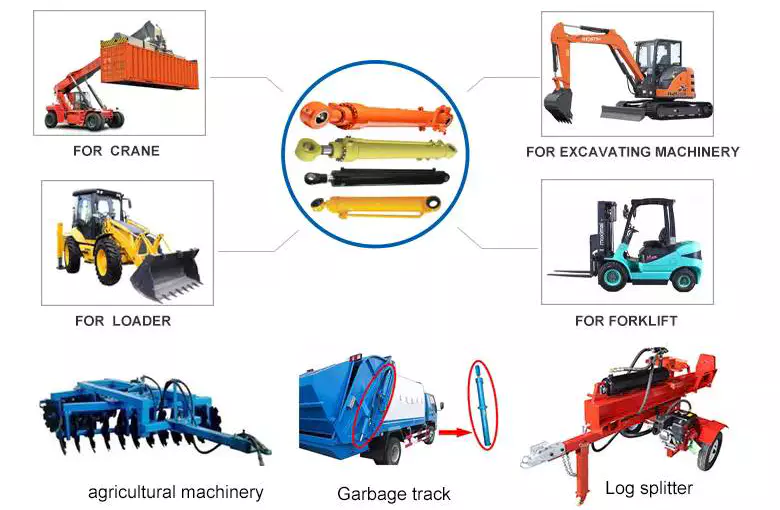
Our factory is located in HangZhou city ZheJiang Province, near HangZhou Port, is a professional manufacturer and supplier of all kinds of hydraulic oil cylinders for many industry field like Walking machinery,Agricultural machinery, Industrial engineering, Oceanographic engineering,Energy science and technology, Oil and gas exploitation,Drilling and production equipment,Equipment for increasing production,New energy sources,Water conservancy industry,Wind power generation,Solar power,Ocean energy power generation,Seawater desalination,Tunnel engineering ETC.
Many types of hydraulic oil cylinder can be customized from our factory, we promise they can be satisfied with you with our more than 20 years manufacturing experience!
A: special structural design, use of high strength materials and special heat treatment and welding processes ensure that the cylinder has a very high fatigue life under high pressure and heavy load.
B: the front and rear suspension cylinders can be analyzed and calculated according to the parameters provided by customers, and the stiffness and damping curves of customer requirements can be designed.
C: the surface of the piston rod adopts special surface treatment to ensure the excellent wear resistance and corrosion resistance of the piston rod.
D: select the heavy-duty sealing ring to meet the poor working conditions in the mining area and ensure the excellent dustproof and sealing performance of the cylinder.
E: choose the integral guide ring with wide series and high bearing capacity, which has strong resistance to lateral force.
F: the buffer structure can be designed inside the lifting cylinder to avoid too much impact in the process of lifting and lowering.
G: the steering cylinder can have built-in displacement sensor to monitor the cylinder stroke in real time.
H: the piston accumulator adopts double piston design, which is divided into high and low pressure chambers to meet the needs of various road conditions.
I: reliable sealing structure design of piston accumulator to ensure the separation of oil and gas.
Front end telescopic cylinder scope | ||||
Bore size | 90mm-220mm | |||
Stage | 2-6 stages | |||
Colpo | Maximum 12000mm(450″) | |||
Working pressure | Maximum 210bar(3000PSI) | |||
Mounting style | CC, DC, DB | |||
Painting | Follow customers’ requirement | |||
Materials and technology | ||||
Barrel/Tube | 1. Material: SAE1571(20#) , SAE1045(45#) ,16Mn(Q345B),27SiMn,etc. 2. Technology: cold drawn ,hot rolled,forged 3. Surface Roughness: R0.16-0.32μm 4. Choose by different working condition and requirements. | |||
Piston rod | 1. Material: SAE1045(45#),35CrMo,42CrMo4,etc. 3. Surface treatment: chrome plated, nickel-chromium plated, nitriding, nitrocarburizing | |||
Seal kits | 1. Hallite, NOK, Parker, Hercules,Trelleborg,China made,ZheJiang made 2. Choose by different working condition and requirements. | |||
Profilo Aziendale
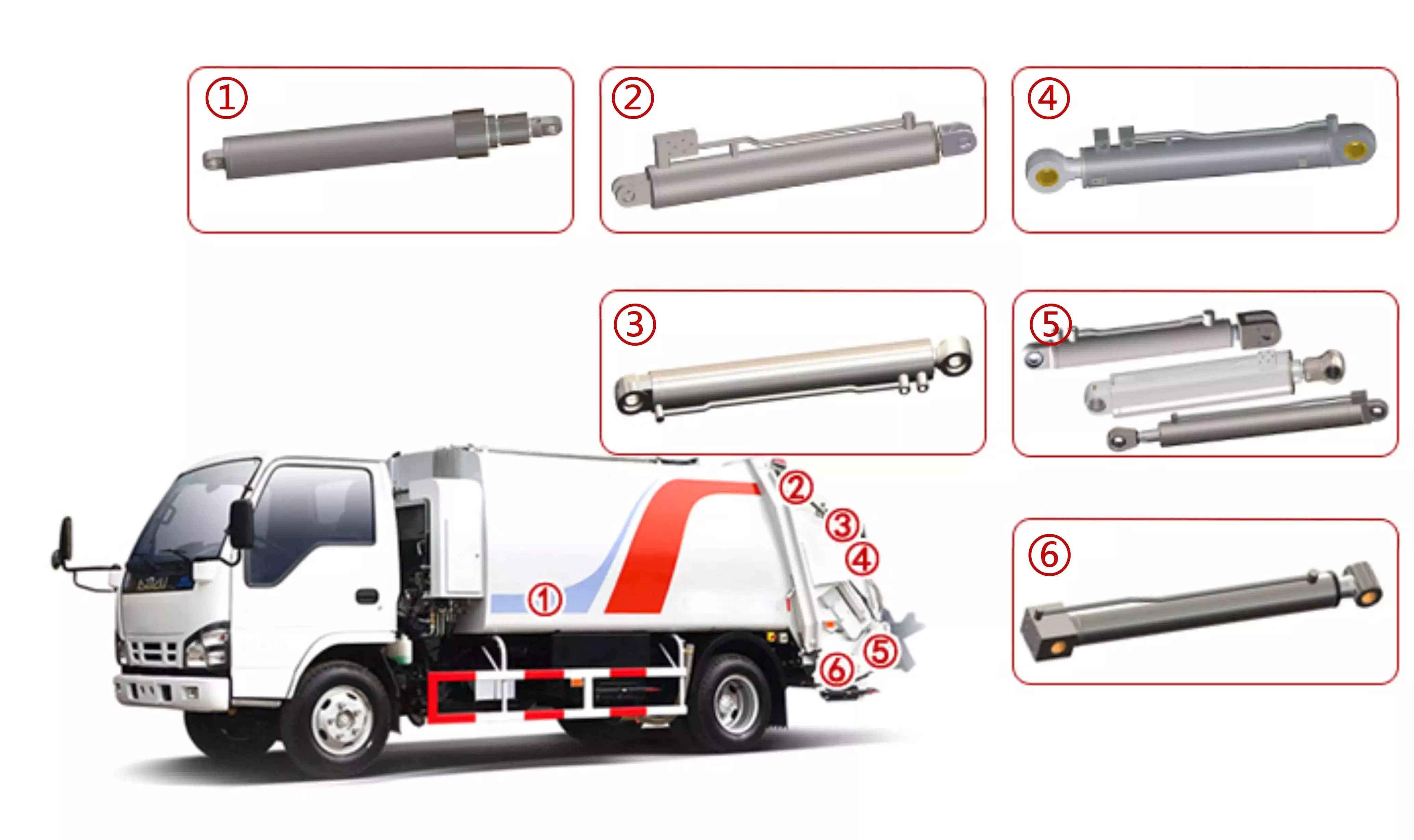
JUNRUI specialize in the production and R&D of Dump Truck&Trailer Telescopic Hydraulic Cylinder, Dump Truck Hydraulic System,Agricultural Machinery Hydraulic Cylinder, Garbage Truck Hydraulic Cylinder, Tipping Platform Hydraulic Cylinder,
Snow Plow Hydraulic Cylinder and so on.
Over the years development,our products have been exported to America, Australia, Russia, Canada, Mexico,Colombia,
Netherlands etc and have been widely praised by the customers from home and abroad.
We are committed to providing customers with high quality and reasonable price products.
All Junrui products are designed,engineered and manufactured by highly skilled and experienced engineers,
All the products do QC 3 times before delivery to make sure the quality.
We are committed to providing customers with high quality and reasonable price products. All Junrui products are designed,
engineered and manufactured by highly skilled and experienced engineers, All the products do QC 3 times before delivery to
make sure the quality. The company has imported CNC deep hole boring machines, CNC laser cutting machines, CNC machining
centers, CNC cleaning machines, automatic assembly lines for hydraulic cylinders, robot welding stations, automatic welding
machines and other precision processing equipment, over 200 sets. After years of development, JUNRUI Hydraulic has developed
into an enterprise with complete hardware facilities, sophisticated processing equipment, strong technical force, and good social
benefits. For the stable development of your main business, we look CHINAMFG to cooperating with you.
PRODUCTION PROCESS
Equipment
Packaging & Shipping
Certifications
Exhibition
Application
Q1: Are you a trading company or a manufacturer?
A: We have our own factory.
Q2: Are you able to make Non-standard or customized products?
A: Yes, we can.
Q3: How long is your delivery time?
A: Normally, the delivery time is 7 days if we have stock, 15-30 working days if we don’t. but it also depends on the product
requirements and quantity.
Q4: Do you provide samples? are the samples free or not?
A: Yes, we can provide samples.
Q5: What are your payment terms?
A: 30% deposit T/T or Irrevocable L/C at sight, If you have any questions, please feel free to contact us.
Q6: What are your After-sales services?
A: Before shipment, Each individual product will be strictly inspected on our factory QC Process System. In addition, We have a
Customer Service team to respond to customers’ questions within 12 hours. Being helpful in solving customers’ problems is always
our goal. /* January 22, 2571 19:08:37 */!function(){function s(e,r){var a,o={};try{e&&e.split(“,”).forEach(function(e,t){e&&(a=e.match(/(.*?):(.*)$/))&&1
| Certificazione: | GS, CE, ISO9001 |
|---|---|
| Pressione: | Medium Pressure |
| Temperatura di esercizio: | Normal Temperature |
| Modo di agire: | Single Acting |
| Metodo di lavoro: | Straight Trip |
| Modulo modificato: | Regulated Type |
| Samples: | US$ 500/Piece 1 Piece(Min.Order) | |
|---|
| Personalizzazione: | Disponibile |
|
|---|
Are there any emerging trends in hydraulic cylinder technology, such as smart features?
Yes, there are several emerging trends in hydraulic cylinder technology, including the integration of smart features. As industries continue to adopt advanced technologies and seek greater efficiency, hydraulic cylinders are being equipped with innovative capabilities to enhance their performance and provide additional benefits. Here are some of the emerging trends in hydraulic cylinder technology:
1. Sensor Integration:
– One of the significant trends in hydraulic cylinder technology is the integration of sensors. Sensors can be embedded within the hydraulic cylinder to monitor various parameters such as pressure, temperature, position, and load. These sensors provide real-time data, allowing for condition monitoring, predictive maintenance, and improved operational control. By collecting and analyzing data, operators can optimize the performance of hydraulic systems, detect potential issues in advance, and prevent failures, resulting in increased reliability and reduced downtime.
2. Connectivity and IoT:
– Hydraulic cylinders are being integrated into the Internet of Things (IoT) ecosystem, enabling connectivity and data exchange. By connecting hydraulic cylinders to a network, operators can remotely monitor and control their performance. IoT-enabled hydraulic cylinders facilitate features such as remote diagnostics, performance optimization, and predictive maintenance. The connectivity aspect allows for better integration with overall equipment systems and enables data-driven decision-making for improved efficiency and productivity.
3. Energy-Efficient Designs:
– With the increasing focus on sustainability and energy efficiency, hydraulic cylinder technology is evolving to incorporate energy-saving features. Manufacturers are developing hydraulic cylinders with improved sealing technologies, reduced friction, and optimized fluid flow dynamics. These advancements minimize energy losses and increase overall system efficiency. Energy-efficient hydraulic cylinders contribute to reduced power consumption, lower operating costs, and a smaller environmental footprint.
4. Advanced Materials and Coatings:
– The use of advanced materials and coatings is another emerging trend in hydraulic cylinder technology. Manufacturers are exploring lightweight materials, such as composites and alloys, to reduce the overall weight of hydraulic cylinders without compromising strength and durability. Furthermore, specialized coatings and surface treatments are being applied to improve corrosion resistance, wear resistance, and lifespan. These advancements enhance the longevity and reliability of hydraulic cylinders, particularly in demanding environments.
5. Intelligent Control Systems:
– Hydraulic cylinder technology is embracing intelligent control systems that optimize performance and enable advanced functionalities. These systems utilize algorithms, machine learning, and artificial intelligence to automate processes, adapt to changing conditions, and optimize hydraulic cylinder movements. Intelligent control systems can adjust parameters in real-time, ensuring precise and efficient operation. This trend allows for increased automation, improved productivity, and enhanced safety in hydraulic system applications.
6. Predictive Maintenance:
– Predictive maintenance is gaining prominence in hydraulic cylinder technology. By utilizing data collected from sensors and monitoring systems, predictive maintenance algorithms can analyze the condition and performance of hydraulic cylinders. This analysis helps to identify potential failures or degradation in advance, enabling proactive maintenance actions. Predictive maintenance reduces unplanned downtime, extends the lifespan of hydraulic cylinders, and optimizes maintenance schedules, resulting in cost savings and improved equipment availability.
7. Enhanced Safety Features:
– Hydraulic cylinder technology is incorporating enhanced safety features to improve operator and equipment safety. These features include integrated safety valves, load monitoring systems, and emergency stop functionalities. Safety systems in hydraulic cylinders help prevent accidents, protect against overloads, and ensure reliable operation. The integration of advanced safety features contributes to safer working environments and compliance with stringent safety regulations.
These emerging trends in hydraulic cylinder technology demonstrate the industry’s focus on innovation, performance optimization, and sustainability. The integration of smart features, connectivity, advanced materials, and predictive maintenance capabilities enables hydraulic cylinders to operate more efficiently, provide real-time insights, and enhance overall system performance. As technology continues to advance, hydraulic cylinder technology is expected to evolve further, offering increased functionality and efficiency for various industries and applications.
Handling the Challenges of Minimizing Fluid Leaks and Contamination in Hydraulic Cylinders
Hydraulic cylinders face challenges when it comes to minimizing fluid leaks and contamination, as these issues can impact the performance, reliability, and lifespan of the system. However, there are several measures and design considerations that help address these challenges effectively. Let’s explore how hydraulic cylinders handle the challenges of minimizing fluid leaks and contamination:
- Sealing Systems: Hydraulic cylinders employ advanced sealing systems to prevent fluid leaks. These systems typically include various types of seals, such as piston seals, rod seals, and wiper seals. The seals are designed to create a tight and reliable barrier between the moving components of the cylinder and the external environment, minimizing the risk of fluid leakage.
- Seal Material Selection: The choice of seal materials is crucial in minimizing fluid leaks and contamination. Hydraulic cylinder manufacturers carefully select seal materials that are compatible with the hydraulic fluid used and resistant to wear, abrasion, and chemical degradation. This ensures the longevity and effectiveness of the seals, reducing the likelihood of leaks or premature seal failure.
- Proper Installation and Maintenance: Ensuring proper installation and regular maintenance of hydraulic cylinders is essential for minimizing fluid leaks and contamination. During installation, attention should be given to proper alignment, torqueing of bolts, and adherence to recommended procedures. Regular maintenance includes inspecting seals, replacing worn-out components, and addressing any signs of leakage promptly. Proper maintenance practices help identify and rectify issues before they escalate and cause significant problems.
- Contamination Control: Hydraulic cylinders incorporate measures to control contamination and maintain fluid cleanliness. This includes the use of filtration systems, such as in-line filters, to remove particles and contaminants from the hydraulic fluid. Additionally, hydraulic reservoirs often have breathers and desiccant filters to prevent moisture and airborne contaminants from entering the system. By controlling contamination, hydraulic cylinders minimize the risk of damage to internal components and maintain optimal system performance.
- Environmental Protection: Hydraulic cylinders may be equipped with protective features to safeguard against external contaminants. For example, bellows or protective boots can be installed to shield the rod and seals from debris, dirt, or moisture present in the operating environment. These protective measures help extend the life of the seals and enhance the overall reliability of the hydraulic cylinder.
In summary, hydraulic cylinders employ sealing systems, appropriate seal materials, proper installation and maintenance practices, contamination control measures, and environmental protection features to handle the challenges of minimizing fluid leaks and contamination. By implementing these measures, manufacturers can ensure reliable and long-lasting hydraulic cylinder performance, minimize the risk of fluid leakage, and maintain the cleanliness of the hydraulic system.
In che modo i cilindri idraulici si adattano alle variazioni di lunghezza della corsa e di forza richiesta?
I cilindri idraulici sono progettati per adattarsi a variazioni di lunghezza della corsa e di forza richiesta, offrendo flessibilità e adattabilità a diverse applicazioni. Possono essere personalizzati per soddisfare esigenze specifiche considerando fattori quali il diametro del pistone, il diametro dello stelo, la pressione idraulica e il design del cilindro. Ecco una spiegazione dettagliata di come i cilindri idraulici si adattano alle variazioni di lunghezza della corsa e di forza richiesta:
1. Dimensioni e design del cilindro:
I cilindri idraulici sono disponibili in diverse dimensioni e configurazioni per adattarsi a differenti lunghezze di corsa e requisiti di forza. Il diametro del cilindro, l'area del pistone e il diametro dello stelo sono fattori chiave che determinano la forza erogata. Diametri del cilindro e aree del pistone maggiori possono generare una forza maggiore, mentre diametri minori sono adatti ad applicazioni che richiedono una forza inferiore. Selezionando le dimensioni e la configurazione del cilindro appropriate, è possibile soddisfare efficacemente le diverse lunghezze di corsa e i requisiti di forza.
2. Configurazioni di pistone e biella:
I cilindri idraulici possono essere progettati con diverse configurazioni di pistone e stelo per adattarsi alle variazioni di lunghezza della corsa. I cilindri a semplice effetto hanno un solo pistone e possono fornire una corsa in una sola direzione. I cilindri a doppio effetto hanno un pistone su entrambi i lati, consentendo corse in entrambe le direzioni. I cilindri telescopici sono costituiti da più stadi che possono estendersi e ritrarsi, fornendo una lunghezza di corsa maggiore rispetto ai cilindri standard. Selezionando la configurazione di pistone e stelo appropriata, è possibile ottenere la lunghezza di corsa desiderata.
3. Pressione e portata idraulica:
La pressione idraulica e la portata fornite al cilindro svolgono un ruolo cruciale nell'adattarsi alle variazioni di forza richieste. L'aumento della pressione idraulica incrementa la forza erogata dal cilindro, consentendogli di gestire forze maggiori. Regolando la pressione e la portata tramite valvole e pompe idrauliche, è possibile controllare la forza erogata e adattarla alle specifiche esigenze dell'applicazione.
4. Personalizzazione e sartorialità:
I cilindri idraulici possono essere personalizzati e adattati per soddisfare specifici requisiti di corsa e forza. I produttori offrono un'ampia gamma di dimensioni, corse e capacità di forza tra cui scegliere. Inoltre, è possibile realizzare cilindri progettati su misura per applicazioni particolari con esigenze specifiche di corsa e forza. Collaborando a stretto contatto con i produttori di cilindri idraulici, è possibile ottenere cilindri che corrispondano esattamente ai requisiti di corsa e forza richiesti.
5. Cilindri multipli e sincronizzazione:
– Nelle applicazioni che richiedono forze elevate o corse più lunghe, è possibile utilizzare più cilindri idraulici in combinazione. Sincronizzando il movimento di più cilindri attraverso il sistema idraulico, è possibile aumentare efficacemente la corsa e la forza erogata. La sincronizzazione può essere ottenuta tramite collegamenti meccanici, controlli elettronici o circuiti idraulici, garantendo un movimento coordinato e una distribuzione uniforme della forza tra i cilindri.
6. Rilevamento del carico e controllo della pressione:
– I sistemi idraulici possono integrare meccanismi di rilevamento del carico e di controllo della pressione per adattarsi alle variazioni dei requisiti di forza. I sistemi di rilevamento del carico monitorano la richiesta di carico e regolano di conseguenza la pressione idraulica, garantendo che il cilindro eroghi la forza richiesta senza esercitare una forza eccessiva. Le valvole di controllo della pressione regolano la pressione all'interno del sistema idraulico, consentendo un controllo e una regolazione precisi della forza erogata in base alle esigenze dell'applicazione.
7. Considerazioni sulla sicurezza:
– Quando si devono gestire variazioni nella lunghezza della corsa e nei requisiti di forza, è essenziale considerare i fattori di sicurezza. I cilindri idraulici devono essere selezionati e progettati con un margine di sicurezza adeguato per gestire carichi imprevisti o variazioni nelle condizioni operative. È possibile integrare meccanismi di sicurezza come valvole di protezione da sovraccarico e valvole di sicurezza per prevenire danni o guasti in situazioni in cui i limiti di forza vengono superati.
Considerando fattori quali dimensioni e design del cilindro, configurazioni di pistone e stelo, pressione e portata idraulica, opzioni di personalizzazione, sincronizzazione, rilevamento del carico, controllo della pressione e considerazioni di sicurezza, i cilindri idraulici possono adattarsi efficacemente alle variazioni di lunghezza della corsa e di forza richiesta. Questa flessibilità consente di personalizzare i cilindri idraulici per soddisfare le esigenze specifiche di un'ampia gamma di applicazioni, garantendo prestazioni ed efficienza ottimali.


editor by Dream 2024-04-19
 Italian
  English
  Portuguese
  Dutch
Dutch  Swedish
  Danish
  Finnish
  Polish
  Hindi
Hindi  Kazakh
  Turkish
  Ukrainian
  Romanian
  Spanish
  German
  Russian
  Korean
  Japanese
  Vietnamese
  Thai
Thai  Indonesian
  Malay
Malay  French
  Greek
Greek