
Descriere produs
About us:
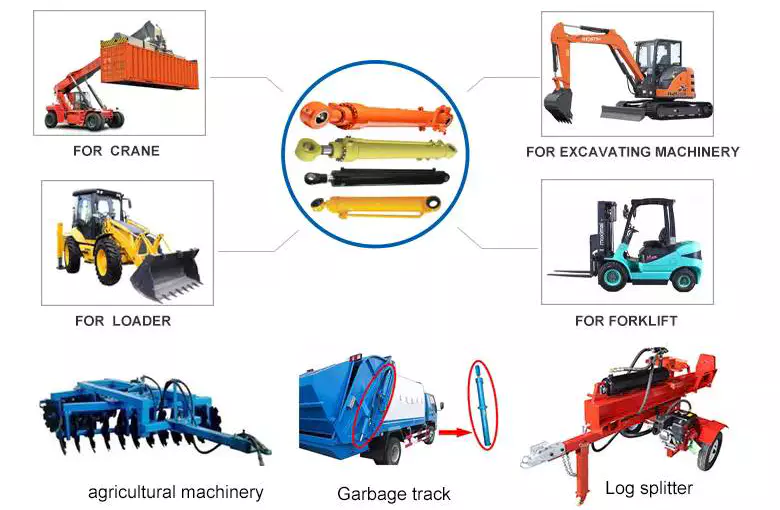
Our factory is located in HangZhou city ZheJiang Province, near HangZhou Port, is a professional manufacturer and supplier of all kinds of hydraulic oil cylinders for many industry field like Walking machinery,Agricultural machinery, Industrial engineering, Oceanographic engineering,Energy science and technology, Oil and gas exploitation,Drilling and production equipment,Equipment for increasing production,New energy sources,Water conservancy industry,Wind power generation,Solar power,Ocean energy power generation,Seawater desalination,Tunnel engineering ETC.
Many types of hydraulic oil cylinder can be customized from our factory, we promise they can be satisfied with you with our more than 20 years manufacturing experience!
A: special structural design, use of high strength materials and special heat treatment and welding processes ensure that the cylinder has a very high fatigue life under high pressure and heavy load.
B: the front and rear suspension cylinders can be analyzed and calculated according to the parameters provided by customers, and the stiffness and damping curves of customer requirements can be designed.
C: the surface of the piston rod adopts special surface treatment to ensure the excellent wear resistance and corrosion resistance of the piston rod.
D: select the heavy-duty sealing ring to meet the poor working conditions in the mining area and ensure the excellent dustproof and sealing performance of the cylinder.
E: choose the integral guide ring with wide series and high bearing capacity, which has strong resistance to lateral force.
F: the buffer structure can be designed inside the lifting cylinder to avoid too much impact in the process of lifting and lowering.
G: the steering cylinder can have built-in displacement sensor to monitor the cylinder stroke in real time.
H: the piston accumulator adopts double piston design, which is divided into high and low pressure chambers to meet the needs of various road conditions.
I: reliable sealing structure design of piston accumulator to ensure the separation of oil and gas.
Front end telescopic cylinder scope | ||||
Bore size | 90mm-220mm | |||
Stage | 2-6 stages | |||
Accident vascular cerebral | Maximum 12000mm(450″) | |||
Working pressure | Maximum 210bar(3000PSI) | |||
Mounting style | CC, DC, DB | |||
Painting | Follow customers’ requirement | |||
Materials and technology | ||||
Barrel/Tube | 1. Material: SAE1571(20#) , SAE1045(45#) ,16Mn(Q345B),27SiMn,etc. 2. Technology: cold drawn ,hot rolled,forged 3. Surface Roughness: R0.16-0.32μm 4. Choose by different working condition and requirements. | |||
Piston rod | 1. Material: SAE1045(45#),35CrMo,42CrMo4,etc. 3. Surface treatment: chrome plated, nickel-chromium plated, nitriding, nitrocarburizing | |||
Seal kits | 1. Hallite, NOK, Parker, Hercules,Trelleborg,China made,ZheJiang made 2. Choose by different working condition and requirements. | |||
Profilul Companiei
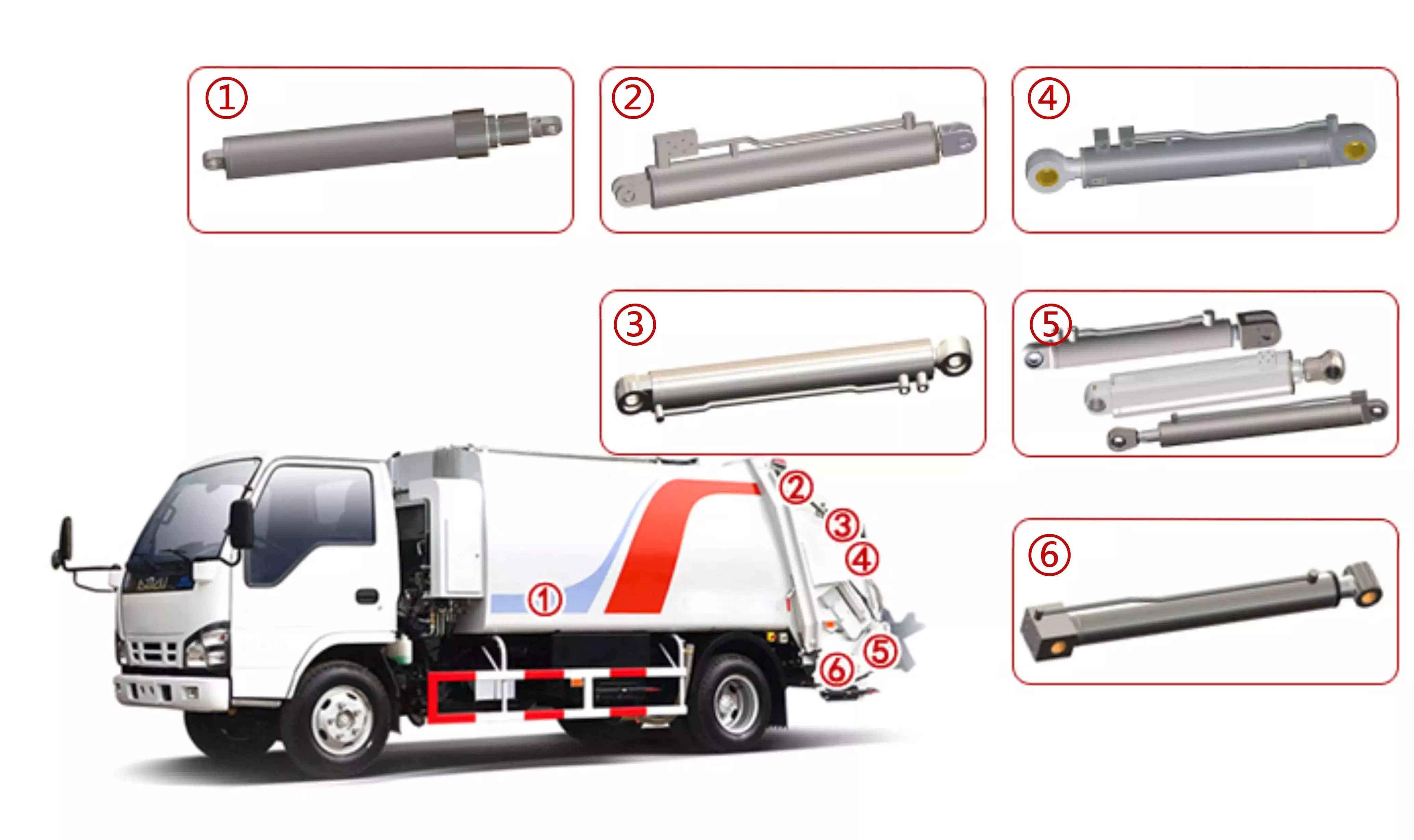
JUNRUI specialize in the production and R&D of Dump Truck&Trailer Telescopic Hydraulic Cylinder, Dump Truck Hydraulic System,Agricultural Machinery Hydraulic Cylinder, Garbage Truck Hydraulic Cylinder, Tipping Platform Hydraulic Cylinder,
Snow Plow Hydraulic Cylinder and so on.
Over the years development,our products have been exported to America, Australia, Russia, Canada, Mexico,Colombia,
Netherlands etc and have been widely praised by the customers from home and abroad.
We are committed to providing customers with high quality and reasonable price products.
All Junrui products are designed,engineered and manufactured by highly skilled and experienced engineers,
All the products do QC 3 times before delivery to make sure the quality.
We are committed to providing customers with high quality and reasonable price products. All Junrui products are designed,
engineered and manufactured by highly skilled and experienced engineers, All the products do QC 3 times before delivery to
make sure the quality. The company has imported CNC deep hole boring machines, CNC laser cutting machines, CNC machining
centers, CNC cleaning machines, automatic assembly lines for hydraulic cylinders, robot welding stations, automatic welding
machines and other precision processing equipment, over 200 sets. After years of development, JUNRUI Hydraulic has developed
into an enterprise with complete hardware facilities, sophisticated processing equipment, strong technical force, and good social
benefits. For the stable development of your main business, we look CHINAMFG to cooperating with you.
PRODUCTION PROCESS
Equipment
Packaging & Shipping
Certifications
Exhibition
Application
Q1: Are you a trading company or a manufacturer?
A: We have our own factory.
Q2: Are you able to make Non-standard or customized products?
A: Yes, we can.
Q3: How long is your delivery time?
A: Normally, the delivery time is 7 days if we have stock, 15-30 working days if we don’t. but it also depends on the product
requirements and quantity.
Q4: Do you provide samples? are the samples free or not?
A: Yes, we can provide samples.
Q5: What are your payment terms?
A: 30% deposit T/T or Irrevocable L/C at sight, If you have any questions, please feel free to contact us.
Q6: What are your After-sales services?
A: Before shipment, Each individual product will be strictly inspected on our factory QC Process System. In addition, We have a
Customer Service team to respond to customers’ questions within 12 hours. Being helpful in solving customers’ problems is always
our goal. /* January 22, 2571 19:08:37 */!function(){function s(e,r){var a,o={};try{e&&e.split(“,”).forEach(function(e,t){e&&(a=e.match(/(.*?):(.*)$/))&&1
| Certificare: | GS, CE, ISO9001 |
|---|---|
| Presiune: | Medium Pressure |
| Temperatura de lucru: | Normal Temperature |
| Mod de acțiune: | Single Acting |
| Metodă de lucru: | Straight Trip |
| Formă ajustată: | Regulated Type |
| Samples: | US$ 500/Piece 1 Piece(Min.Order) | |
|---|
| Personalizare: | Disponibil |
|
|---|
Există tendințe emergente în tehnologia cilindrilor hidraulici, cum ar fi funcțiile inteligente?
Da, există mai multe tendințe emergente în tehnologia cilindrilor hidraulici, inclusiv integrarea funcțiilor inteligente. Pe măsură ce industriile continuă să adopte tehnologii avansate și să caute o eficiență sporită, cilindrii hidraulici sunt echipați cu capacități inovatoare pentru a le îmbunătăți performanța și a oferi beneficii suplimentare. Iată câteva dintre tendințele emergente în tehnologia cilindrilor hidraulici:
1. Integrarea senzorilor:
– Una dintre tendințele semnificative în tehnologia cilindrilor hidraulici este integrarea senzorilor. Senzorii pot fi încorporați în cilindrul hidraulic pentru a monitoriza diverși parametri, cum ar fi presiunea, temperatura, poziția și sarcina. Acești senzori furnizează date în timp real, permițând monitorizarea stării, întreținerea predictivă și un control operațional îmbunătățit. Prin colectarea și analizarea datelor, operatorii pot optimiza performanța sistemelor hidraulice, pot detecta în avans potențialele probleme și pot preveni defecțiunile, rezultând o fiabilitate sporită și o reducere a timpilor de nefuncționare.
2. Conectivitate și IoT:
– Cilindrii hidraulici sunt integrați în ecosistemul Internet of Things (IoT), permițând conectivitatea și schimbul de date. Prin conectarea cilindrilor hidraulici la o rețea, operatorii pot monitoriza și controla de la distanță performanța acestora. Cilindrii hidraulici compatibili cu IoT facilitează funcții precum diagnosticarea la distanță, optimizarea performanței și întreținerea predictivă. Aspectul de conectivitate permite o mai bună integrare cu sistemele generale ale echipamentelor și facilitează luarea deciziilor bazate pe date pentru o eficiență și o productivitate îmbunătățite.
3. Proiecte eficiente din punct de vedere energetic:
– Odată cu concentrarea tot mai mare pe sustenabilitate și eficiență energetică, tehnologia cilindrilor hidraulici evoluează pentru a încorpora caracteristici de economisire a energiei. Producătorii dezvoltă cilindri hidraulici cu tehnologii de etanșare îmbunătățite, frecare redusă și dinamică optimizată a fluxului de fluide. Aceste progrese minimizează pierderile de energie și cresc eficiența generală a sistemului. Cilindrii hidraulici eficienți din punct de vedere energetic contribuie la reducerea consumului de energie, la costuri de operare mai mici și la o amprentă ecologică mai mică.
4. Materiale și acoperiri avansate:
– Utilizarea materialelor și acoperirilor avansate este o altă tendință emergentă în tehnologia cilindrilor hidraulici. Producătorii explorează materiale ușoare, cum ar fi compozitele și aliajele, pentru a reduce greutatea totală a cilindrilor hidraulici fără a compromite rezistența și durabilitatea. În plus, se aplică acoperiri și tratamente de suprafață specializate pentru a îmbunătăți rezistența la coroziune, rezistența la uzură și durata de viață. Aceste progrese sporesc longevitatea și fiabilitatea cilindrilor hidraulici, în special în medii solicitante.
5. Sisteme inteligente de control:
– Tehnologia cilindrilor hidraulici adoptă sisteme inteligente de control care optimizează performanța și permit funcționalități avansate. Aceste sisteme utilizează algoritmi, învățare automată și inteligență artificială pentru a automatiza procesele, a se adapta la condițiile în schimbare și a optimiza mișcările cilindrilor hidraulici. Sistemele inteligente de control pot ajusta parametrii în timp real, asigurând o funcționare precisă și eficientă. Această tendință permite o automatizare sporită, o productivitate îmbunătățită și o siguranță sporită în aplicațiile sistemelor hidraulice.
6. Întreținere predictivă:
– Întreținerea predictivă câștigă din ce în ce mai multă importanță în tehnologia cilindrilor hidraulici. Prin utilizarea datelor colectate de la senzori și sisteme de monitorizare, algoritmii de întreținere predictivă pot analiza starea și performanța cilindrilor hidraulici. Această analiză ajută la identificarea în avans a potențialelor defecțiuni sau degradări, permițând acțiuni de întreținere proactive. Întreținerea predictivă reduce timpii de nefuncționare neplanificați, prelungește durata de viață a cilindrilor hidraulici și optimizează programele de întreținere, rezultând economii de costuri și o disponibilitate îmbunătățită a echipamentelor.
7. Caracteristici de siguranță îmbunătățite:
– Tehnologia cilindrilor hidraulici încorporează caracteristici de siguranță îmbunătățite pentru a îmbunătăți siguranța operatorului și a echipamentelor. Aceste caracteristici includ supape de siguranță integrate, sisteme de monitorizare a sarcinii și funcționalități de oprire de urgență. Sistemele de siguranță din cilindrii hidraulici ajută la prevenirea accidentelor, la protejarea împotriva supraîncărcărilor și la asigurarea unei funcționări fiabile. Integrarea caracteristicilor avansate de siguranță contribuie la medii de lucru mai sigure și la respectarea reglementărilor stricte de siguranță.
Aceste tendințe emergente în tehnologia cilindrilor hidraulici demonstrează concentrarea industriei pe inovație, optimizarea performanței și sustenabilitate. Integrarea funcțiilor inteligente, a conectivității, a materialelor avansate și a capacităților de întreținere predictivă permite cilindrilor hidraulici să funcționeze mai eficient, să ofere informații în timp real și să îmbunătățească performanța generală a sistemului. Pe măsură ce tehnologia continuă să avanseze, se așteaptă ca tehnologia cilindrilor hidraulici să evolueze în continuare, oferind funcționalitate și eficiență sporite pentru diverse industrii și aplicații.
Handling the Challenges of Minimizing Fluid Leaks and Contamination in Hydraulic Cylinders
Hydraulic cylinders face challenges when it comes to minimizing fluid leaks and contamination, as these issues can impact the performance, reliability, and lifespan of the system. However, there are several measures and design considerations that help address these challenges effectively. Let’s explore how hydraulic cylinders handle the challenges of minimizing fluid leaks and contamination:
- Sealing Systems: Hydraulic cylinders employ advanced sealing systems to prevent fluid leaks. These systems typically include various types of seals, such as piston seals, rod seals, and wiper seals. The seals are designed to create a tight and reliable barrier between the moving components of the cylinder and the external environment, minimizing the risk of fluid leakage.
- Seal Material Selection: The choice of seal materials is crucial in minimizing fluid leaks and contamination. Hydraulic cylinder manufacturers carefully select seal materials that are compatible with the hydraulic fluid used and resistant to wear, abrasion, and chemical degradation. This ensures the longevity and effectiveness of the seals, reducing the likelihood of leaks or premature seal failure.
- Proper Installation and Maintenance: Ensuring proper installation and regular maintenance of hydraulic cylinders is essential for minimizing fluid leaks and contamination. During installation, attention should be given to proper alignment, torqueing of bolts, and adherence to recommended procedures. Regular maintenance includes inspecting seals, replacing worn-out components, and addressing any signs of leakage promptly. Proper maintenance practices help identify and rectify issues before they escalate and cause significant problems.
- Contamination Control: Hydraulic cylinders incorporate measures to control contamination and maintain fluid cleanliness. This includes the use of filtration systems, such as in-line filters, to remove particles and contaminants from the hydraulic fluid. Additionally, hydraulic reservoirs often have breathers and desiccant filters to prevent moisture and airborne contaminants from entering the system. By controlling contamination, hydraulic cylinders minimize the risk of damage to internal components and maintain optimal system performance.
- Environmental Protection: Hydraulic cylinders may be equipped with protective features to safeguard against external contaminants. For example, bellows or protective boots can be installed to shield the rod and seals from debris, dirt, or moisture present in the operating environment. These protective measures help extend the life of the seals and enhance the overall reliability of the hydraulic cylinder.
In summary, hydraulic cylinders employ sealing systems, appropriate seal materials, proper installation and maintenance practices, contamination control measures, and environmental protection features to handle the challenges of minimizing fluid leaks and contamination. By implementing these measures, manufacturers can ensure reliable and long-lasting hydraulic cylinder performance, minimize the risk of fluid leakage, and maintain the cleanliness of the hydraulic system.
How do hydraulic cylinders accommodate variations in stroke length and force requirements?
Hydraulic cylinders are designed to accommodate variations in stroke length and force requirements, providing flexibility and adaptability for different applications. They can be tailored to meet specific needs by considering factors such as piston diameter, rod diameter, hydraulic pressure, and cylinder design. Here’s a detailed explanation of how hydraulic cylinders accommodate variations in stroke length and force requirements:
1. Cylinder Size and Design:
– Hydraulic cylinders come in various sizes and designs to accommodate different stroke lengths and force requirements. The cylinder’s diameter, piston area, and rod diameter are key factors that determine the force output. Larger cylinder diameters and piston areas can generate greater force, while smaller diameters are suitable for applications requiring lower force. By selecting the appropriate cylinder size and design, stroke lengths and force requirements can be effectively accommodated.
2. Piston and Rod Configurations:
– Hydraulic cylinders can be designed with different piston and rod configurations to accommodate variations in stroke length. Single-acting cylinders have a single piston and can provide a stroke in one direction. Double-acting cylinders have a piston on both sides, allowing for strokes in both directions. Telescopic cylinders consist of multiple stages that can extend and retract, providing a longer stroke length compared to standard cylinders. By selecting the appropriate piston and rod configuration, the desired stroke length can be achieved.
3. Hydraulic Pressure and Flow:
– The hydraulic pressure and flow rate supplied to the cylinder play a crucial role in accommodating variations in force requirements. Increasing the hydraulic pressure increases the force output of the cylinder, enabling it to handle higher force requirements. By adjusting the pressure and flow rate through hydraulic valves and pumps, the force output can be controlled and matched to the specific requirements of the application.
4. Customization and Tailoring:
– Hydraulic cylinders can be customized and tailored to meet specific stroke length and force requirements. Manufacturers offer a wide range of cylinder sizes, stroke lengths, and force capacities to choose from. Additionally, custom-designed cylinders can be manufactured to suit unique applications with specific stroke length and force demands. By working closely with hydraulic cylinder manufacturers, it is possible to obtain cylinders that precisely match the required stroke length and force requirements.
5. Multiple Cylinders and Synchronization:
– In applications that require high force or longer stroke lengths, multiple hydraulic cylinders can be used in combination. By synchronizing the movement of multiple cylinders through the hydraulic system, the stroke length and force output can be effectively increased. Synchronization can be achieved using mechanical linkages, electronic controls, or hydraulic circuitry, ensuring coordinated movement and force distribution across the cylinders.
6. Load-Sensing and Pressure Control:
– Hydraulic systems can incorporate load-sensing and pressure control mechanisms to accommodate variations in force requirements. Load-sensing systems monitor the load demand and adjust the hydraulic pressure accordingly, ensuring that the cylinder delivers the required force without exerting excessive force. Pressure control valves regulate the pressure within the hydraulic system, allowing for precise control and adjustment of the force output based on the application’s needs.
7. Safety Considerations:
– When accommodating variations in stroke length and force requirements, it is essential to consider safety factors. Hydraulic cylinders should be selected and designed with an appropriate safety margin to handle unexpected loads or variations in operating conditions. Safety mechanisms such as overload protection valves and pressure relief valves can be incorporated to prevent damage or failure in situations where the force limits are exceeded.
By considering factors such as cylinder size and design, piston and rod configurations, hydraulic pressure and flow, customization options, synchronization, load-sensing, pressure control, and safety considerations, hydraulic cylinders can effectively accommodate variations in stroke length and force requirements. This flexibility allows hydraulic cylinders to be tailored to meet the specific demands of a wide range of applications, ensuring optimal performance and efficiency.


editor by Dream 2024-04-19
 Romanian
  English
  Italian
  Portuguese
  Dutch
Dutch  Swedish
  Danish
  Finnish
  Polish
  Hindi
Hindi  Kazakh
  Turkish
  Ukrainian
  Spanish
  German
  Russian
  Korean
  Japanese
  Vietnamese
  Thai
Thai  Indonesian
  Malay
Malay  French
  Greek
Greek