
Descrizione del prodotto
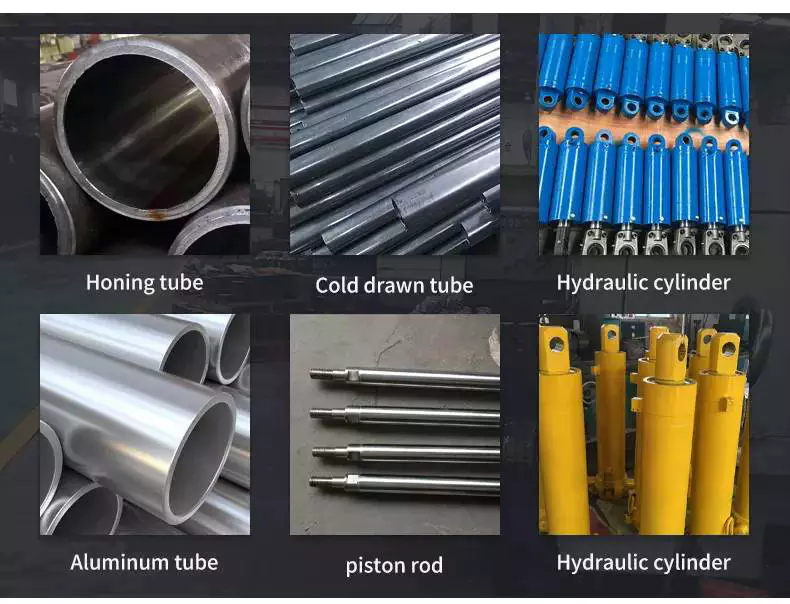
HYDRAULIC CYLINDER
Widely used in equipment for Construction, Coal&mine, Agriculture , Aerial work table and Environmental sanitation etc.
| Features | customized hydraulic cylinder |
| Bore Diameter | 2′-50’/50-1500mm |
| Rod Diameter | 1′ – 60’/25 -1000 mm |
| Wall Thickness | 0.1′-4’/3-100 mm |
| Max Stroke | 366’/9280 mm |
| Max Pressure | 9600 psi/600 bar |
| Test Pressure | 14500 psi/1000 bar |
| Materiale | 20#,40#,45#,16Mn,27SiMn,etc |
| Seal Kits | Hallite, Parker, NOK, DICHTOMATIK, Trelleborg, Merkel |
| Dimensional Accuracy | H7-H11 |
| Bore Roughness | Ra 0.4-1.6mm |
| Coating | hard chrome |
| Purpose | engineering, Coal &mining, agricultural machinery, environmental sanitation |
| OEM/ODM | SÌ |
| MOQ | 1 Piece |
| Certificates | ISO9001,CE, CCS |
Q1. Are you a manufacturer?
Yes, we have manufactured hydraulic cylinders for over 30 years. They are widely used in Engineers, Coal&mine, Agriculture and Environmental Sanitation etc.
Q2. Do your products come with a warranty?
Yes, we have 1 year warranty.
Q3. Can we customize our products from you?
Yes, actually 70% of our products are customized for our clients. You just need to let us know your demand (specifications &drawing is better), and we shall realize them for you.
Q4. How do you deliver the products?
By sea, by plane, or by couriers.
Q5. How many days the samples can be finished, And how about the mass production?
Generally 5-7days for samples making. The lead time of mass production will depend on quality, production art and so on. Generally 35days.
| Certificazione: | CE, ISO9001 |
|---|---|
| Pressione: | High Pressure |
| Modo di agire: | Double Acting |
| Metodo di lavoro: | Straight Trip |
| Structure: | Piston Type |
| Material: | Carbon Steel |
| Personalizzazione: | Disponibile |
|
|---|
In che modo i cilindri idraulici contribuiscono all'efficienza complessiva dei costi dei processi industriali?
I cilindri idraulici svolgono un ruolo cruciale nel migliorare la redditività complessiva dei processi industriali. Offrono numerosi vantaggi e contribuiscono ad aumentare la produttività, migliorare l'efficienza, ridurre i costi di manutenzione e ottimizzare le prestazioni operative. Ecco una spiegazione dettagliata di come i cilindri idraulici contribuiscono alla redditività dei processi industriali:
1. Elevata densità di potenza:
– I cilindri idraulici offrono un elevato rapporto potenza-peso, che consente di generare una forza considerevole in un design compatto. Questa densità di potenza permette l'utilizzo di apparecchiature più piccole e leggere, riducendo i costi di materiali e produzione e aumentando l'efficienza dei processi industriali.
2. Controllo preciso della forza e della posizione:
I cilindri idraulici offrono un controllo preciso della forza e della posizione, consentendo un movimento e un posizionamento accurati di macchinari o pezzi. Questo livello di controllo migliora l'efficienza del processo, riduce gli sprechi di materiale e migliora la qualità complessiva del prodotto. Il controllo preciso della forza riduce inoltre al minimo il rischio di danni alle apparecchiature, diminuendo ulteriormente i costi di manutenzione e riparazione.
3. Elevata capacità di carico:
I cilindri idraulici sono noti per la loro capacità di gestire carichi elevati. Possono esercitare una forza considerevole, il che li rende adatti ad applicazioni industriali gravose. Gestendo in modo efficiente carichi pesanti, i cilindri idraulici contribuiscono ad aumentare la produttività e la capacità produttiva, riducendo la necessità di attrezzature aggiuntive e ottimizzando i processi industriali.
4. Flessibilità e versatilità:
I cilindri idraulici offrono un elevato grado di flessibilità e versatilità nei processi industriali. Possono essere facilmente integrati in diverse tipologie di macchinari e attrezzature, consentendo svariate applicazioni. Questa adattabilità riduce la necessità di attrezzature specializzate, con conseguente risparmio sui costi e maggiore efficienza operativa.
5. Efficienza energetica:
I sistemi idraulici, compresi i cilindri idraulici, possono essere progettati per funzionare con un'elevata efficienza energetica. Grazie all'utilizzo di circuiti idraulici efficienti, sistemi di controllo avanzati e meccanismi di recupero energetico, i cilindri idraulici riducono al minimo gli sprechi di energia e i costi operativi. I sistemi idraulici ad alta efficienza energetica contribuiscono inoltre a un funzionamento industriale più sostenibile e rispettoso dell'ambiente.
6. Durata e longevità:
I cilindri idraulici sono progettati per resistere ad ambienti industriali gravosi e a un utilizzo intensivo. Sono realizzati con materiali robusti e sottoposti a rigorosi controlli di qualità per garantirne durata e longevità. La loro capacità di resistere a condizioni difficili e movimenti ripetitivi riduce la necessità di sostituzioni frequenti, minimizzando i tempi di inattività e i costi di manutenzione.
7. Riduzione delle esigenze di manutenzione:
I cilindri idraulici richiedono una manutenzione relativamente ridotta rispetto ad altri tipi di attuatori. Sistemi idraulici progettati correttamente, dotati di efficienti meccanismi di filtrazione e controllo della contaminazione, possono prevenire danni ai cilindri e prolungarne la durata. La riduzione delle esigenze di manutenzione si traduce in minori tempi di inattività, minori costi di manodopera e una maggiore efficienza in termini di costi dei processi industriali.
8. Integrazione e automazione dei sistemi:
I cilindri idraulici possono essere integrati senza problemi nei processi industriali automatizzati. Incorporando i cilindri idraulici nei sistemi automatizzati, le attività possono essere eseguite con precisione e ripetibilità, riducendo l'errore umano e ottimizzando l'efficienza. L'automazione consente inoltre un funzionamento continuo, aumentando la produttività e la redditività complessiva.
9. Sostituzione economicamente vantaggiosa:
– Nelle situazioni in cui i cilindri idraulici necessitano di sostituzione o riparazione, la convenienza economica del processo rimane inalterata. I cilindri idraulici hanno in genere una struttura modulare, che consente una facile sostituzione dei singoli componenti o di intere unità. Questa modularità riduce i tempi di fermo e i costi associati, poiché è necessario sostituire solo i componenti interessati, anziché l'intero sistema.
In sintesi, i cilindri idraulici contribuiscono all'efficienza complessiva dei processi industriali grazie all'elevata densità di potenza, alle precise capacità di controllo, all'elevata capacità di movimentazione del carico, alla flessibilità, all'efficienza energetica, alla durata, alla riduzione delle esigenze di manutenzione, all'integrazione nei sistemi e alle opzioni di sostituzione economiche. La loro capacità di migliorare la produttività, l'efficienza e le prestazioni operative, minimizzando al contempo i costi di manutenzione e i tempi di inattività, rende i cilindri idraulici un componente prezioso in diverse applicazioni industriali.
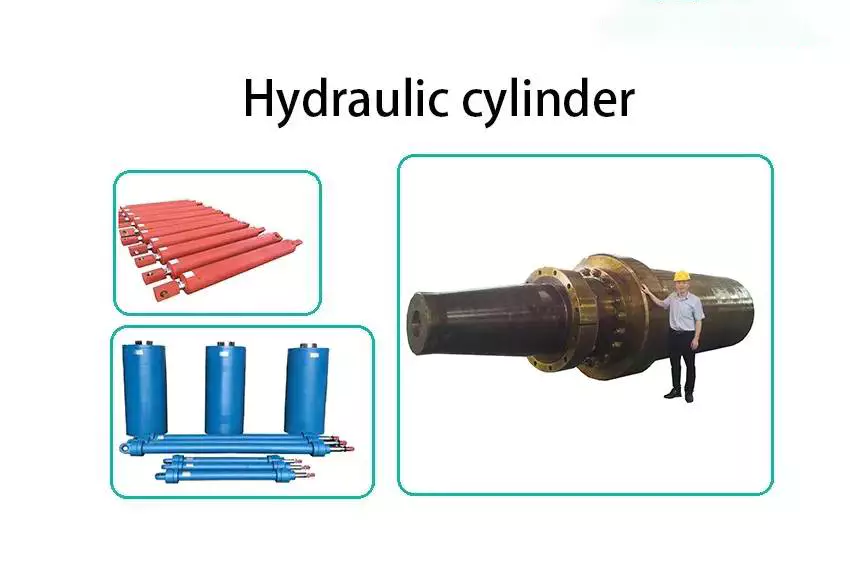
Adaptation of Hydraulic Cylinders for Medical Equipment and Aerospace Applications
Hydraulic cylinders have the potential to be adapted for use in medical equipment and aerospace applications, offering unique advantages in these industries. Let’s explore how hydraulic cylinders can be adapted for these specialized fields:
- Medical Equipment: Hydraulic cylinders can be adapted for various medical equipment applications, including hospital beds, patient lifts, surgical tables, and rehabilitation devices. Here’s how hydraulic cylinders are beneficial in medical equipment:
- Positioning and Adjustability: Hydraulic cylinders provide precise and smooth movement, allowing for accurate positioning and adjustments of medical equipment. This is crucial for ensuring patient comfort, proper alignment, and ease of use.
- Load Handling: Hydraulic cylinders offer high force capabilities, enabling the safe handling of heavy loads in medical equipment. They can support the weight of patients, facilitate smooth transitions, and provide stability during procedures.
- Controlled Motion: Hydraulic cylinders provide controlled and stable motion, which is essential for delicate medical procedures. The ability to adjust speed, position, and force allows for precise and controlled movements, minimizing patient discomfort and ensuring accurate treatment.
- Durability and Reliability: Hydraulic cylinders are designed to withstand rigorous use and demanding environments, making them suitable for medical equipment applications. Their durability and reliability contribute to the long-term performance and safety of medical devices.
- Aerospace Applications: Hydraulic cylinders can also be adapted for aerospace applications, where lightweight yet robust systems are essential. Here’s how hydraulic cylinders are advantageous in aerospace:
- Flight Control Systems: Hydraulic cylinders play a critical role in aircraft flight control systems, including ailerons, elevators, rudders, and landing gear. They provide precise and reliable actuation, allowing pilots to control the aircraft’s movements with accuracy and responsiveness.
- Weight Optimization: Hydraulic cylinders can be designed using lightweight materials, such as aluminum alloys or composite materials, to reduce overall weight. This weight optimization is crucial in aerospace applications to enhance fuel efficiency, payload capacity, and aircraft performance.
- Shock and Vibration Resistance: Aerospace environments involve significant shock and vibration forces. Hydraulic cylinders can be engineered to withstand these dynamic loads while maintaining performance and reliability, ensuring consistent operation even under extreme conditions.
- Space Constraints: Hydraulic cylinders can be designed to fit within the space constraints of aircraft or spacecraft. Their compact size and flexible mounting options allow for efficient integration into the limited available space.
In summary, hydraulic cylinders can be adapted for use in medical equipment and aerospace applications, leveraging their precise positioning, load handling capabilities, controlled motion, durability, and reliability. In medical equipment, hydraulic cylinders enable comfortable patient positioning, smooth transitions, and controlled movements during procedures. In aerospace, hydraulic cylinders provide precise actuation, weight optimization, shock and vibration resistance, and space-efficient solutions. By adapting hydraulic cylinders to these specialized fields, manufacturers can meet the unique requirements and enhance the performance of medical equipment and aerospace systems.
How do hydraulic cylinders contribute to the efficiency of heavy machinery like excavators?
Hydraulic cylinders play a crucial role in enhancing the efficiency and performance of heavy machinery, such as excavators. These powerful hydraulic actuators enable excavators to perform various tasks efficiently and effectively. Here’s a detailed explanation of how hydraulic cylinders contribute to the efficiency of heavy machinery like excavators:
1. Force and Power:
– Hydraulic cylinders provide the necessary force and power required for the excavation process. They convert hydraulic energy from the hydraulic fluid into linear mechanical force, allowing the excavator to exert significant pushing and pulling forces. The force generated by hydraulic cylinders enables the digging arm or boom of the excavator to penetrate and break through tough materials, such as soil, rocks, or concrete, with ease and efficiency.
2. Precise Control:
– Hydraulic cylinders offer precise control over the movement of excavator components. By regulating the flow of hydraulic fluid to the cylinders, operators can control the speed, direction, and positioning of the excavator’s arm, boom, bucket, and other attachments. This precise control allows operators to perform delicate operations, such as fine grading or precise material placement, with accuracy and efficiency.
3. Versatility and Adaptability:
– Hydraulic cylinders enable excavators to perform a wide range of tasks by facilitating the quick and easy interchangeability of attachments. Excavators can be equipped with various specialized attachments, including buckets, breakers, grapples, and augers, which can be efficiently connected and disconnected using hydraulic cylinders. This versatility and adaptability enhance the efficiency of excavators by enabling them to tackle different tasks without the need for extensive manual adjustments or downtime.
4. Increased Productivity:
– The power and control provided by hydraulic cylinders significantly increase the productivity of excavators. Excavators equipped with hydraulic cylinders can complete tasks more quickly and efficiently compared to manual or mechanically-driven machinery. The precise control over movements allows for faster cycle times, reduced idle time, and improved overall productivity on the worksite.
5. Enhanced Digging and Lifting Capabilities:
– Hydraulic cylinders enable excavators to perform digging and lifting operations with enhanced capabilities. The force generated by hydraulic cylinders allows excavators to dig deeper and lift heavier loads compared to other types of machinery. This increased digging and lifting capacity contributes to the efficiency of excavators by reducing the number of passes required to complete a task and improving overall productivity.
6. Durability and Reliability:
– Hydraulic cylinders are designed to withstand heavy loads, challenging operating conditions, and frequent use. They are built with robust materials, such as high-strength steel, and undergo stringent quality control measures during manufacturing. The durability and reliability of hydraulic cylinders ensure that excavators can operate efficiently even in demanding environments, minimizing downtime and maximizing productivity.
7. Energy Efficiency:
– Hydraulic systems, including hydraulic cylinders, are known for their energy efficiency. Hydraulic cylinders can deliver high force outputs while consuming relatively low amounts of hydraulic fluid. This energy efficiency translates to lower fuel consumption and reduced operating costs for excavators. The efficient use of hydraulic power contributes to the overall efficiency and sustainability of heavy machinery operations.
8. Safety:
– Hydraulic cylinders play a vital role in ensuring the safety of excavator operations. They provide controlled and predictable movements, reducing the risk of sudden or uncontrolled motions. The precise control offered by hydraulic cylinders allows operators to perform tasks safely and accurately, minimizing the chances of accidents or damage to the machinery or surrounding environment.
Overall, hydraulic cylinders are essential components that significantly contribute to the efficiency of heavy machinery like excavators. By providing force, precise control, versatility, increased productivity, enhanced capabilities, durability, energy efficiency, and safety, hydraulic cylinders enable excavators to perform a wide range of tasks efficiently and effectively in various industries, including construction, mining, and landscaping.


editor by CX 2023-10-27
 Italian
  English
  Portuguese
  Dutch
Dutch  Swedish
  Danish
  Finnish
  Polish
  Hindi
Hindi  Kazakh
  Turkish
  Ukrainian
  Romanian
  Spanish
  German
  Russian
  Korean
  Japanese
  Vietnamese
  Thai
Thai  Indonesian
  Malay
Malay  French
  Greek
Greek